
FREIGHT TRANSPORT INDUSTRY
What moves the freight transport industry? Various factors have an impact on the freight transport industry. As the voice of the shipping industry, we are campaigning for a competitive rail freight system. To this end, we monitor, among other things, modal shift and lobby politicians for non-discriminatory rail.
The future of inland freight transport
Further development of freight transport: variants of the Federal Council do not go far enough
COMPETITION IN RAIL FREIGHT TRANSPORT
Interoperability
The optimisation of processes and interfaces and the connection with the 4th EU railway package.
Sustainability
The motion by Josef Dittli, member of the Council of States, calls for an overall concept on how rail freight transport and multimodal logistics solutions can contribute to reducing CO2 emissions.
Digitalisation
What is helping European rail freight to reach the next dimension of modernisation?
Flyer Rail Freight Traffic 2050
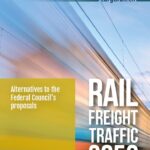
INFORMATIVE
Future rail freight transport in the area / wagonload transport
- Cargo Forum Switzerland response on the «Weiterentwicklung der Rahmenbedingungen für den Schweizer Gütertransport»
- Media release, 15.2.2023: Weiterentwicklung des Güterverkehrs: Varianten des Bundesrates greifen zu kurz
- VAP consultation response on the «Weiterentwicklung der Rahmenbedingungen für den Schweizer Gütertransport»
- LITRA, ASTAG, IG Kombinierter Verkehr, VAP and VöV with the Freight Transport Commission jointly comment on the federal government’s consultation on the «Further development of the framework conditions for Swiss freight transport» (in german)
- Media release, 8.2.2023: Medienmitteilung zur Zukunft des Binnengüterverkehrs
- Interview in RailBusiness, 21.11.2022: Frank Furrer zur Fortführung des Wagenladungsverkehrs
- Media release, 2.11.2022: Unterstützung für einen starken Schienengüterverkehr in der Fläche
- 2.11.2022: Bundesrat gibt zwei Varianten in Vernehmlassung
- Erläuternder Bericht zur Vernehmlassungsvorlage, BAV
- Faktenblatt Digitalisierung
- Faktenblatt Schienengüterverkehr
- Position paper to KVF‑N, 22.6.2022: Future of rail freight transport in the countryside
Energy crisis
- Media release of 21.10.2022: Rail freight must be protected from energy price increases (in german)
- Demand of the European associations
- Regulation 2022/1854
- Freight railways: 28% – in 2023 feared share of electricity in total costs in rail freight transport (in german)
Rail Freight Transport Vision of the Advisory Group on the Development of Rail Freight Transport, 2022
Summary of a study commissioned by the shipping industry
- Study «From integrated to market-oriented railways» in German or in French
Modal shift report 2021
- Federal Council report on modal shift of November 2021 (in german)
- Blog articel: Modal shift: In transit on the right track
Transport of dangerous goods
Legal
Basic studies of the Confederation
- Transport Outlook 2040
- Transport Outlook 2050
- Energy perspectives 2050+
- Transfer report 2021
Underground freight transport
- Legal basis and new investors for “Cargo sous terrain”
- Consultation on the federal law: VAP response
- Consultation on the federal law: Response Cargo Forum Switzerland
- Explanatory report on the consultation draft
- Federal law on the underground transport of goods: consultation draft
Archive
Freight transport in the Covid 19 crisis
- Milderung der pandemiebedingten Auswirkungen auf den Schienengüterverkehr im Jahr 2021
- Finanzielle Unterstützung Schweizer Schienengüterverkehr in der Krise
- Medienmitteilung Unterstützung des Güterverkehrs in der Krise
- Vernehmlassungsantwort zum Bundesgesetz über die Unterstützung des öffentli-chen Verkehrs in der COVID-19-Krise
- Positionspapier Der Güterverkehr zeigt Stärke in der Krise
Relocation report 2019 – industry calls for additional measures
- Bericht des Bundesrats über die Verkehrsverlagerung vom November 2019
- Positionspapier der Branche
- Position der Branche (Präsentation)
- Position der Branche (PDF)
- Medienmitteilung der Branche
- BAV: Botschaft zum Bundesbeschluss über eine Erhöhung und Laufzeitverlängerung des Zahlungsrahmens für die Förderung des alpenquerenden Schienengüterverkehrs
- BAV: Bundesbeschluss über eine Erhöhung und Laufzeitverlängerung des Zahlungsrahmens für die Förderung des alpenquerenden Schienengüterverkehrs
- BAV: Faktenblatt Sinkende Lastwagenzahlen und hoher Marktanteil der Bahn
- BAV: Faktenblatt Verlagerungswirkung der NEAT
- BAV: FAQ Verlagerungsbericht 2019
- BAV: Verkehrsentwicklung im alpenquerenden Güterverkehr infolge Fertigstellung der NEAT
Operations
Freight railway undertakings
 |
 |
 |
 |
| DB Cargo | GATX | Hupac | railCare |
 |
 |
 |
|
| SRT swiss rail traffic | TR Trans Rail | WRS |
|
|
|
| DB Cargo | GATX | Hupac |
|
|
|
| SRT swiss rail traffic | TR Trans Rail | WRS |
|
||
| railCare |
Freight railway wagon rental companies
 |
 |
 |
 |
| VTG | wascosa | ermewa | Groupe Millet |
|
|
|
| VTG | wascosa | ermewa |
|
||
| Groupe Millet |
Shippers (examples)
 |
 |
 |
 |
| Die Post | Holcim | Panlog | Hastag |
|
|
|
| Die Post | Holcim | Panlog |
|
||
| Hastag |
Sites
First and last mile
Over 850 sidings are used in Switzerland. Unfortunately, there is a steady decline. You can find out how the VAP is campaigning for the preservation of the sites and other useful information in the chapter Sites.
Network
The network is about access to the railways, the train paths. Optimal utilisation requires far-sighted construction planning, fair prices and good organisation.
You can find out how we are committed to this and other useful information under the following link.
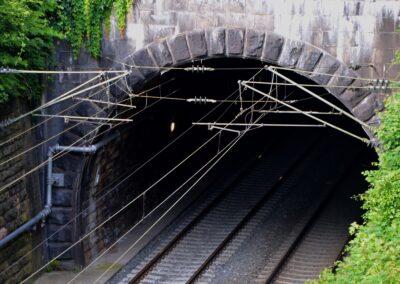
Electricity shortage: take precautions and develop scenarios
Energy transition, geopolitical crises, supply shortages – these and other factors could lead to an electricity shortage. The large consumers are called upon to develop scenarios for a quota system. We at the VAP are actively working on this.
Electricity is available – that was taken for granted in Switzerland for decades. This is now being called into question: on the one hand, the replacement of fossil fuels by sustainable energy sources will limit the available energy resources in the coming years. On the other hand, geopolitical conflicts and supply bottlenecks may have an additional negative impact on their availability, as the current situation shows us.
Active participation required
Against this background, the Confederation has called on all large consumers to cooperate in the preparations for a possible electricity shortage. If an electricity shortage does indeed occur, the rail sector will have to restrict passenger transport services. Freight transport is to be maintained in line with demand.
Freight transport plays a key role
The railways play a system-relevant role in freight transport with domestic, import and export traffic for the supply of the economy and society. If a massive power shortage occurs, the freight logistics capability should basically remain intact. However, it must adapt to the changed demand.
This is also the great unknown. At present it is not possible to draw up reliable scenarios for the development of demand in the event of an electricity shortage. Certainly, the demand for transport capacity will change noticeably both in Switzerland and in our neighbouring countries. But depending on the sector, it may fall as well as rise.
Viewing rail operations as a system
To ensure that rail freight traffic can continue to roll even in a crisis situation, the sector must react to the changed demand in a timely manner with an adapted transport offer. This is only possible if the entire rail operation is viewed as a system. In other words, all operationally relevant functions must remain functional.
Scenarios in progress
In order to curb energy consumption in the event of a crisis, passenger transport will be guided by the reduced timetables that it has already drawn up and implemented in the pandemic year 2020. In freight transport, possible scenarios are being developed in close dialogue with the logistics sector and with a view to the economic supply of the country. According to the mandate, coordinated scenarios should be available by the end of 2022. We at the VAP are actively contributing our knowledge and experience to this process.
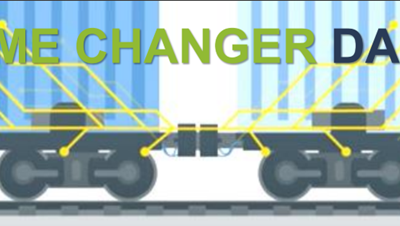
Investing in the future with the DAC
The digital automatic coupler (DAC) is much more than what its name suggests. It is the basis for the complete digitalisation and automation of rail freight transport in Switzerland – and thus a far-sighted investment in the future.
Rail freight 4.0
We at VAP are committed to a competitive rail freight system in order to ensure that our members have a free choice of transport mode. To this end, we are active at various levels. One is the digital automatic coupling, or DAC for short. With this, European rail freight can reach the next dimension of modernisation.
The DAC allows automatic coupling, as the name suggests. But that is by far not all. We should rethink Swiss rail freight transport with its cross-system processes as a whole. In this view, the DAC enables a continuous power and data transfer in the train. Such a transfer is the prerequisite for the digitalisation and automation of rail freight transport. It is tantamount to a quantum leap in quality and customer benefit, as all data is available digitally via all interfaces and logistics participants. Digital train control will also lead to a groundbreaking flexibilisation of network use and thus to a significant increase in network capacity. This offers rail freight transport the unique opportunity to play a key role in multimodal logistics.
Genuine innovation for 100 years
The last real innovation in European rail freight transport was electrification. It was 100 years ago. As a result, the competitiveness of rail freight has steadily declined. With the investment in the DAC, rail freight transport can now catch up on several stages of development at once. Because it offers new functions with groundbreaking advantages (cf. Figure 1).
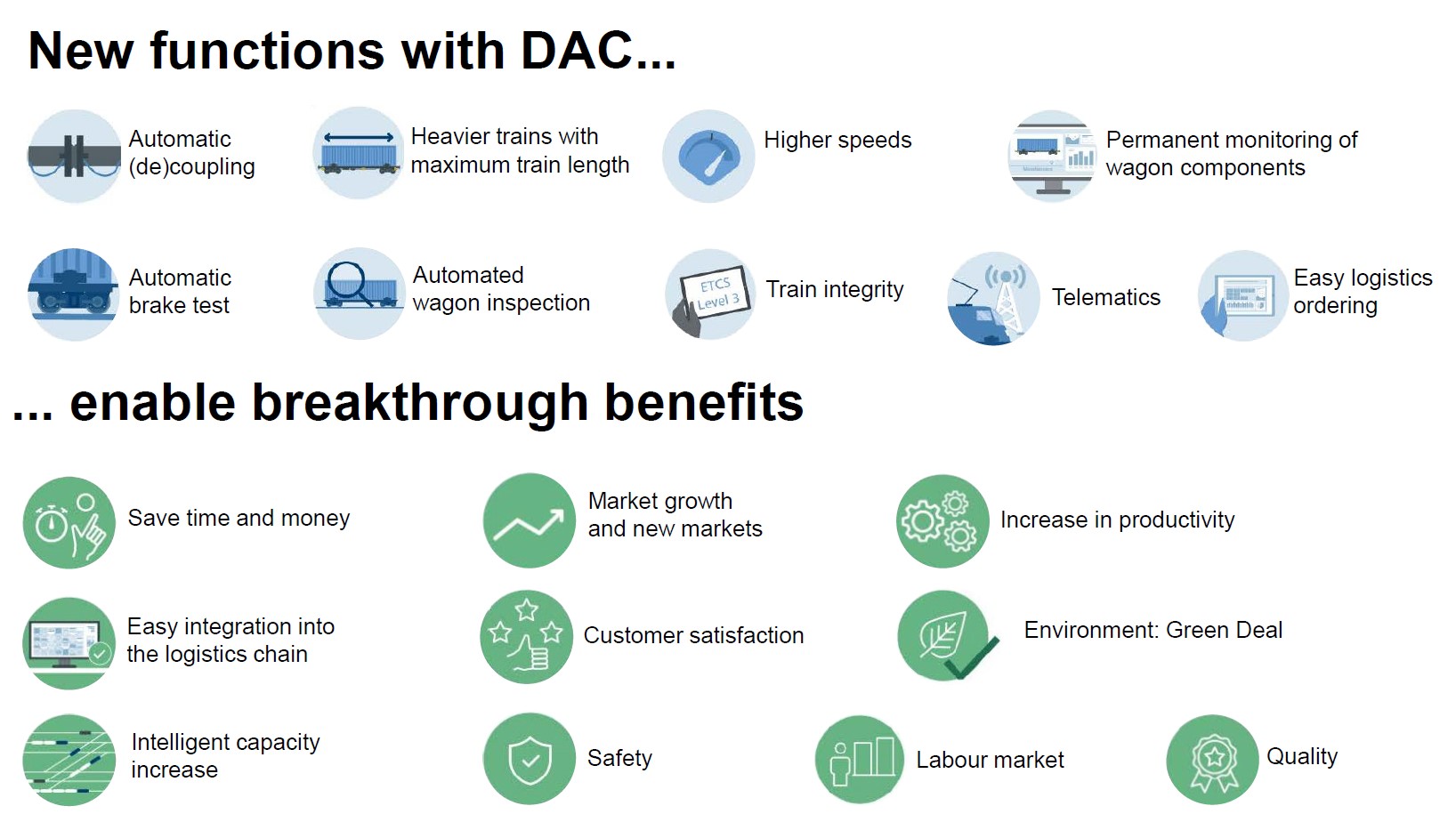
Figure 1: The DAC brings more benefits than the automation of the coupling process.
Rail freight transport as the backbone of supply
Rail freight transport is a central component of the supply of goods. In Switzerland alone, we expect freight transport volumes to grow by 30 percent by 2050. Transport capacities on road and rail are limited. Capacity expansion is mainly possible through improved interfaces of the multimodal logistics chains. And rail freight transport also has a lot to offer in terms of sustainability. Transport accounts for one third of greenhouse gas emissions each year. With the Green Deal in Europe and the long-term Climate Strategy 2050 in Switzerland, politicians have set ambitious goals. Low-emission rail transport is proving to be extremely competitive.
Support needed
Leading rail freight transport into a new era of progress with the DAC cannot be achieved single-handedly. Our industry is dependent on support. This includes, on the one hand, political commitment to ensure seamless coordination between Switzerland and the EU. On the other hand, it requires financial support. Because the industry players cannot bear the high initial investments alone. The added value of the DAC is designed for the long term and distributed among several market participants (cf. Figure 2). In our view, a deliberate start-up financing by the federal government is imperative. But the overriding goal must remain self-sustainability.
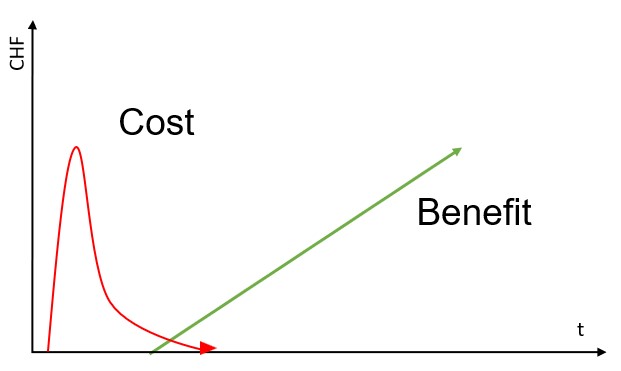
Figure 2: The benefits of the DAC can be seen in the long term and are distributed among several market participants.
Considered retrofitting
We consider it sensible to retrofit the existing fleet of wagons restrictively and to concentrate on young and market-relevant wagons. Wagon owners should only retrofit their wagons if this is cheaper over time than buying new ones. In addition, the Confederation should provide for a scrapping allowance for wagons that have not been written off, the use of which the wagon keeper can decide himself. The fact is that a large number of wagons must be converted in a coordinated manner within a short period of time so that the wagons remain compatible with each other and the DAC unfolds its added value as soon as possible.
You can find more on the subject in this presentation.
Ensure Switzerland-EU interoperability
On 24 June 2022, the Joint Committee on Land Transport acknowledged the importance of harmonised rules for Switzerland-EU land transport. We think: More is needed for sustainable interoperability. What is needed now is a coordinated transport policy.
In 1999, Switzerland concluded a land transport agreement with the European Union (EU). This guarantees mutual market access for transporters from both sides of the Swiss border. The regulations for cross-border goods transport by rail and road have been harmonised.
Switzerland partially left out
With the NRLA, Switzerland expanded the European rail corridor into a flat railway and successfully implemented its modal shift policy with the Distance-related Heavy Vehicle Fee (HVF) and a ban on cabotage, night and Sunday driving. The modal split in transalpine transit traffic is over 70% in favour of rail, which is considered an international benchmark. However, this pleasing performance record should not hide the fact that, compared to member states, Switzerland does not currently have full market access. The Swiss railway network is not yet an integrated part of the European Interop network.

Sticking to the Agreement on Land Transport
At its half-year meeting on 24 June 2022, the Joint Committee on Land Transport emphasised the importance of the agreement. However, unresolved political differences between Switzerland and the EU are blocking its further development. Such further development is urgently needed within the framework of the technical pillar of the 4th EU Railway Package.
Since 2019, Switzerland’s cooperation with the European Railway Agency (ERA) has been governed by a temporary transitional solution. The Joint Committee discussed a further extension of this transitional solution. This would facilitate Switzerland’s procedural involvement in simplified authorisations for cross-border traffic as well as its technical participation in innovation projects for the digitalisation and automation of the railways.
Federal Council in demand
We at the VAP are convinced that Swiss rail freight transport must expand its market access and not miss the boat on European innovation. With this credo, Josef Dittli, member of the Council of States, submitted interpellation 22.3566 on 9 June 2022. He is asking the Federal Council to answer the following questions:
- How does the Federal Council intend to ensure the necessary continuation of the rail packages within the framework of the EU-CH land transport agreement?
- How does the Federal Council intend to achieve the implementation of the technical pillar of the 4th EU railway package in Switzerland and secure free cross-border rail traffic in the long term?
- How does the Federal Council intend to achieve Switzerland’s early full membership in the European Railway Agency ERA?
- How does the Federal Council intend to secure and complete the Swiss seat in the EU RISC as an important management and decision-making body?
Ensure full interoperability
For the economy in general and for our members in particular, it is crucial that previous achievements are secured in the long term. We consider it absolutely necessary that Switzerland is represented as an equal partner in central European bodies as soon as possible and that transport policy in cross-border transport is coordinated.

Future of rail freight transport in the area
Shaping rail freight transport for the future
The Federal Council’s report Bericht «Future orientation of rail freight transport in the area»[1] of March 2022 provides a welcome opportunity to rethink the Swiss rail freight transport system with its intermodal competition and cross-system processes as a whole. A holistic new conception starts not only with the (start-up) financing of the EMLV or the DAC, but with all processes, incentive instruments, market mechanisms and interfaces of multimodal freight logistics in Switzerland. The goal must be a self-sustaining, market-based rail freight transport system that includes all freight railways without discrimination on the basis of intramodal competition and supports shippers as a reliable partner. In this context, any financing based on the proven model in transit traffic must primarily benefit the customers of all freight railways and offer performance-based, competition-neutral incentives without any discrimination. Only in this way and only with combined forces can innovations and investments by the private sector in rail freight transport develop. And only in this way can rail freight transport in the countryside be made fit for the future.Federal Council considers long-term financial support
According to the report, the Federal Council wants to maintain single wagonload traffic (SCC) in the future and does not rule out long-term financial support. According to the definition of the Federal Office of Transport (FOT), single wagonload traffic comprises the transport of groups of wagons in unaccompanied combined transport (UCT) and conventional rail freight wagons bundled together for the main run. The Boards of Directors of SBB AG and SBB Cargo AG assess in their Financial Report 2021[2] a subsidisation of their rail freight services as necessary and probable. The Federal Council and the federal companies are thus apparently in agreement that financial support for rail freight transport is necessary in the area. However, they base their assessment of volume and financial viability solely on information from SBB Cargo. The other freight railways, most of which are organised in the private sector, are not included in this assessment. In our view, a new perspective is urgently needed here.Adopting a new perspective
SBB Cargo has been operating nationwide rail freight services as a monopoly since the 1999 Rail Reform I – with little success, as a review 25 years after the parliamentary decision shows. This must change: The freight railways active throughout Switzerland and their customers can join forces and, under the leadership of the Wagonload Transport Interest Group (IGWLV)[3], redesign rail freight transport in Switzerland.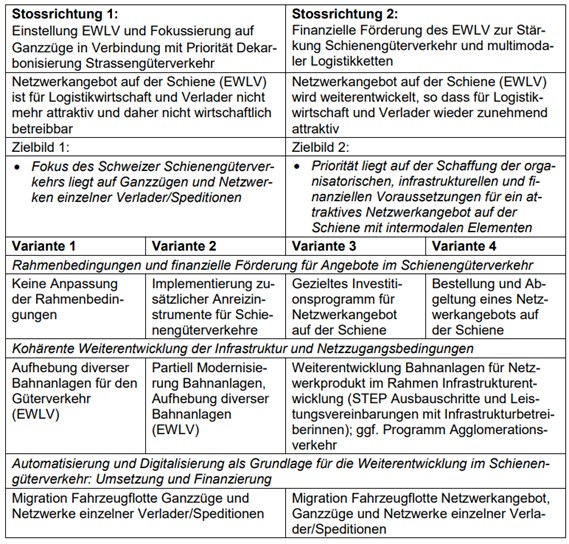
Figure 1, page 51 in the report «Future orientation of rail freight transport in the area».
For the further development of rail freight transport in the area, the report presents two directions (Figure 1): one involves the discontinuation of EMLV, the other the financial promotion of EMLV. From the VAP’s point of view, this is too narrow a view. A change of perspective is necessary in two respects: First, actors need to redefine their understanding of their roles and rethink their processes. Secondly, a neutral view of the financial situation is needed. For neither the envisaged technical advances (keyword digital automatic coupling DAC) nor the purely internal view of SBB Cargo can bring about a reorganisation. This should also be the focus of the current discussion about the future. The organisational form shown in the report (Figure 2) represents a mental jumping-off point for working out further variants of directions.
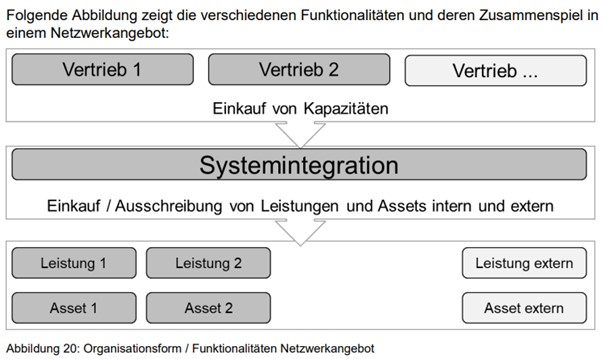
Figure 2, page 50 in the report «Future orientation of rail freight transport in the area».
Fact-based decisions
In order to assess the financing requirements of regional rail freight transport, it is imperative to have an analysis of the economic viability carried out by external neutral experts. If surface rail freight is indeed unprofitable, a distinction must be made as to whether SBB Cargo’s monopoly position or the system itself is responsible. The neutral third party must also examine whether economic viability, as required by the Freight Transport Act (GüTG[4]), is currently being pursued at all. Only when a detailed analysis of the current situation is available can parliament decide on appropriate measures.
Limit funding
If financial support proves to be undoubtedly appropriate, it should be considered as temporary financing for a fundamental new concept – not as permanent subsidisation. Temporary start-up funding can support the development of a competitive rail freight transport system until its simultaneous digitalisation and automation and the commissioning of new network elements from the 2035 expansion stage have been completed. Permanent funding, on the other hand, would undermine the market-based incentives for competitiveness and self-sufficiency of rail freight transport and make further development of rail freight transport in Switzerland impossible.
[1] “Future orientation of surface rail freight traffic”, Federal Council report in response to KVF‑S postulate 21.3597 of 10 May 2021. In 1999, with Rail Reform I, Parliament transferred the monopoly for the operation of surface rail freight traffic to SBB Cargo AG. Its share of rail freight traffic in domestic, import and export traffic is around 60%. The remaining 40% is carried in block trains via sidings and terminals.
[2] «SBB Financial Report 2021», chapter «Bewertungsunsicherheiten rund um die Coronapandemie und um das Geschäftsfeld Cargo Schweiz», p. 84.
[3] The Wagonload Transport Interest Group (IGWLV) was founded in 2018. It represents the interests of VöV, SBB Cargo and VAP with the mandate to modernise rail freight transport in the area and make it more efficient, in accordance with Art. 3a of the Freight Transport Act. President: Frank Furrer, Secretary General VAP, Vice President: Désirée Baer, CEO SBB Cargo –> Reports on IG WLV
[4]«Bundesgesetz über den Gütertransport durch Bahn- und Schifffahrtsunternehmen (Gütertransportgesetz, GüTG)» Art. 2 Para. 2
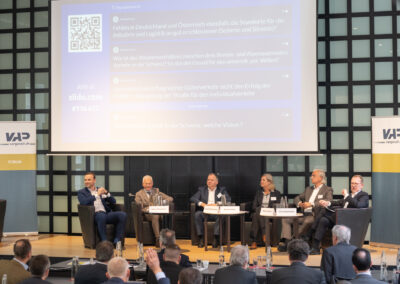
Freight Transport Forum: the industry stands together for progress in rail freight transport
On 3 May 2022, the popular Freight Transport Forum finally took place again after three years. The most important players and representatives from the shipping industry from all over Europe met to refresh their expertise and exchange ideas with colleagues across companies. The chances of making rail freight transport fit for the future in a joint effort are good!
Interesting approaches
The freight transport master plans and rail freight transport in particular, which were launched in Germany and Austria, provide a comprehensive overview of the political strategies and measures. Something comparable is lacking in Switzerland; instead, there is still a strong focus on the individual modes of transport. The VAP therefore continues to pursue an overall view of freight transport and logistics, in close cooperation with economiesuisse and ASTAG. Austria presents an amendment to the Waste Management Act. This stipulates that transports of waste with a total weight of more than ten tonnes, starting from a defined transport distance (decreasing between 1.1.2023 and 1.1.2026 from 300, 200, 100 km), must in future be carried out by rail or by other means of transport with equivalent or lower pollutant or greenhouse gas potential (e.g. propulsion by fuel cell or electric motor). Similar developments can also be seen in the canton of Zurich, for example in the Ordinance on the Transport of Excavated Material and Aggregates by Rail of 3 February 2021, which requires that a significant proportion of excavated material must be transported by rail – or else a substitute levy is payable. In principle, we welcome such regulations to achieve the environmental goals, but we do not consider a specification of the choice of means of transport by means of gentle coercion to be very effective. Rather, the VAP strives to make the railways fit and attractive for shippers, so that paternalism is not necessary.
We therefore consider the common interest in promoting digitalisation to be very positive. As never before, the players in the shipping industry stand united for progress. It is impressive how the various players networked across Europe have decided in favour of digitalisation and want to use this lever together to make rail freight transport fit for the future. Various presentations showed that the Digital Automatic Coupling (DAC) not only brings considerable relief for mechanical work, but is above all a switch for the connectivity of an entire train. This is the prerequisite for digitalisation, which is so important for rail freight transport and which has long since taken place in other industries. With more efficient and transparent processes, rail can become competitive alongside other modes of transport. The motto is collaboration and coopetition, which we at the VAP Association of Shippers also support.
VAP members can download the speakers’ presentations here with their personal login.

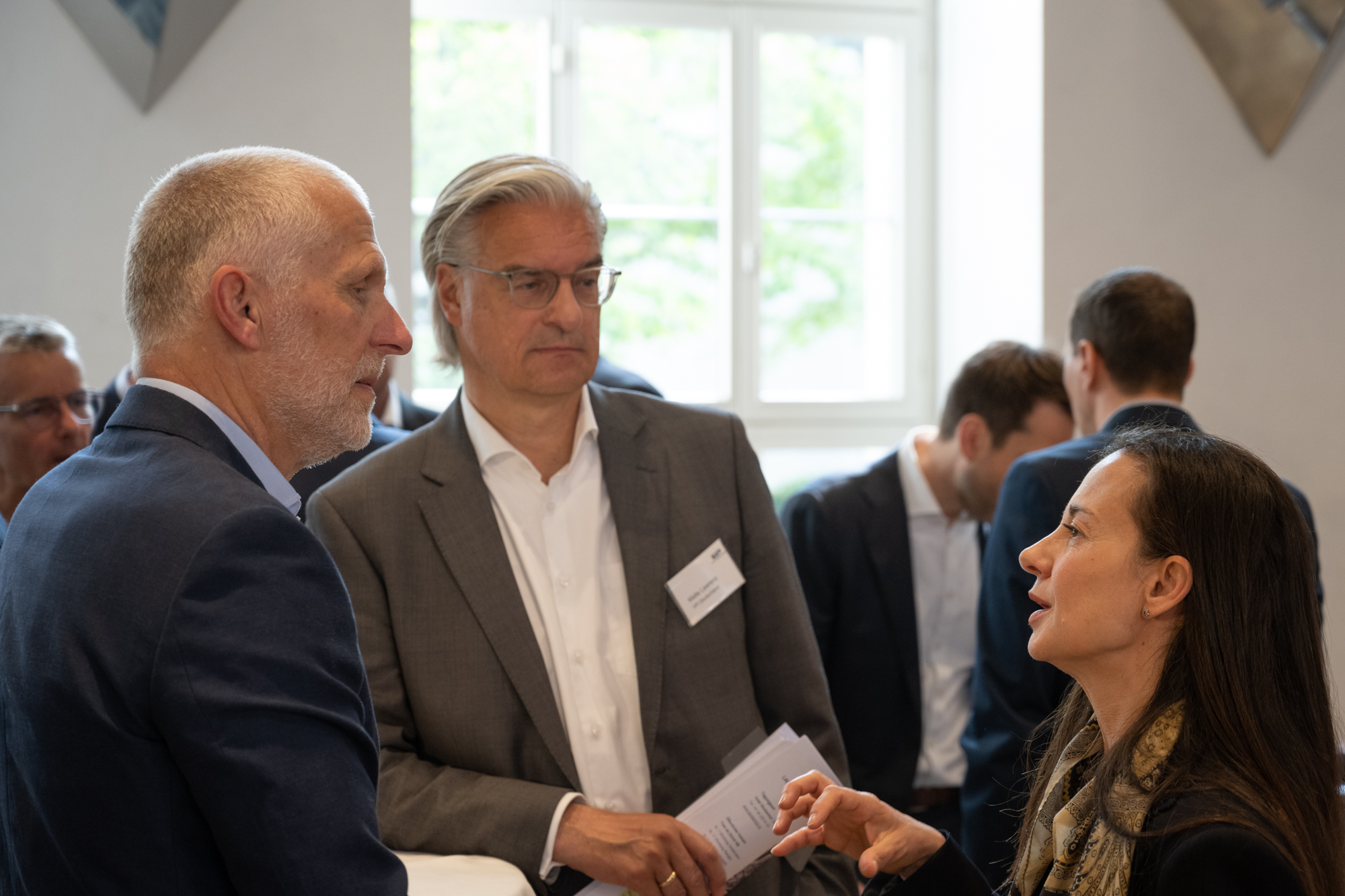
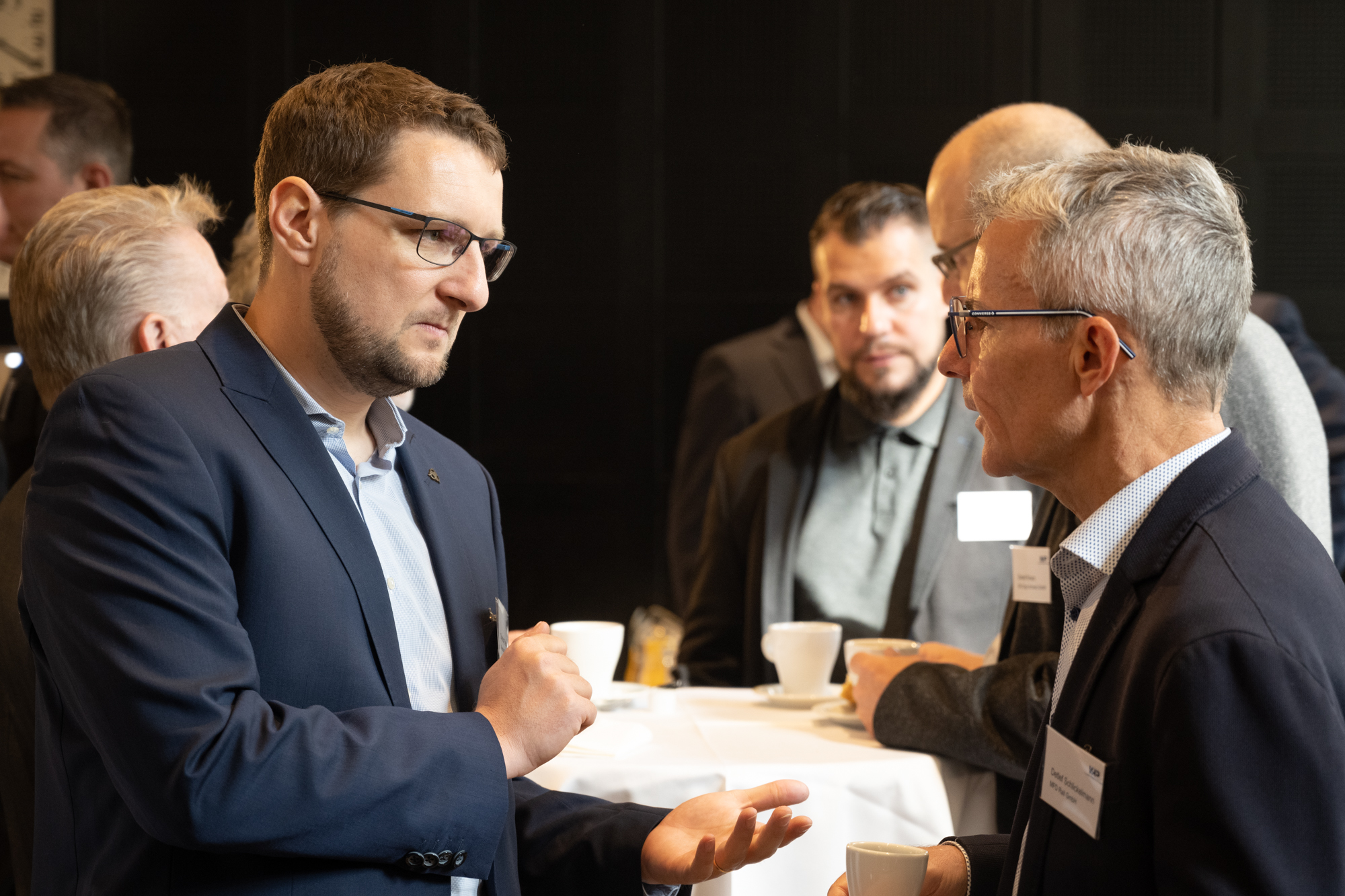
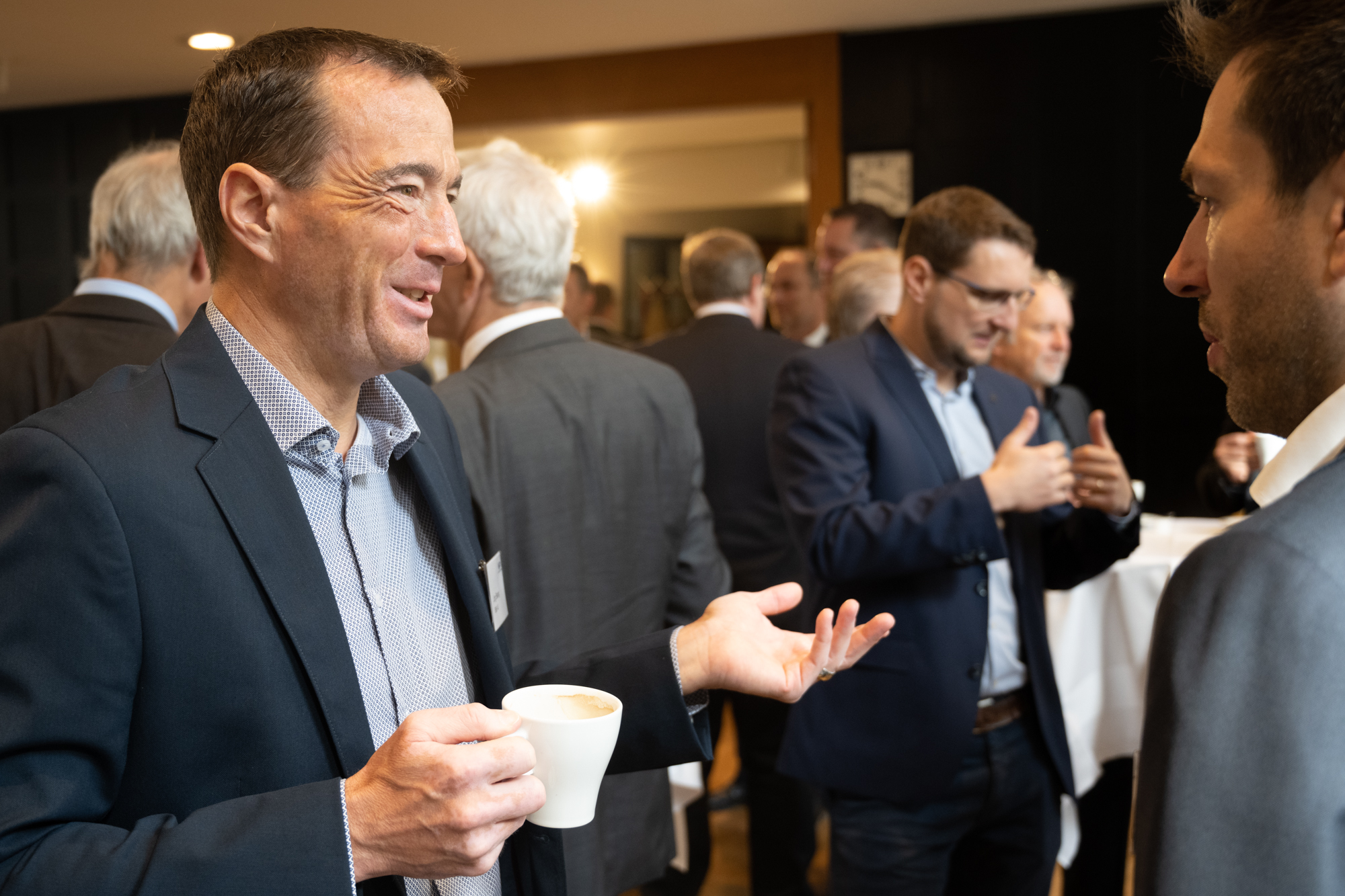
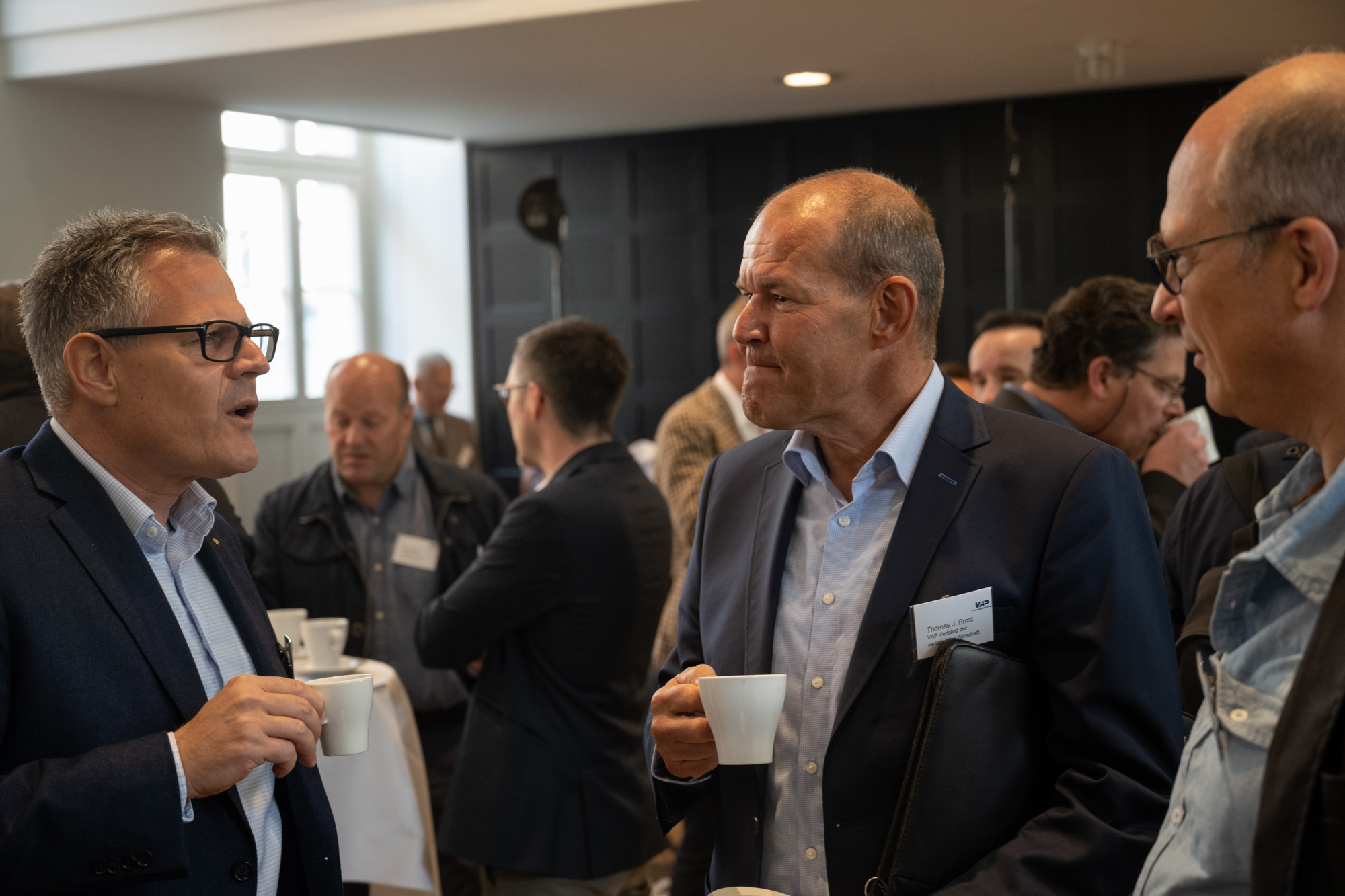
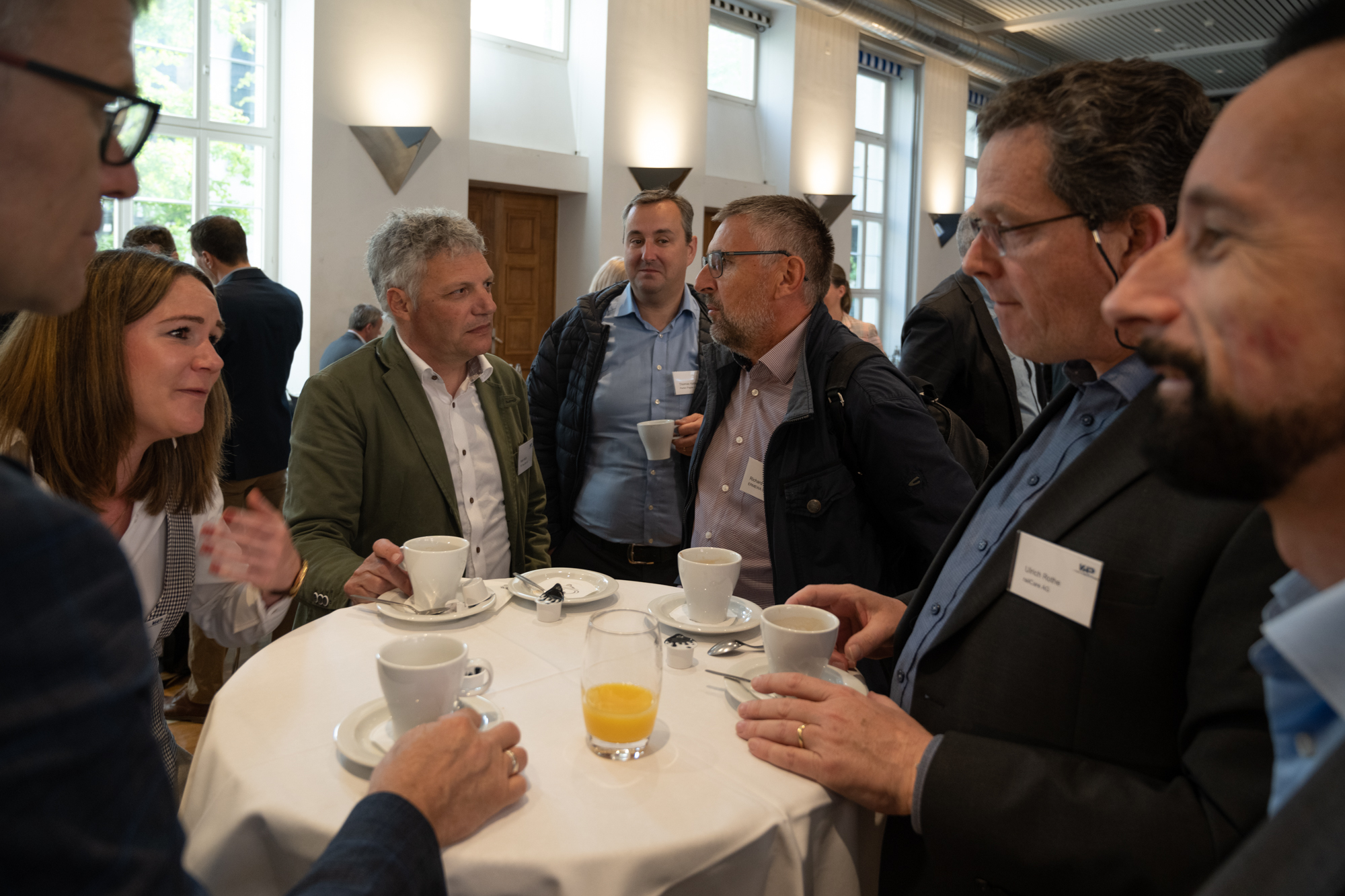
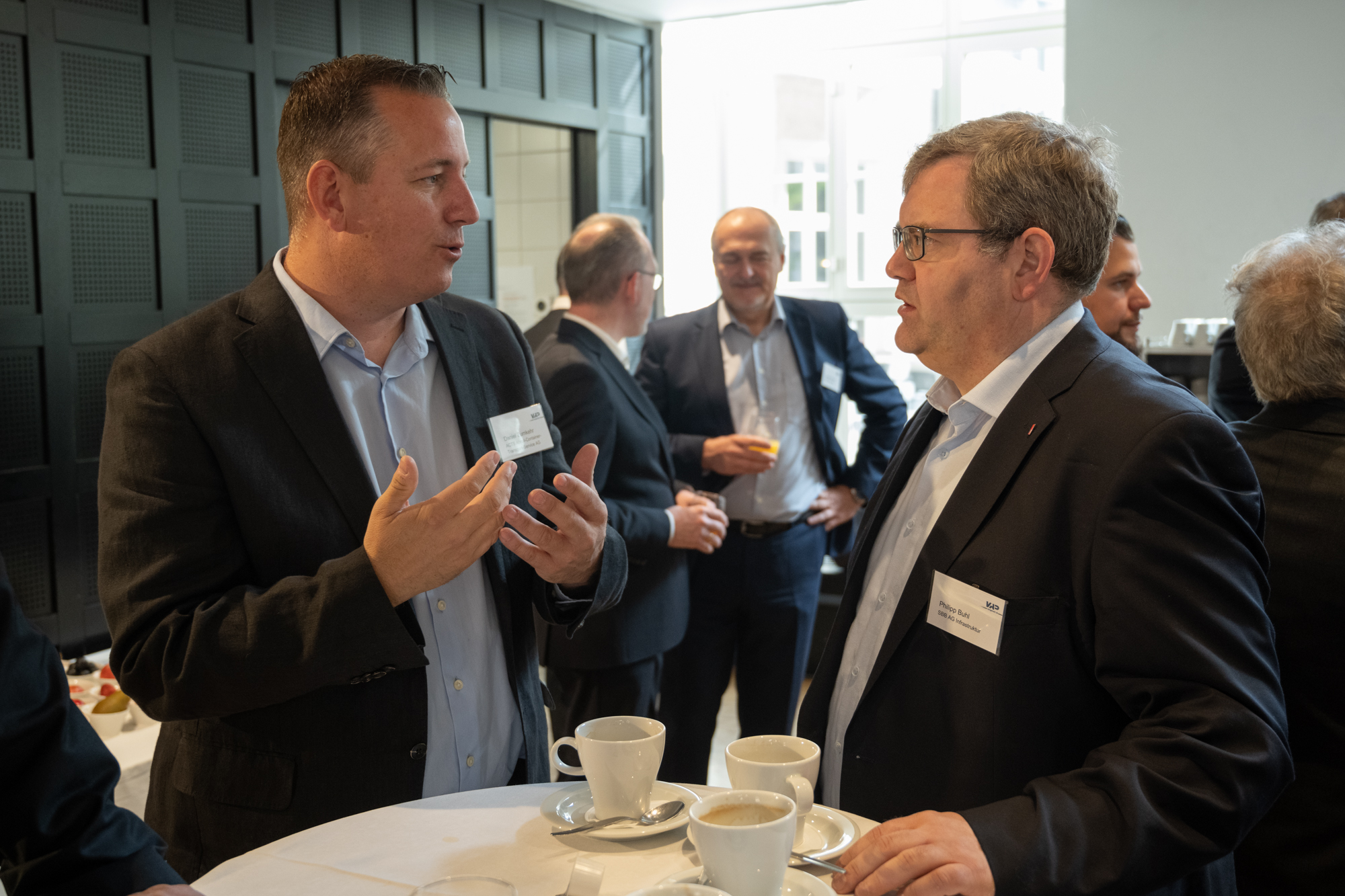

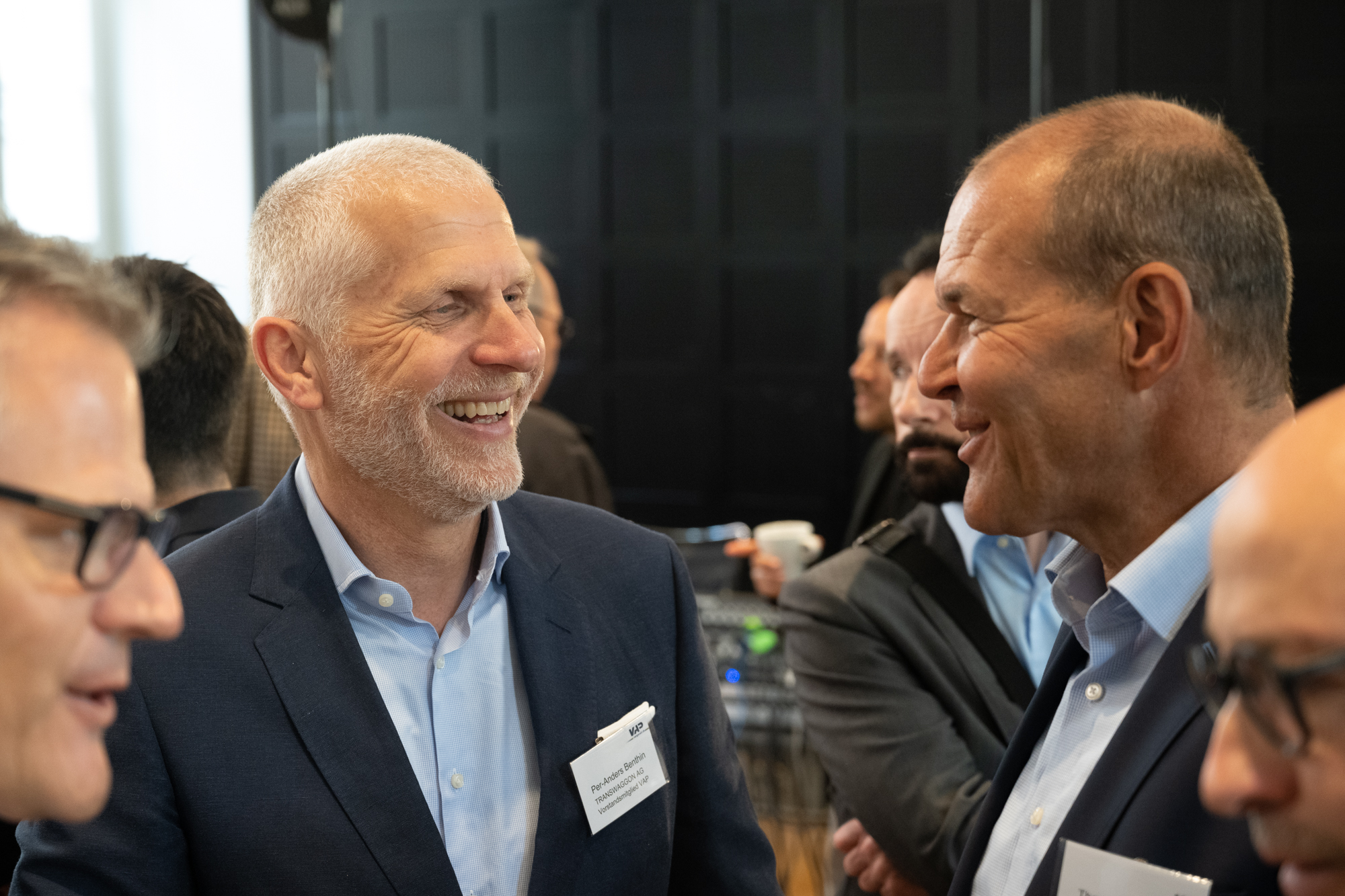
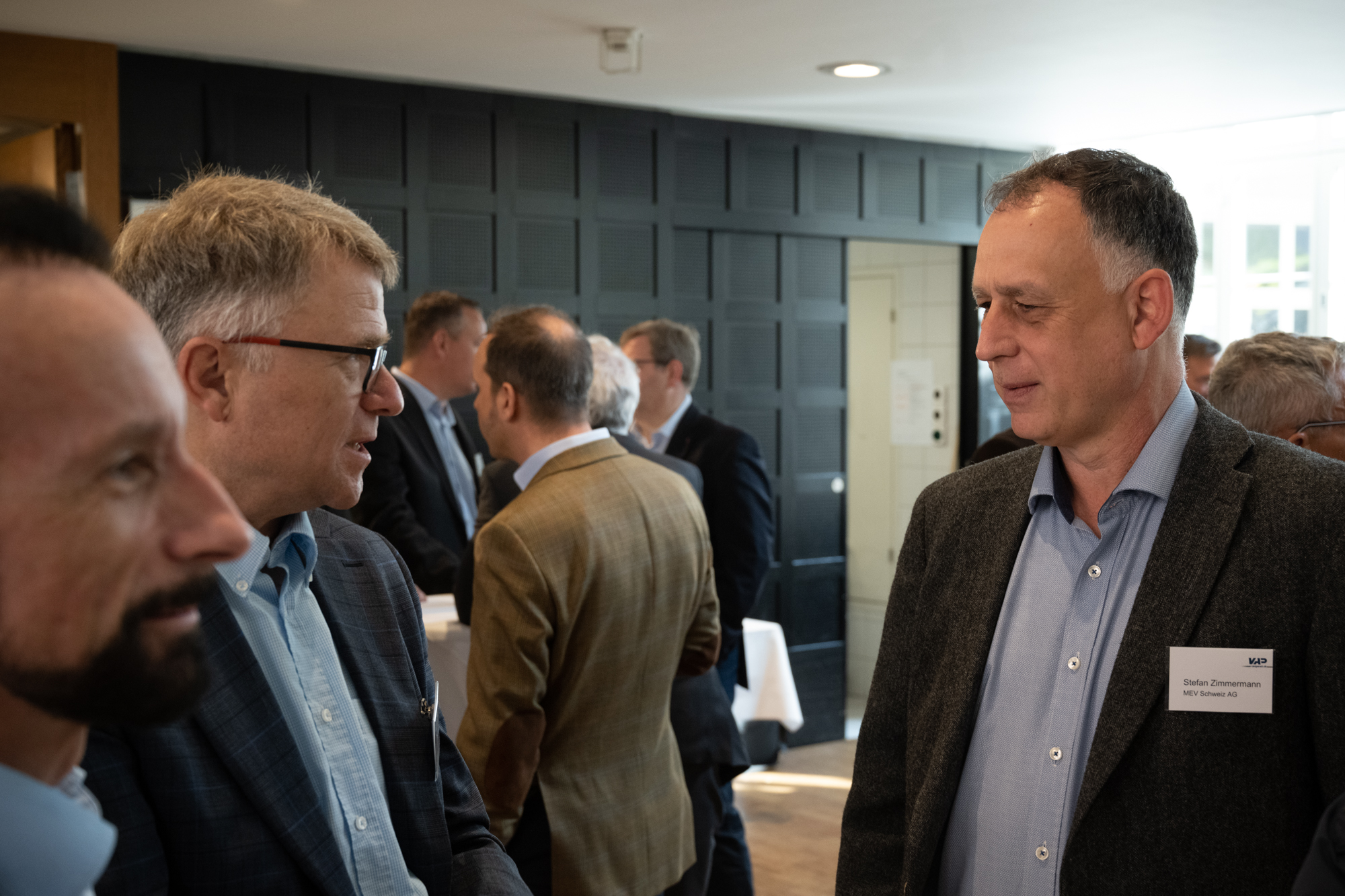
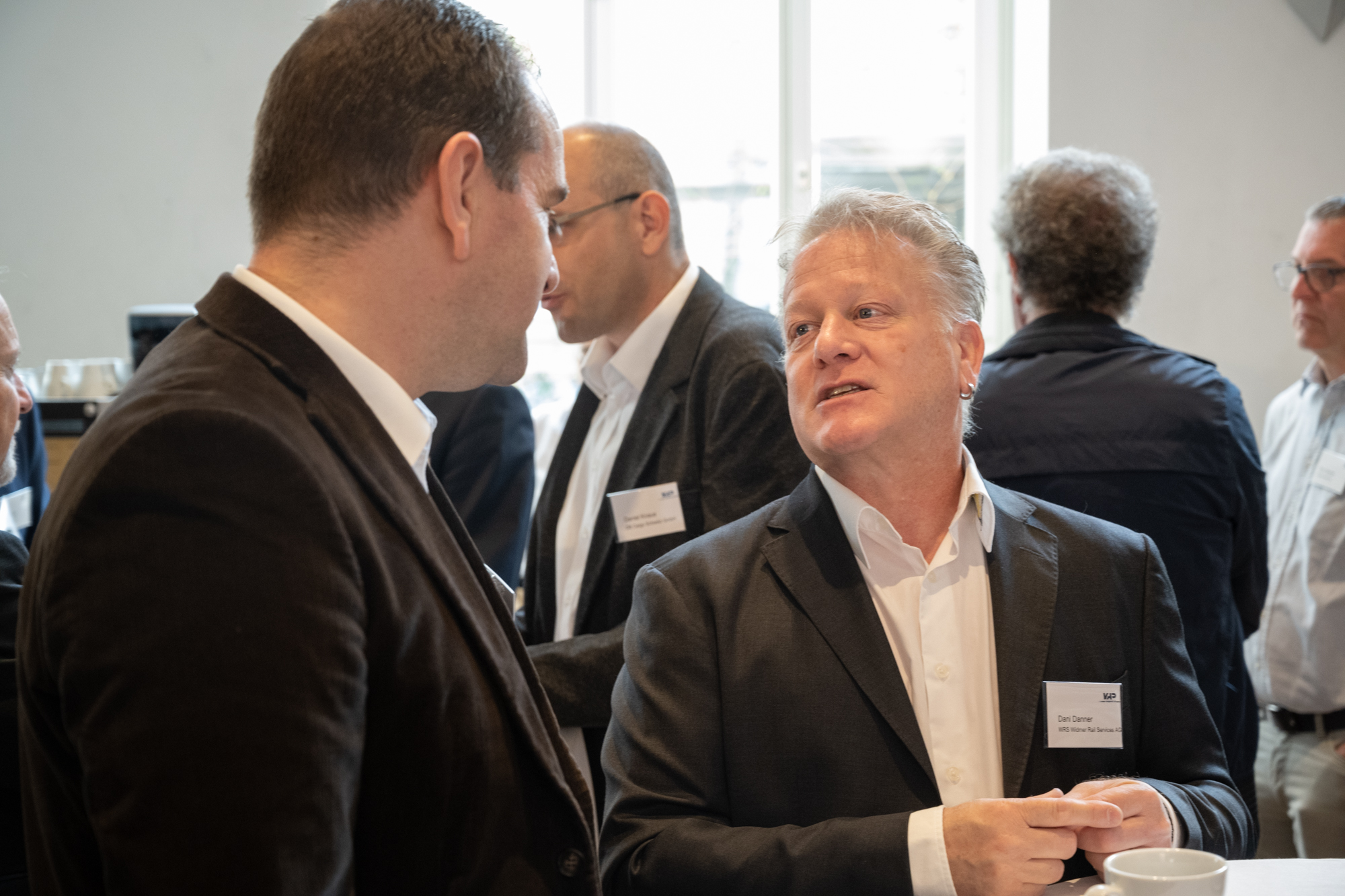

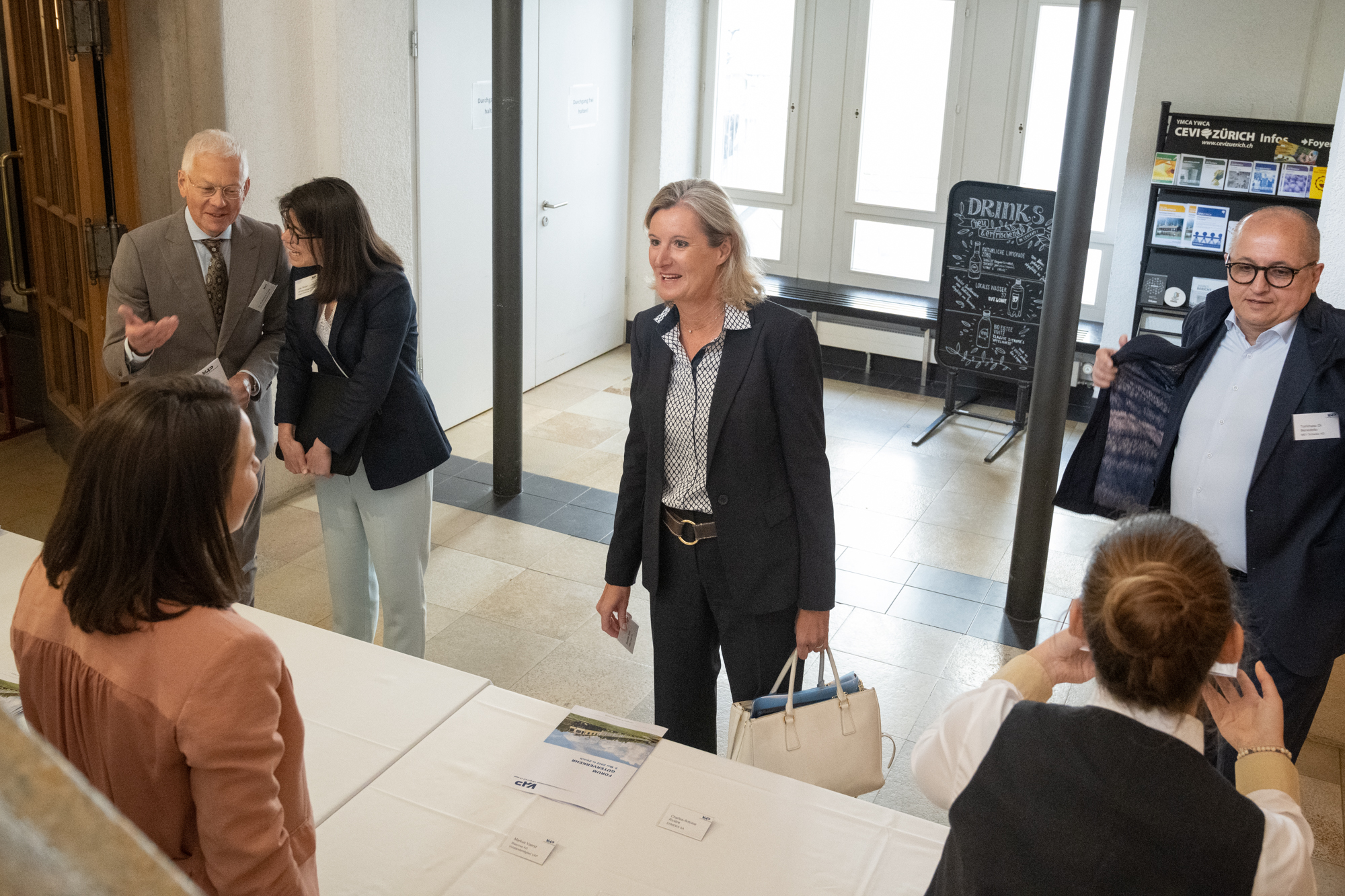
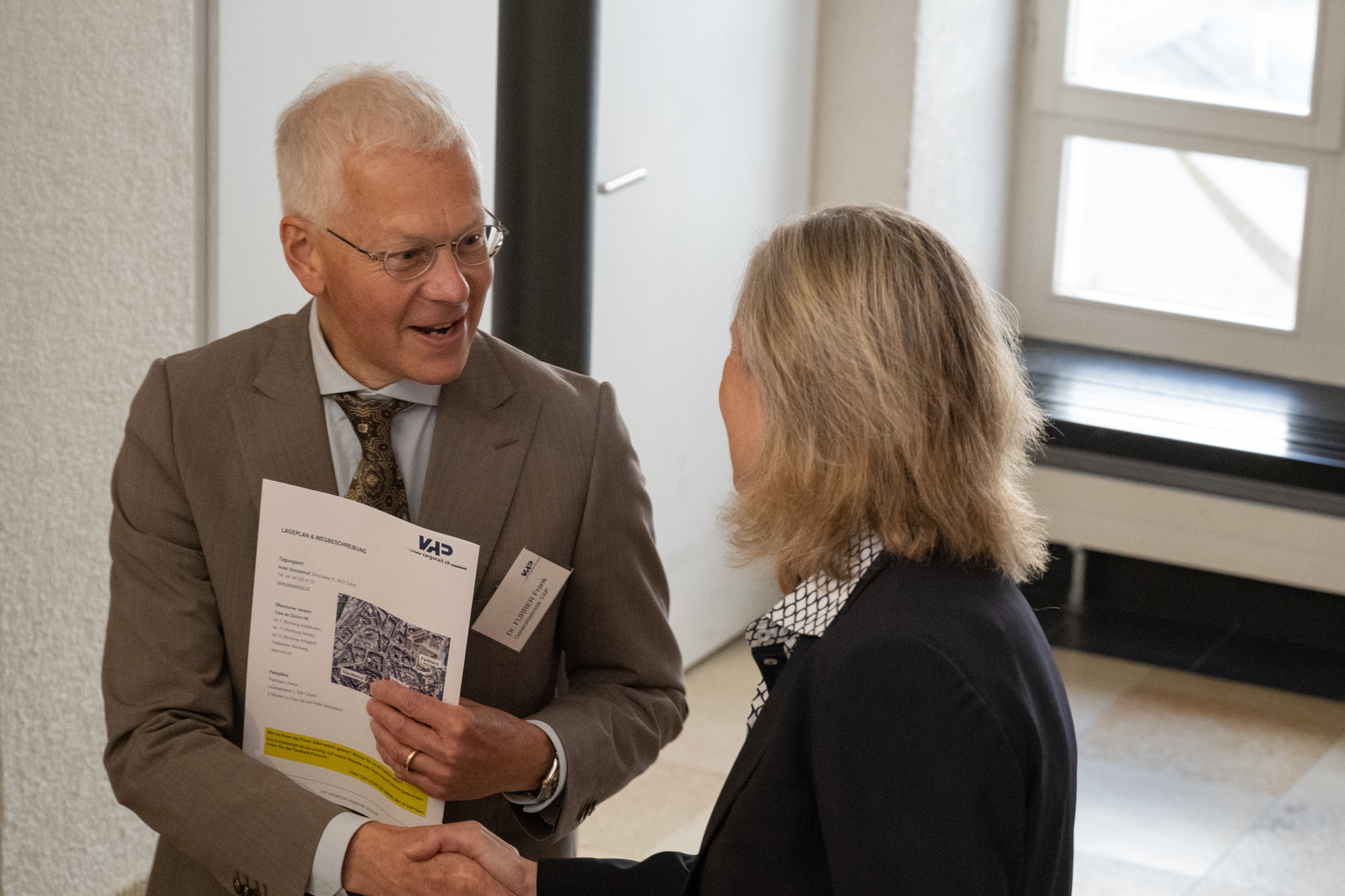
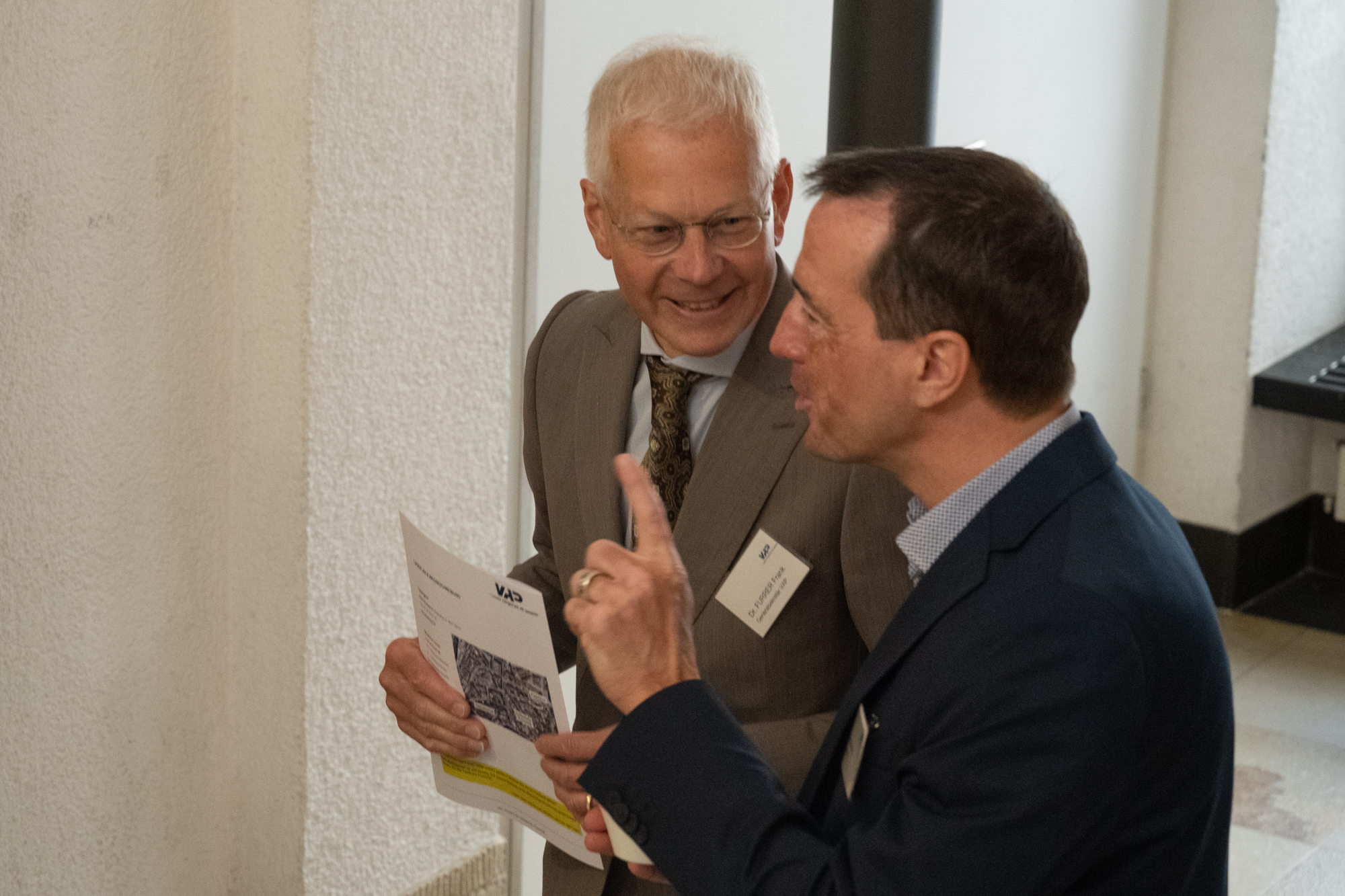
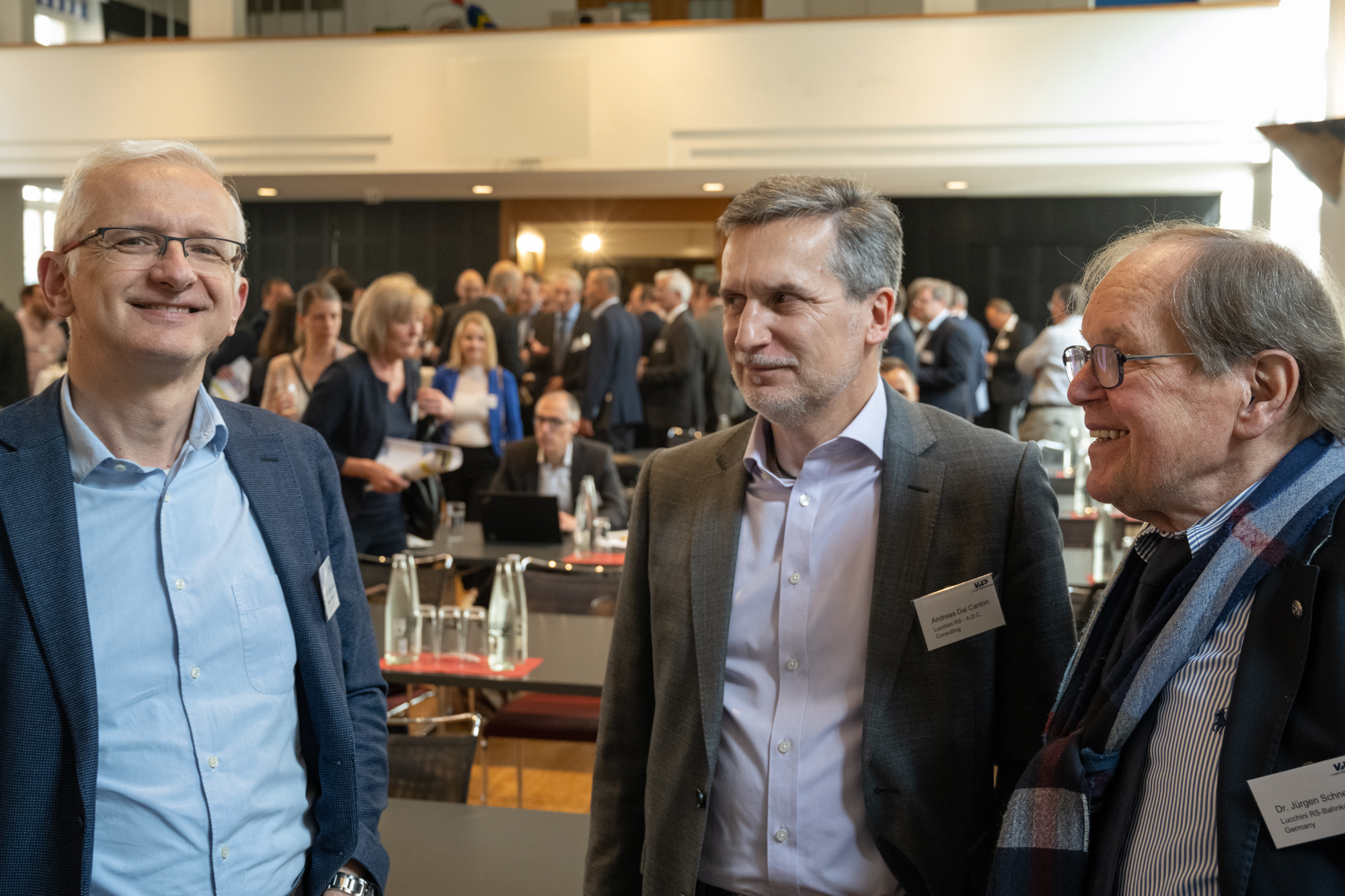
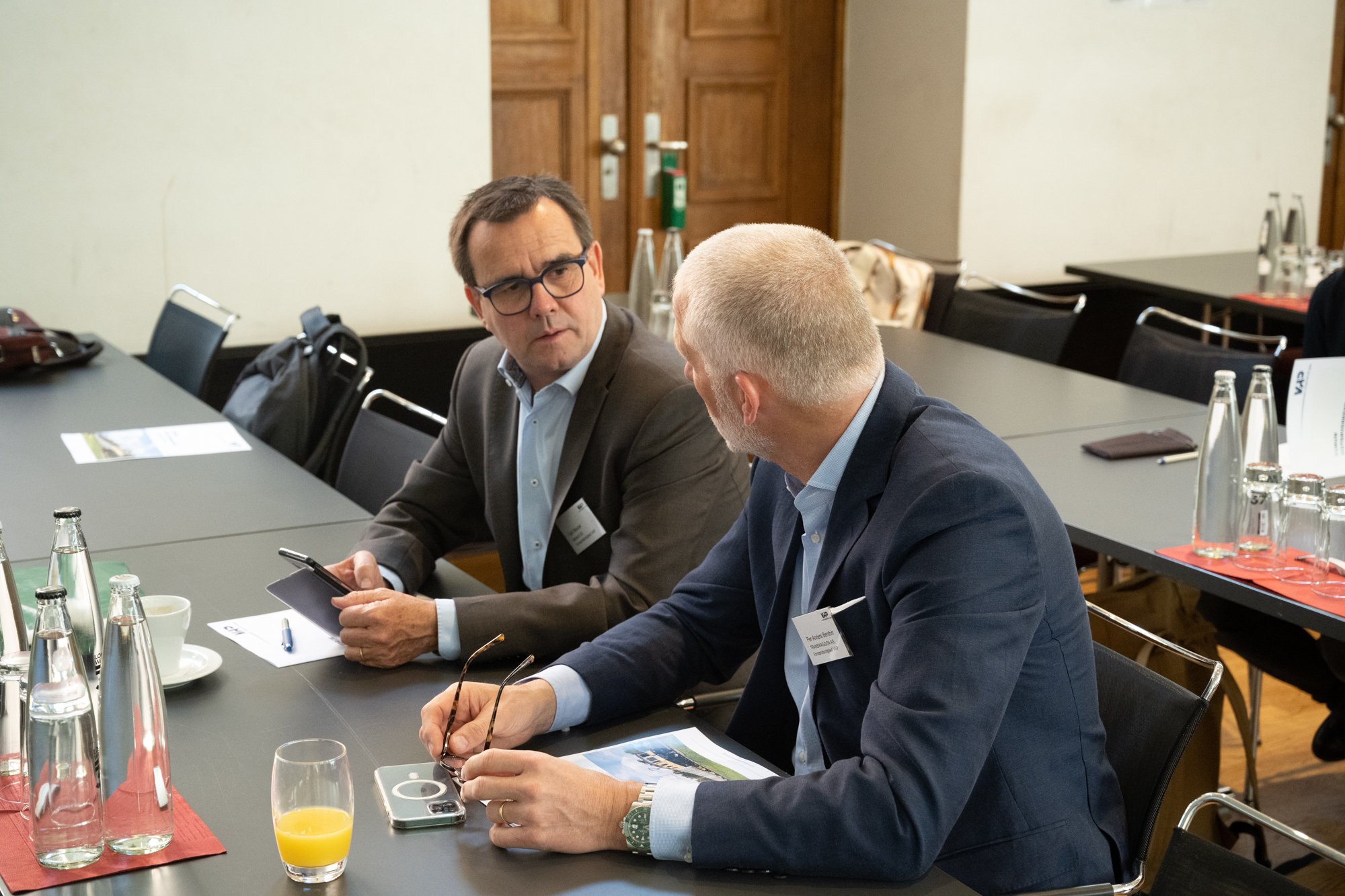
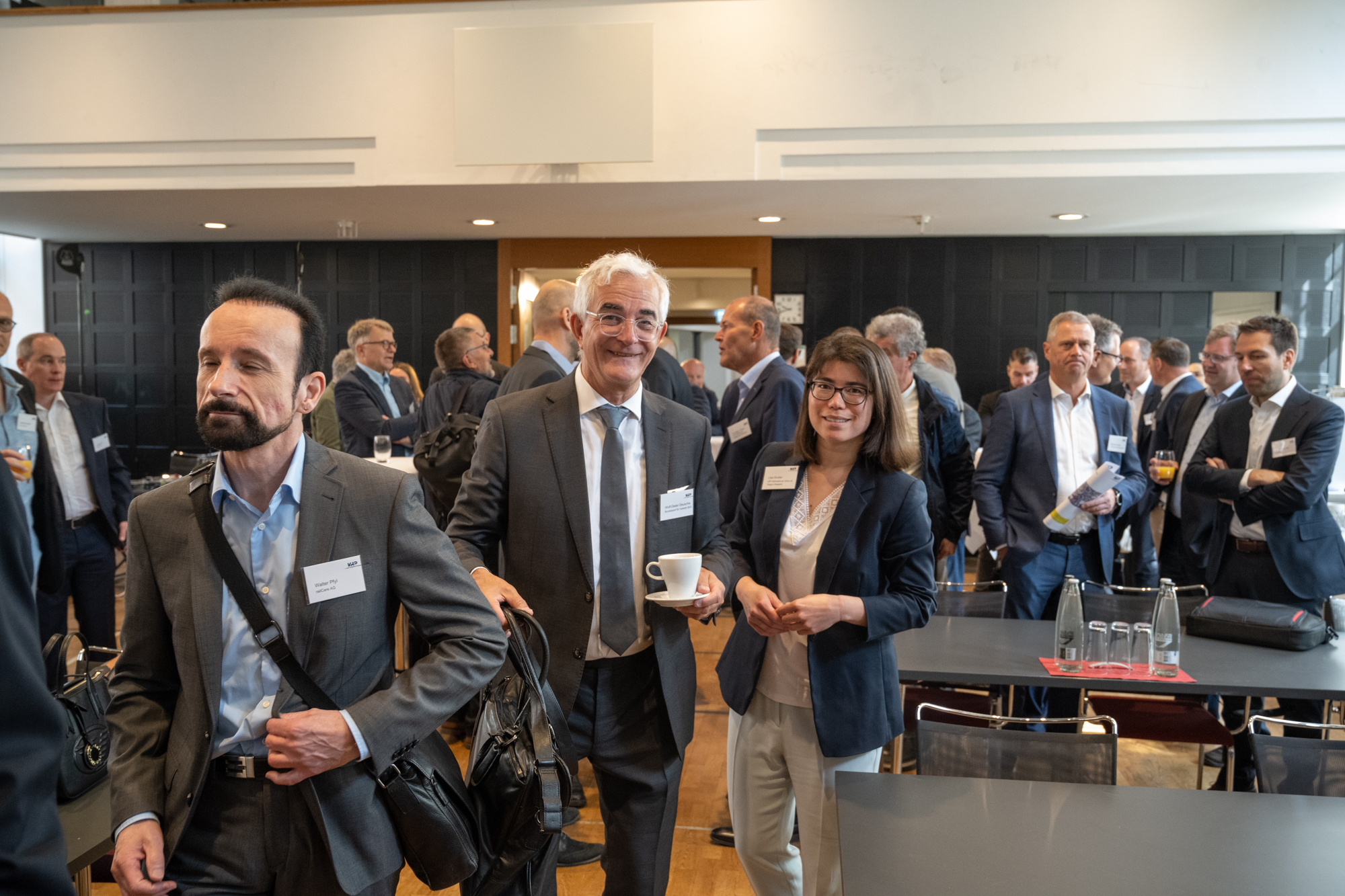
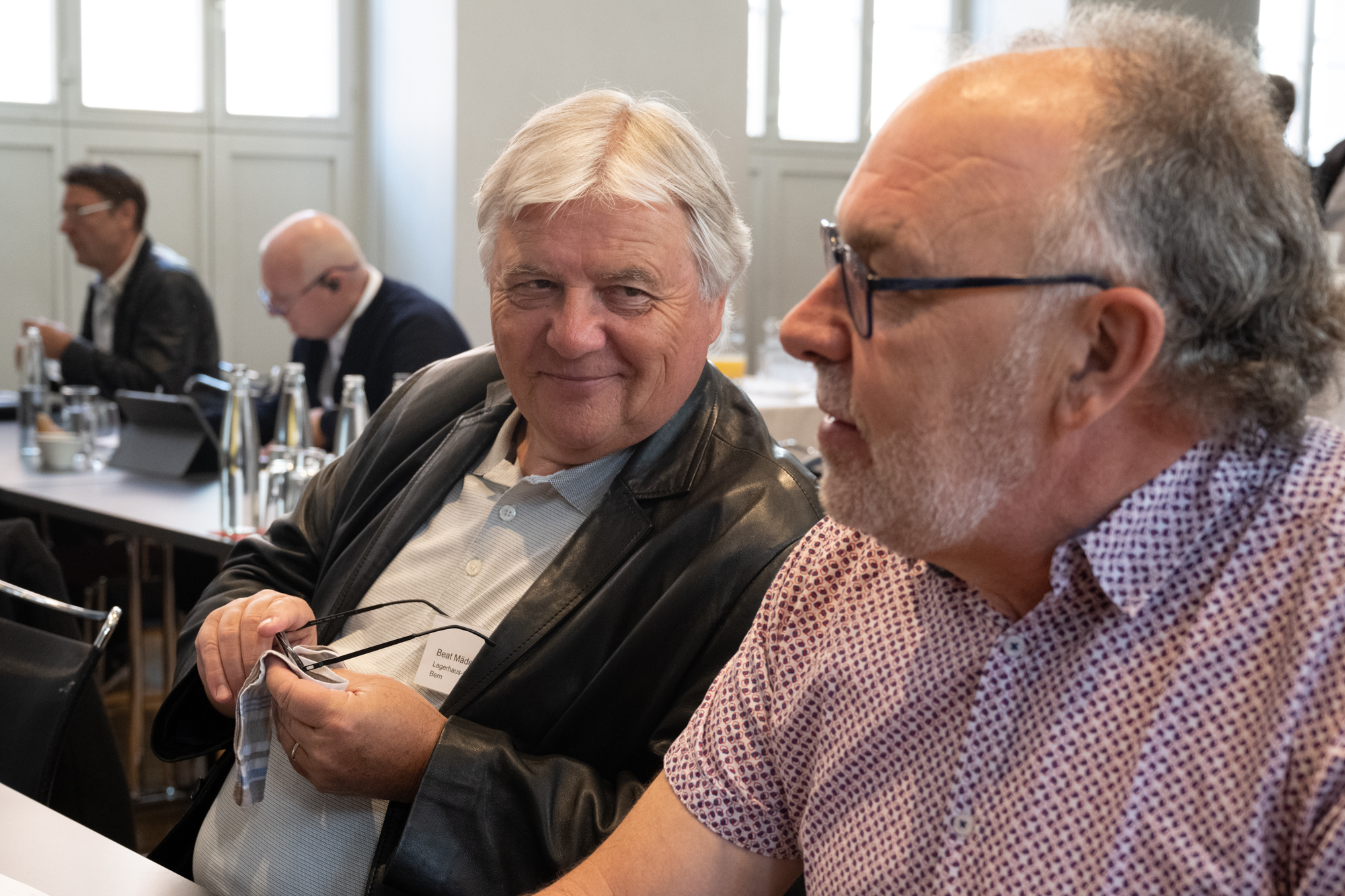
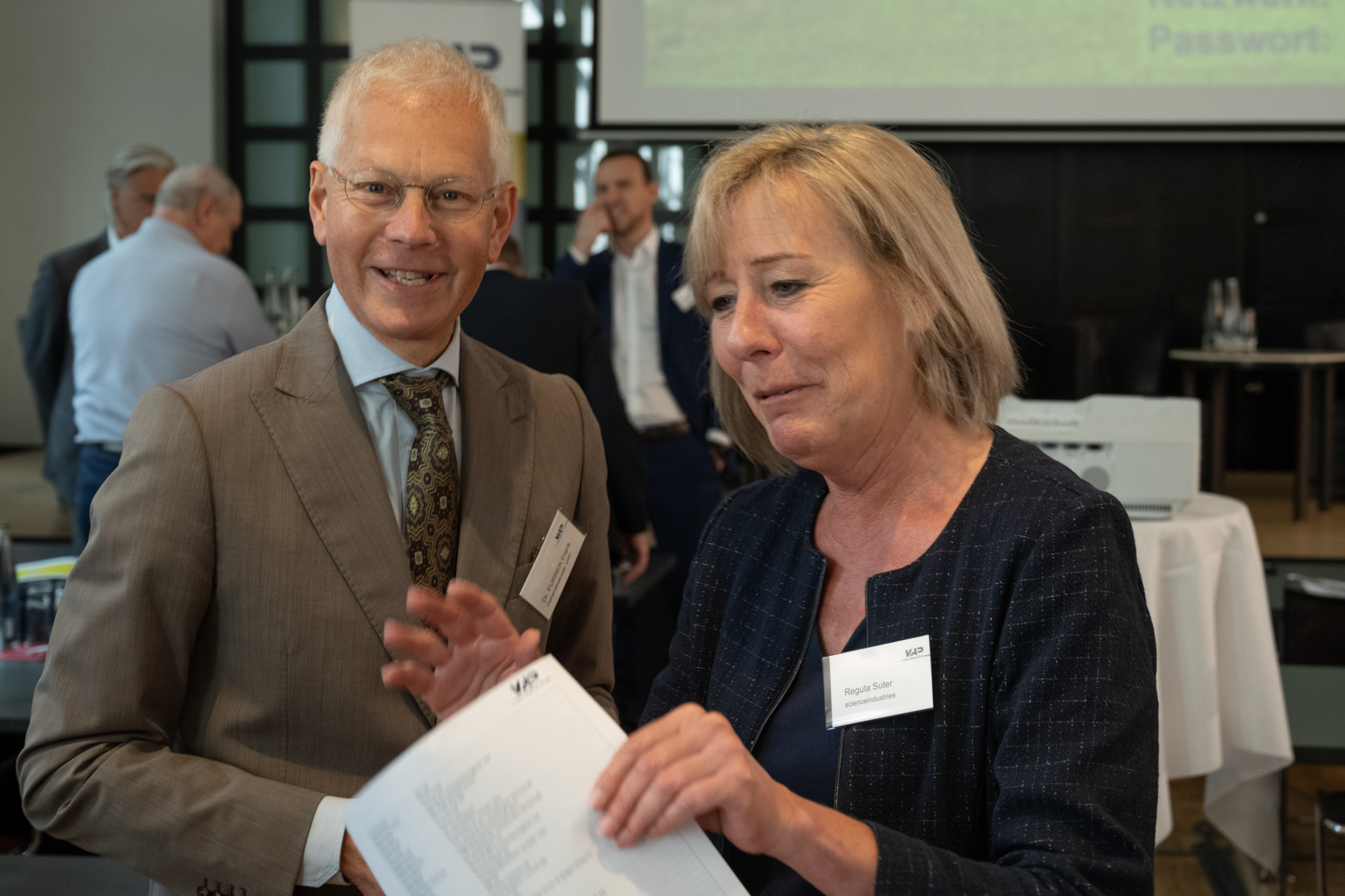
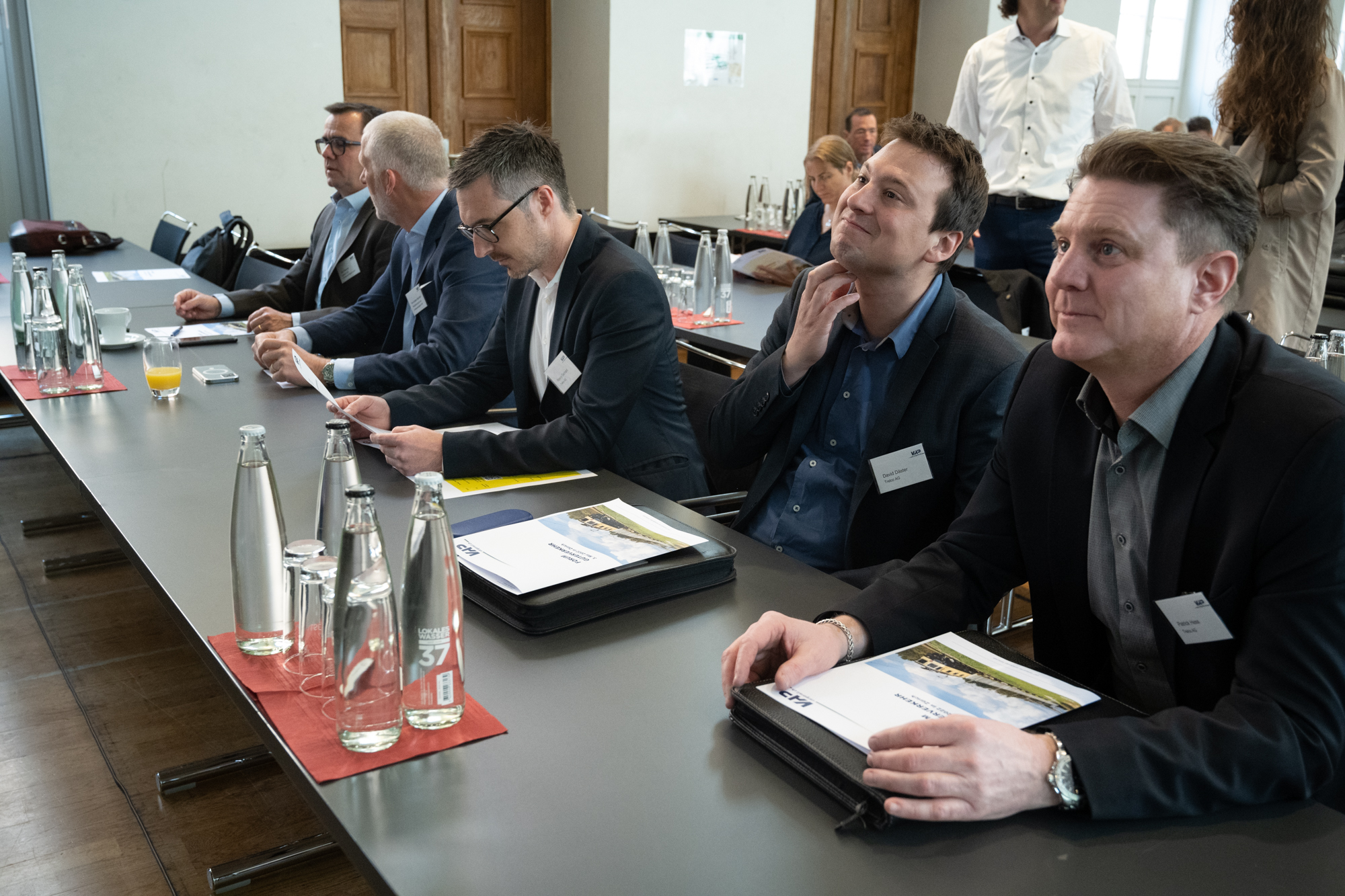

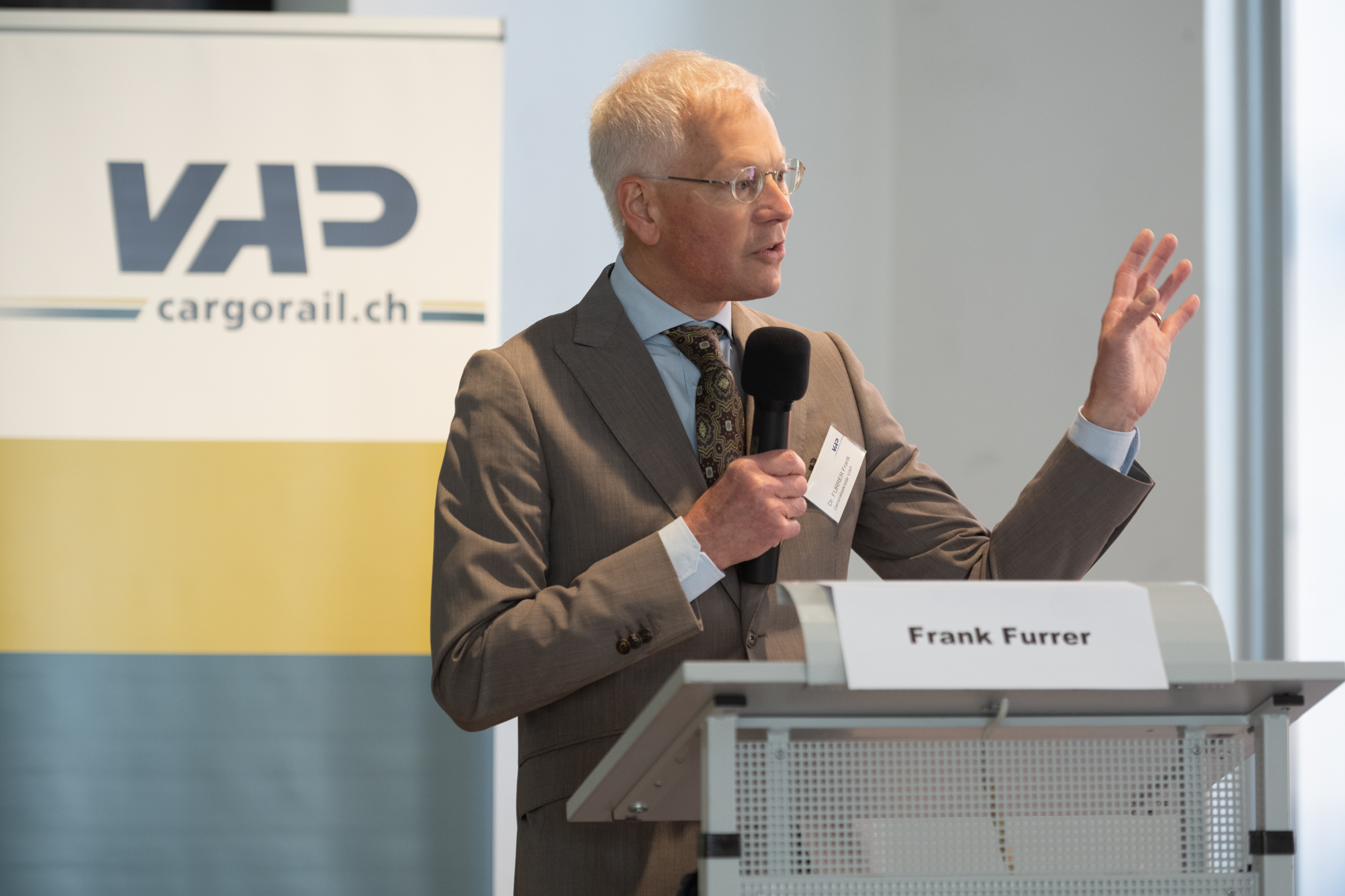
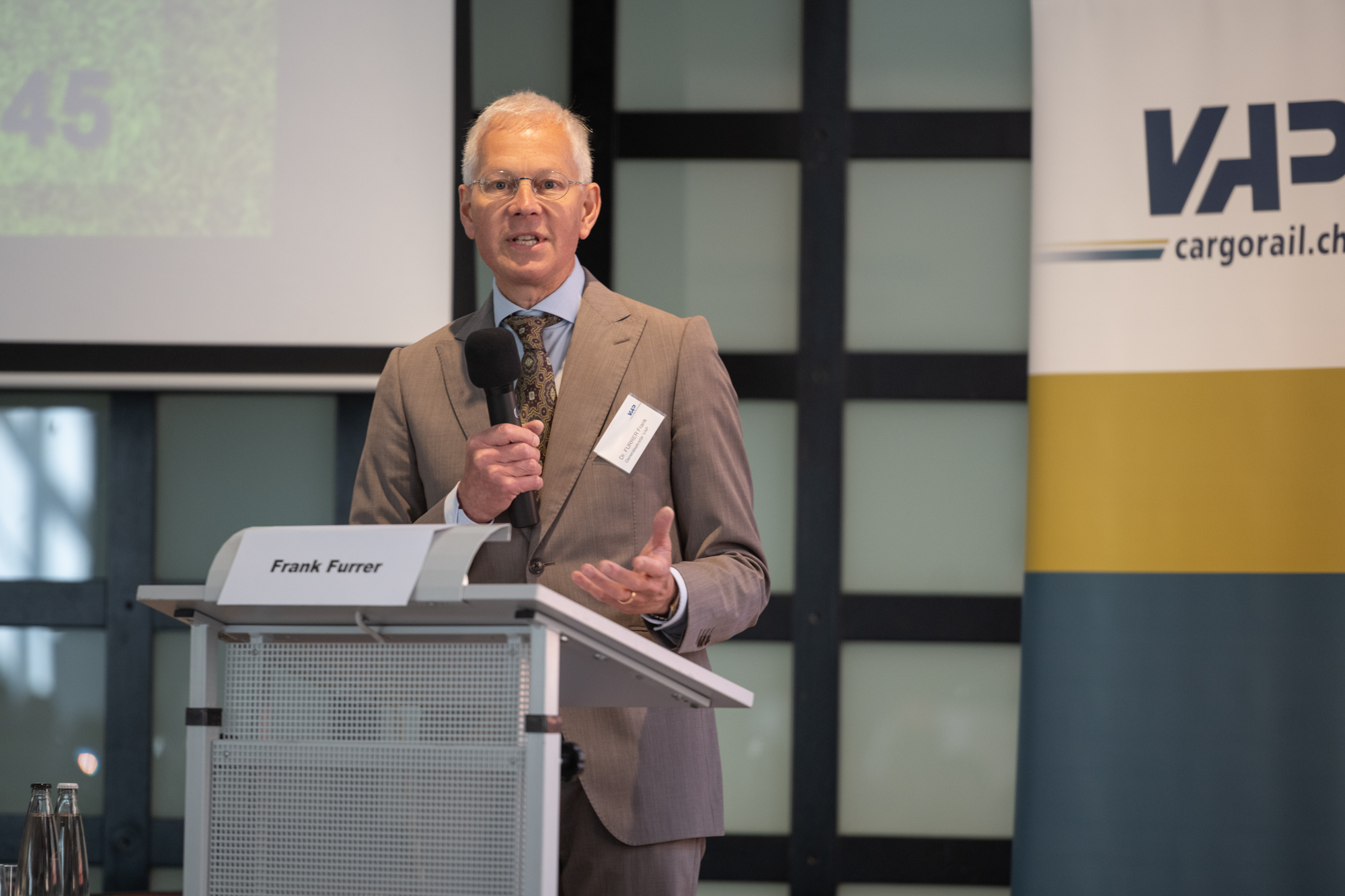
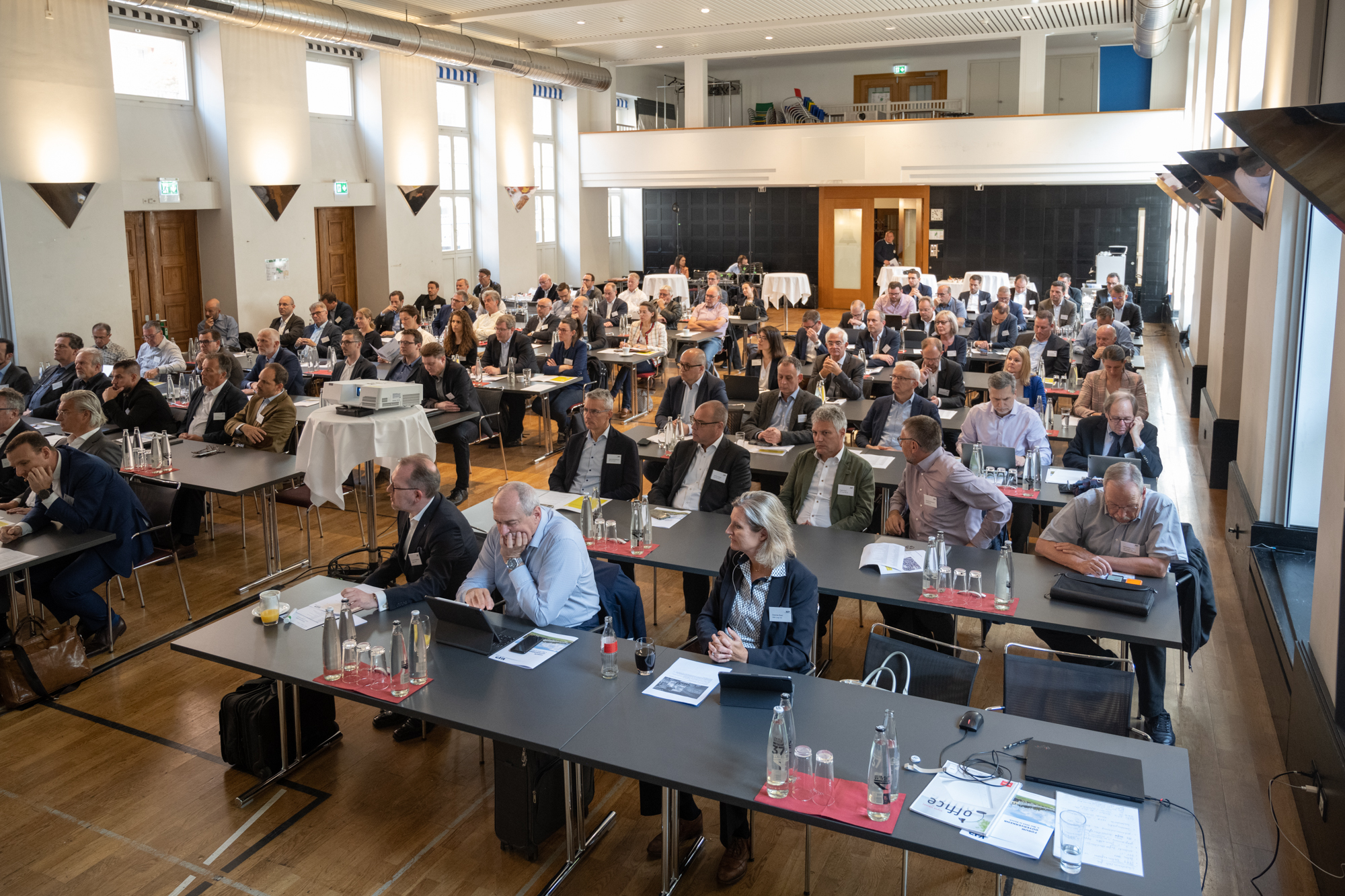
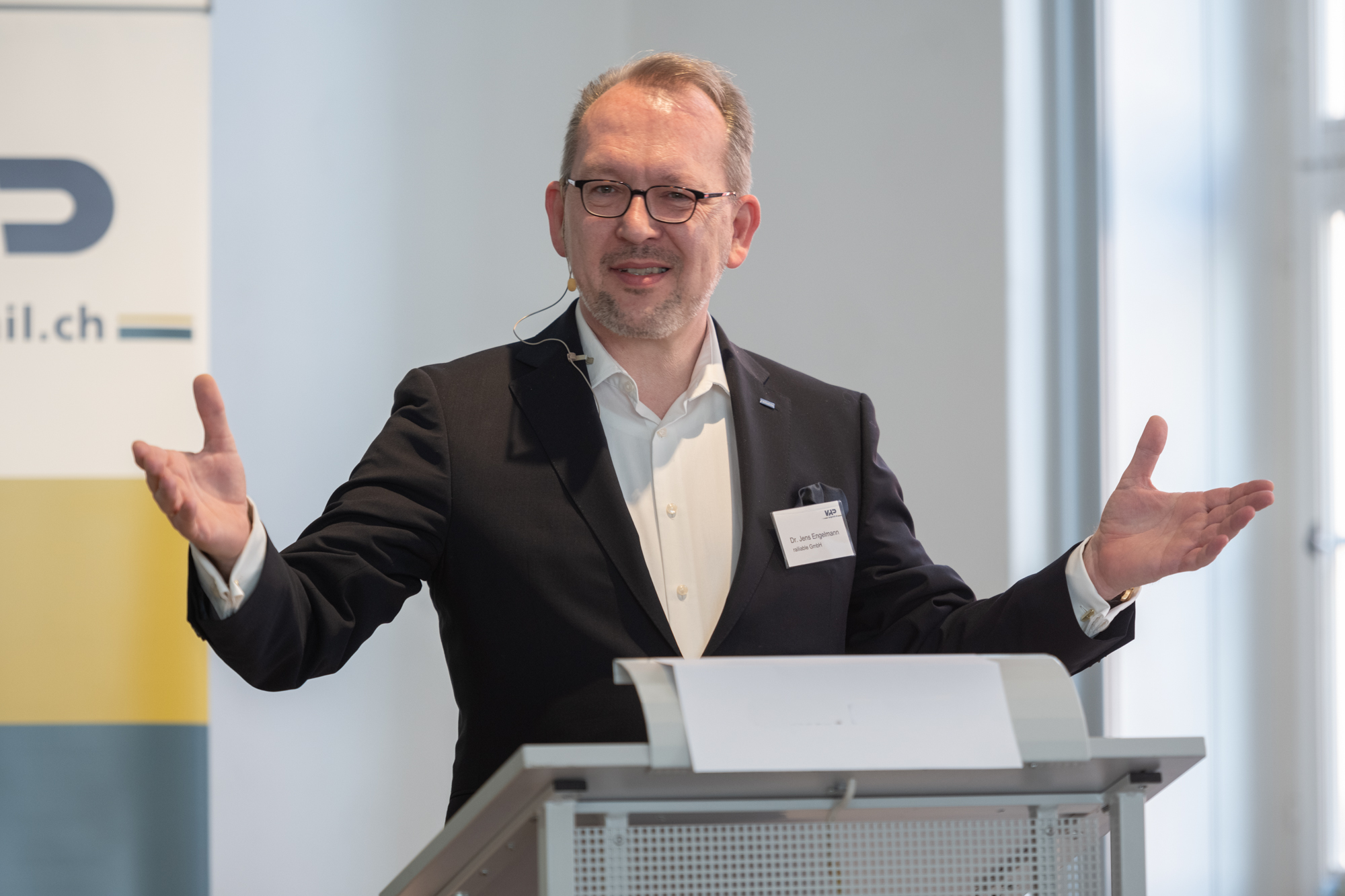
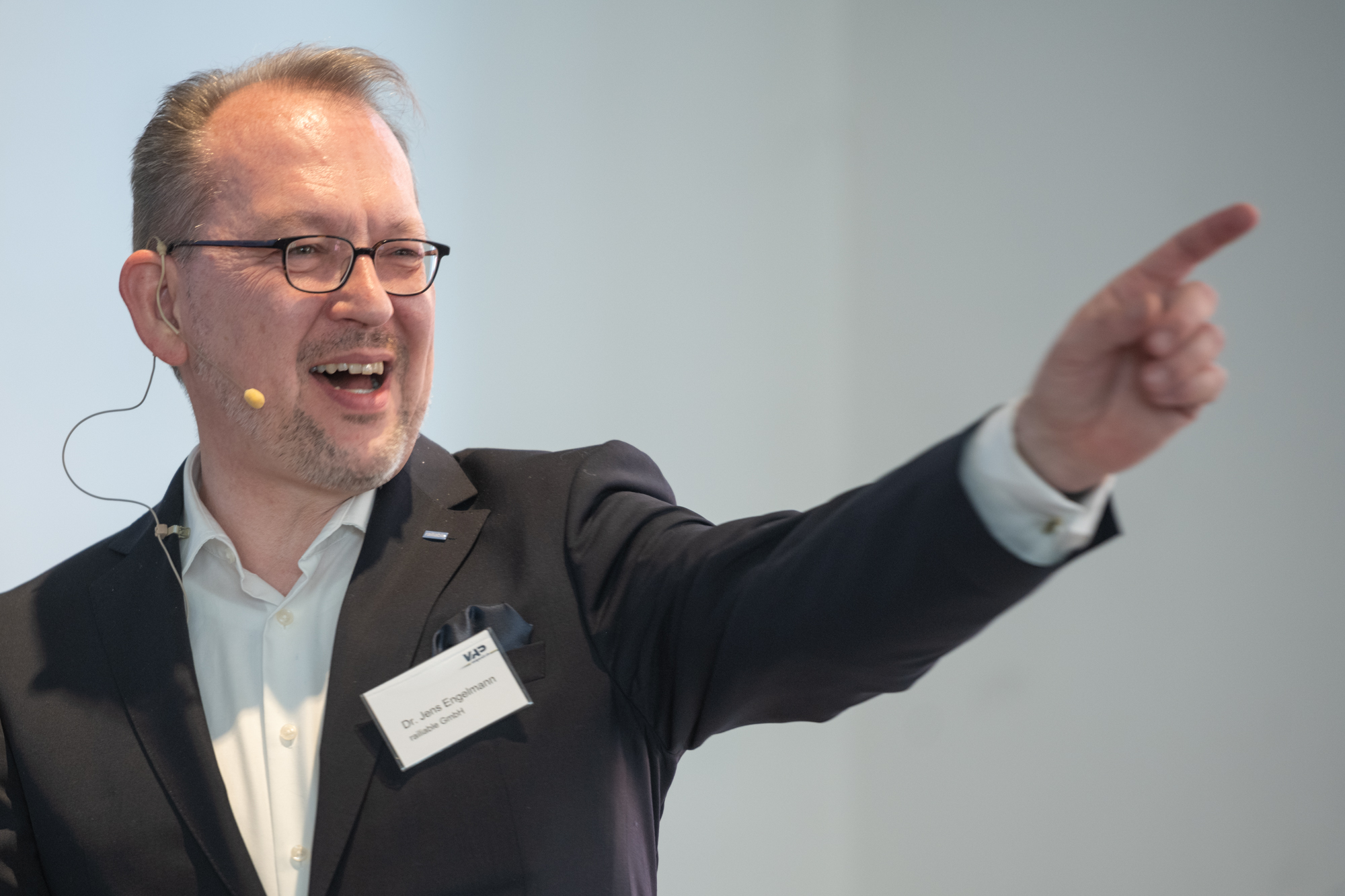
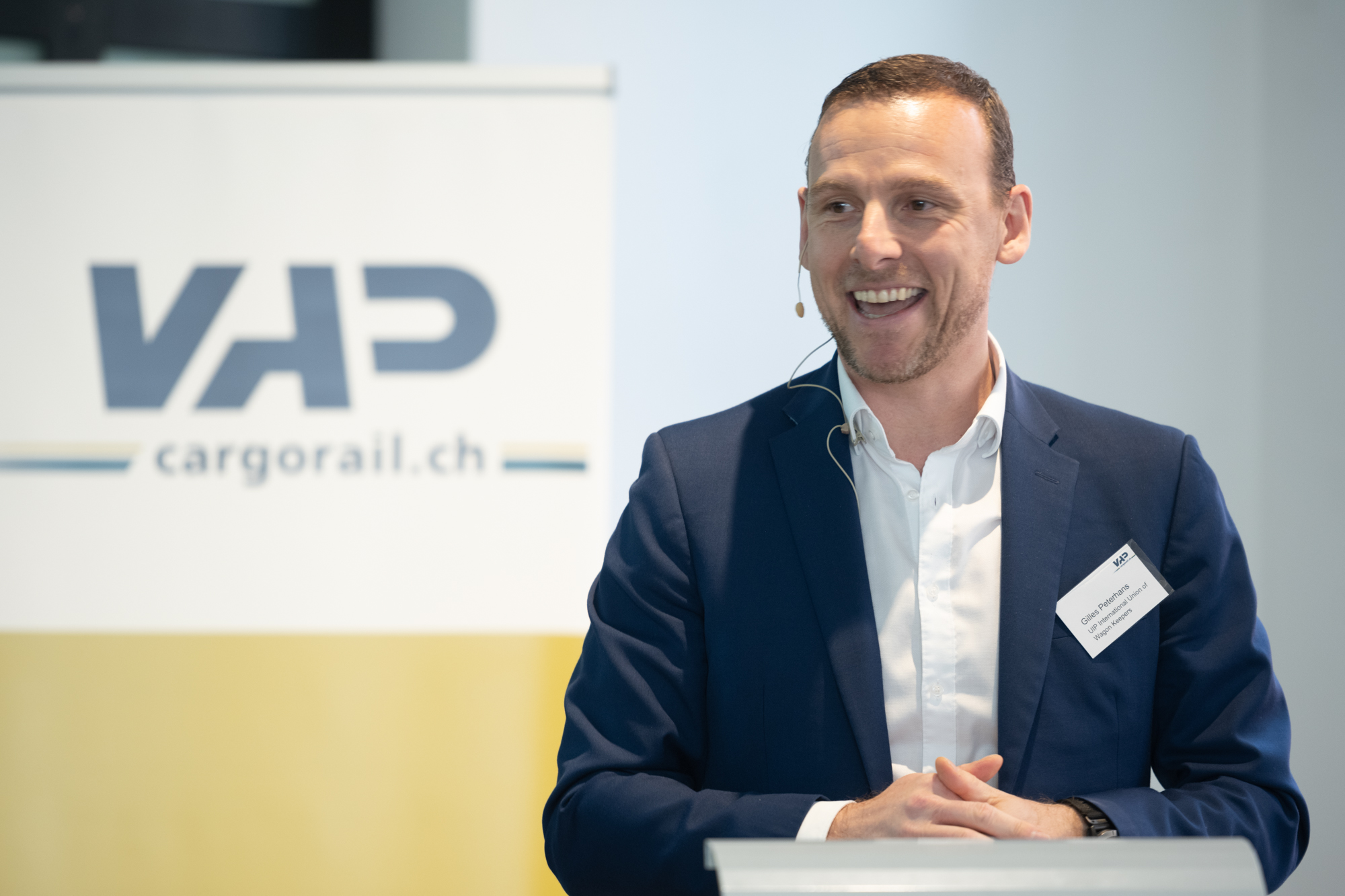
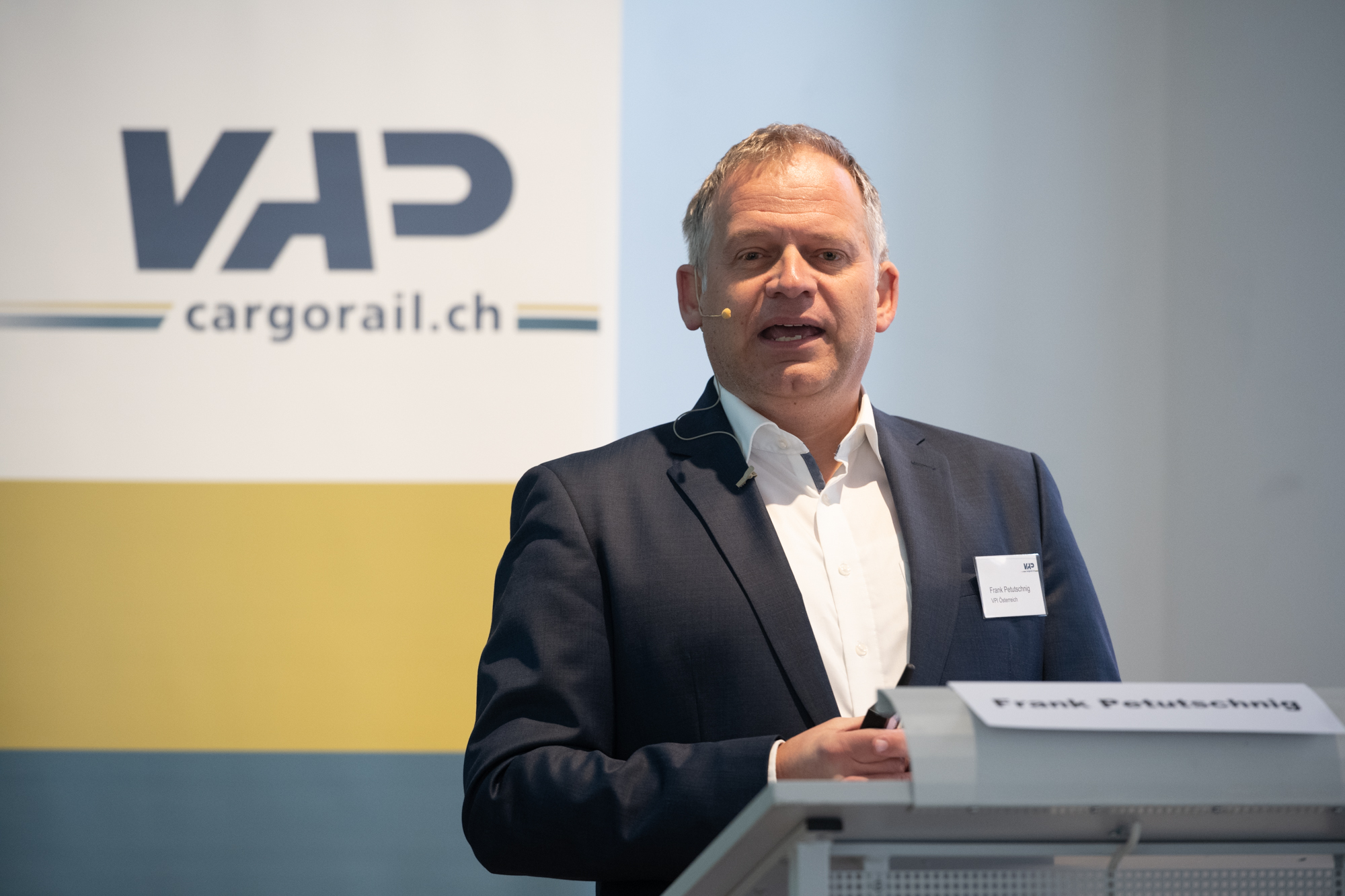
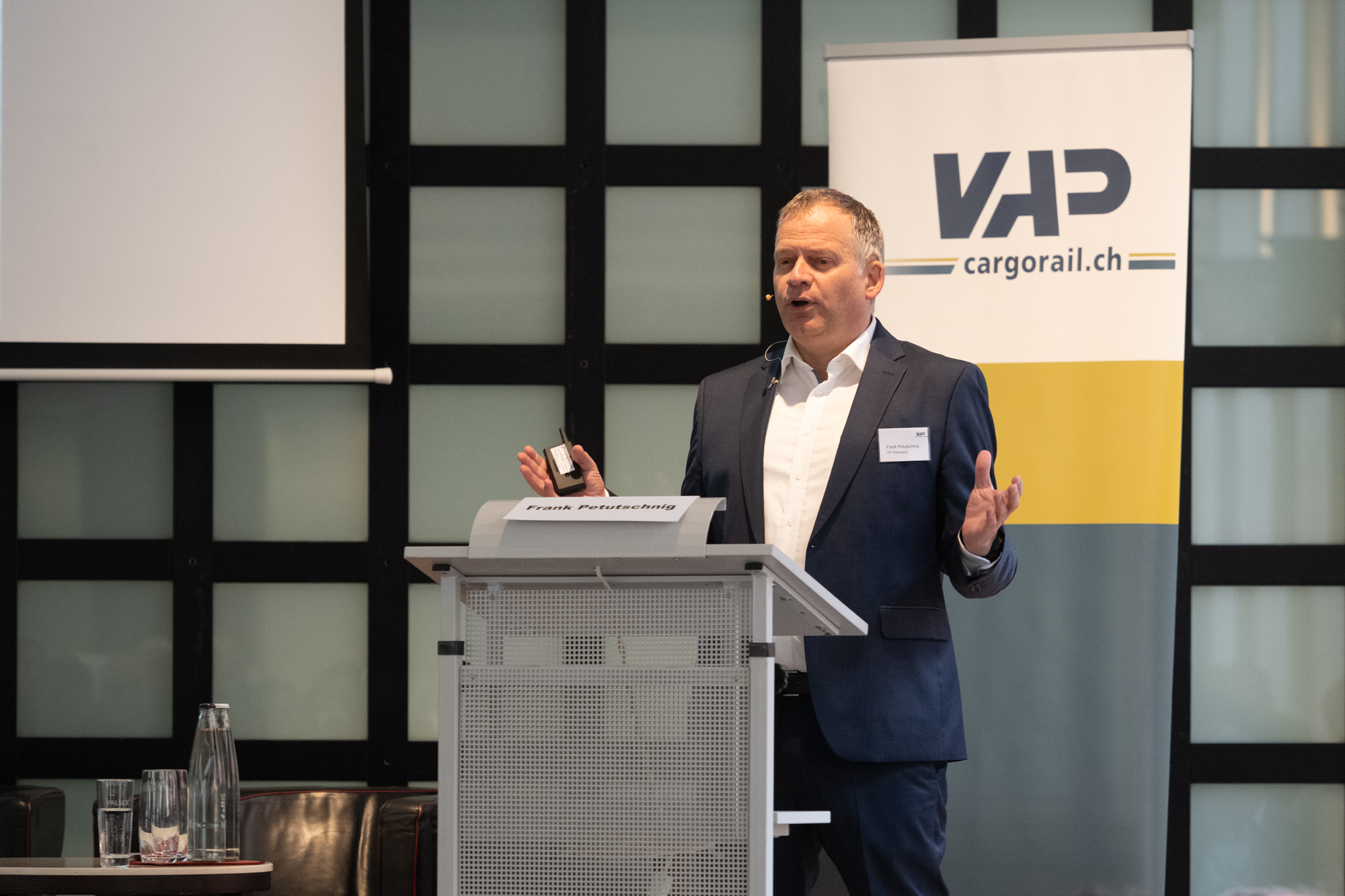
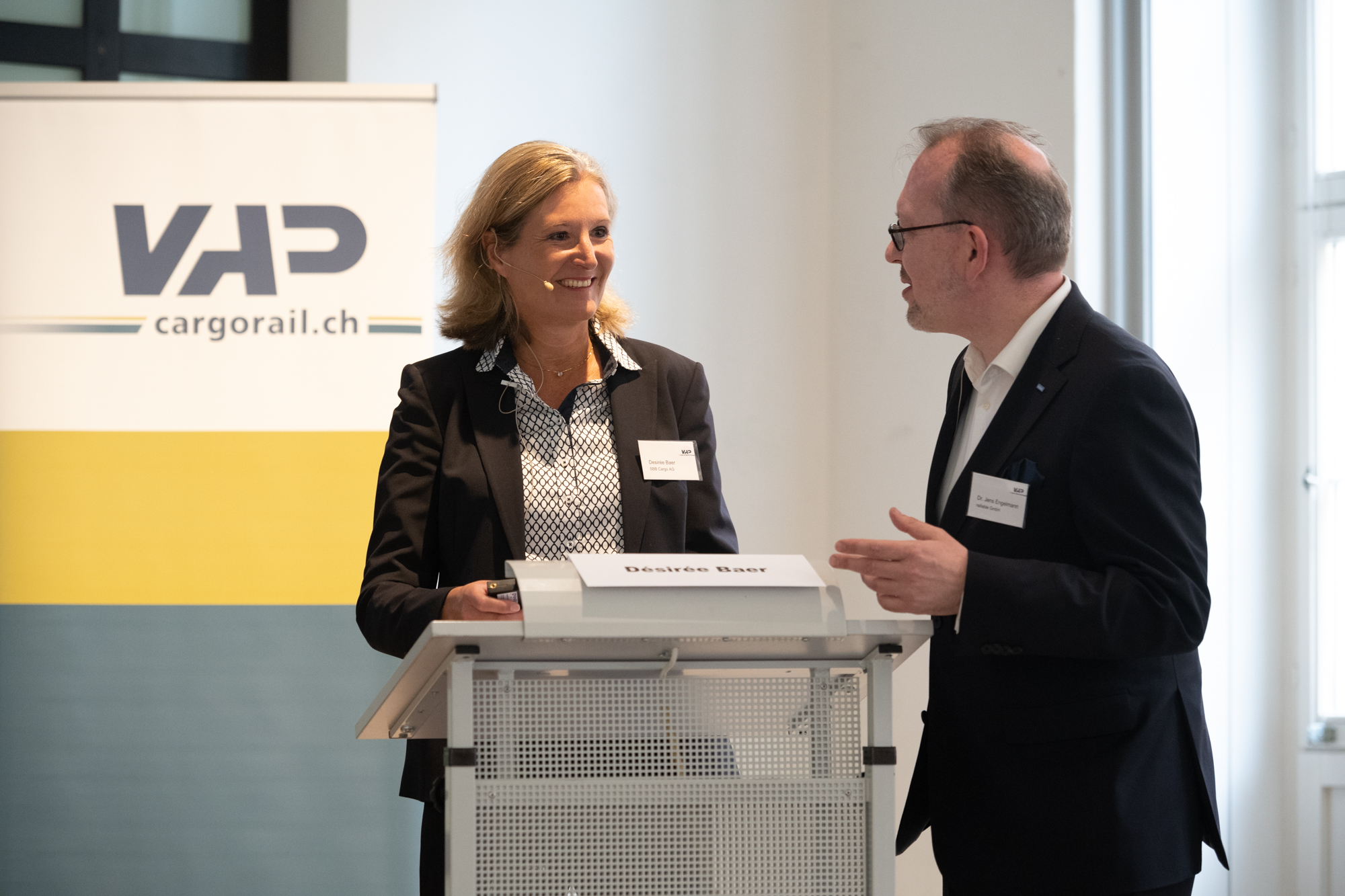
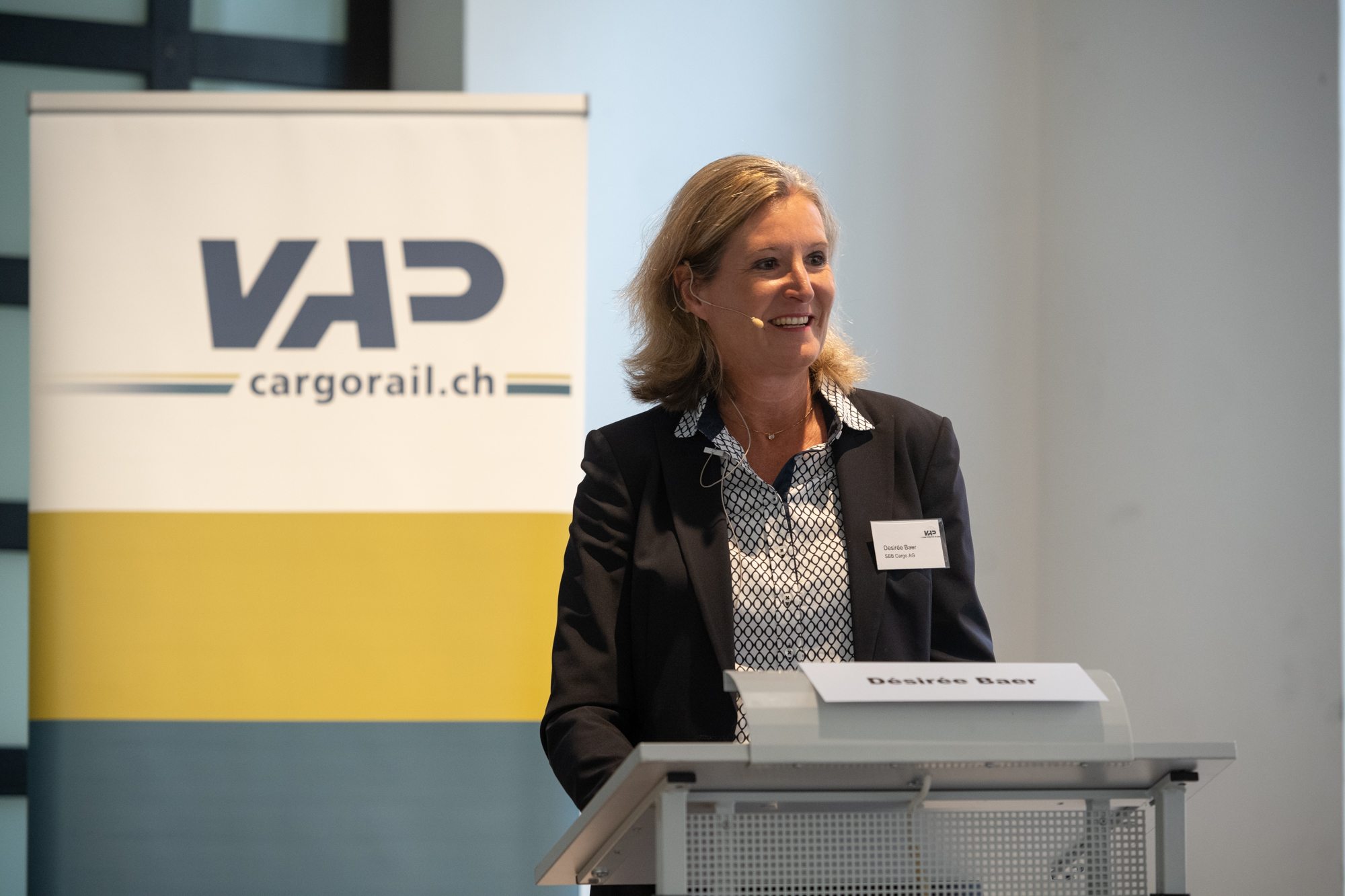
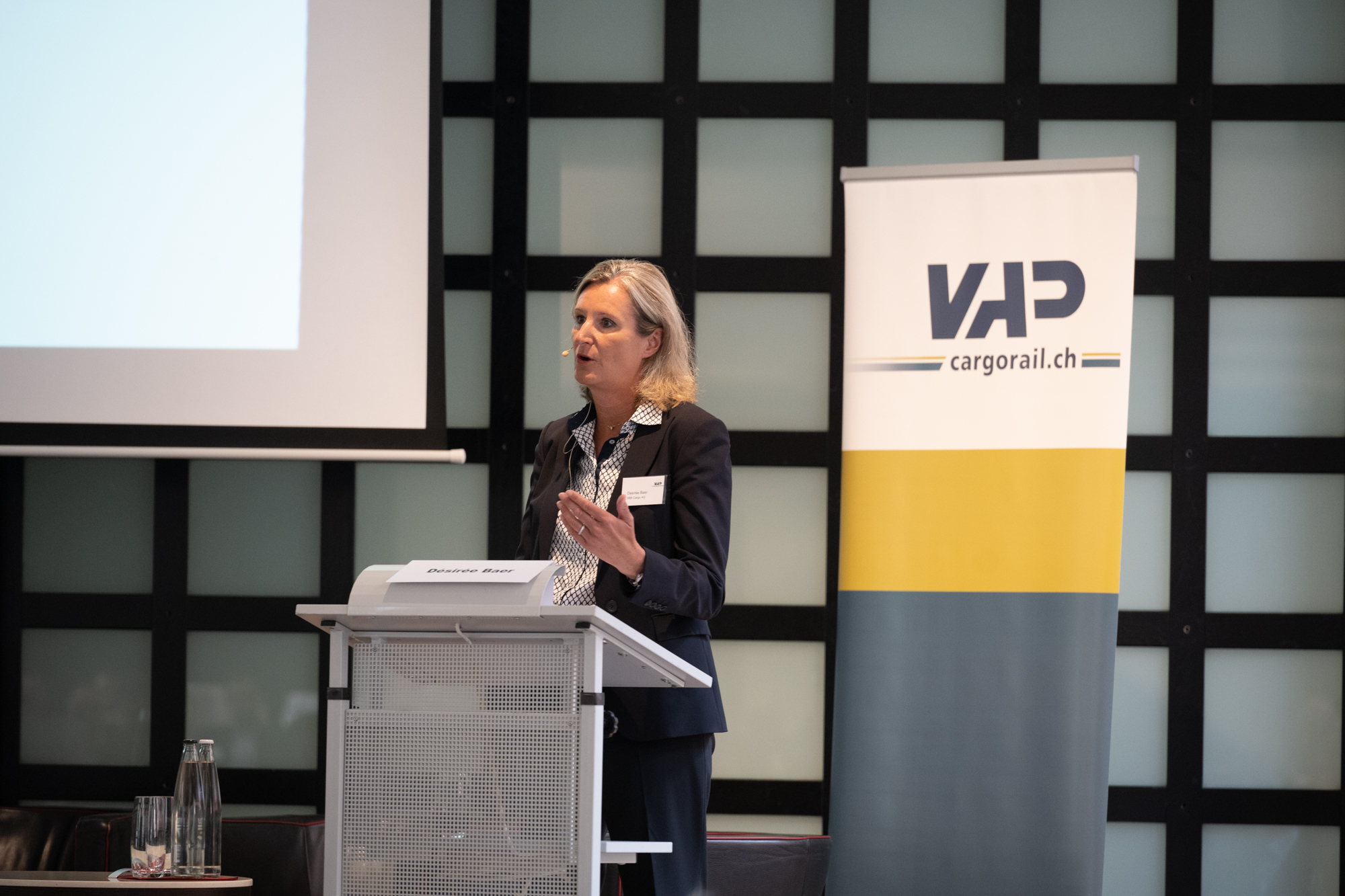
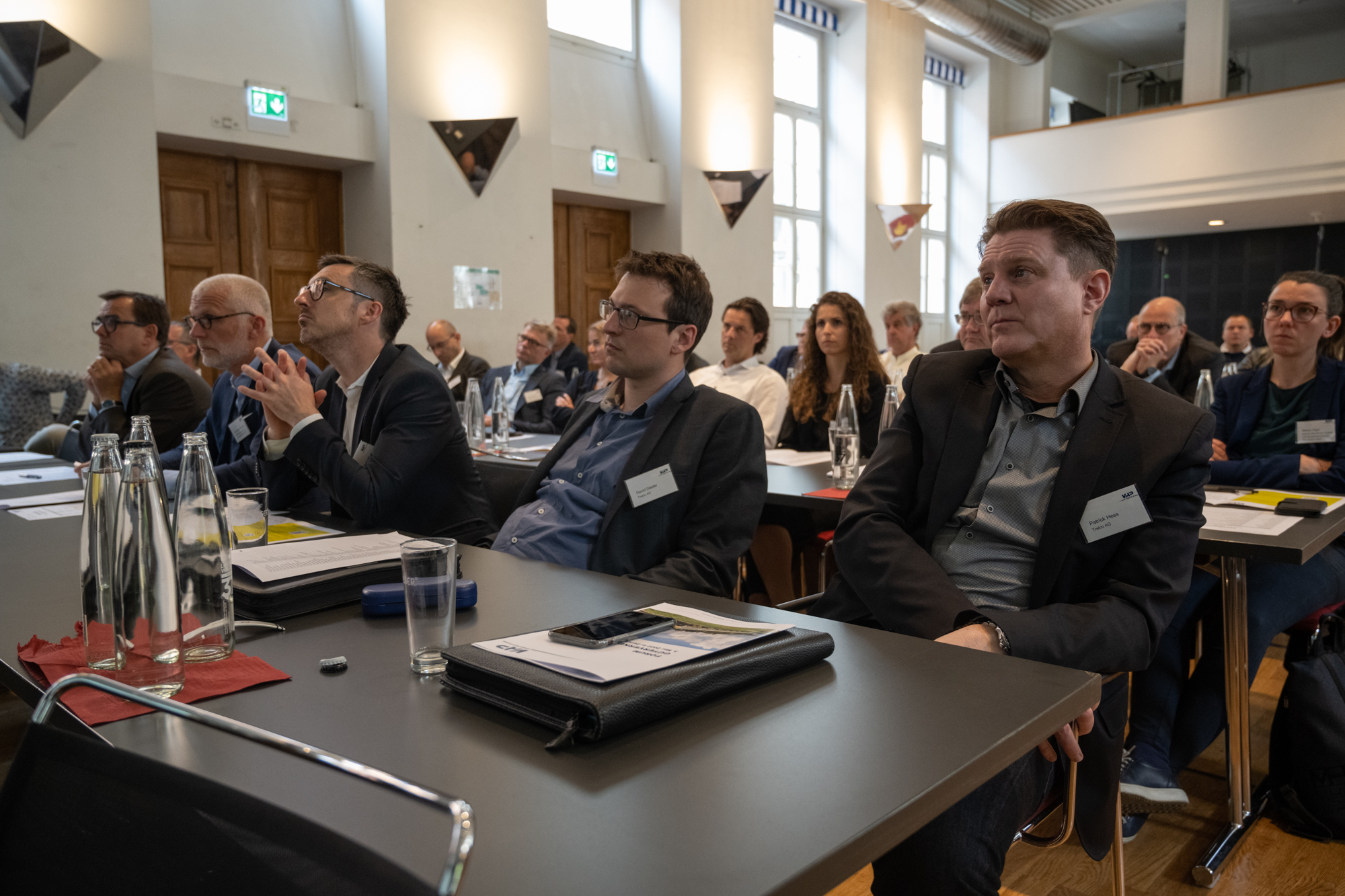
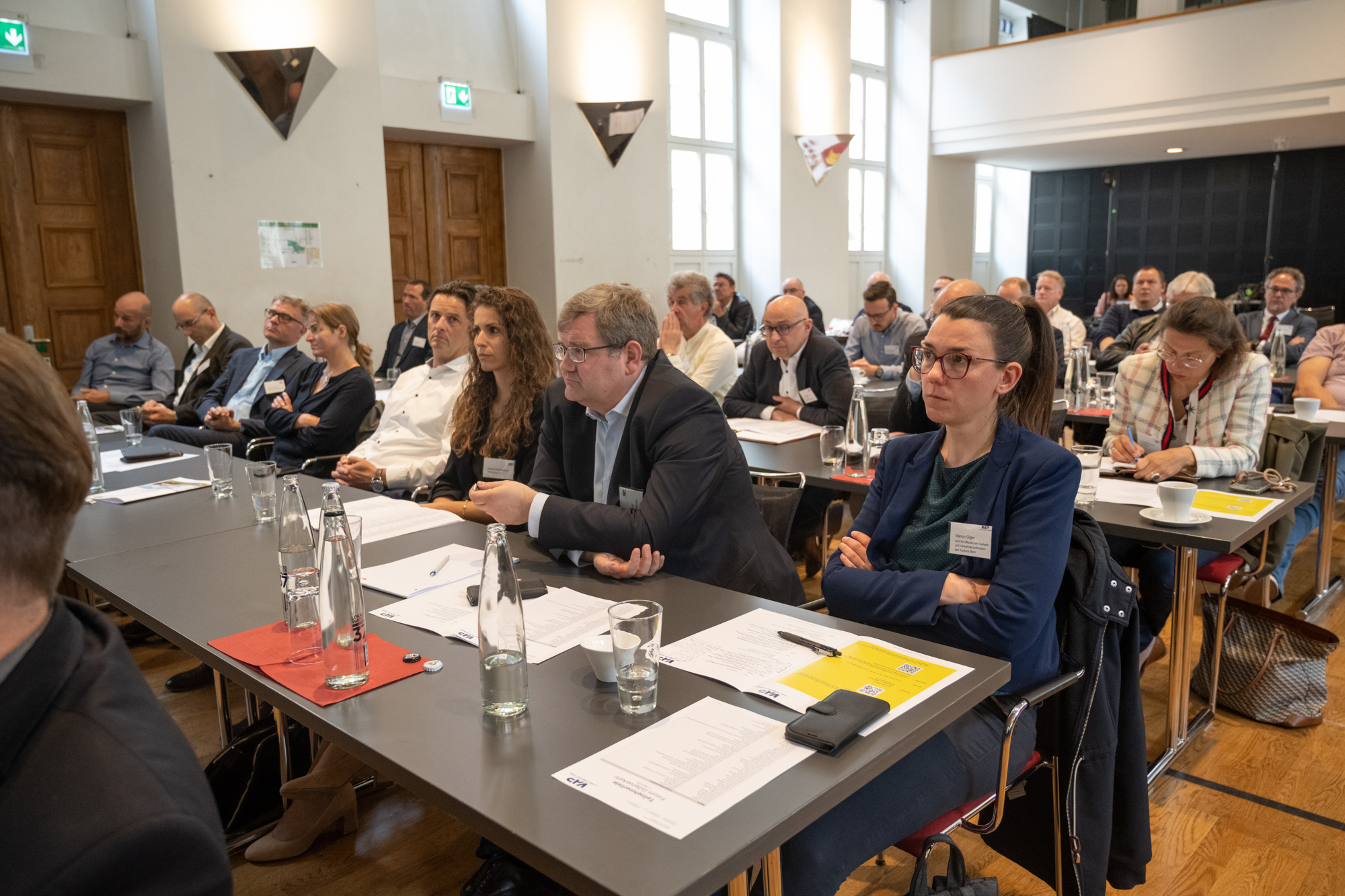
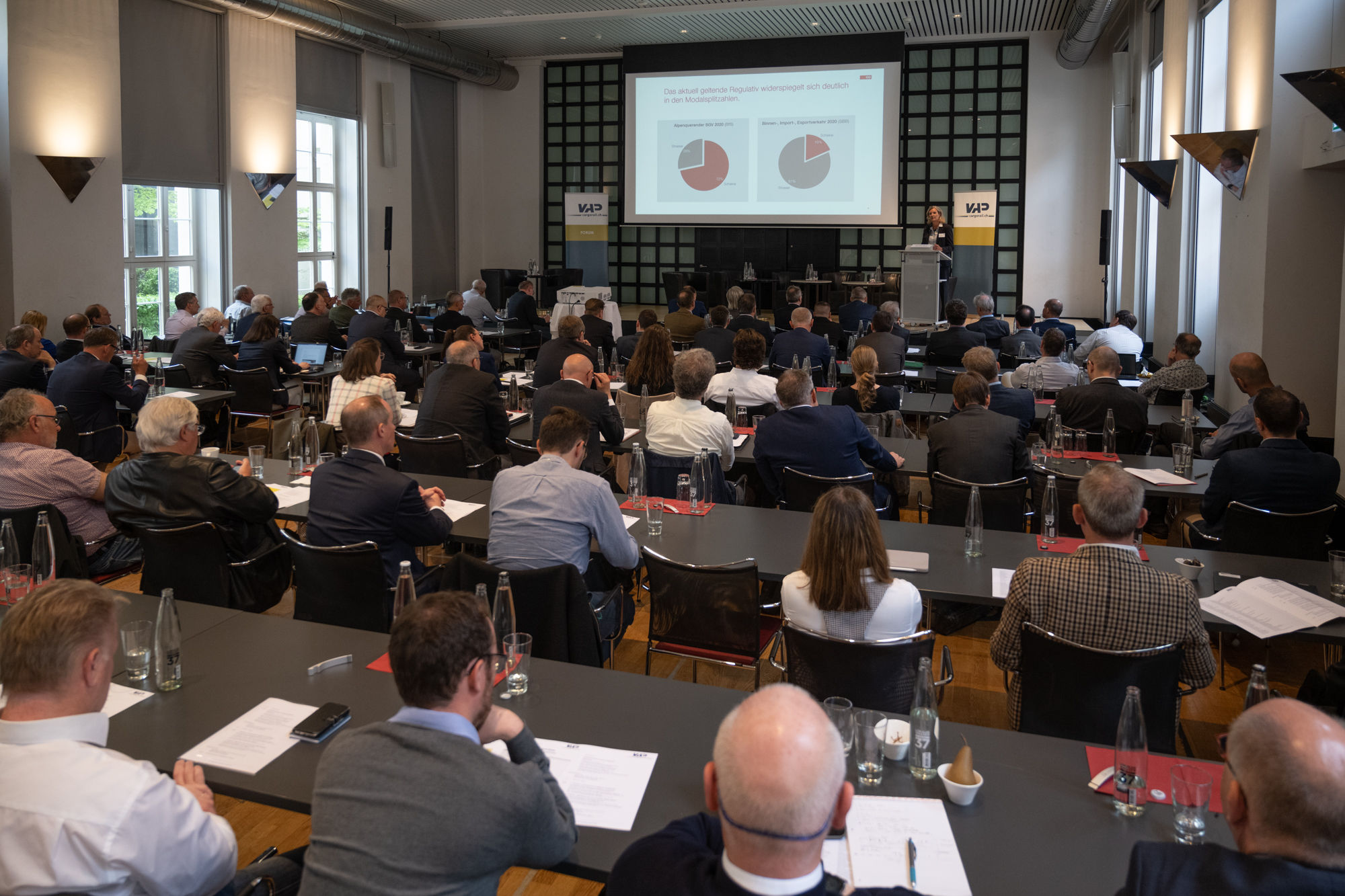
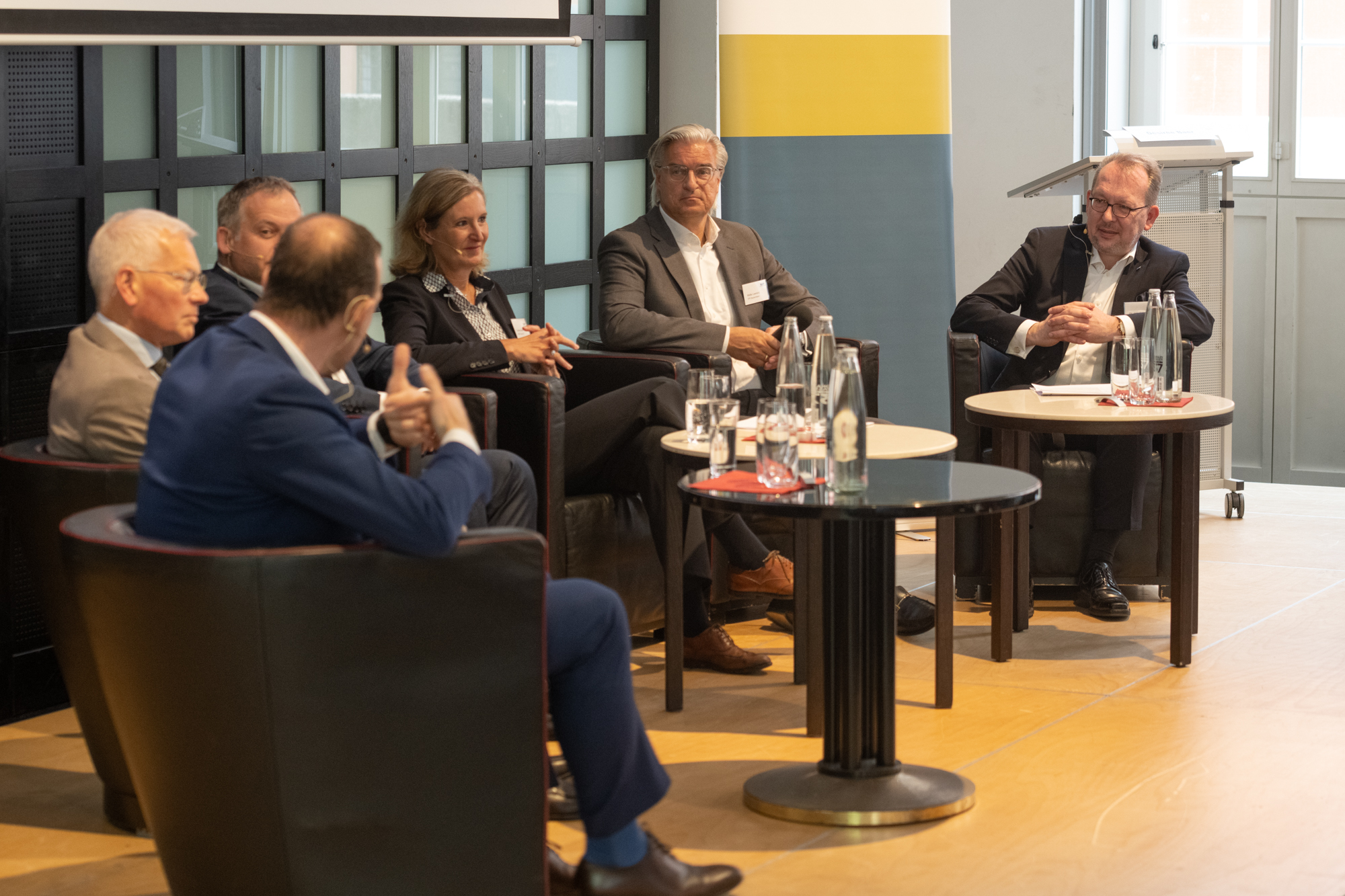
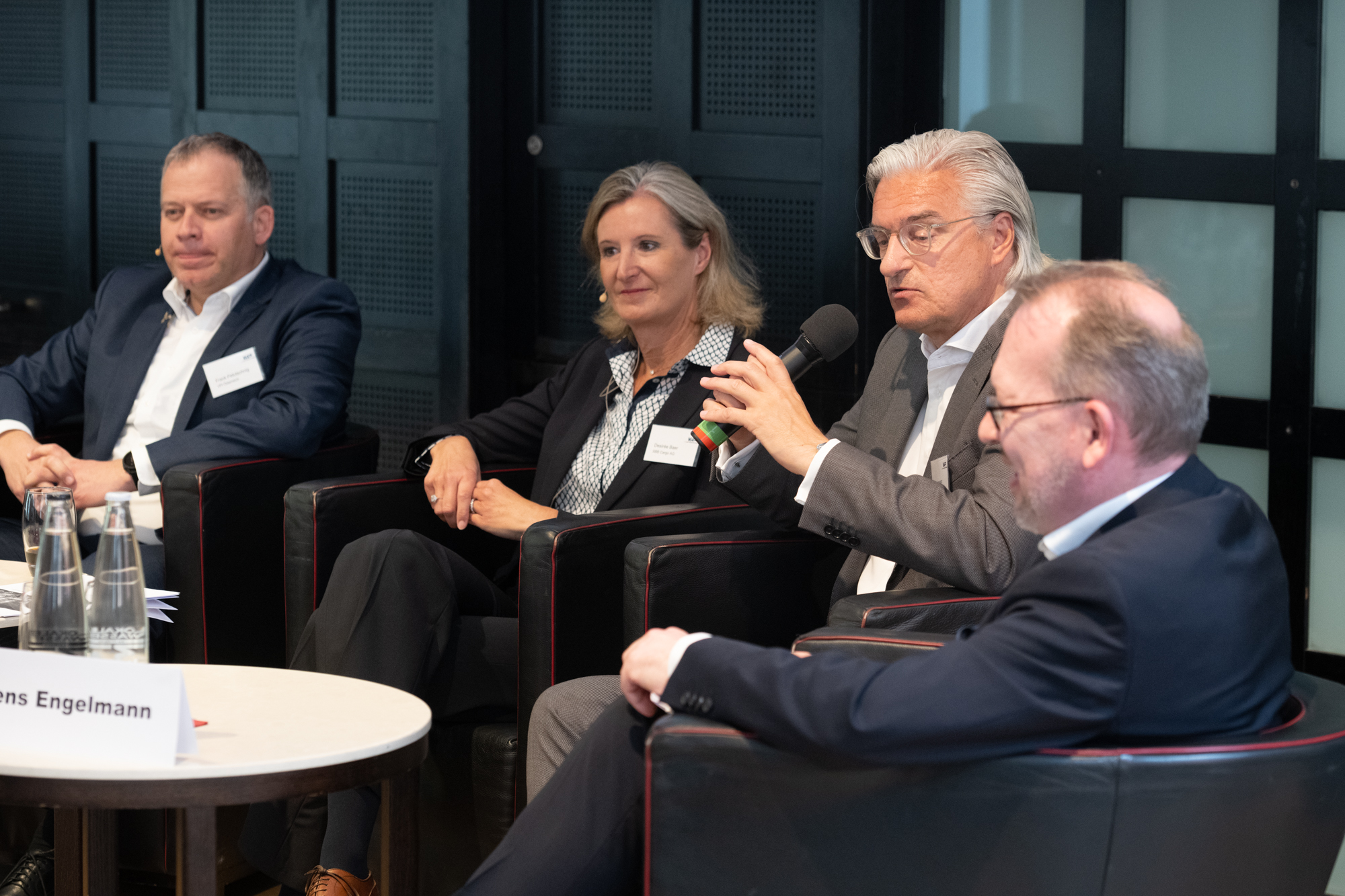
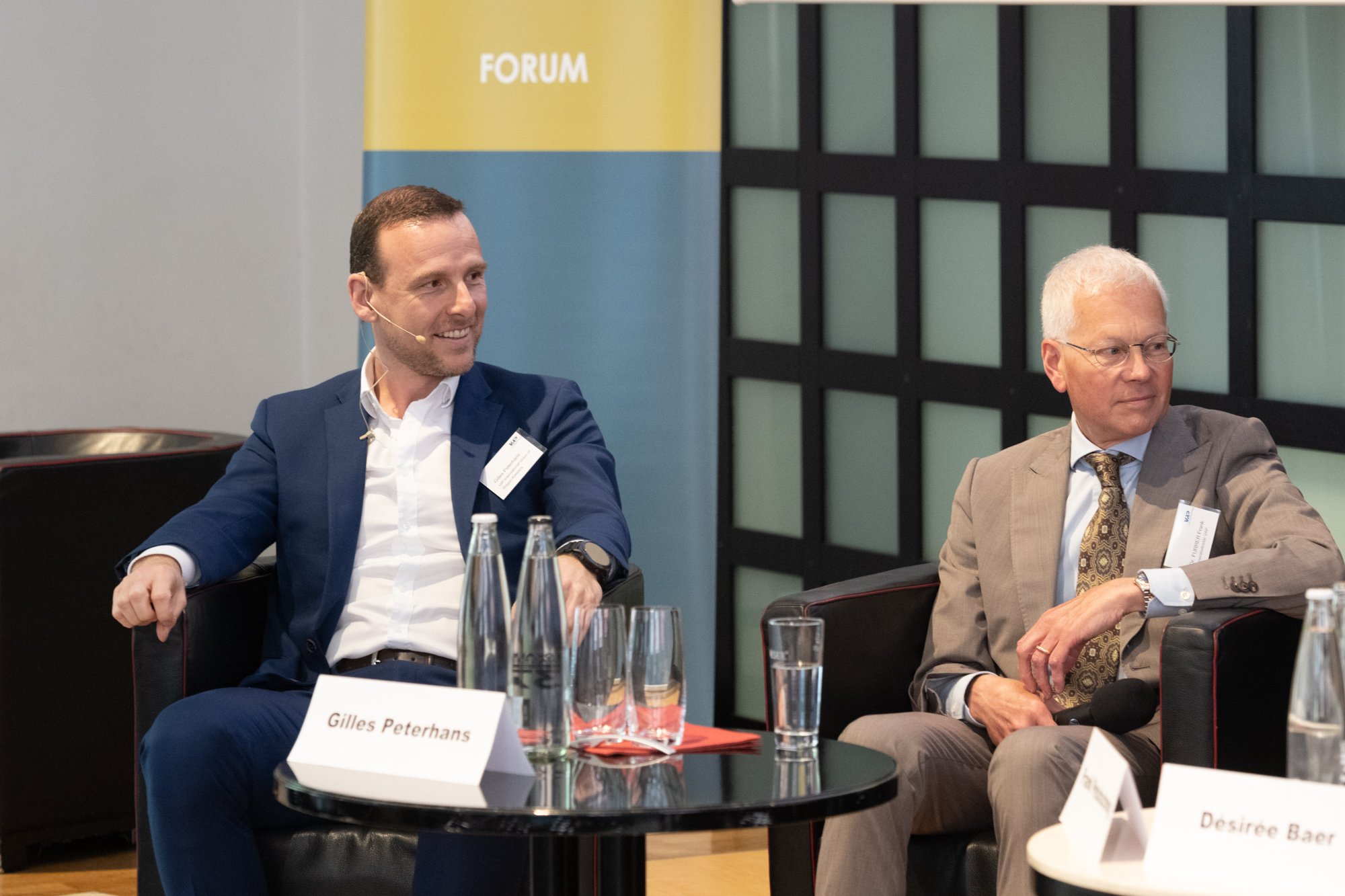
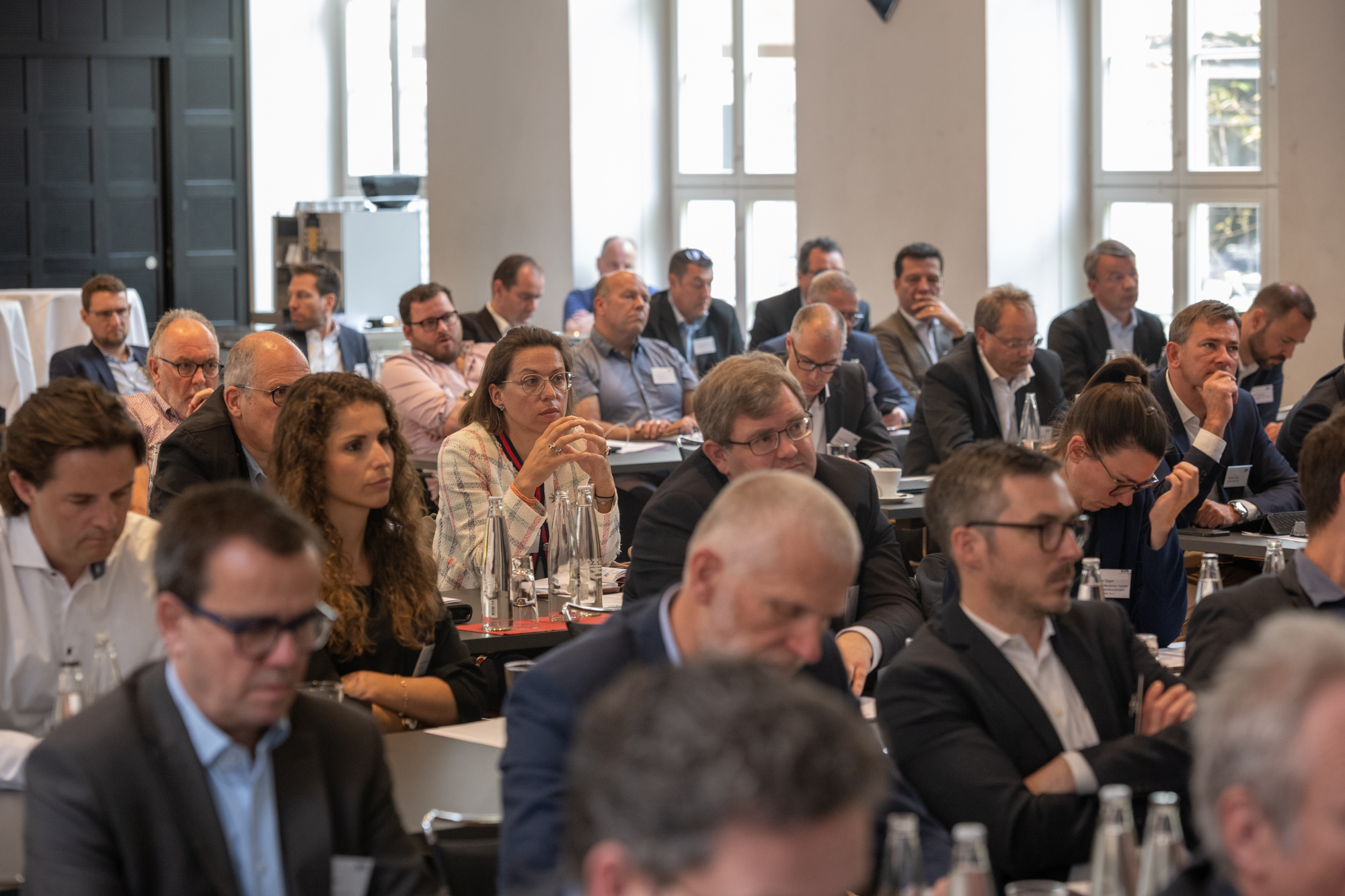
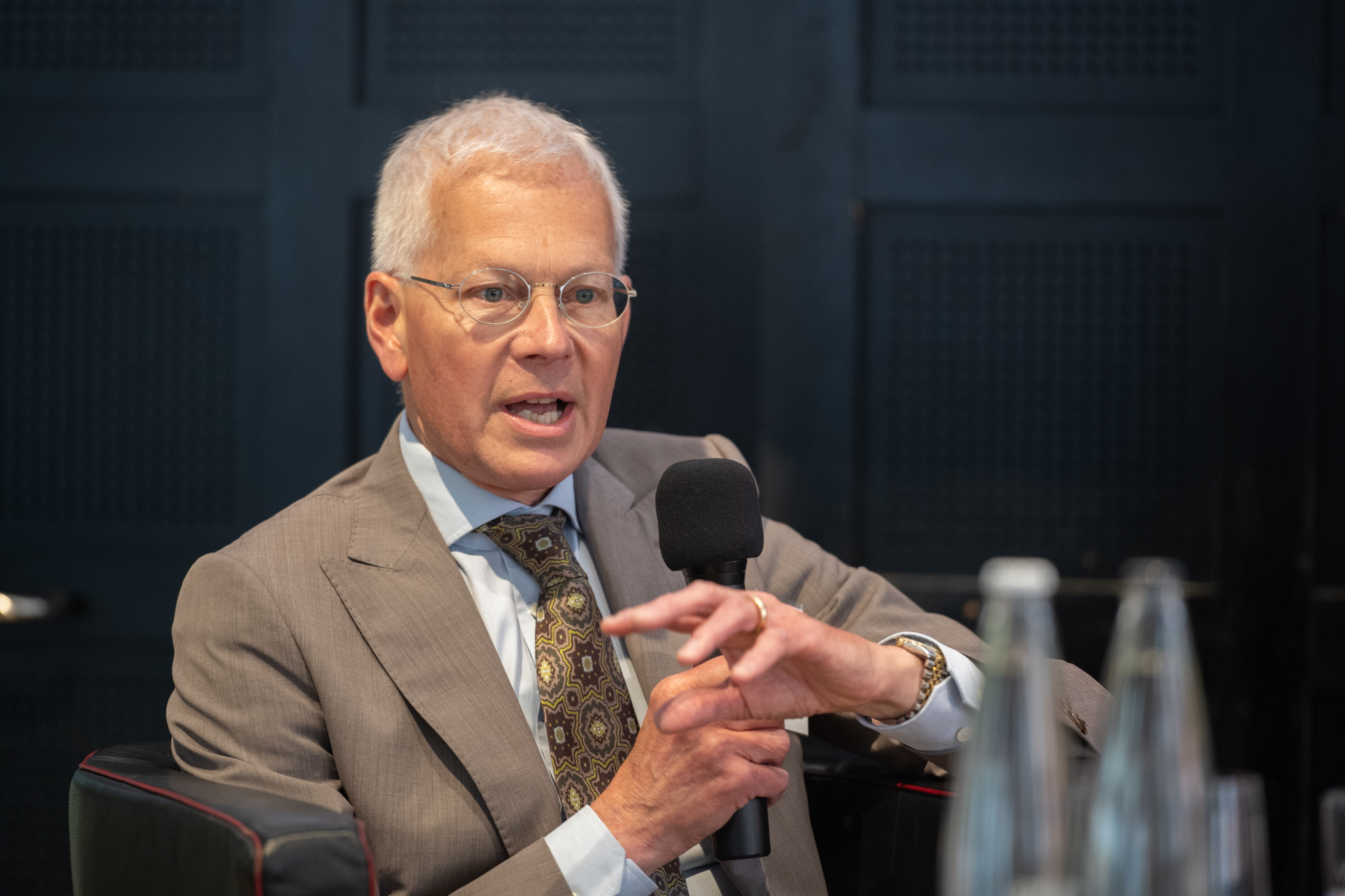

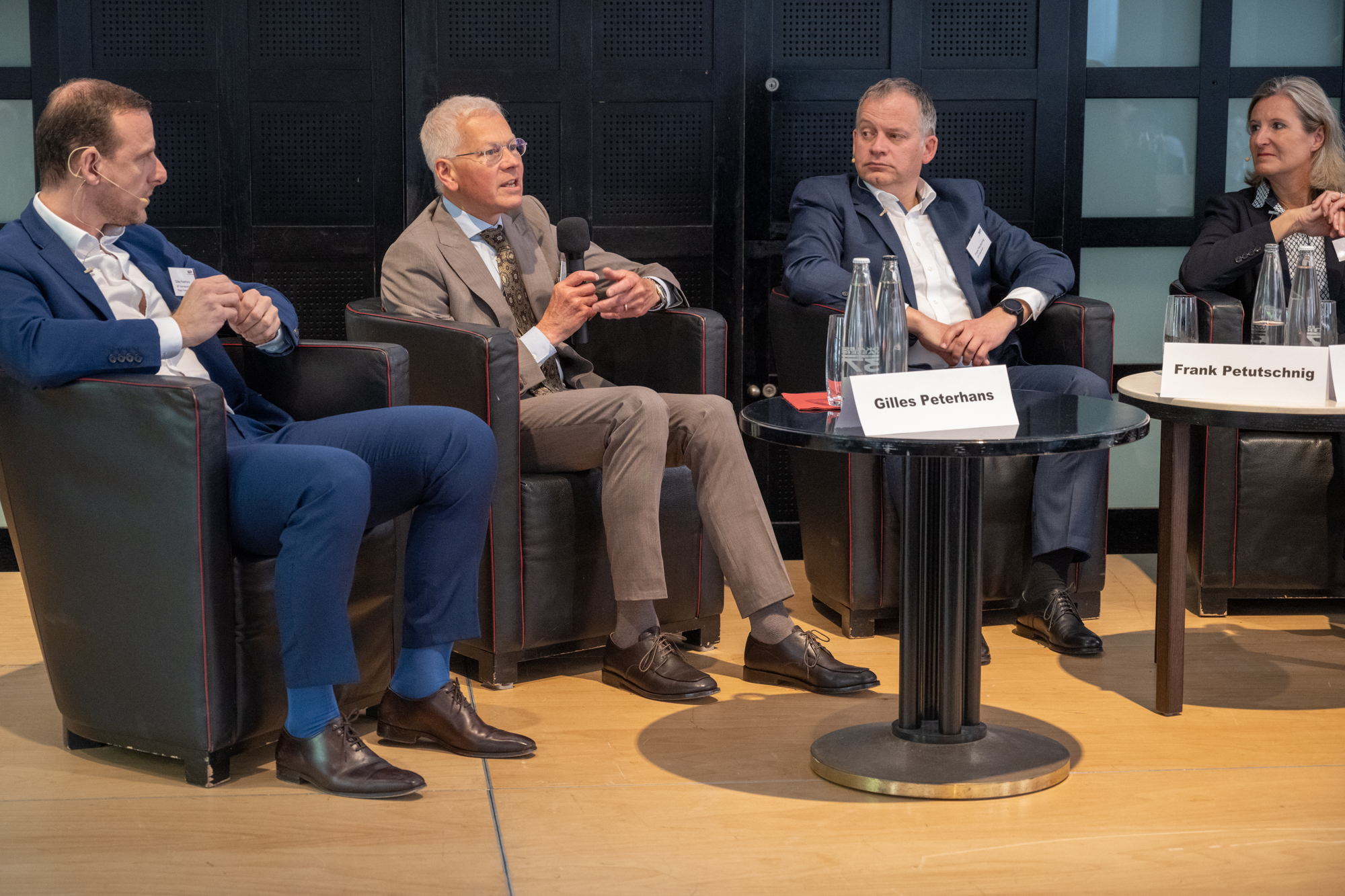
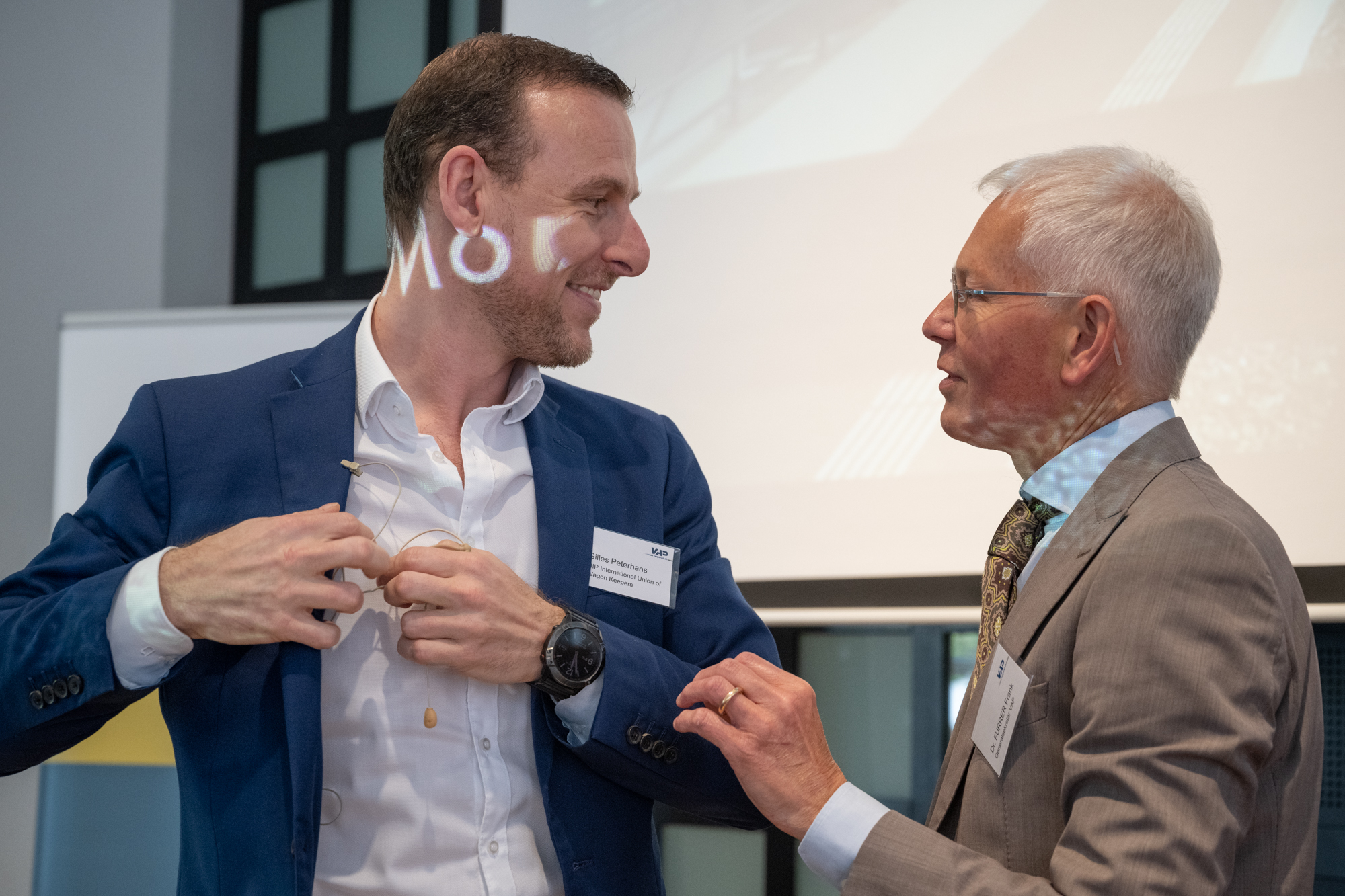
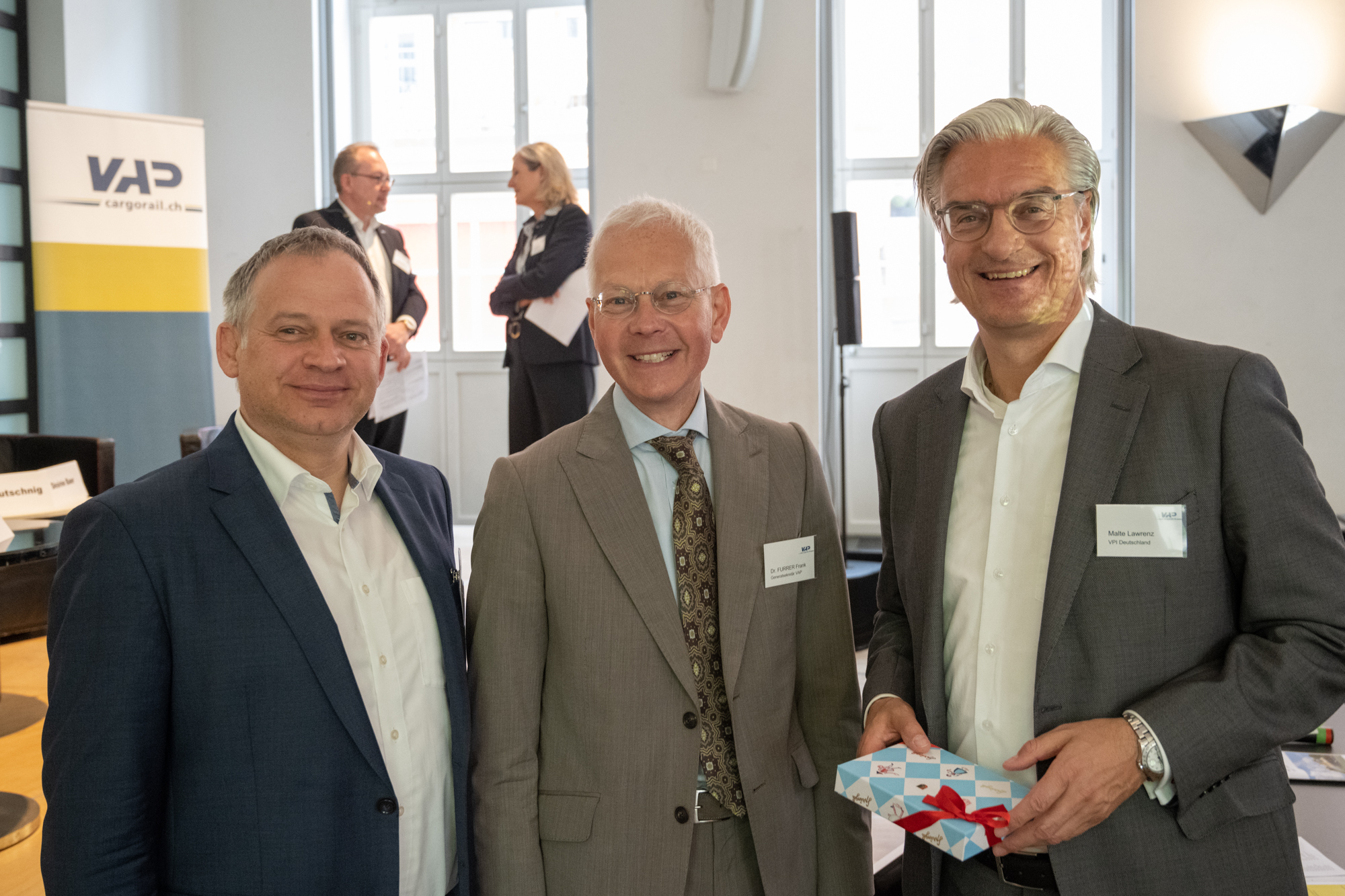
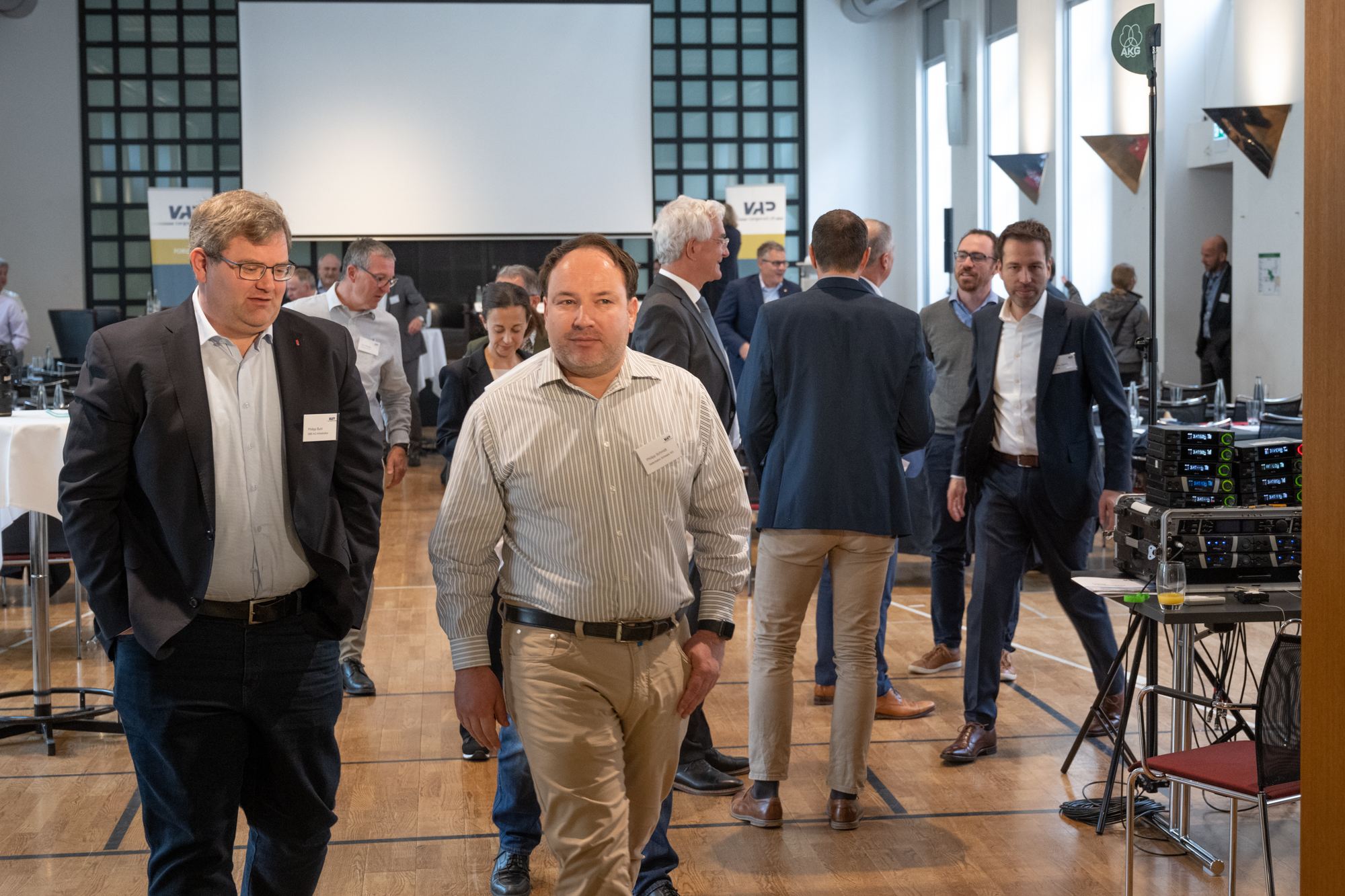
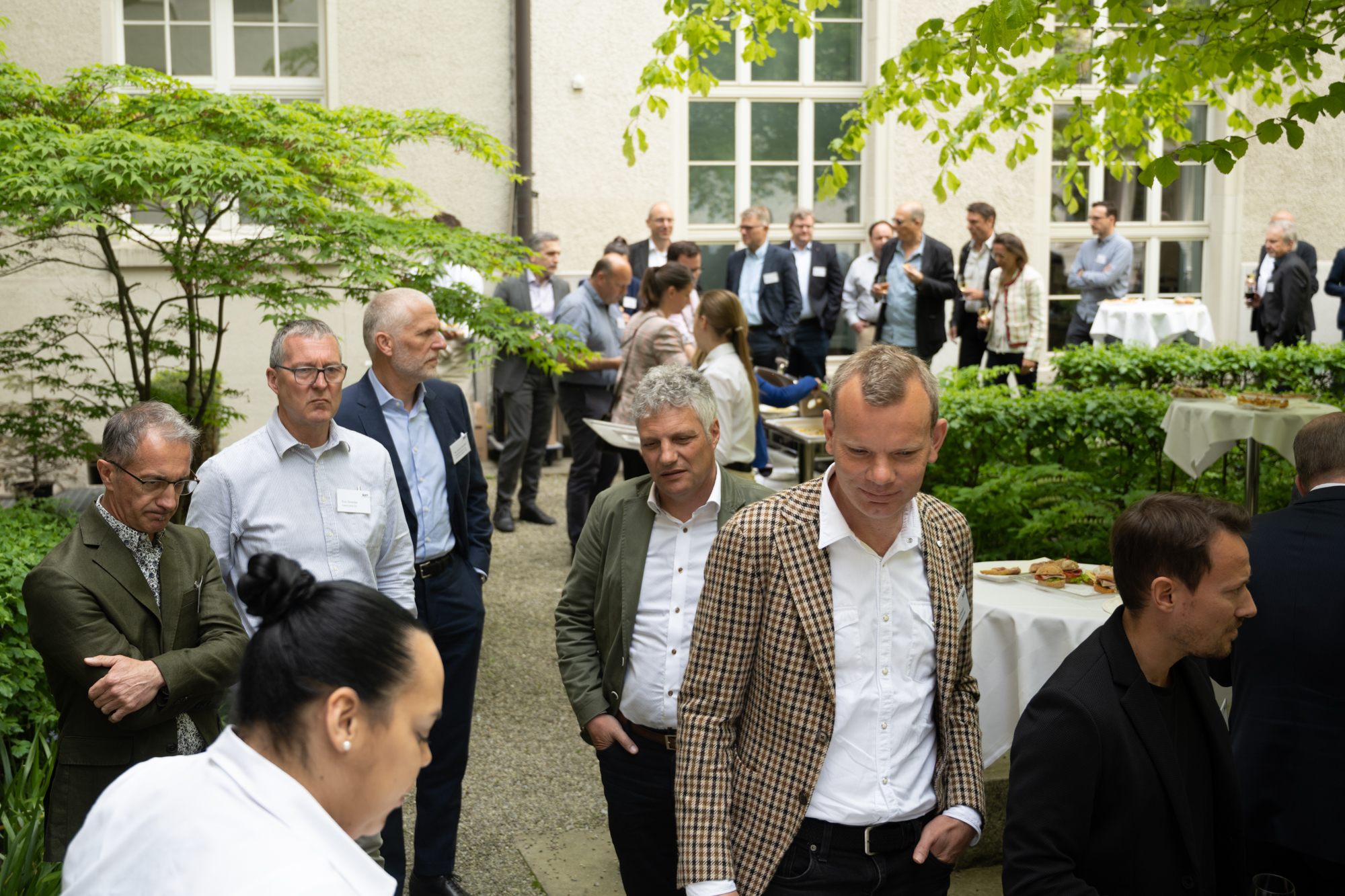


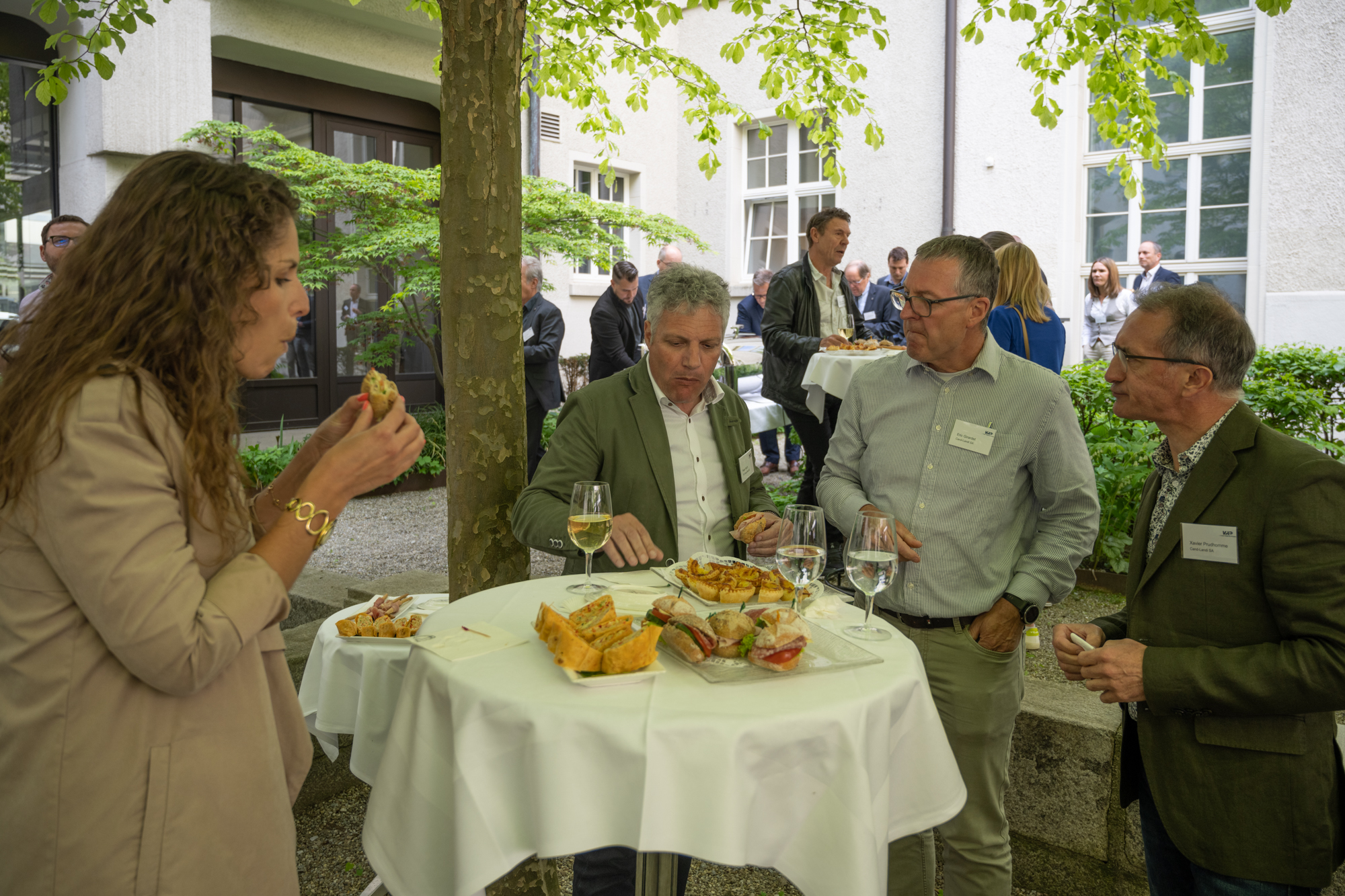


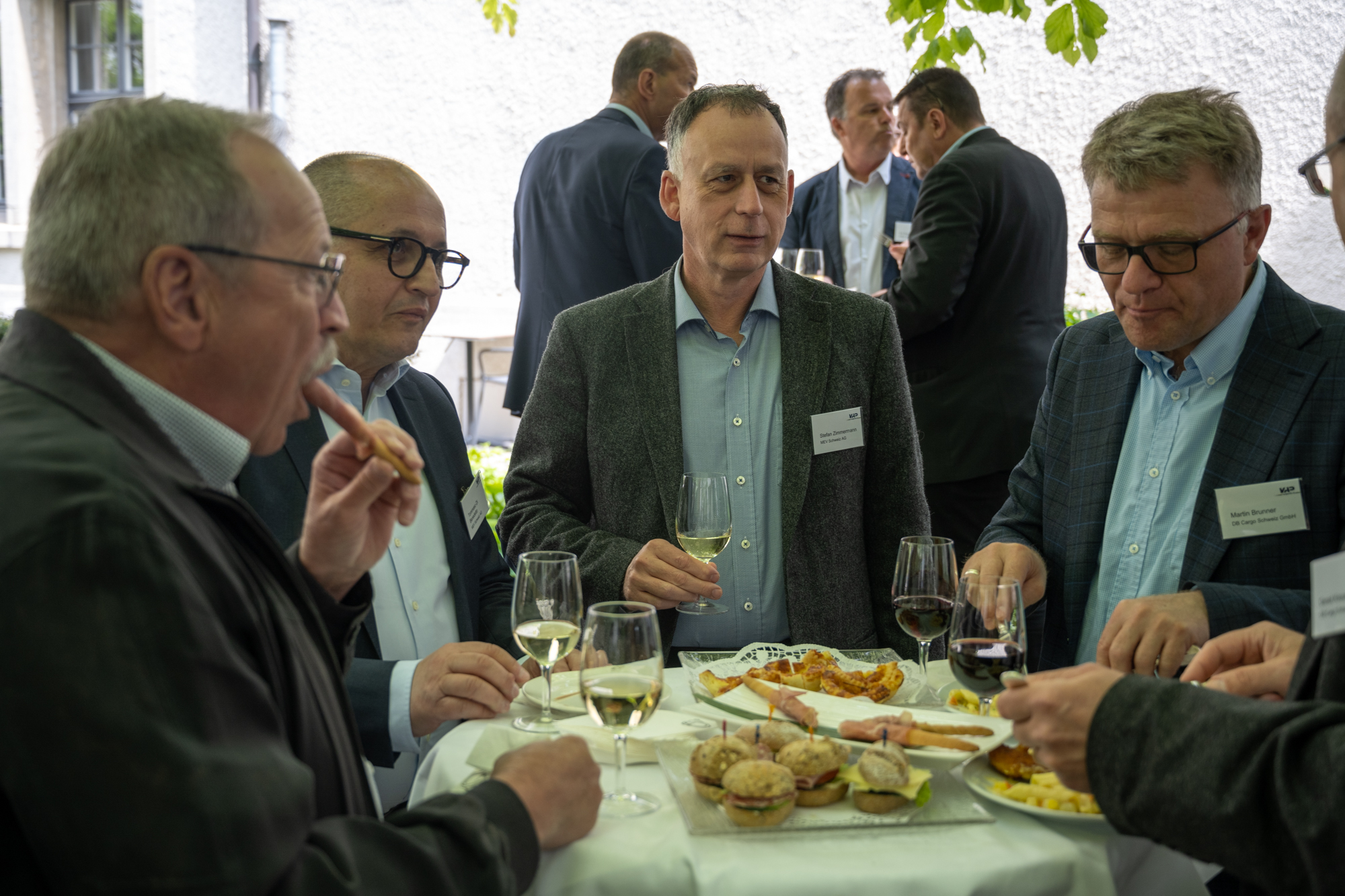
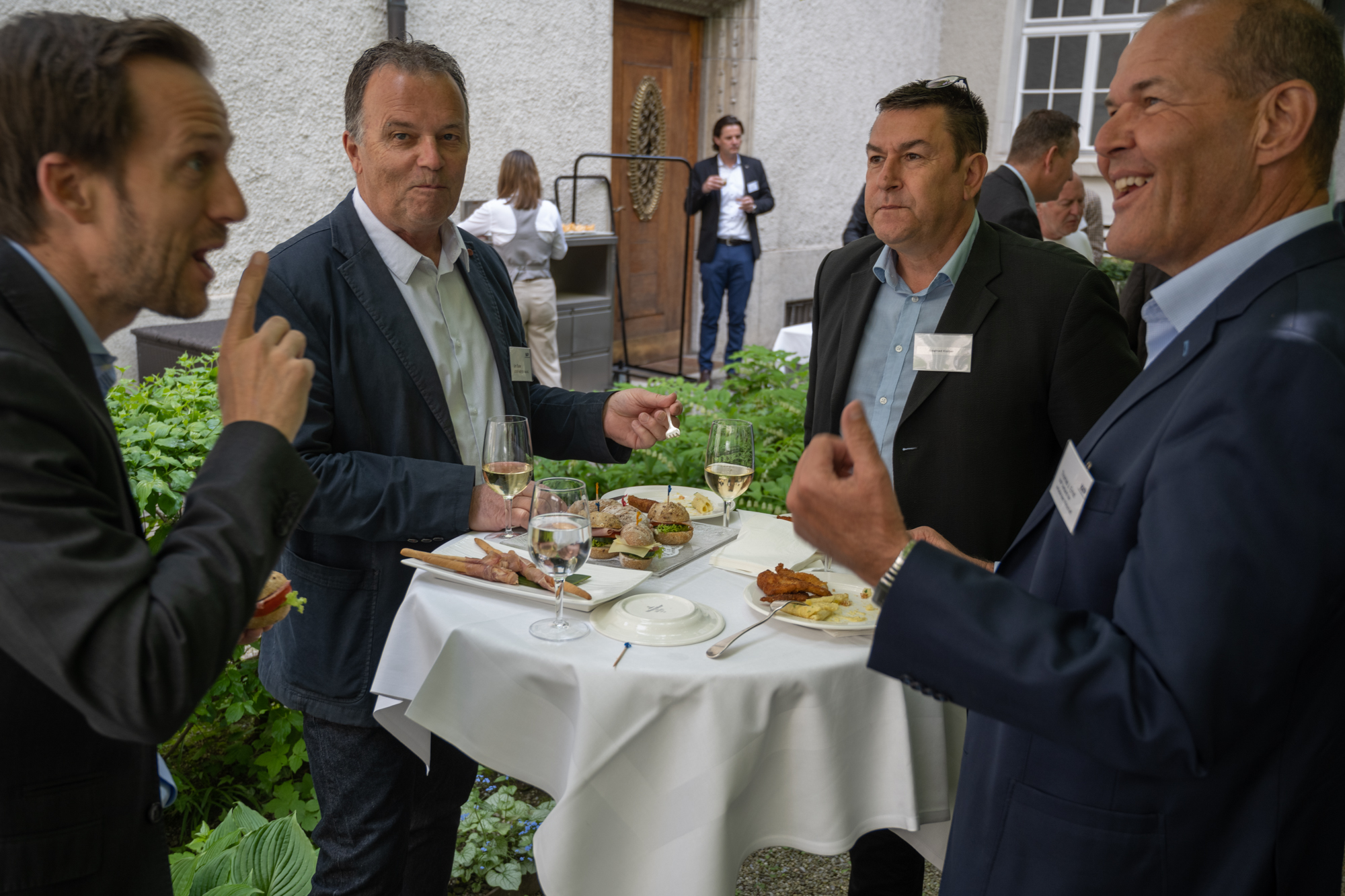
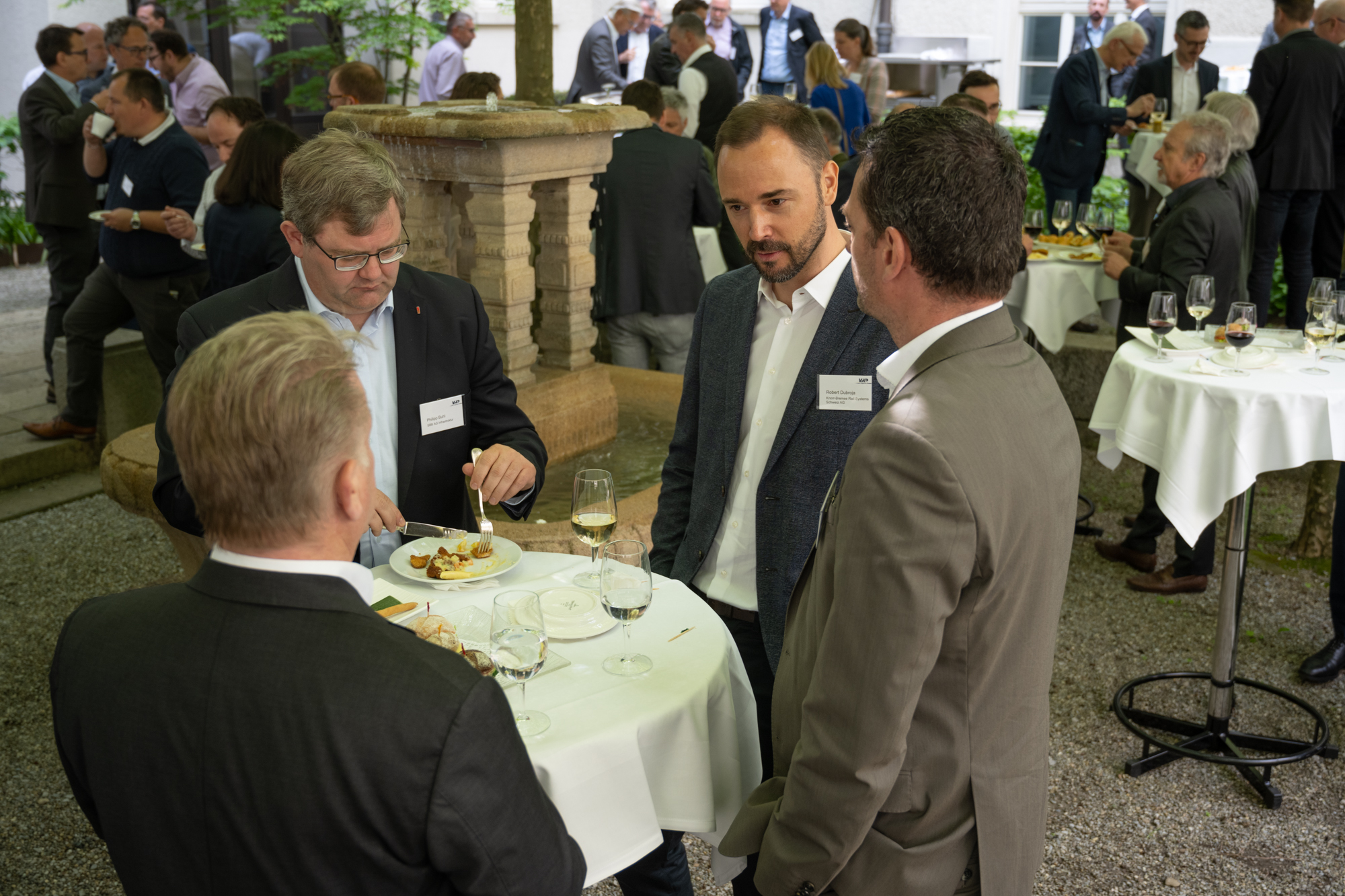


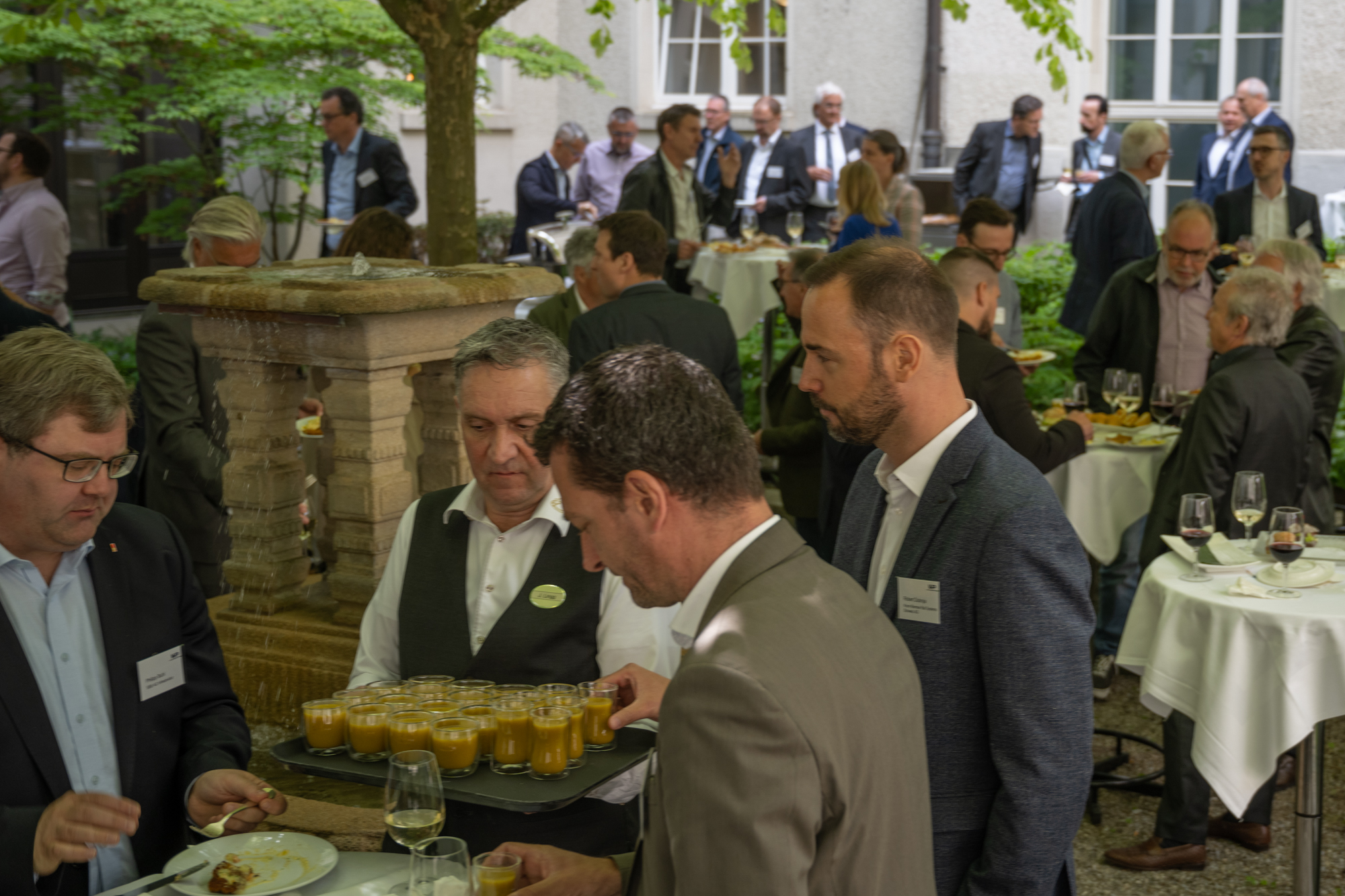

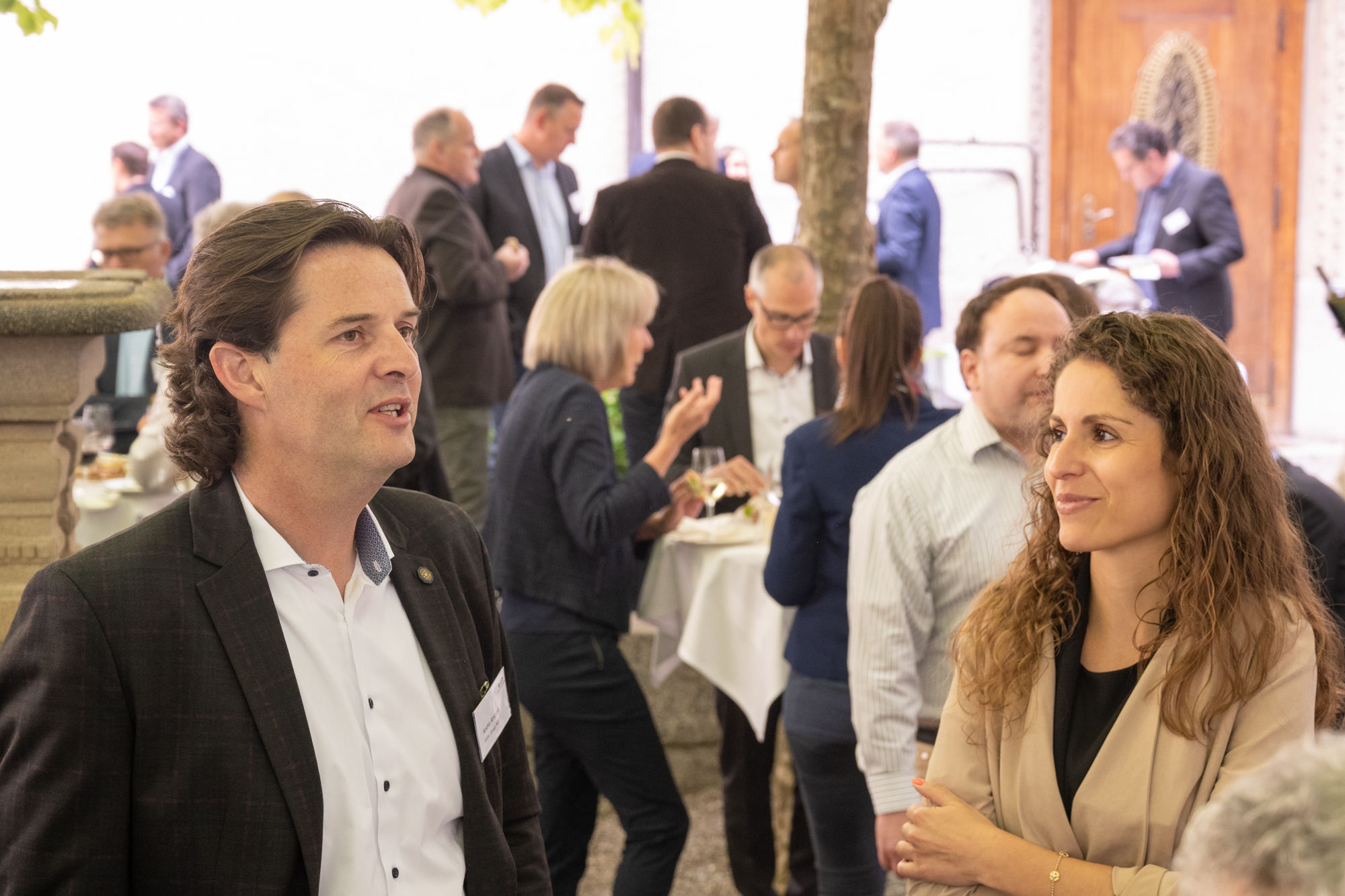


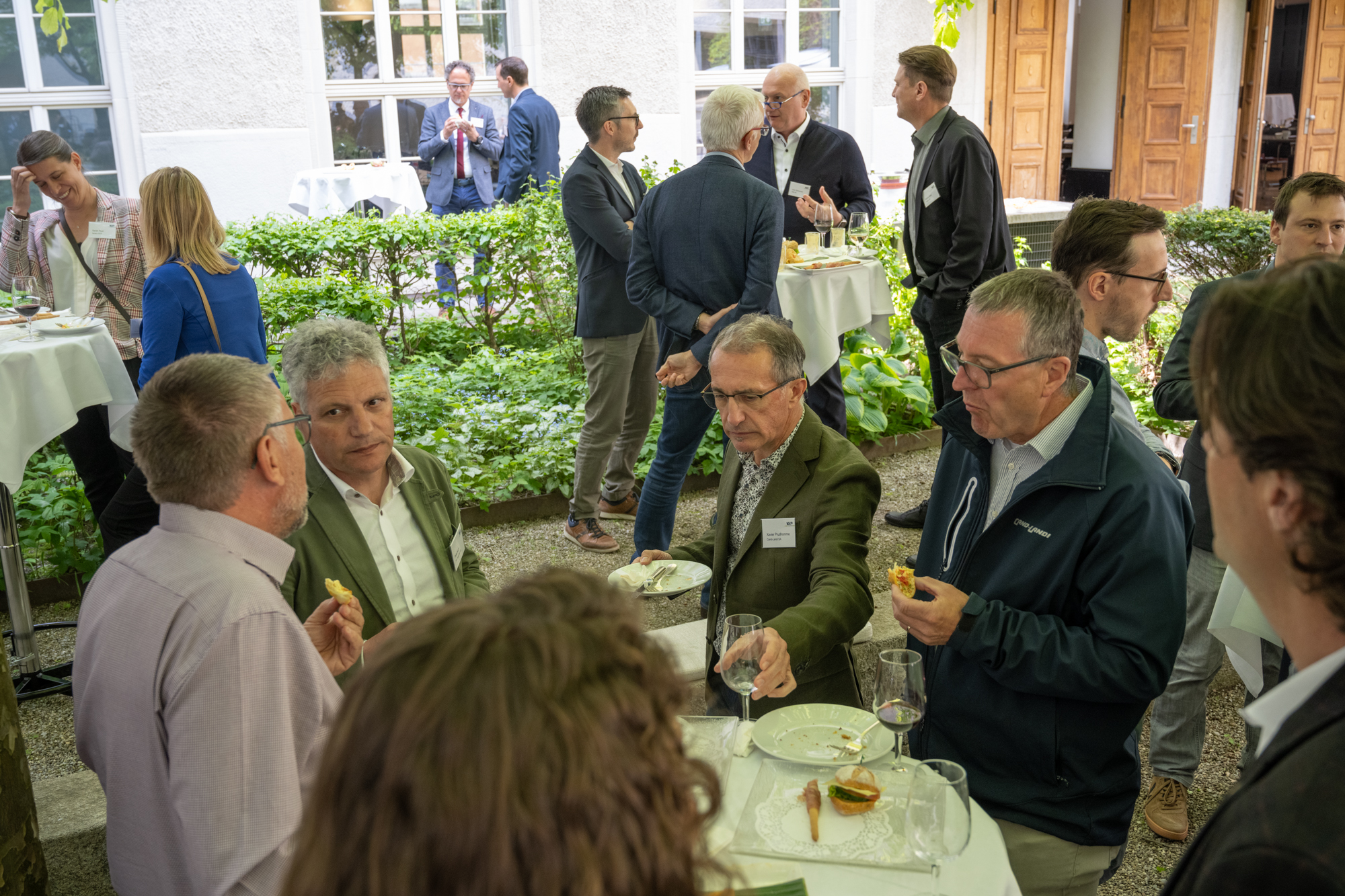
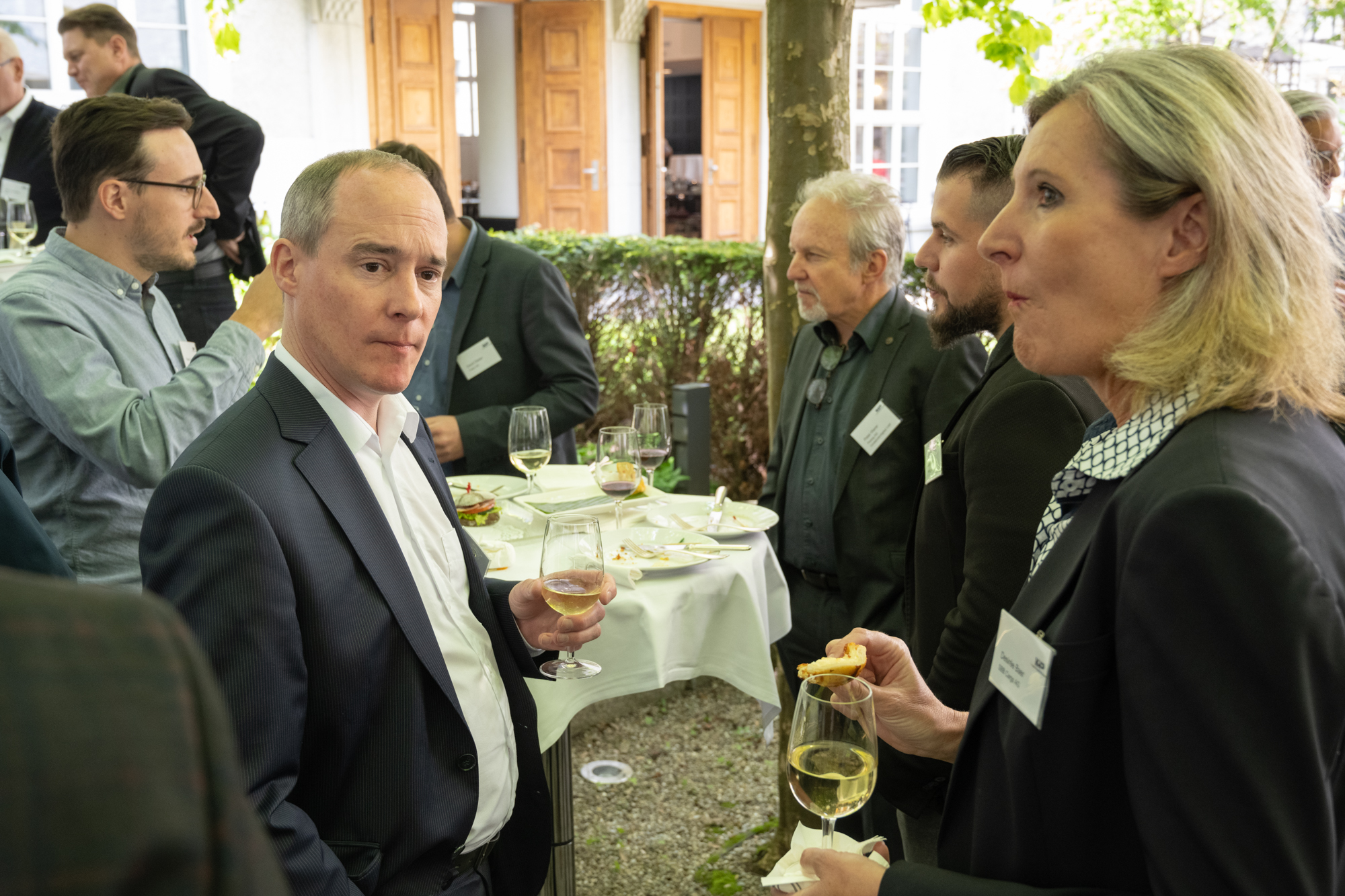

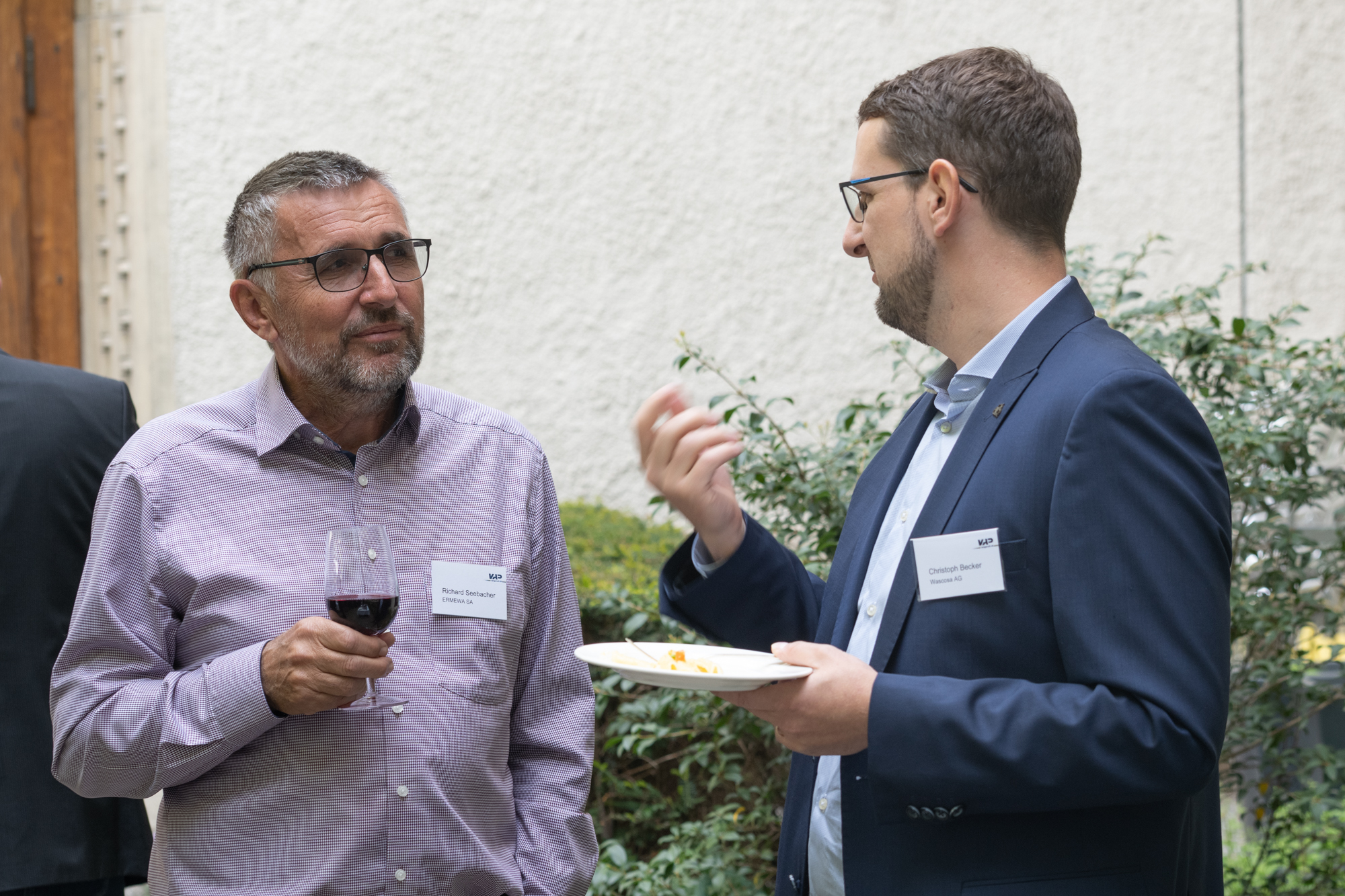


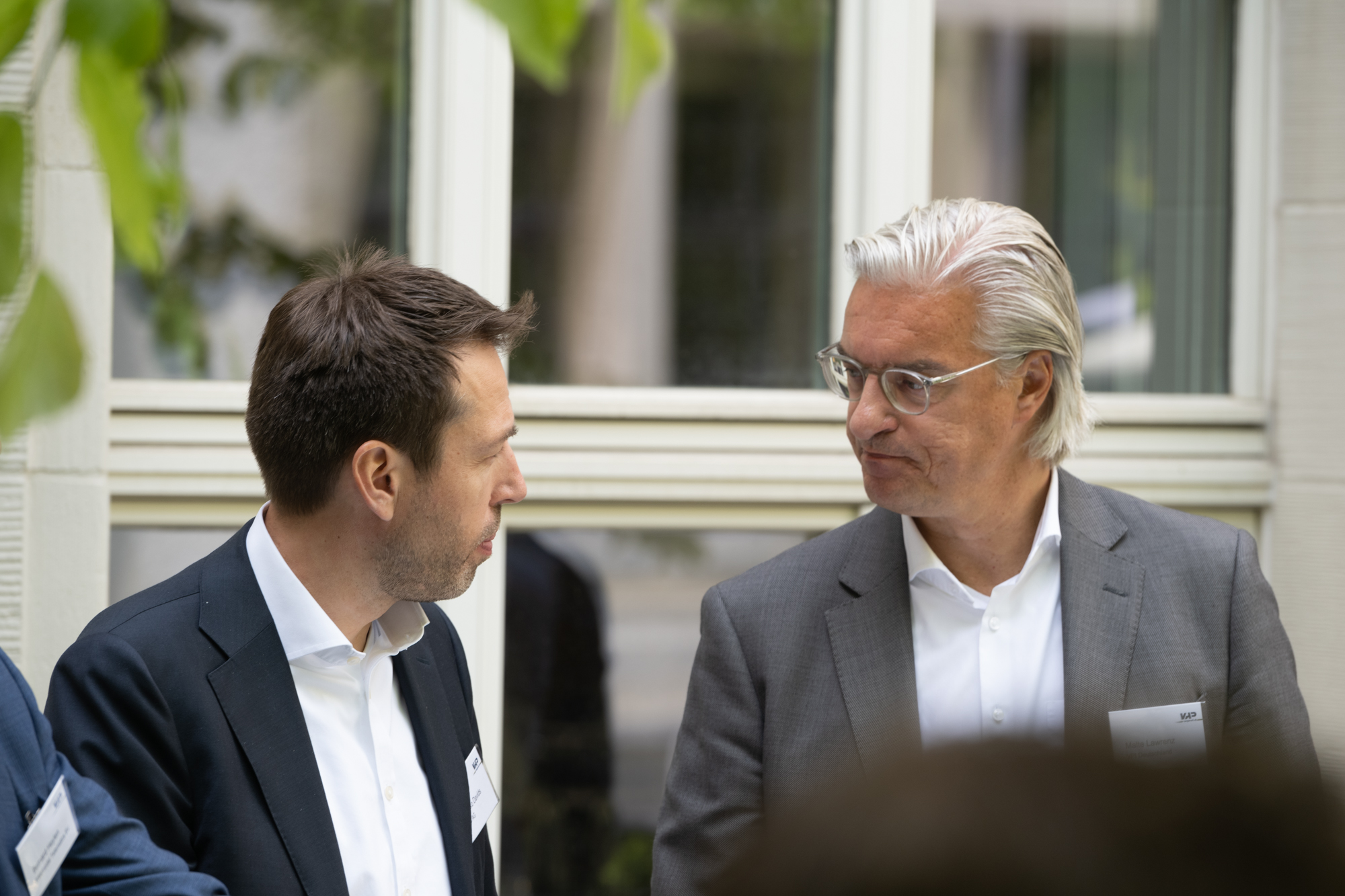







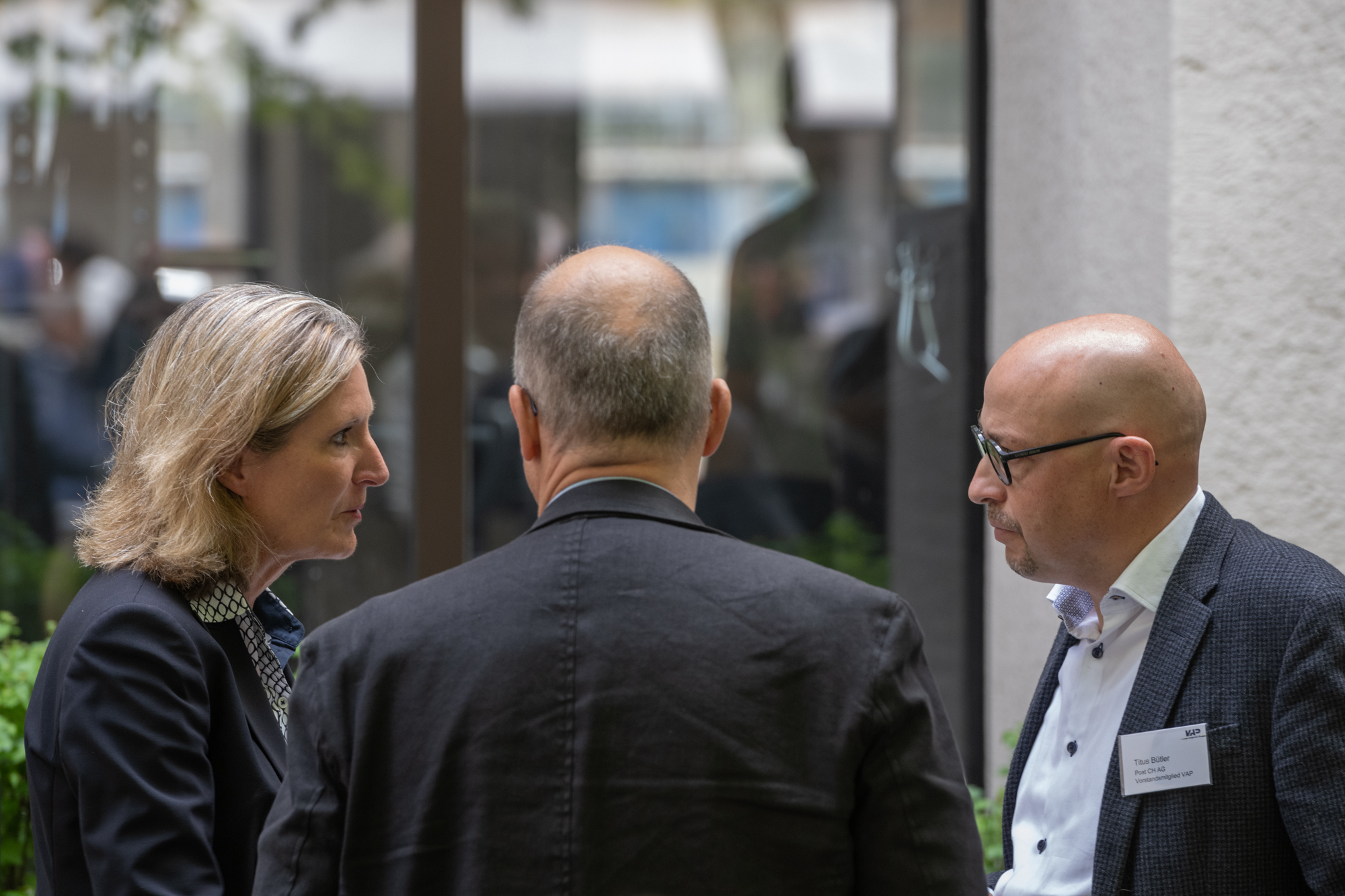

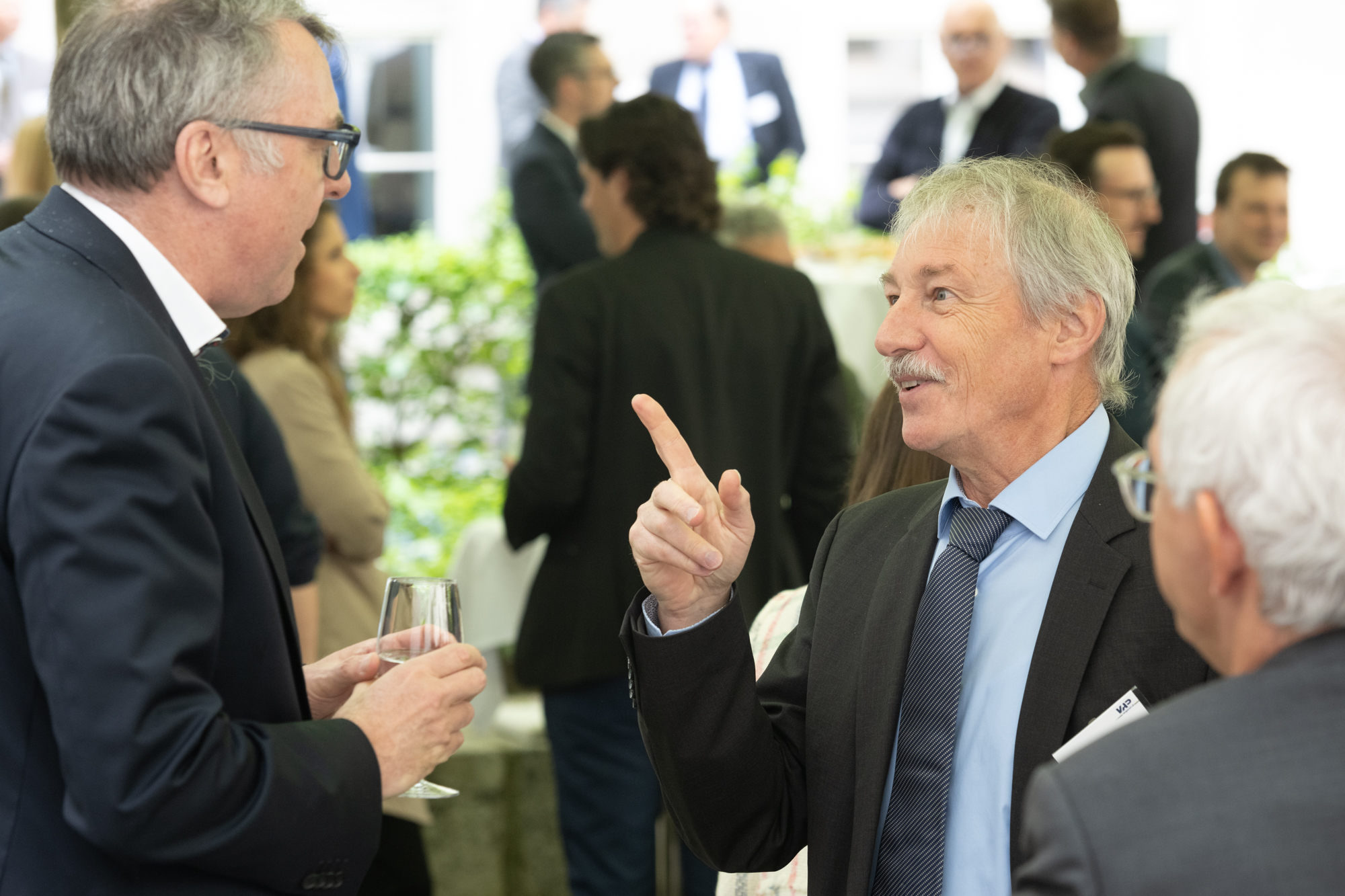


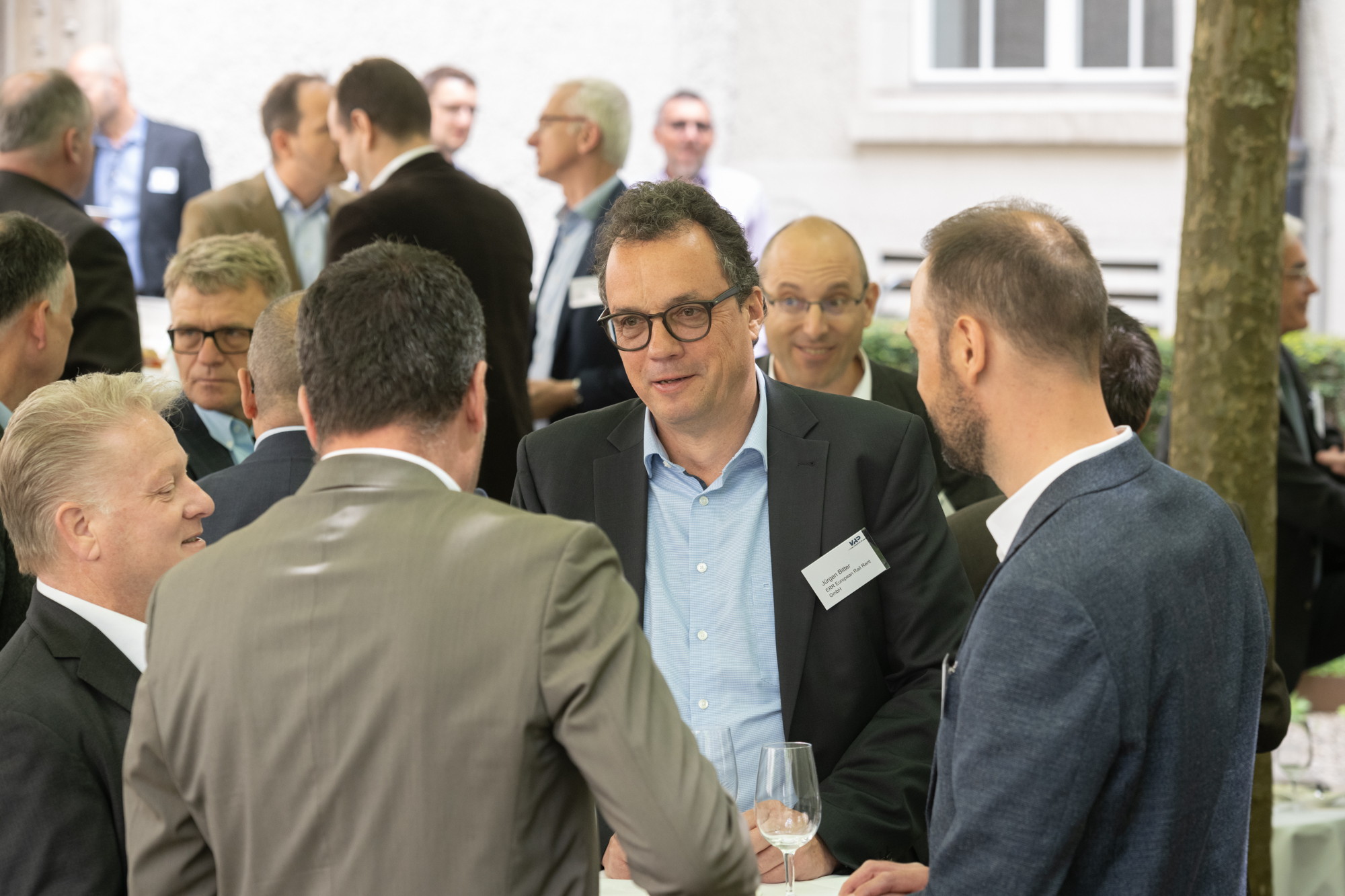
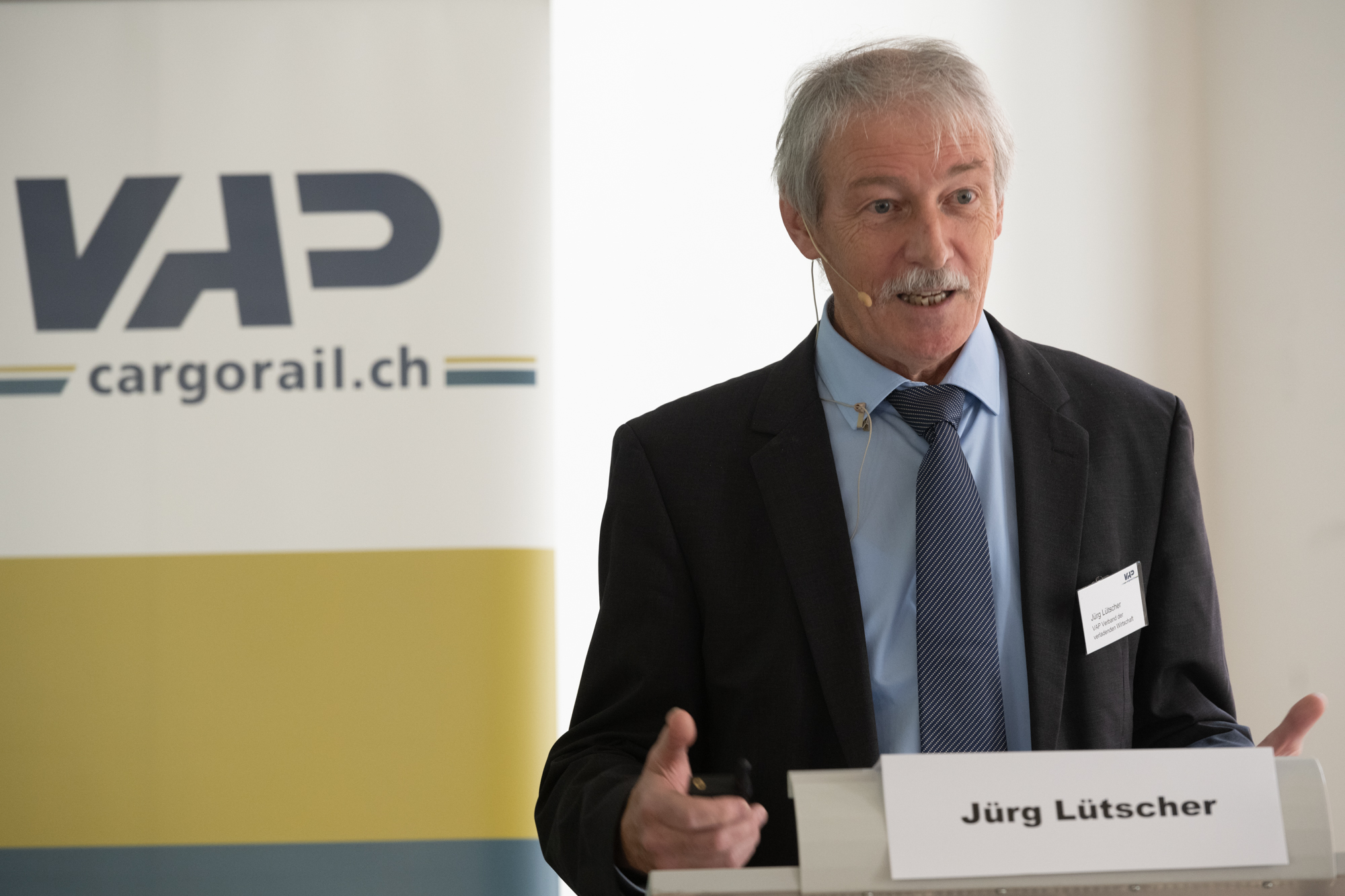
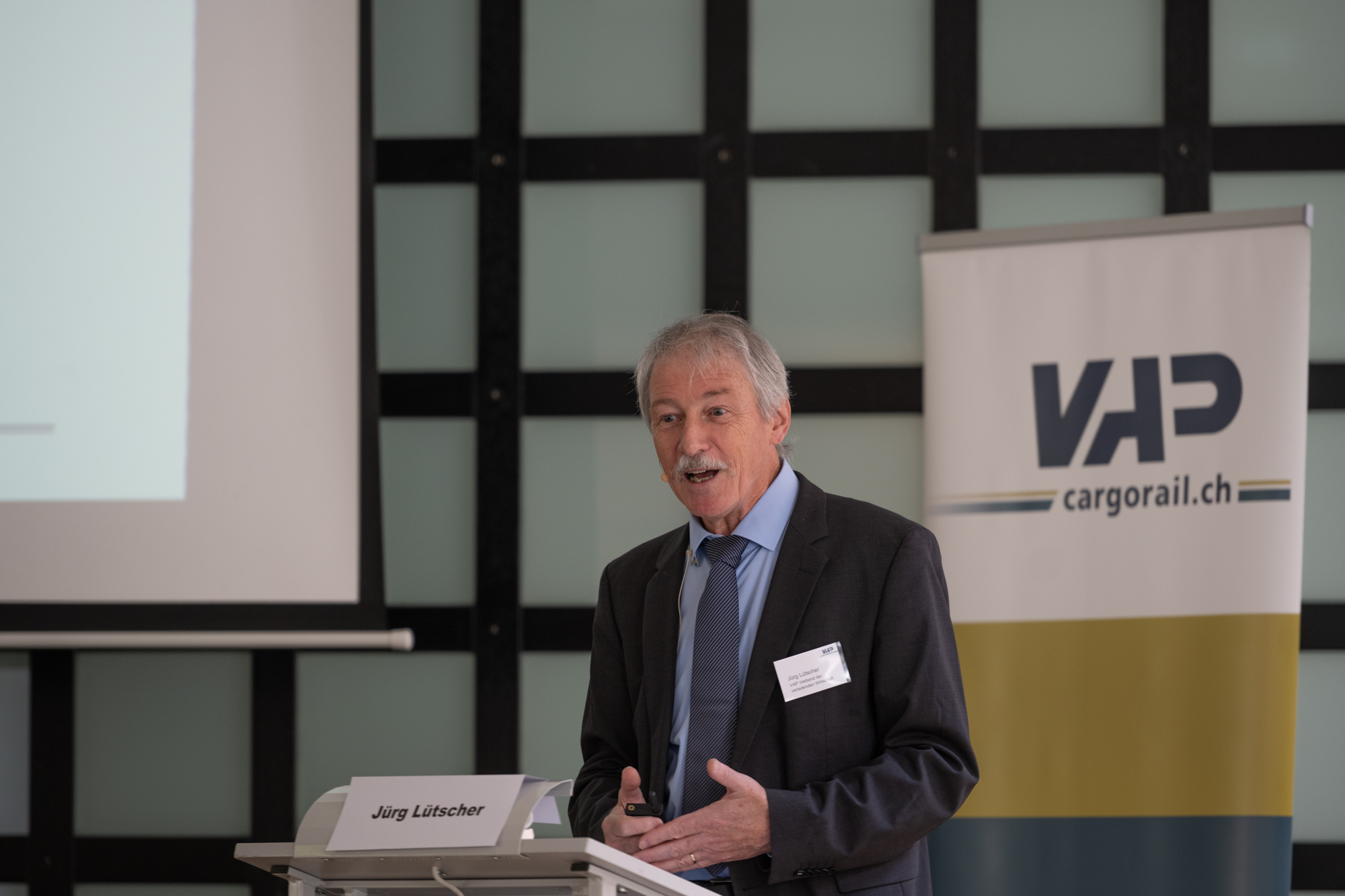
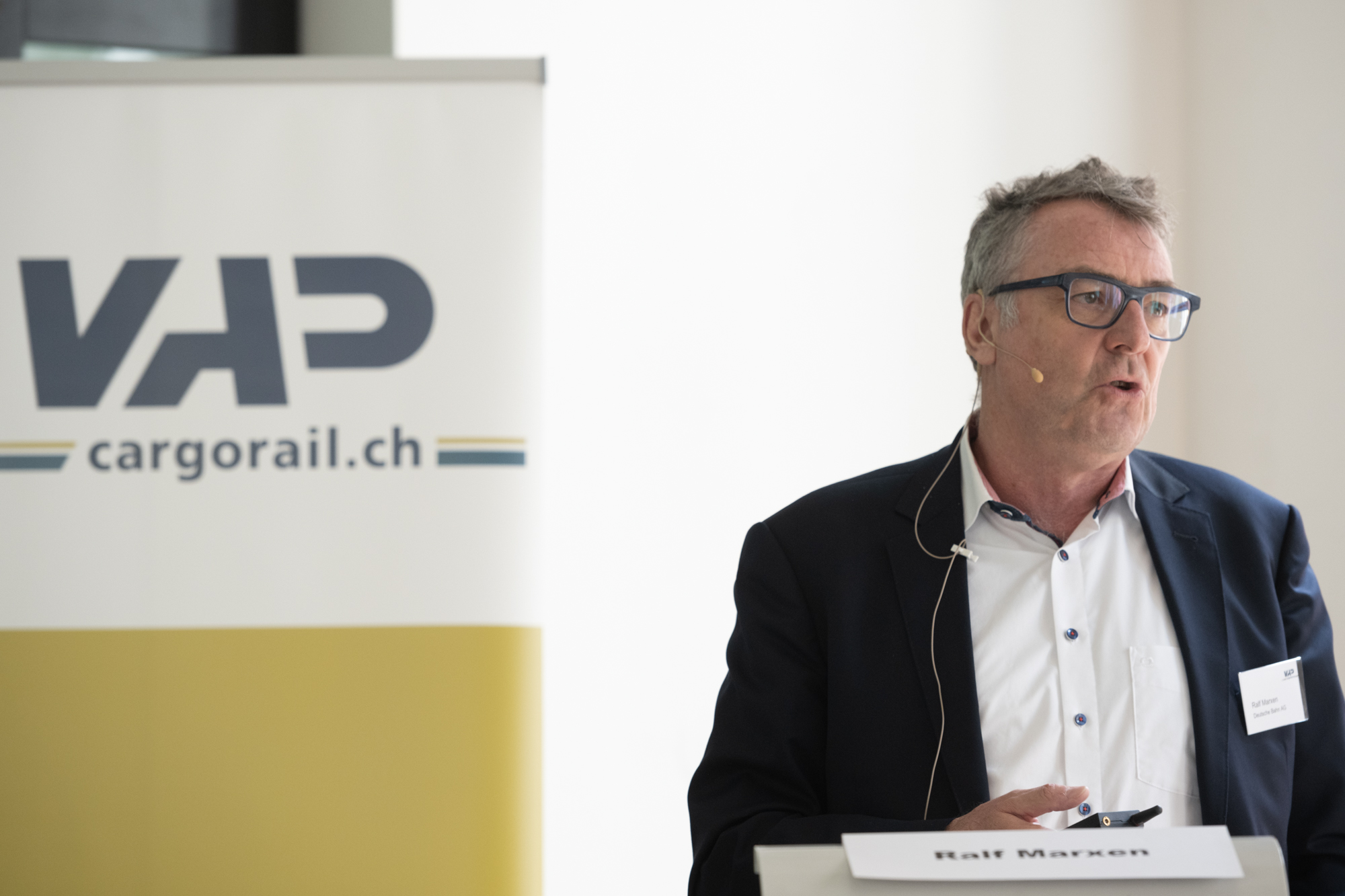
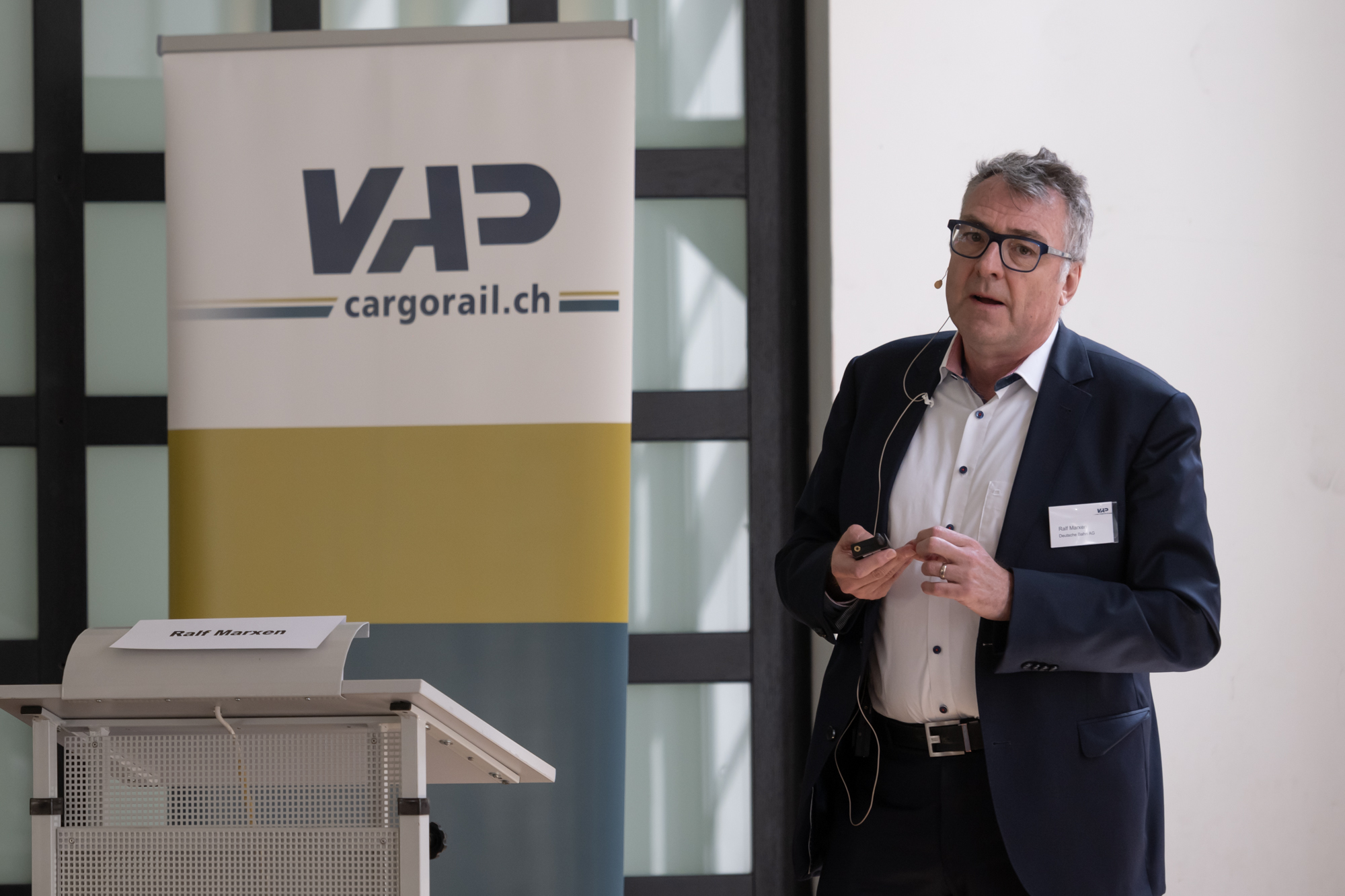
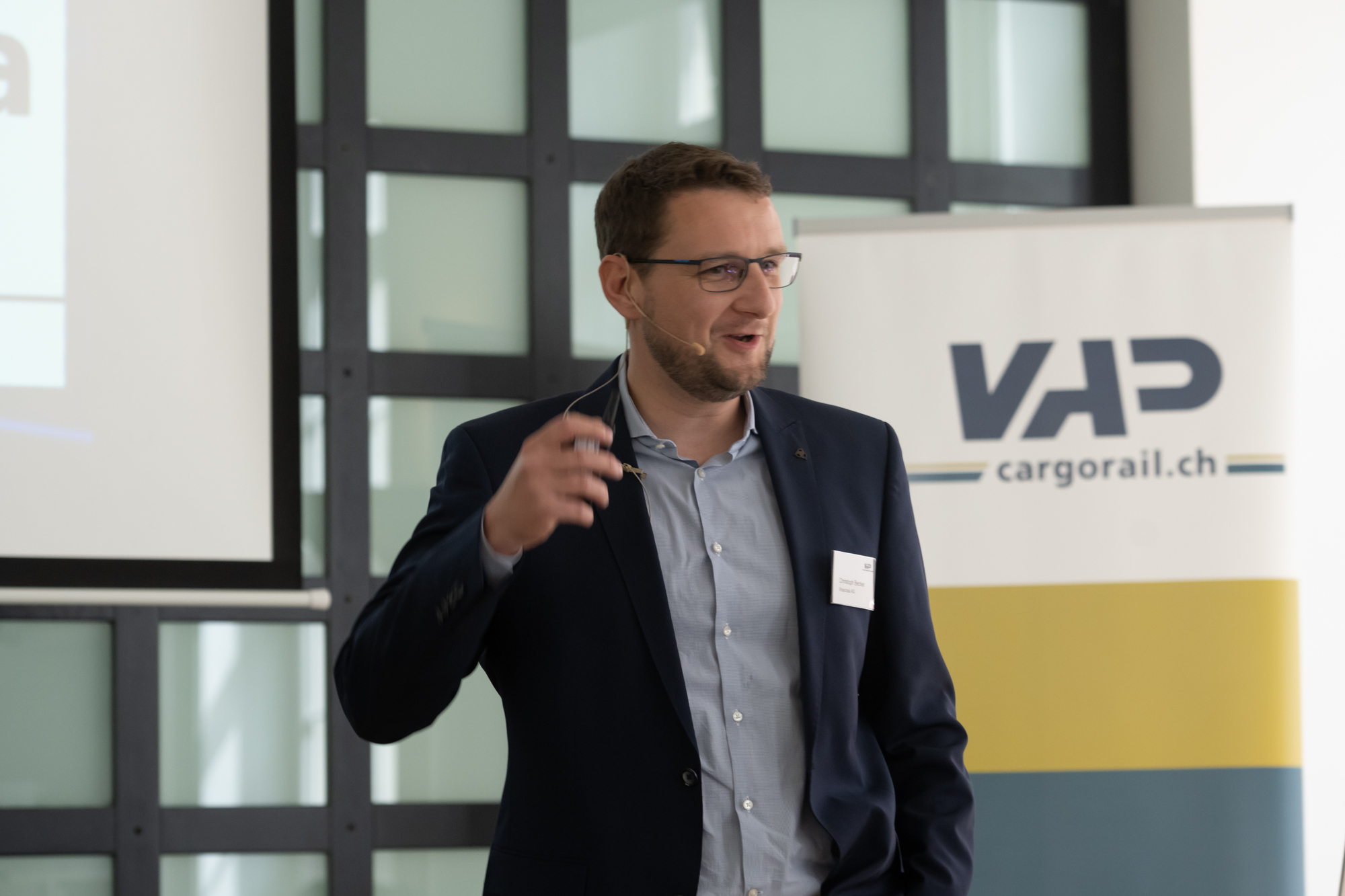
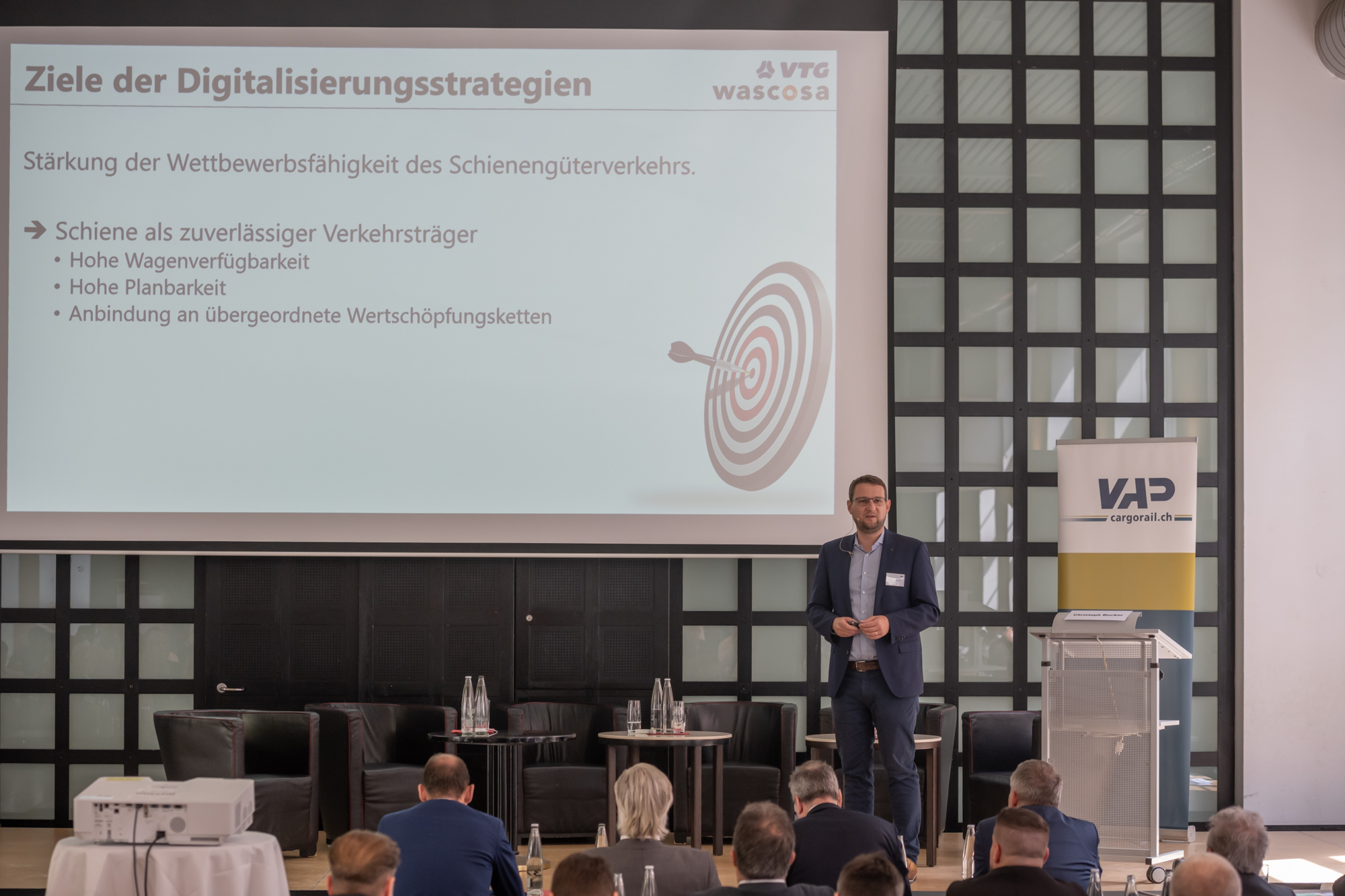
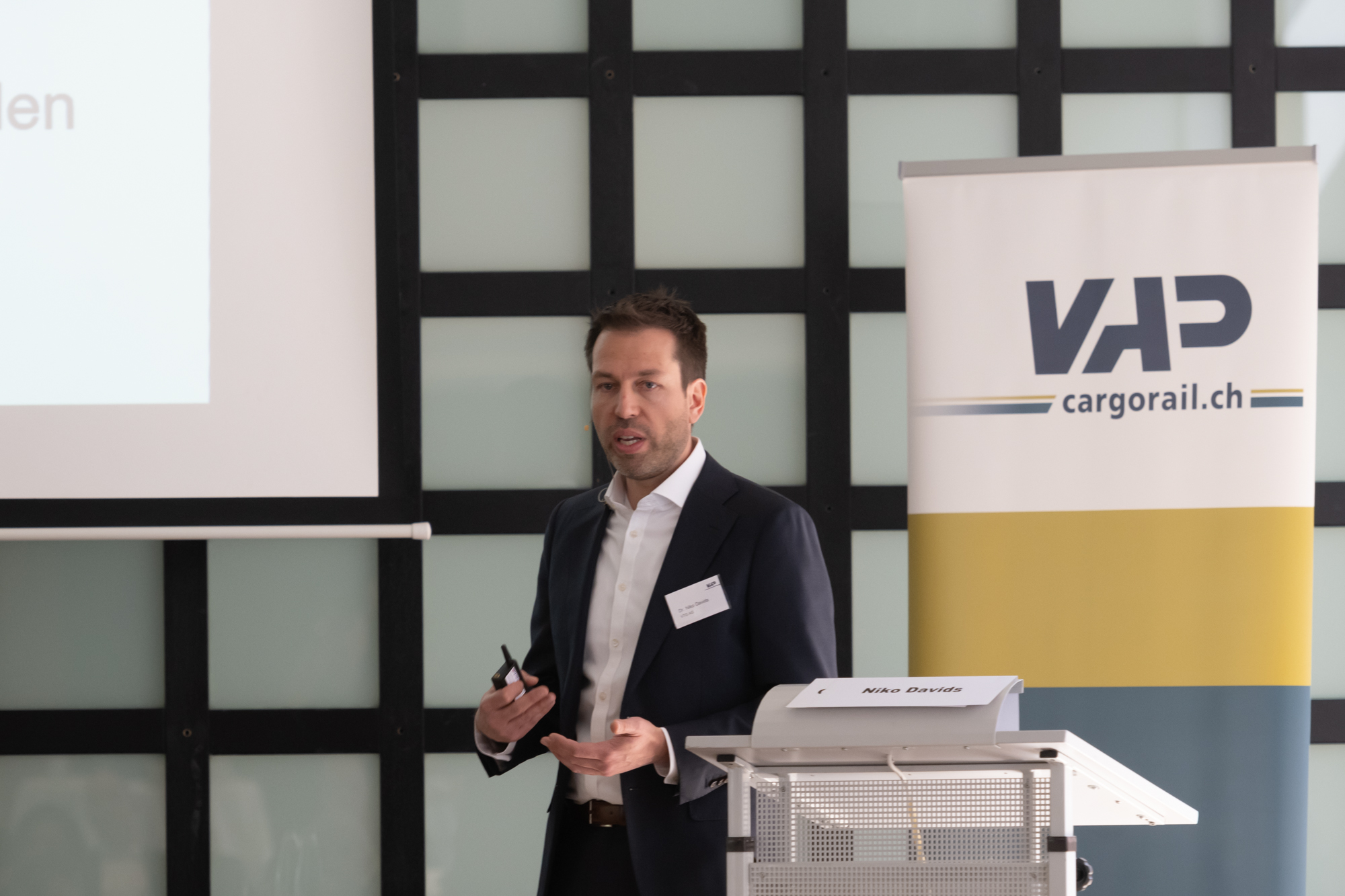
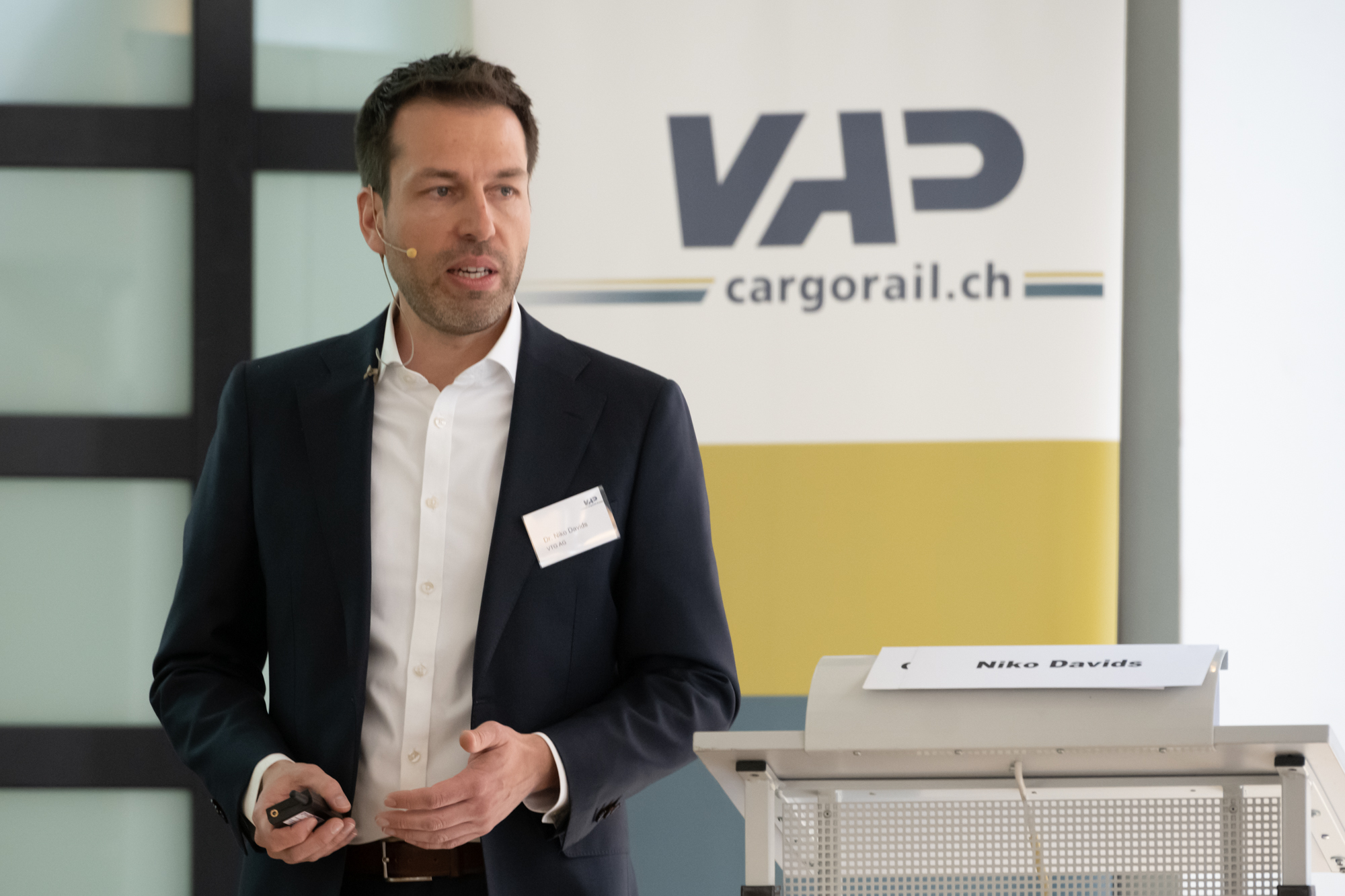
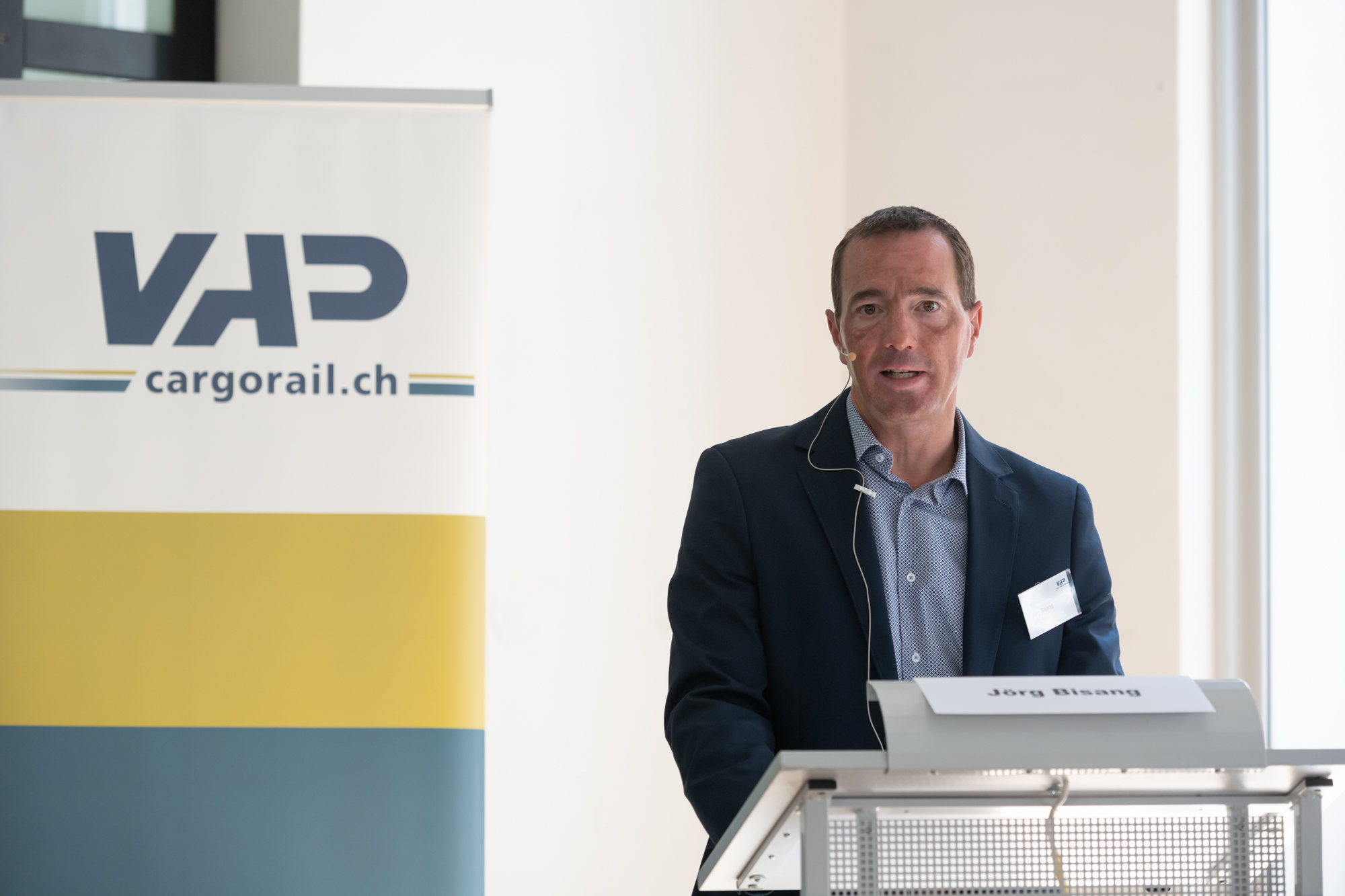
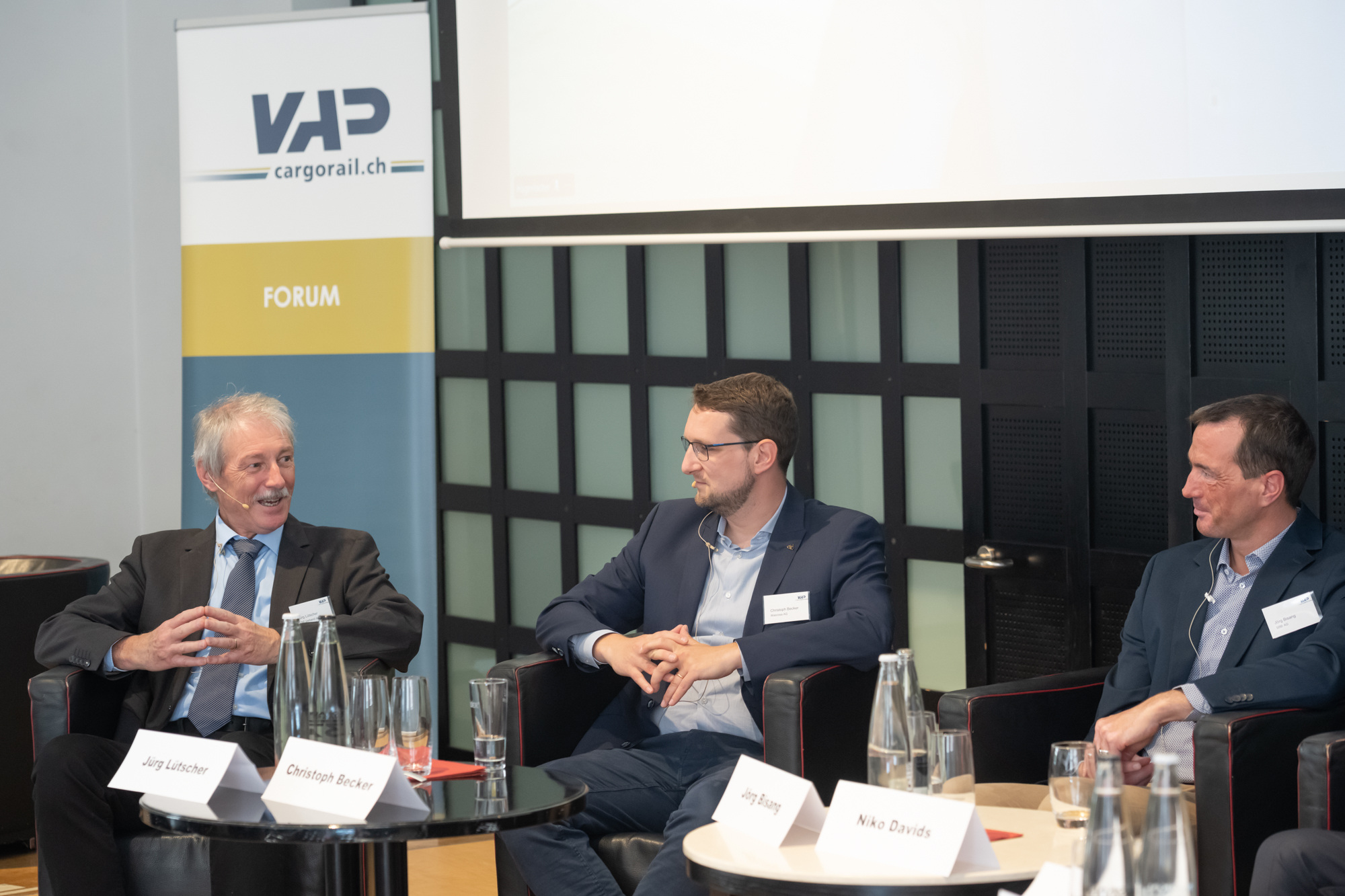
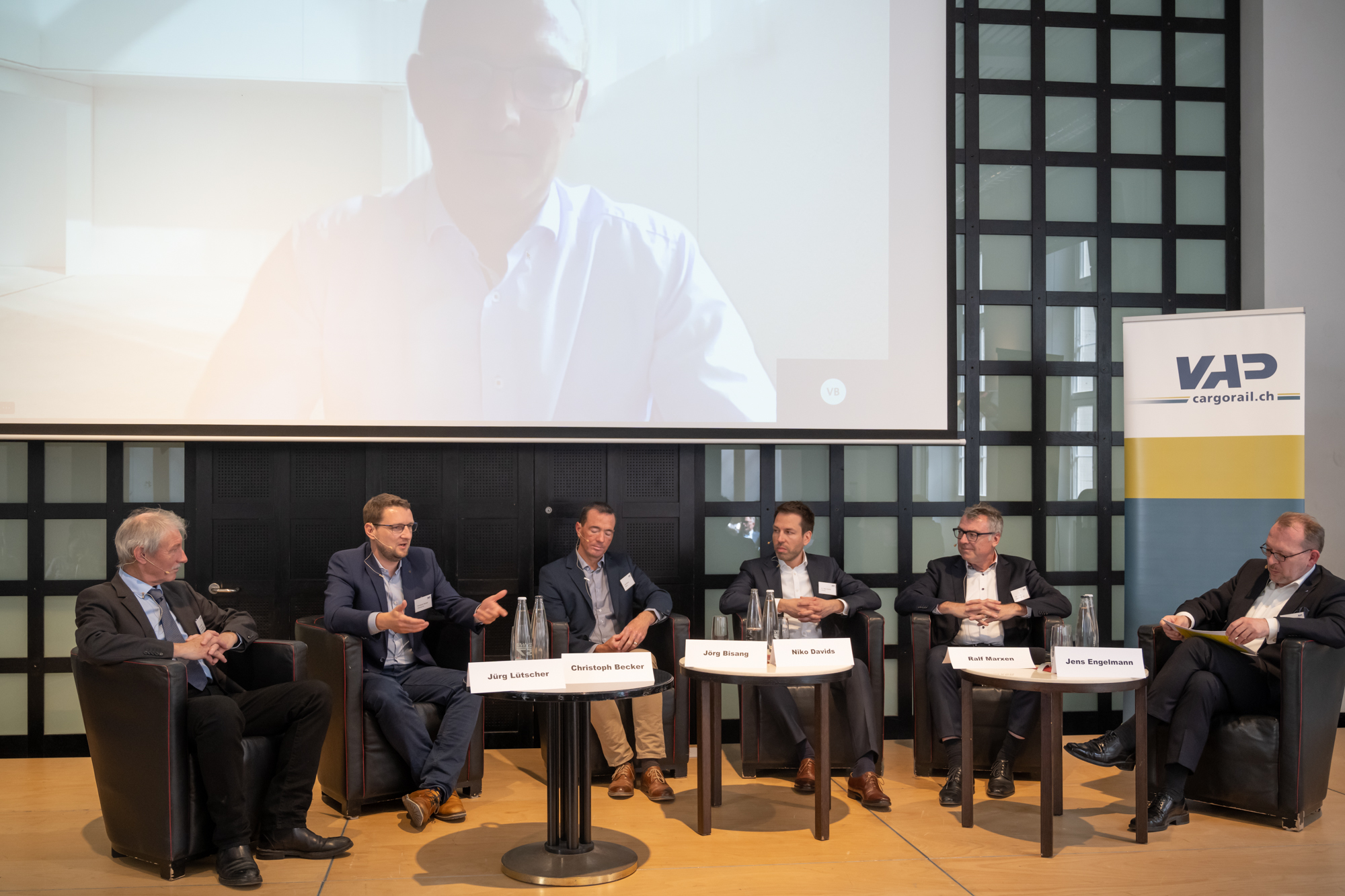
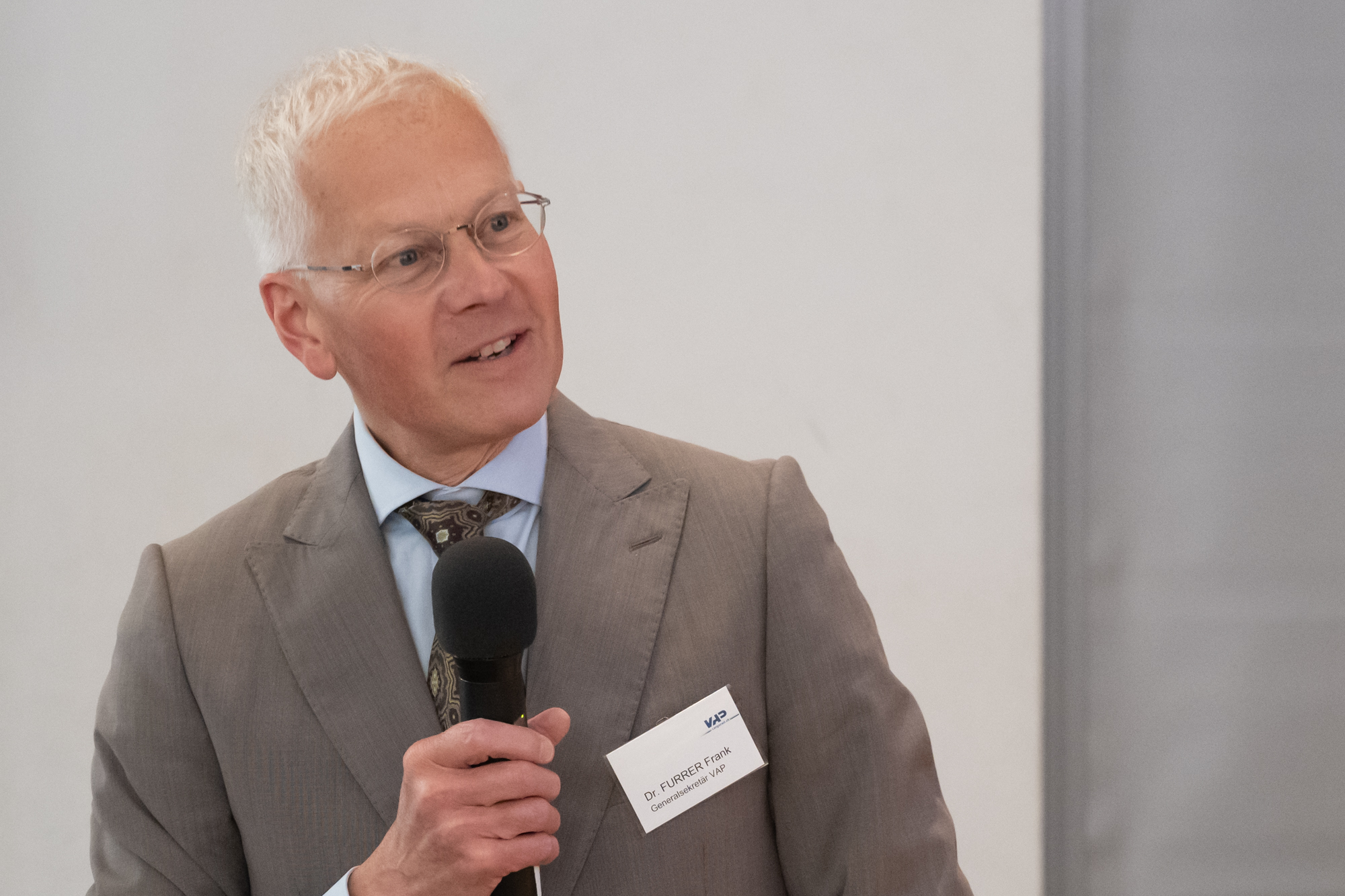
The course of the forum in detail
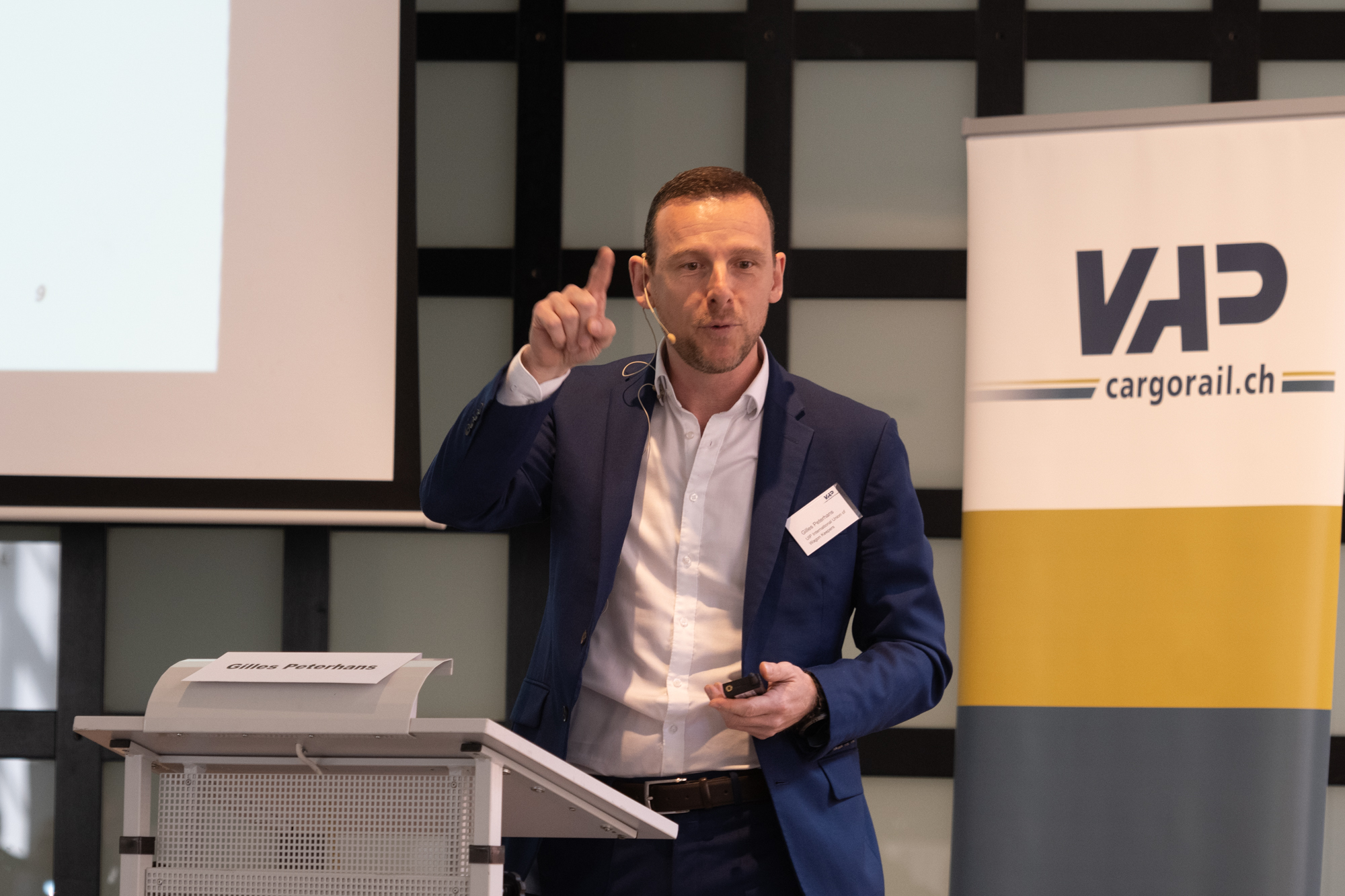
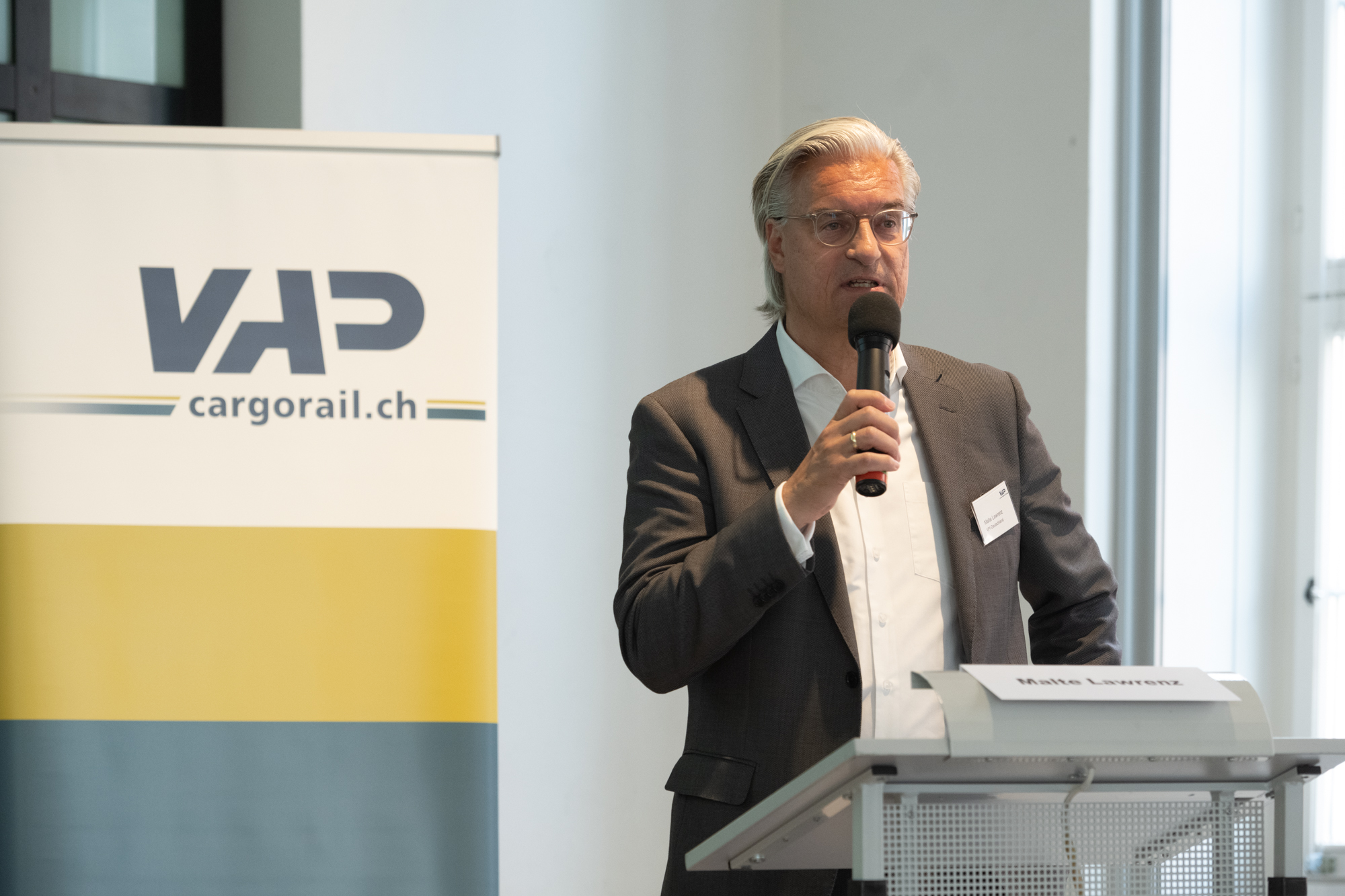
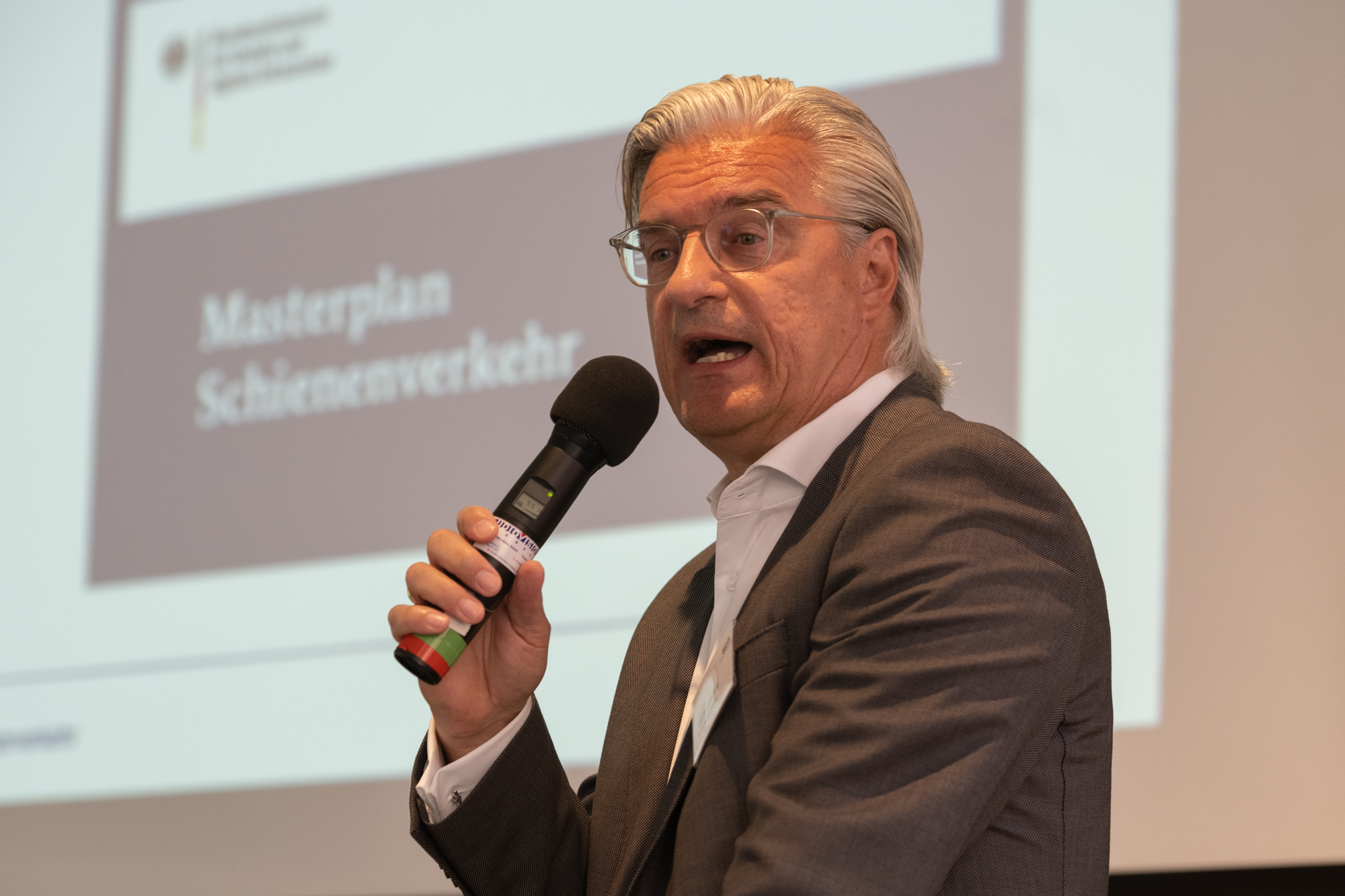
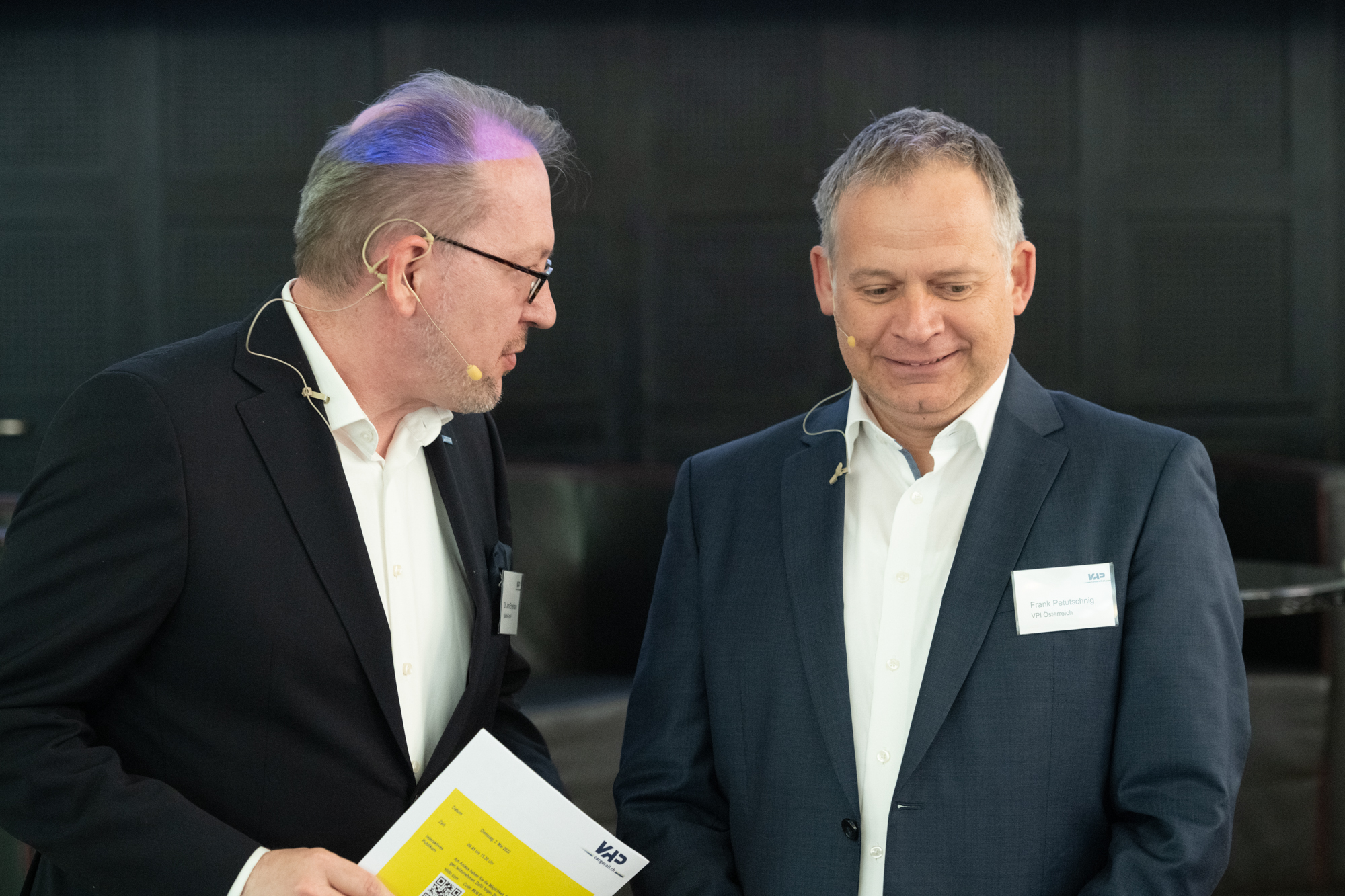
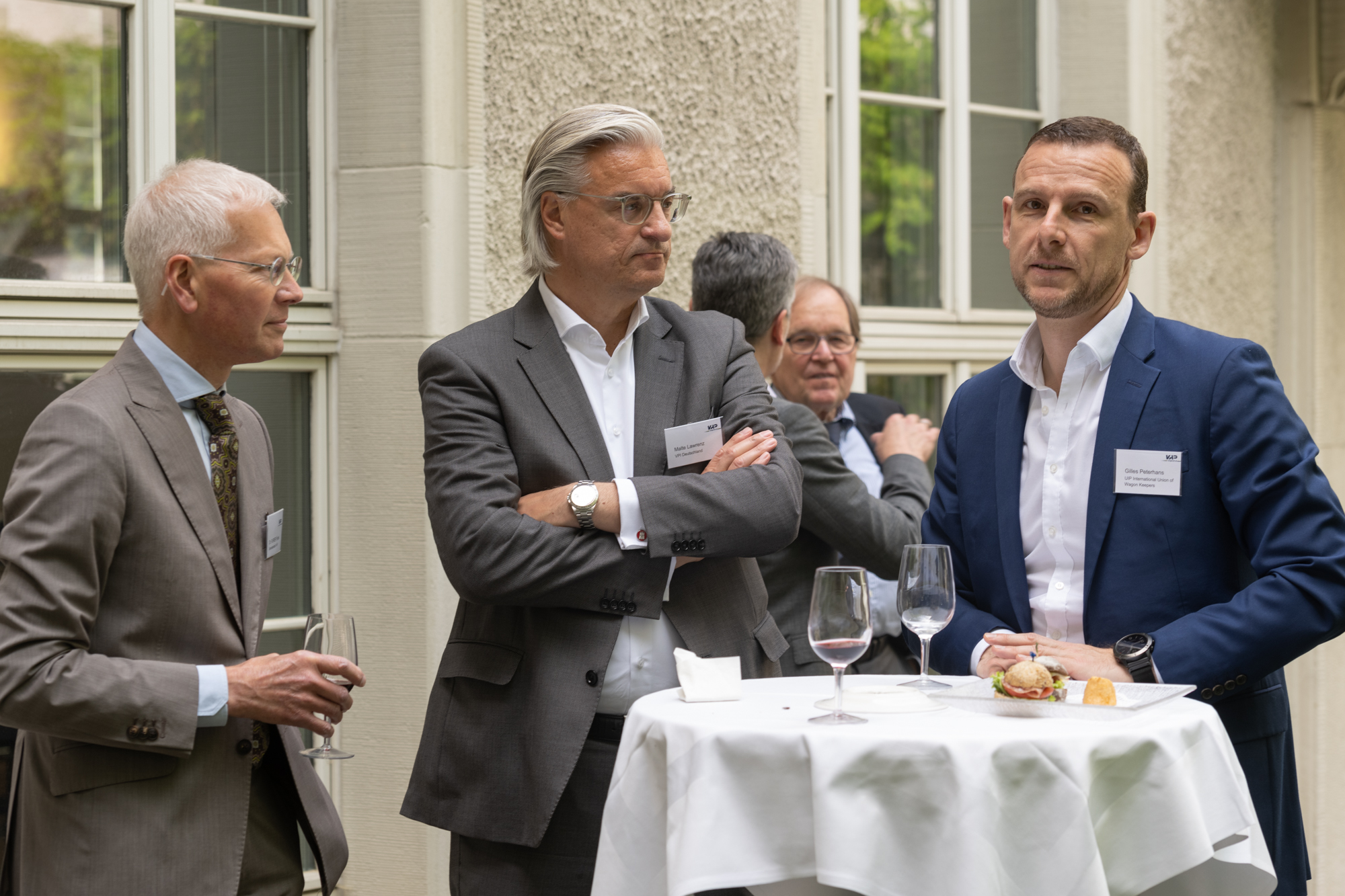
The morning revolved around the question «Transport policy in the green rush?». Gilles Peterhans, Secretary General of UIP explained the transport policy issues at European level. Malte Lawrenz, Chairman of VPI Germany, showed the transport policy framework for Germany, how priority should be given to rail and what funding is needed to be able to implement the master plan for rail freight transport. Frank Petutschnig, Secretary General VPI Austria, presented the situation in Austria on the same topic, where the focus is on the overall view of freight transport, namely the most efficient choice of transport mode in terms of energy demand per tonne. Désirée Baer, CEO of SBB Cargo, added to the situation of the transport policy framework in Switzerland with her presentation and introduced the Wagonload Transport Interest Group (IG WLV), the platform for cooperation between railways and shippers.
In the subsequent panel discussion it became clear that the course for the future of rail freight transport has been set for innovation and that the next step is to define how the investments will be financed. It became clear that the innovations affect all players and that a collaborative approach is therefore the right way forward. Cooperation and competition – or coopetition – are two other buzzwords that are not only desired by the rail actors, but also in the interaction between rail and road.
The afternoon was divided into the two exciting key topics «Innovations & possible implementation» and «Digitalisation with concrete measures». Jürg Lütscher, expert in innovation and regulation at the VAP, spoke about the automation of rail freight transport in Switzerland. He emphasised the importance of optimising processes and interfaces in the course of innovation, the so-called interoperability. Ralf Marxen, Head of External Technical Affairs at Deutsche Bahn AG, spoke about the path to the intelligent goods train: «From Shift2Rail to Europe’s Rail». He pointed out important milestones for innovation, with the Digital Automatic Coupling (DAC) taking on the key function for digitalisation and enabling, for example, automated processes and monitoring, as well as precise customer communication, thus raising the service level of the transport of goods by rail many times over. Stefan Hagenlocher, Managing Director of HWH and TIS Project Manager, who was connected live via video channel, showed what the Technical Innovation Circle for Rail Freight Transport (TIS) requires for digital and competitive rail freight transport. He clearly communicated that there will be no complete automation of rail freight transport without DAC and that standardisation of the technical aspects and a coordinated migration strategy are essential.
The two wagon hire companies Niko Davids, Chief Digital Officer, VTG AG, and Christoph Becker, Head of ECM II and Safety Management at Wascosa AG, demonstrated their digitalisation strategies to strengthen the competitiveness of rail freight transport. Their message too – especially as the two competitors were already sending out a signal with their joint appearance: «Collaboration and coopetition: digitalisation is not a project for one individual! Only through active and open cooperation will there be a benefit for the sector!»
Jörg Bisang, Head of Product Management ZKE, impressed with the possibilities that digitalisation of technical vehicle control with «Wayside Intelligence» already brings today, and called on RUs and wagon keepers to make use of these possibilities.
In the concluding panel discussion it then also became clear that everyone wants to focus together on the migration of the DAC, in the sense of interoperable innovation. This cooperation concerns the entire railway system, which is why it is important to work together on this not as competitors, but as an innovation team that exchanges ideas about their goals. Quick and courageous decisions can enable efficient implementation.
We look back on a successful Freight Transport Forum, where everyone enjoyed finally being able to meet and exchange ideas in the «real world» again.
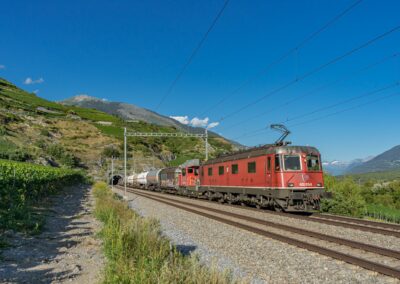
Modal shift: In transit on the right track
The Federal Council’s “Modal shift report July 2019 – June 2021″ presents the development of transalpine freight traffic and environmental pollution on the transalpine transit axes. It then examines the status of implementation of the modal shift instruments and accompanying measures. Based on this, the Federal Council proposes various measures to support the modal shift. Finally, it makes an assessment of the continuation of the modal shift policy in the coming reporting periods.
Transit success story
The 2021 modal shift report shows that the direction taken in the development of transalpine freight transport is the right one. Monitoring and reporting are proving their worth. Nevertheless, much remains to be done. The number of transalpine journeys by heavy goods vehicles in 2021 is just under 900,000, which still clearly exceeds the legal requirement of 650,000. Further measures are urgently needed, especially in view of the upcoming decarbonisation of transport to achieve the 2050 climate targets.
Much done, much to do
We at the VAP believe that previous measures need to be sharpened and, in particular, that the financial support measures need to be expanded in a technology-neutral way. Today, it is done in unaccompanied combined transport. Other forms of rail transport are not promoted. Of course, we have to accept the limits of modal shift in transit and ensure that forces are bundled here. Nevertheless, it is the task of politics and business to explore the potential for further modal shift in transit. This is what we have done below.
Potential No. 1: Multimodality
Road, rail and sea complement each other perfectly. Shippers can combine these modes of transport to create efficient, multimodal logistics solutions, with rail freight transport being considered the backbone of multimodal logistics chains. Accordingly, the promotion of multimodality should be technology-neutral. Today, mainly unaccompanied combined transport is promoted, but not conventional rail freight. The result: the share of wagonload transport in transit is falling.
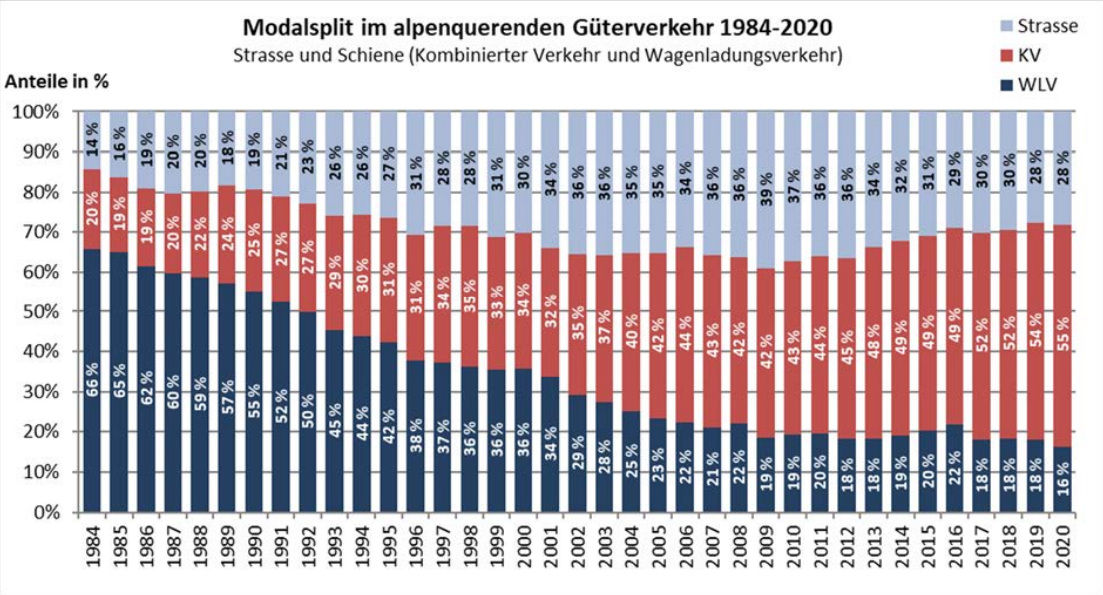
In our view, this is a missed opportunity. This is because the “Federal Act on the Transfer of Transalpine Heavy Goods Traffic from Road to Rail” (GVVG)1 allows the promotion of all rail freight traffic. We believe that all combined forms of road, rail and sea transport are part of multimodal logistics and must be treated equally both financially and in terms of infrastructure.
Potential No. 2: Quality monitoring
Currently, only unaccompanied combined transport is subject to monitoring. The aim is to determine the quality of transit traffic. In transit traffic, however, there is no quality monitoring in wagonload traffic. We also see this as a second missed opportunity. Because, as I said, the GVVG provides for the promotion of all rail freight transport. So the quality of all multimodal transports should be monitored. This applies equally to containers, semi-trailers, covered wagons, tank wagons and others.
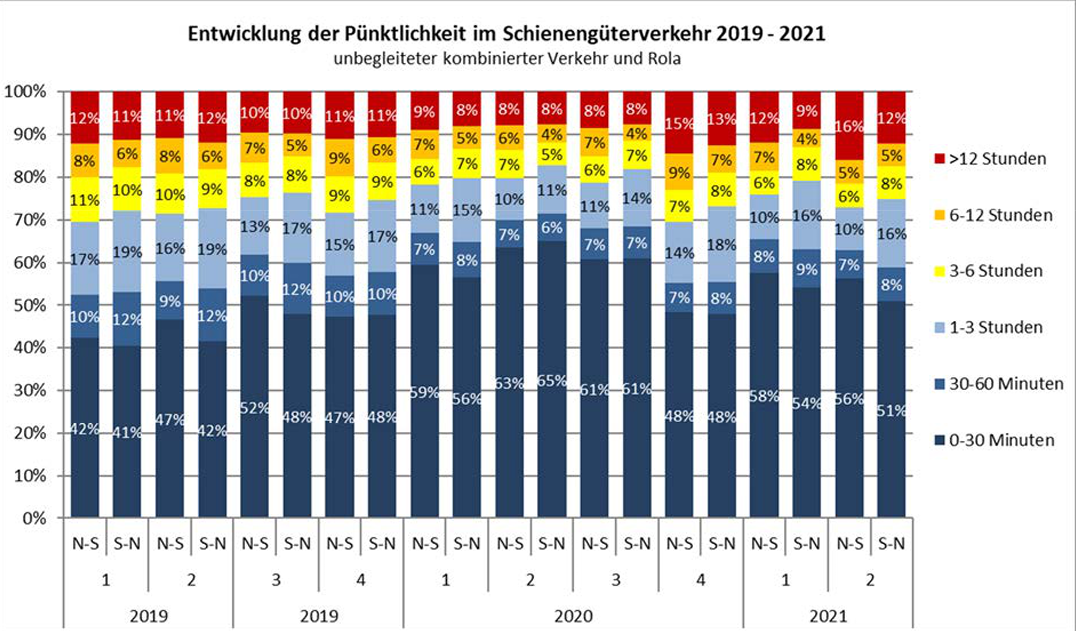
Potential No. 3: Connectivity and productivity
The Federal Office of Transport (FOT), the Association of Public Transport (VöV) and we at the VAP are tackling the digitalisation of rail freight transport as part of a major project (cf. motion “Transporting goods more efficiently by rail through automation” by Josef Dittli, Member of the Council of States and VAP President). With the help of digital technologies, consignments can be tracked in real time, the flexibility of the freight railways can be increased, temperature checks can be carried out, and thus the quality of the entire rail freight transport can be massively improved. Digitalisation also allows digital train control and train integrity. Thanks to the elimination of fixed signals, it enables significant capacity increases in the existing railway network without additional expansion measures. Digitalisation and automation are thus essential components of a future-oriented modal shift policy.
Potential No. 4: Train path prices
At present, train-path prices are not set according to the polluter-pays principle. In other words, freight transport has to co-finance expensive standards for passenger transport. In an international comparison, the train path prices in Switzerland are very high and thus outside a realistic value creation in rail freight transport. After the temporary price reductions in the context of the Covid measures, in which the train path price tended towards practically zero in the European environment, the train path price remains well away from the European benchmark. Therefore, we consider a permanent reduction of the track access charges to be an urgent and efficient support measure.
Potential No. 5: Performance-related heavy vehicle charge (HVF)
Currently, two thirds of the proceeds from the HVF are credited to the Rail Infrastructure Fund (BIF). This corresponds to one billion Swiss francs annually. We propose a review of the earmarking of the HVF for expansions in the interest of freight transport. Although the HVF is supposed to limit the growth of heavy road traffic and promote the shift of freight traffic to the railways, it is often decided to use the revenue for expansions in favour of passenger traffic. For comparison: the northern bypass of Zurich alone costs 1 billion Swiss francs to close capacities in the east-west axis. The construction project was discussed in the AS 2035, but the Stadelhofen station with a comparable cost was given priority.
Potential No. 6: Access routes
Traffic on the feeder lines is constantly increasing. In order to make them attractive for freight traffic, the Federal Council insists on compliance with the existing expansion agreements with neighbouring countries. In addition, the Federal Council was already instructed in motion 20.3003 State treaty for a Neat access route on the left bank of the Rhine to realise an efficient alternative route on the left bank of the Rhine (flat railway) by means of a state treaty with France and Belgium. This should now be given priority. We are in favour of co-financing the Karlsruhe-Basel section on the left bank of the Rhine for the rapid realisation of an alternative route. This is the only way to improve the quality of the northern access route in the short term. The KVF‑N has allowed itself to be convinced by these arguments and has submitted motion 22.300 “Continuation of the successful modal shift policy and guarantee of national supply security thanks to expansion of the Wörth-Strasbourg NEAT feeder on the left bank of the Rhine”.
Potential No. 7: Alternatives
Naturally, there are certain limits to modal shift. Accordingly, efforts should be concentrated on suitable transport. Rail and road complement each other. Environmentally compatible drive technologies decisively advance the sustainable development of road transport. We therefore advocate the promotion of environmentally friendly drive systems with freedom of choice for owners. The design of the HVF would promote environmentally friendly technologies and guarantee investment security for ten years. The transport of dangerous goods over the Simplon Pass should be secured with an industry solution. Read more about this in the blog article “Transport of dangerous goods on the Simplon”.
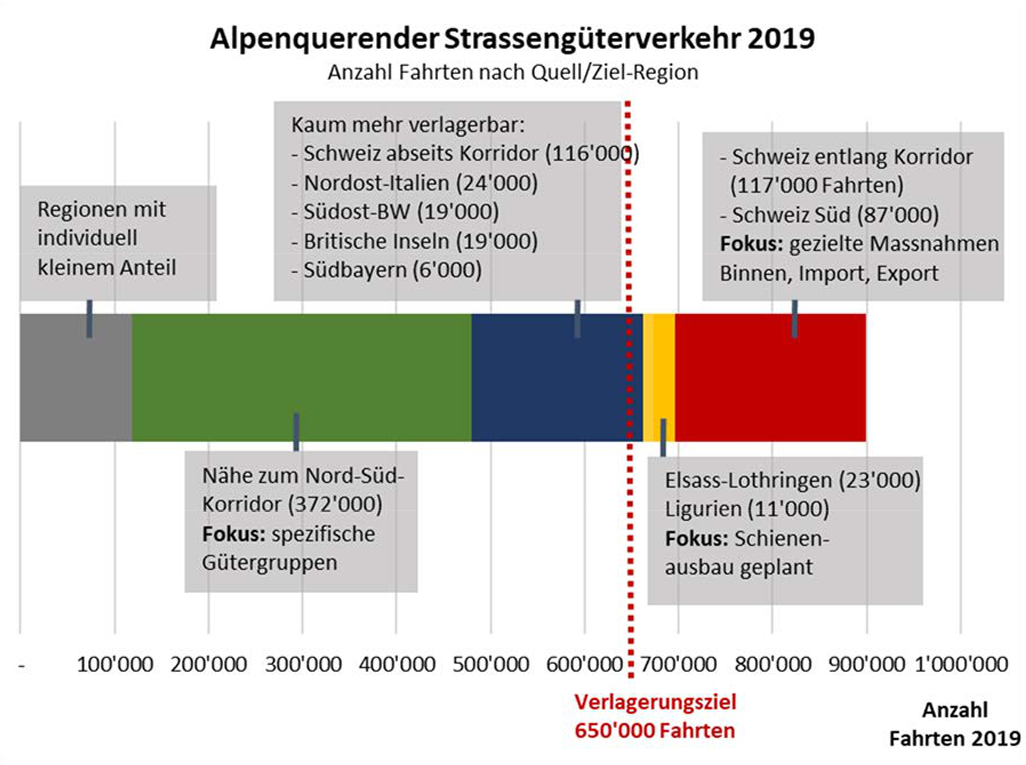
At its meeting in early April 2022, the KVF‑N will deal with the question of additional support for transalpine freight transport. On behalf of the commission, the administration will show in an additional report which options are available for financing such a measure in addition to an adjustment of the train path prices. It is to be hoped that these additional measures will already take into account all rail traffic in transit in a technology-neutral manner.
1 Cf. Art 8 GVVG

Important transport of dangerous goods on the Simplon
According to the modal shift report of November 2021, the Federal Council is considering a consultation on a ban on the transport of dangerous goods at the Simplon. In doing so, it is revising its assessment submitted to parliament in 2015, according to which it considers the transport of dangerous goods at the Simplon Pass to be “sufficiently safe”. This is all the more surprising as FEDRO has been investing heavily in safety measures (retention basins, overtaking bans, emergency braking sections and the like) for years and the traffic statistics do not show any significant increase in the transport of dangerous goods.
We advocate that the dangerous goods situation be analysed in cooperation with the industry representatives and that any targeted potential for improvement be exploited, thus also guaranteeing entrepreneurial freedom. Such agreements have already made good progress in chlorine transport by rail.
A ban would endanger the supply of the population and the economy. It should also be taken into account that a great deal has been invested in the Simplon road in recent years to increase safety. According to the Federal Roads Office (FEDRO), the Simplon is the best developed pass in Switzerland. You can read a comprehensive argumentation in the scienceindustries factsheet.
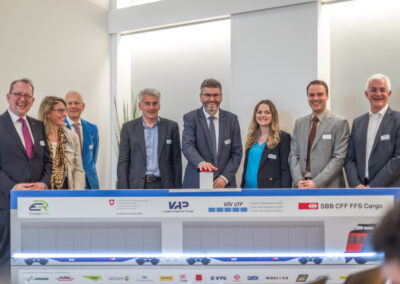
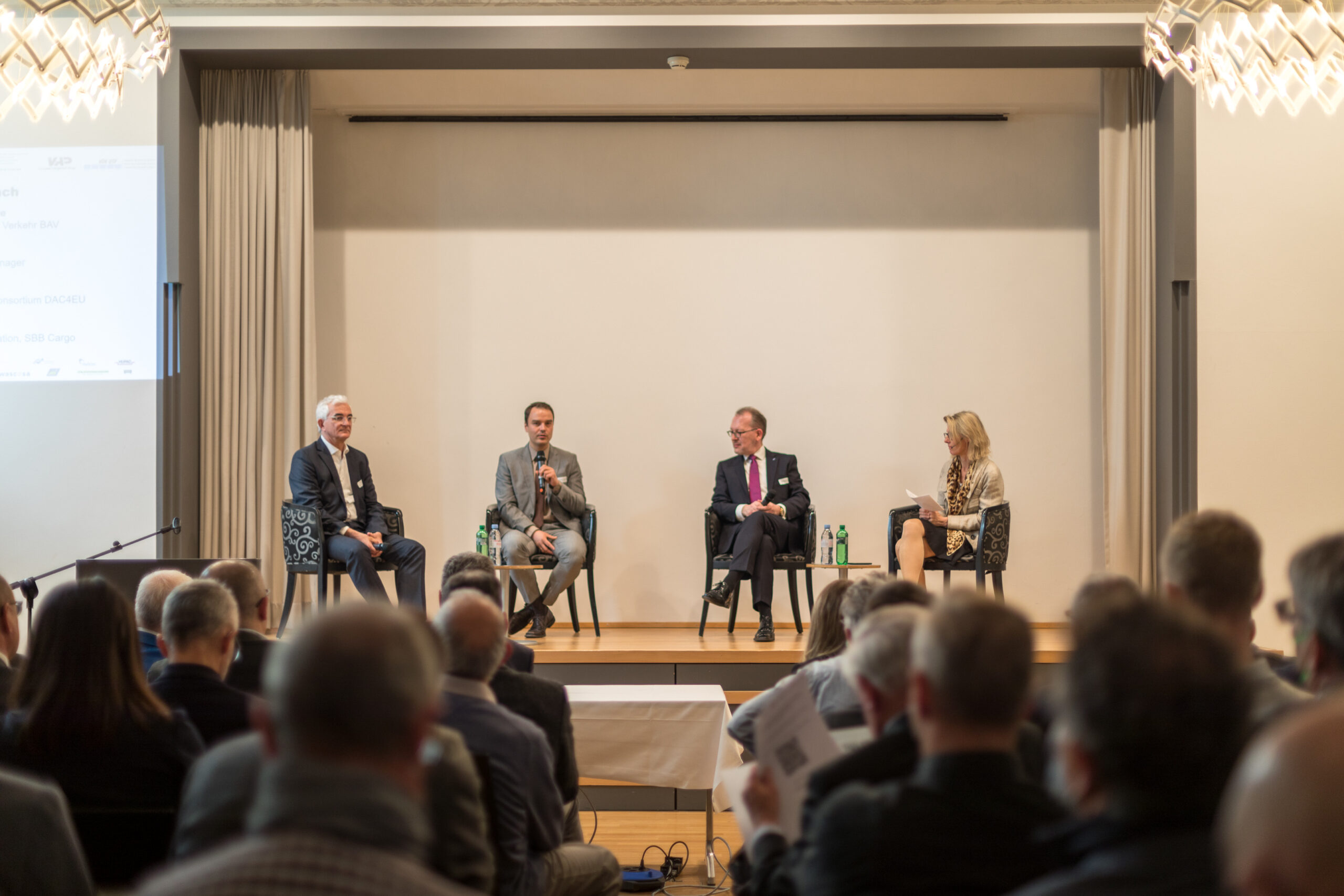
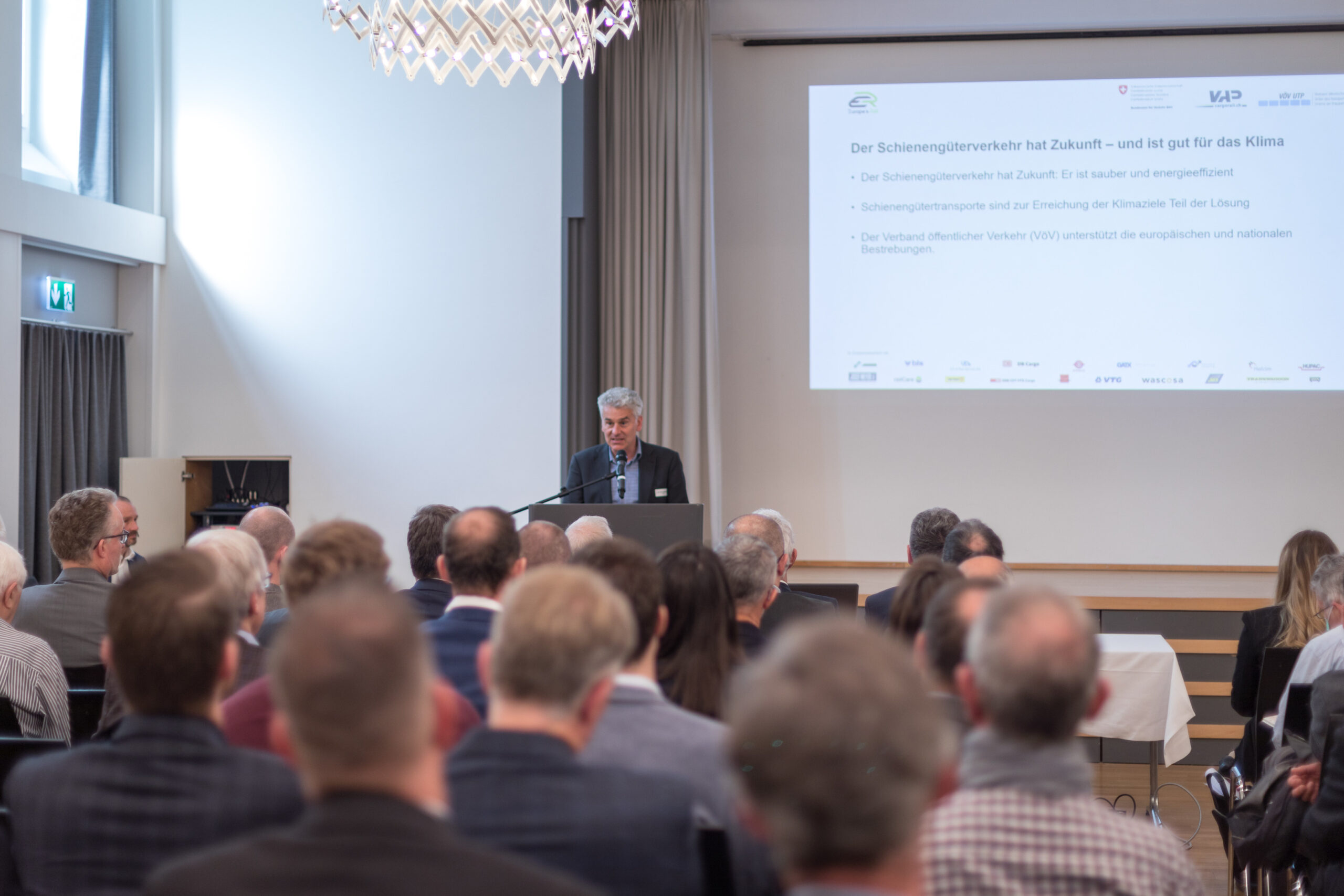
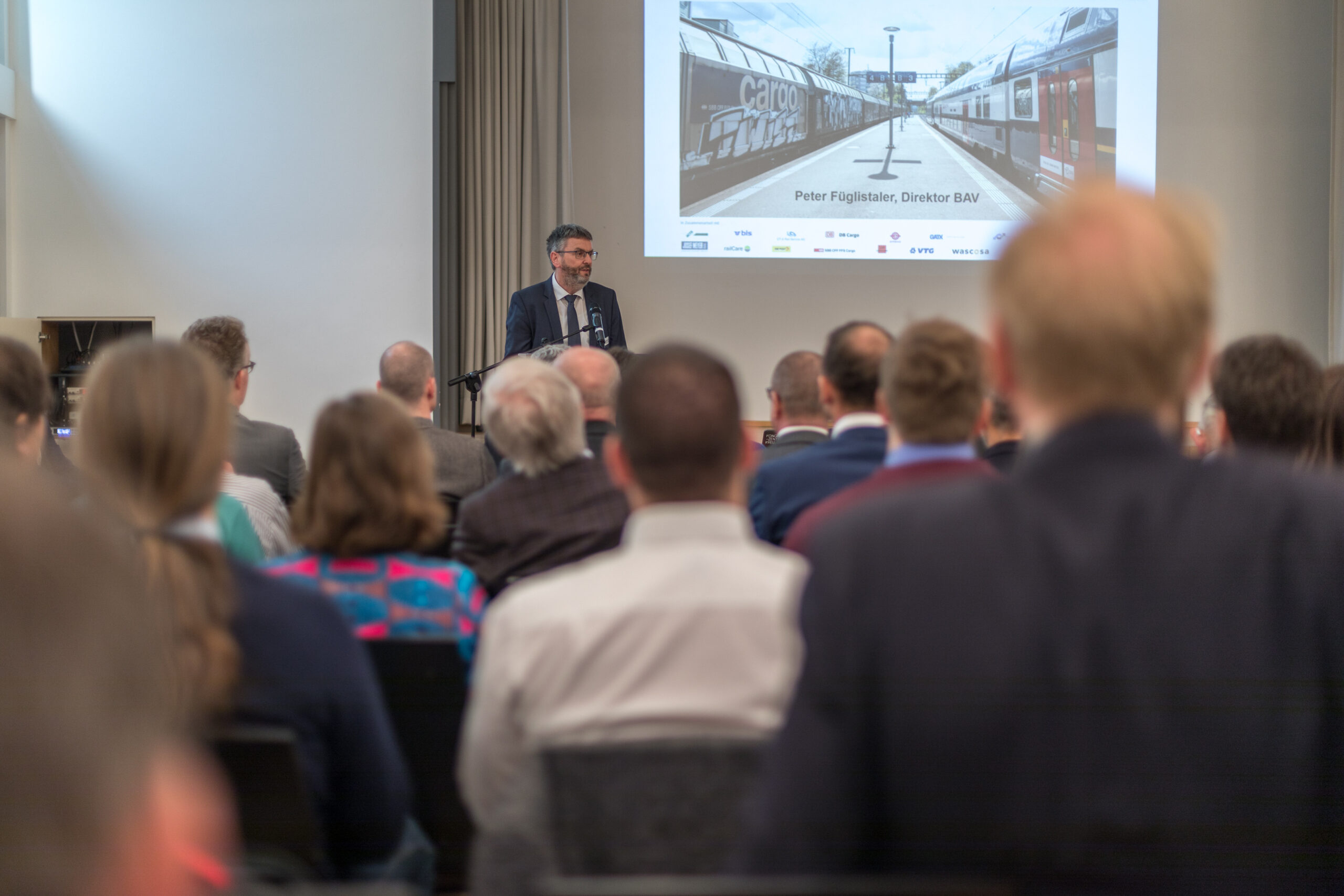
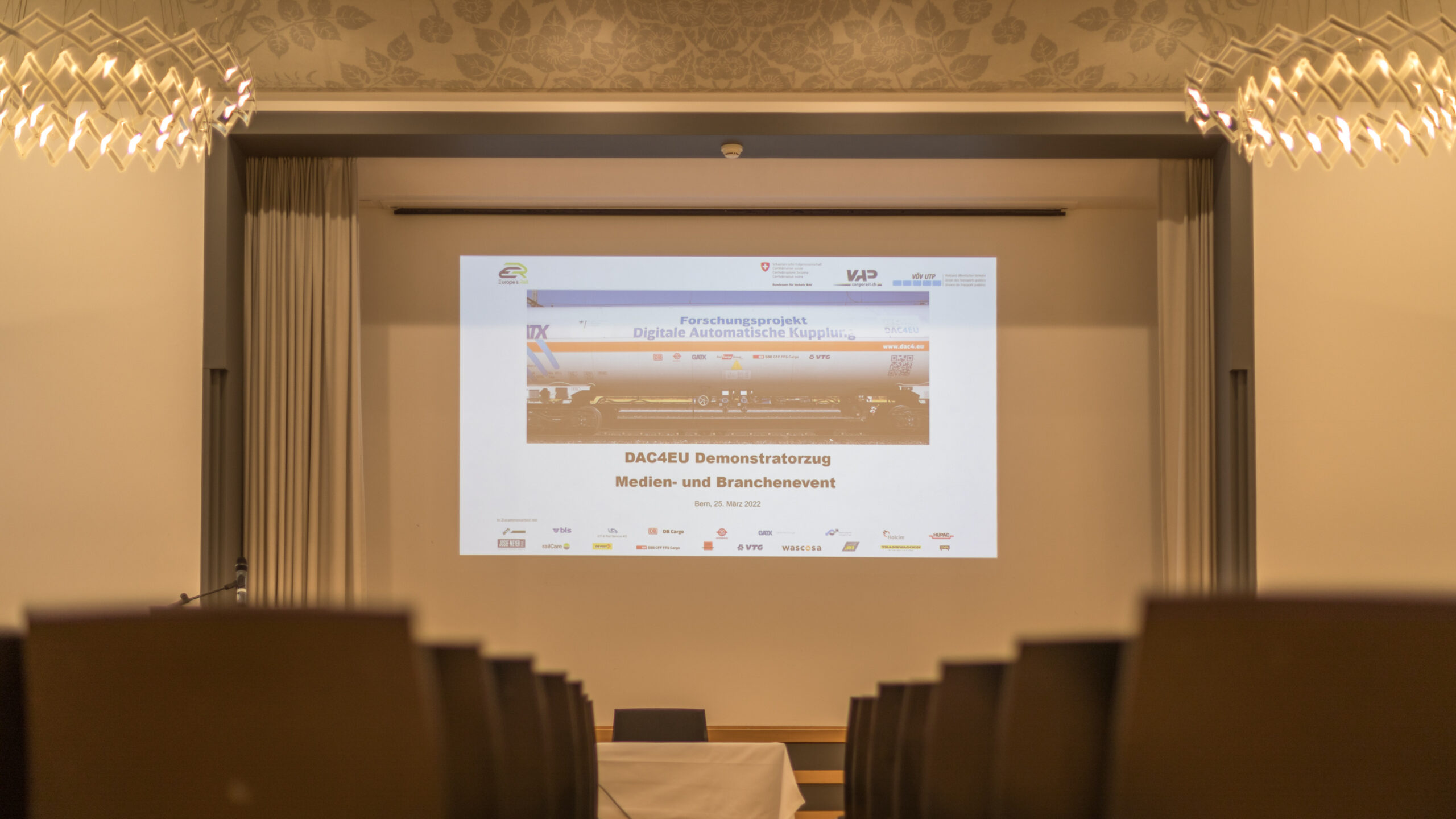
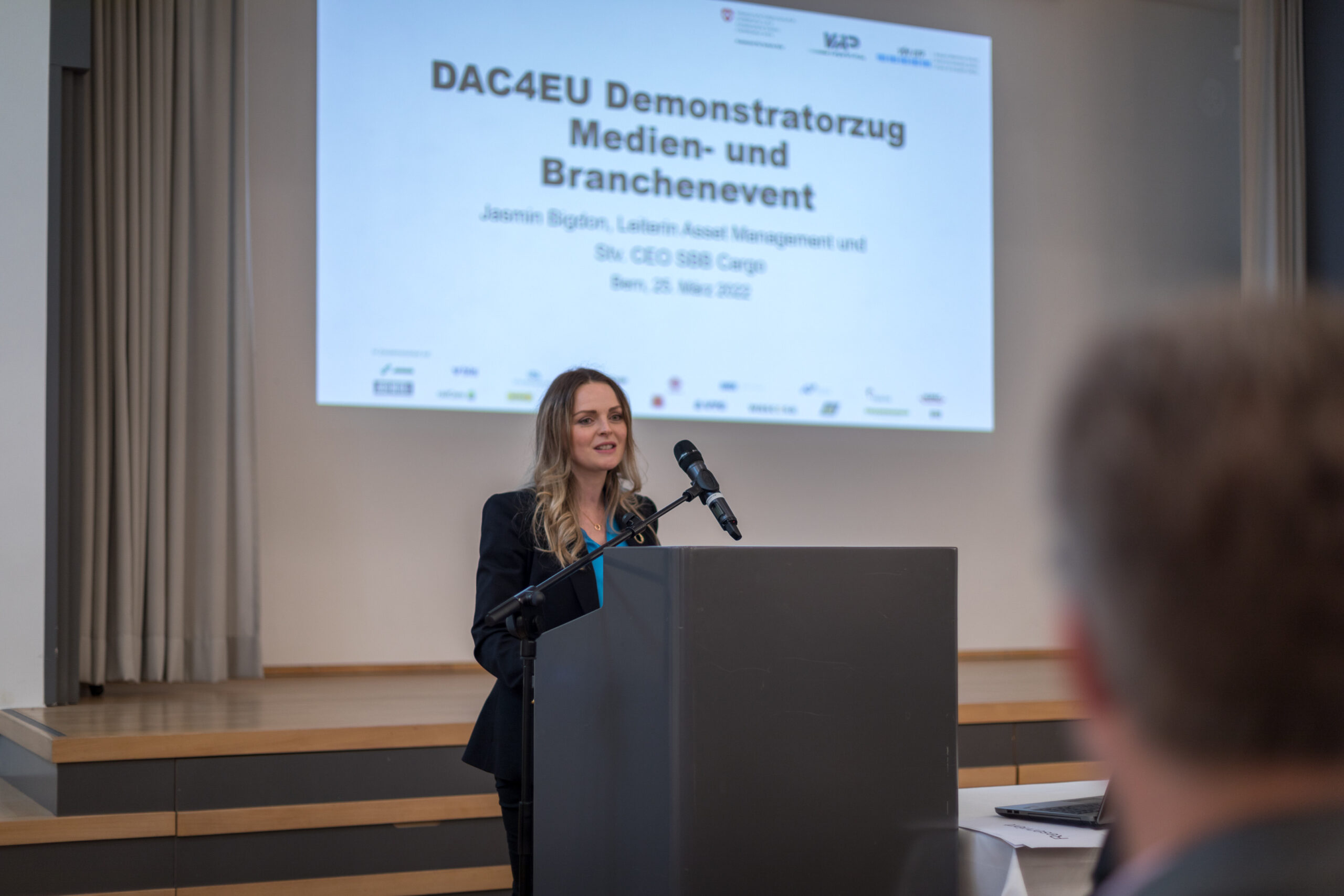
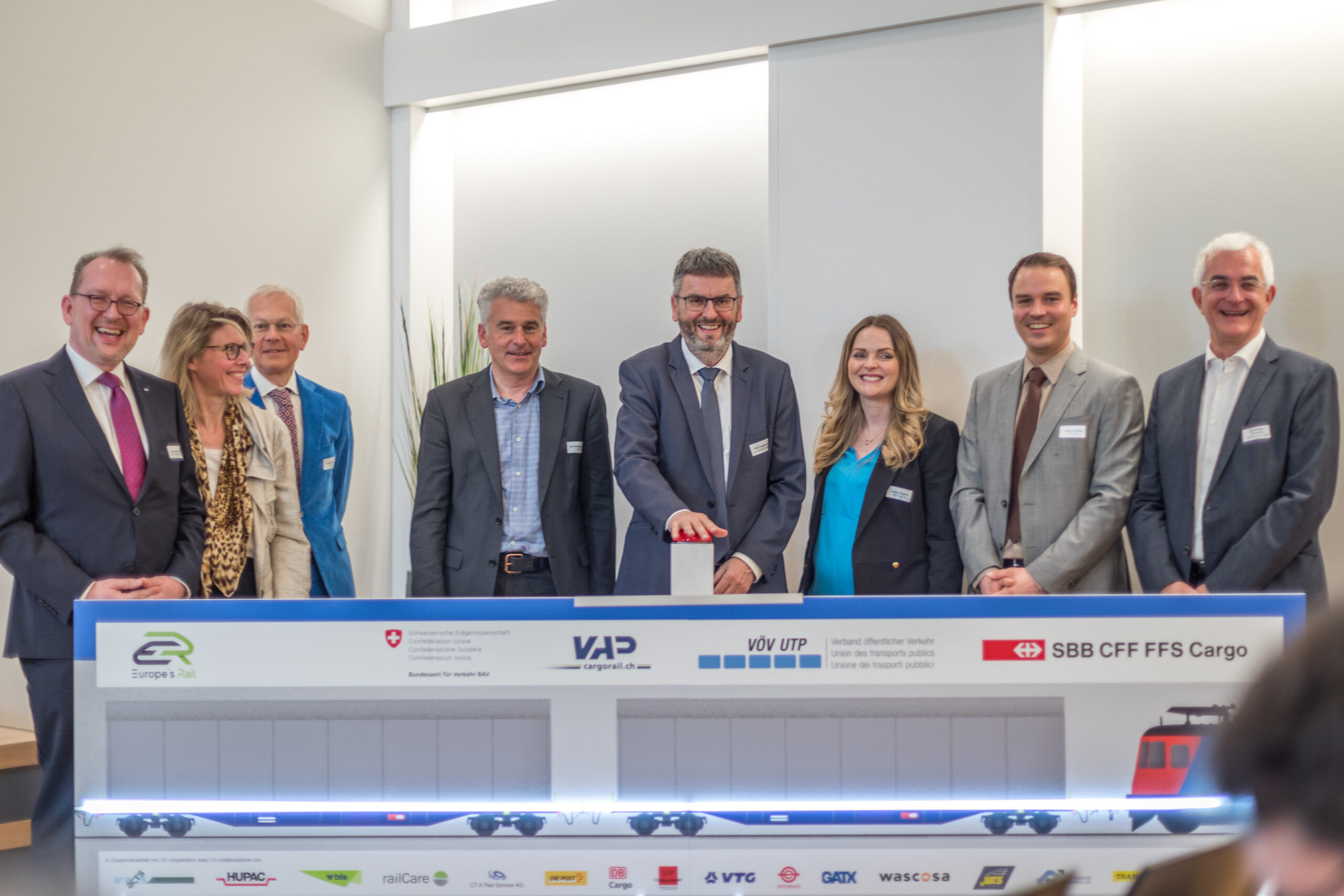
Industry and media event DAC4EU Demonstrator Train
On 25 March 2022, the FOT, the SBB, the VAP and the VöV provided information about the test phase and the far-reaching advantages resulting from the Digital Automatic Coupling (DAK). The message was that the DAK lays the foundations for digitisation and thus for a groundbreaking innovation in rail freight transport.
Since autumn 2021, a digital goods train has been on the road for the first time in Europe for test purposes. The aim is to test the Digital Automatic Coupling (DAK) in real-life operation.
in real operation. SBB Cargo is subjecting the train to an extensive test programme until the end of March. The industry agrees that close national cooperation and coordination in Europe are important factors for the successful introduction of the DAK. The test train is funded by the German Federal Ministry of Digital Affairs and Transport (BMVD).
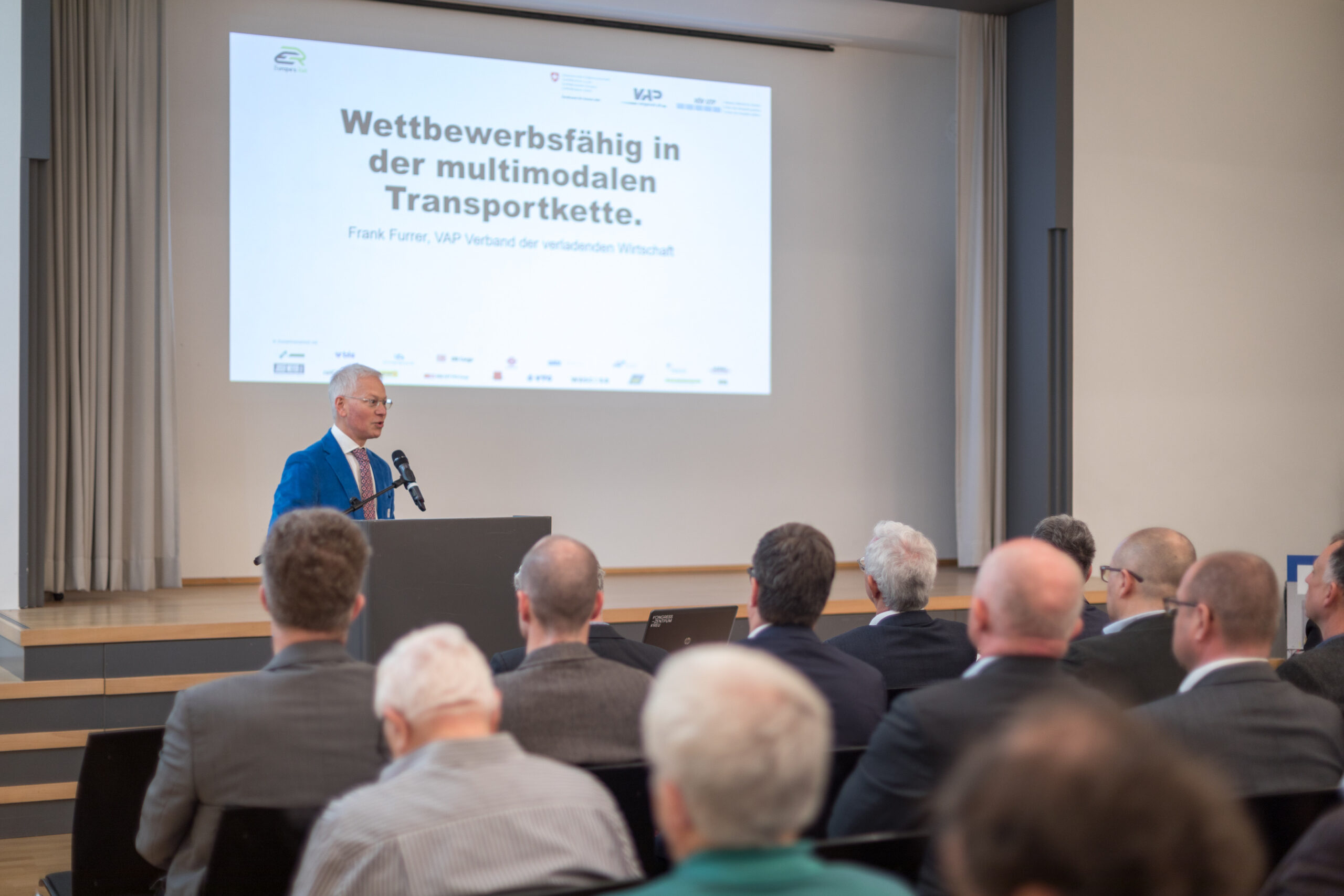
Presentations of the speakers:
- Wettbewerbsfähig in der multimodalen Transportkette. Frank Furrer, VAP Verband der verladenden Wirtschaft
- Speech by Frank Furrer, VAP (in German)
- Erfahrungen und Details zur DAK. Jasmin Bigdon, Head of Asset Management and Deputy CEO SBB Cargo
- Presentation Peter Füglistaler, Director BAV
- Die ÖV-Branche unterstützt DAC4EU. Ueli Stückelberger, Director Verband öffentlicher Verkehr

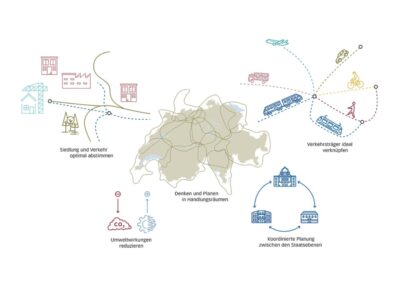
Transport sectoral plan: programme with limited perspective
The background in advance
Various factors have an impact on the Sectoral Plan for Transport/Programme section and thus on the future of rail freight transport (cf. Figure 1). The Swiss Spatial Development Perspective, the Transport Perspectives and the Sustainable Development Strategy provide the strategic direction. At the implementation level, the sectoral plans, transport sectoral plan/part of implementation, agglomeration programmes as well as the expansion steps for rail and road and other bases come into play.
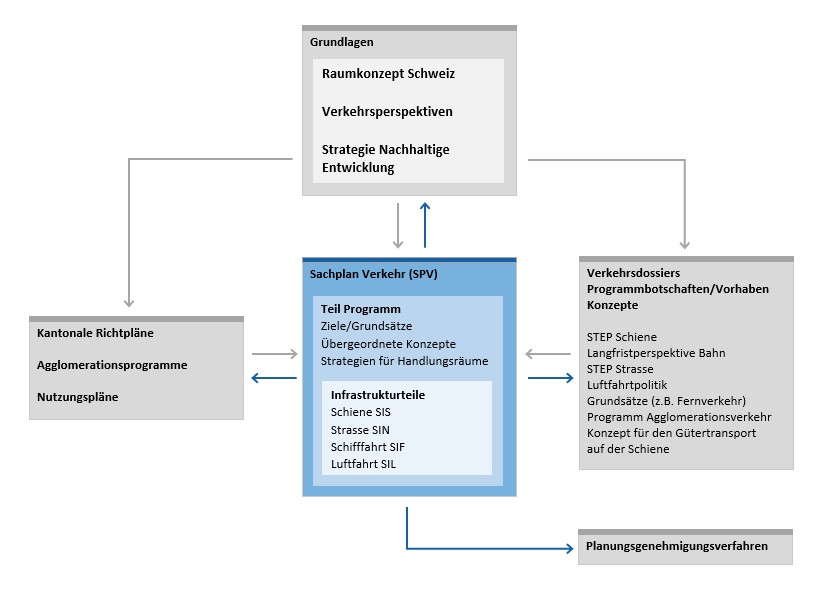
Figure 1: Integration and interaction of the Sectoral Plan for Transport, Programme Section with the spatial and transport planning instruments (Source: Federal Office for Spatial Development ARE, Sectoral Plan for Transport, Programme Section)
With the long-term perspective RAIL 2050, the Federal Department of the Environment, Transport, Energy and Communications (DETEC) will define the relevant directions for national and international passenger and freight transport by rail and for the railway infrastructure from the existing strategies as a basis for the next STEP expansion steps. However, RAIL 2050 is not a mobility strategy for all modes of transport.
With the Sectoral Plan for Transport, part of the programme, DETEC ensures the coordination of the transport modes road, rail, air and water with each other and with spatial development. Spatial concerns are the main focus here. The Sectoral Plan for Transport consists of a programme section, which addresses the strategy level and was last updated by the Federal Council on 20 October 2021, and various implementation sections relating to the modes of transport.
The development of settlements and transport infrastructures go hand in hand. The settlement structure affects the transport system – and vice versa. The shape of the transport networks influences the location choices of companies and people, so they shape the space. The spatial patterns in turn affect traffic flows and network utilisation. For the further development of the transport system and for coordination with spatial development, the Spatial Concept Switzerland of 15 December 2012 suggests combining modes of transport according to their strengths and developing settlements in those areas where there are already good public transport connections, such as in agglomerations, in cities or in regional centres.
A total growth of 45 percent is forecast for freight transport by 2040. If the expansion of the rail infrastructure were to be dispensed with, the accessibility of the cities and centres of the metropolitan areas could deteriorate. With the STEP Expansion Step 2035, the financing of the infrastructures is ensured above all in the east-west corridor, the Lake Geneva region and the Zurich and Central Switzerland areas. In addition, freight transport facilities will be expanded. In freight transport in general and especially during rush hour, additional capacities will be created and transport speeds increased. This supports the efforts for self-sustained operation, especially in freight transport in the area.
On 26 January 2022, DETEC adopted the Sectoral Plan for Transport, Rail Infrastructure Part. This identifies approaches to solving problems in the area of rail infrastructure, provides for federal measures and sets out how these measures are to be coordinated with each other and with other spatially effective activities over time. These measures concern the following areas:
- Rail routes relevant to the sectoral plan
- Transhipment facilities for combined transport of national importance
- Passenger stations, stabling facilities, maintenance and service facilities for rolling stock or freight transport facilities on the standard and narrow-gauge network co-financed by the federal government.
- Transmission lines for the power supply of the railway network
- Substations necessary for the commissioning of important infrastructure extensions
What we think of the matter
DETEC and the Federal Office for Spatial Development (ARE) submitted the revision of the Sectoral Plan for Transport, Part Programme, for consultation on 15 September 2020. You can find our response here. We from the VAP are also represented on the Sounding Board for the development of DETEC’s long-term perspective for RAIL 2050 and have been able to contribute to the work on various occasions. Below we have summarised our most important suggestions for improving the sectoral plan, programme section.
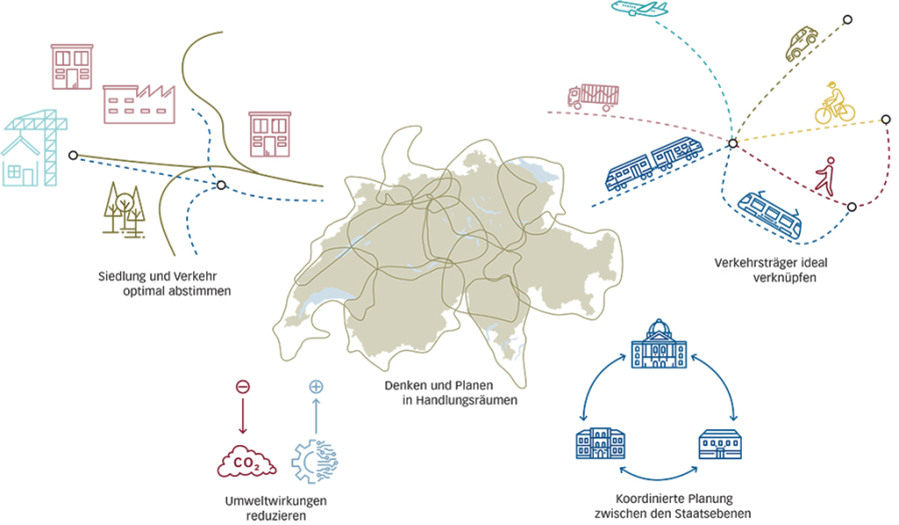
Figure 2: The Sectoral Plan for Transport, part of the programme, gives more – though not enough – importance to freight transport. (Source: Federal Office for Spatial Development ARE, Sectoral Plan for Transport, Part of the Programme)
1. General comments
The sectoral plan consistently follows a top-down approach. This excludes potential sustainable scenarios for a bottom-up approach. Such would offer a greater right of co-determination for the cantons, communes and private actors concerned. This top-down approach is in contradiction to the recognition that “the forms of supply and the providers are diverse” (cf. page 24). The definitive version adheres to the state levels and excludes the economy.
One of the most important goals is to achieve the CO2 targets. Unfortunately, the sectoral plan does not sufficiently reflect the current developments of the transport modes. For example, the complete abandonment of petrol engines by the automotive industry from 2030 or the use of the most modern traffic guidance systems in connection with (partially) autonomous driving and thus better use of the infrastructure.
VAP proposal: The Sectoral Plan should take better account of “green” logistics as the backbone of the Swiss economy and the basis for the secure prosperity of the Swiss population.
2. Counterflow principle endangered
In the chapters “Mobility and Spatial Objectives” and “Development Strategies and Principles for Action”, the Sectoral Plan contains highly detailed, binding provisions for the authorities. However, this severely restricts the iterative cooperation of all levels of government, which is also described in detail in the sectoral plan, and the countercurrent principle that it refers to. The sectoral plan pursues a centralist – not a federalist – approach without a legal basis.
Proposal VAP: The level of detail of the specifications, considerations and explanations binding on the authorities offers little room for cooperation in the sense of the counterflow principle. To facilitate interregional strategies, the Confederation could undertake an overall coordination.
3. Conflict of objectives between public transport and rail freight transport
The Sectoral Plan lacks a detailed differentiation between passenger and freight transport and the associated challenges and potential future solutions. Furthermore, the Sectoral Plan speaks of public transport as the opposite of private motorised transport. This view does not go far enough for rail freight transport, as the latter does not count as public transport.
VAP proposal: The adopted version of the sectoral plan does give rail freight transport a higher priority. However, public transport considerations still dominate. The representatives of rail freight transport, like those of public transport, should be included in the iterative processes of the state levels described. 4.
4. Private companies excluded
The sectoral plan was developed by the federal government, cantons, cities/municipalities and representatives of the agglomeration authorities. The infrastructure that is indispensable for freight transport (transhipment platforms, terminals, sidings, port infrastructure on inland waterways, air freight terminals, etc.) is built and maintained by the private sector. The sectoral plan summarises this private infrastructure under the term “transport hubs and development focal points”. Freight traffic is handled via these in multimodal logistics chains. Nevertheless, freight transport is not included in the proposed typology of transport hubs. Companies” are understood to mean public transport companies, not the private sector shippers who build, finance and operate the hubs. The latter should not be involved.
Proposal VAP: Successful, innovative, customer-oriented and thus sustainable mobility or the broad acceptance of offers can only be realised by involving the private companies involved. These must be involved in the implementation of the objectives of the sectoral plan for questions of traffic management, better capacity utilisation, increased efficiency and increased resilience of the transport hubs.
5. Infrastructure development not very demand-oriented
The proposal to specify that all other possibilities for good connections should first be exhausted before expansion makes the neglect of freight transport in the sectoral plan abundantly clear. There is no mention of production and logistics locations. Freight transport hubs remain irrelevant. Rail freight transport is discussed very cautiously in the sectoral plan and is not perceived as a transport hub or development focus.
The proposal to deal with freight transport alone in the “Freight Transport by Rail Concept” is insufficient. This is for two reasons: The share of rail freight transport in domestic traffic is only just under 20%. Moreover, the concept is under the overarching umbrella of the sectoral plan, which means that it lacks the level justice and binding nature.
VAP proposal: The Sectoral Transport Plan must not neglect freight transport and exclude the main private-sector actors. Otherwise, infrastructure development will not be demand-oriented.
6. Optimise the quality of connections
The central east-west axis for rail freight transport is predominantly located in the intermediate settlement area. Extensive production, processing and logistics locations as well as transport hubs (sidings, terminals) are located here. Their regional connection to long-distance freight transport between agglomerations, but also within or between agglomeration belts, is not described in the sectoral plan. In particular, no tangential connections bypassing the agglomeration cores are shown, although such a connection is planned in the action areas, for example with the Zurich freight bypass line. No tangential lines or outer belts are shown for public transport either, although the negative effects of congestion in the agglomeration cores are known and the sectoral plan assumes a significant shift in traffic.
Proposal VAP: The connection quality oriented towards public transport should be supplemented with differentiated spatial types for rail freight transport. Likewise, the bypassing of congested agglomeration cores through public transport connections between agglomerations and within agglomerations via tangential lines and bypass belts.
7. Regulate the transport of hazardous goods separately
The Sectoral Plan does not adequately address the conflict of objectives between environmental protection (accident prevention, modal shift to rail freight transport) and densification in the centres. Densification changes the risk assessment in the transport of dangerous goods. This means that risk-reducing measures may be necessary to maintain existing transport operations. In doing so, the polluter pays principle must be respected so that rail freight transport can not only be maintained, but also increased as envisaged.
The problem can be prototypically illustrated by a possible ban on the transport of hazardous goods on the Simplon. The Simplon is the best developed pass in Switzerland. An enormous amount of money has been invested in recent years to increase its safety. According to Article 4 of the “Ordinance on the Transport of Dangerous Goods by Road” (SDR), the provisions of the “Agreement concerning the International Carriage of Dangerous Goods by Road” (ADR) also apply to the transport of dangerous goods by road in national traffic. Domestic traffic on the Simplon is not relevant in terms of volume, as this is practically only international traffic.
Suggestion for improvement: Our request for a separate consideration of dangerous goods was included in the sectoral plan. However, without any reference to causation and levying of added value, but only in the sense of “forward-looking” planning. The connection between modal shift to rail freight transport and densified settlement in the case of hazardous goods transports must be presented, taking environmental concerns into account. This requires solutions that are fair to the polluter.
You can read the full text of our written hearing response to Federal Councillor Simonetta Sommaruga here.
Vorschlag VAP: Der Sachplan Verkehr darf den Güterverkehr nicht vernachlässigen und die privatwirtschaftlichen Hauptakteure ausklammern. Ansonsten erfolgt der Infrastrukturausbau nicht nachfrageorientiert.
6. Verbindungsqualität optimieren
Die für den Schienengüterverkehr zentrale Ost-West-Achse liegt überwiegend im intermediären Siedlungsraum. Hier befinden sich umfangreiche Produktions‑, Verarbeitungs- und Logistikstandorte sowie Verkehrsdrehscheiben (Anschlussgleise, Terminals). Ihre regionale Anbindung an den Güterfernverkehr zwischen Agglomerationen, aber auch innerhalb oder zwischen Agglomerationsgürteln, wird im Sachplan nicht beschrieben. Insbesondere werden keine Tangentialverbindungen unter Umfahrung der Agglomerationskerne aufgezeigt, obschon eine solche zum Beispiel mit der Güterumfahrungslinie Zürich in den Handlungsräumen vorgesehen ist. Auch für den öffentlichen Verkehr werden keine Tangentiallinien oder äussere Gürtel aufgezeigt, obschon die negativen Auswirkungen der Überlastung der Agglomerationskerne bekannt sind und der Sachplan von einer markanten Verkehrsverlagerung ausgeht.