
INNOVATION
What innovations are moving rail freight transport? The VAP promotes the automation of rail freight transport and is represented in the project management of the migration of the DAC (digital automatic coupling).
Thanks to the DAC, rail freight transport is becoming more efficient, more productive and empowered to integrate into the multimodal logistics chains of the economy. With his motion 20.3221 “Transporting goods by rail more efficiently through automation”, VAP President and Councillor of States Josef Dittli provided the impetus for an implementation and financing concept for the automation and digitalisation of rail freight transport. Together with the Federal Office of Transport (FOT) and the Association of Public Transport (VÖV), the VAP has signed a declaration of intent for the digitalisation and automation of Swiss rail freight transport. Numerous companies in the sector have also declared their cooperation.
- Absichtserklärung zur Automatisierung im Schienengüterverkehr der Schweiz 2021
- Gemeinsame Absichtserklärung von CFS, VöV und BAV zur Innovationsförderung 2017
Media report:
Report by Zeit Online of 26.10.2021:
The rail sector must reinvent itself
Rail is not exactly famous for its willingness to innovate. This must and will change if it wants to remain sustainable as a transport mode. At the 7th International Railway Forum IRFC 2022, the experts presented a wide range of initiatives, innovations and reorganisations. We have summarised and critically appraised the most important ones here.
This is what it’s all about:
- Implementing the Green Deal requires innovation, new technologies and a comprehensive modernisation of the rail sector
- The scalability of innovations can only be achieved through cooperation and coordination.
- Switzerland must not miss the boat on EU innovation programmes
Under the Czech Presidency of the Council of the EU, the EU Minister of Transport hosted the IRFC in Prague from 5 to 7 October 2022. The motto of the congress was: “Building a new generation of railways together”. The Czech Minister of Transport, Martin Kupka, emphasised the key role of railways for the successful implementation of the Green Deal. With this, the EU has defined a clear answer to the advancing climate change. Traffic and transport in Europe are to become CO2-neutral by 2050. With the 2050 climate targets, the Federal Council is striving to replace fossil fuels in Switzerland within a comparable timeframe.
For a few years now, a paradigm shift has been taking place in the rail sector. Politicians are setting deadlines and issuing concrete mandates to the sectors. In order for the European railways to be able to react according to the mandates, more cooperation is needed in the further development of new technologies and their implementation. The technical pillar of the 4th railway package forms the basis for the creation of the planned unified European railway system.
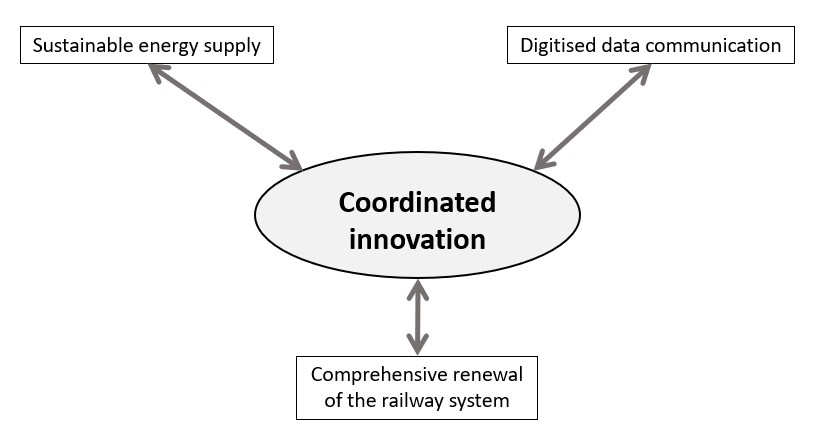
Until new technologies have reached their application maturity, it is first necessary to coordinate innovation (cf. figure) and to conduct targeted research to develop the scientific basis. To this end, the EU has built up efficient and competent organisations in recent years: The “Horizon” programme leads and finances various research projects. Thanks to cross-sectoral networking, the results and findings should be made available to a wide range of users in a timely manner. Within the framework of the innovation partnership Europe’s Rail Joint Undertaking (EU-Rail), innovative new approaches based on research results are given concrete form. The important projects for rail operations and technology are based on the two pillars “System Pillar” and “Technical Pillar”. The Railway Agency ERA defines the new uniform specifications for European railway applications and thus ensures interoperability. Thanks to this pooling of knowledge, solutions ready for international application can be developed in a short time.
Energy of the future is renewable
Until now, industrialised economies have mainly used fossil fuels. For a long time, these were available on the international market at low prices. With the Green Deal, the EU wants to reduce transport-related emissions by 90% by 2050 and shift 75% of the transport volume from road to rail or waterways. The important energy sources of the future are hydrogen and electricity, both produced from renewable resources.
Modern data communication is digital
Industrialised processes function successfully when the necessary data is directly and immediately available to all participants. The current use of data is still limited; for many sub-processes, the data is collected again and again. Such solo efforts are resource- and time-intensive as well as error-prone. In future, data should be available to all authorised participants without media discontinuity and in real time. Direct access to data is central to the realisation of automated processes, as is effective data protection. Cyber security is becoming the core issue of modern data communication.
Reorganisation of the railway system called for
Railways were essential to industrialisation in the 19th and early 20th centuries. It was not until the middle of the 20th century that road and air transport pushed back the railways in transport thanks to their successful innovative steps. The decisive factors were intramodal competition and rigorous customer orientation. The customers’ most important question was: How can we fulfil our needs more easily, more comfortably and more cheaply? And they received suitable answers on the road.
Today, the railways must finally ask themselves the same question. The railway is an efficient and resource-saving transport system with numerous advantages. In a direct comparison of the energy required, the electrified railway is the clear winner over the road. Under the same general conditions, the railway requires 10 times less energy than the road. Important European railway lines are already electrified, so that the required traction energy can be used with high efficiency. Today, a widely ramified network of lines connects the important regions of Europe, a large part of the lines are standard gauge, only in a few European regions are deviating gauges in operation today.
In order for the planned shift of traffic to the railways to actually be realised, a cultural change in the railways towards intramodal competition and customer orientation is first needed, as well as a comprehensive and systematic renewal of the railway system:
- TEN‑T: The EU has defined the trans-European rail network to connect all major European centres. Trains are to be able to run without obstacles on a uniform, harmonised infrastructure; on secondary lines, hydrogen or battery operation can ensure the desired CO2 neutrality. The expansion of the railway network is being carried out with two different emphases: For passenger transport, a high-speed network is to be built that connects the important centres and enables attractive travel times. For freight transport, the necessary train paths are to be made available so that rail freight transport can grow in accordance with the political requirements. The freight railways must more than double their transport capacity in the coming decades. They can only achieve this ambitious goal with the help of innovation. In addition, the corridor managers must be equipped with comprehensive competences so that the current cherry-picking of the national, integratedly managed state railways comes to an end.
- Interoperability and standardisation: The various European railway systems are still subject to a multitude of often different national regulations. Compliance with these still significantly restricts free cross-border rail traffic and enables unfair competitive advantages in the national market. Despite the technical specifications of interoperability (TSI), national regulations still massively hinder cross-border traffic. The EU has made the elimination of these national rules an important leadership task with the “rules cleaning-up programme”. This is a crucial programme of the technical pillar of the 4th EU railway package to create the Single European Railway Area (SERA). While the European Railway Agency (ERA) is responsible for the further development of the Technical Specifications for Interoperability (TSIs), the railway sector has to update and develop the related standards and norms. In the desired ideal case, the TSIs and the standards should sufficiently specify all railway subsystems in all participating European countries. Switzerland also relies consistently on the TSI in the standard gauge sector. It has adopted the first elements of the technical pillar of the 4th EU railway package within the framework of the current overland transport agreement. As the dialogue between the EU and Switzerland is currently at a standstill, the planned continuation is unfortunately not possible at present.
- Digital automatic coupling (DAK): The railways must replace their historically grown but outdated standards such as the classic screw coupling in favour of modern digitalised systems – such as the DAK4 – across the board. This forms a decisive basis for future comprehensive automation in the rail sector. Even more important, however, is the networking of all actors along the entire logistics chain – beyond the mere rail run – thanks to the possibilities of digitalisation. Freely accessible data and booking platforms open up unimagined increases in efficiency and quality. The members of the VAP and SBB are also actively contributing to the success of this important project with their know-how.
- Energy: In the field of energy, the necessary processes for the CO2-neutral production, distribution and simple use of hydrogen are being worked on. For operation on longer, non-electrified railway lines, hydrogen is a promising energy source that can quickly replace fossil fuels.
Marathon with hurdles
With the Green Deal, the EU has defined a comprehensive programme to create a CO2-neutral Europe. However, the member states have different starting points, priorities and interests. Consequently, the implementation of this ambitious programme will have to overcome a number of hurdles. It remains to be seen whether the national interests of the state railways can be sufficiently set aside in favour of a common European solution.
The railway is to play a key role in European passenger and freight transport in the future. It has some convincing advantages. But it must also overcome an aversion to renewal, change and competition that has developed over many decades. The compartmentalisation of markets, especially by the state railways, continues to be a major obstacle in many places. By sticking to national regulations, often under the pretext of safety considerations, state railways want to continue to protect themselves from unwanted international competition. It is up to the member states to help the European idea achieve a breakthrough and to put a stop to unfair practices by their state railways.
The rail sector must set new standards through innovation. It must standardise and streamline its regulatory environment internationally. When developing new systems, large suppliers to the rail sector must not try to gain a one-sided market advantage through exclusive, incompatible products. For sustainable migration success, the sector needs compatible, mature and reliable innovative products. The manufacturers have not exactly distinguished themselves in this respect in recent years.
Whether the intended shift of transport to rail will be feasible on the planned scale depends on the financial resources that can be deployed. There will be no bulging EU coffers for the migration from which the individual companies can help themselves as needed. The individual member states will have to contribute to the renewal and expansion of the railway infrastructure with substantial start-up financing. This also applies to Switzerland. Core projects such as the DAK must be internationally coordinated, otherwise their effect will fizzle out without a sound.
Switzerland is part of Europe
Switzerland, too, can only gain from active participation in these EU programmes. The Swiss standard gauge network with its major transit axes contributes to the trans-European rail network of the EU. It forms an important part of the uniform interoperable European system SERA. Since many of the Swiss transports are cross-border, interoperable solutions are indispensable. Switzerland has fulfilled its planned target with the continuous expansion of the north-south transversals as announced. The Swiss railway network must be further expanded for domestic traffic in order to be able to cope with the growth target in freight transport in the future. Our experts can actively make valuable contributions to development and compete with the best internationally. Our railway companies can strengthen their market position with new concepts, especially in import and export traffic.
The VAP supports joint activities to further develop the rail sector into an important partner in the multimodal transport system. In this context, cooperation at European level and intramodal competition is a crucial prerequisite to achieve the political goals on time. In terms of transport, we are so closely linked with neighbouring countries that our economy needs obstacle-free cross-border traffic and transport services. From an energy point of view, rail is predestined for longer distances. The political differences between Switzerland and the EU continue to hinder the urgently needed international cooperation. The railway industry is well advised to actively seek and cultivate professional exchange despite the hurdles. We can only have a successful railway future together.
Investing in the future with the DAC
The digital automatic coupler (DAC) is much more than what its name suggests. It is the basis for the complete digitalisation and automation of rail freight transport in Switzerland – and thus a far-sighted investment in the future.
Rail freight 4.0
We at VAP are committed to a competitive rail freight system in order to ensure that our members have a free choice of transport mode. To this end, we are active at various levels. One is the digital automatic coupling, or DAC for short. With this, European rail freight can reach the next dimension of modernisation.
The DAC allows automatic coupling, as the name suggests. But that is by far not all. We should rethink Swiss rail freight transport with its cross-system processes as a whole. In this view, the DAC enables a continuous power and data transfer in the train. Such a transfer is the prerequisite for the digitalisation and automation of rail freight transport. It is tantamount to a quantum leap in quality and customer benefit, as all data is available digitally via all interfaces and logistics participants. Digital train control will also lead to a groundbreaking flexibilisation of network use and thus to a significant increase in network capacity. This offers rail freight transport the unique opportunity to play a key role in multimodal logistics.
Genuine innovation for 100 years
The last real innovation in European rail freight transport was electrification. It was 100 years ago. As a result, the competitiveness of rail freight has steadily declined. With the investment in the DAC, rail freight transport can now catch up on several stages of development at once. Because it offers new functions with groundbreaking advantages (cf. Figure 1).
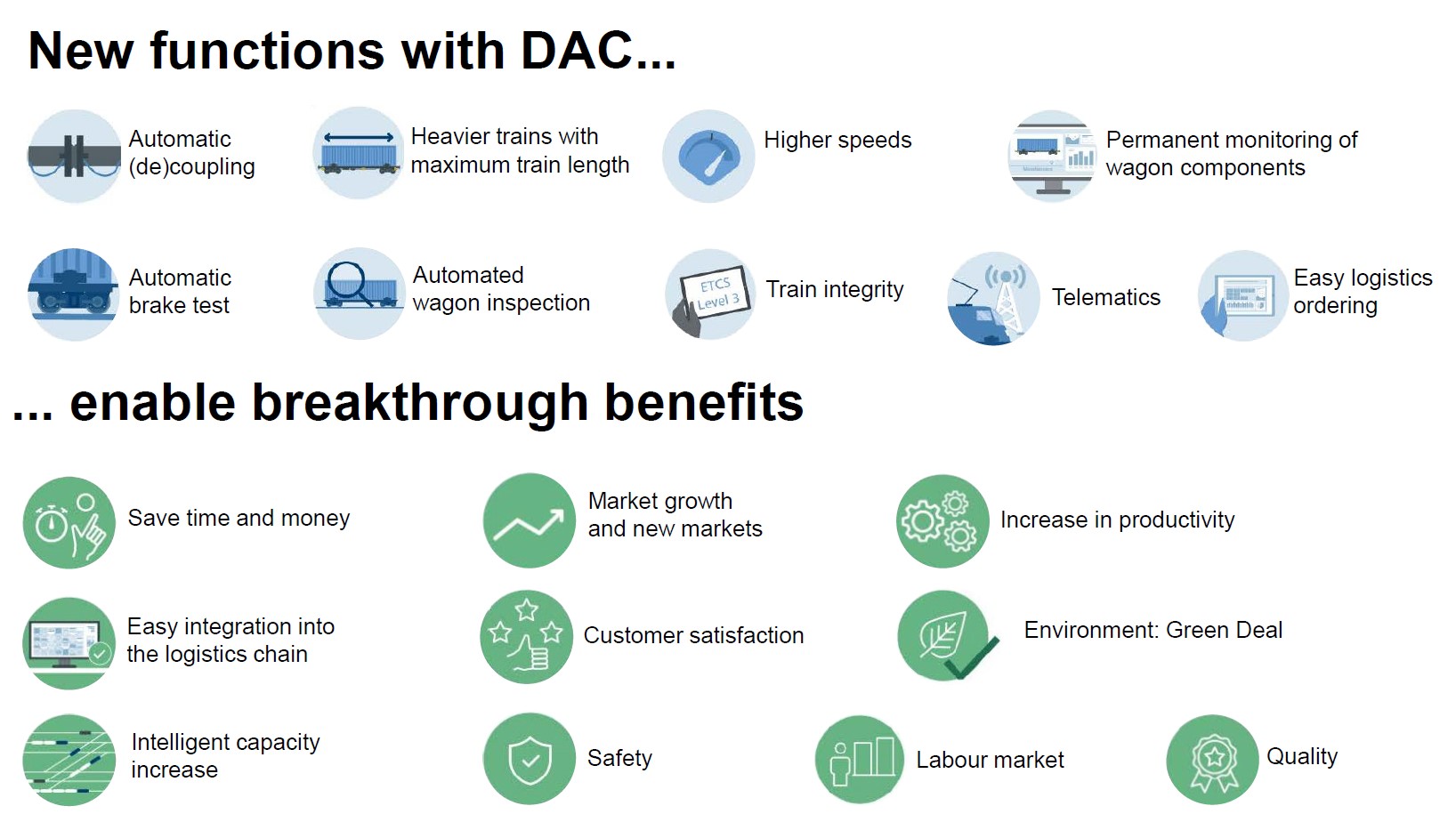
Figure 1: The DAC brings more benefits than the automation of the coupling process.
Rail freight transport as the backbone of supply
Rail freight transport is a central component of the supply of goods. In Switzerland alone, we expect freight transport volumes to grow by 30 percent by 2050. Transport capacities on road and rail are limited. Capacity expansion is mainly possible through improved interfaces of the multimodal logistics chains. And rail freight transport also has a lot to offer in terms of sustainability. Transport accounts for one third of greenhouse gas emissions each year. With the Green Deal in Europe and the long-term Climate Strategy 2050 in Switzerland, politicians have set ambitious goals. Low-emission rail transport is proving to be extremely competitive.
Support needed
Leading rail freight transport into a new era of progress with the DAC cannot be achieved single-handedly. Our industry is dependent on support. This includes, on the one hand, political commitment to ensure seamless coordination between Switzerland and the EU. On the other hand, it requires financial support. Because the industry players cannot bear the high initial investments alone. The added value of the DAC is designed for the long term and distributed among several market participants (cf. Figure 2). In our view, a deliberate start-up financing by the federal government is imperative. But the overriding goal must remain self-sustainability.
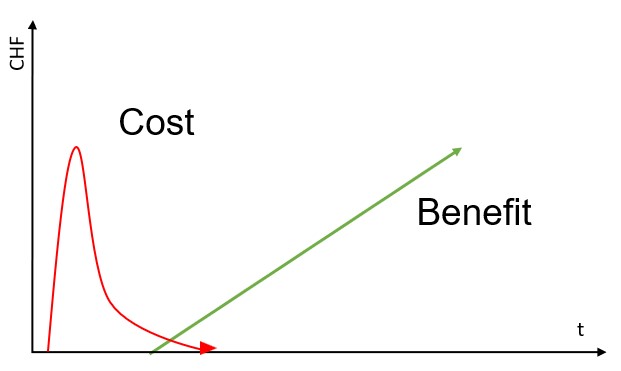
Figure 2: The benefits of the DAC can be seen in the long term and are distributed among several market participants.
Considered retrofitting
We consider it sensible to retrofit the existing fleet of wagons restrictively and to concentrate on young and market-relevant wagons. Wagon owners should only retrofit their wagons if this is cheaper over time than buying new ones. In addition, the Confederation should provide for a scrapping allowance for wagons that have not been written off, the use of which the wagon keeper can decide himself. The fact is that a large number of wagons must be converted in a coordinated manner within a short period of time so that the wagons remain compatible with each other and the DAC unfolds its added value as soon as possible.
You can find more on the subject in this presentation.
Freight Transport Forum: the industry stands together for progress in rail freight transport
On 3 May 2022, the popular Freight Transport Forum finally took place again after three years. The most important players and representatives from the shipping industry from all over Europe met to refresh their expertise and exchange ideas with colleagues across companies. The chances of making rail freight transport fit for the future in a joint effort are good!
Interesting approaches
The freight transport master plans and rail freight transport in particular, which were launched in Germany and Austria, provide a comprehensive overview of the political strategies and measures. Something comparable is lacking in Switzerland; instead, there is still a strong focus on the individual modes of transport. The VAP therefore continues to pursue an overall view of freight transport and logistics, in close cooperation with economiesuisse and ASTAG. Austria presents an amendment to the Waste Management Act. This stipulates that transports of waste with a total weight of more than ten tonnes, starting from a defined transport distance (decreasing between 1.1.2023 and 1.1.2026 from 300, 200, 100 km), must in future be carried out by rail or by other means of transport with equivalent or lower pollutant or greenhouse gas potential (e.g. propulsion by fuel cell or electric motor). Similar developments can also be seen in the canton of Zurich, for example in the Ordinance on the Transport of Excavated Material and Aggregates by Rail of 3 February 2021, which requires that a significant proportion of excavated material must be transported by rail – or else a substitute levy is payable. In principle, we welcome such regulations to achieve the environmental goals, but we do not consider a specification of the choice of means of transport by means of gentle coercion to be very effective. Rather, the VAP strives to make the railways fit and attractive for shippers, so that paternalism is not necessary.
We therefore consider the common interest in promoting digitalisation to be very positive. As never before, the players in the shipping industry stand united for progress. It is impressive how the various players networked across Europe have decided in favour of digitalisation and want to use this lever together to make rail freight transport fit for the future. Various presentations showed that the Digital Automatic Coupling (DAC) not only brings considerable relief for mechanical work, but is above all a switch for the connectivity of an entire train. This is the prerequisite for digitalisation, which is so important for rail freight transport and which has long since taken place in other industries. With more efficient and transparent processes, rail can become competitive alongside other modes of transport. The motto is collaboration and coopetition, which we at the VAP Association of Shippers also support.
VAP members can download the speakers’ presentations here with their personal login.

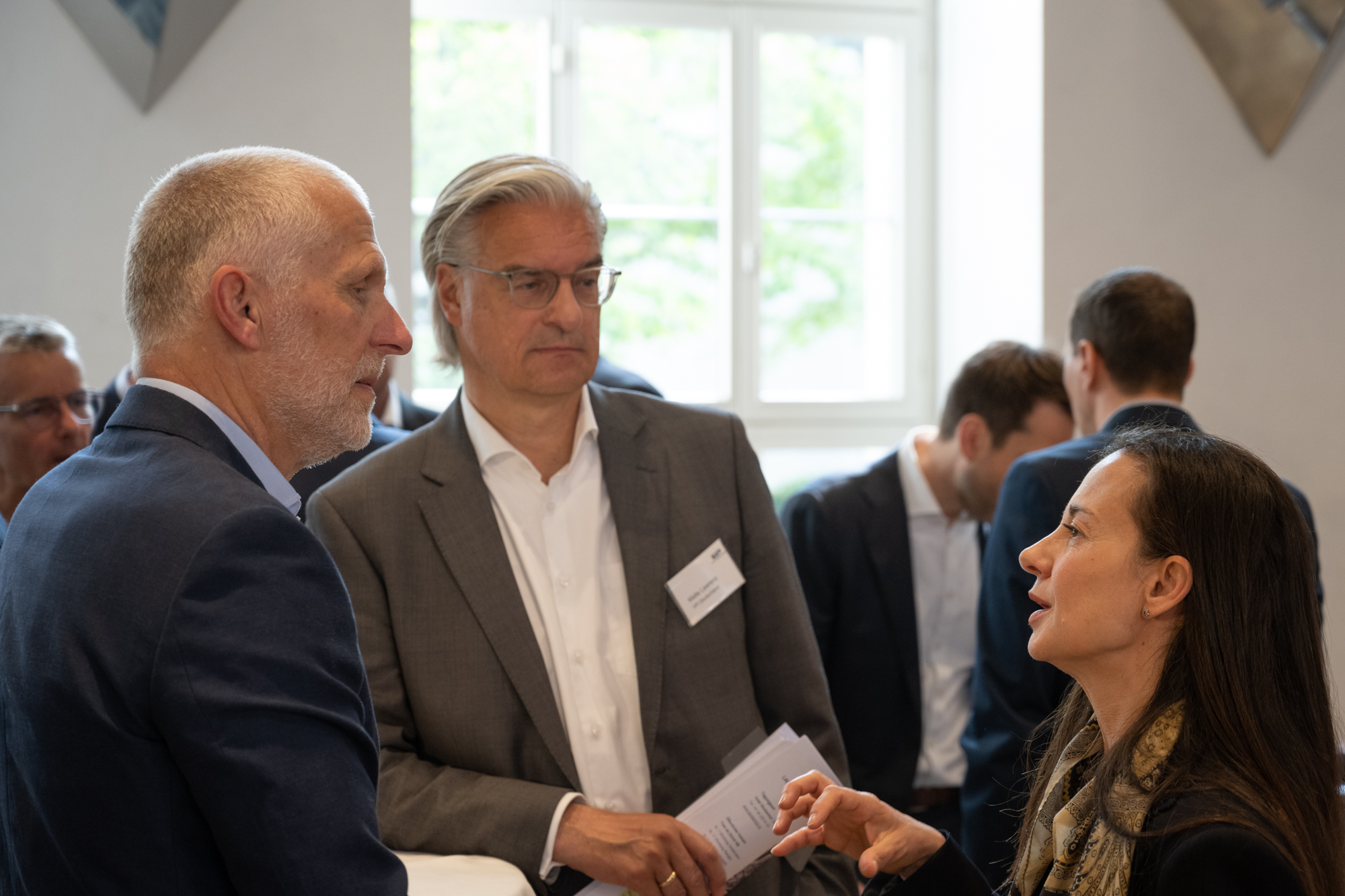
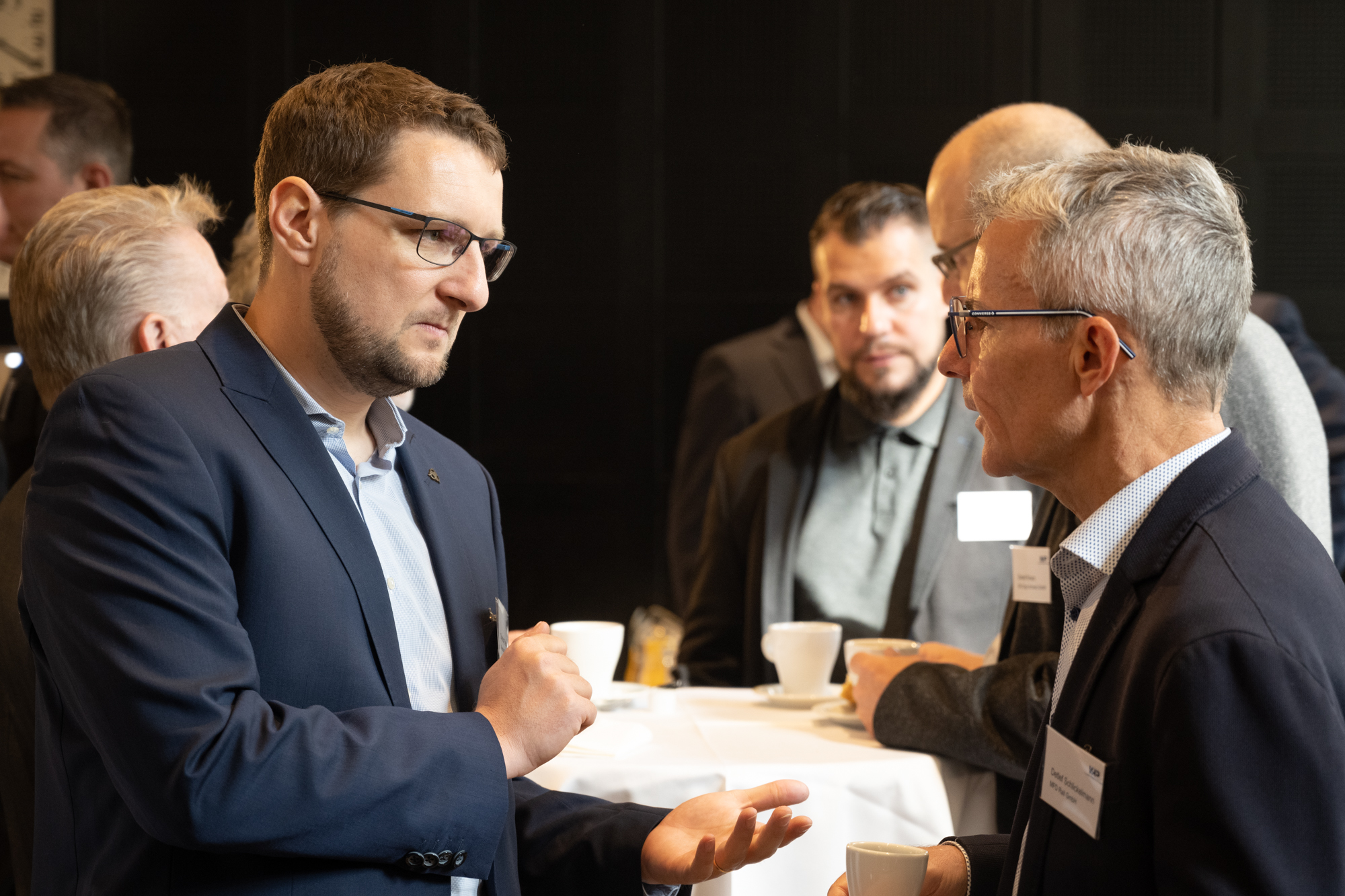

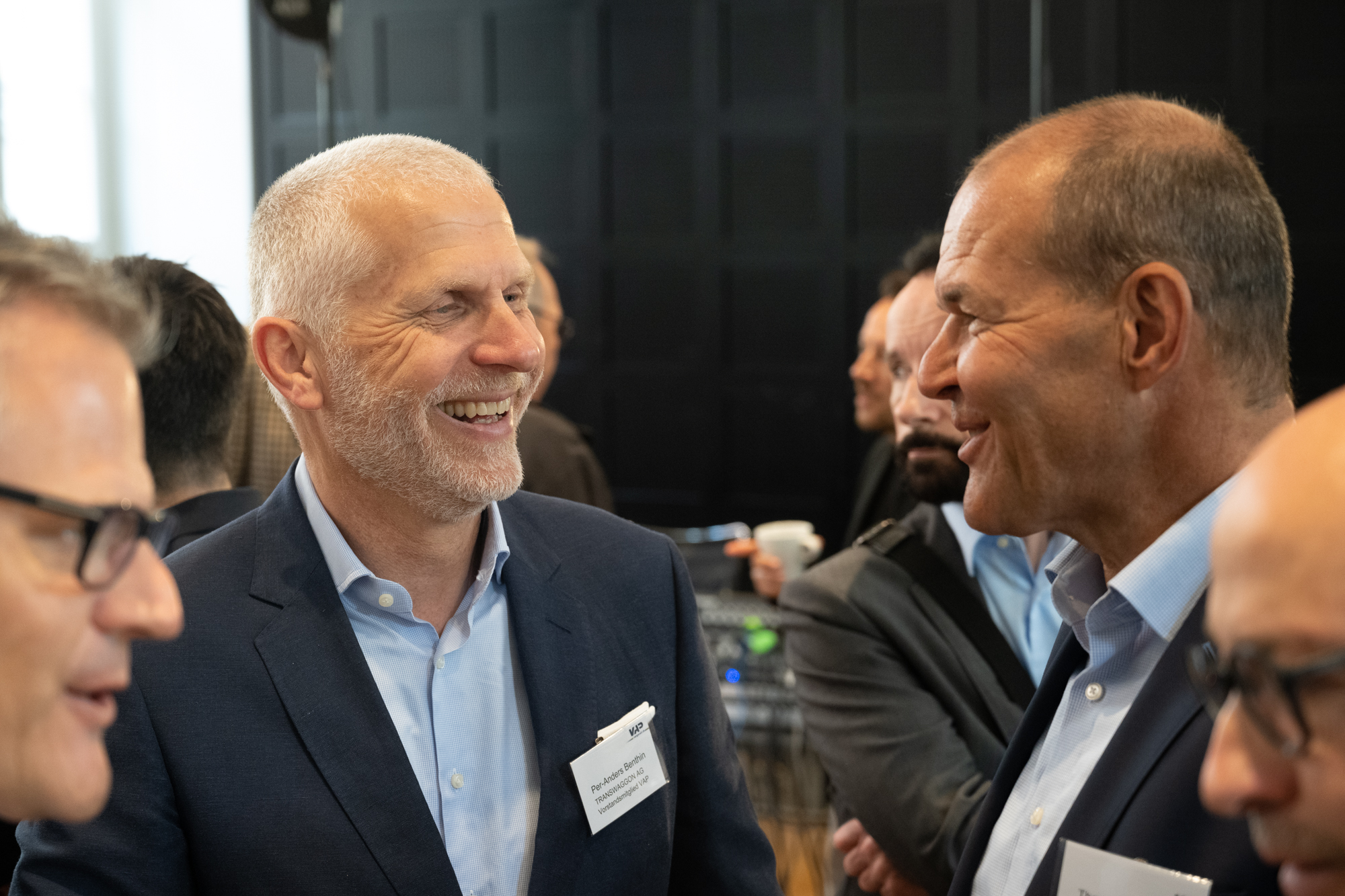
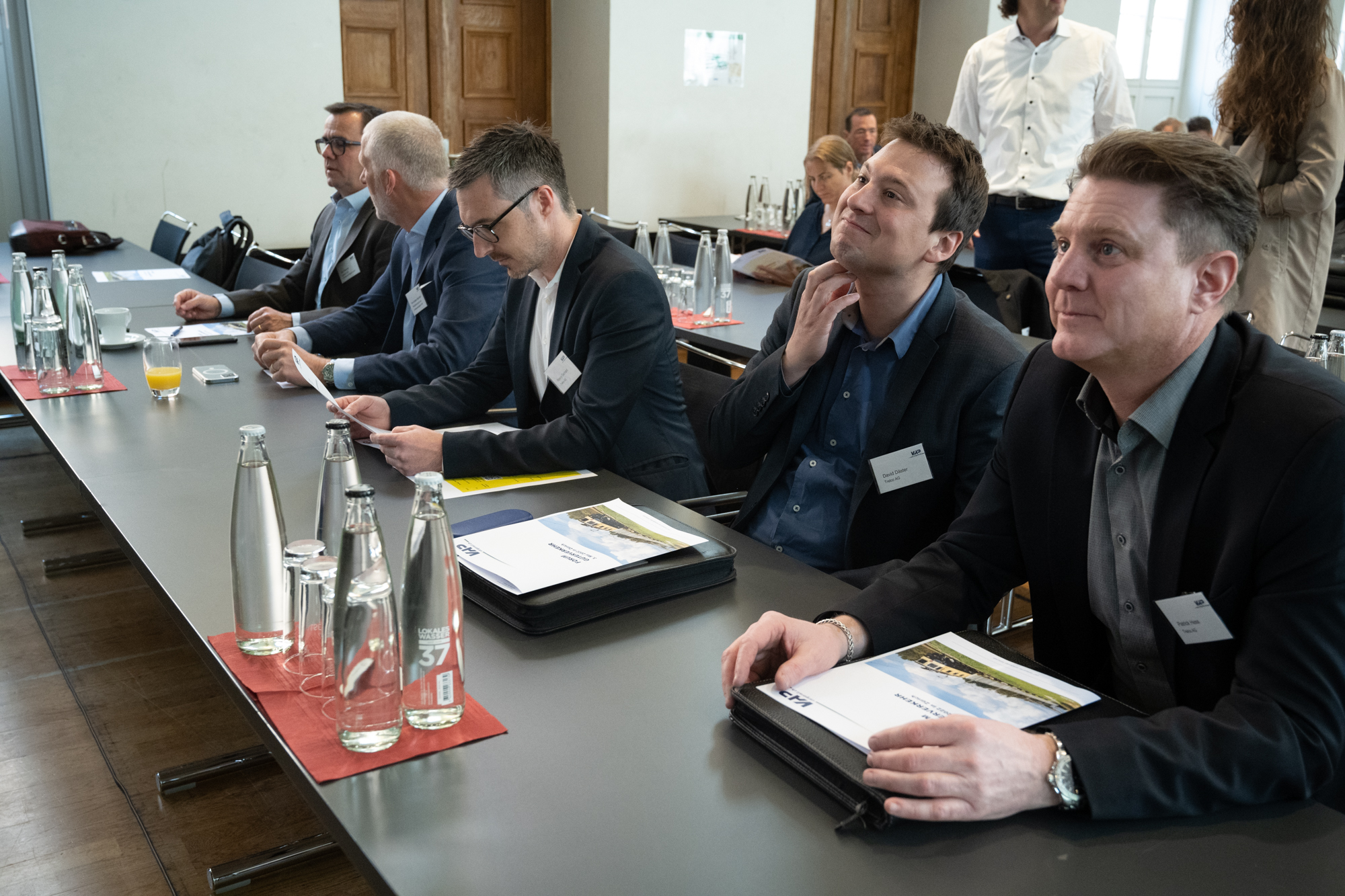
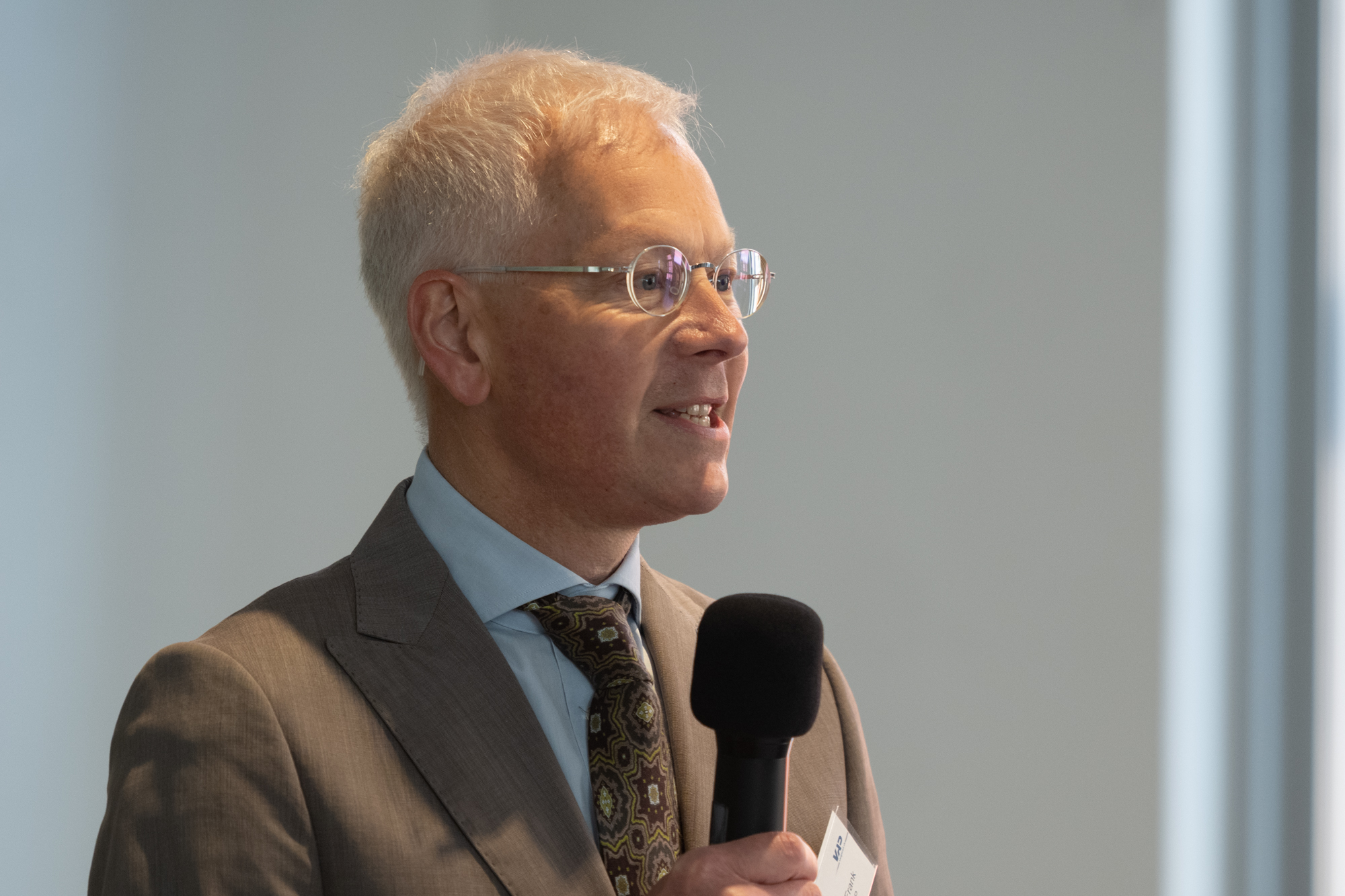
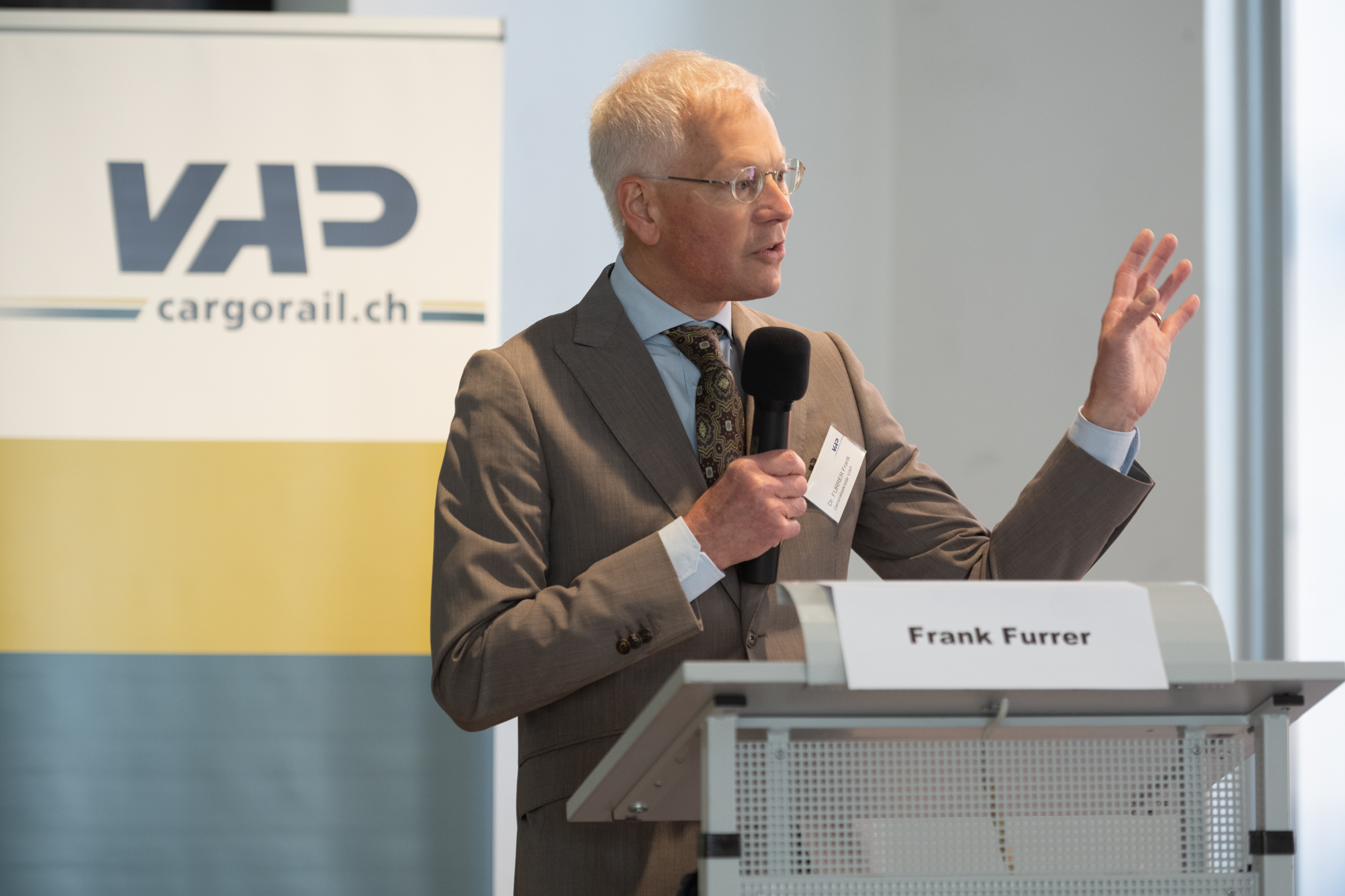
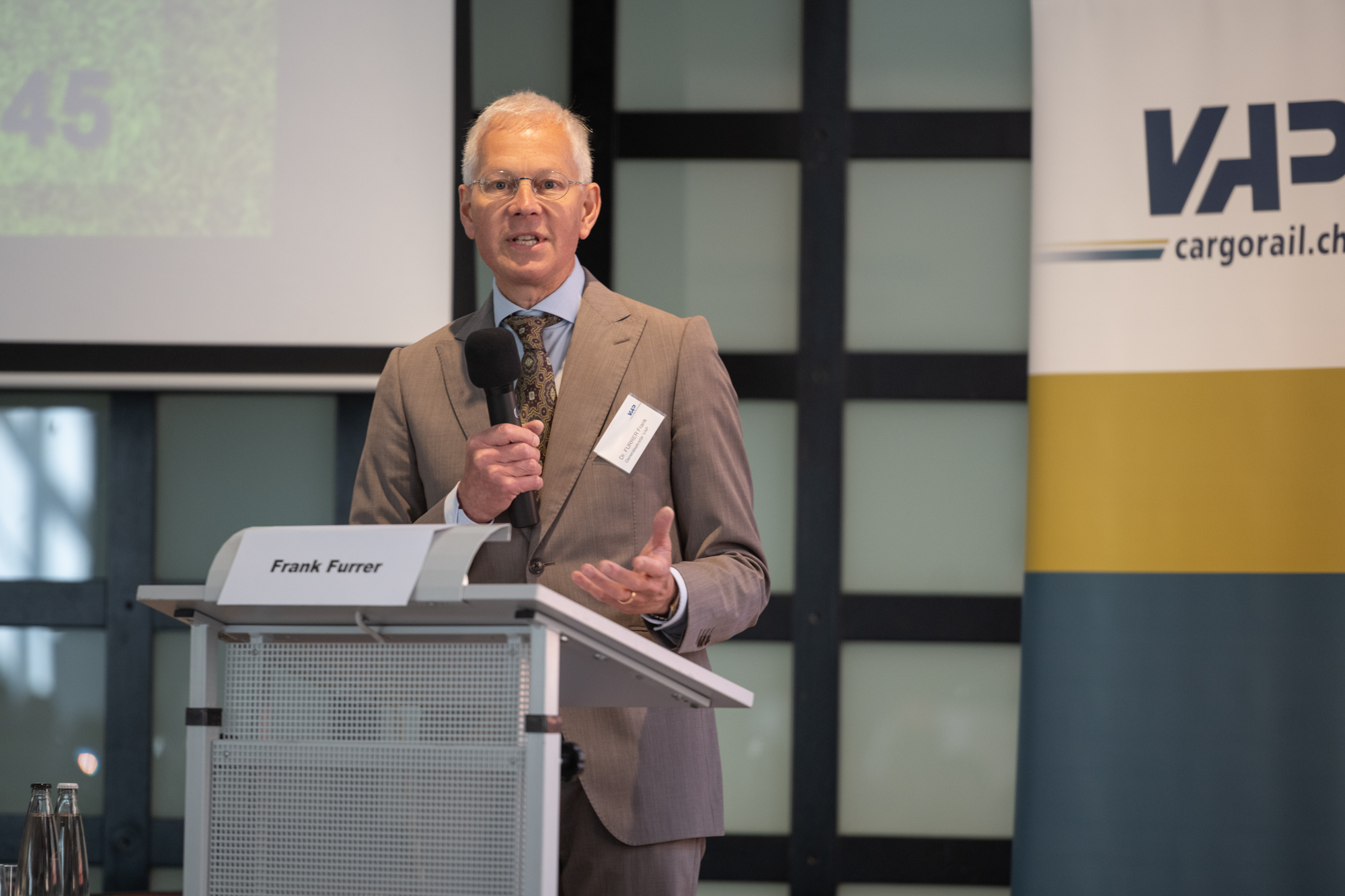
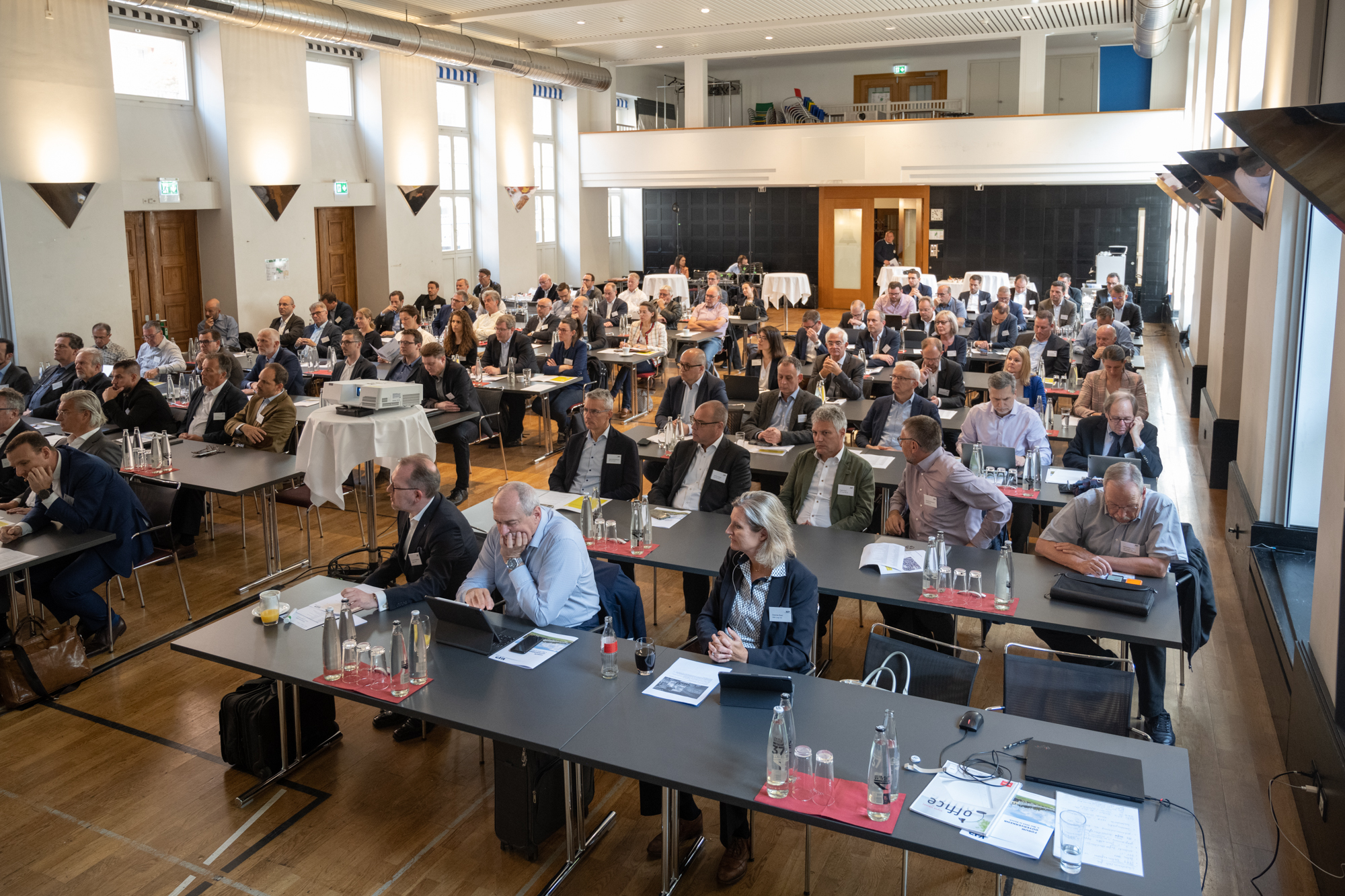
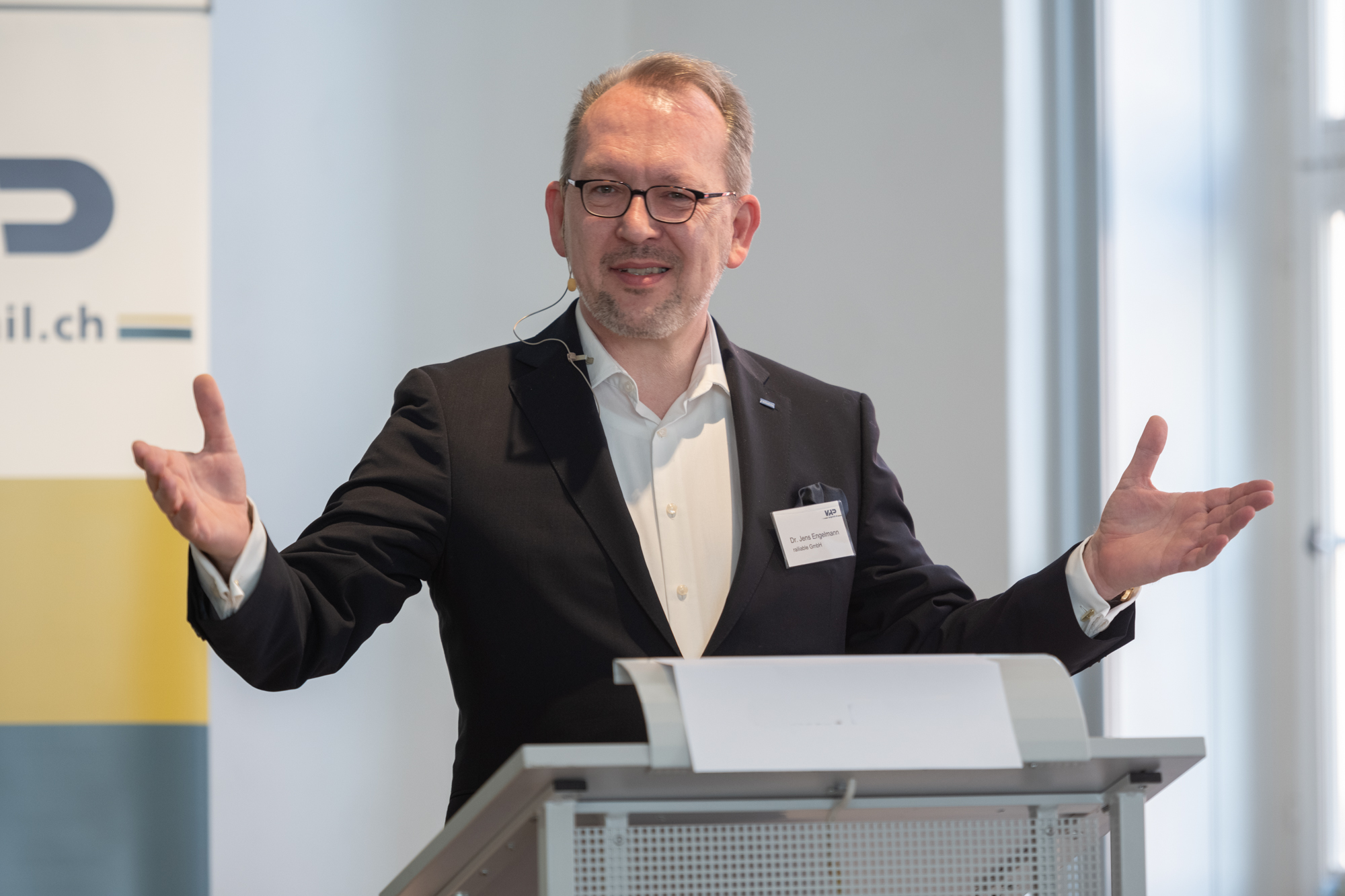
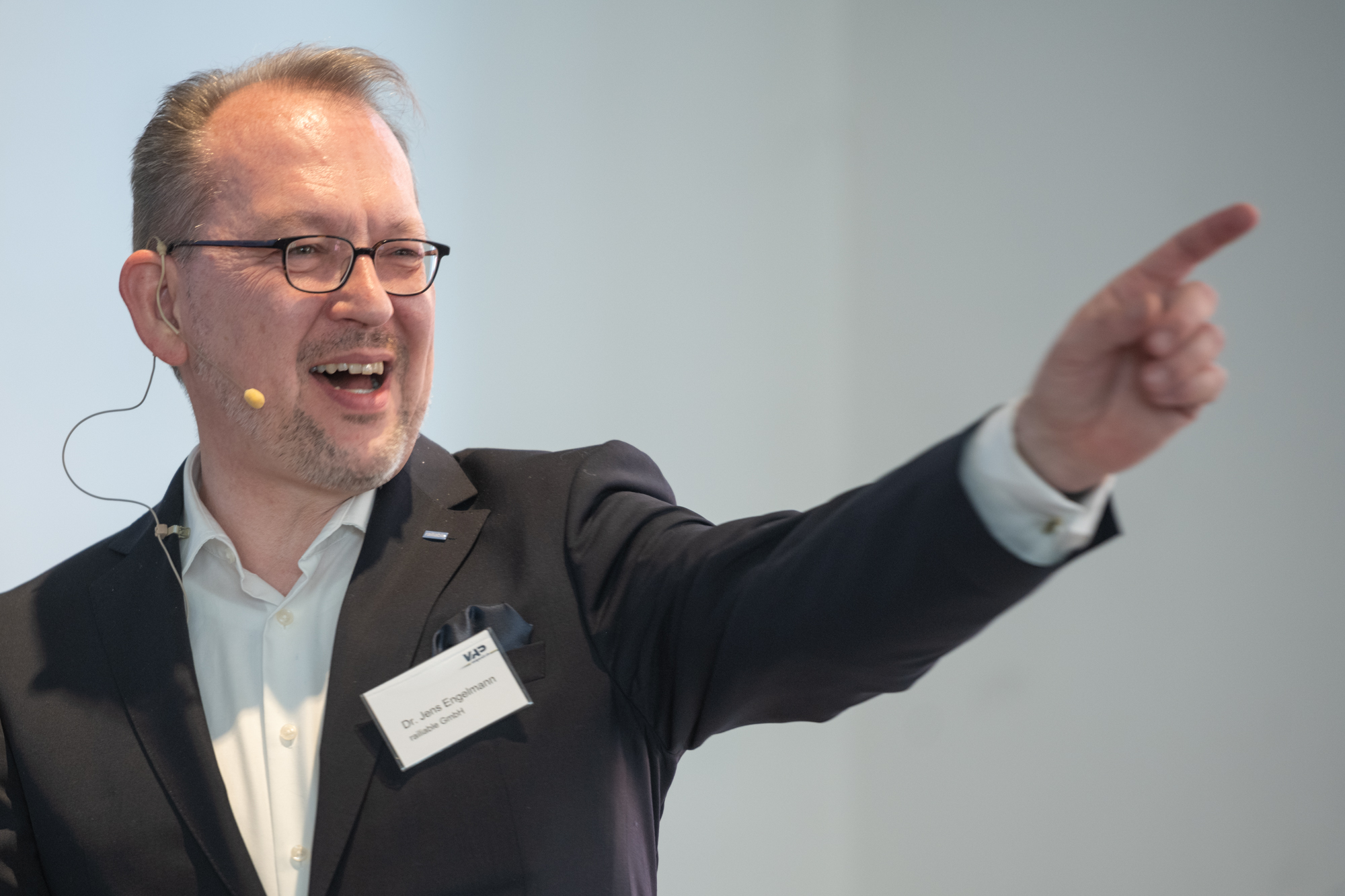
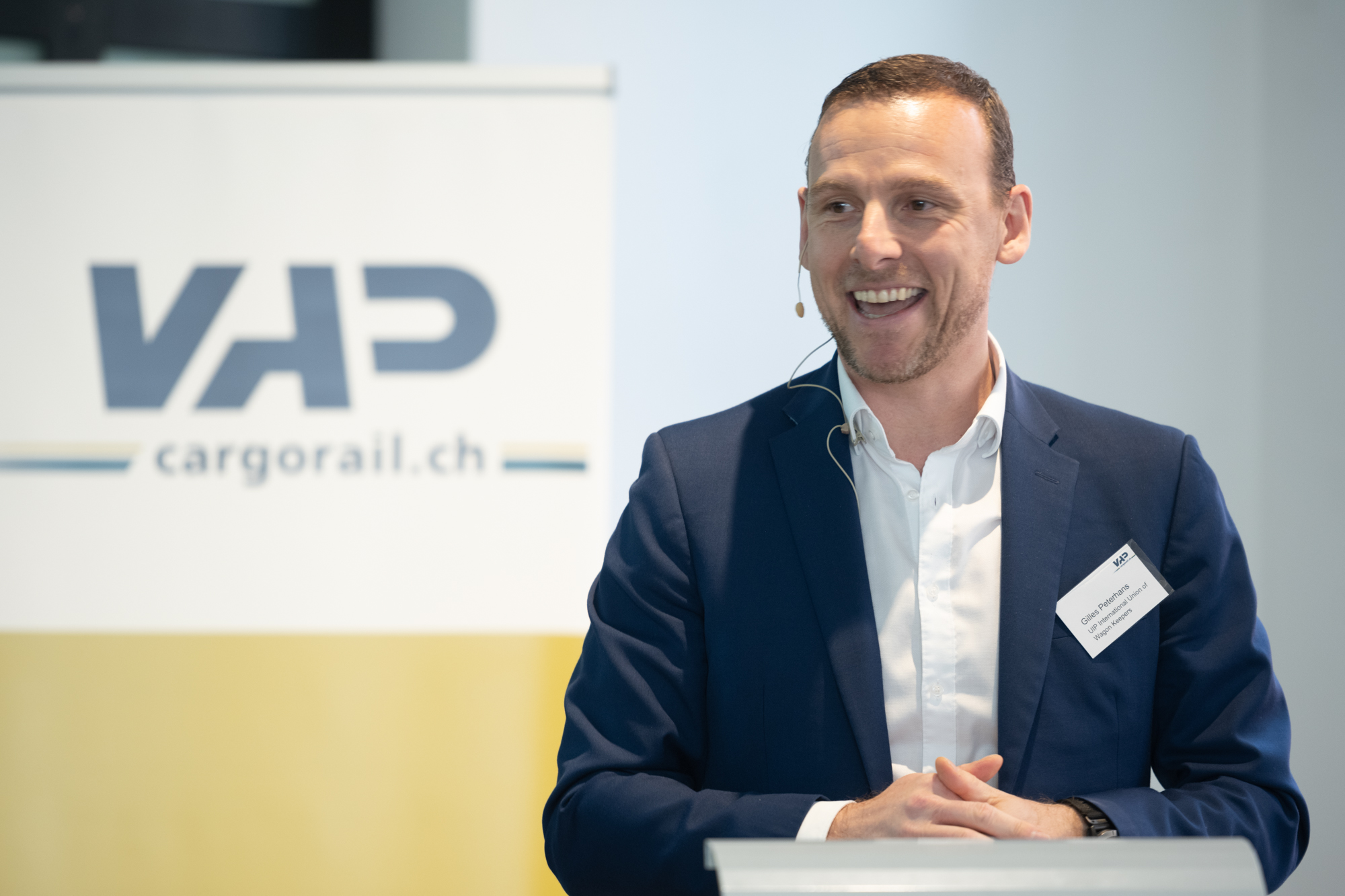
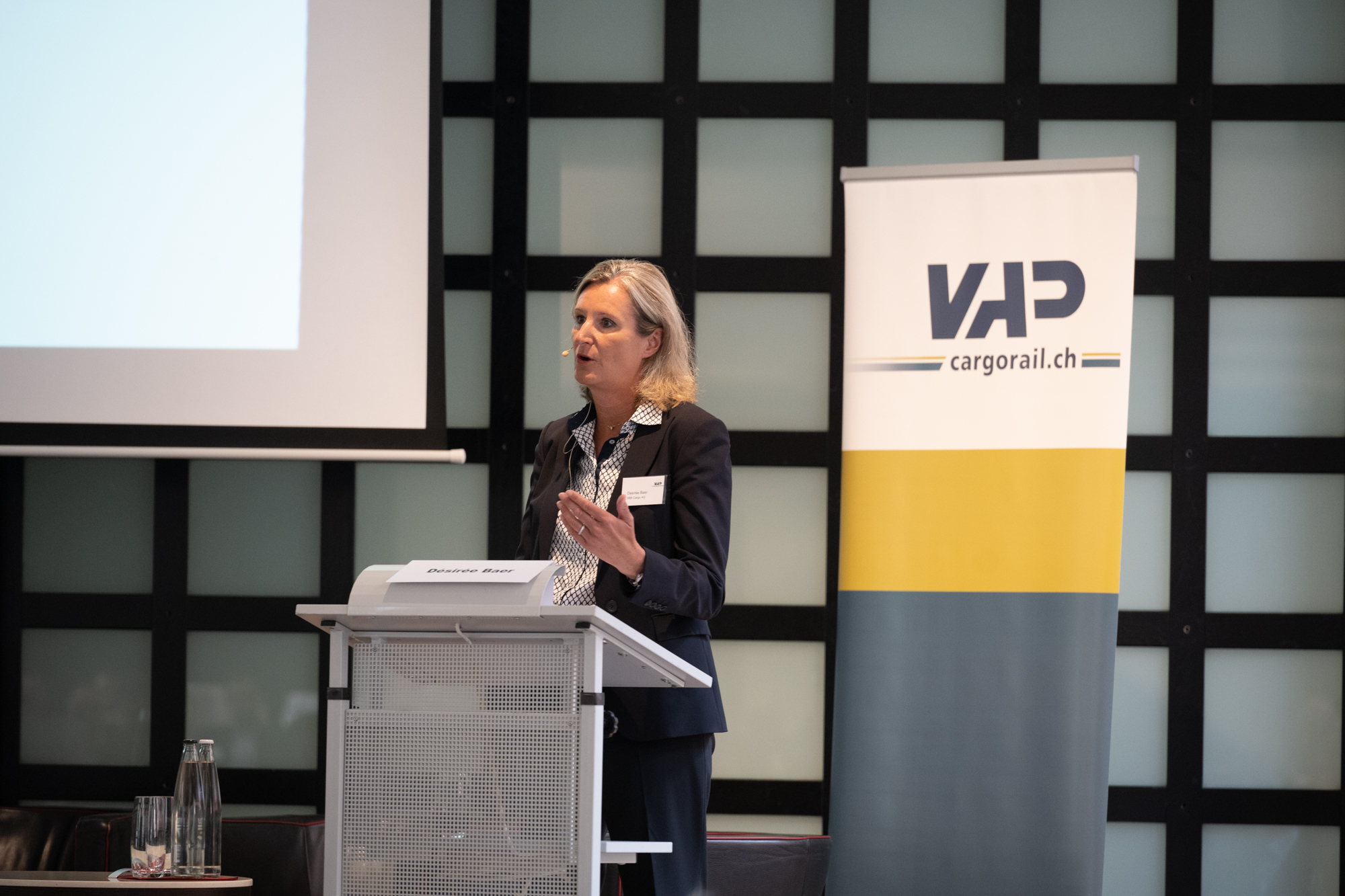
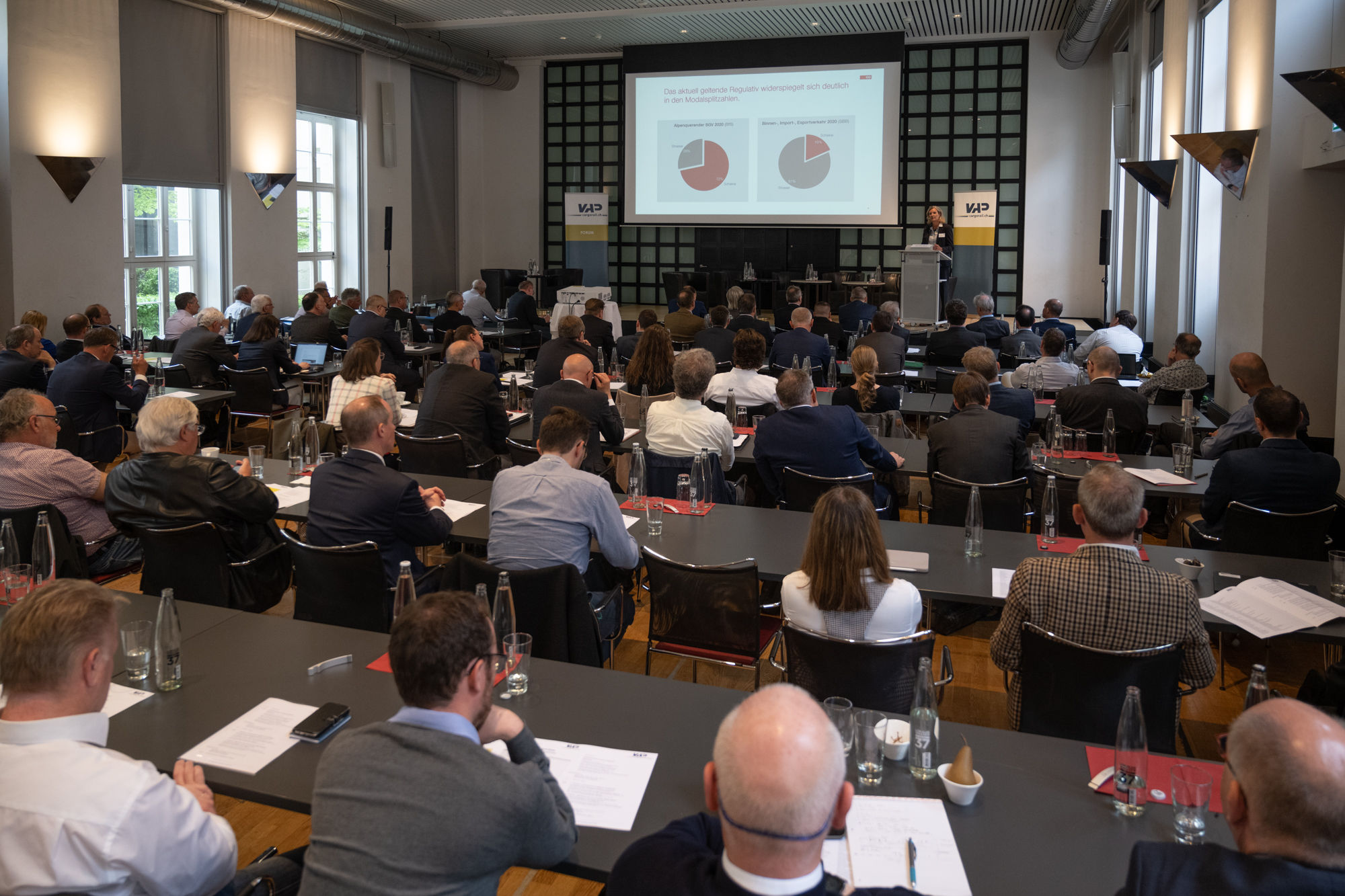
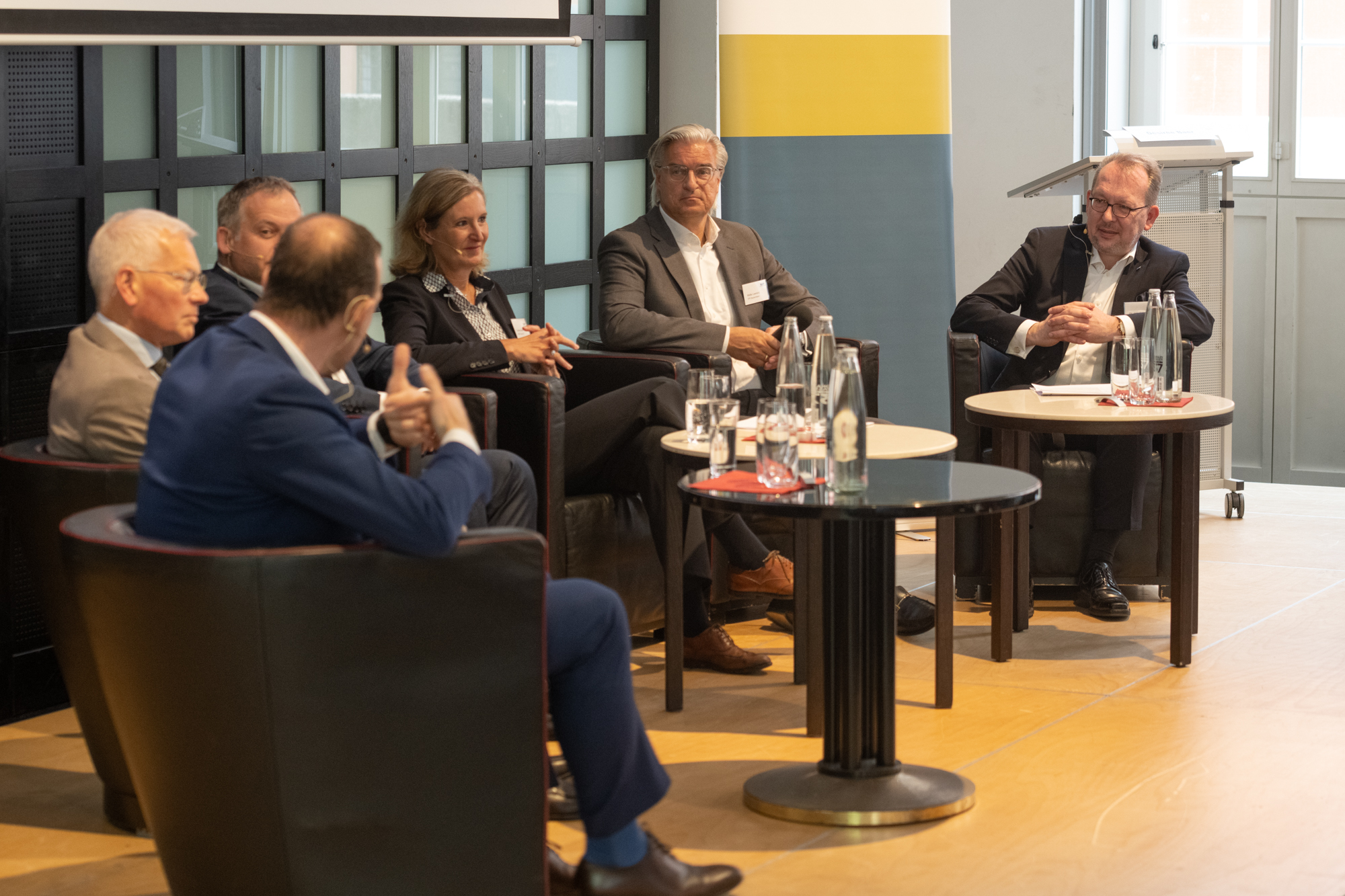
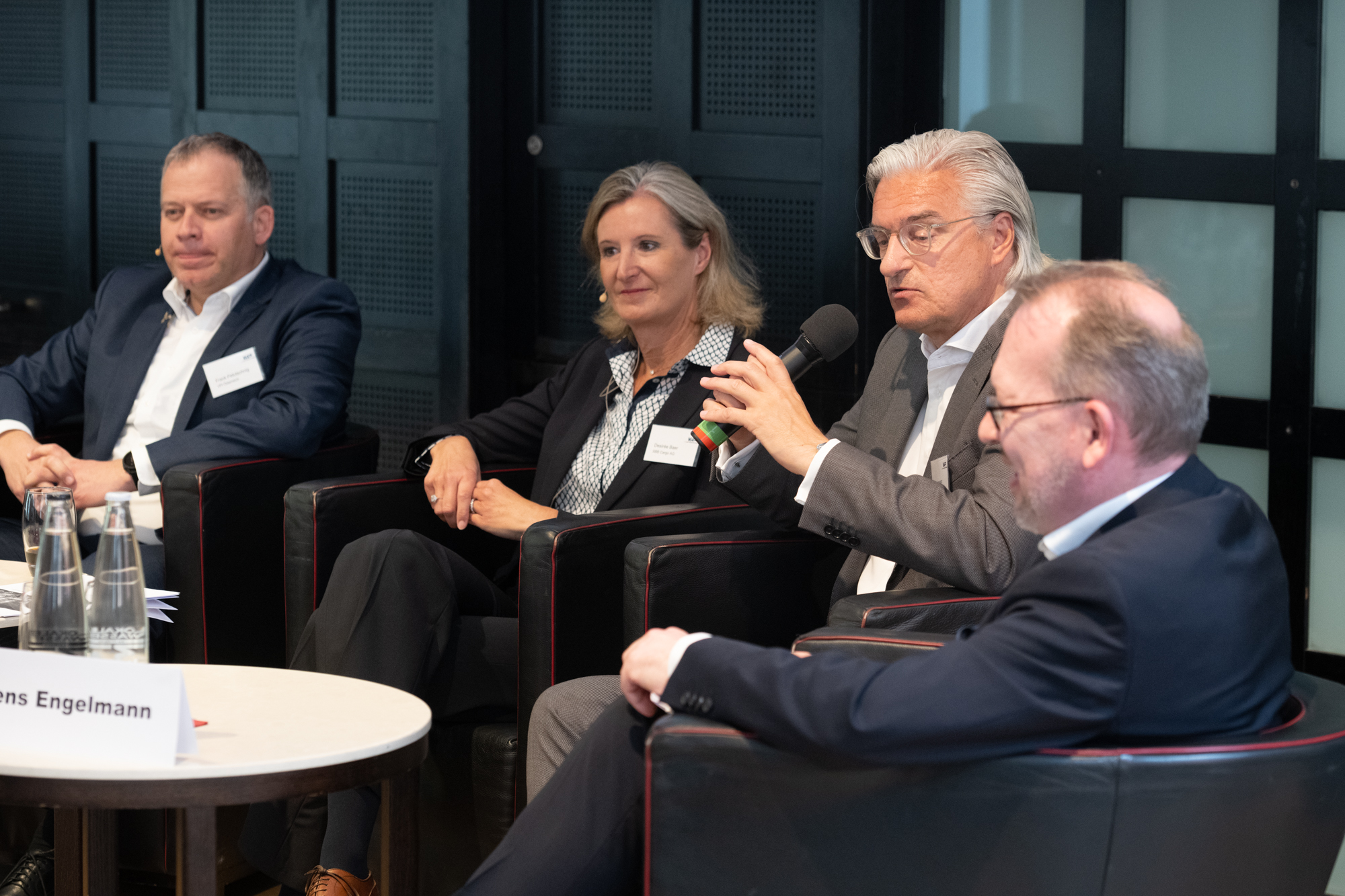
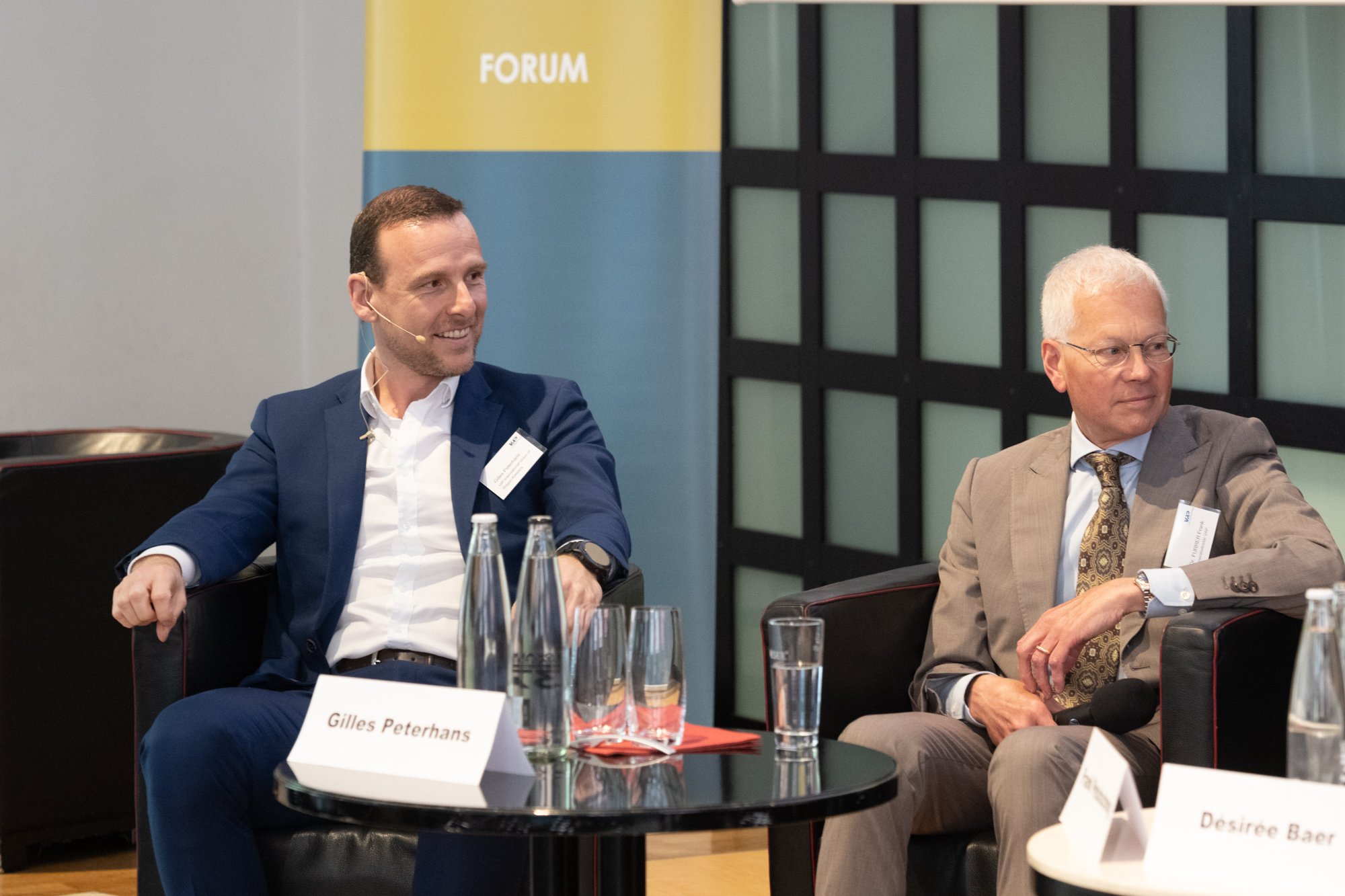
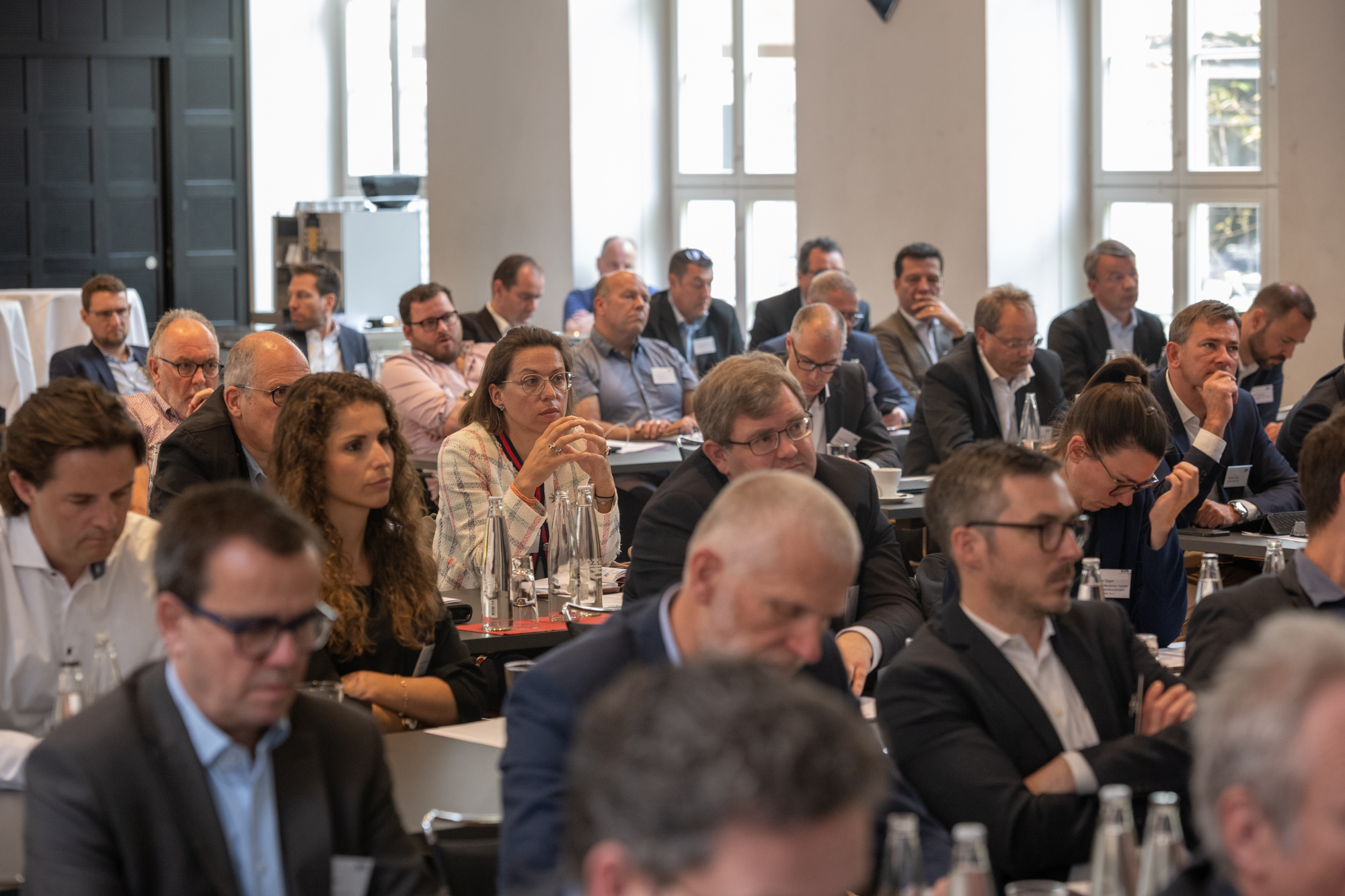

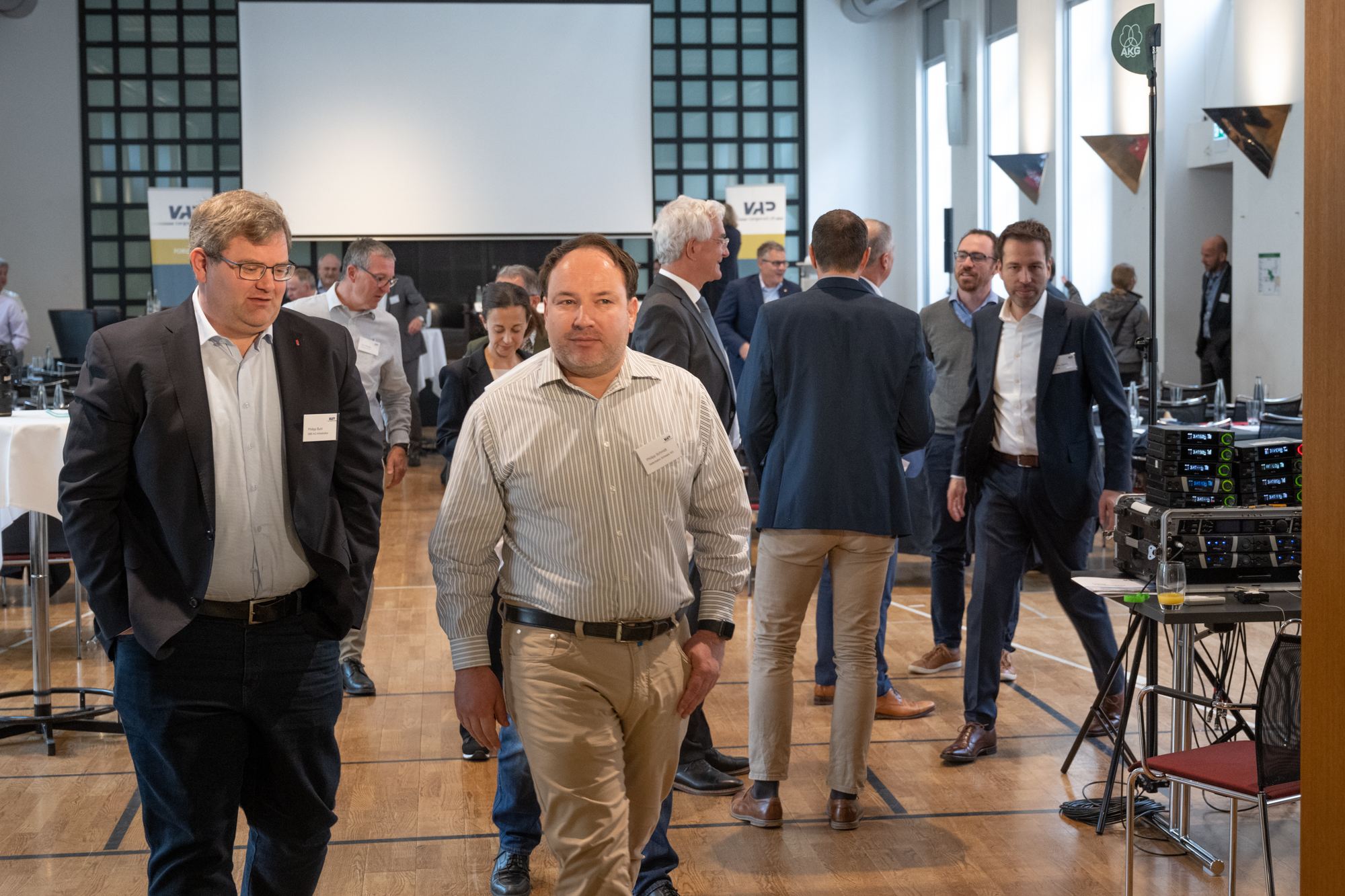
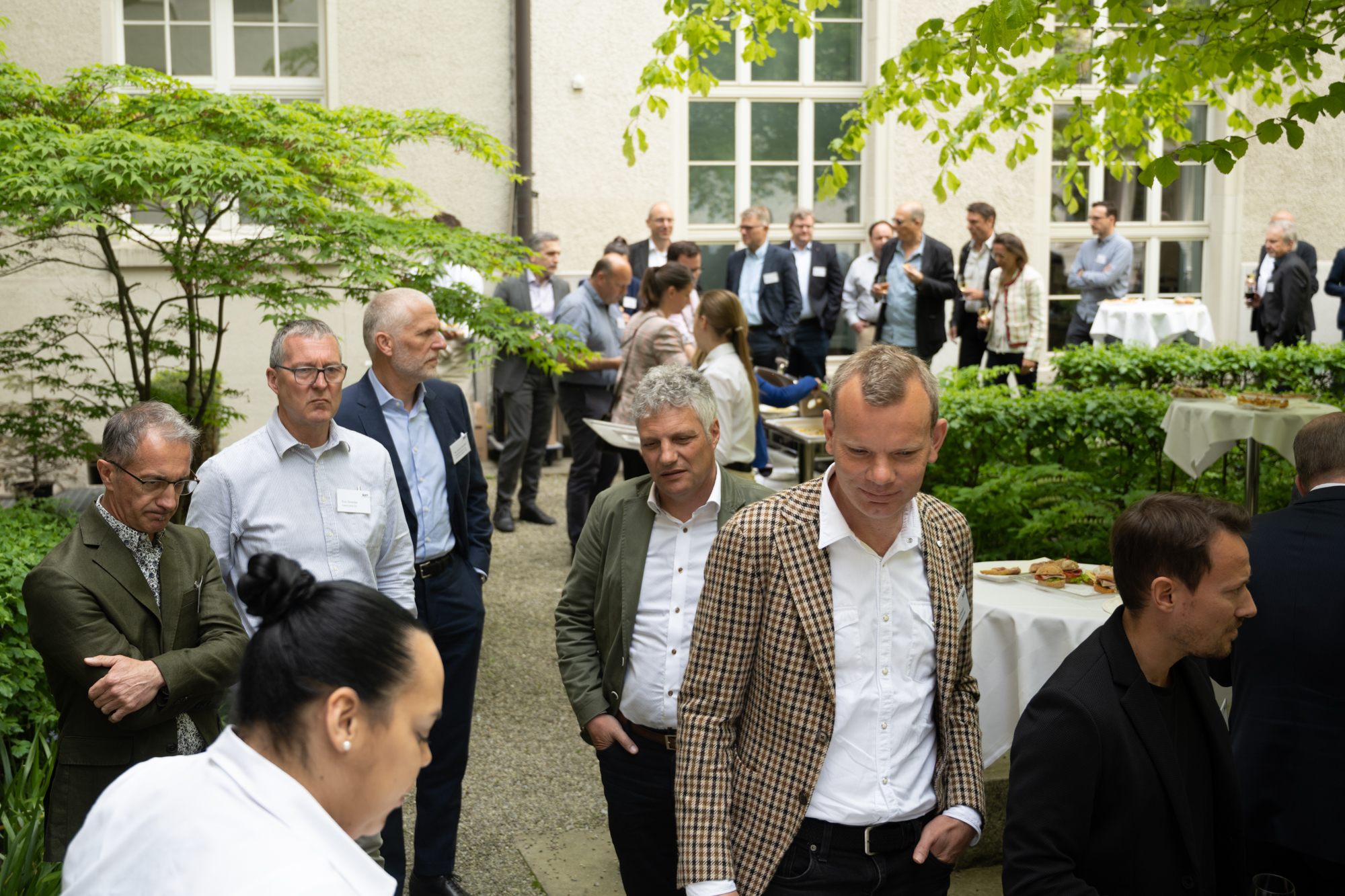
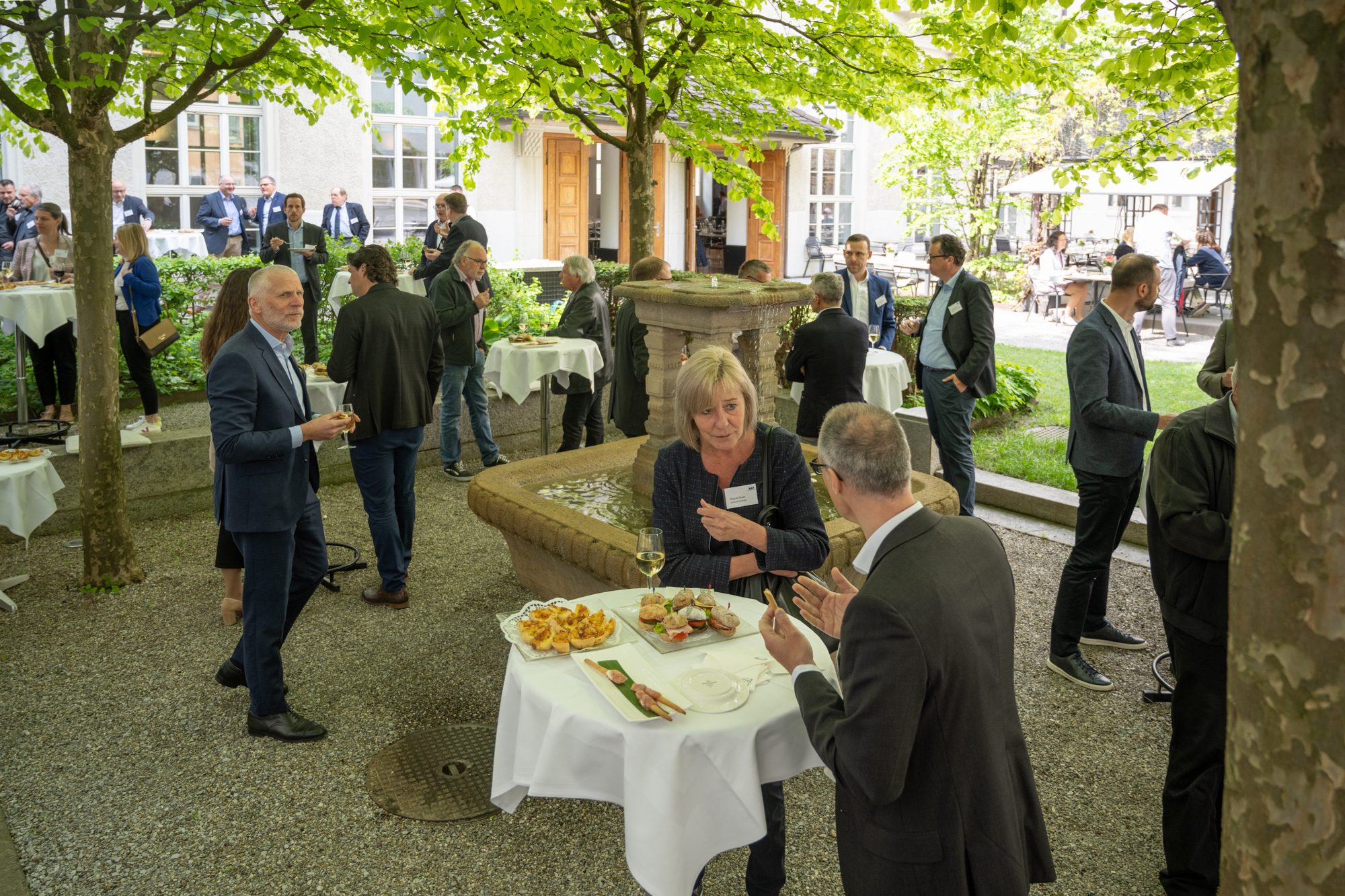

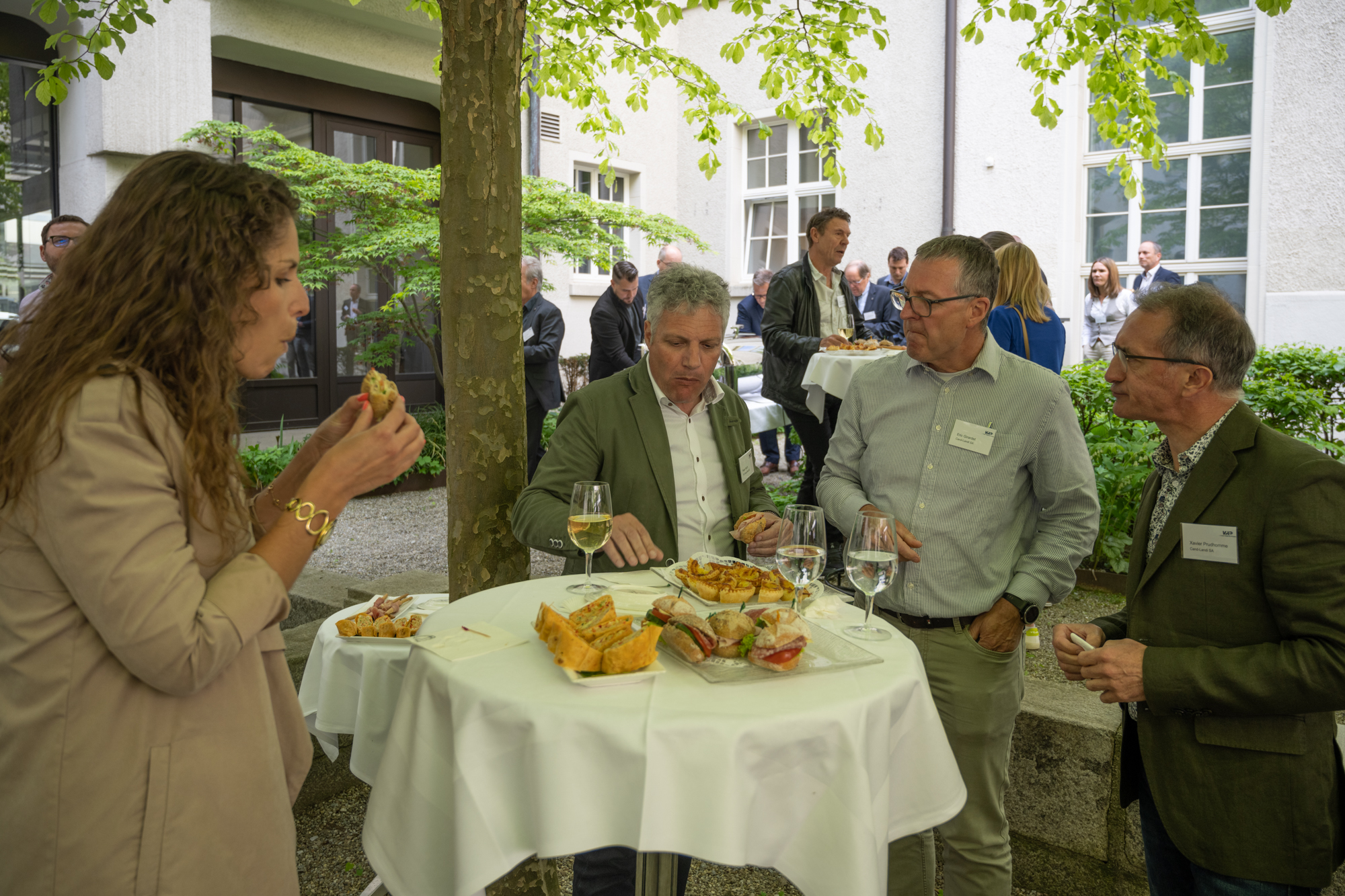
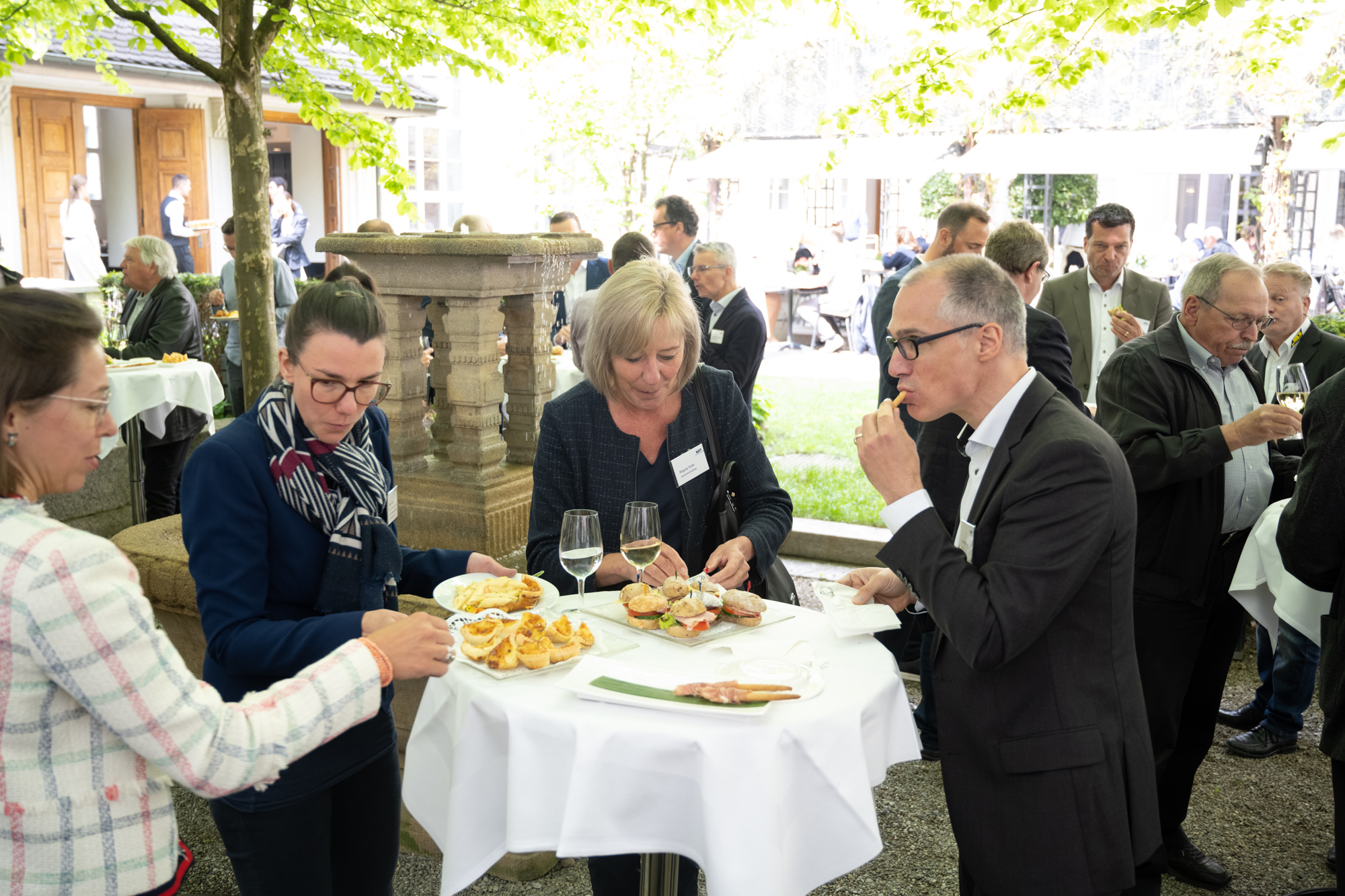

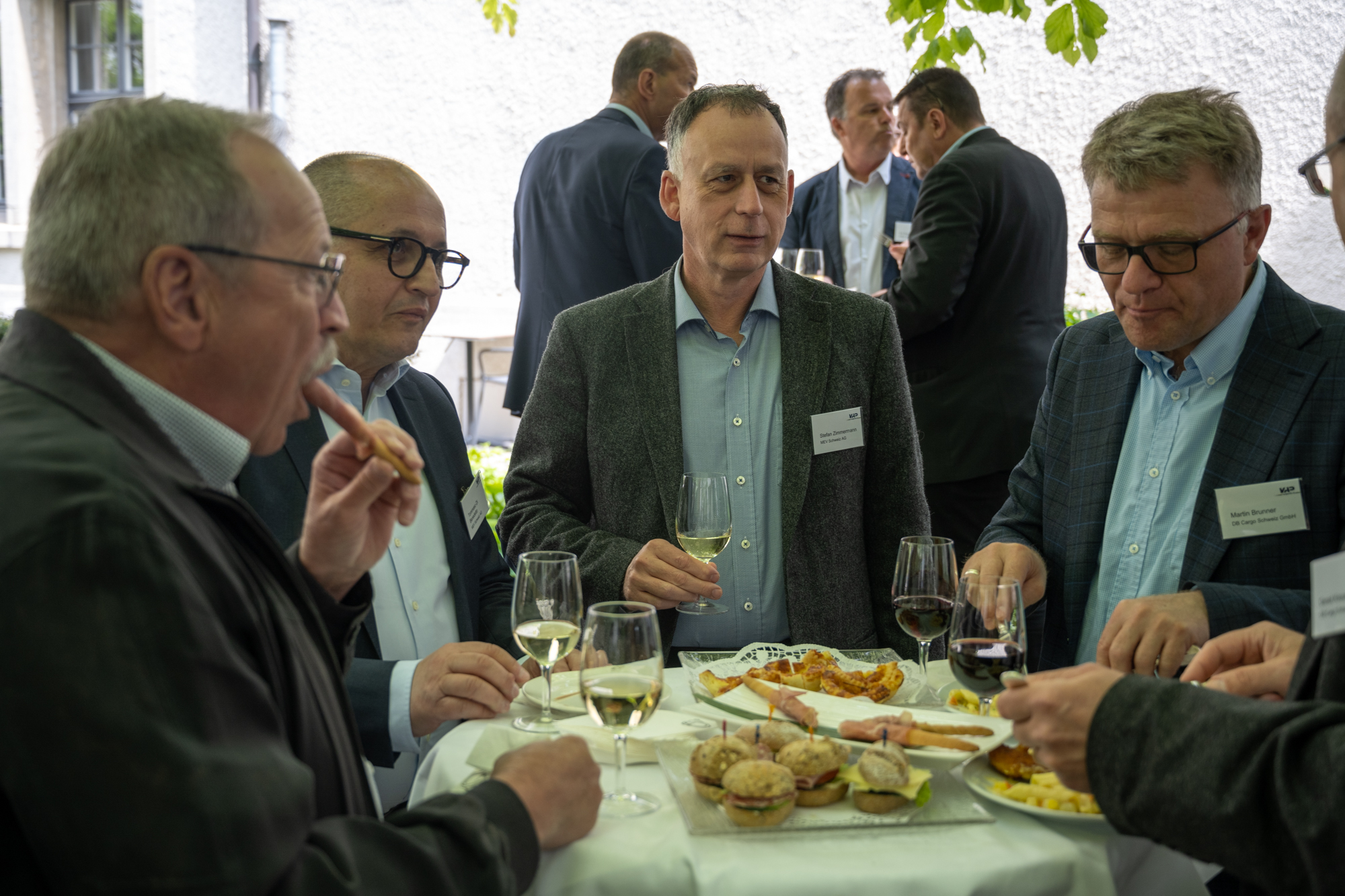
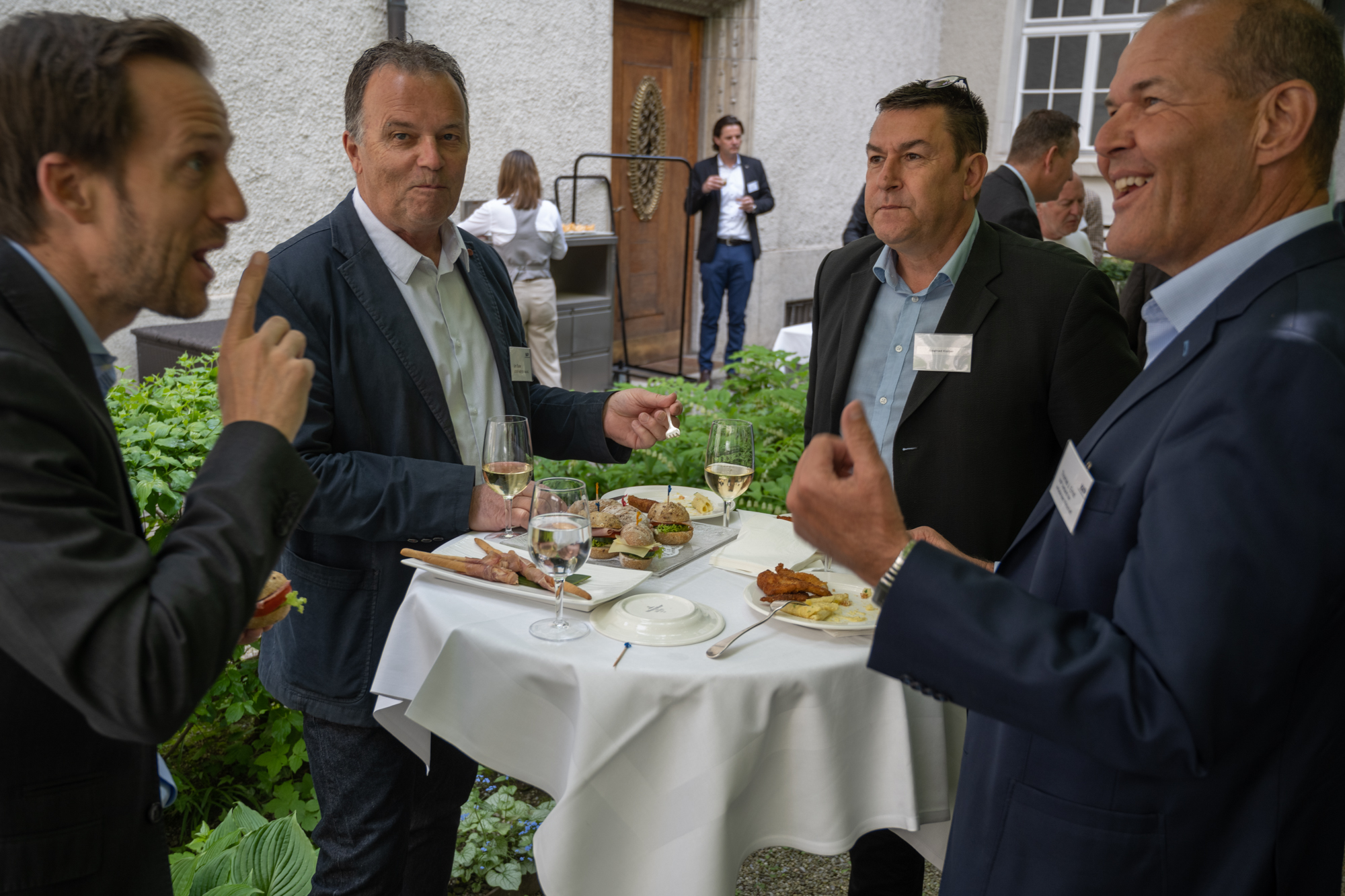
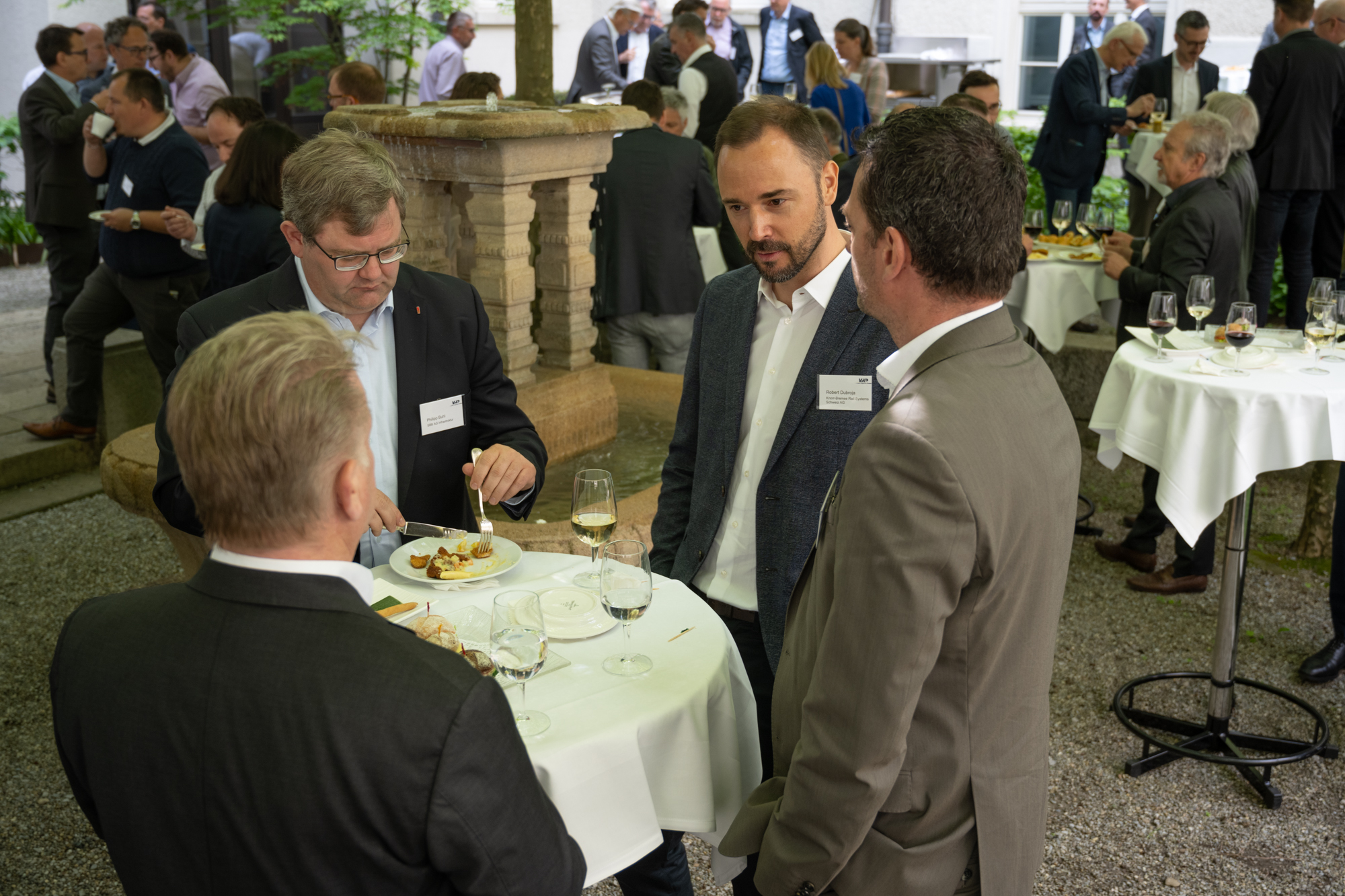
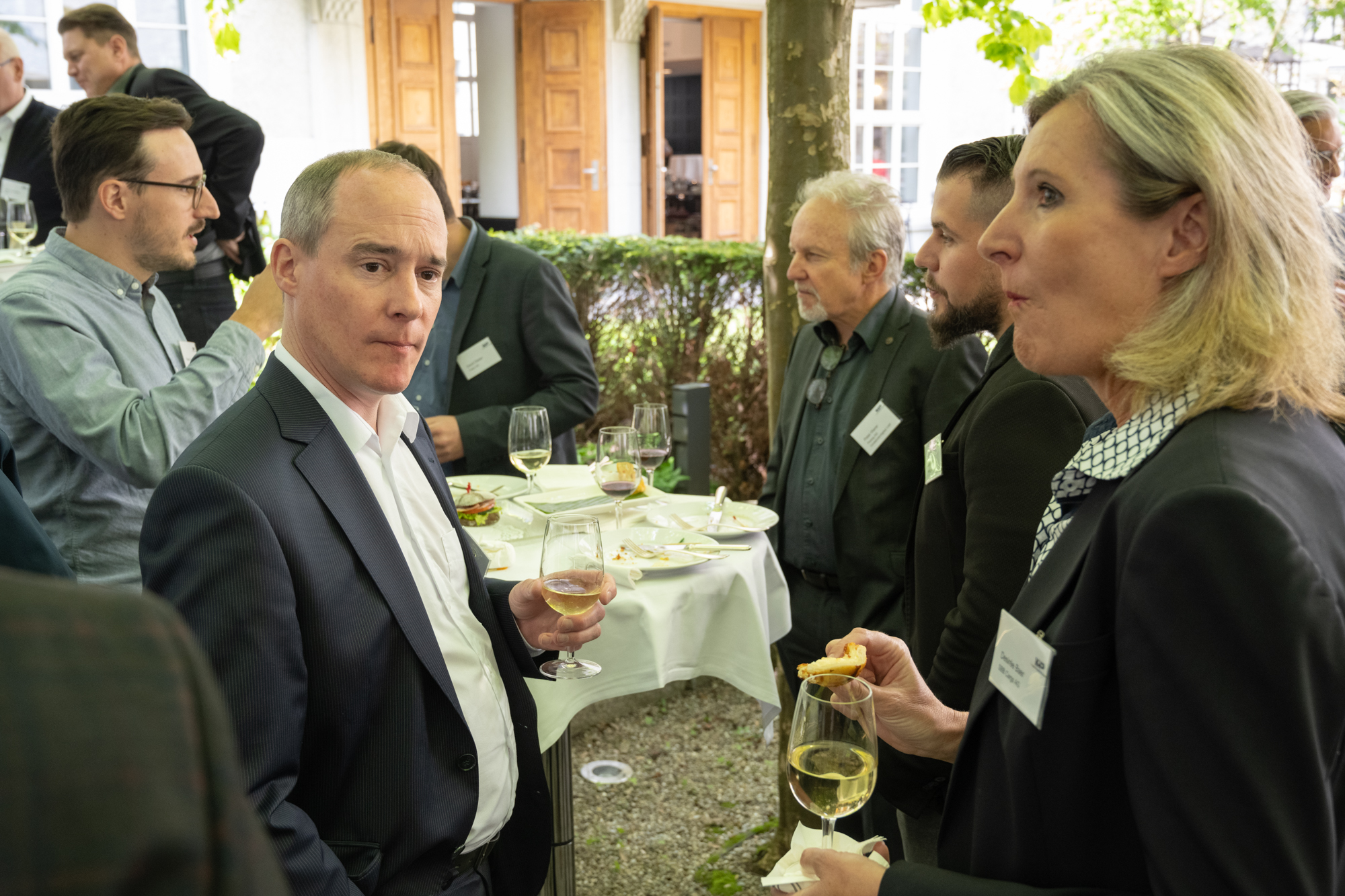

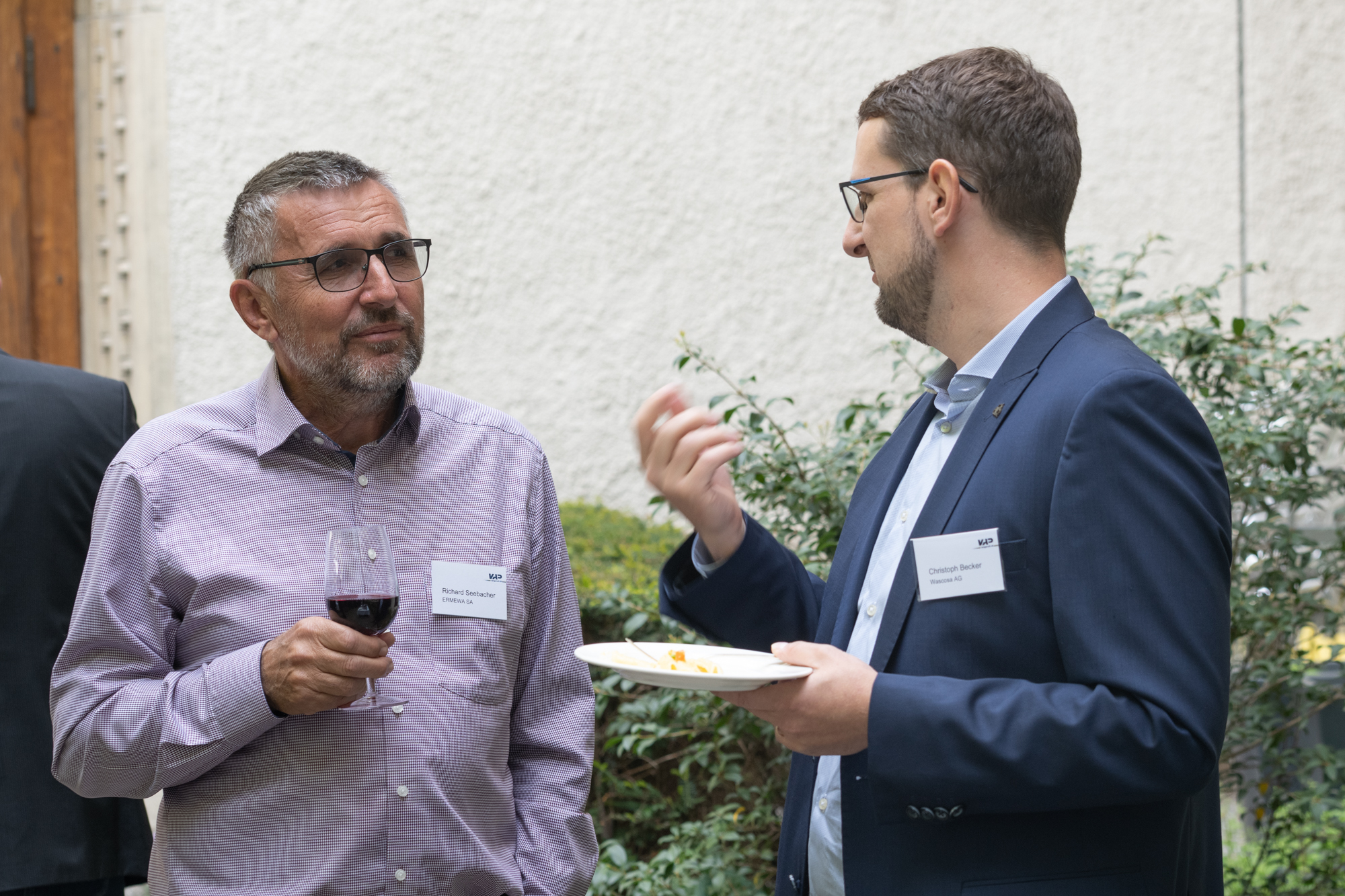
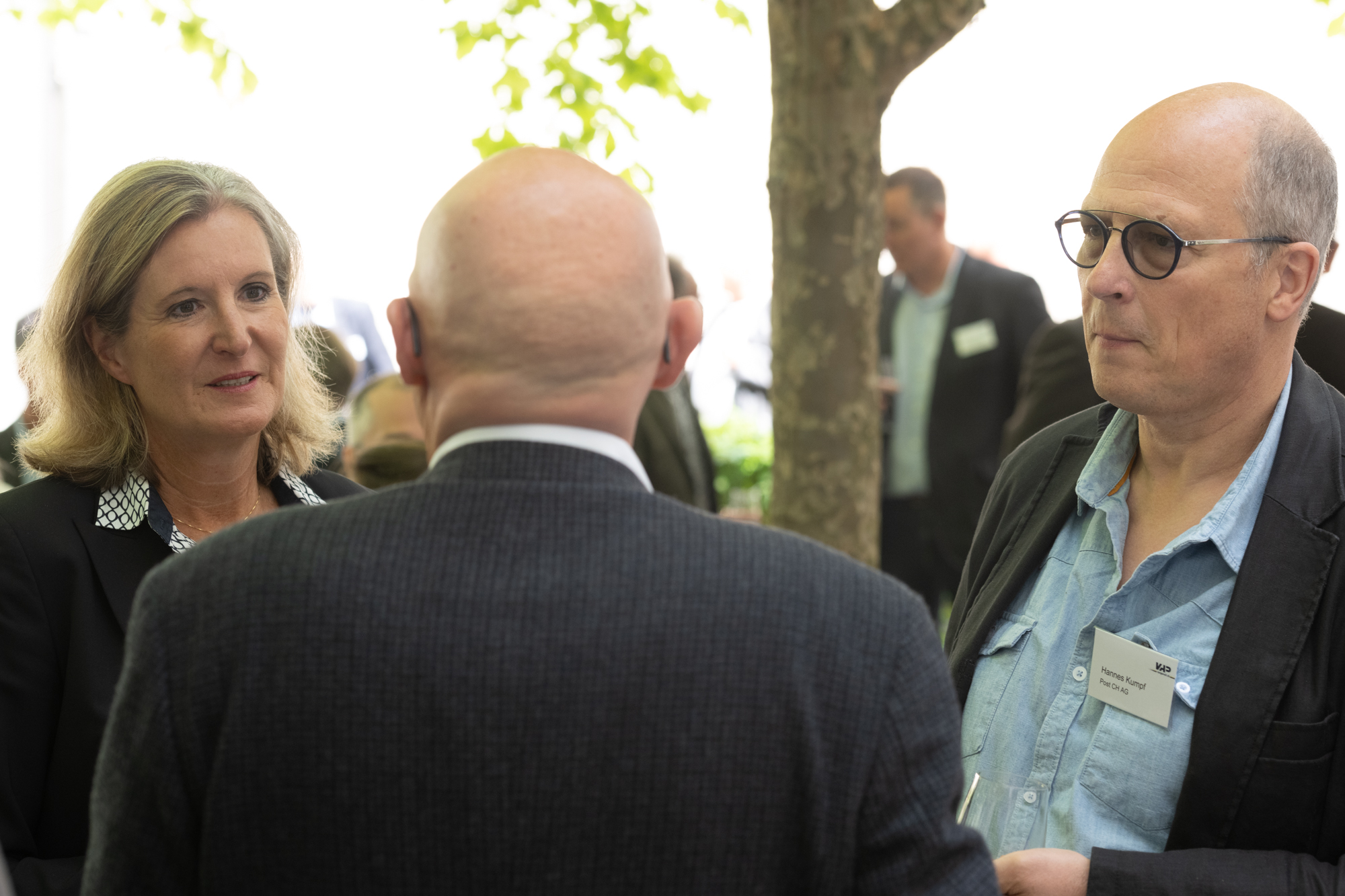

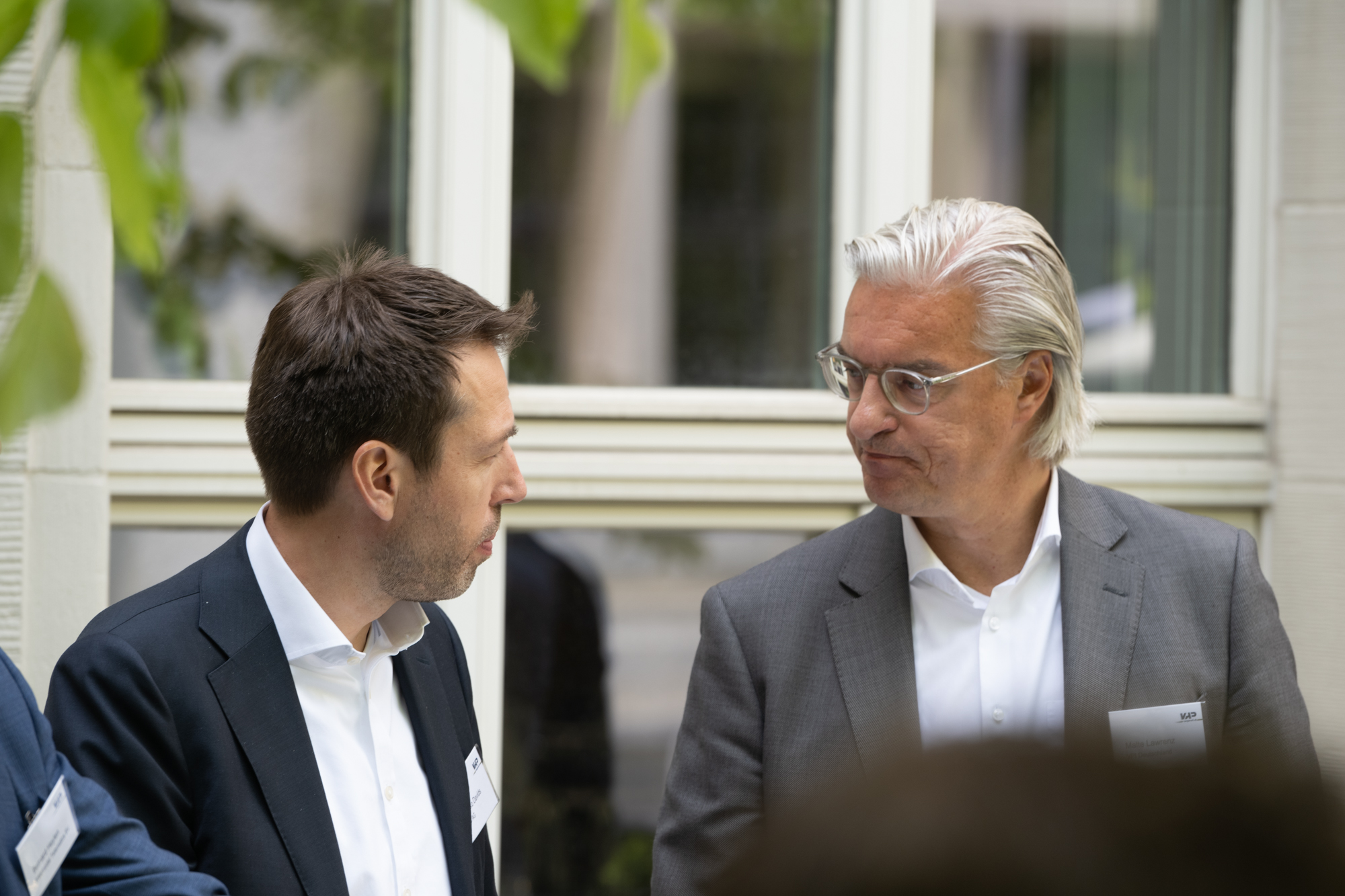
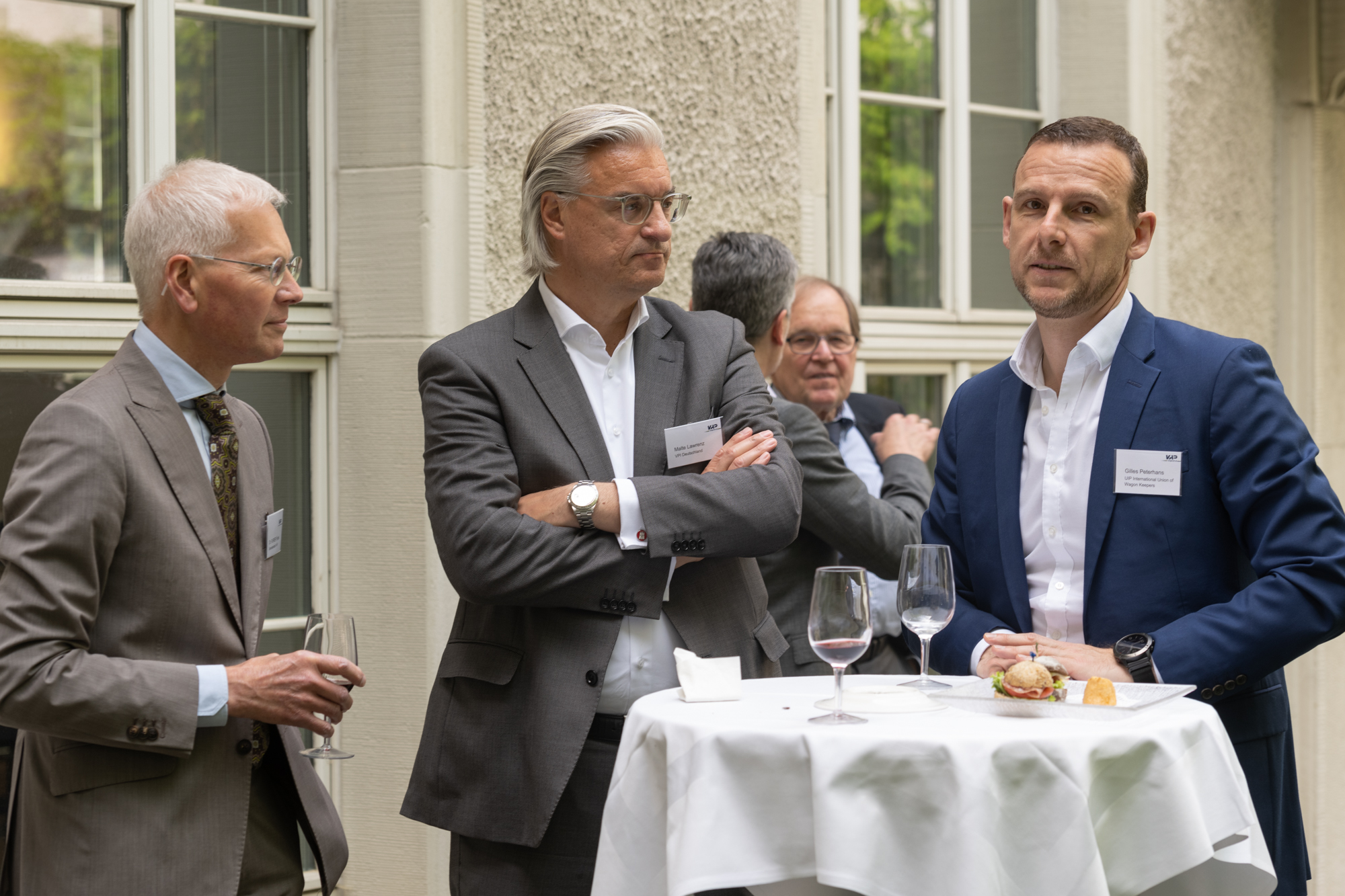

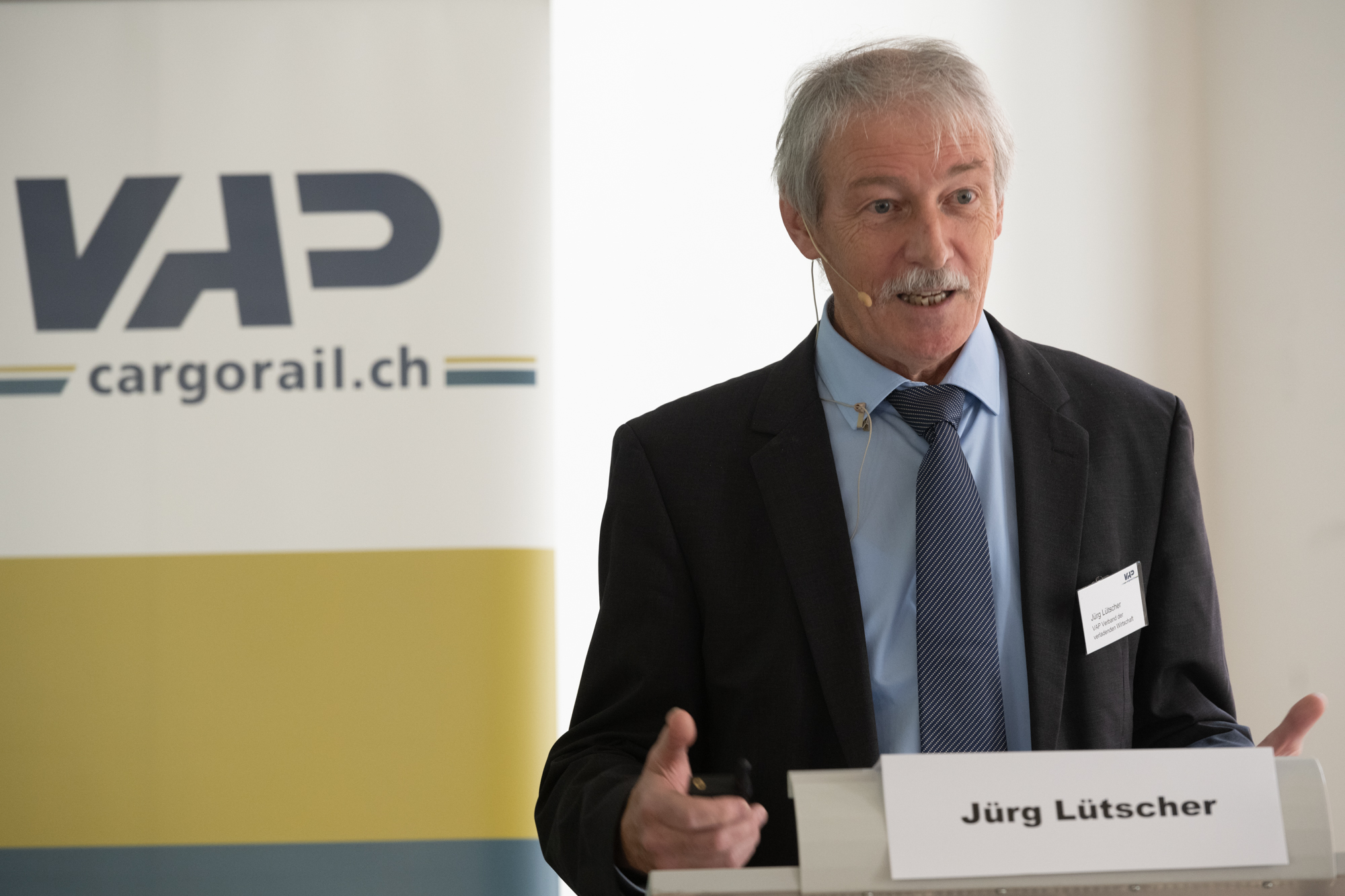
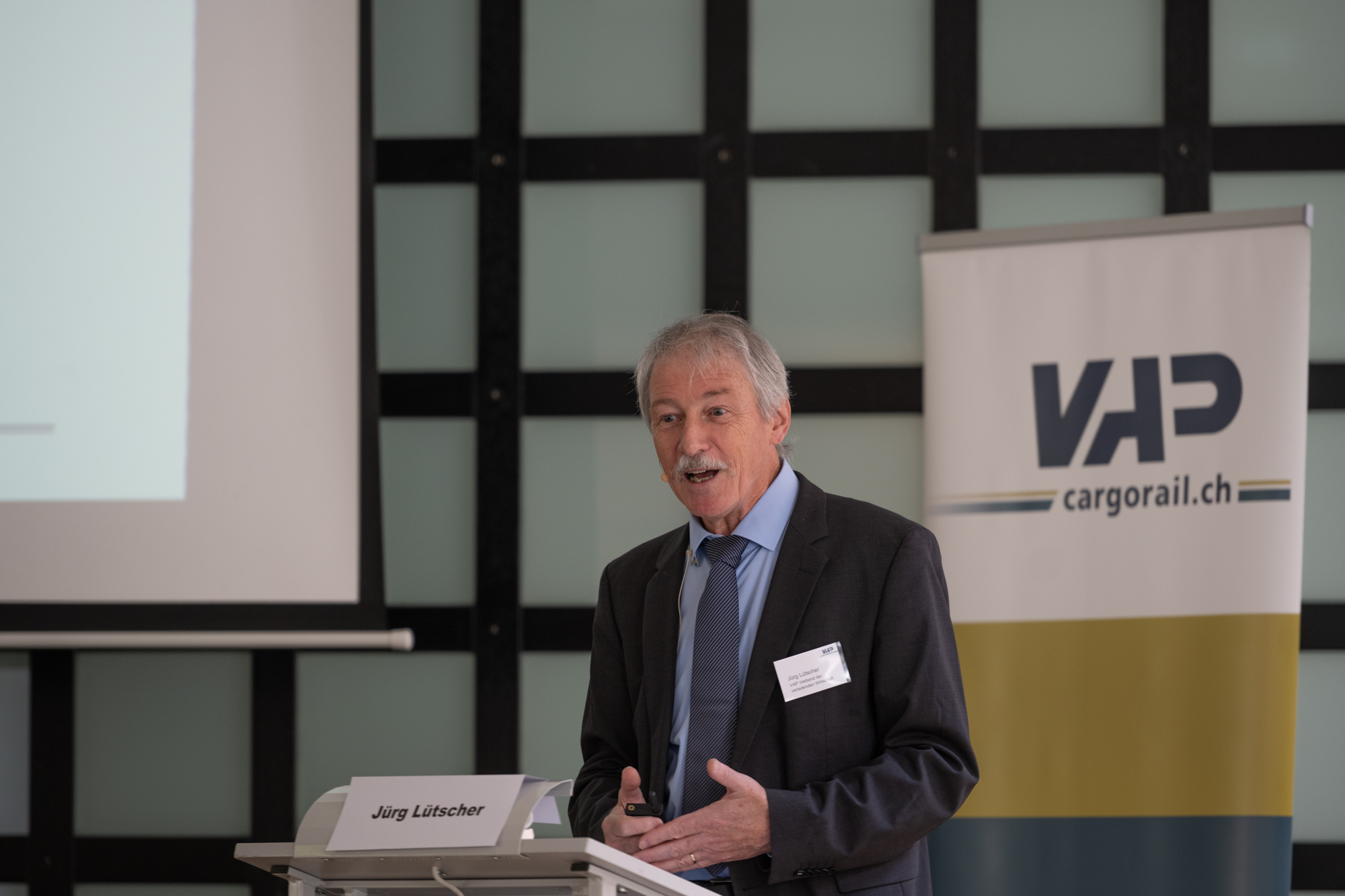
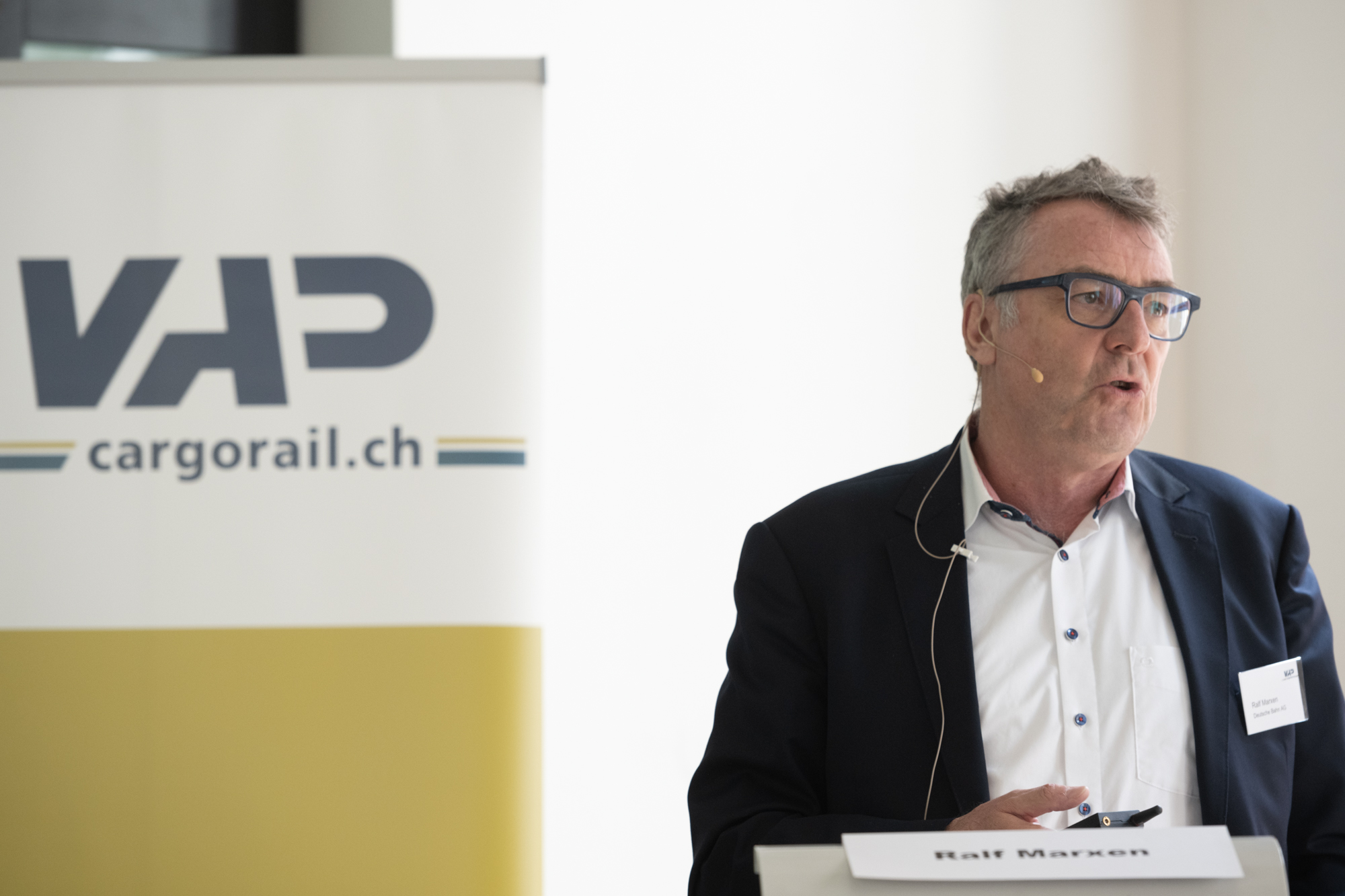
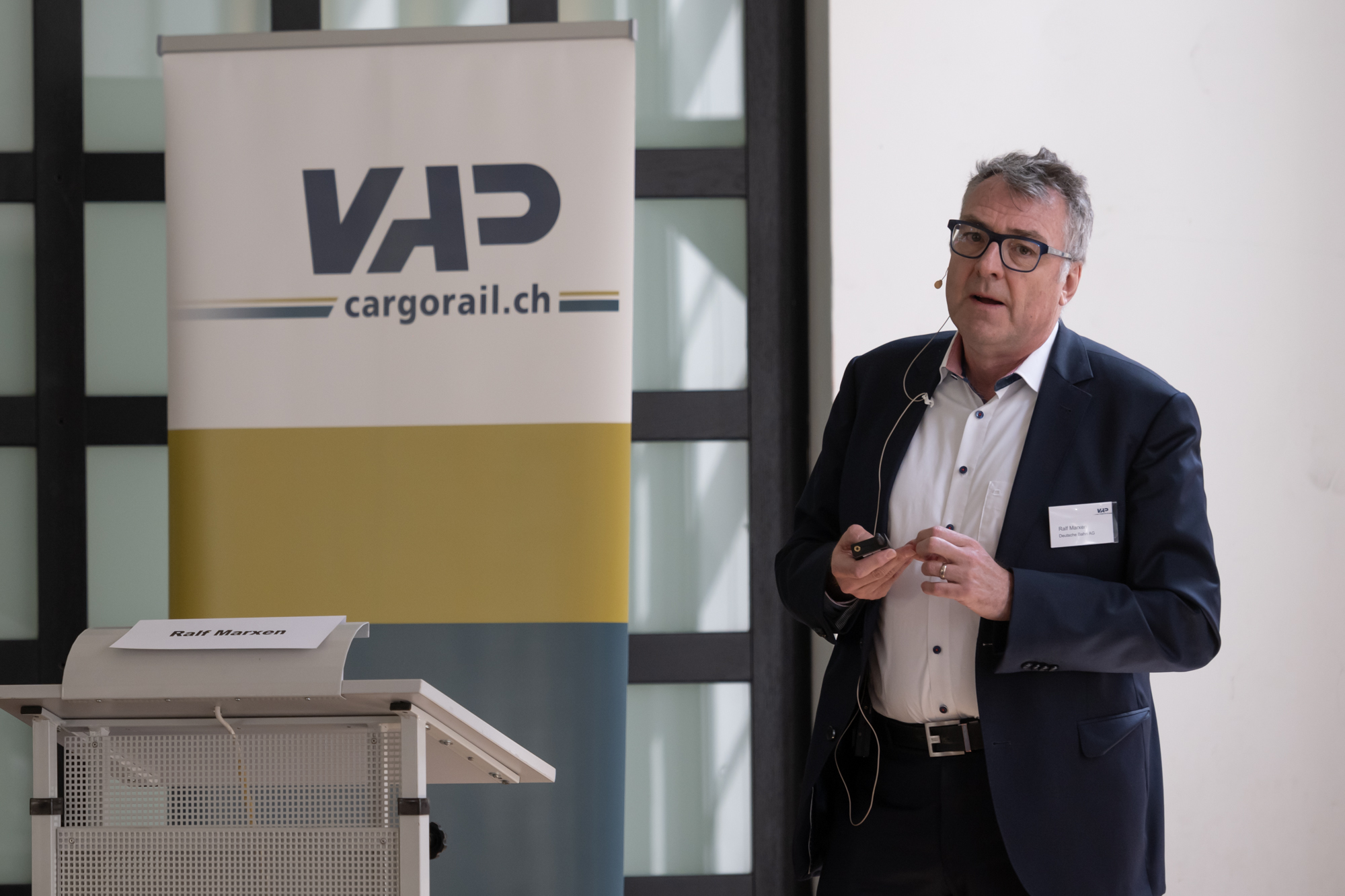
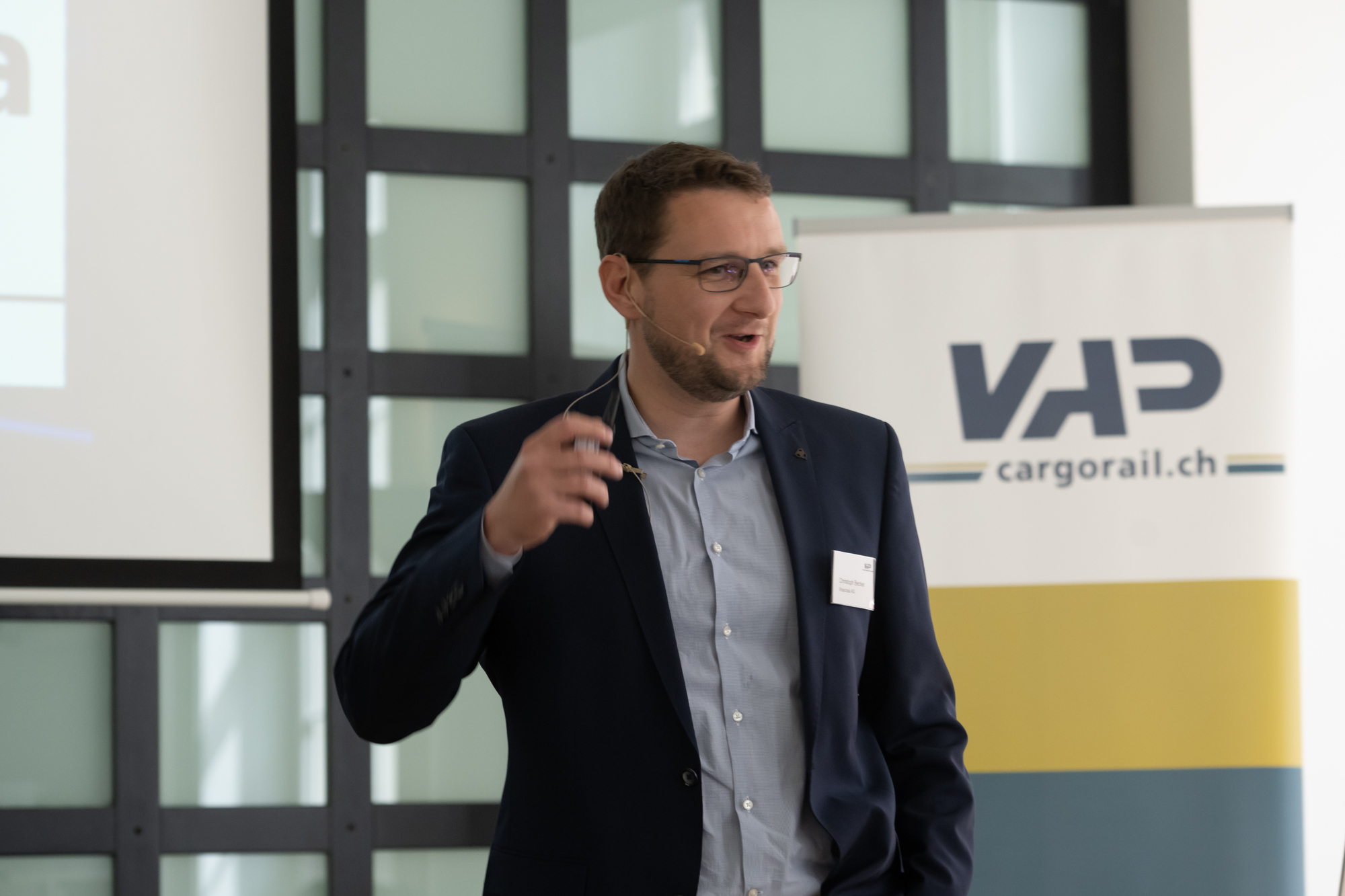
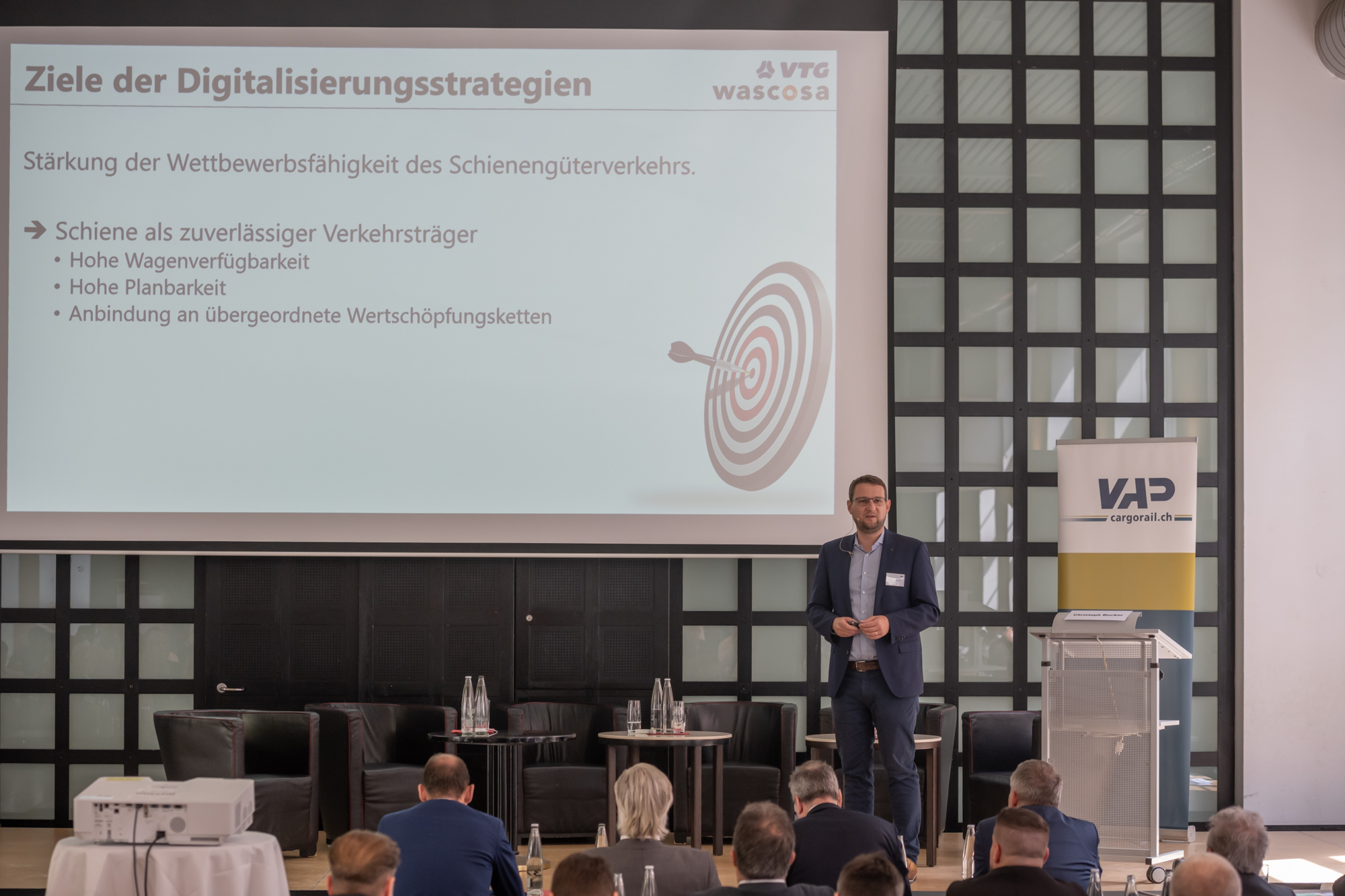
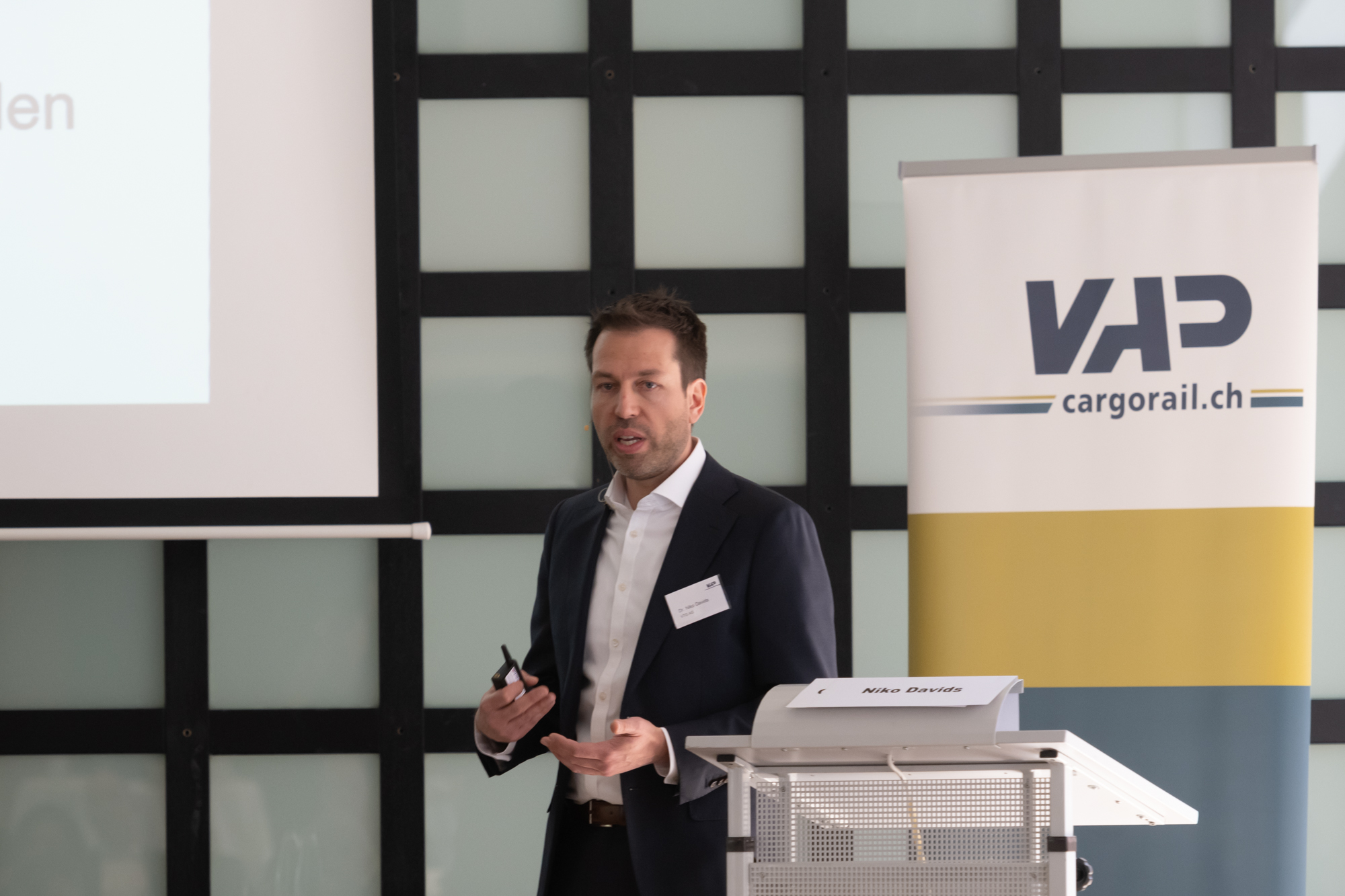
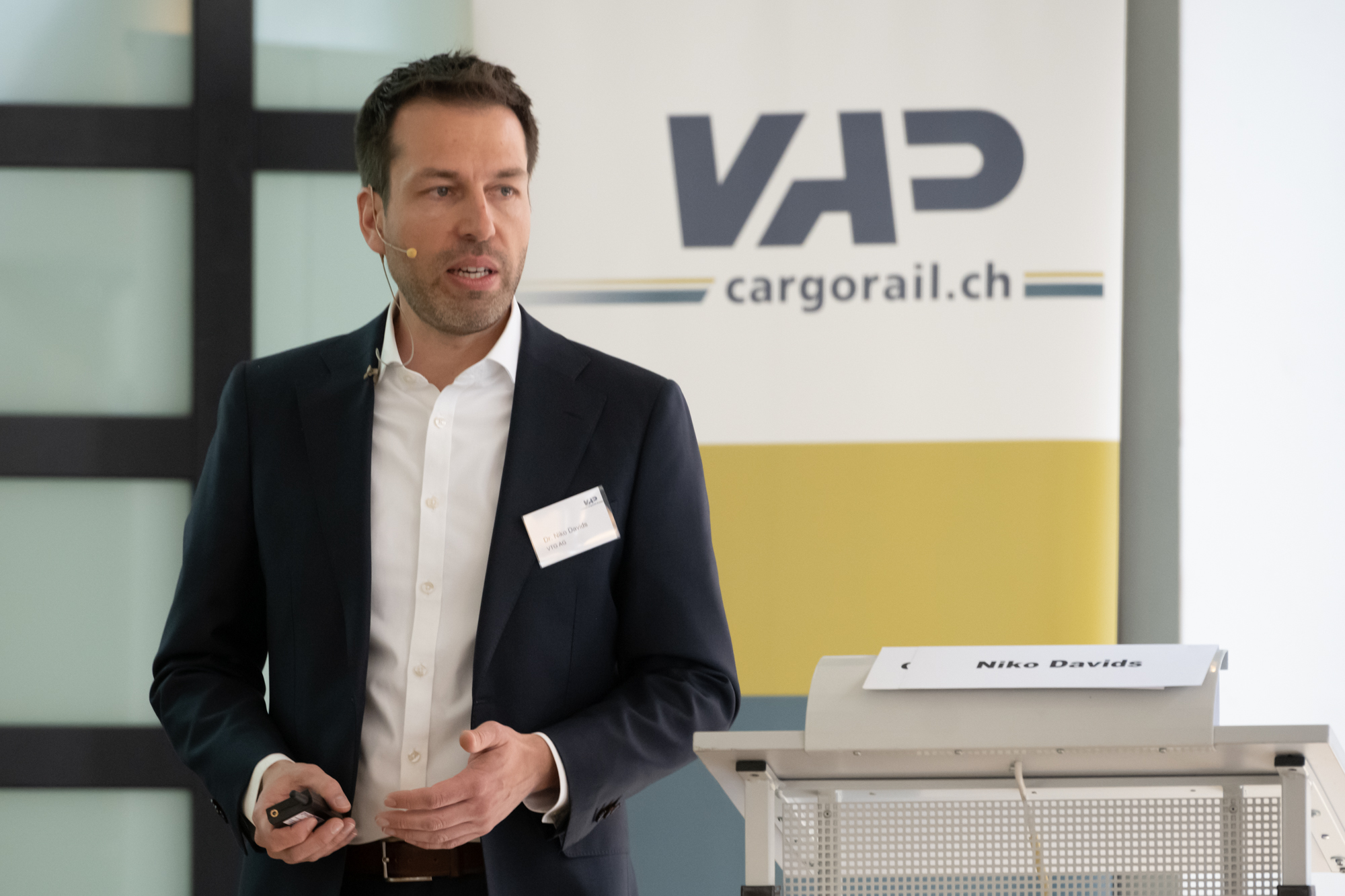
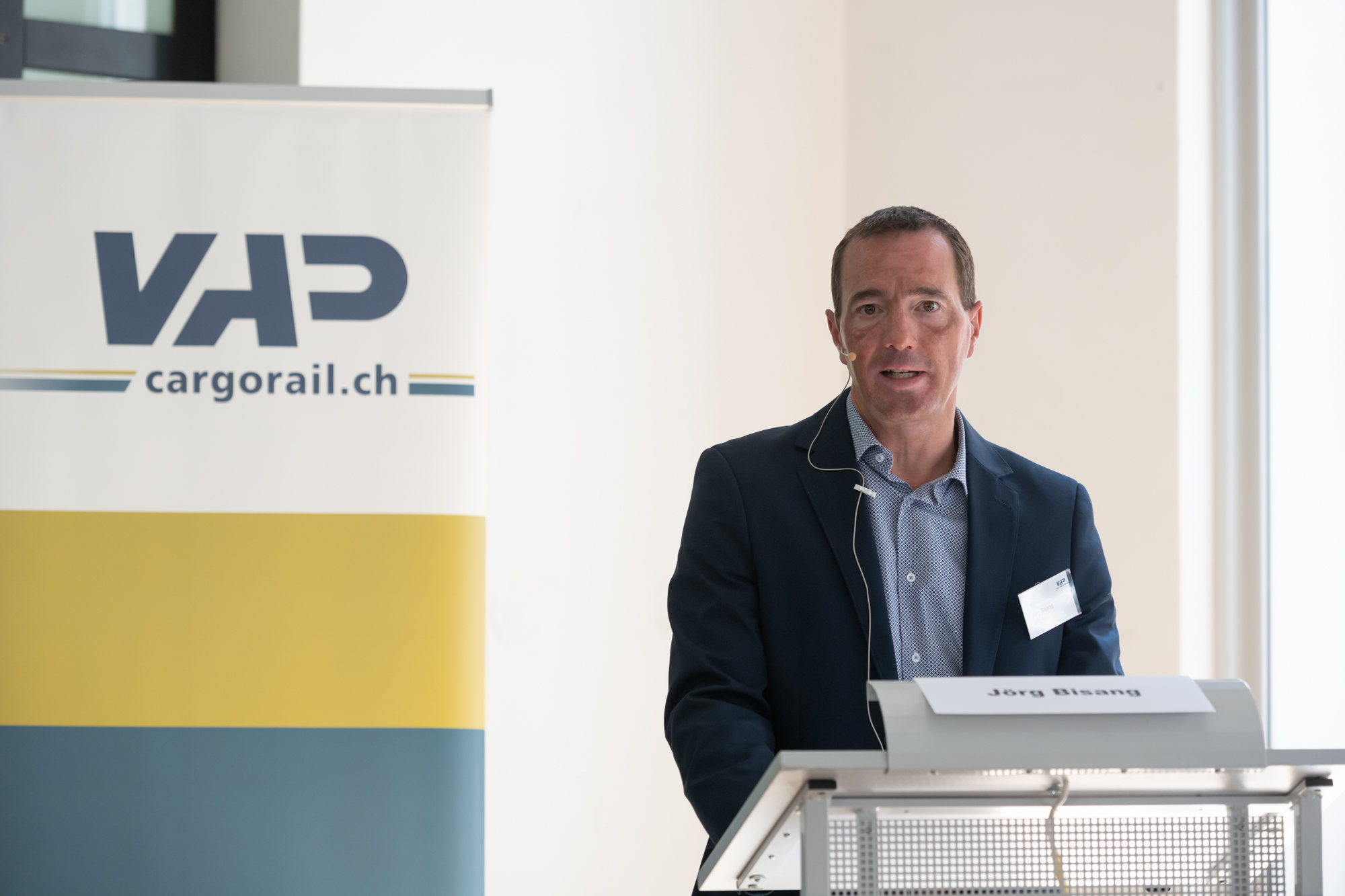
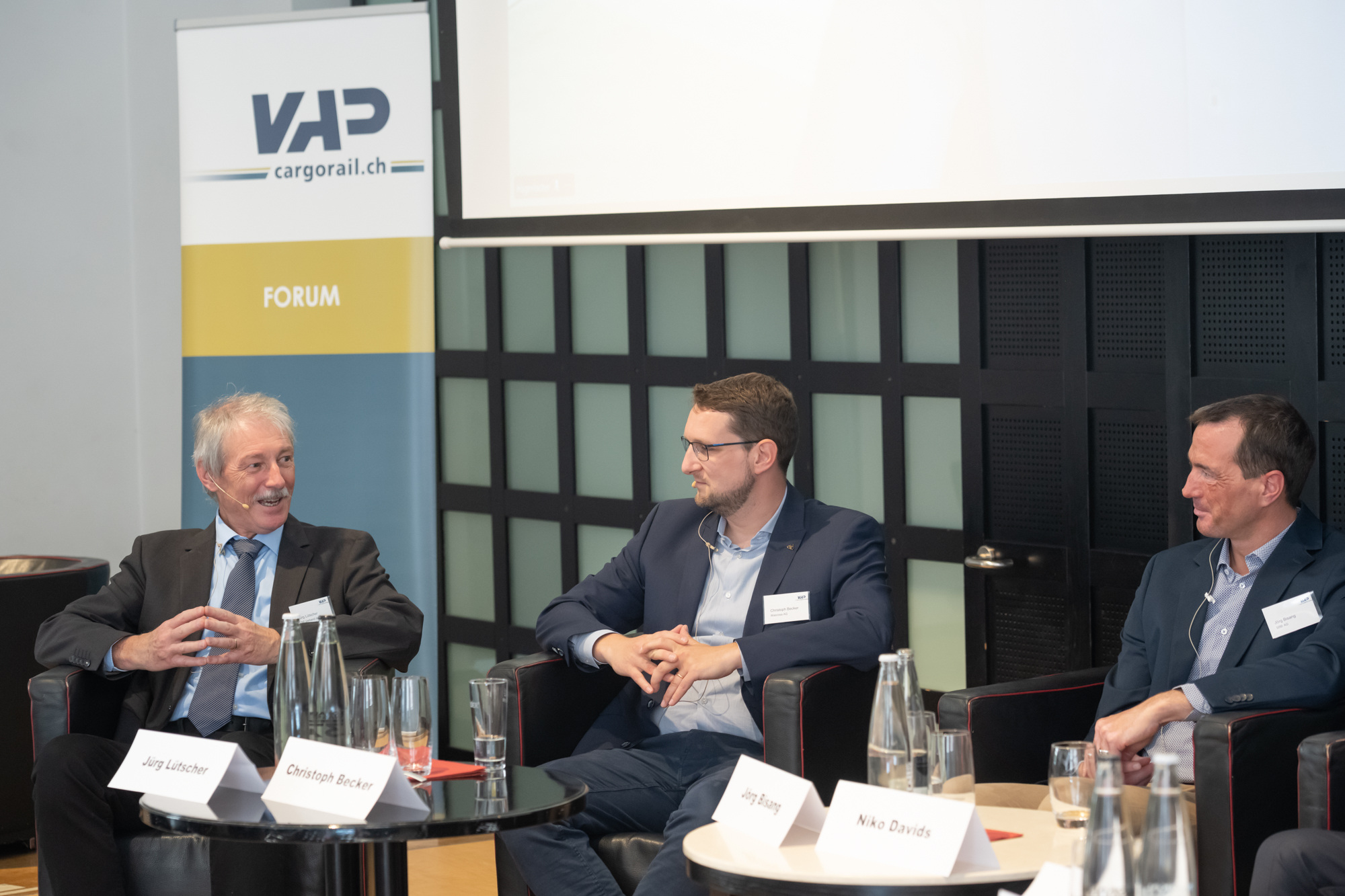
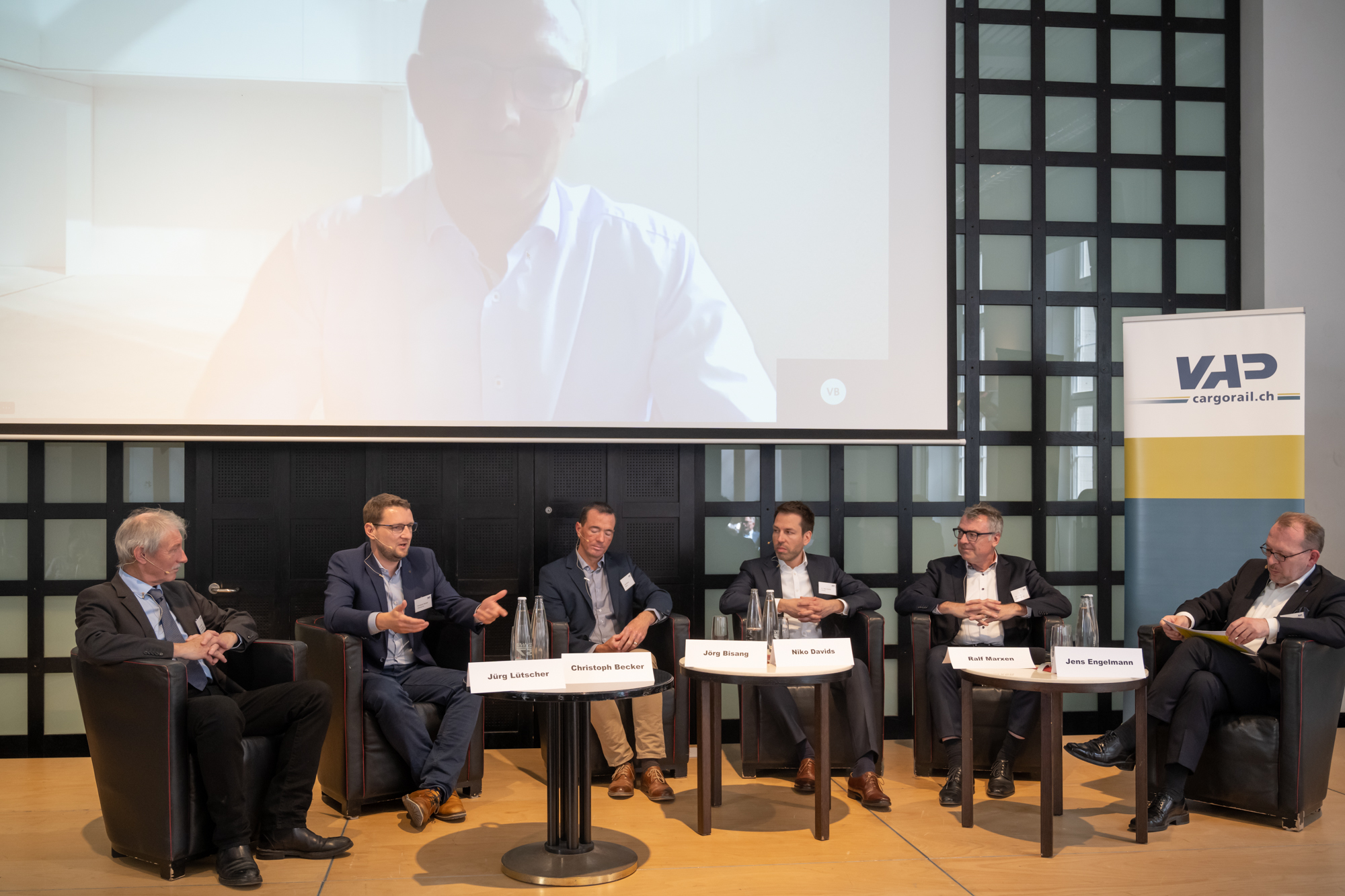
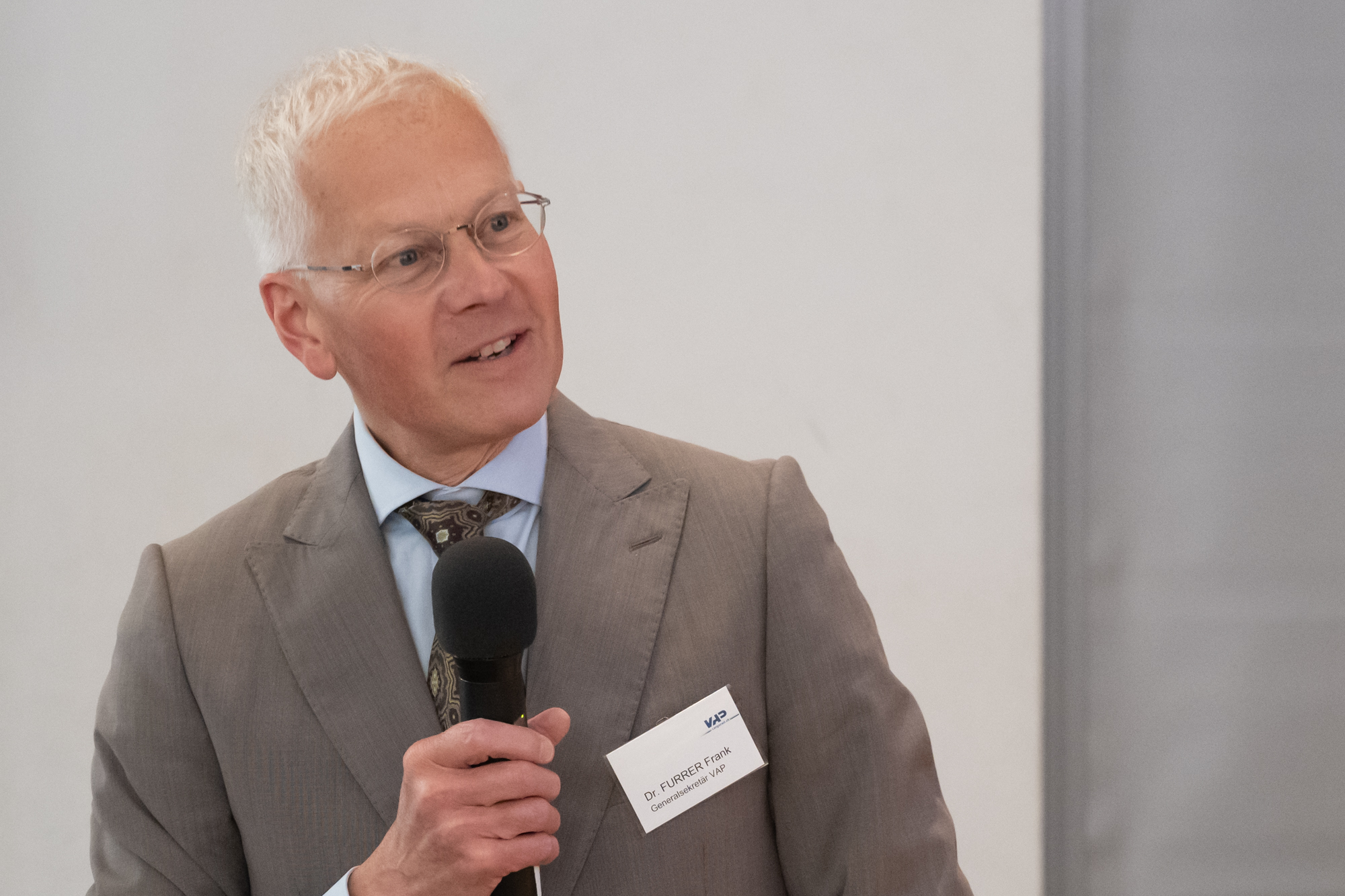
The course of the forum in detail
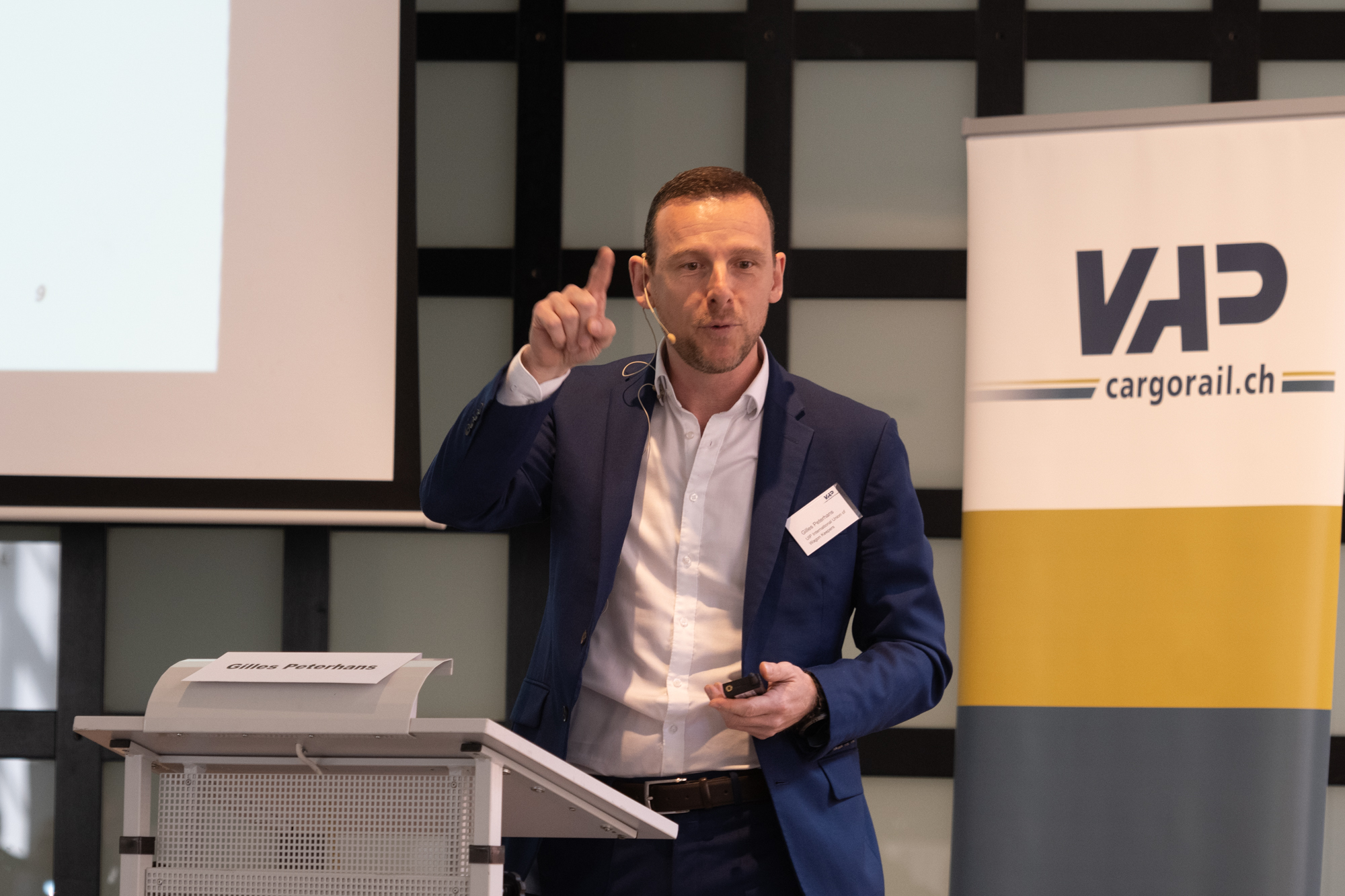
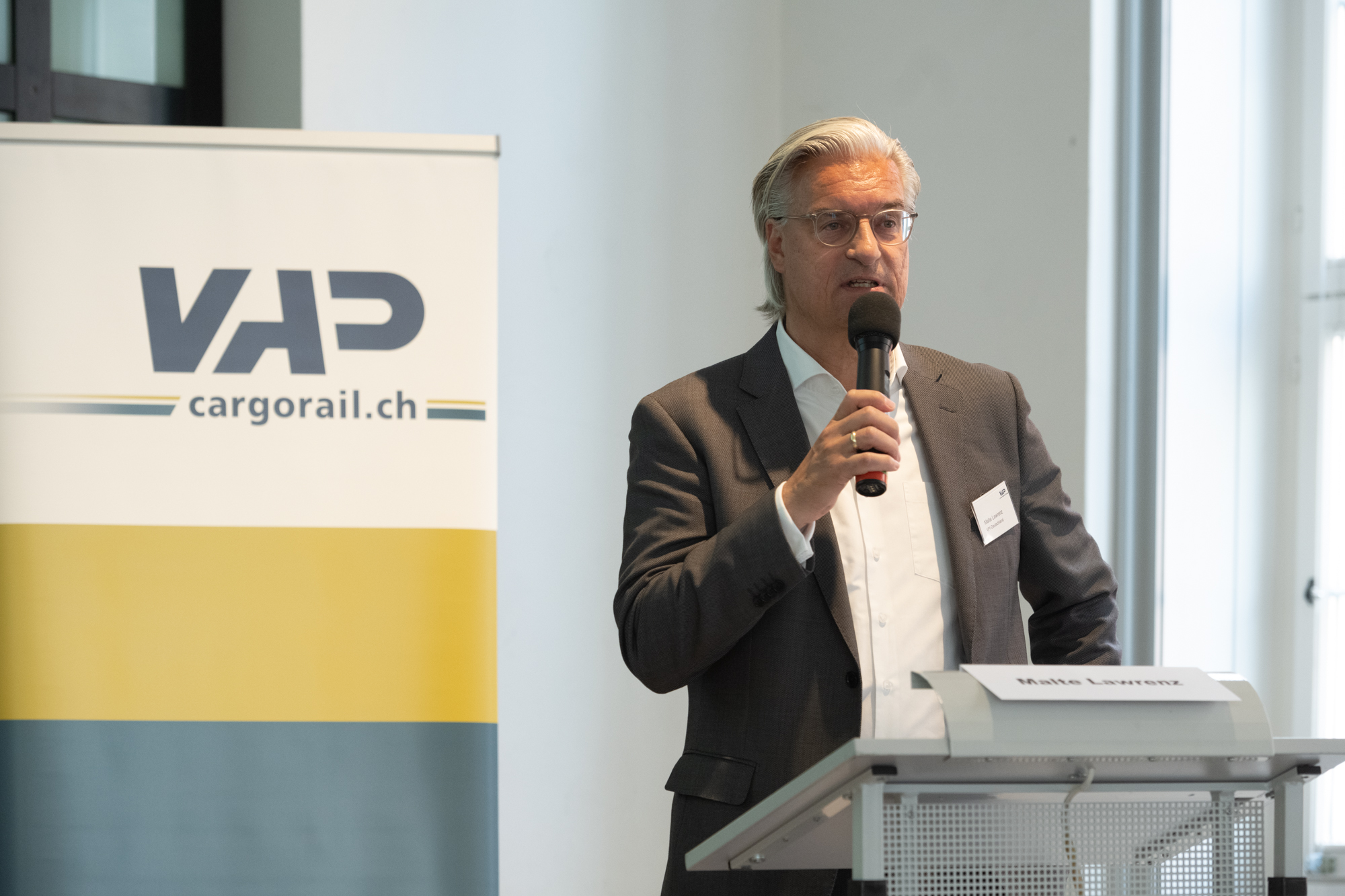
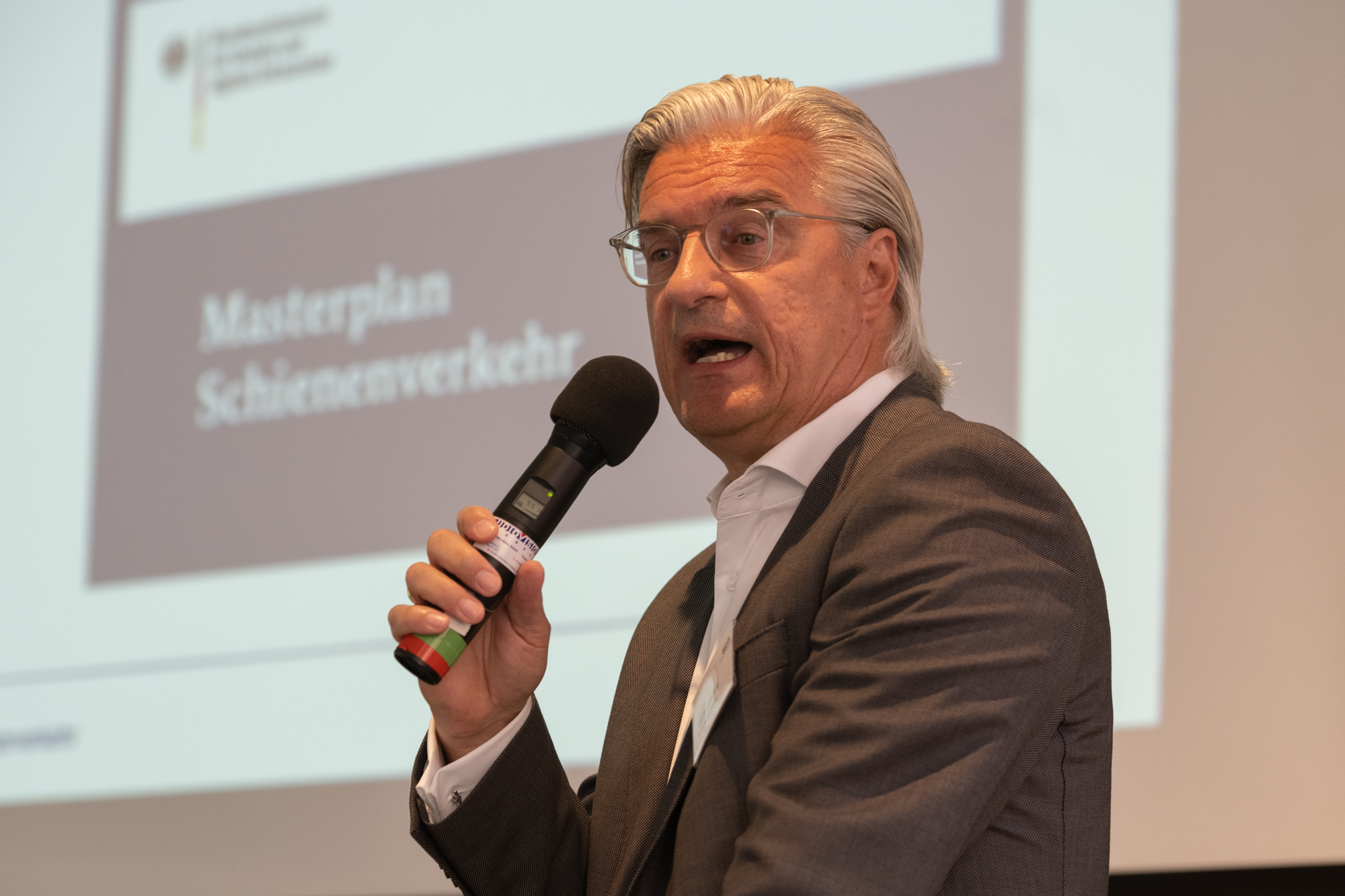
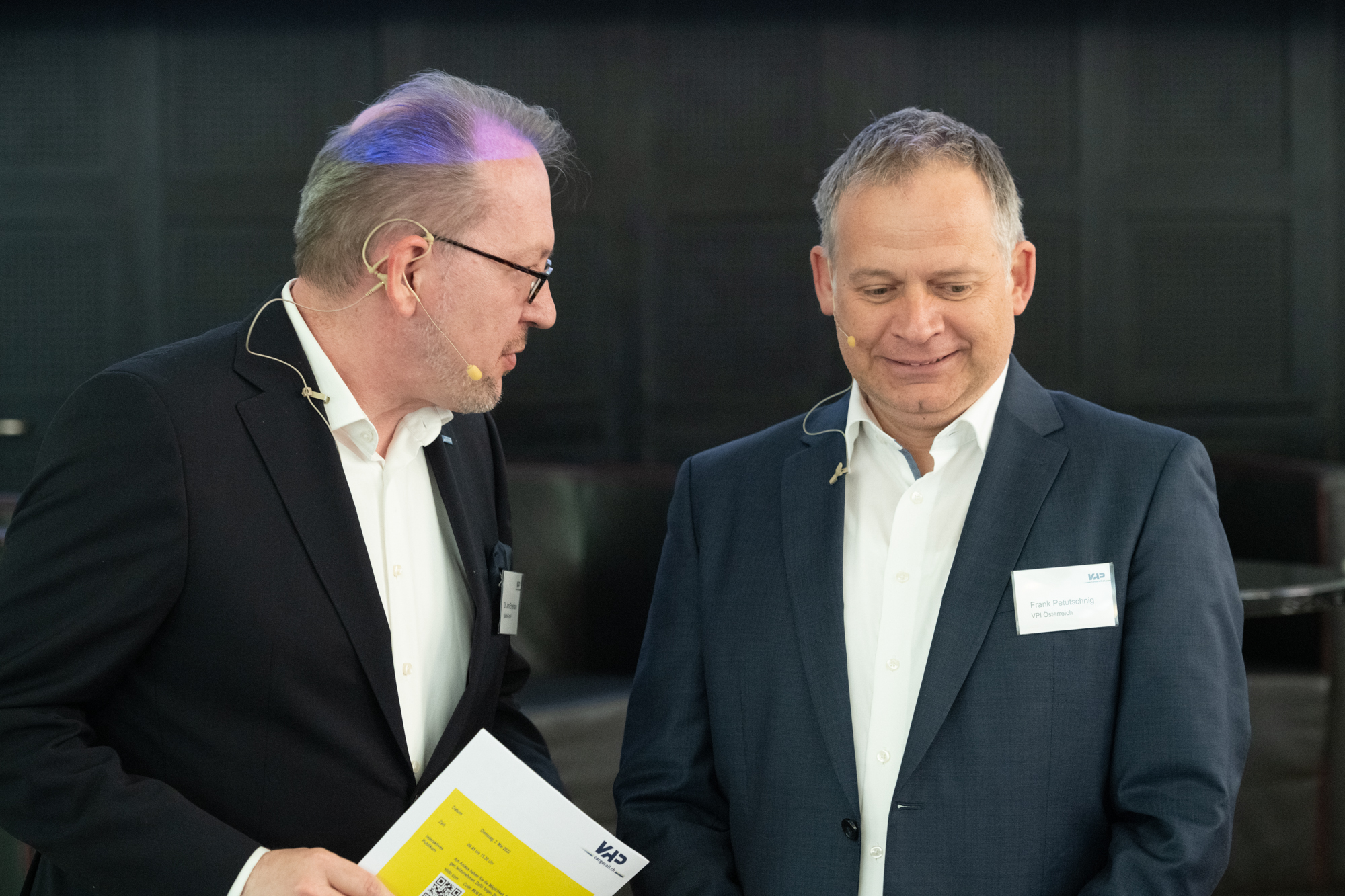
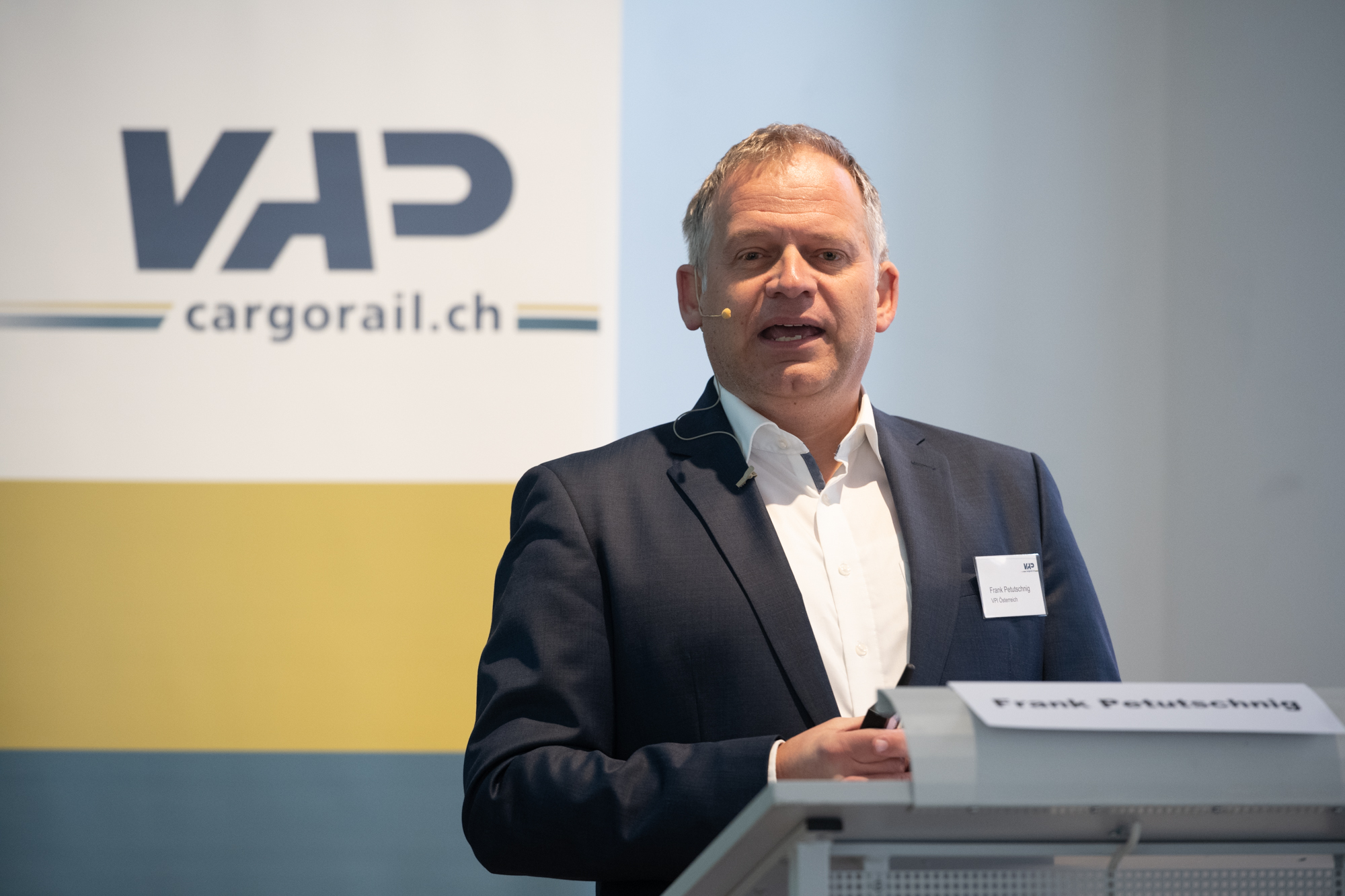
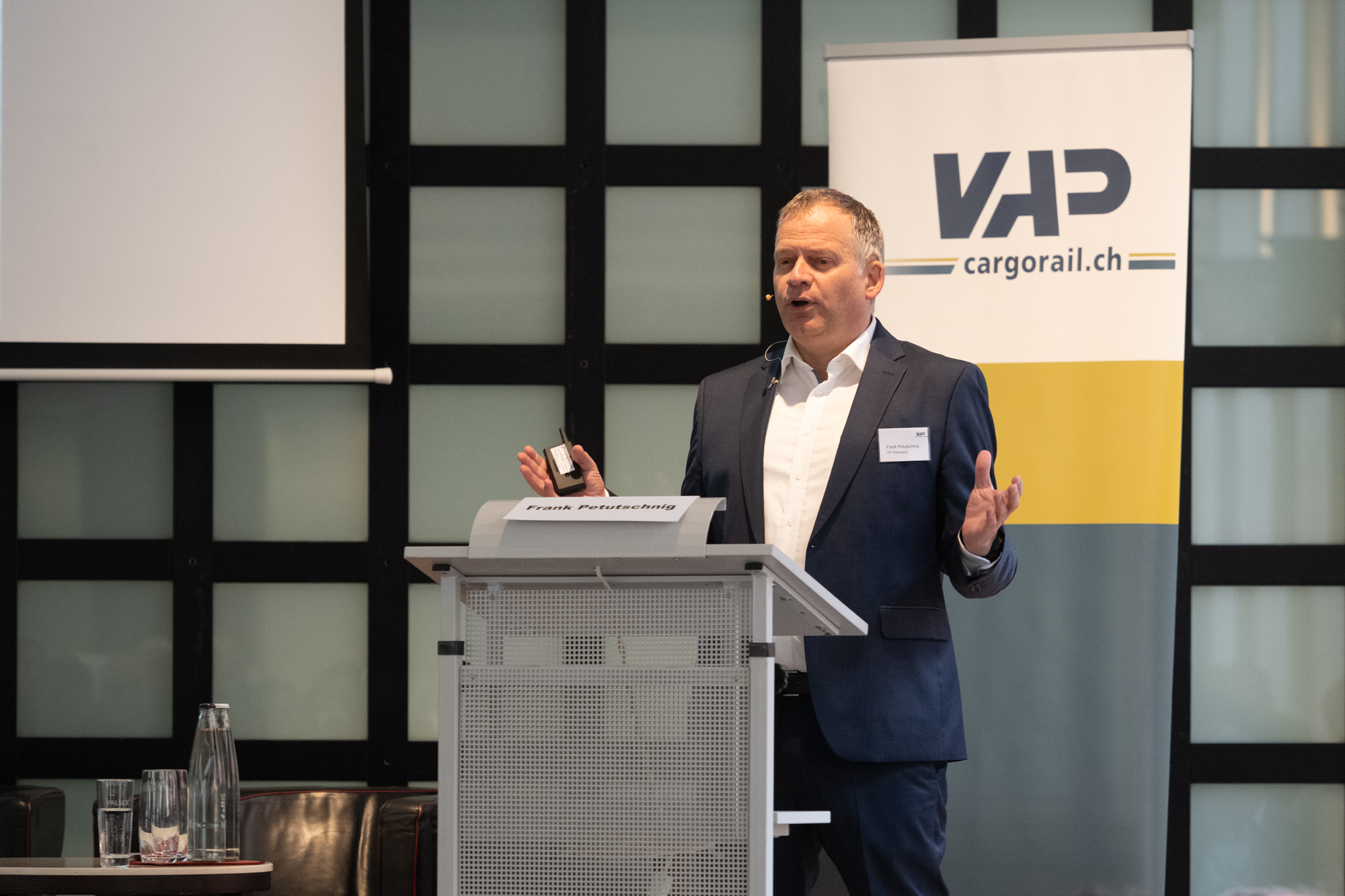
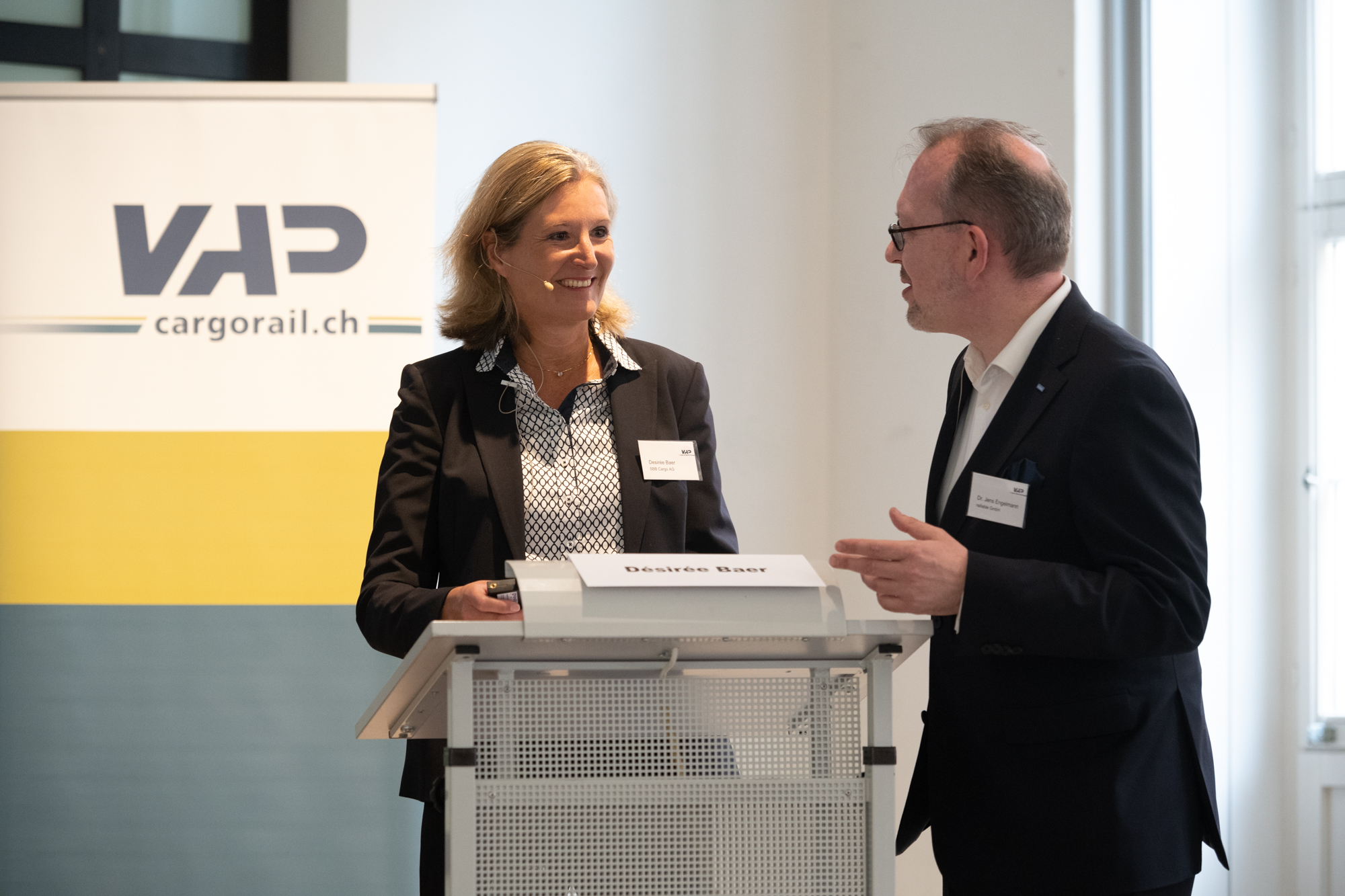
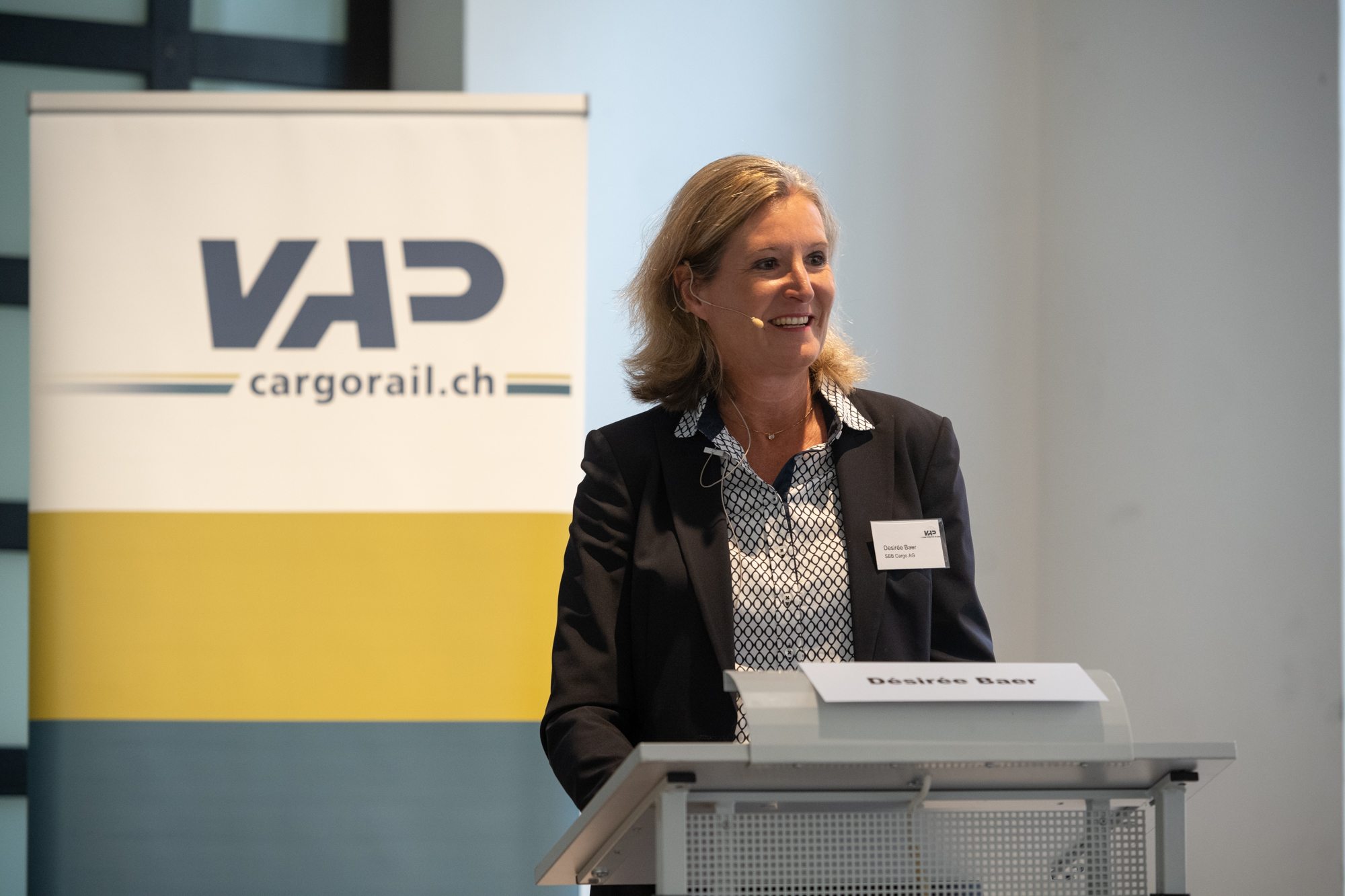
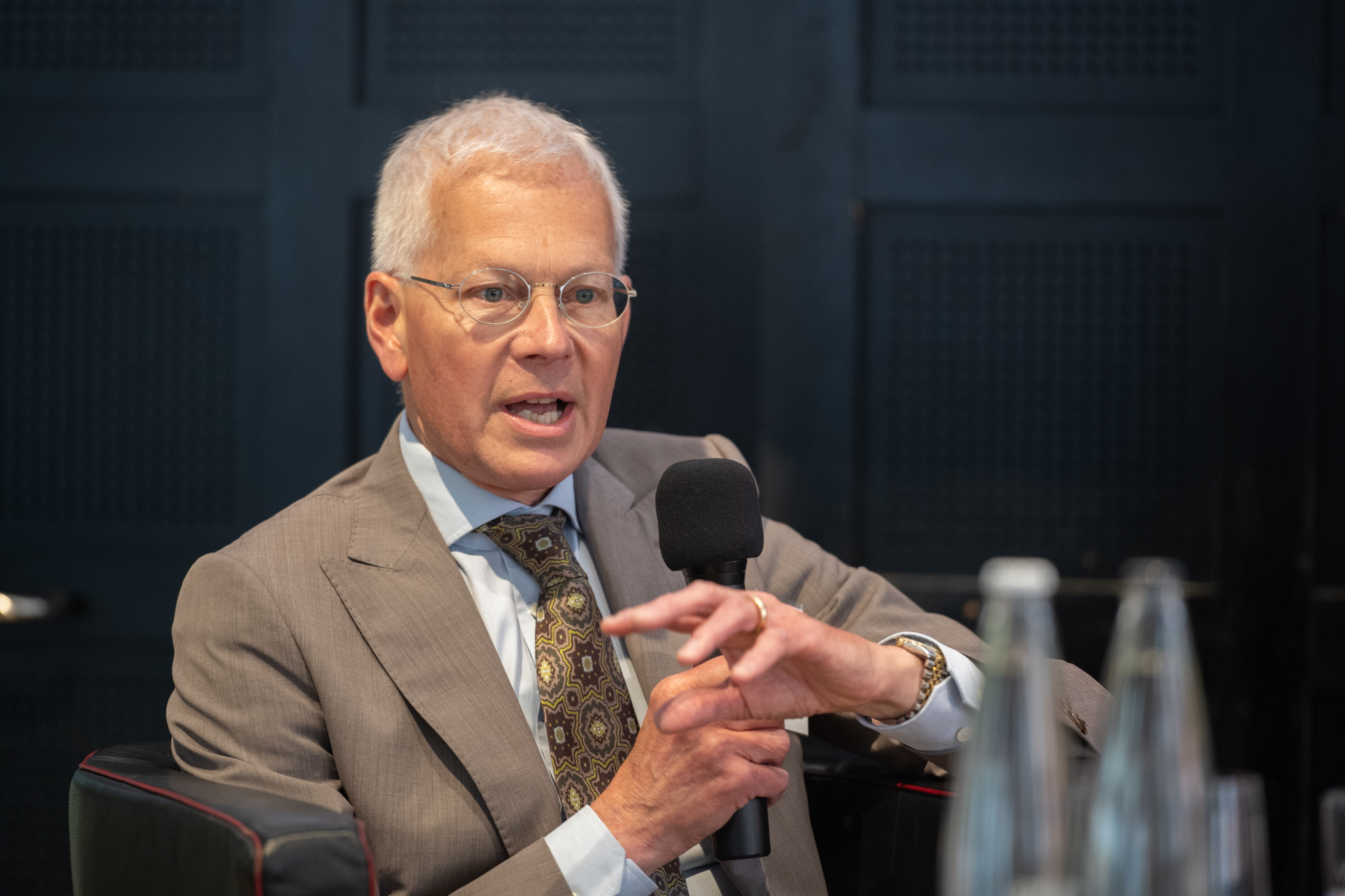
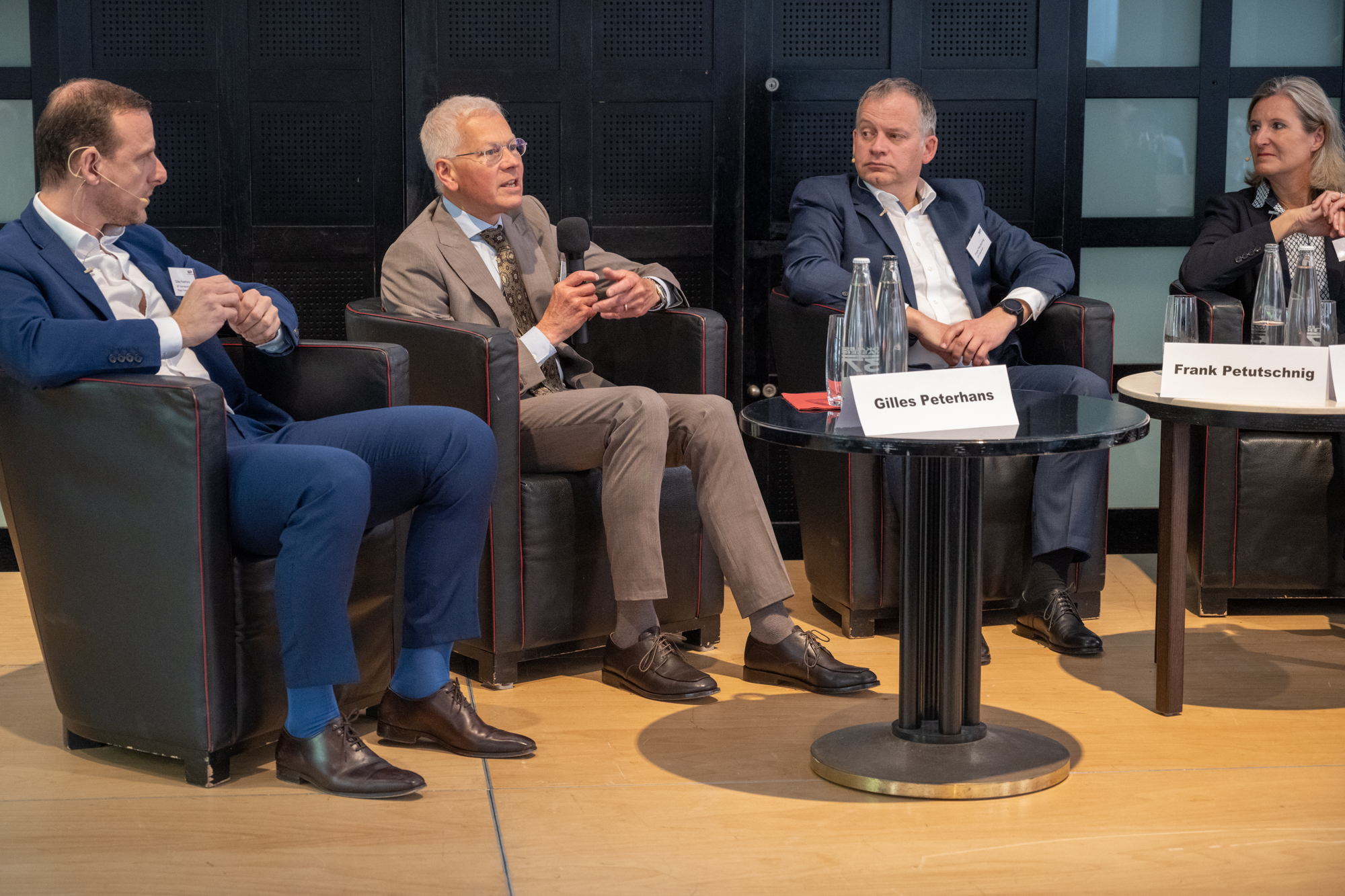
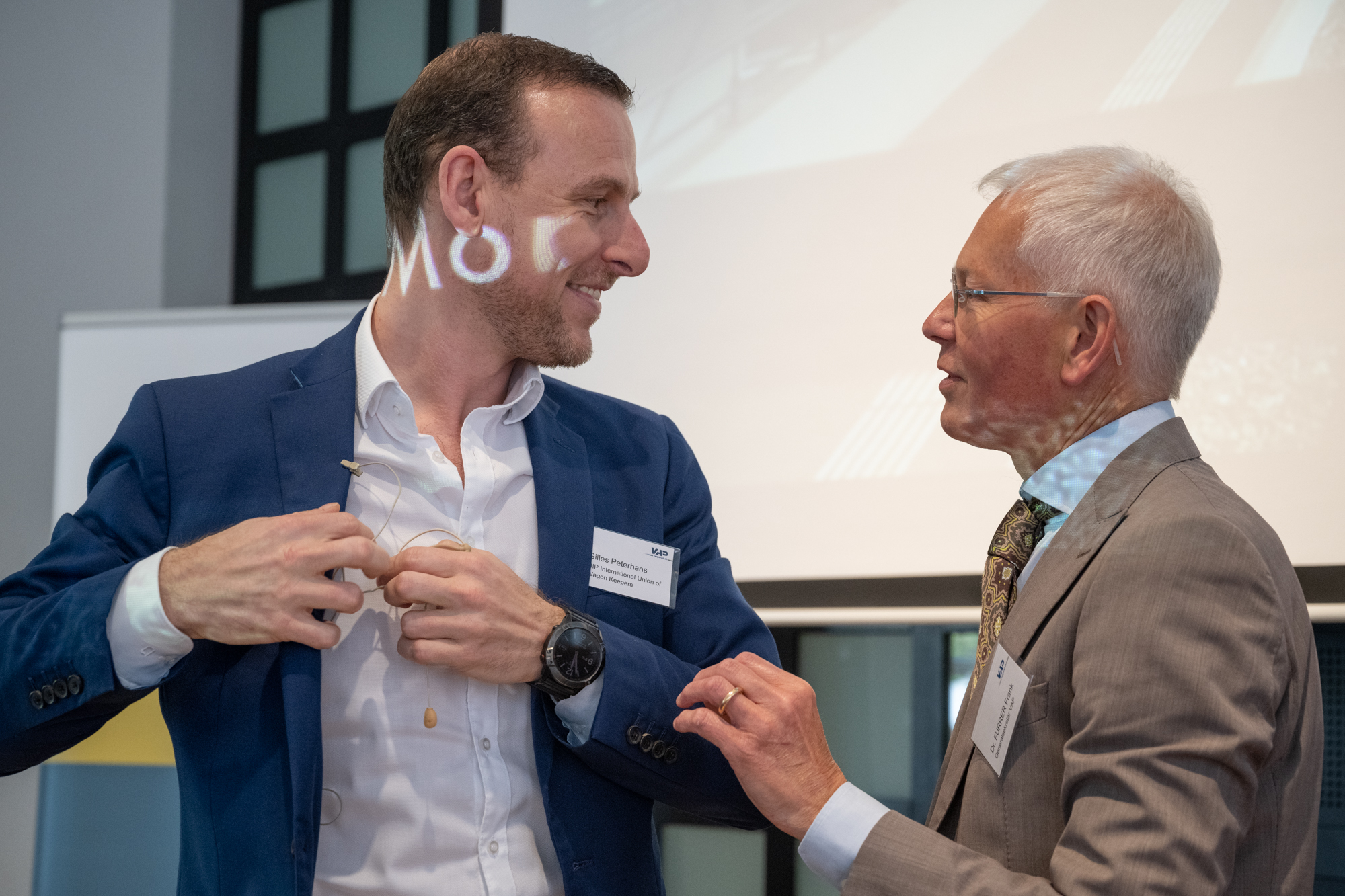
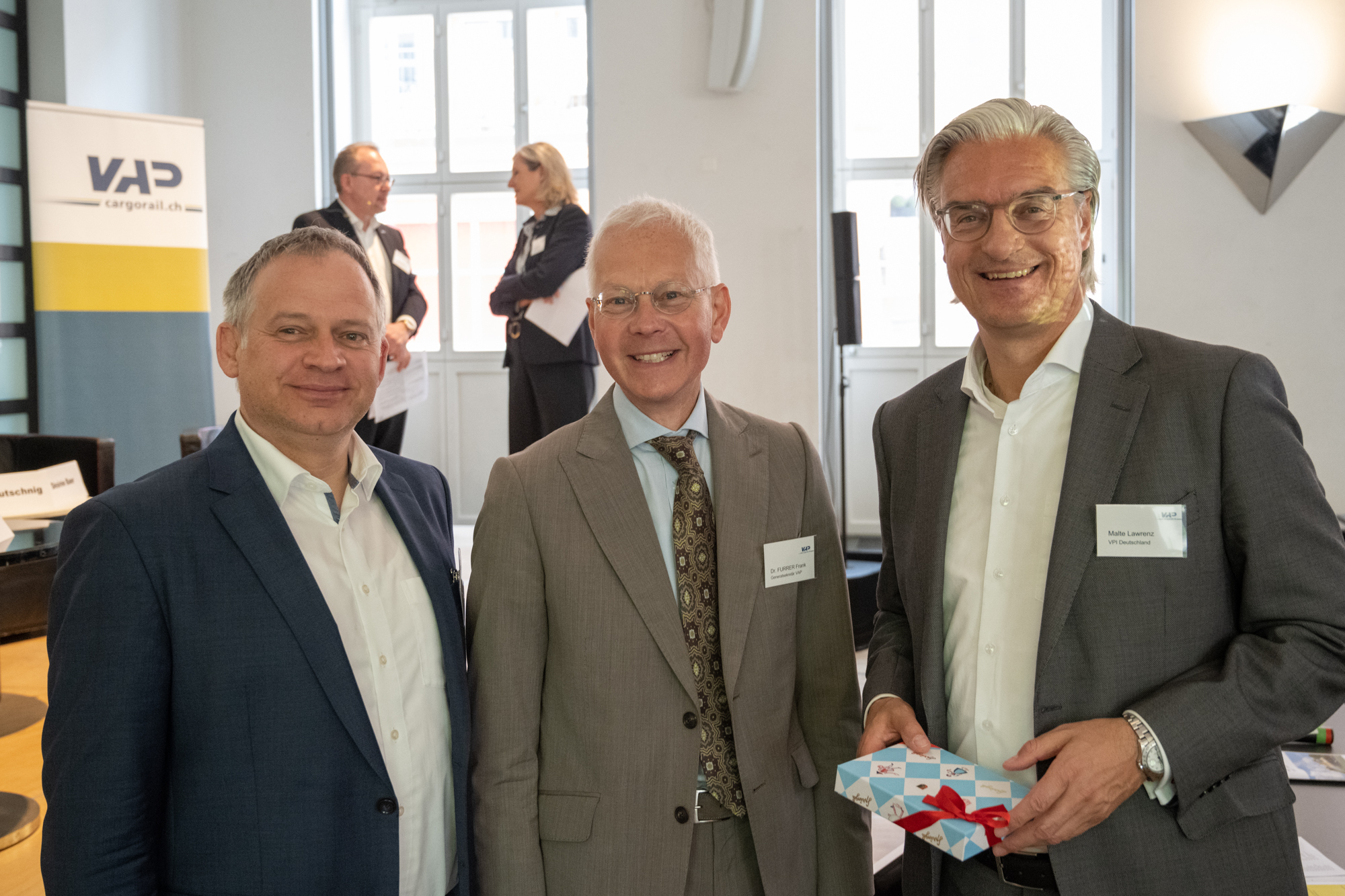
The morning revolved around the question «Transport policy in the green rush?». Gilles Peterhans, Secretary General of UIP explained the transport policy issues at European level. Malte Lawrenz, Chairman of VPI Germany, showed the transport policy framework for Germany, how priority should be given to rail and what funding is needed to be able to implement the master plan for rail freight transport. Frank Petutschnig, Secretary General VPI Austria, presented the situation in Austria on the same topic, where the focus is on the overall view of freight transport, namely the most efficient choice of transport mode in terms of energy demand per tonne. Désirée Baer, CEO of SBB Cargo, added to the situation of the transport policy framework in Switzerland with her presentation and introduced the Wagonload Transport Interest Group (IG WLV), the platform for cooperation between railways and shippers.
In the subsequent panel discussion it became clear that the course for the future of rail freight transport has been set for innovation and that the next step is to define how the investments will be financed. It became clear that the innovations affect all players and that a collaborative approach is therefore the right way forward. Cooperation and competition – or coopetition – are two other buzzwords that are not only desired by the rail actors, but also in the interaction between rail and road.
The afternoon was divided into the two exciting key topics «Innovations & possible implementation» and «Digitalisation with concrete measures». Jürg Lütscher, expert in innovation and regulation at the VAP, spoke about the automation of rail freight transport in Switzerland. He emphasised the importance of optimising processes and interfaces in the course of innovation, the so-called interoperability. Ralf Marxen, Head of External Technical Affairs at Deutsche Bahn AG, spoke about the path to the intelligent goods train: «From Shift2Rail to Europe’s Rail». He pointed out important milestones for innovation, with the Digital Automatic Coupling (DAC) taking on the key function for digitalisation and enabling, for example, automated processes and monitoring, as well as precise customer communication, thus raising the service level of the transport of goods by rail many times over. Stefan Hagenlocher, Managing Director of HWH and TIS Project Manager, who was connected live via video channel, showed what the Technical Innovation Circle for Rail Freight Transport (TIS) requires for digital and competitive rail freight transport. He clearly communicated that there will be no complete automation of rail freight transport without DAC and that standardisation of the technical aspects and a coordinated migration strategy are essential.
The two wagon hire companies Niko Davids, Chief Digital Officer, VTG AG, and Christoph Becker, Head of ECM II and Safety Management at Wascosa AG, demonstrated their digitalisation strategies to strengthen the competitiveness of rail freight transport. Their message too – especially as the two competitors were already sending out a signal with their joint appearance: «Collaboration and coopetition: digitalisation is not a project for one individual! Only through active and open cooperation will there be a benefit for the sector!»
Jörg Bisang, Head of Product Management ZKE, impressed with the possibilities that digitalisation of technical vehicle control with «Wayside Intelligence» already brings today, and called on RUs and wagon keepers to make use of these possibilities.
In the concluding panel discussion it then also became clear that everyone wants to focus together on the migration of the DAC, in the sense of interoperable innovation. This cooperation concerns the entire railway system, which is why it is important to work together on this not as competitors, but as an innovation team that exchanges ideas about their goals. Quick and courageous decisions can enable efficient implementation.
We look back on a successful Freight Transport Forum, where everyone enjoyed finally being able to meet and exchange ideas in the «real world» again.
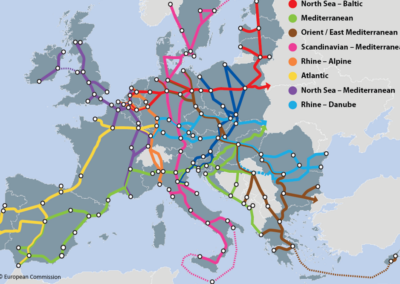
4th EU railway package: Making the most of the innovation boost
Climate protection is at the top of the political agenda in Europe. A high demand for mobility of people and transport of goods has been leading to massive climate-damaging emissions in our intensively industrialised region for a long time. On the way to net zero, policymakers expect the rail sector to consistently exploit its advantages and make a substantial contribution to more resource-efficient logistics. Thanks to innovation, we have the chance to make the production of freight transport more efficient, ergo more cost-effective and more customer-friendly, and on top of that, we increase the availability of train paths on our existing rail networks.
Railway sector must digitalise
The conditions for meeting these political expectations are actually good. Europe has a dense rail network on which the railways can move large masses with low energy and space requirements compared to other modes of transport, and the important centres are all connected. However, many standards and working methods in the railway sector are massively outdated. And the specific characteristics of the individual countries sometimes diverge diametrically. This is a major reason why the increase in performance demanded by the rail sector has so far failed to materialise. The rail sector can only convincingly fulfil the high political expectations – to take on the key role in the implementation of climate policy – if it fundamentally renews itself. To do so, it needs a system-wide innovation push and harmonised sovereign rules in line with the state of the art.
EU-wide harmonised interoperability
This is where the technical pillar of the 4th EU Railway Package comes into play. It aims at a systematic harmonisation in international standard gauge traffic. The member states are called upon to apply the interoperability standards consistently and to harmonise the corresponding approval procedures internationally. In this way, the existing hurdles for cross-border traffic will be removed and the way opened for joint European innovation steps. This makes the technical pillar decisive for successful innovations in the European rail sector.
These comprise four thematic fields and will significantly improve the market position of rail transport in the coming years:
- Internationally harmonised sovereign regulations
- Cross-border compatible technical systems
- Internationally harmonised processes for safety-relevant activities
- Joint activities for system-wide guided further development
- Automation becomes marketable
Europe’s Rail Joint Undertaking (EU-Rail) has initiated an important cross-European development with the European Freight Digital Automatic Coupler Delivery Program (EDDP). This is intended to enable digitalisation and automation in freight transport. The development work should be so far advanced by 2025 that digital automatic couplers are available ready for series production for the upcoming migration of rolling stock.
Switzerland in the middle
From both an economic and a geographical perspective, it makes sense for Switzerland to participate actively and consistently in the ongoing EU activities – even more so in the context of the tug-of-war over the institutional framework agreement. The triggered revision of the Swiss Railway Act (EBG) for the autonomous adaptation of our sovereign regulations to the established Interop and Safety Directive of the 4th EU Railway Package is a welcome impetus for actively tackling the envisaged innovation packages now. The Swiss railway sector should and will use this innovation push to its advantage as soon as possible, in order to remain a competitive partner in the highly competitive transport sector in the future.
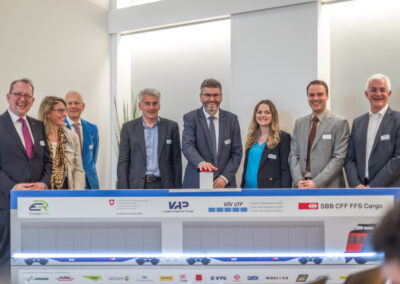
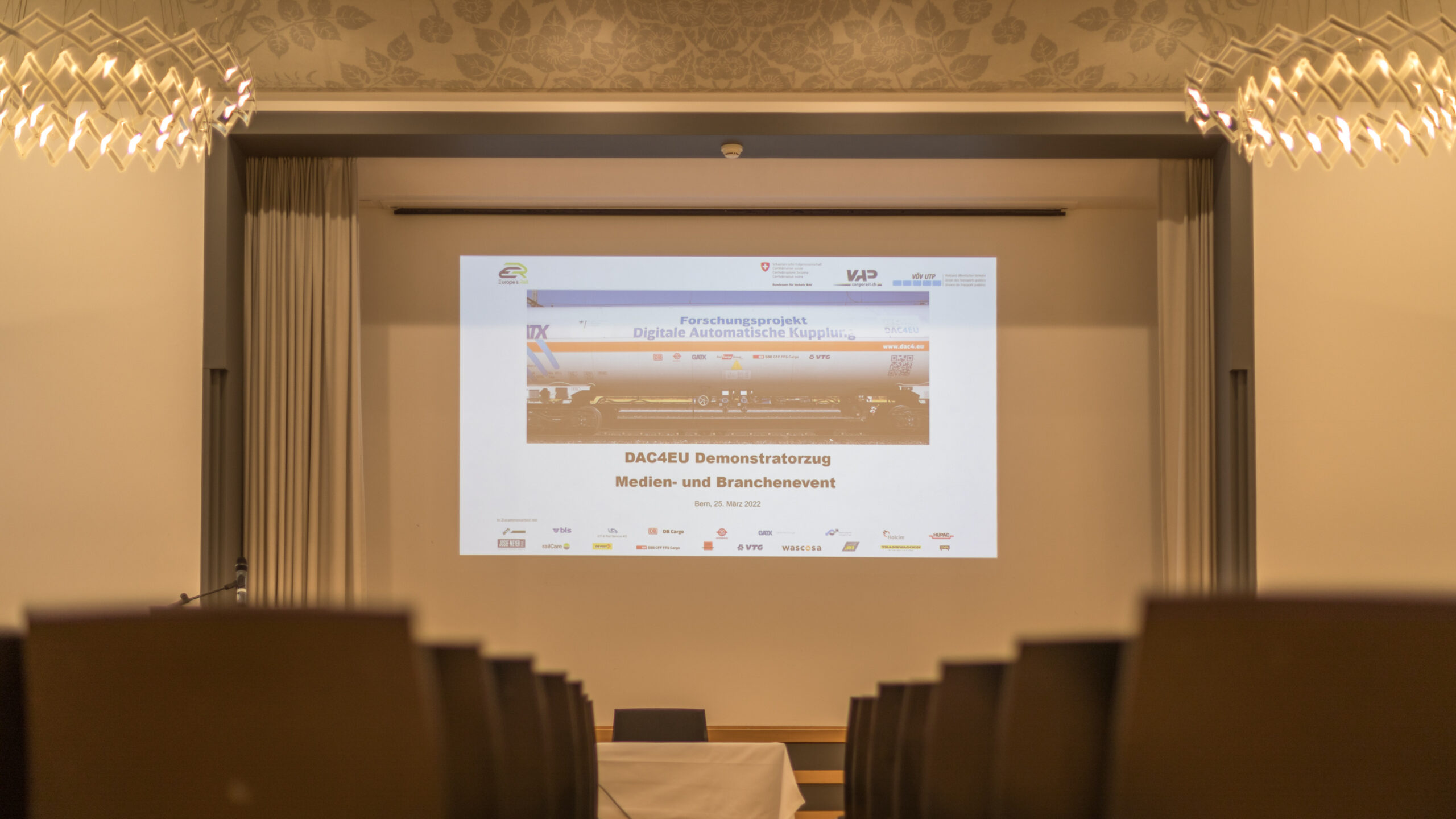
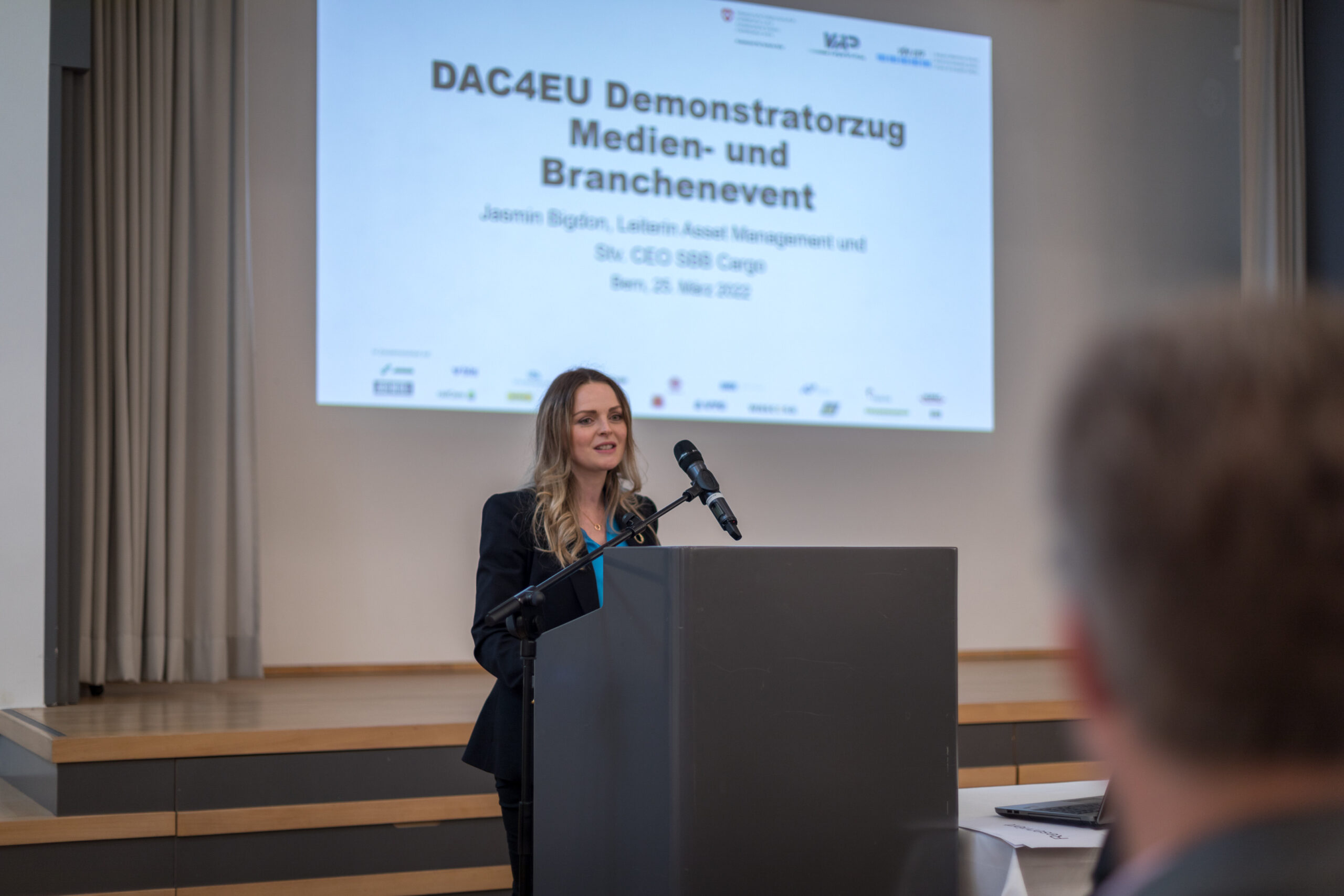
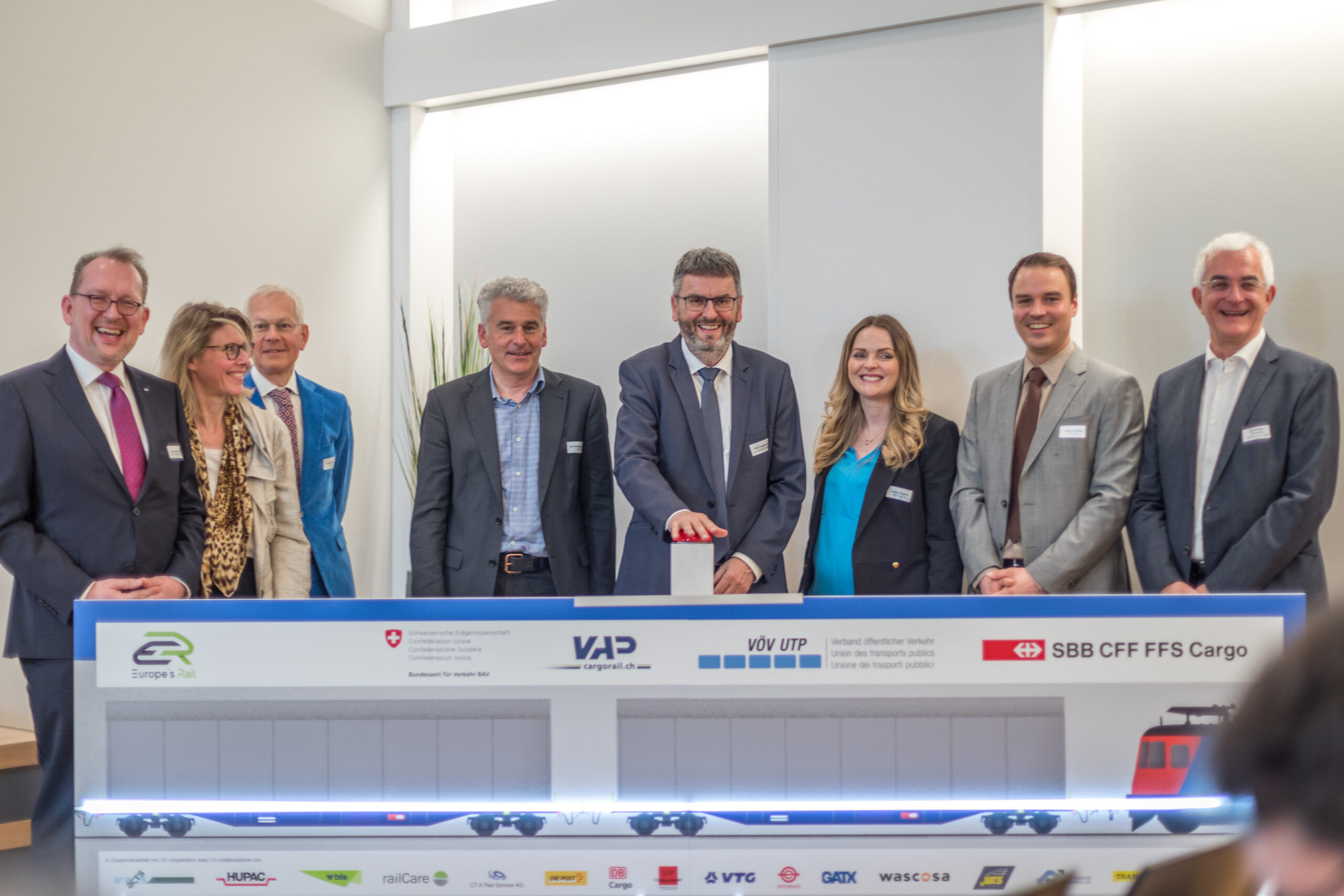
Industry and media event DAC4EU Demonstrator Train
On 25 March 2022, the FOT, the SBB, the VAP and the VöV provided information about the test phase and the far-reaching advantages resulting from the Digital Automatic Coupling (DAK). The message was that the DAK lays the foundations for digitisation and thus for a groundbreaking innovation in rail freight transport.
Since autumn 2021, a digital goods train has been on the road for the first time in Europe for test purposes. The aim is to test the Digital Automatic Coupling (DAK) in real-life operation.
in real operation. SBB Cargo is subjecting the train to an extensive test programme until the end of March. The industry agrees that close national cooperation and coordination in Europe are important factors for the successful introduction of the DAK. The test train is funded by the German Federal Ministry of Digital Affairs and Transport (BMVD).
Presentations of the speakers:
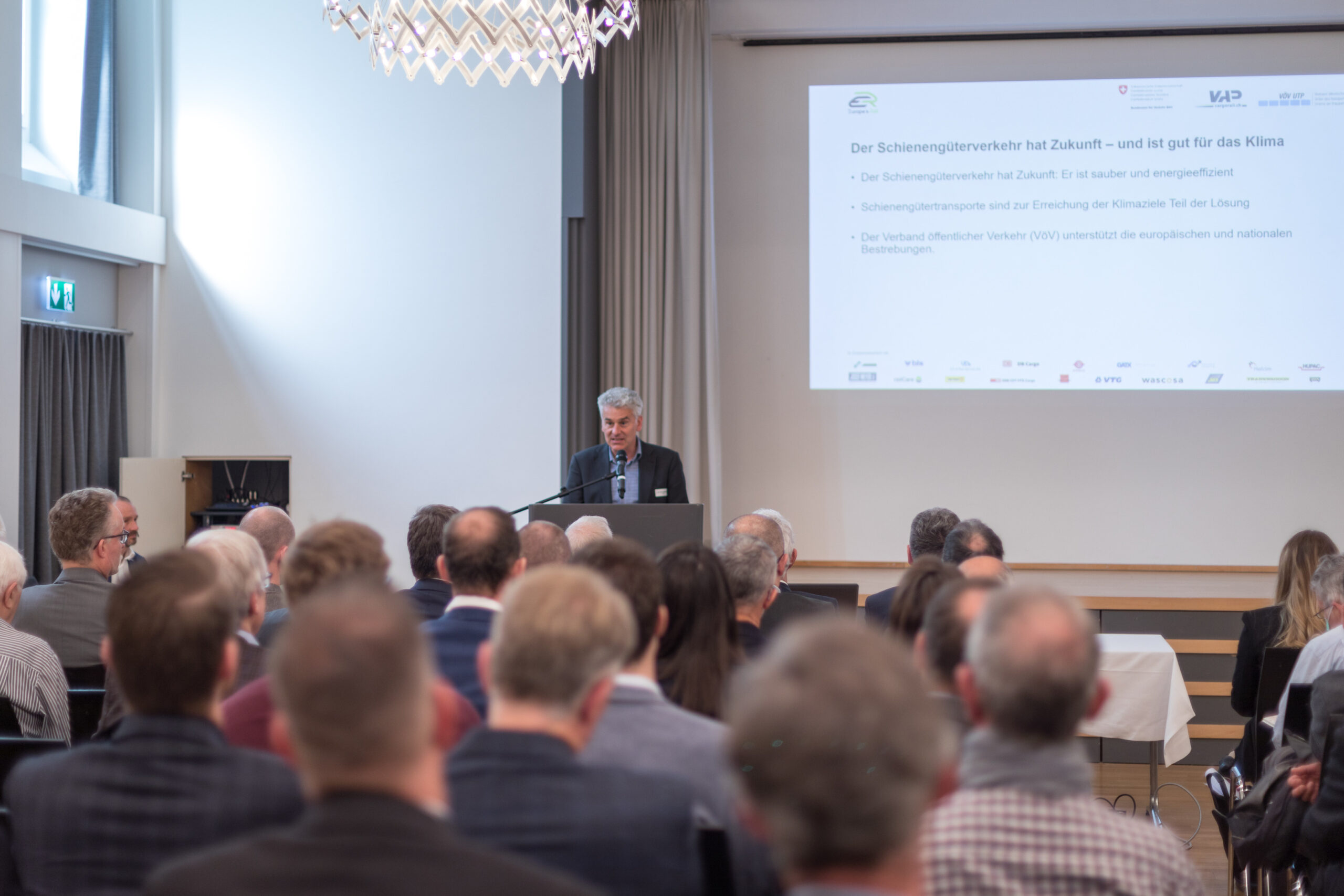
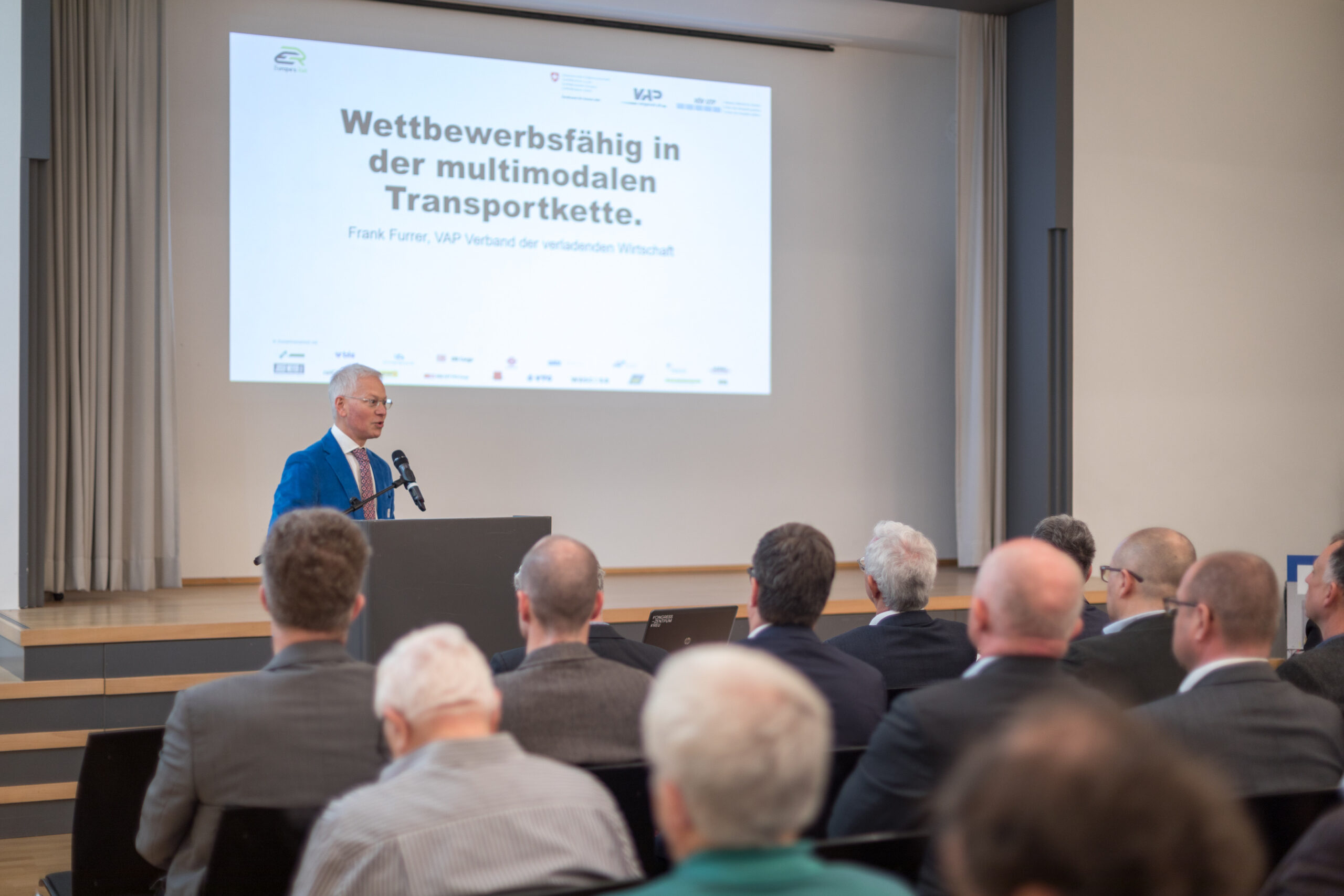
- Wettbewerbsfähig in der multimodalen Transportkette. Frank Furrer, VAP Verband der verladenden Wirtschaft
- Speech by Frank Furrer, VAP (in German)
- Erfahrungen und Details zur DAK. Jasmin Bigdon, Head of Asset Management and Deputy CEO SBB Cargo
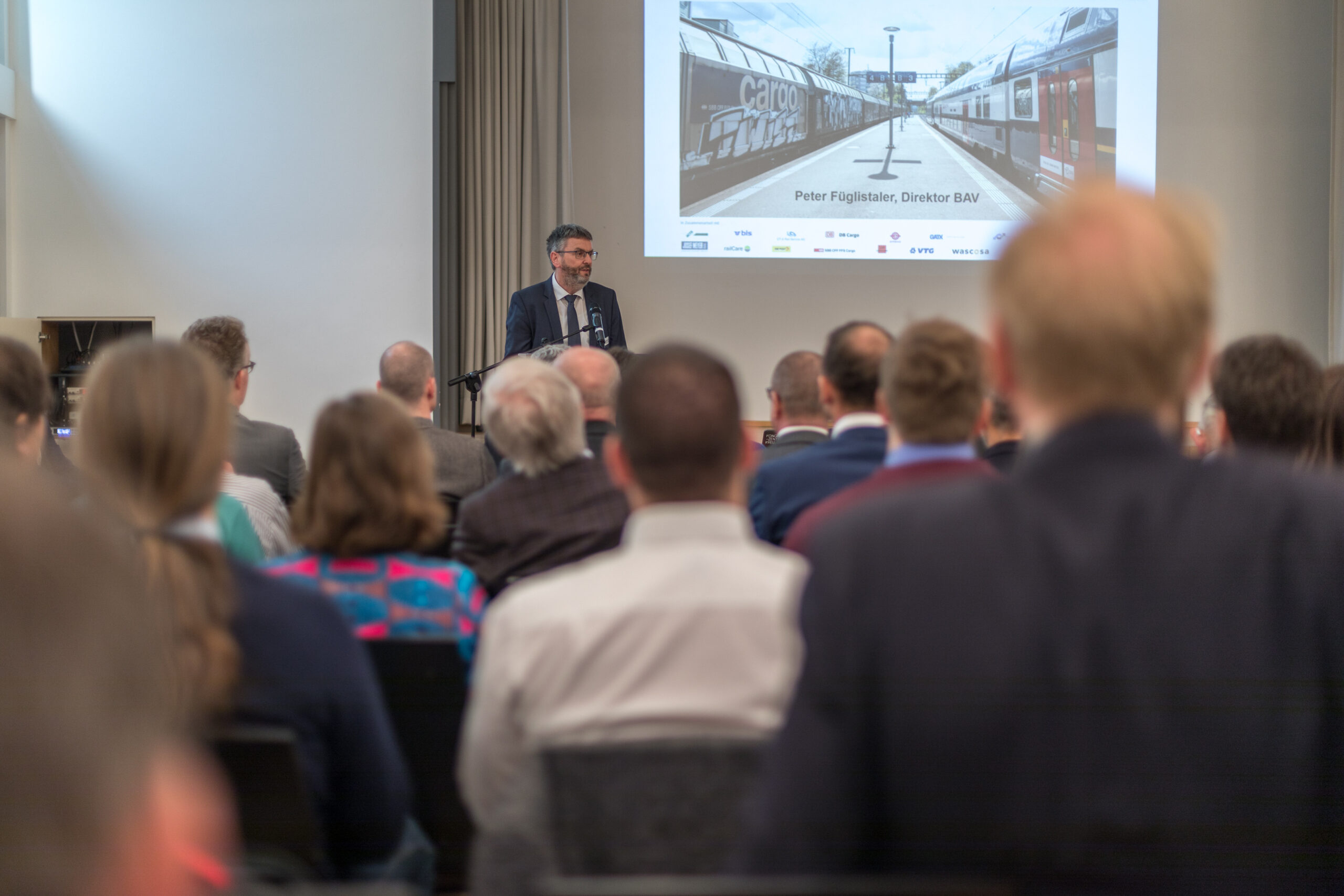
- Presentation Peter Füglistaler, Director BAV
- Die ÖV-Branche unterstützt DAC4EU. Ueli Stückelberger, Director Verband öffentlicher Verkehr
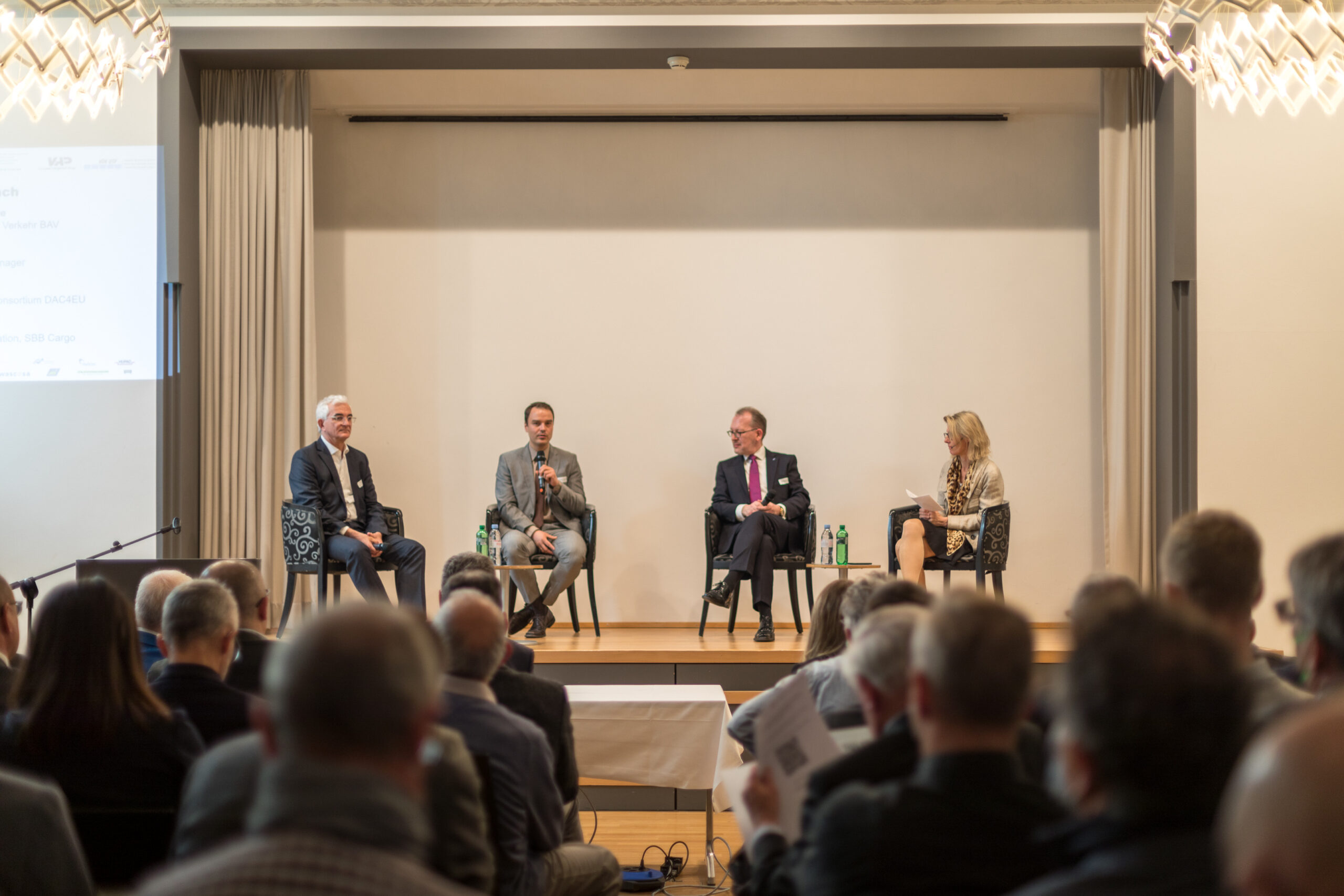
12th VPI Symposium “Digital Automatic Coupling“
PRESS RELEASE OF VPI Hamburg
The gamechanger for rail freight transport is up and running!
1,250 participants found out about the status of the DAC introduction at the digital event on 11 January 2022.
“Rolling out the DAC across Europe is a thick board. We have managed the first centimetres”. With these words, Chairman Malte Lawrenz welcomed the participants of the 12th VPI Symposium “Digital Automatic Coupling” (DAC) in Hamburg. He referred to last year’s agreement on a uniform European coupling standard, the anchoring of the DAC in the coalition agreement of the German government and the work of the European DAC Delivery Programme (EDDP) in Brussels. More than 1,250 participants had joined the symposium via livestream – a record number. Interest in the event was also high in non-German-speaking countries: more than half of the audience followed the symposium in simultaneous English translation.
A dozen experts, all members of the EDDP, reported at the digital event on the state of the European DAC discussion in the fields of “technology”, “migration”, “costs/benefits” and “financing” and presented current results of initiatives such as the DAC4EU demonstrator train.
With the event, the VPI offered the sector the opportunity to ask questions to the EDDP representatives. Keepers, shippers and rail transport companies were particularly interested in aspects of migration and financing, but also in safety issues in the transport of dangerous goods.
“The symposium was definitely worthwhile for everyone involved,” said Jens Engelmann, EDDP Programme Manager, at the end of the event. Not only were the stakeholders happy to answer questions, but conversely, they also took important clarification topics back to Brussels, which will be taken into account in the design of the complex implementation process.
The 12th VPI Symposium took place this year in cooperation with the VPI Austria as well as with important DAC institutions at the European level: European DAC Delivery Programme, DACcelerate and Shift2Rail.
In an interview on Journalistico.de, Malte Lawrence talks about the current status of the DAC project, how much higher productivity will be with DAC and what hurdles there are to overcome until then.
https://journalistico.com/wirtschaft/digitale-automatische-kupplung-das-ebnet-den-weg-fuer-den-intelligenten-gueterzug/
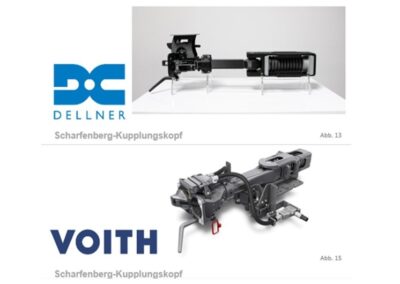
DAC: Uniform coupling head design selected throughout Europe
Scharfenberg design to win the race
On 21 September 2021, the EDDP Supervisory Board made its choice of the future Europe-wide standard designs of the digital automatic coupler (DAC) for European rail freight. With this, the body has taken a big step after an intensive test phase of almost one year. In the coming phases, the definitive design of the selected coupler head will be developed. This will enable interoperability and operational efficiency without licence fees.
What has happened so far
In a detailed test phase, the European consortium Digital Automatic Coupling for Europe (DAC4EU) had four prototypes of the DAC tested according to a clear procedure and catalogue of criteria. Two Scharfenberg designs and one Schwab design from the development laboratories of Dellner Couplers AB, Voith GmbH & Co. KGaA and Wabtec Corporation ended up as prototypes in the EDDP. This is funded by the European funding programme Shift2Rail (S2R). First, the EDDP defined a catalogue of criteria for the selection process. Around 100 EDDP experts from 36 companies with a strong rail connection took part in the evaluation across Europe. In summer 2021, they examined the results from the two test designs DAC4EU and Trafikverket/Swedish Winter Tests for each model. The Scharfenberg design finally emerged as the winner from the test phase.
Next steps
In the next stage, the manufacturers will present solutions that meet further requirements. In addition, they will determine the life cycle costs and show the further procedure on the way to series production. The so-called DAC demonstrator train will be on display in Germany, Austria and Switzerland in the coming months. Here, further operational tests with the new DAC clutch design will take place on site. The results of these will flow into the further development phases.
Improved railway competitiveness
If the DAC is successfully introduced, it will strengthen the competitiveness of European and Swiss rail freight transport. With the help of new technologies, it will increase the efficiency, capacity utilisation and quality of the freight railways. In this way, it favours the modal shift to rail and becomes central to the ambitious climate goals of Europe and Switzerland.
The DAC makes the much-cited digitalisation and automation of the European rail system a reality. In doing so, it is helping to increase the share of rail freight transport within the framework of multimodal systems in Europe. Thanks to its power and data bus line throughout the train, the DAC not only optimises the coupling process, but also other processes of operation and maintenance. In particular, it allows train integrity checks, which are considered a prerequisite for the introduction of the next generation of the European Train Control System (ETCS Level 3).
DAC4EU
Members of the DAC4EU consortium are Deutsche Bahn and its subsidiary DB Cargo, the Swiss and Austrian freight railways SBB Cargo and Rail Cargo Austria as well as the wagon keepers Ermewa, GATX Rail Europe and VTG. The research project is funded by the German Federal Ministry of Transport and Digital Infrastructure (BMVI) with around 13 million euros and has been running since June 2020 until December 2022. The consortium’s goal is for trains to be equipped with DAC throughout Europe by 2030. In this way, the new technology can contribute to rail freight transport in Europe becoming the core of the future mobility system.
S2R JU
The Shift2Rail Joint Undertaking (S2R JU) is the first European rail initiative to promote targeted research, innovation and market-oriented solutions for rail systems of the future in passenger and freight transport. In doing so, it aims to promote smart and sustainable growth and a climate-neutral Europe. In doing so, it targets the life-cycle costs and efficiency of rail systems. Through demonstration activities and the dissemination of relevant results for market deployment, S2R JU aims to promote the competitiveness of the European rail industry while creating a multiplier effect for European Union (EU) financial resources. S2R JU is funded by the EU’s Horizon 2020 programme.
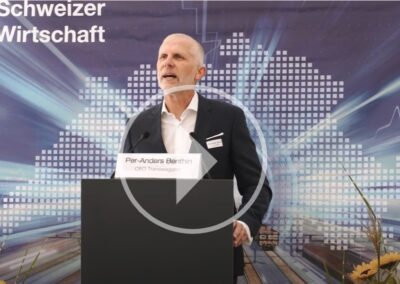
Impressions of the publication of the declaration of intent on automation
Next Stop: Container Terminal Basel Wolf
On 28 September 2021, the signatories publicly presented the declaration of intent for the automation of Swiss rail freight transport. The occasion was a stop of the “Connecting Europe Express” – a special train of the EU for the “Year of Rail” – at the container terminal Basel Wolf. This special train convinces the transit countries in Europe of the feasibility of automatic coupling.
Click here for the video with the complete interviews.
Joining forces for the future
Together with the Federal Office of Transport (FOT) and the Association of Public Transport (VöV), we at the VAP have signed a declaration of intent for the automation of Swiss rail freight transport. The long-term major project started on 1 October 2021 with the preparation and implementation of the migration of the screw coupler to the digital automatic coupler (DAC). Background information on the declaration of intent can be found here.
Revolutionary technology
At the event at the Basel Wolf container terminal, BAV Director Peter Füglistaler, VAP/UIP Board Member Per-Anders Benthin (CEO TRANSWAGGON AG), Désirée Baer (CEO SBB Cargo AG) and Dirk Stahl (CEO BLS Cargo AG) from VöV presented the declaration of intent to their guests and the media. They emphasised that the DAC will revolutionise rail freight transport. Especially for the actors in the logistics chain, it provides indispensable real-time data for a high-quality and thus competitive performance. Finally, the hosts demonstrated the simple coupling process to the interested audience.
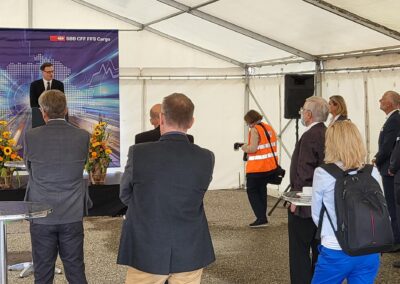
VAP signs letter of intent on automation
Together with the Federal Office of Transport (FOT) and the Association of Public Transport (VÖV), the VAP Association of the Loading Industry has signed a declaration of intent to automate Swiss rail freight transport. The long-term major project will start on 1 October 2021 with the preparation and implementation of the migration of the screw coupler to the digital automatic coupler (DAK).
Transport policy fundamentals
Rail freight transport should become more productive and competitive, increase its market share in overall logistics and thereby strengthen the shift policy and the federal government’s 2050 climate protection goals. VAP President and Member of the Council of States Josef Dittli has provided the impetus for an implementation and financing concept for the automation and digitalisation of rail freight transport with his motion 20.3221 “Transporting goods more efficiently by rail through automation”. Parliament has already approved the motion.
Bringing all market participants to the table
Now the FOT, with the support of VöV and VAP, is working out the basics for the executive. On this basis, the Federal Council and Parliament can decide on the migration to DAK. The VAP represents the needs of the economy. The industry wants to make sustainable use of multimodal transport with freight or container transhipment between the modes of transport according to their strengths. To achieve this, all market participants must be involved. These include not only those responsible for goods such as chemicals, paper, pulp and wood products, cars, consumer goods, food or building materials, but also the corresponding means of transport such as freight wagons.
As a reminder: of 600,000 freight wagons in Europe, 220,000 are privately owned. These private wagons perform about 50% of the tonne-kilometres on the European rail network. Members of the VAP manage almost 45,000 private freight wagons. Close coordination with Europe is essential to ensure intermodality.
Taking action with data
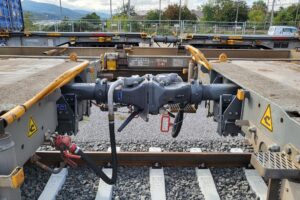
The VAP wants to promote an efficient exchange of information and data as well as networked openness to innovation between the players in the railway system along the entire logistics chain and with the involvement of rail freight customers, and to (co-)develop corresponding instruments. The VAP sees the DAK as a central element for the success of this process and therefore focuses on the following topics:
- Operations: DAK enables both real-time data exchange and significantly more efficient operations for freight railways in stations, on sidings and at borders. The most promising technology is the one currently adopted by the European DAC Delivery Programme EDDP platform. The operational and monetary advantages of automation mainly benefit the railway undertakings. The investment and follow-up costs, on the other hand, fall on the wagon keepers.
- Costs/benefits: The fair balance of costs and benefits must be taken into account in the implementation. Since the conversion of the European wagon fleet must take place within a defined time window, seamless financial support is imperative. Current estimates assume migration costs from the screw coupling to the DAK of up to 20,000 euros per freight wagon. For the private wagon owners of the VAP, this means approximately 1 billion Swiss francs. This does not include downtime and transport costs to and from the workshop during the migration phase.
- Data: The DAK is central above all because of the data that will be available in the future. These are to flow into a superordinate and freely accessible data platform. Freight railways and customers will be able to use this to communicate with each other and obtain information, for example about the condition or weight of the wagons, train length or real-time locations of the goods. Such a platform will make stronger competition in wagonload traffic possible in the first place. In Germany, considerable market shares are already held by private freight railways. In Switzerland, the framework conditions for this development must first be improved. The DAK lays a first milestone for this.
FOT, SBB Cargo and VAP give the starting signal
On 28 September 2021, FOT Director Peter Füglistaler, Per-Anders Benthin (CEO TRANSWAGGON AG) from the VAP and Désirée Baer (CEO SBB Cargo AG) and Dirk Stahl (CEO BLS Cargo AG) from VöV publicly presented the declaration of intent together with industry representatives. The occasion was a stop of the “Connecting Europe Express” – a special train of the EU for the “Year of Rail” – at the container terminal Basel Wolf.
Click here for the media release in German.
Click here for the media release in French.