
INNOVATION
What innovations are moving rail freight transport? The VAP promotes the automation of rail freight transport and is represented in the project management of the migration of the DAC (digital automatic coupling).
Thanks to the DAC, rail freight transport is becoming more efficient, more productive and empowered to integrate into the multimodal logistics chains of the economy. With his motion 20.3221 “Transporting goods by rail more efficiently through automation”, VAP President and Councillor of States Josef Dittli provided the impetus for an implementation and financing concept for the automation and digitalisation of rail freight transport. Together with the Federal Office of Transport (FOT) and the Association of Public Transport (VÖV), the VAP has signed a declaration of intent for the digitalisation and automation of Swiss rail freight transport. Numerous companies in the sector have also declared their cooperation.
- Absichtserklärung zur Automatisierung im Schienengüterverkehr der Schweiz 2021
- Gemeinsame Absichtserklärung von CFS, VöV und BAV zur Innovationsförderung 2017
Media report:
Report by Zeit Online of 26.10.2021:

Marco Rosso: «Collaborative innovation can contribute to the quality of life and function profitably at the same time.»
Marco Rosso is Chairman of the Board of Directors of Cargo sous terrain AG (CST). In an interview with the VAP, he talks about interoperability, non-discrimination on the last mile and the logistics of the future. And about how collaborative innovation can contribute to the quality of life of people in Switzerland and function profitably at the same time.
VAP: Mr Rosso, how do you see the relationship between rail freight and CST in the future?
Marco Rosso: Rail and CST are two systems that complement each other. CST cooperates with all modes of transport to jointly absorb the predicted freight traffic growth of over 30% by 2050 in an innovative, sustainable way. Because CST is not suitable for all transports, the company supports the business models of rail, road hauliers and other logistics players with new technology and digitalisation. Only with cooperation (within the framework of competition rules) can interoperability be guaranteed among the most diverse modes of transport and transport companies. Therefore, CST plans to connect to rail, road, ship, air freight and other systems. At the CST hubs, there will be multimodal connections, in particular also a rail connection. In the construction phase, starting as early as 2026 and continuing until 2045, CST will use rail transport to the tune of 2,000 goods trains per year and thus become an important rail customer.
Shouldn’t the state create the infrastructure and the operation in the tunnels, as well as the operation of the terminals and the last/first mile would then be free and subject to competition?
CST is a system that only works as a whole because all processes are controlled end-to-end. This is the only way to ensure that the general cargo reaches its destination on time and reliably. For this reason, the system must be managed from a single source and at the same time be connectable to all partner platforms. CST has been planned and conceived as a private-sector project from the very beginning. With this financing concept, it is possible and important to move forward quickly without straining the funds in the federal budget. The investors also include important future customers. They help to develop the system in line with the market. The Confederation has recognised that it would not be expedient to act as a creator itself, but to limit itself to the legal framework. With carefully prepared business plans, competitive prices and the broad investor base that supports the project, CST shows that innovation in freight transport contributes to the quality of life in cities and rural areas and can function profitably at the same time.
Where do you see the biggest challenges in your project?
Such a comprehensive project presents many challenges, for example in planning, legal, environmental, financial and political terms. What distinguishes CST is the model of collaborative innovation – with the inclusion of all stakeholders. The project approaches the challenges pragmatically in stages.
How do you design a non-discriminatory first/last mile?
Our system is planned to be non-discriminatory from the start anyway, without the law requiring it. The following applies throughout: everyone has access to the system with the same price for the same service. But we go even further, for example, by developing CST’s city logistics in a collaborative partnership and are open to any cooperation with smaller as well as larger partners, including the railways and the post office. Here, too, our principle is collaborative innovation, which we live by every day.
What is the greatest benefit or motivation of CST for the Swiss population?
The most important effect of CST will be to increase the quality of life for all inhabitants of Switzerland. By showing a way how the logistics of the future can look sustainable, how heavy traffic on the road can be moved away by bundling and pre-sorting in tunnels for all shippers, or how a traffic jam can be avoided for the supply of goods, how to get the best out of the available resources in terms of CO2 emissions, noise, etc. The precious space on the surface should primarily belong to the population. CST favours the expansion of infrastructure as well as renewable energies in Switzerland. CST is a privately financed driver of innovation for the benefit of the Swiss economy and for quality of life in cities and villages by guaranteeing security of supply and thus increasing prosperity in Switzerland.
Are there any points that you think we should still let our members know about?
There are decisive decisions and discussions ahead, especially against the background of the political debates on freight transport. We are firmly convinced that with an entrepreneurial attitude we can make an effective contribution to maintaining Switzerland in the 21st century as an excellent business location with a high quality of life, also for future generations. We participate in this work with enthusiasm and commitment.
Mr Rosso, thank you very much for the interview.
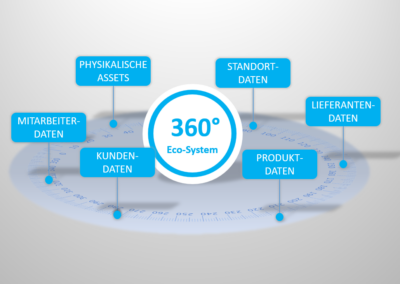
Data ecosystems: Sharing data to double its added value
We at the VAP have been working more intensively on the topic of data ecosystems for some time. In 2022, we initiated the development of a data platform at the Coordination Unit for Sustainable Mobility (KOMO) and are pushing ahead with the further development of the Mobility Data Infrastructure (MODI). With this blog post, we would like to continue the dialogue and show why data ecosystems should be part of the vision of all freight railway actors.
Here’s why:
- Complexity sets the bar high
- Small steps to the big vision
- Exploiting the inexhaustible potential of data
- We should stay in the conversation
Complexity sets the bar high
Data ecosystems are highly complex and encompass diverse subject areas (see Figure 1). If they are to be made usable and economically viable, we must take into account all the wishes and needs of the actors as well as any restrictions.
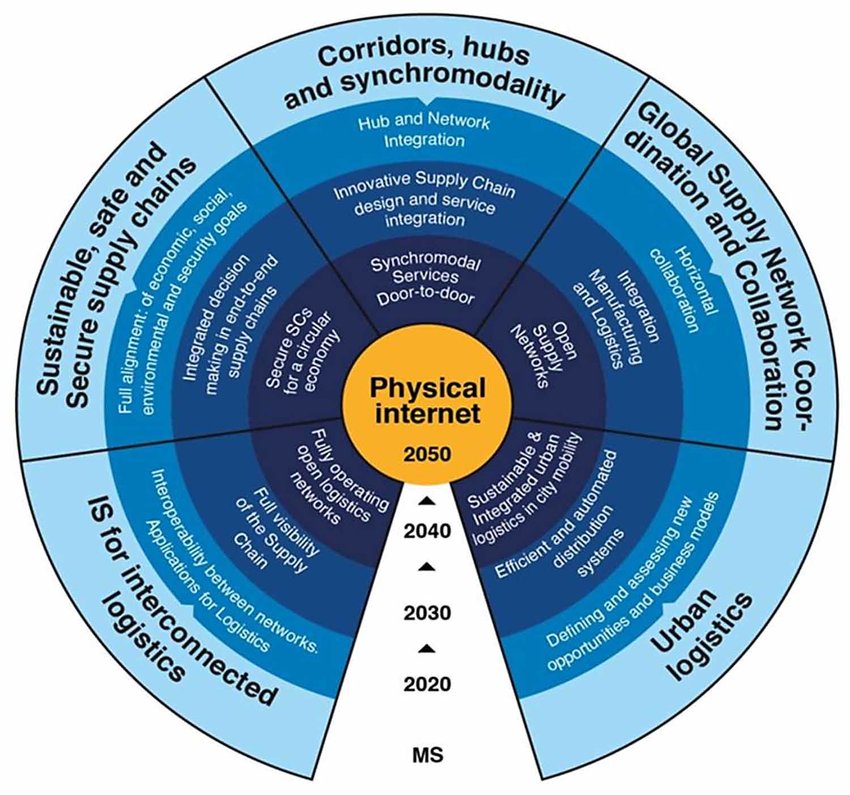
Figure 1: The vision of digital and operational interconnectivity covers highly challenging topics
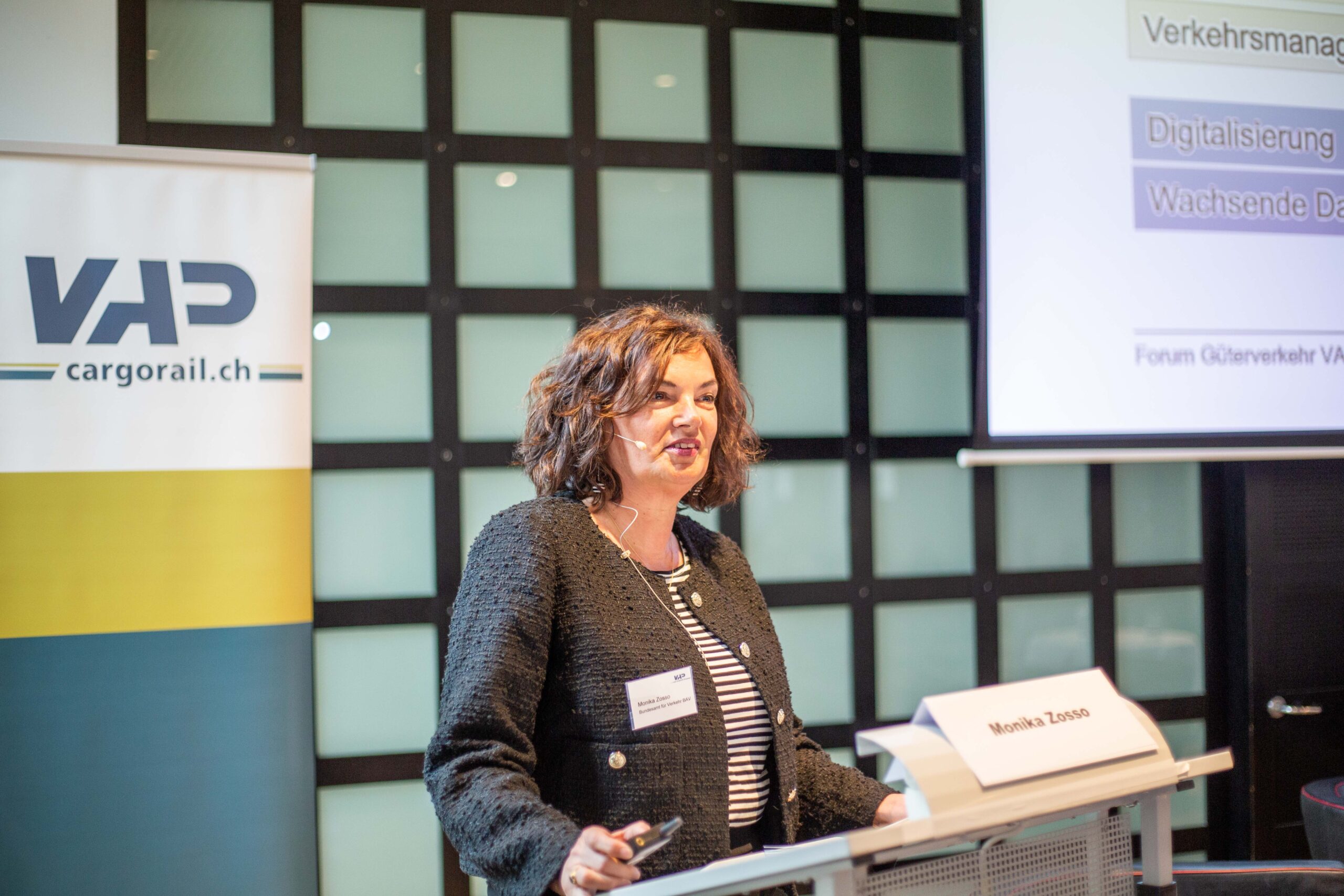
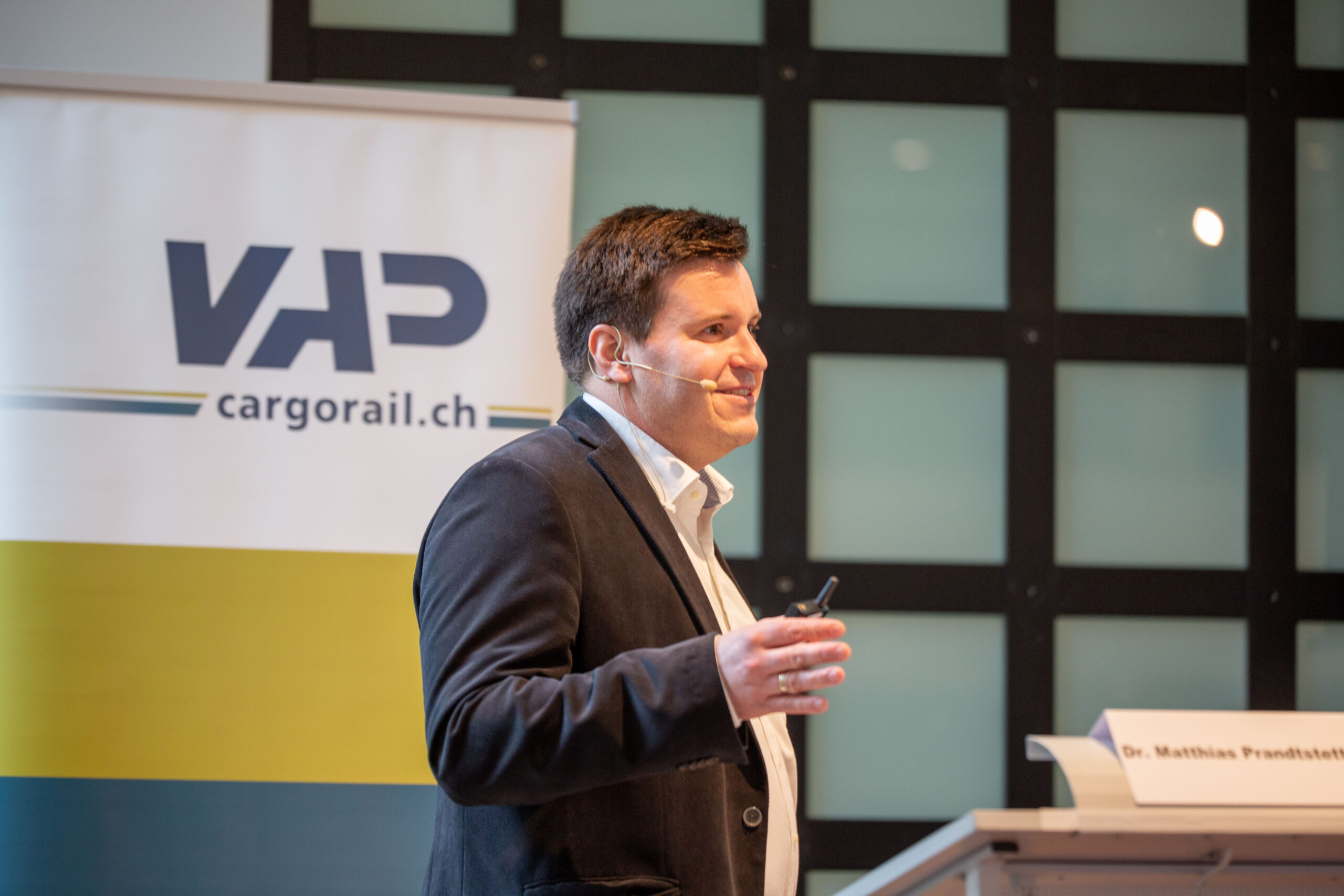
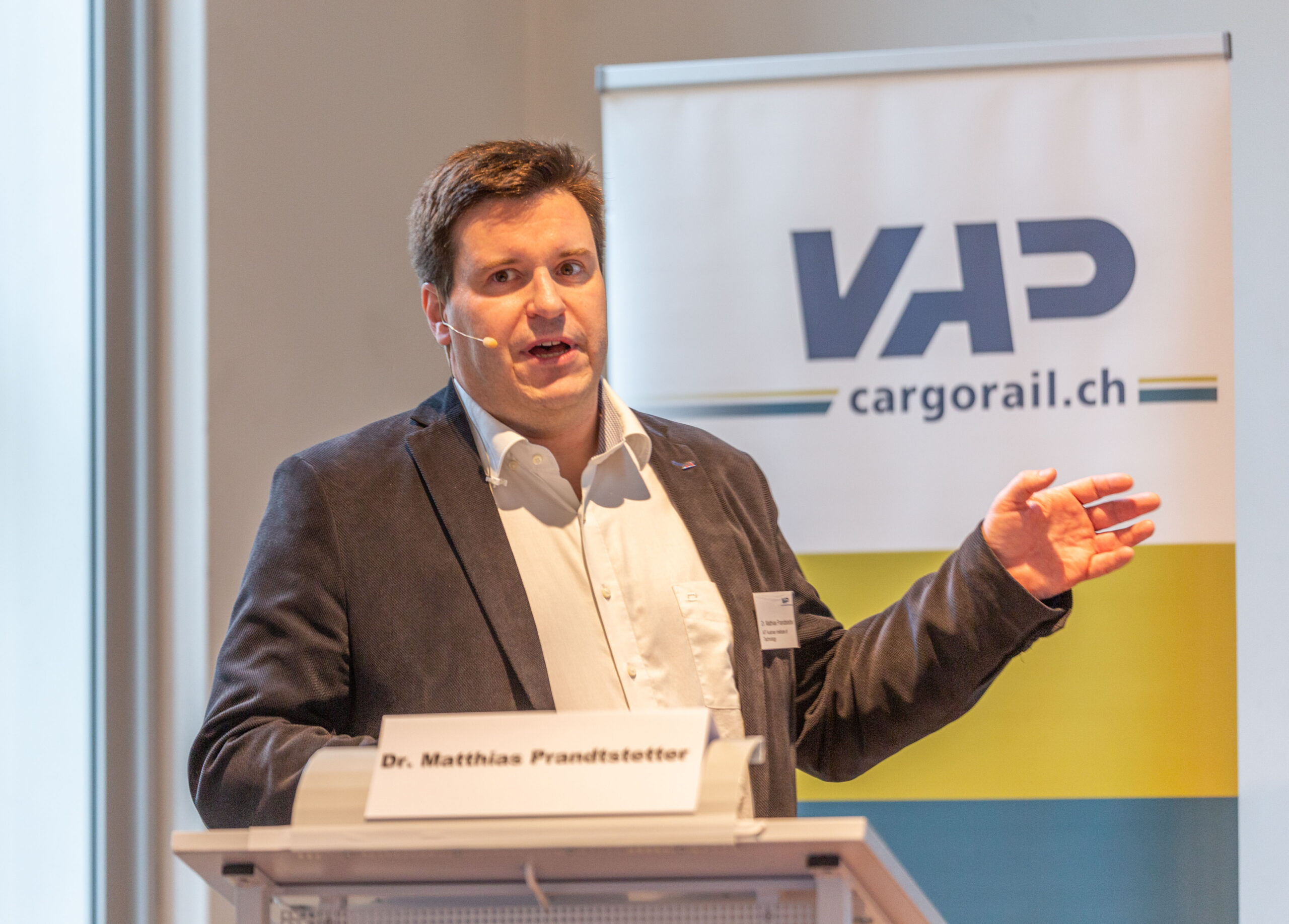
On the occasion of our Freight 2023 Forum, Dr Matthias Prandtstetter, Senior Scientist and Thematic Coordinator at the AIT Austrian Institute of Technology AIT, and Monika Zosso Lundsgaard-Hansen, Co-Section Head Directorate Operations at the BAV, provided insights on the current status of initiatives and considerations. The experts agree: progress in the rail sector will be a long and difficult affair.
In small steps to the big vision
The target image of an intelligent and possibly self-deciding data ecosystem could be realised through the following development phases as examples (not exhaustive):
1. provide basic data (e.g. with MODI)
- Guaranteed quality
- “Uniqueness” of the data set (i.e. clear definitions)
- Accessibility/transparency for all those involved
- Market-based development of apps and extended functionalities possible
2. activate hub for exchange of data (e.g. DX Intermodal by Hupac)
- Exchange between 2 or more companies operating on the hub
- Additional data sets (with or without restrictions for individual actors/companies)
- Booking possibilities for individual or entire relations
3. create data ecosystem
- Ensure access to historical data for initial analysis possibilities
- Connect databases (basic data and/or data sets available with restrictions)
4. use blockchain technology
- Data and data sets are optimally networked
- Absolute cost and price transparency
- Increased security in data exchange
- More efficient overall development and processing
5. realise the vision of a physical internet
- Open global system based on physical, digital and operational interconnectivity
- Applies protocols, interfaces and modularisation
- Certain decisions are made by the ecosystem – not by individual players
Currently, the rail sector is in phase 1 and 2, even if only selectively. With the Federal Act on Mobility Data Infrastructure (MODIG), the FOT is addressing all relevant topics. DX Intermodal is already operational in combined transport (CT) and takes up points from phase 2. An overall benefit for rail freight logistics can only be achieved if all forms of freight transport production and the entire transport chain (“door-to-door”) are taken into account. To this end, elements of artificial intelligence must be integrated.
Exploiting the inexhaustible potential of data
Big Data has transformed from hype to megatrend; the potential of collected data is almost infinite. This enables disruptive, innovative, digital business models and better predictions for correct business decisions. However, this only applies to data that is available in the right quality and granularity. In addition, the actors must be able to extract the right information and thus the desired knowledge from the data and to interpret and use it correctly. This poses a number of challenges for the ecosystem partners:
System benefit vs. self-benefit
Some companies already have in-house data systems. They collect data from devices on locomotives and wagons and use it for optimisation or pass it on to third parties. This gives them a competitive advantage and additional sources of revenue. Why should such companies participate in data ecosystems? Because optimising their own system does not necessarily serve the system as a whole or the end customer. If, for example, various individual players sell the same data to third parties for a fee, the system becomes more expensive because money flows for each data transfer. In addition, individual actors can combine their data sets within the framework of a data ecosystem and thus promote the efficiency of the entire system, for example the estimated time of departure or arrival. In this context, questions of data sovereignty need to be clarified.
Obligation vs. voluntariness
The state is and remains the biggest financial backer of the rail system. It should have an interest in relieving its own coffers and thus the taxpayers. The provision of non-profit data can improve efficiency. Again, questions remain: Should ecosystem partners be obliged to provide datasets? Should it be possible in a data ecosystem to offset previous, individual investments or to contrast subsidies received? Or should participation in a data ecosystem remain voluntary, with the risk that too few participants feed the platform with data?
Data vs. data
Not every data element is equal for a data ecosystem. Thus, it must be clearly defined from the beginning with which goal and overall benefit an actor should deposit its data elements on a data platform. In addition, a distinction must be made between operational, technical and commercial data in order to avoid emotional discussions. Finally, the quality ensured by the data owner or a newly created quality body determines the credibility and sustainability of a data ecosystem.
We should stay in the conversation
We at the VAP want to make the potential of data ecosystems available to the entire rail sector and increase its competitiveness. That is why we are committed to various initiatives, research projects and established products in this context, namely the following:
- Further development of the mobility data infrastructure MODI, together with the BAV.
- Common European Mobility Data Space (EMDS), an EU initiative
- Logistics Working Group (AKL), in which we have taken over the leadership
If you too would like to help shape the digital future of the rail sector, Jürgen Maier looks forward to hearing from you.
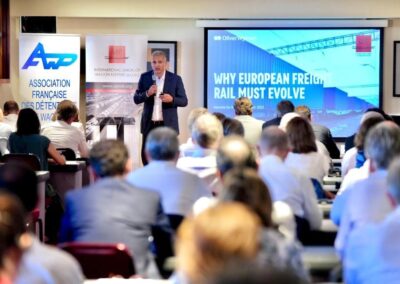
Keepers’ Summit 2023: Adapting to customer requirements and a visionary future for rail freight transport
What it’s all about:
- UIP Keepers’ Summit in Nice
- Customer focus and transformation for rail freight in Europe
- David Zindo new President of the UIP
The International Union of Wagon Keepers (UIP) in collaboration with its French member association AFWP welcomed 120 freight rail stakeholders from across Europe to its annual flagship conference, the Keepers’ Summit, in Nice, France on 15 June 2023. Discussions focused on how environmentally friendly features of rail freight can be used to address climate change while appealing to customers and attracting young talent. The panelists and the audience agreed: rail freight has an important role to play in the future of our society. However, this can only be achieved if rail freight operations transform away from state monopolies towards private sector competition.
In search of change, former UIP President Dr Heiko Fischer challenged the audience to look to the past to better prepare for the future. As the driving force behind the creation of the General Contract of Use (GCU), Mr Fischer pointed to the important role of private wagon keepers in developing rail freight solutions. As a convinced and visionary man, he always placed great emphasis on the need to innovate and transform rail freight to meet the future challenges and expectations of customers and society. The audience acknowledged with standing applause the commitment and achievements of Dr Fischer, who had guided the destiny of UIP as President for 11 years.
Mr Joris D’Inca, Global Head of Logistics at the international management consulting firm Oliver Wyman, confirmed in his keynote speech the need for rail freight to adapt to evolving customer requirements: «Customers expect complete transparency along the transport chain. They place the greatest value on the availability of real-time information and effective corridor management, among other things. Only by adapting to these and other requirements will rail freight be able to gain market share from road freight and play a greater role in combating climate change.» Presentation Joris D’Incà
The expert panel, moderated by Ms Emilie Soulez and composed of Mr Charles Puech d’Alissac (VIIA/Naviland), Mr Paul Mazataud (SNCF Réseau) and Mr Stéphane Gavard (Streem), dove deep into the elements at the heart of the transformation needed to meet the new expectations. Mr Mazataud confirmed SNCF Réseau’s needs and intentions to offer more transparency in maintenance operations, but also RNE’s plans to increase flexibility by adapting the timetabling process. Mr Puech D’Alissac highlighted the elements and benefits of combined transport and the business model behind the activities of Naviland and VIIA. He pointed out the progress made in digitising the interface with customers and encouraged all stakeholders to redouble their efforts in digitising the interfaces between rail freight actors. Mr Gavard provided insights into wagon innovation both in terms of concept and industrial manufacturing, but also explained Streem’s project to develop skills and knowledge in the industry.
Finally, Mr David Zindo, CEO of Streem Group and newly elected UIP President, concluded with a promise: to support the transformation with clear priorities while allowing freight wagon keepers and associations to benefit from the success of the past in order to increase the attractiveness and competitiveness of rail freight. He stressed the importance of the work of UIP and the national federations, which act as consolidated voices and link to local and European political institutions.
«Our societies need to understand the unique selling proposition of rail freight as a crucial means to decarbonise the transport sector. We as a system need to improve our offer to meet the needs of customers, but also to attract and train young talent.» – David Zindo
|
David Zindo becomes new UIP President: A vision for the future of rail freight transport David Zindo will be the new President of UIP, succeeding Dr Heiko Fischer, who led UIP as President for 11 years. Zindo was elected during UIP’s General Assembly on 15 June 2023 in Nice, France. He is supported by Vice Presidents Per-Anders Benthin (CEO of Transwaggon) and Johann Feindert (CEO of GATX Rail Europe). Mr Zindo brings extensive experience to the position, being CEO of Streem Group (formerly Ermewa Group) and a member of the UIP Executive Board since 2015. He previously held senior finance positions at SNCF, Geodis and Veolia Environmental Services. As the new UIP President, David Zindo’s vision is to further strengthen UIP by setting clear priorities, strengthening the team and building alliances with other associations. He wants to strengthen the role of freight wagon keepers in the supply chain and explain the complex EU regulatory landscape. With his long experience and commitment to rail freight, Mr Zindo aims to transform the sector to meet future challenges and the expectations of customers and society. Read more about the newly elected President’s vision in UIP’s interview with David Zindo. |
-
The International Union of Wagon Keepers (UIP) was founded in 1950 and has its headquarters in Brussels. It is the umbrella organisation of national associations from 14 European countries, representing more than 250 wagon keepers and Entities in Charge of Maintenance (ECMs). The fourteen member countries are: Austria, Belgium, Czech Republic, France, Germany, Hungary, Italy, the Netherlands, Poland, Spain, Slovakia, Sweden, Switzerland and the United Kingdom. As the voice for more than 234,000 freight wagons, UIP represents half of the total European freight wagon fleet and is one of the most important resources for the freight rail sector in Europe. Research, lobbying and constant exchange with all stakeholders and organisations interested in the rail freight sector play an important role for the association to direct all efforts towards increasing efficiency in the rail freight service. Through participation in many working groups and committees at European and international level, UIP brings the perspective and interests of freight wagon keepers and works in cooperation with all interested parties to secure the long-term future of rail freight. UIP is recognised by the European Commission as a representative body in the rail sector.
Back to the future: development of Swiss rail freight transport
In this tribute, you will learn how rail freight transport in Switzerland is moving persistently towards the future. For many years, innovation was a foreign word for the «brown wagons». But this era is passé. The freight railways are ready for the age of 4.0 and their place on the rails. This is indispensable for security of supply, environmentally friendly transport performance and relieved roads.
That’s what it’s all about:
- Continuously on the rise for 175 years
- Provides over a third of the transport services in and through Switzerland
- Looking back at past crises and successes
- A century ahead in electrification
The transport performance of rail freight in Switzerland has undergone an impressive development since the beginning of the 20th century. According to the Federal Statistical Office (FSO), it totalled about 1.5 billion tonne-kilometres in 1900. Since then, rail has been marked by many crises, some of them far away. Today it accounts for 10.4 billion tonne-kilometres. tonne-kilometres and a 37% share[1] of the modal split, it is an important pillar of the Swiss transport system. But let’s take it one step at a time.
Small country, big performance – still a lot of potential
The transport performance of rail freight has fluctuated over the decades (cf. Figure 1). Since the end of the pandemic, it has been rising steadily again. In transalpine freight transport (transit), there is a transfer obligation based on the article on the protection of the Alps in the Federal Constitution. As a result of the construction of the NRLA, the four-metre corridor and unprecedented financial support for unaccompanied combined transport (UCT), Switzerland had a very high modal split in favour of rail in transalpine transport in 2021, at 74%; the transport performance of rail freight transport was a peak value compared to other countries, at 66% of transit traffic. The overall modal split of 37% rail was also above the international level.
In non-transit traffic, there is no modal shift mandate. Enormous potential lies dormant in domestic transport (2021: 23%), imports (7.5%) and exports (3.5%[2]), provided that the fundamental modernisation and reorganisation of wagonload transport and the promotion of intramodal competition are implemented[3]. This includes the automation and digitalisation of the rail system. These put wagonload traffic in the fast lane and make rail fit for intermodal competition and multimodal logistics chains. Sufficiently available infrastructure for the freight railways and more conveniently located logistics sites further accelerate this progress[4].
Switzerland’s transport and infrastructure policy should therefore increasingly focus on the customer benefits of rail as a mode of transport for the shipping industry. The more benefits the Swiss rail freight transport system brings to shippers, the more it will be used – in other words, the more traffic will be shifted. We at the VAP reject an explicit shift of traffic.

Figure 1: Swiss rail freight transport performance since 1900 (click on the image to enlarge)
Uphill and downhill journey with a clear gain in altitude
On 7 August 1847, the first railway line entirely on Swiss soil from Zurich to Baden – popularly known as the «Spanish-Brötli-Bahn»[5] (cf. Figure 2) – was ceremoniously opened. One of the reasons for the construction of this line: the lords of Zurich had their messengers bring them the puff pastry «Spanisch Brötli» – mainly on Sundays – from a well-known master baker in Baden. The poor servants always had to make their way to Baden on foot shortly after midnight so that they could put fresh rolls on the Sunday breakfast table. The «Spanish-Brötli-Bahn» made it possible to transport goods and people quickly and reliably.[6]
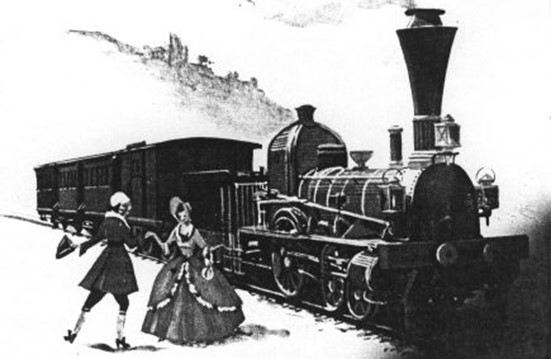
Figure 2: With the “Spanisch-Brötli-Bahn”, Switzerland gets its first national railway line.
The first railways in Switzerland were built on private initiative. They were able to start operating with a concession from the cantons they served. Initially, the Confederation only specified the technical aspects. Later, the Confederation was given more powers to ensure a sensible national network.
In 1857, a railway mail coach was used for the first time in Switzerland by the Schweizerische Nordostbahn on the Zurich-Baden-Brugg line. This was the beginning of Swiss railway mail. In 1859, the route network already had a length of more than 1000 km, there was a continuous connection from Lake Constance to Geneva, to which Bern, Lucerne, Chur, St. Gallen, Schaffhausen and Basel were also connected. In 1882, after the completion of the 15-km-long summit tunnel, the Gotthard railway was able to begin operations.
In 1875, the first law for the construction and operation of industrial sidings was introduced in Switzerland, thus legally regulating the legal relationships for sidings. The referendum of 20 February 1898 marked the end of the private railway age, and from 1902 the newly founded state railway SBB took over the largest railway companies as well as smaller private railways. With nationalisation, responsibility for the further development of the railways passed to the federal government. The takeover of the infrastructure by the SBB was a good step. However, operation on the network was to be characterised by competition.
With the monopolisation of rail transport, it was time in 1912 to establish a representative for the private players. This was the birth of the VAP Verband Schweizerischer Anschlussgleise- und Privatgüterwagenbesitzer – today’s VAP Verband der verladenden Wirtschaft – which from then on campaigned for fair competition and the optimisation of economic policy conditions, rail infrastructure and logistics locations. At that time, rail made a decisive contribution to the industrial revolution – the profitable connection soon overtook ship and horse-drawn carriage as the infrastructure grew. Fast transport within Switzerland, but also to Europe, opened up new economic opportunities.
During the First World War, the transport performance of rail freight first rose, before declining by 18% in 1917 and 14% in 1918. These declines can be attributed to the interruptions in production and trade as well as the effects of the Spanish flu. The pandemic at that time affected about half of the Swiss population in two waves and claimed almost 25,000 lives between July 1918 and June 1919. Transport performance recovered in the 1920s before plummeting again in the year of the economic crisis in 1921 and with the New York stock market crash of October 1929.
With the beginning of the Second World War, the freight railway began an upswing, which it owed to the armament economy and political decisions[7]. Domestic traffic increased, as the now largely electrified railway replaced car and truck traffic, which had been largely paralysed due to a lack of fuel. During the Second World War, the transport performance of the railways declined massively until freight transit traffic almost completely collapsed at the end of the war and the transport performance lost 42% overall.
After the Second World War, the economy recovered and with it the transport performance of the railways. It reached a first record level in the 1970s. This was followed by sharp declines due to the oil price crisis, the 1987 stock market crash, the real estate crisis and the subsequent recession of the 1990s. In 1999, Switzerland launched the first of several steps of the so-called railway reform in the context of the European market opening for UCT and based on EC Directive 91/440/EEC[8]. The aim: to make the Swiss railway system more efficient and customer-friendly.
The new railway sidings law of 5 October 1990 and the ordinance of 26 February 1992 are intended to give new impetus to the promotion of rail freight transport and to help solve the numerous problems facing freight transport in a future-oriented manner.
In the year 2000, rail freight transport performance was five times greater than in 1950 (+397%). This multiple is all the more impressive given that the share of rail in total freight transport declined massively in favour of road transport precisely in those years. For despite the experience of fuel shortages during the Second World War, the transition to a petroleum-based economy took place after the end of the war.
The New Rail Link through the Alps (NRLA) brought a further boost. With three base tunnels through the Alps and the expansion of the access routes, it brought the north and south of Switzerland and Europe closer together. The Lötschberg base tunnel has been in operation since 2007. The Gotthard Base Tunnel was opened in 2016. In 2020, the NRLA was completed with the commissioning of the Ceneri Base Tunnel.
|
Mood 2008–2012 To help you feel the pulse of the times, we have summarised for you the contents of speeches given at our AGMs in 2008, 2010 and 2012: 2008: VAP General Assembly, President Franz Steinegger’s presidential address Swiss transport policy in rail freight transport is characterised by contradictions. On the one hand, millions of Swiss francs are invested in transit traffic between Germany and Italy, when this is handled as combined transport or as a rolling road. On the other hand, in domestic traffic, passenger traffic is subsidised via a misguided train-path price regulation and rail freight traffic is disadvantaged. Moreover, shippers in Switzerland will only receive a flat-rate refund of the HVF if they bring their goods to the railway in a container, which further subsidises transit traffic. The Association of Swiss Shippers (VAP) calls for a comprehensive modal shift policy that also takes ecological criteria into account. To this end, train path prices, access priorities, rail capacities, the application of the polluter-pays principle in route renewals and a needs-based assessment of wagonload traffic must be improved. It is also stressed that the needs of freight transport should not be underestimated in the future development of rail projects. 2010: VAP General Assembly, Speech by Moritz Leuenberger Freight traffic, which is responsible for the transport of goods, is often overlooked by many people. While most do not care about the origin and history of goods, they are often not informed about how transport and logistics are carried out. The text shows that freight transport by rail is disadvantaged compared to passenger transport and often receives too little political support. Public funds are becoming scarcer, while freight transport is increasing exponentially on both road and rail. Leuenberger suggests that the order of priorities on the rail network must be reconsidered in order to strengthen freight transport. The federal government has already taken measures to support freight transport, including ZEB and Bahn2030, he said. 2012: VAP General Assembly, Speech by Franz Steinegger, President VAP The President looks back on a long career in transport policy and recalls discussions on various projects such as Rail 2000, the Vereina Tunnel, the Neat and the Alpine protection article. He notes that the growth of passenger and freight transport will increase by 60% by 2030 and that infrastructure must follow the increasing demand for mobility. However, there are financial and environmental limits, and there is the question of whether the necessary infrastructure supply can be provided. The author criticises that politicians and associations prefer to deal with means of control and priorities of use for existing infrastructures instead of looking at the future. In the case of the railways, there are plans such as Rail 2030 and a Strategic Rail Infrastructure Development Programme (STEP) with investments of CHF 42 billion. The roads also have financing proposals. Switzerland invests the most per capita in the railway network in Europe. From the commemorative paper: The federal law and the Berne Convention have promoted rail freight in national and international transport. However, rail freight transport is in fierce competition with road freight and passenger transport, which is increasingly weakening the competitiveness of rail freight transport. Swiss transport policy aims to shift freight transport from road to rail, which requires a well-developed infrastructure and fair network access conditions. To remain competitive, intramodal competition and state incentives are also needed, as well as a critical analysis of the organisation of the railway infrastructure and railway companies. The VAP sees it as a challenge and an obligation to balance the modal shift discussion in the interest of Switzerland as a business location and a place to live. |
The terrorist attacks in the USA in 2001 were followed by a 4% decline. After the financial crisis of 2008 triggered by the bursting of the US real estate bubble, transport performance fell by 14% in 2009. In the economic crisis in 2012 following the introduction of the minimum euro exchange rate, there was again a decline of 4%. The closure of the Rhine Valley railway (water ingress in the Rastatt Tunnel) resulted in a decrease of 6% in 2017. Comparable to this is the 5% decrease in rail freight transport in the Corona pandemic year 2020. In 2021, rail freight transport increased again by 6.2% (10.4 billion tonne-kilometres).
Electrification: a century ahead
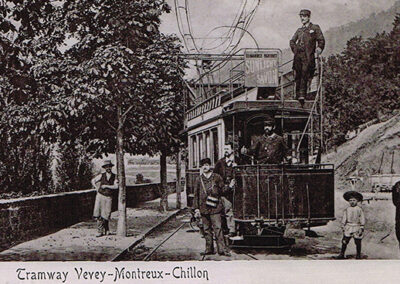
In the early days, railways ran on coal. In 1888, the first electrically powered railway rolled out in Switzerland with the Vevey-Montreux-Chillon (VMC) tramway. Other narrow-gauge railways followed step by step. In 1901, at the general meeting of the Swiss Electrotechnical Association, it was proposed that the electrification of standard-gauge railways should also be examined.
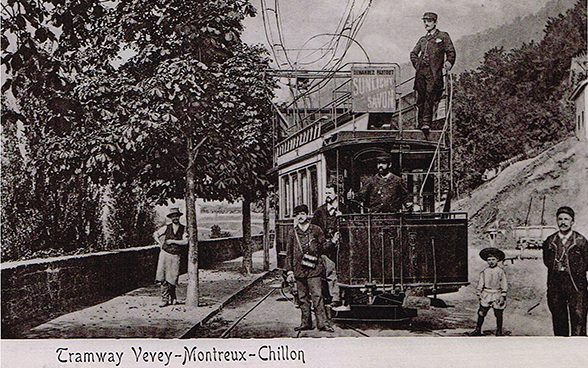
Figure 3: In 1888, Switzerland’s first electrically operated railway rolled out with the Vevey-Montreux-Chillon tramway. © Laurent Croset
According to the later Study Commission for Electric Railway Operation, the initiator was “mainly guided by the need to make our country less dependent on the coal-producing countries and to open up a new field of work for the Swiss electrotechnical industry”. In its 1912 report to the SBB general management, the study commission itself emphasised “the utilisation of national water power instead of foreign coal” as the main motive “and, if possible, a reduction in the cost of operation”. As early as 1906 and 1913, the various sections of the Lötschberg-Simplon axis were electrified and put into operation.
The coal shortage during the First World War drove the electrification of the railway forward. In 1920 the Gotthard railway went into electric operation and by 1928 more than half of the SBB lines had been electrified. Already in the interwar period, Switzerland took a leading role in electrification on an international scale. For military reasons, a further wave of electrification took place during the Second World War. In an extremely short time, another large part of the network was electrified. This was continued after the end of the war to prevent unemployment.
From today’s perspective, electrification was a good decision for climate protection, even if this argument did not play a role at the time. Today, climate protection is the main driver for modal shift and electrification of transport. Compared to road transport, rail has about a century’s head start here.
[1] Cf. FOT: Freight transport
[2] Cf. FOT Goods transport by rail
[3] Cf. blog article «Improvement of freight transport: it is high time to do something»
[4] Cf. blog article «Outsourcing the last mile and making it non-discriminatory»
[5] Cf. «The Spanish Rolls Railway», Peter Affolter
[6] The term «Badenfahrt» covers two historic events. On the one hand, the first Swiss train journey from Zurich to Baden and, on the other, the legendary folk festival. The latter celebrates its 100th anniversary this year from 18 to 27 August 2023. (badenfahrt.ch)
[7] It would be questionable whether these decisions are compatible with the preservation of Swiss neutrality. However, we will not go into this further in this article.
[8] Cf. EC Directive 91/440/EEC on the development of the Community’s railways

Status quo DAK: between wish and reality
We have supported the digital automatic coupler (DAK) since its beginnings. That is why we are involved in the international umbrella organisation of wagon keepers UIP, the European DAC Delivery Programme (EDDP) and the Swiss DAK migration project. However, much remains to be done at all levels. Here is an interim update on technical and market developments.
Here’s what it’s all about:
- Technology still raises questions
- Fair cost-benefit transfer sought
- Rising transport prices can bring about a shift back to the roads
- Cooperation with Europe: a must
- DAK as basis for fundamental system change
Together with the Federal Office of Transport (FOT), SBB Cargo and the Association of Public Transport (VöV), we at the VAP are driving the Swiss DAK project forward. Initial findings from this cooperation were recorded in the concept report “Automation in rail freight transport in Switzerland, starting with the migration to digital automatic coupling” of 24 October 2022. They were also incorporated into the current consultation draft on the future of Swiss freight transport and – with some additions – into the dispatch that the Federal Council is preparing for parliament in summer 2023. Numerous workshops and bilateral discussions with the rail freight sector have given rise to questions, criticisms and possible solutions that now need to be explored in greater depth.
The technology raises questions
Defining the coupling head was a first milestone. Now it is time to develop and test the digital elements. Two technical approaches are being pursued for this. With “Powerline-Plus”, the electrical impulses and data are transmitted over the same line with a limited number of contacts. In Switzerland, a consortium of experts will be testing this approach in the coming months. In the “Single Pair Ethernet” (SPE) model, on the other hand, separate lines are needed for power and data transmission.
Questions such as these remain open with both technical approaches:
- Under what weather and climatic conditions is reliable operation possible?
- Are there downtimes in data transmission during the numerous operational processes (shunting, travel (tight radii, inclines …)?
- Finally, what functionalities does the digital component contain?
- How will the upward compatibility be designed, especially from DAK4 to DAK5?
- How will the Europe-wide compatibility of the future DAK rolling stock be ensured?
- Currently, the European railway sector has only a few experts on this topic, which is a great challenge. There is also a need for clarification on mechanical aspects such as the force effects of the new coupling on the individual wagon types or the installation of the DAK in locomotives due to weight and/or space problems or the safe integration into the vehicle control technology. Questions like these must be answered by 2026.
Cost-benefit transfer can bring about a reverse shift
Investments in DAK migration are considerable, especially for vehicle owners. We assume costs of CHF 20,000 to CHF 40,000 for wagons (depending on wagon type) and CHF 60,000 to CHF 250,000 for locomotives. However, positive effects for the vehicle owners will only become noticeable after complete migration, i.e. after ten years at the earliest. This means that costs will rise in the first few years without additional revenue, which will lead to higher prices for wagon hire. The railway undertakings (RUs) will also have additional expenses during the migration phase of several years due to parallel operation. High price sensitivity could cause a shift back to the roads. We already noticed this effect in 2023 with the passed-on price increases due to increased traction current costs.
We at the VAP are looking for solutions to these challenges:
- How can the RUs, as the main winners of the DAK, pass on the efficiency gains and cost savings to the vehicle owners? In monopoly-like structures such as single wagonload traffic, market-based mechanisms do not work.
- How high do subsidies (A‑fonds-perdu contributions, loans, funds) have to be in order to compensate for the unequal cost-benefit transfer, and how can a major shift back to the road during migration be prevented? What happens if subsidies or subsequent financing to the state-owned RUs are almost completely discontinued with the DAK?
Investing in new rolling stock is certainly conceivable or even necessary for many wagon owners. But the real question is how existing fleets can be efficiently converted. In doing so, it is important to take the following aspects into account without disadvantaging players through no fault of their own:
- Even with newer rolling stock, there are difficulties in retrofitting a DAK.
- The purchase of new cars has become 50 percent more expensive due to increased raw material prices.
- The production of new cars with DAK has to be started after the specifications have been finalised. The number of units is limited at the beginning depending on the type of wagon.
- Older rolling stock with a simple conversion causes lower additional costs.
- Different vehicle owners own identical types. The conversion of the type vehicle must be independent of the keeper and the high one-off costs must be covered.
Track to track with Europe
The majority of those involved agree: only in close cooperation with Europe can we master sustainable migration. The technical and operational challenges of conversion are similar on both sides of the border. Questions about the conversion process up to successful implementation and financing can only be answered if all experts and decision-makers are at the table. Unfortunately, that is only a handful.
Our contribution from Switzerland is to deal with the national circumstances and to prepare the groundwork well. This includes launching pilot transports; the first DAK test trains have been running in Switzerland since April 2023. We should gather this experience and incorporate it into the pan-European project.
We would like to show that efficient and sustainable innovation at European level is only possible together, using the following examples:
- Coordinate workshop capacities: Coordination between the countries and wagon keepers must be ensured in order to have the wagons to be converted in operation (national and international relations) routed to the nearest or best possible workshop and returned again.
- Align funding requirements. The prerequisite for funding is usually an entry in the vehicle register and/or a registered office in the respective country. However, as wagons are not always used in that country but move throughout Europe, funding must be secured for wagon keepers in all countries at the time of migration.
- Coordinate migration timetable. Early migration leads to new interfaces in rail freight transport. Specifically, a wagon converted and funded in Switzerland cannot run in Germany as long as the DAK migration has not started there and the corresponding import and export transports have not been coordinated. In addition, the vehicle owner can only use his fixed assets to a limited extent.
- Bring decision-making bodies together: The technical solutions are adopted in the specified bodies of the EU and then adopted by Switzerland. Integrating these resources into the EU project would be more expedient than having Switzerland set up its own organisation.
In order to contribute to the overall realisation at EU level, we in Switzerland must concentrate on the preparatory work with all the companies concerned and actively push ahead with our test phases and pilot transports. We cannot afford any teething troubles with the products and specifications.
Basis for a fundamental system change
The DAK is not a technical undertaking, but the beginning of the necessary digitalisation and integration of rail freight transport into a sustainable logistics chain. With the DAK, elements such as automatic brake testing, automatic recording of the wagon sequence, train integrity control or electro-pneumatic braking are added in addition to the coupling process.
In order for the DAK to unfold its full technical effect and give rail freight transport the necessary market dynamics, we have to work on the following aspects before the start of migration:
- Redefine operational processes
- Adapt regulatory requirements and regulations and simplify timeframes
- Prepare and adapt infrastructure and sidings
- Train affected groups for migration and operation
- Automate inspections and maintenance
- Automate transport information for shippers
- Effectively protect digital data from unauthorised access
We at the VAP also aim to launch a data platform and exchange data in the sense of an eco-data system. We are convinced that the DAK will only bring the necessary and large-scale added value to the railway sector with the exchange of data. We are therefore very pleased that despite initial scepticism from the sector, the FOT has taken up this aspect. It also intends to include freight transport in the planned Mobility Data Infrastructure (MODIG). In our next blog on the DAK, you can read about the extent to which the DAK contributes to an innovative, self-sufficient and customer-oriented rail freight transport system and how the letter K can therefore be translated primarily as connectivity.
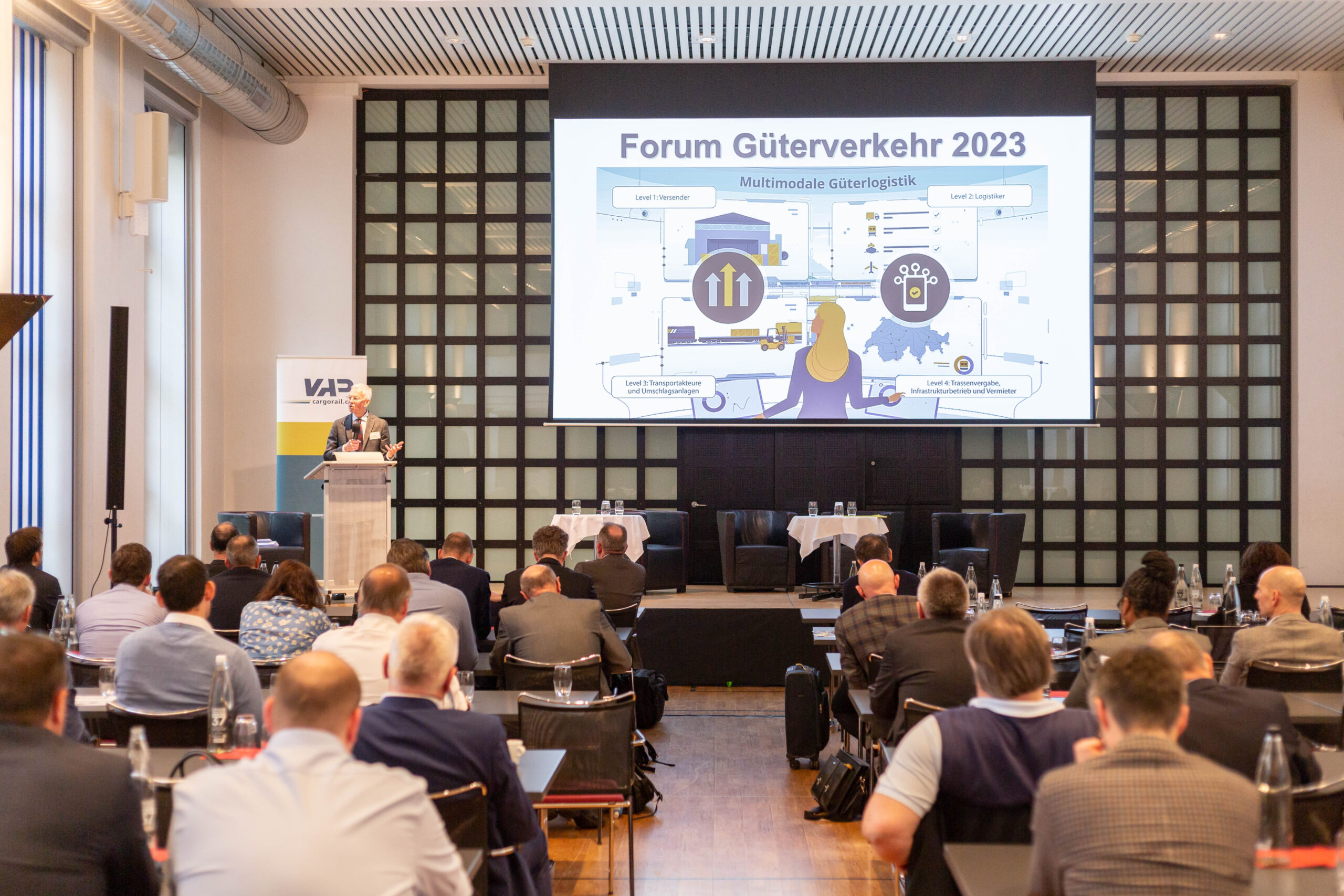
Freight Transport Forum: Multimodality and the Future of (Rail) Logistics
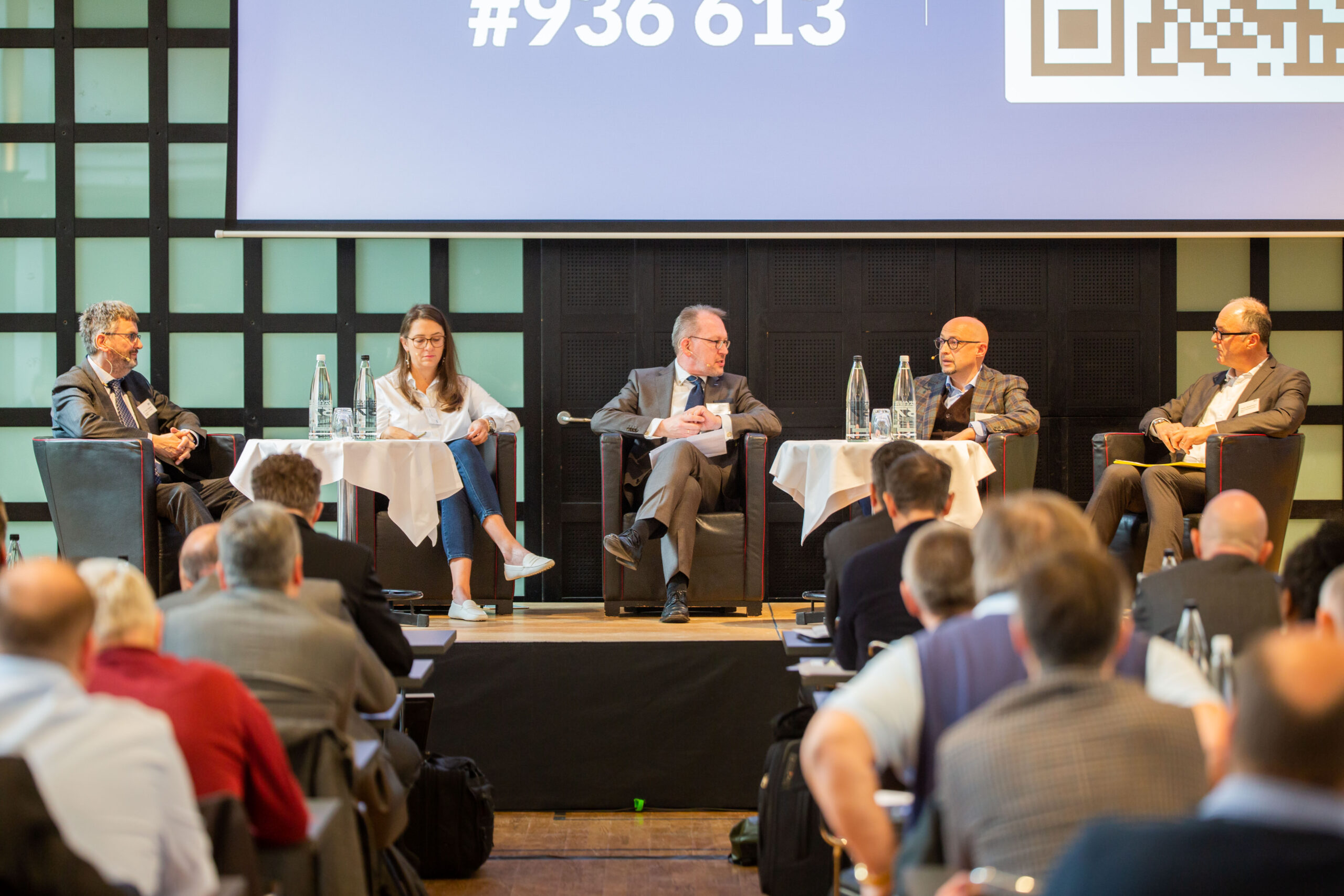
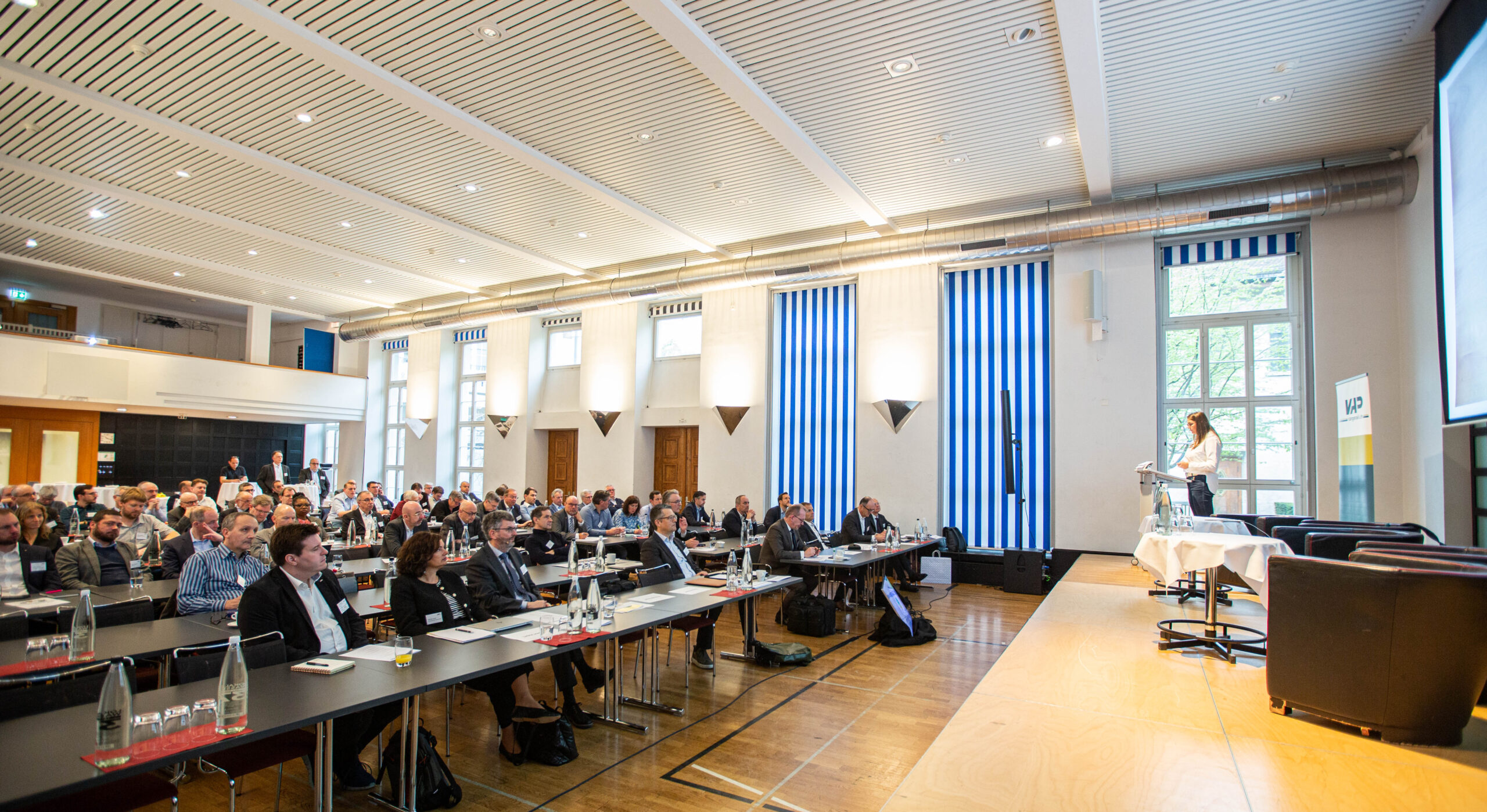
The Freight Transport Forum, which took place on 20 April 2023, addressed the future of logistics, multimodality and, in particular, the steps needed to modernise Swiss freight transport in a digital and dynamic world. Top-class speakers informed the audience about the latest research results, developments and challenges in practice as well as new legal framework conditions.
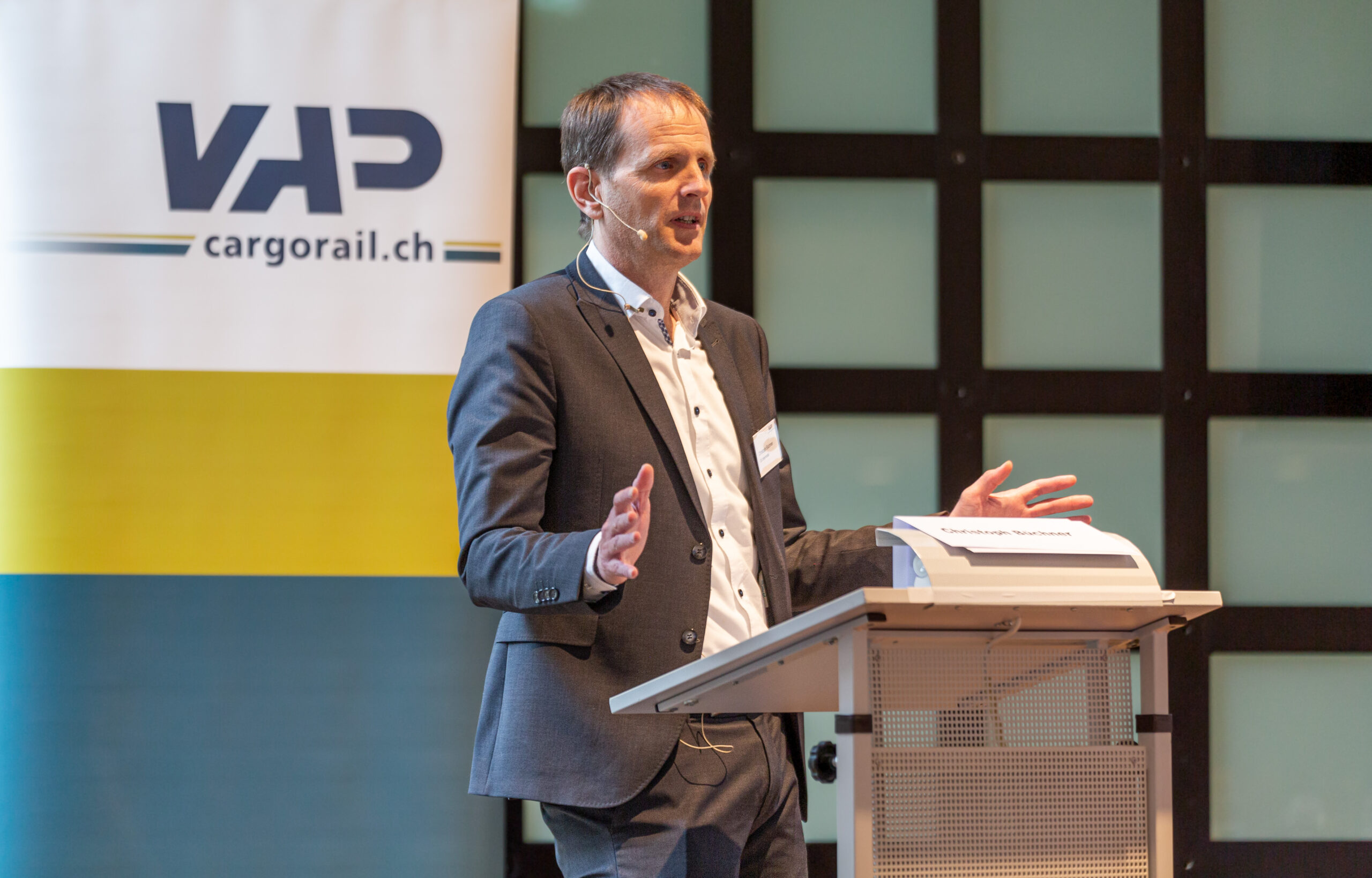
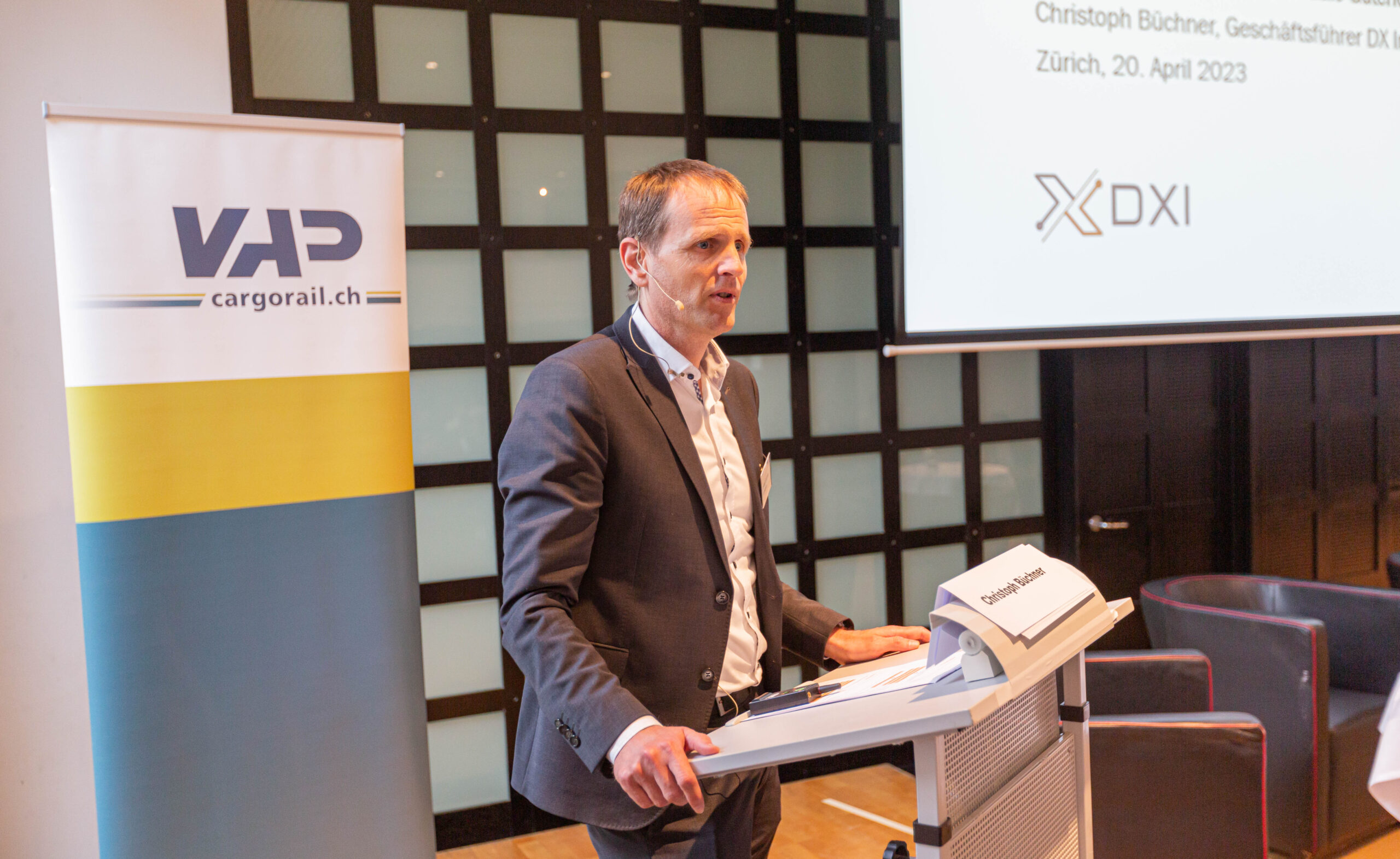
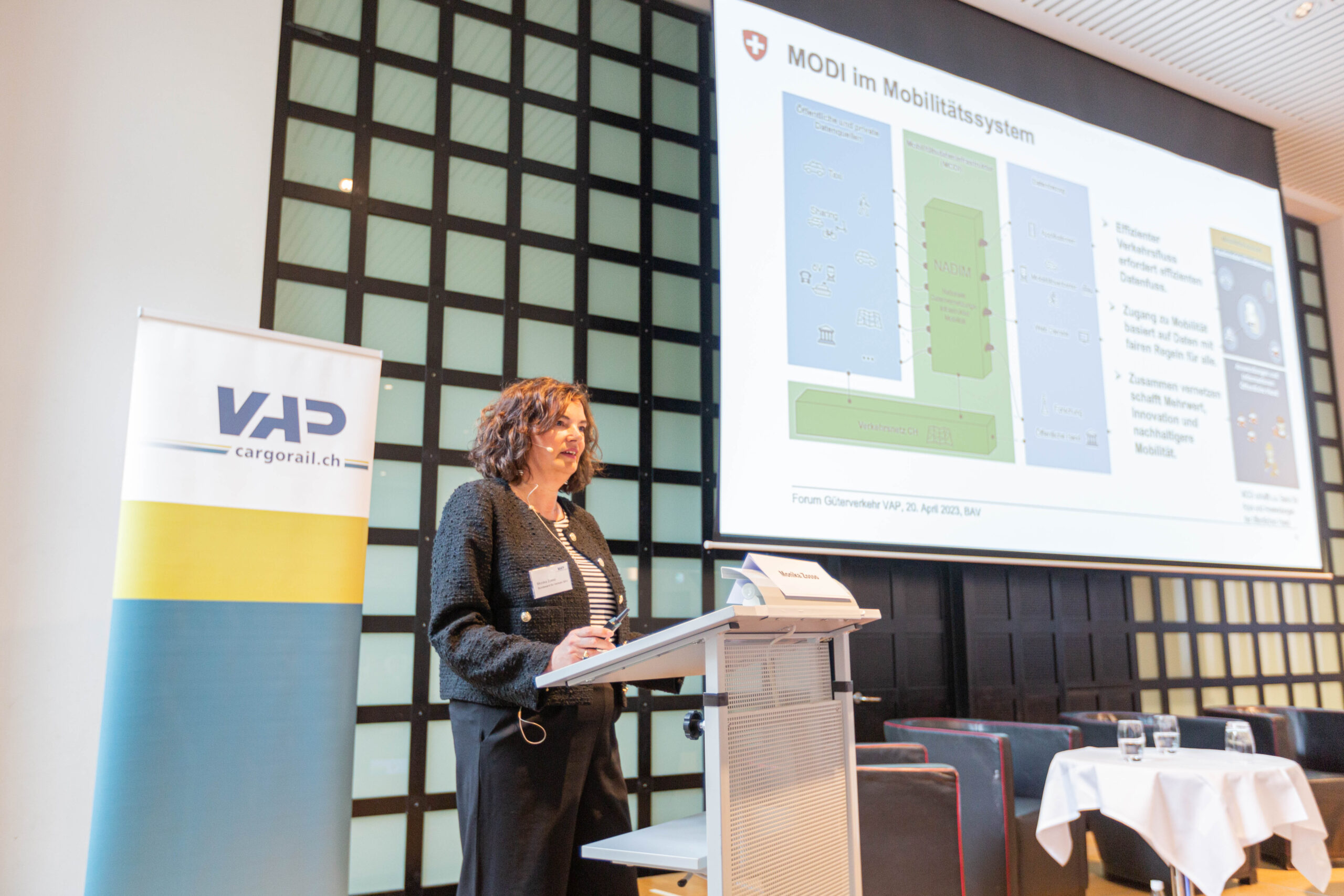
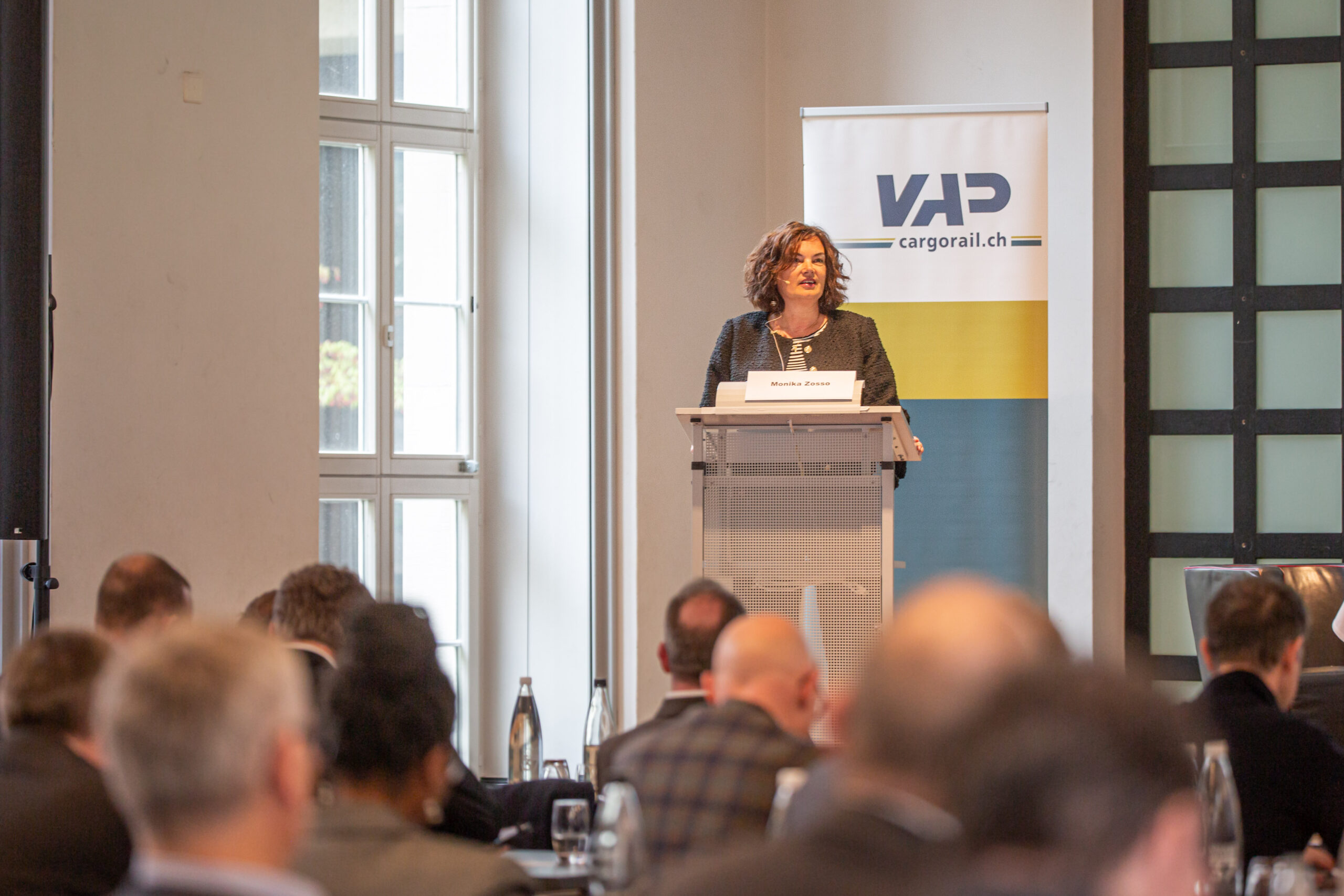
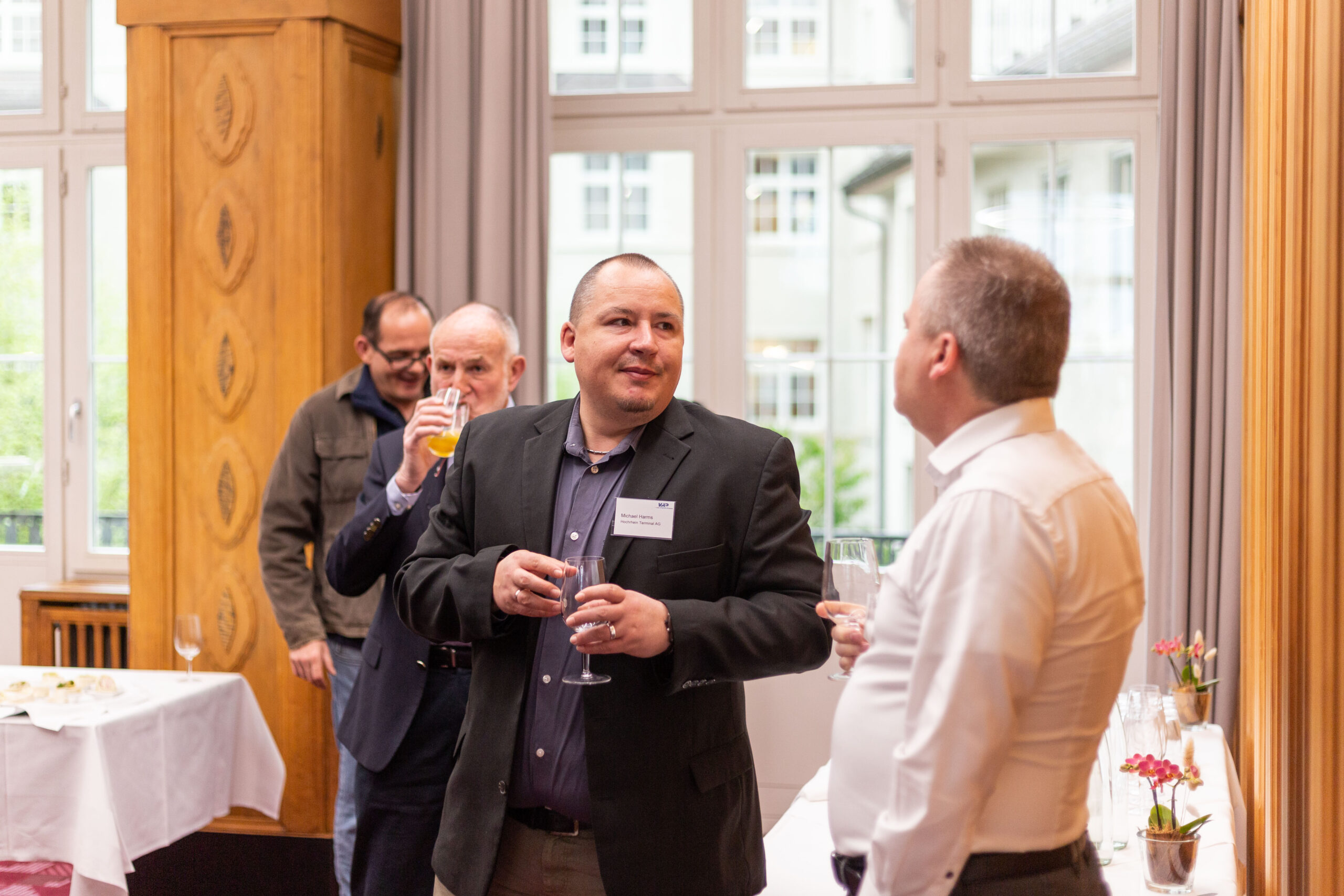
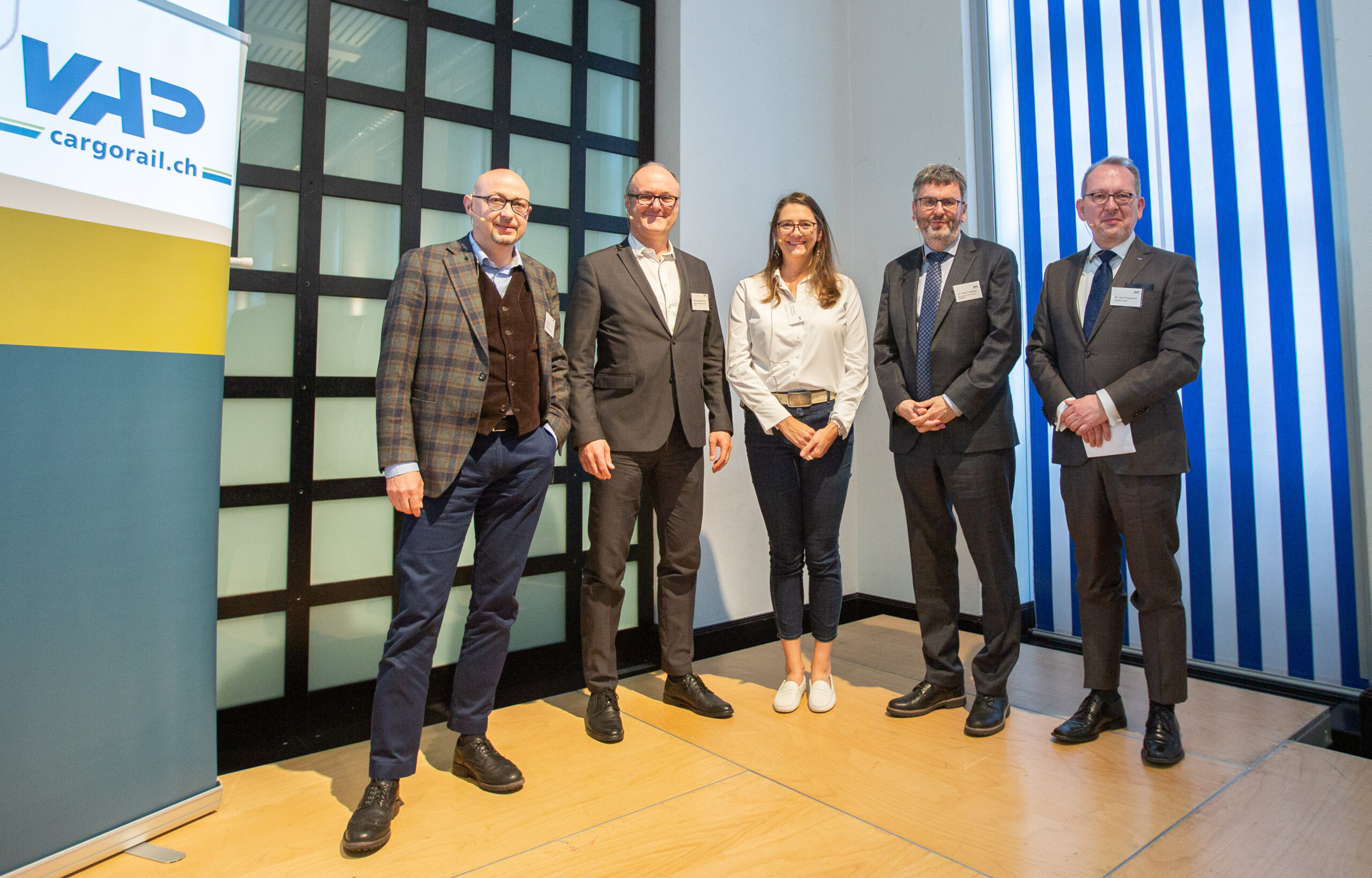
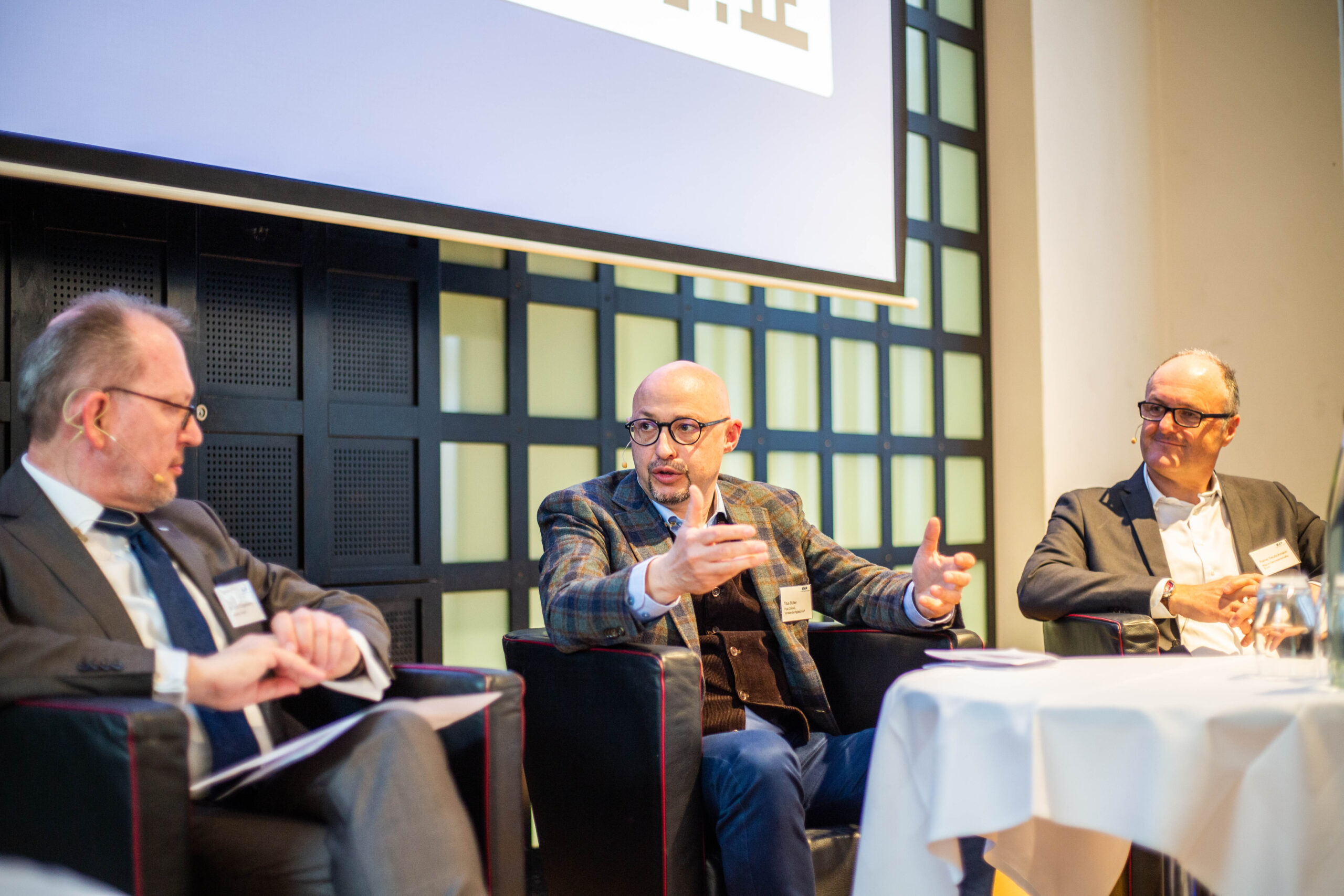
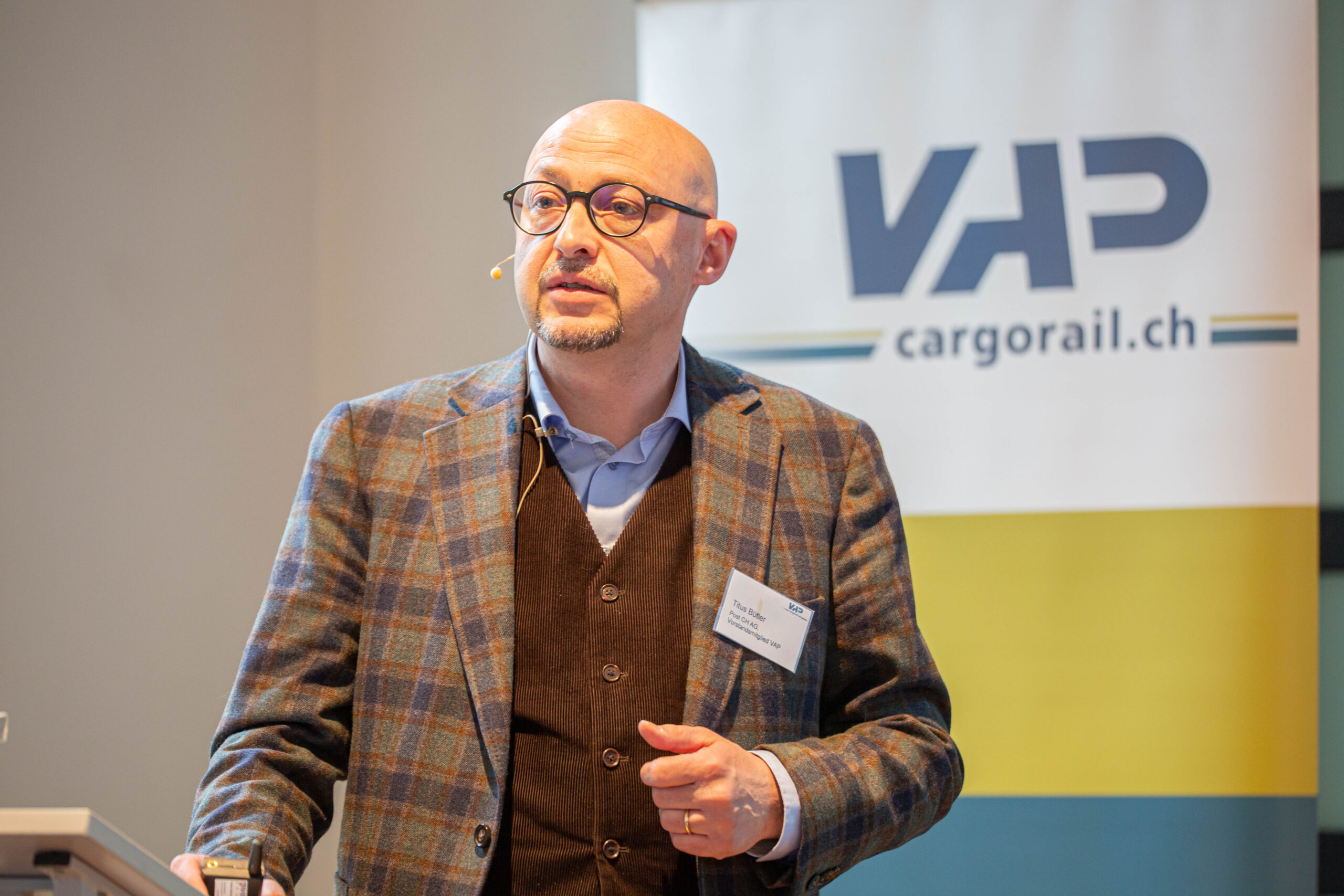
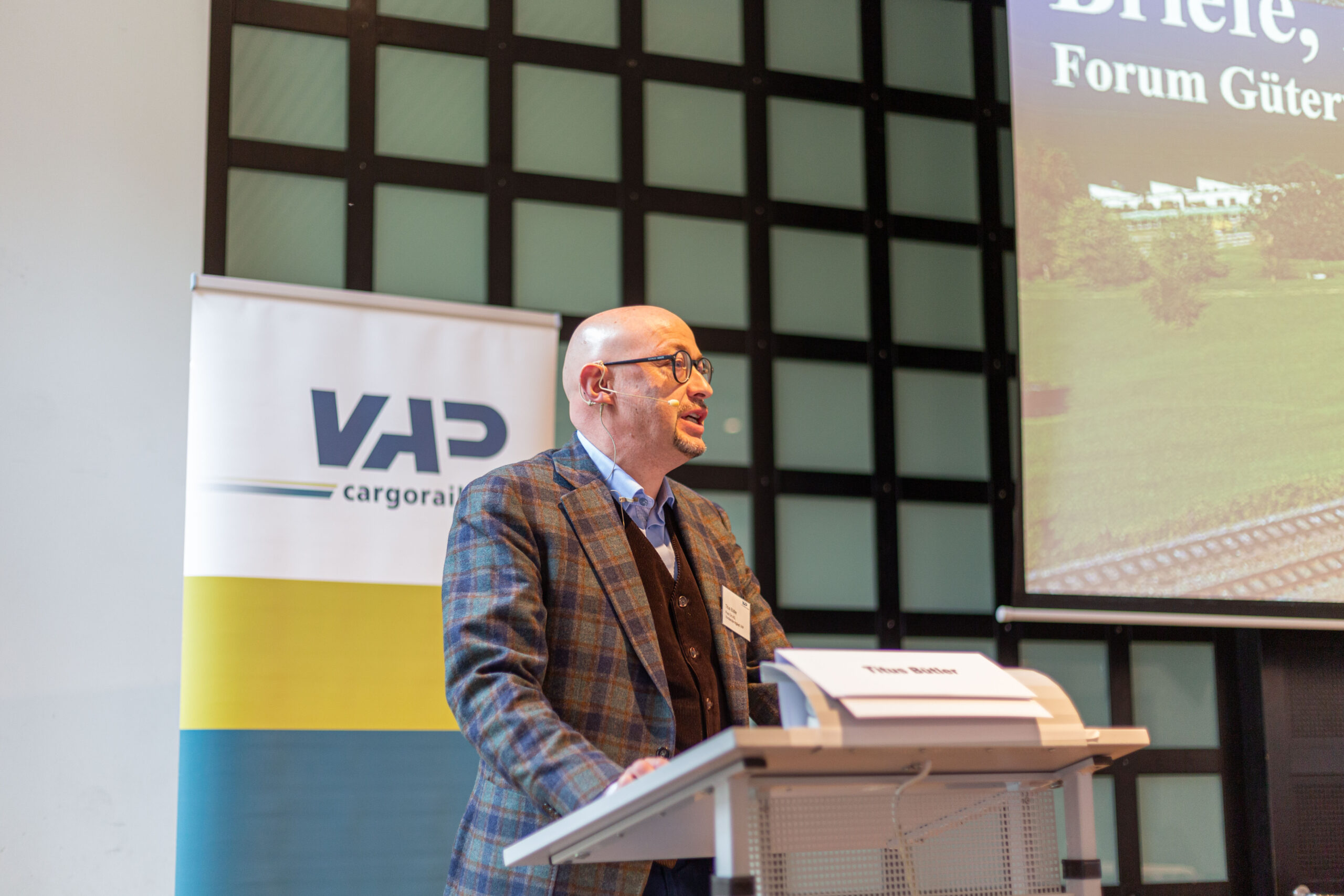
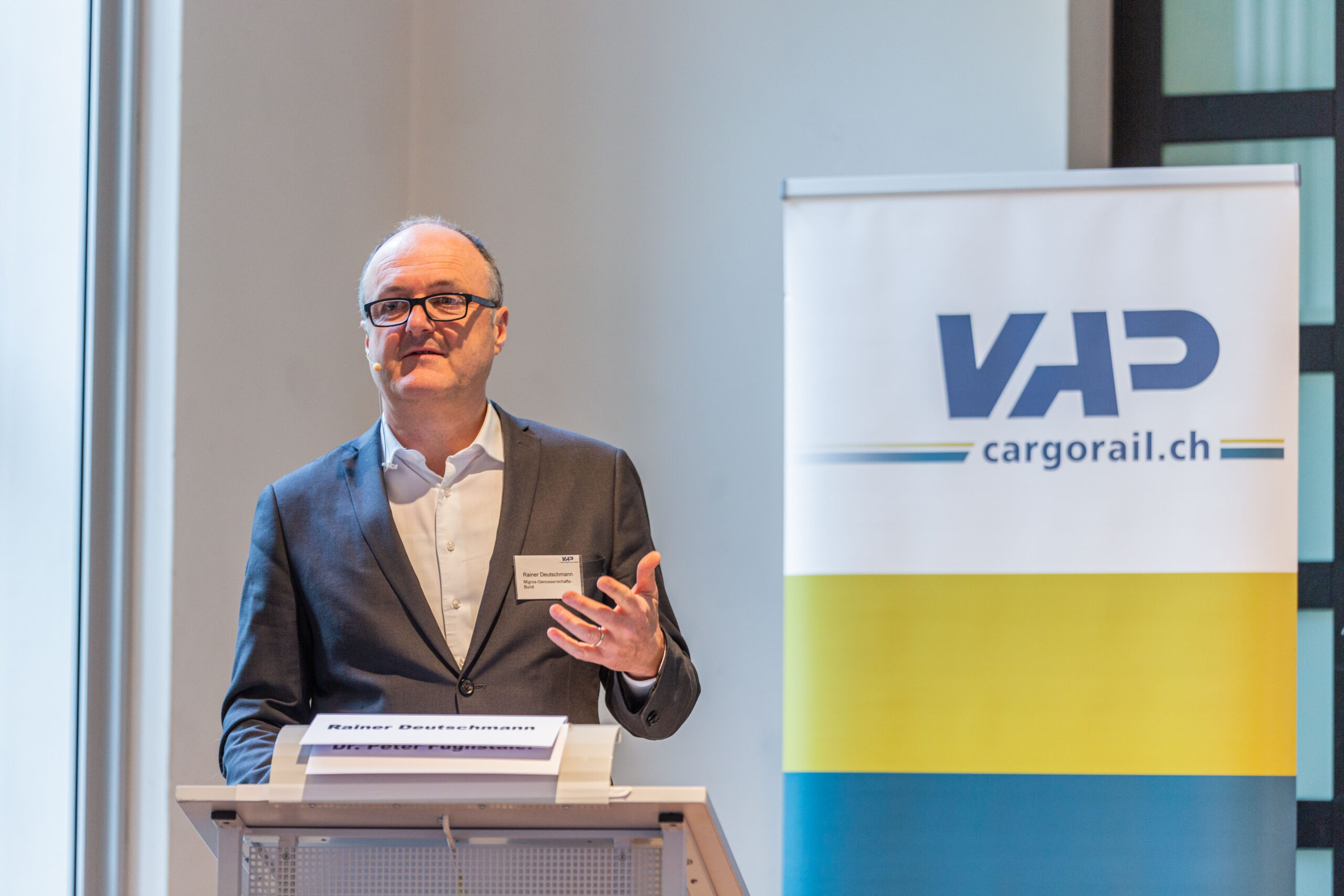
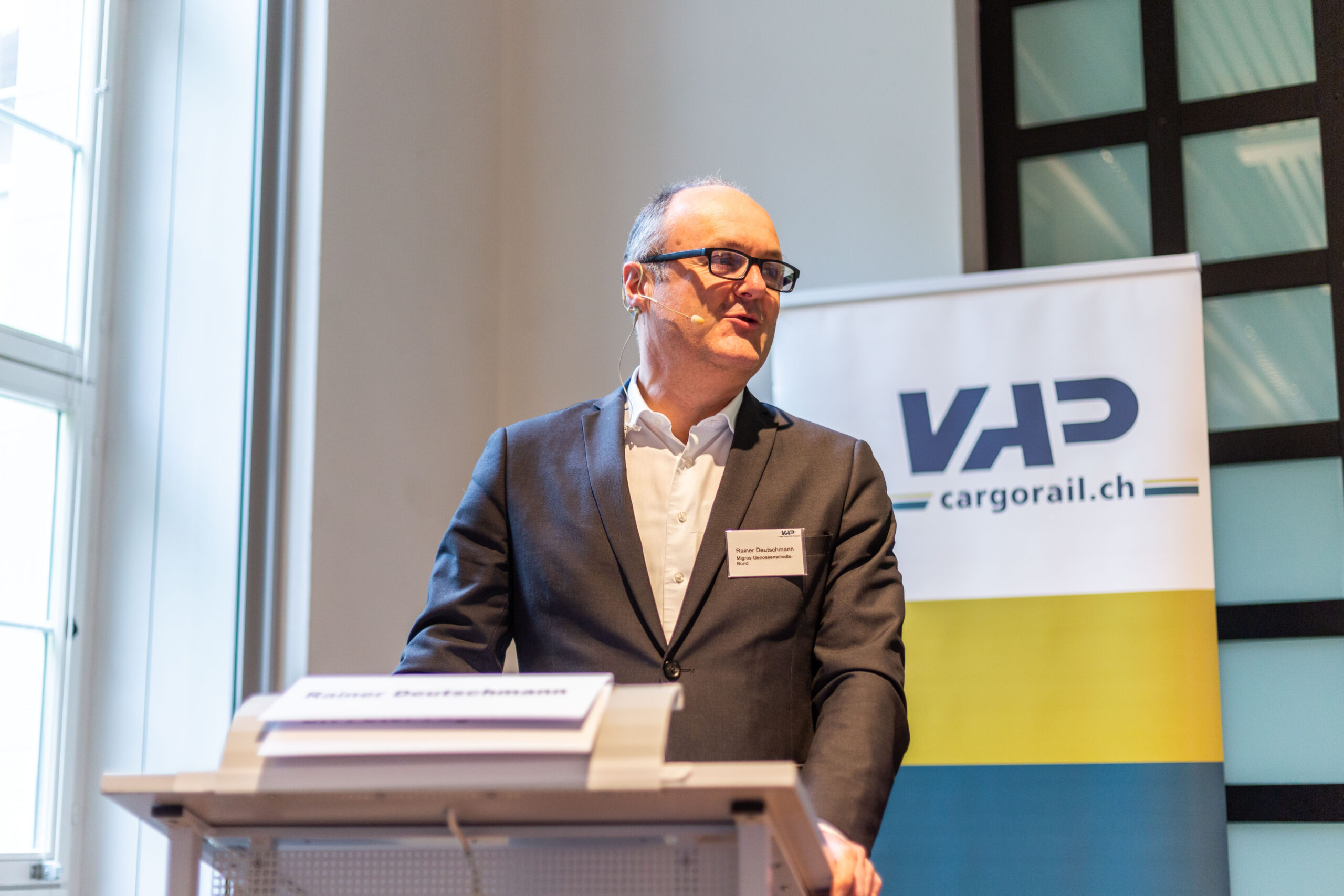
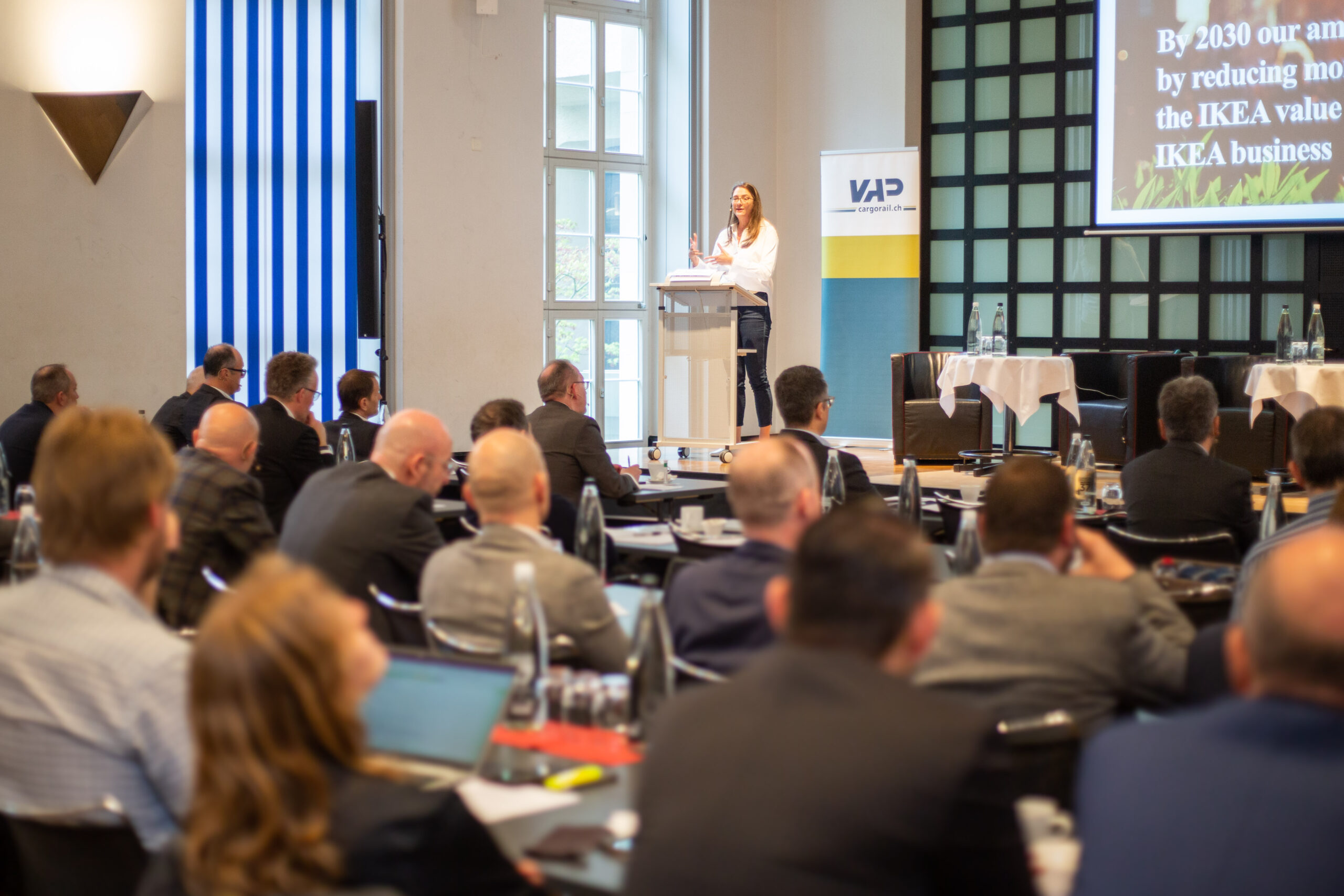
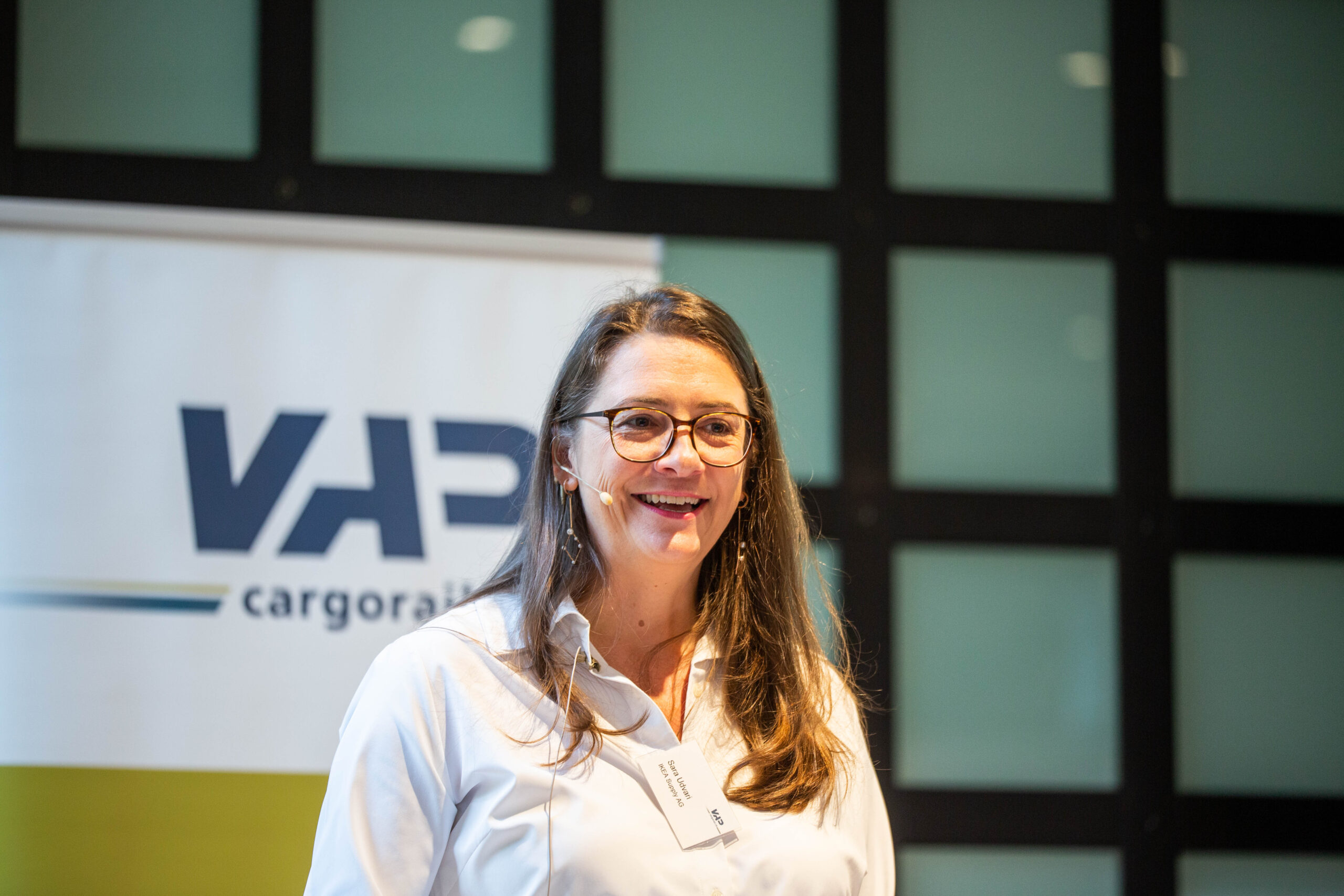
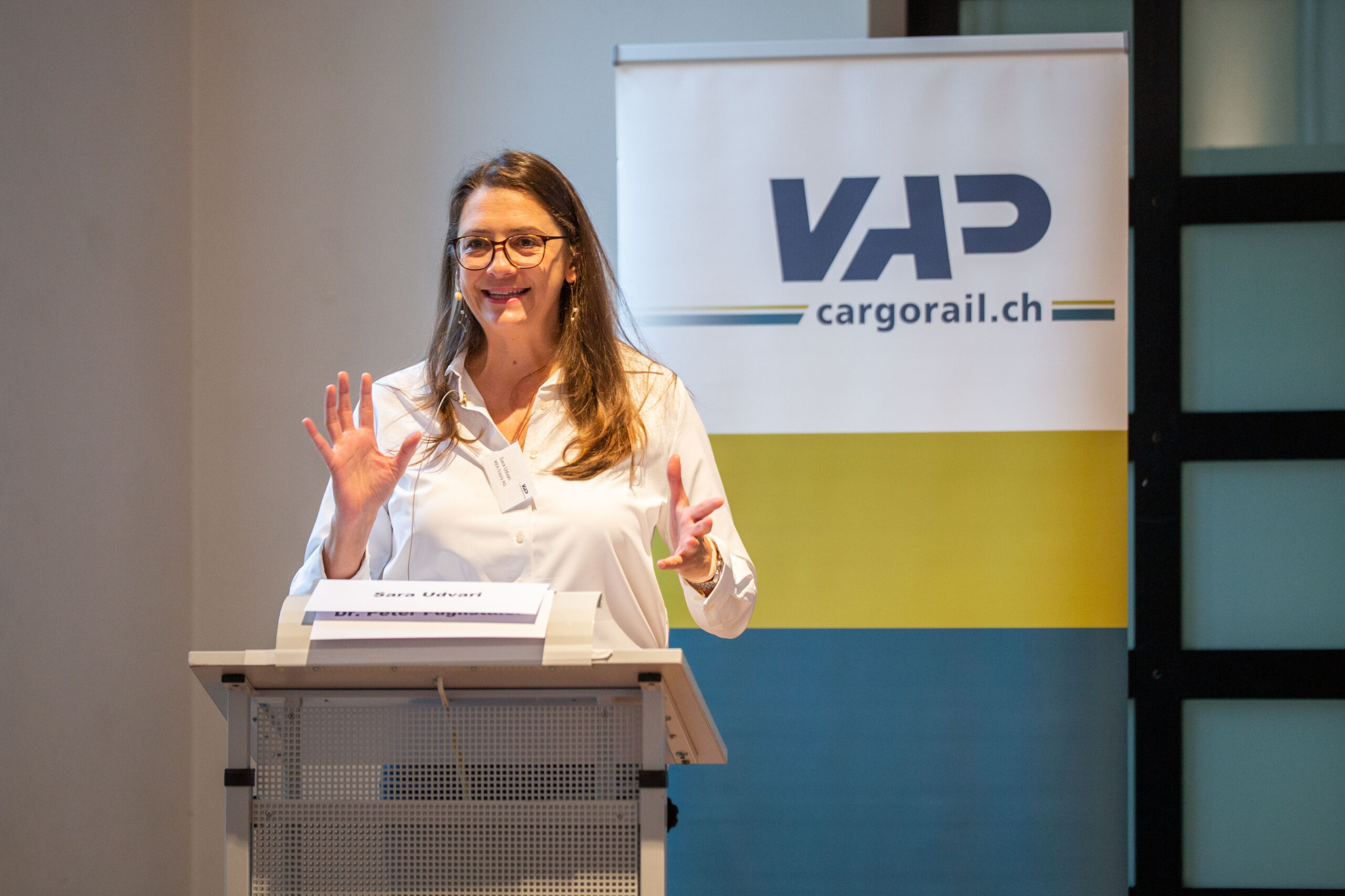
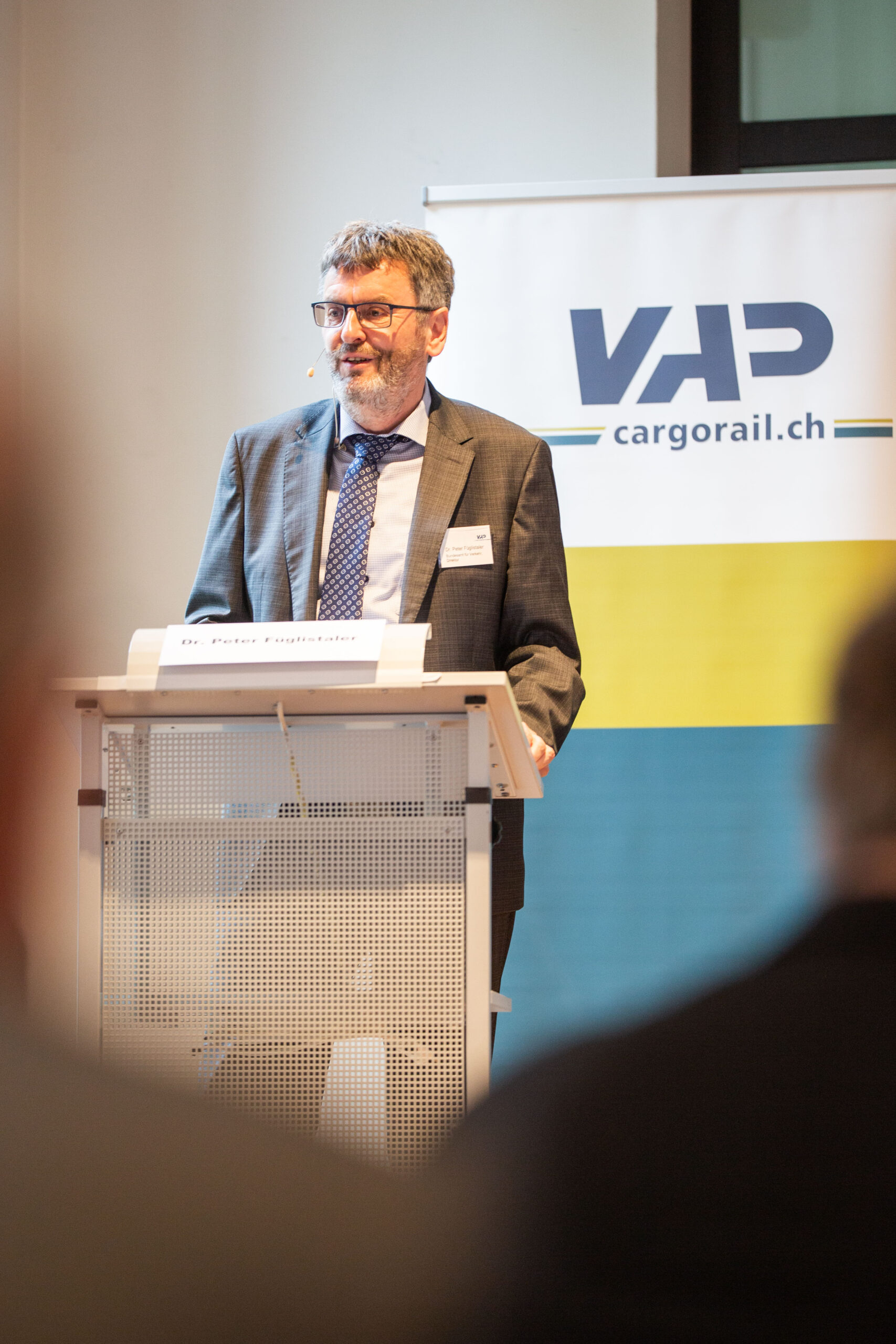
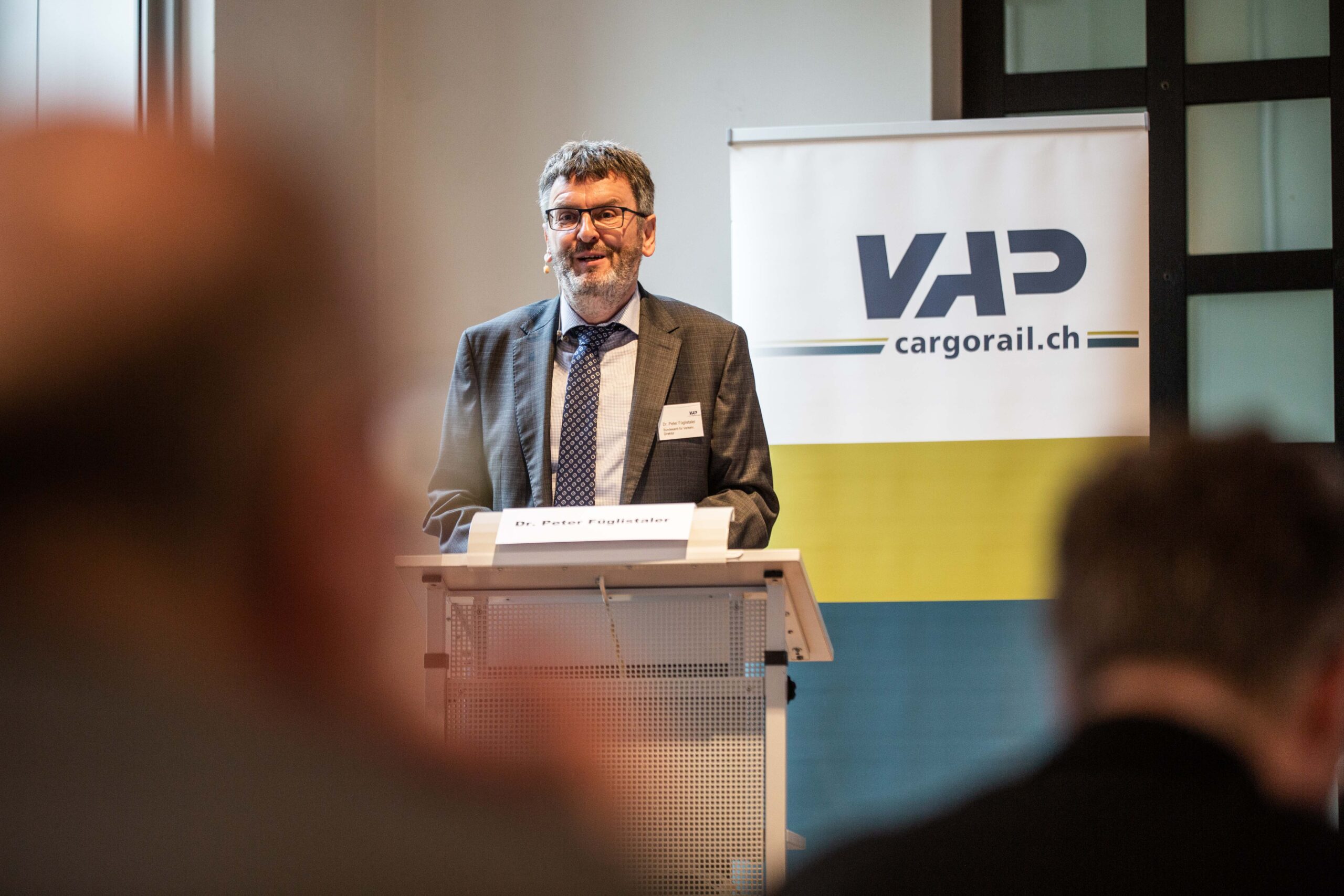
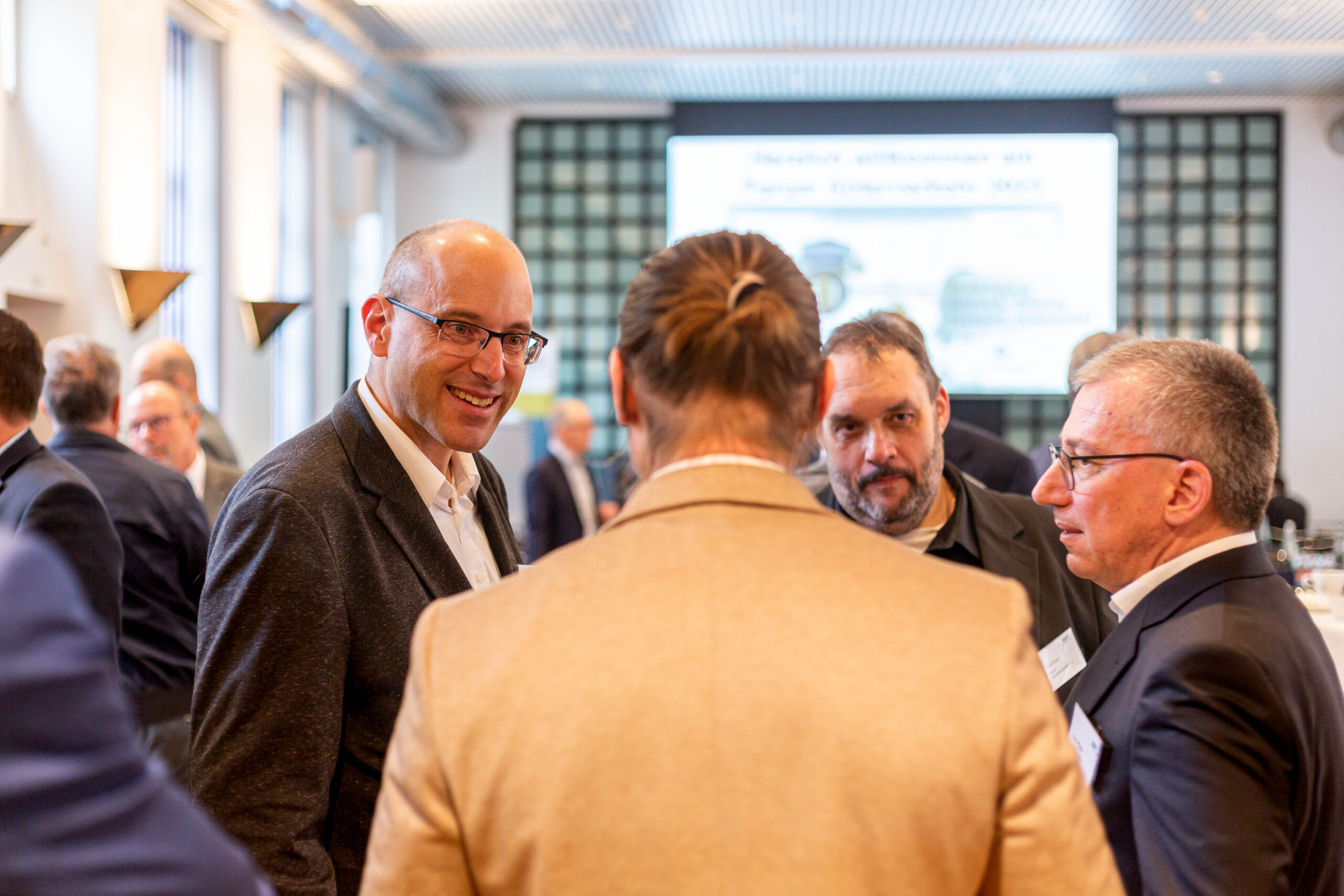
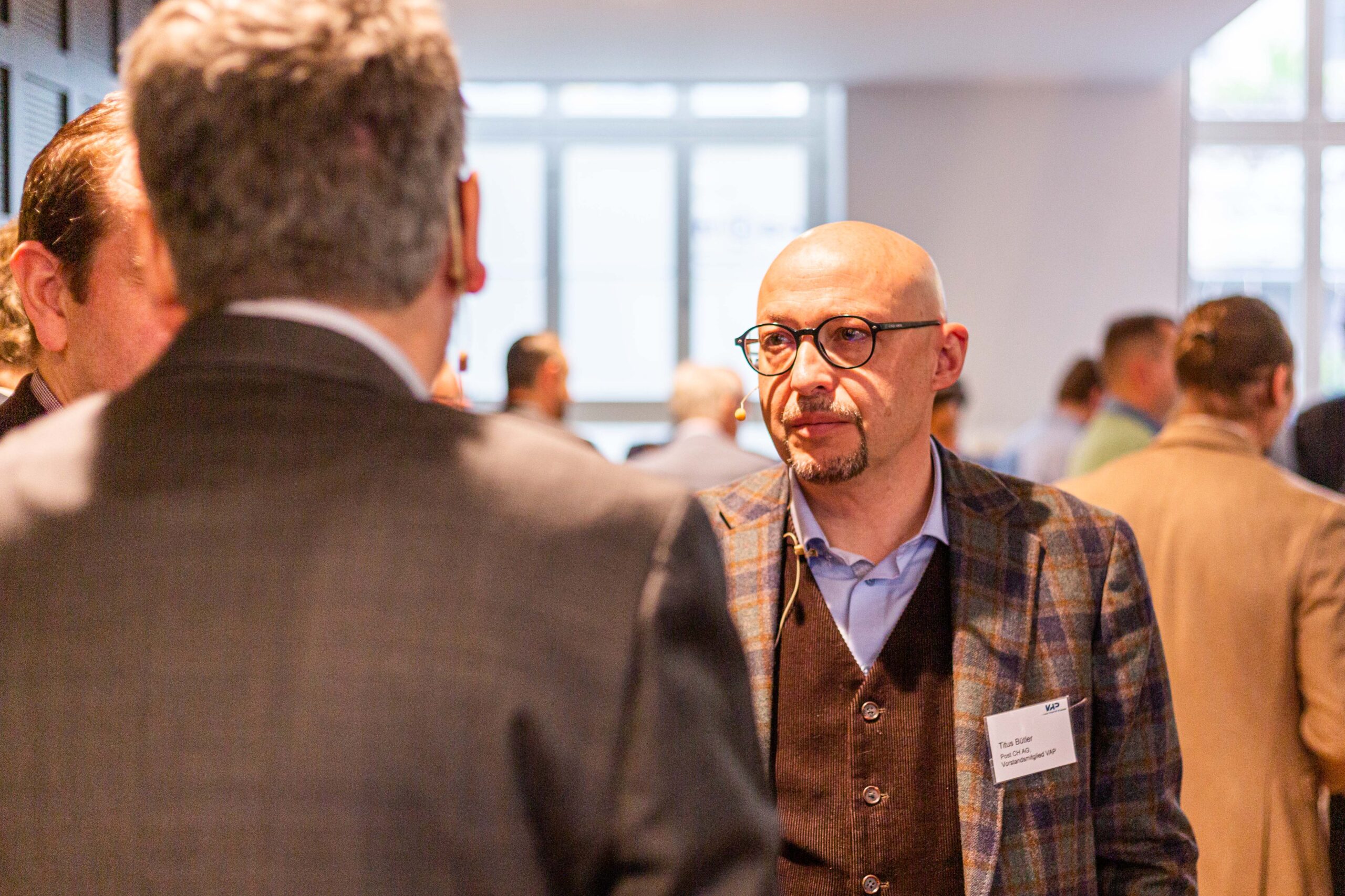
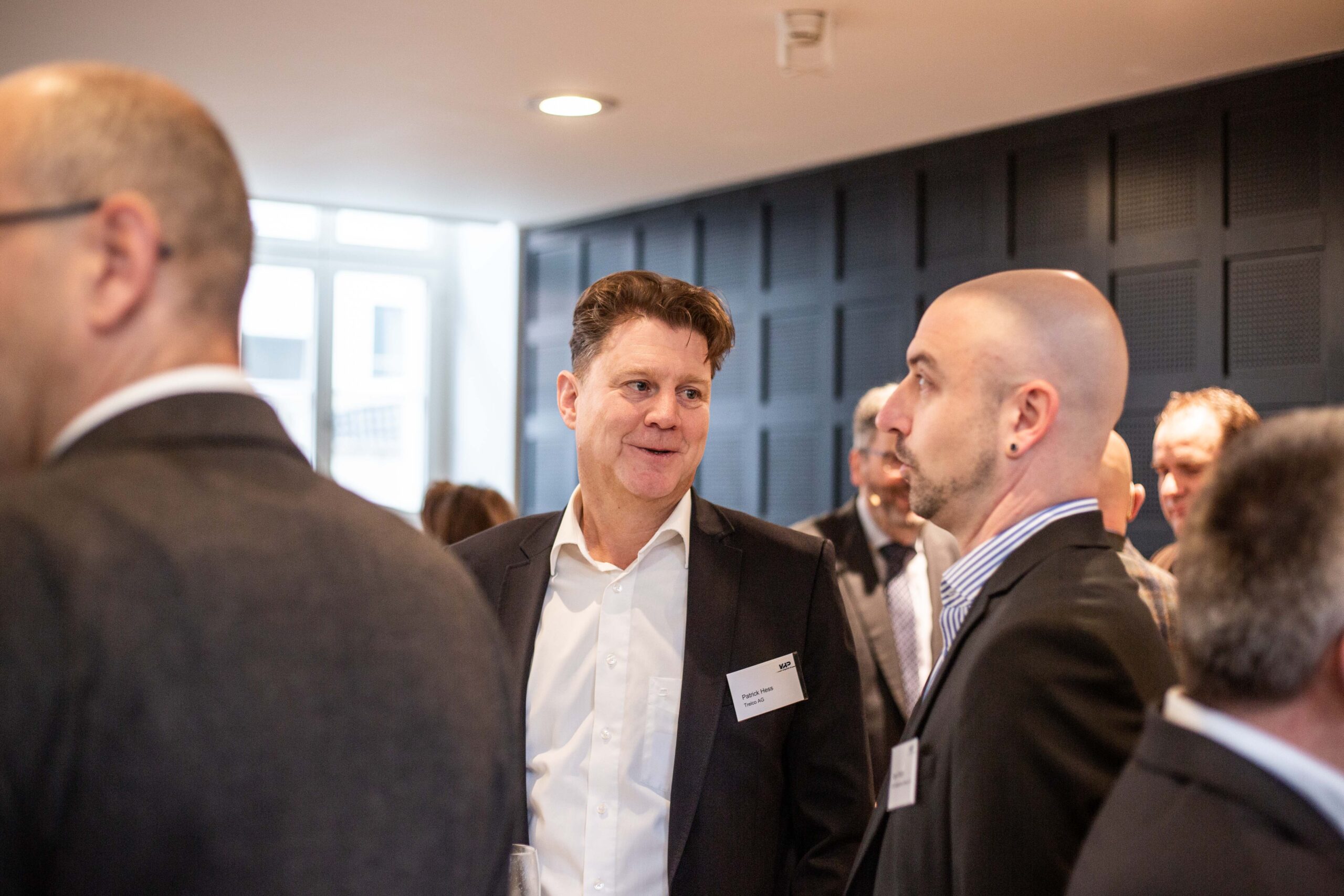
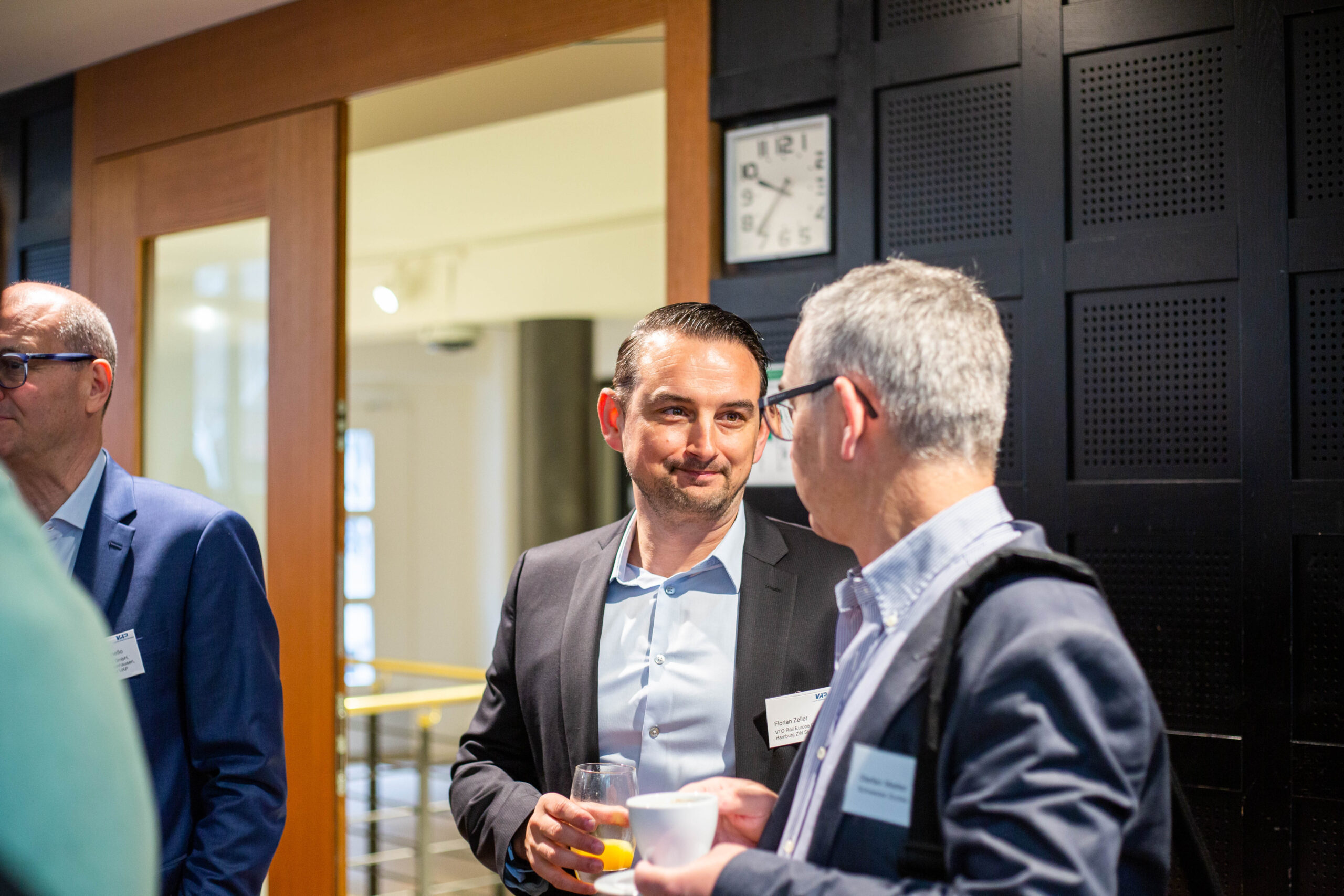
The three introductory speeches by representatives of the business community, Sara Udavri (IKEA Supply AG), Titus Bütler (Swiss Post) and Rainer Deutschmann (Migros-Genossenschafts-Bund) clearly demonstrated the business community’s commitment to sustainable logistics. One lever for this is the shift of transports into multimodal logistics chains, in which energy- and space-efficient modes of transport such as shipping and rail should also play a leading role. This is difficult in a dynamic world with traditionally less flexible partners and limited infrastructure capacities and involves considerable supply risks. However, based on the findings of research, presented by Dr. Matthias Prandtstetter (AIT Austrian Institute of Technology) for the provision and use of data and artificial intelligence, solutions are emerging to be able to organise increasingly dynamic and resilient transport chains. The data exchange structures that are necessary for this are already active in the field of CT, as exemplified by the DX I hub presented by Christoph Büchner (DX International) with government support from Germany, or are in the process of being created due to the new legal basis in Switzerland, presented by Monika Zosso (Federal Office of Transport BAV). Dr. Peter Füglistaler (Federal Office of Transport FOT) outlined how Switzerland intends to integrate the rail freight transport system into multimodal logistics and transfer it to the digital world of tomorrow.
In Europe, a negative development can be observed despite EEC Directive 91/440: Declining modal split and high subsidies for state railways, little customer orientation and innovation, as in many places in Europe competitors in rail freight transport still play a subordinate role. A fundamental restructuring of the rail system is therefore inevitable in order to find a way out of the subsidy trap. In doing so, the system must be made sustainable and risk-optimised through the implementation of automation and digitalisation by means of the DAK as the first step without alternative. However, this must be followed by the further development of the system, especially in wagonload traffic, in order to reduce the risk of failure for the customers and the owners of the state railways operationally and financially and to promote customer orientation and innovation. One possible solution is to split the system into a network provider of several players with a system integrator and a neutral last mile provider outside the transport market (see blog article «Outsourcing the last mile and making it non-discriminatory»).
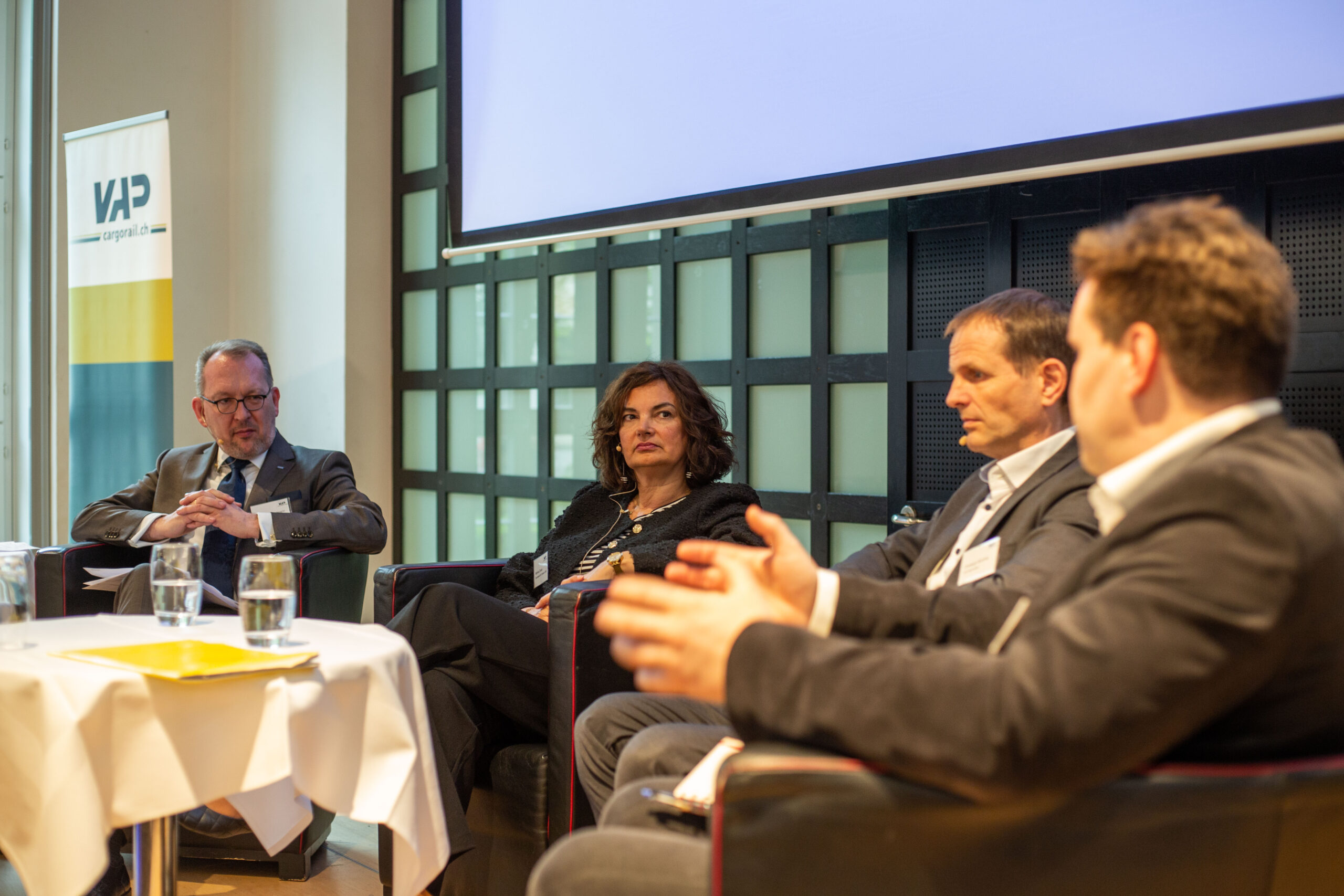
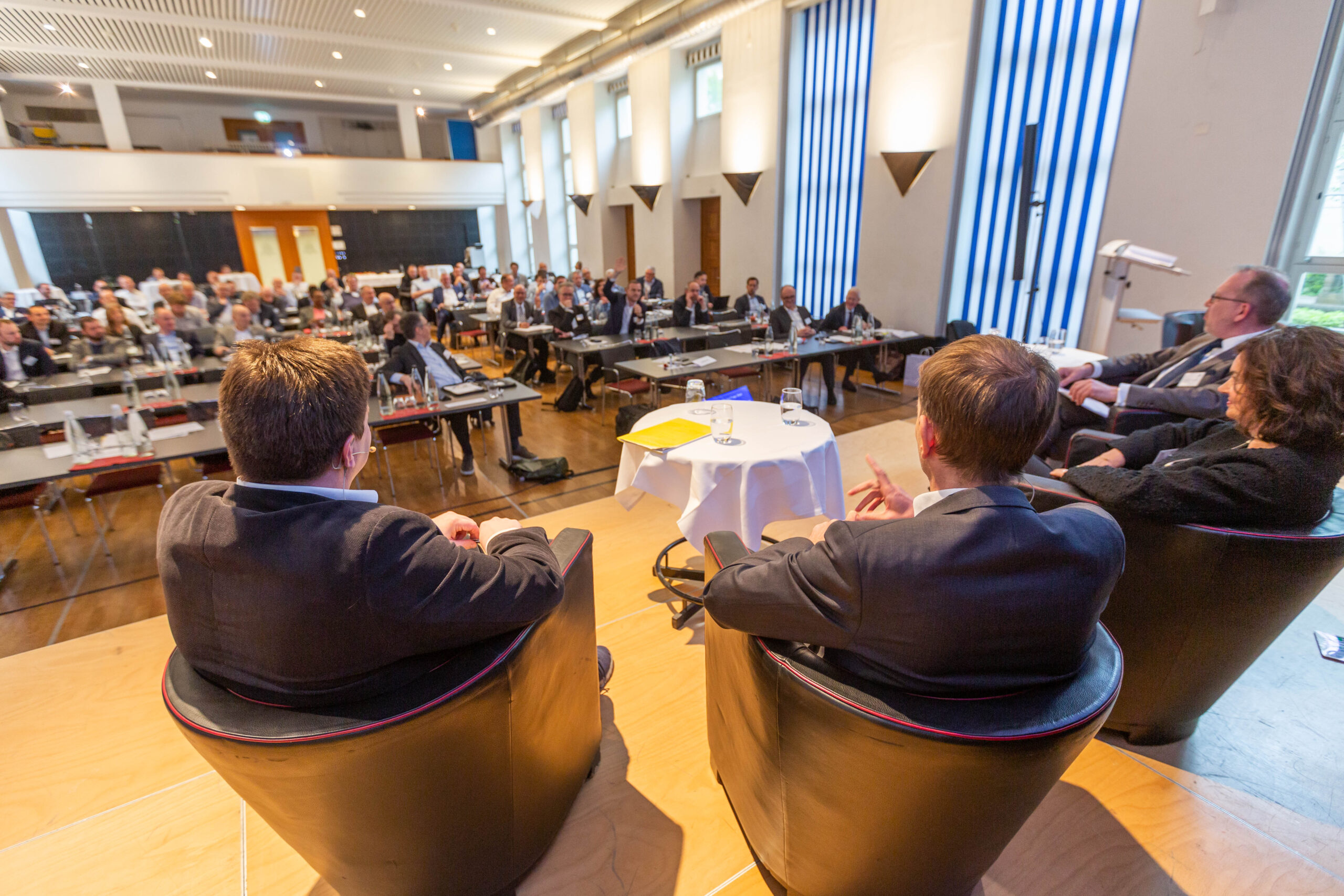
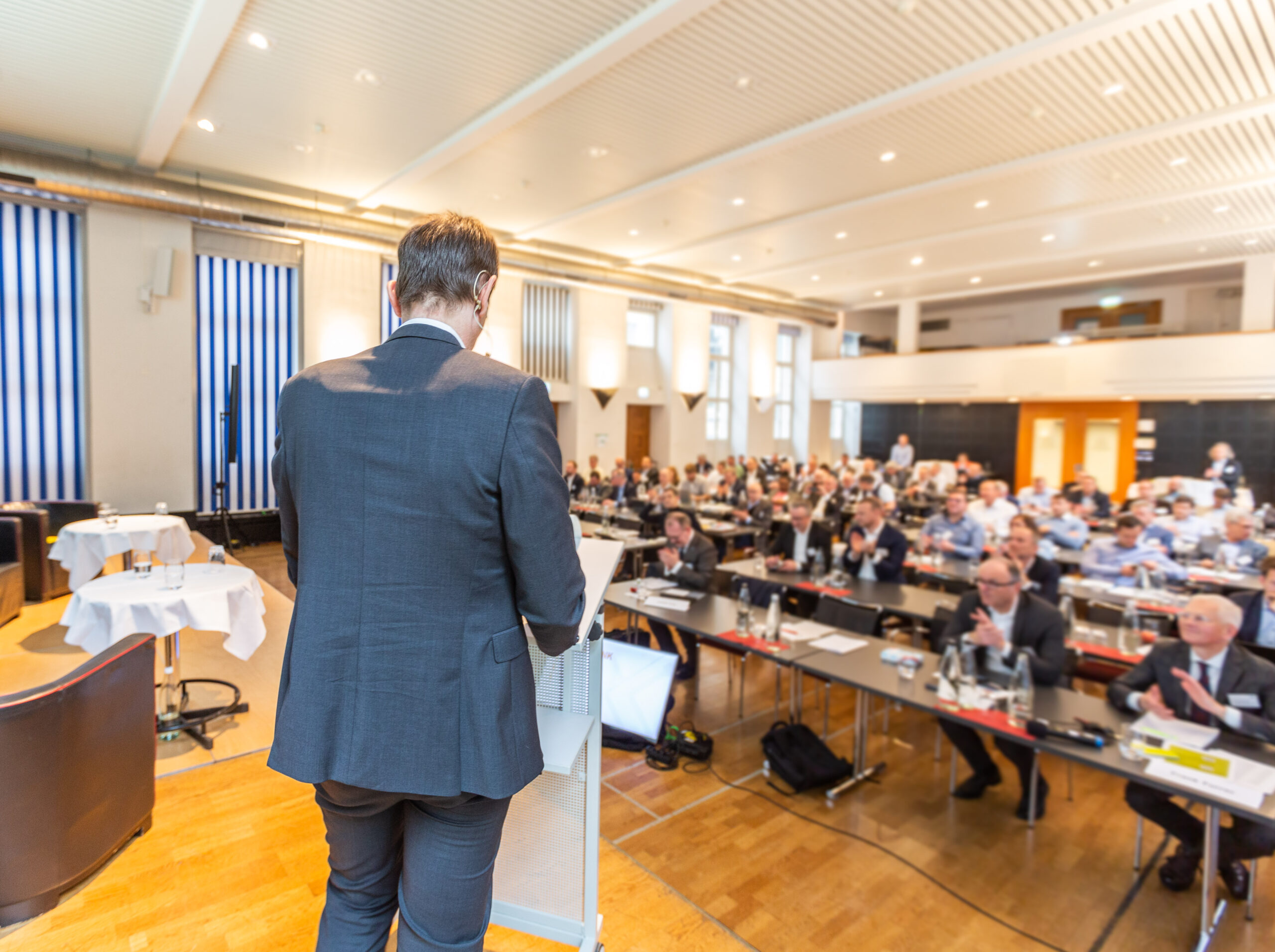
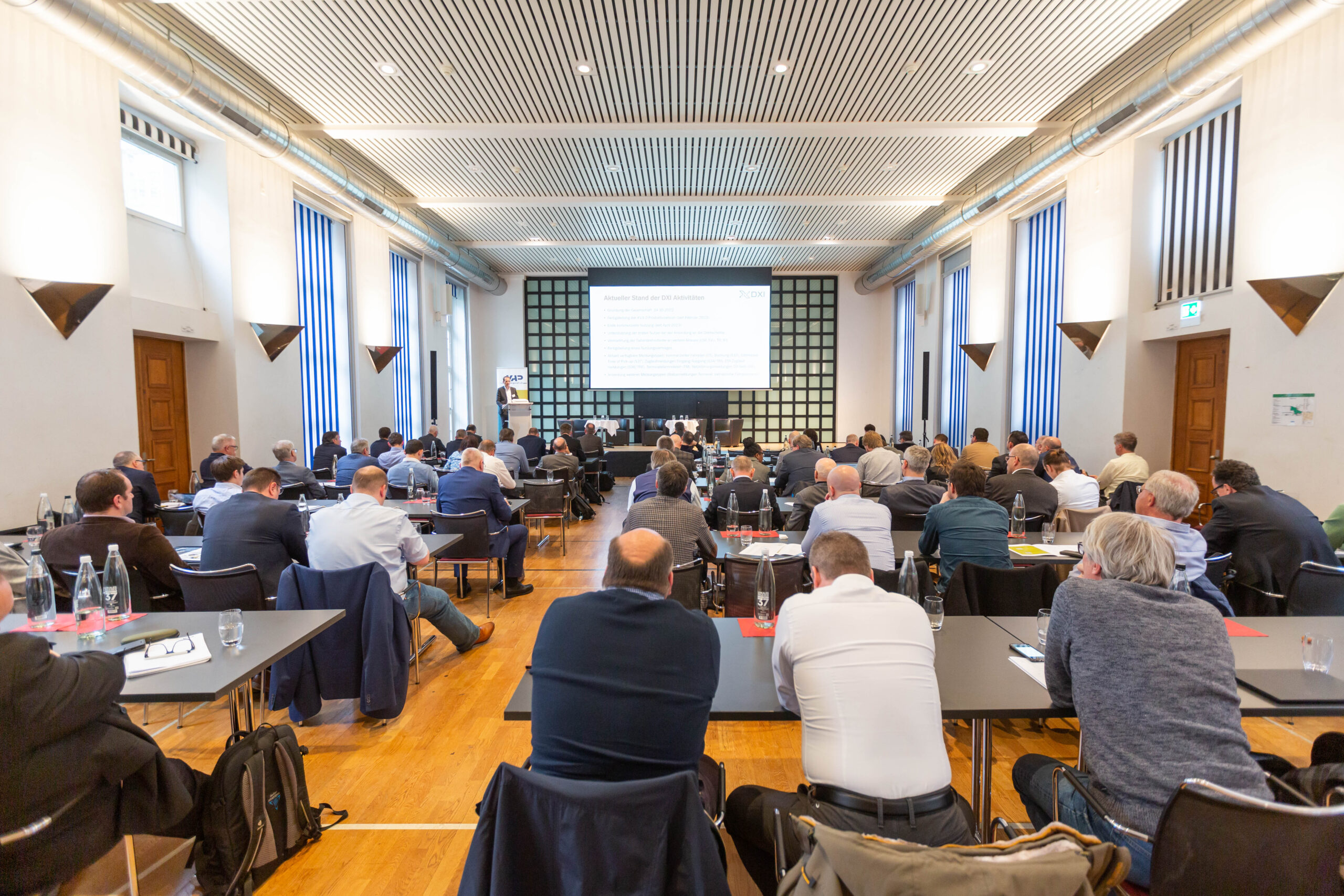
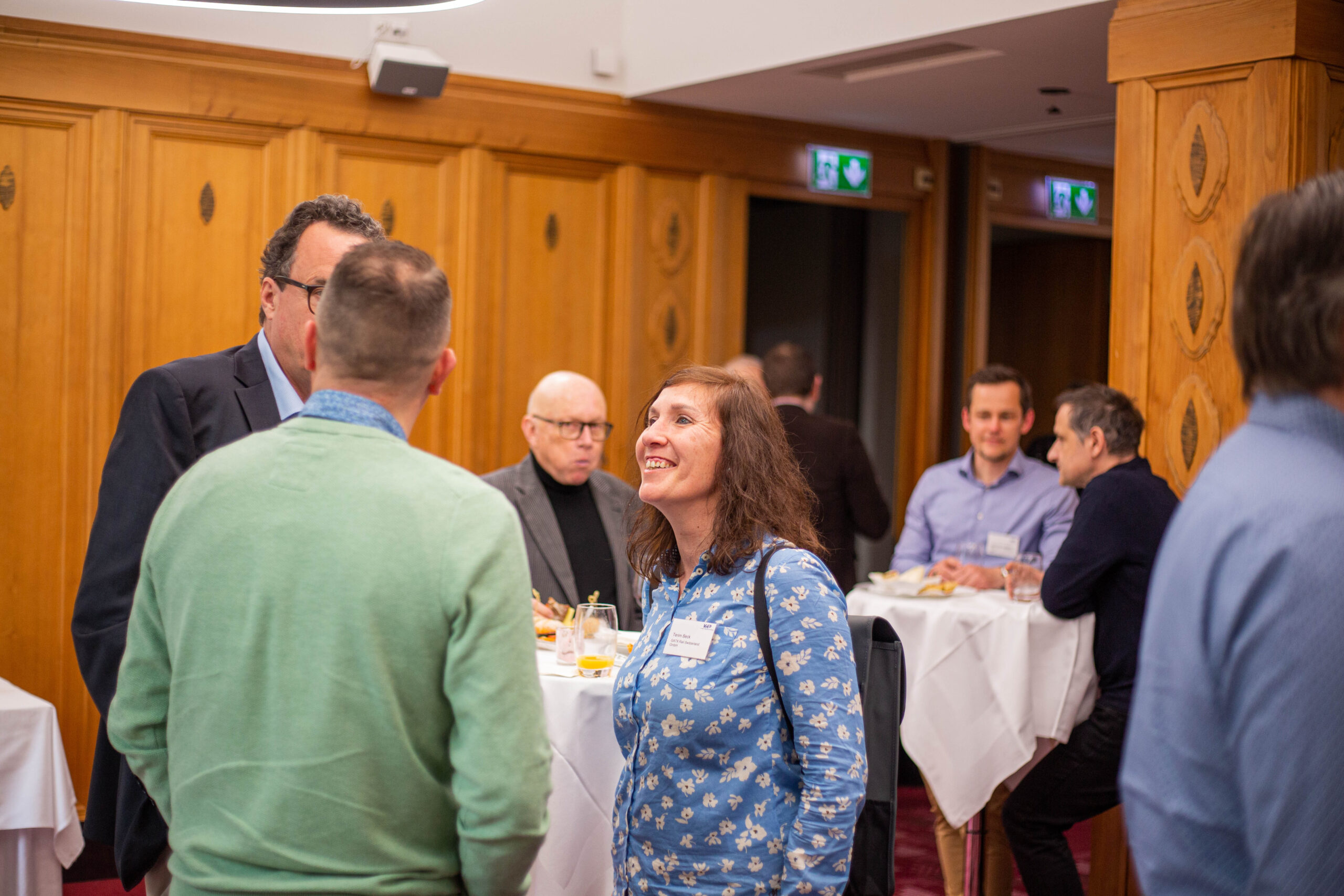
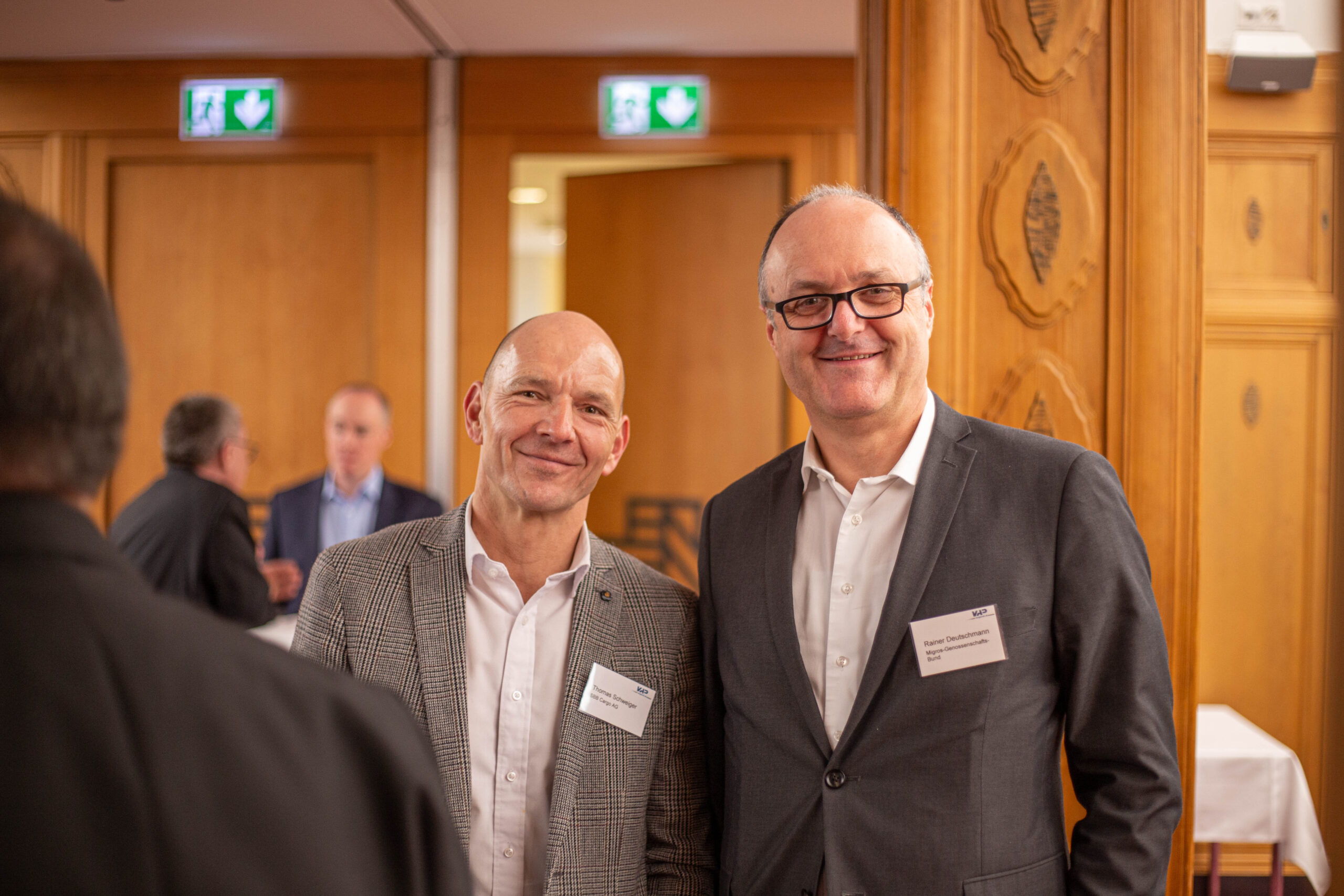
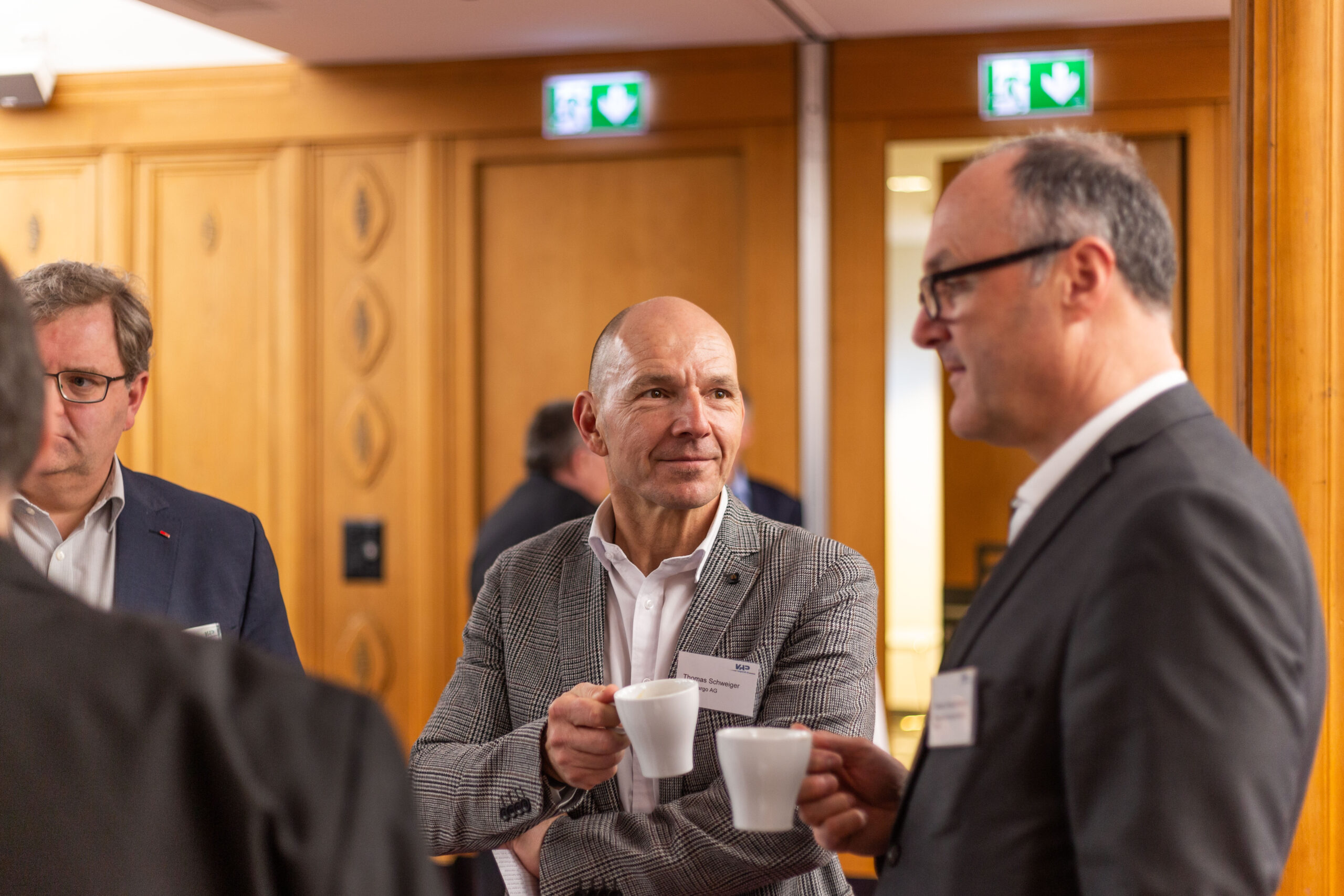
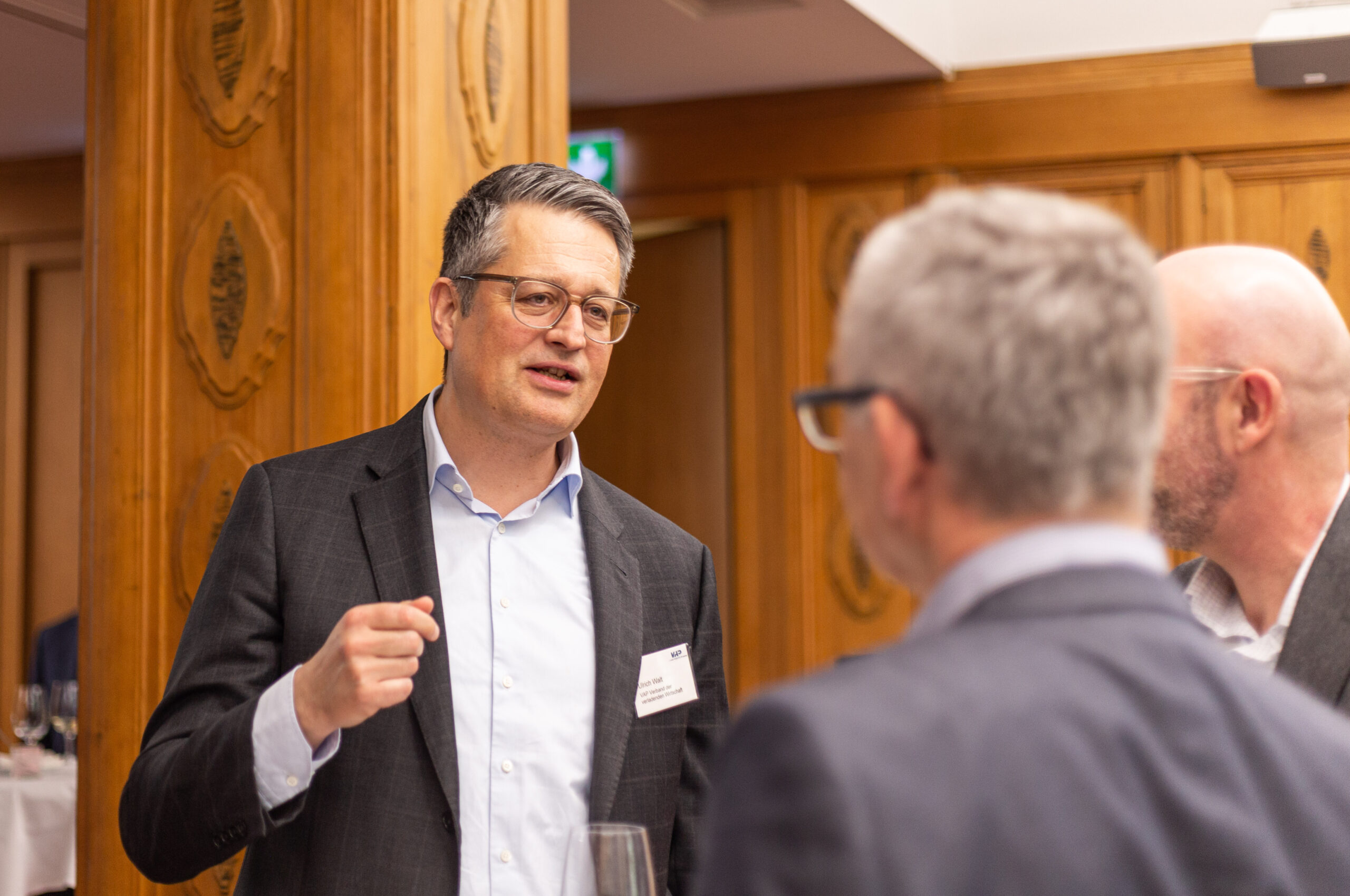
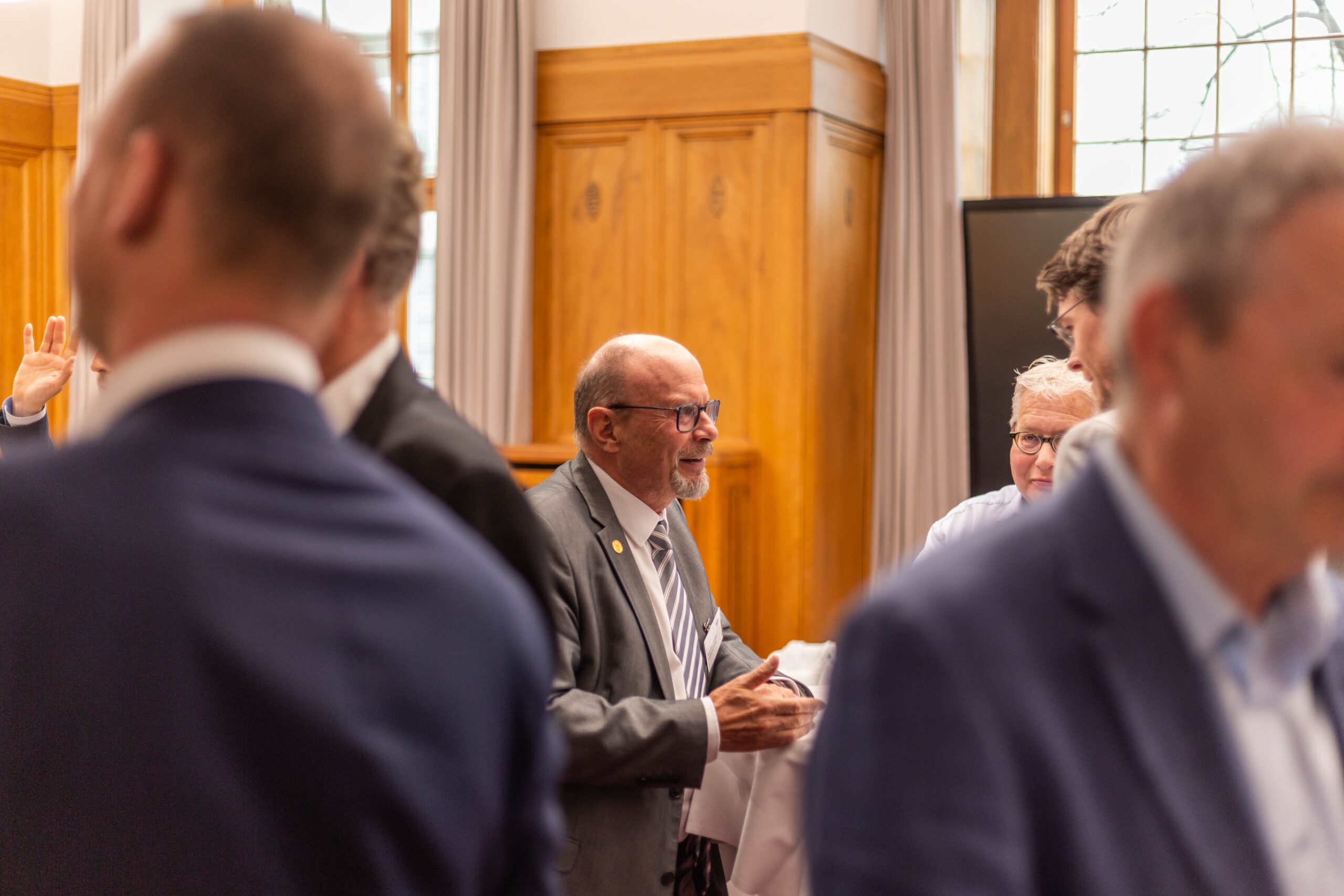
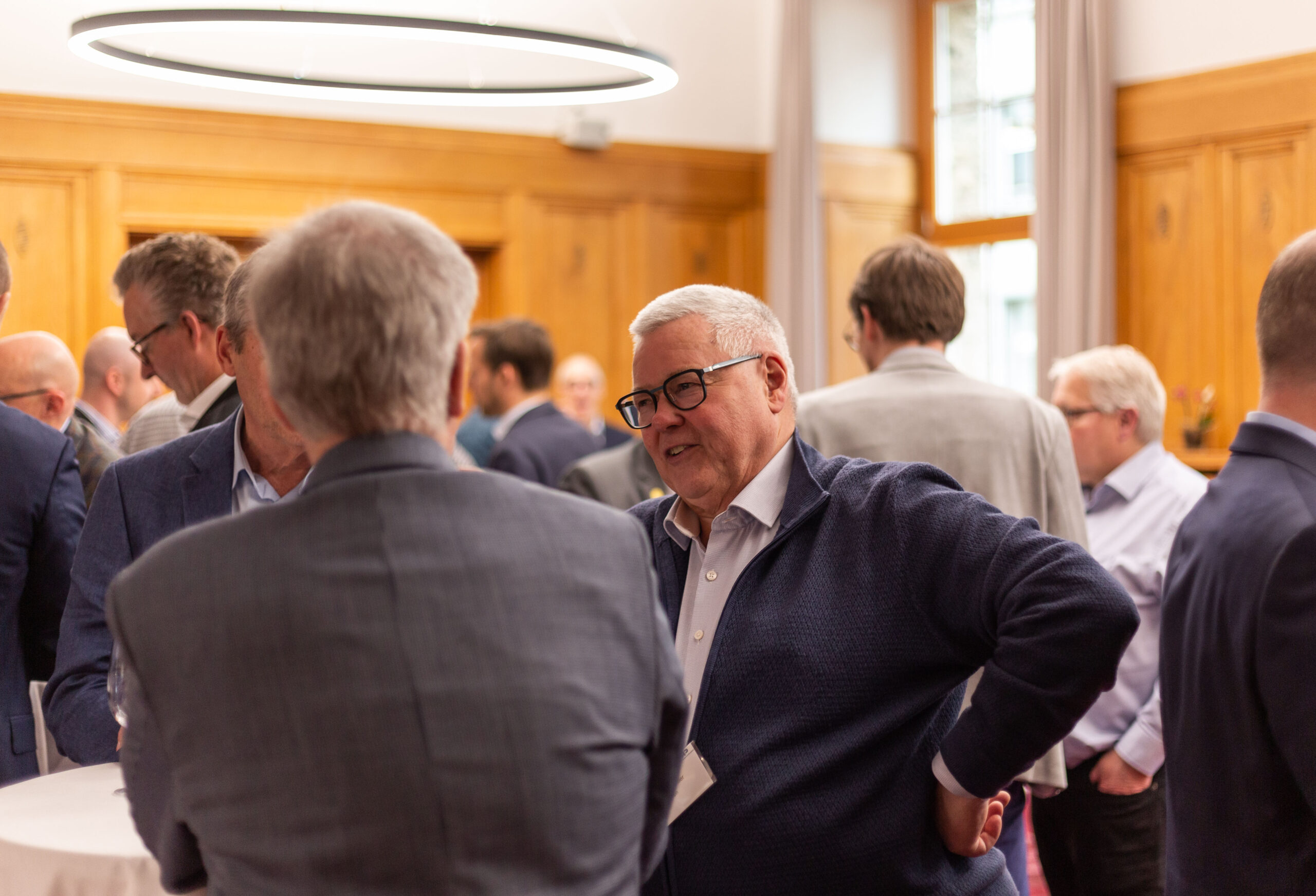
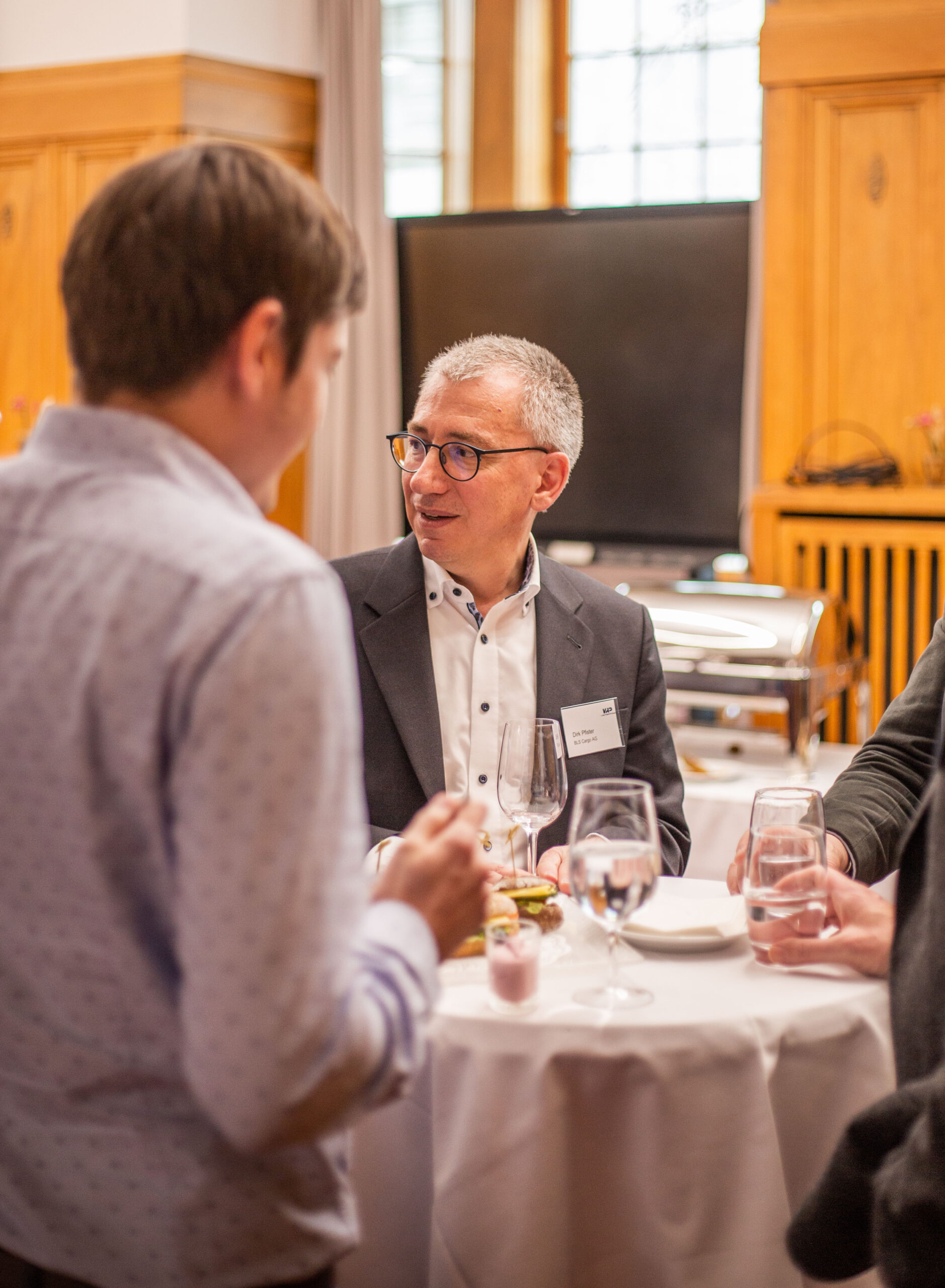
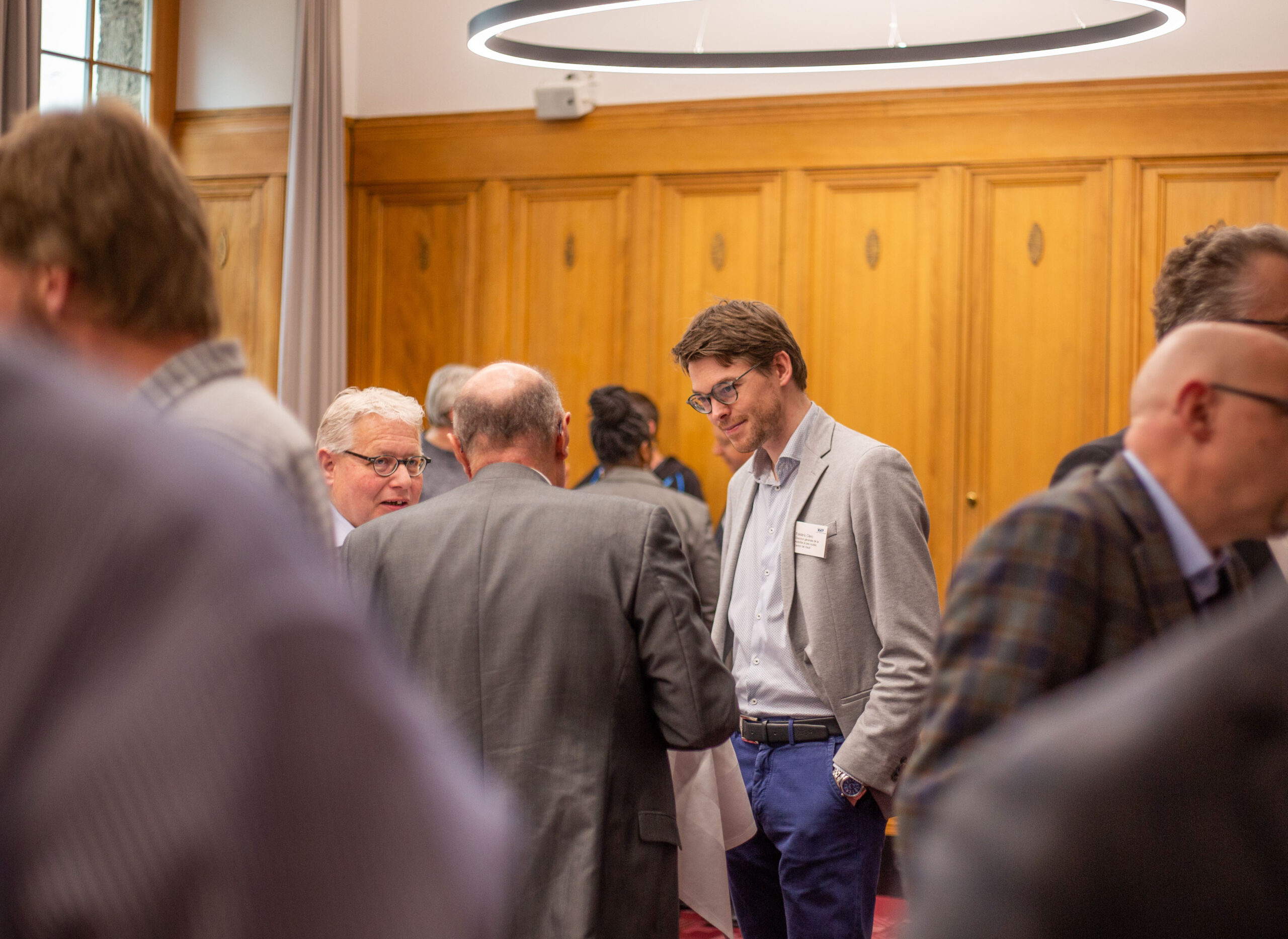
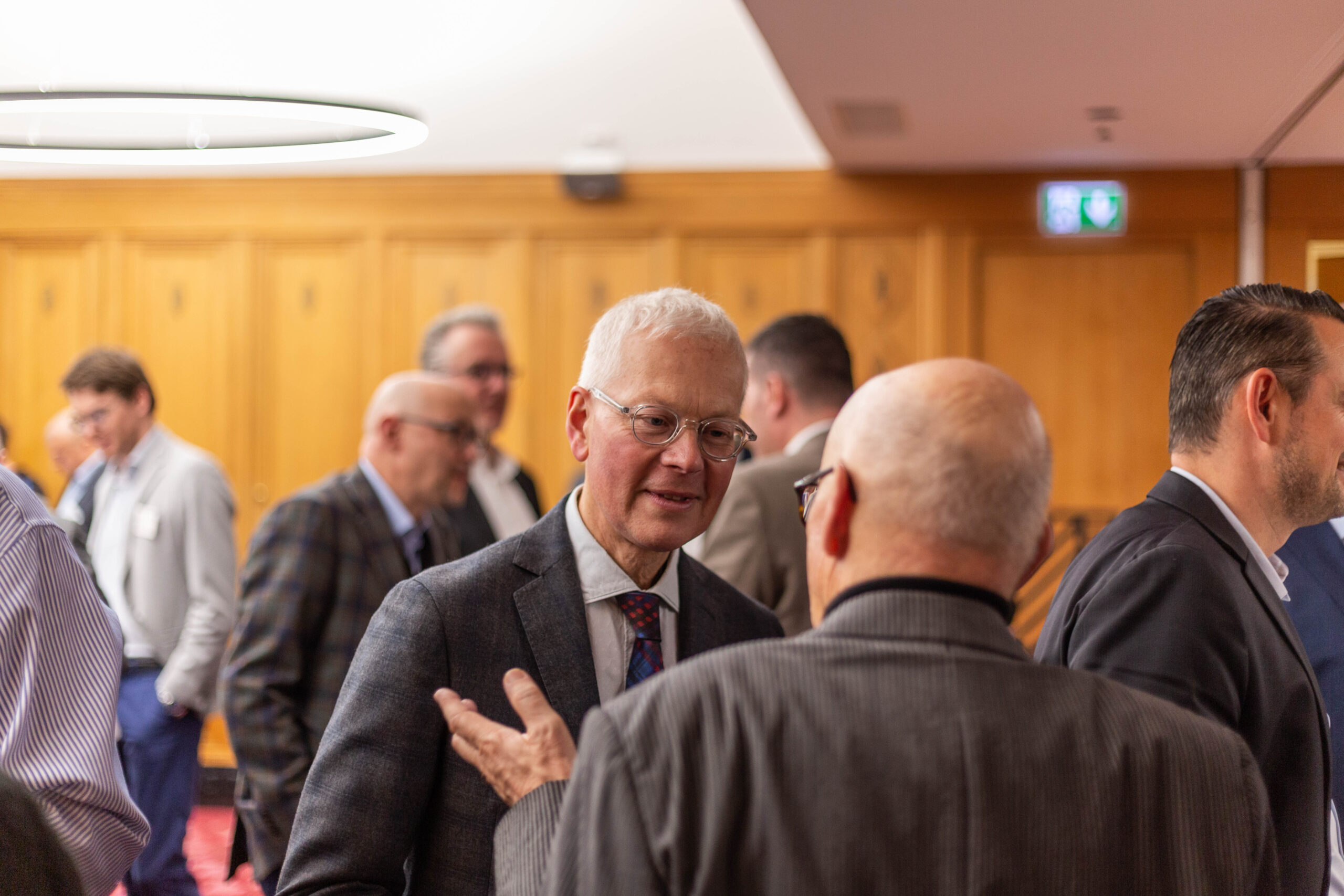
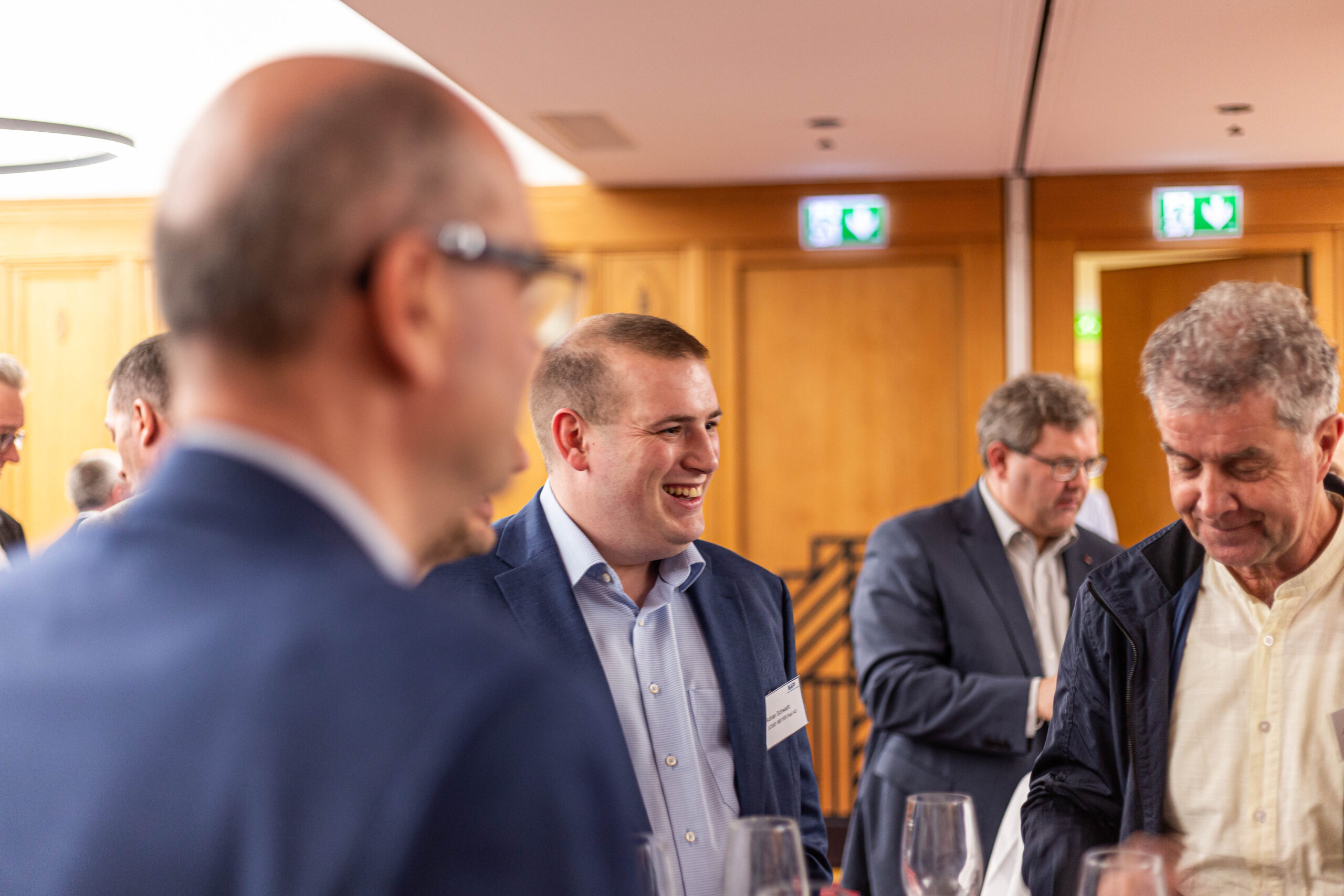
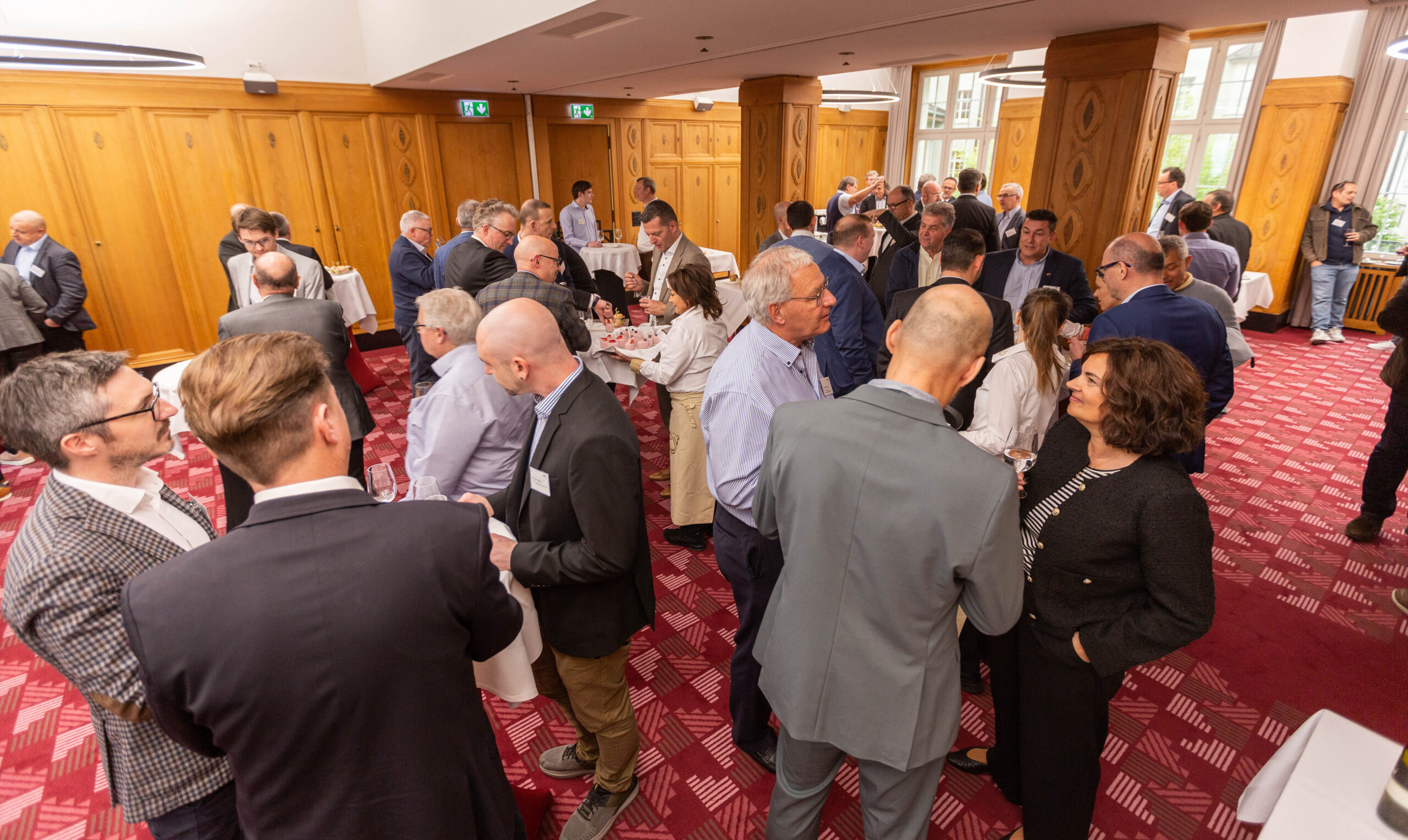
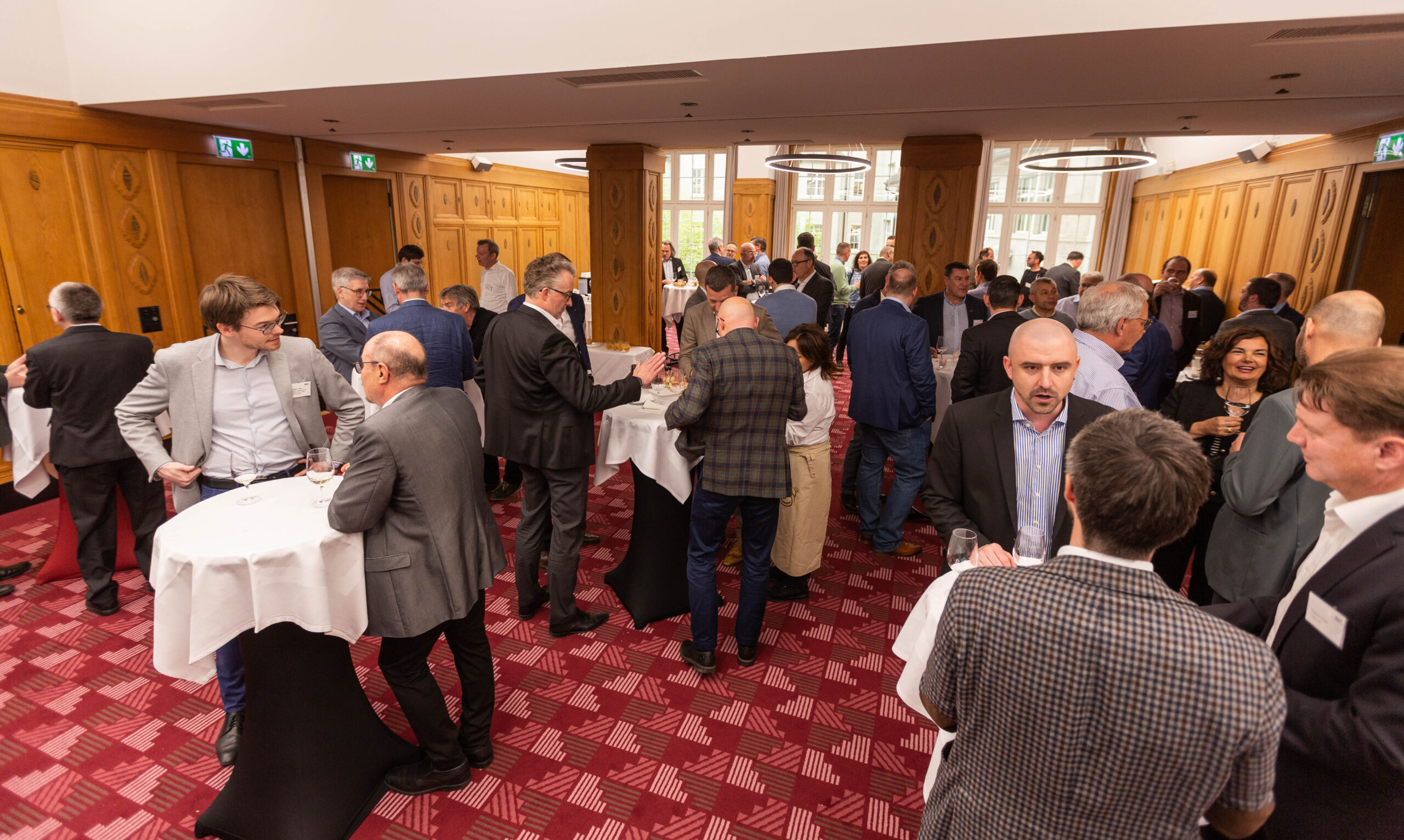

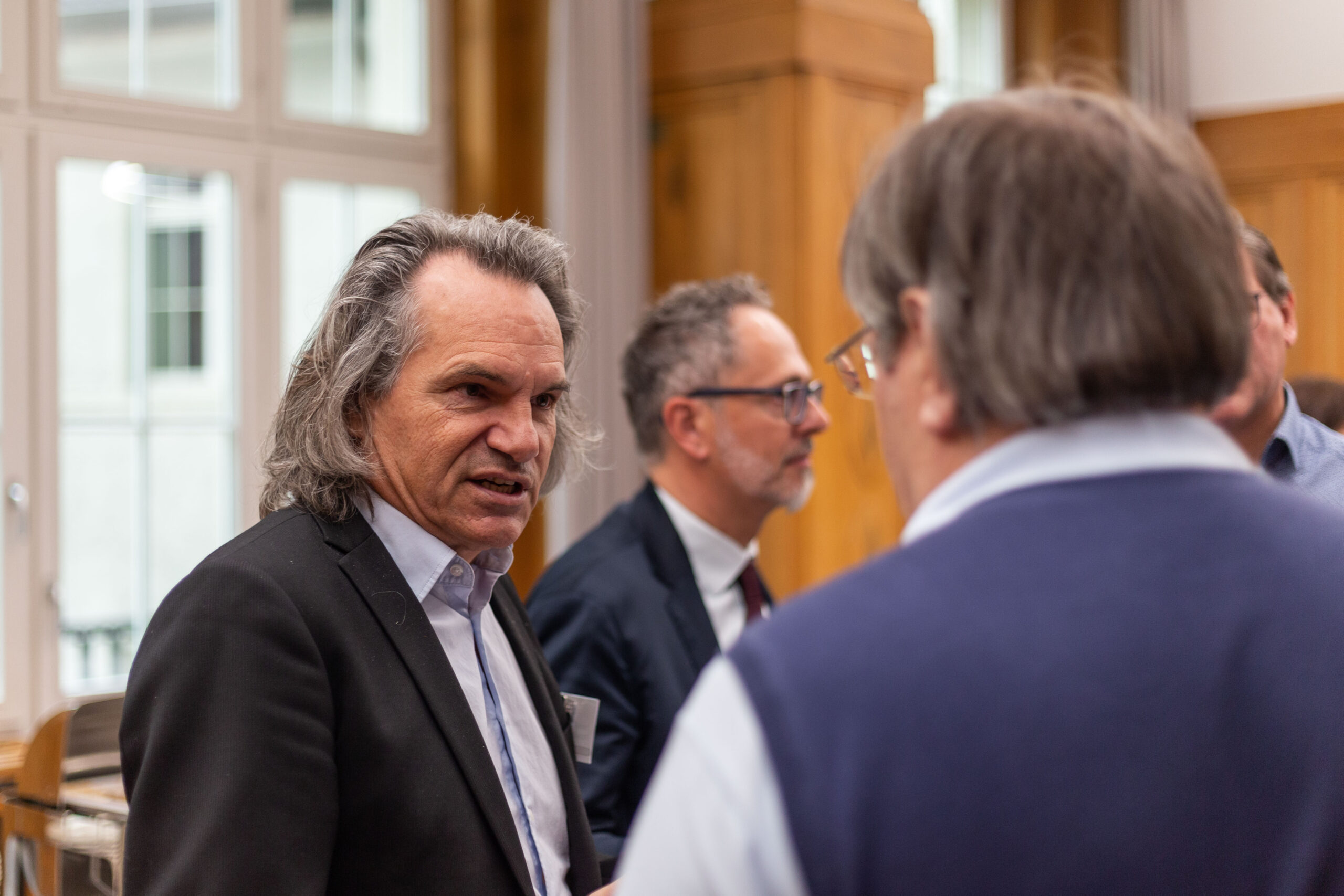
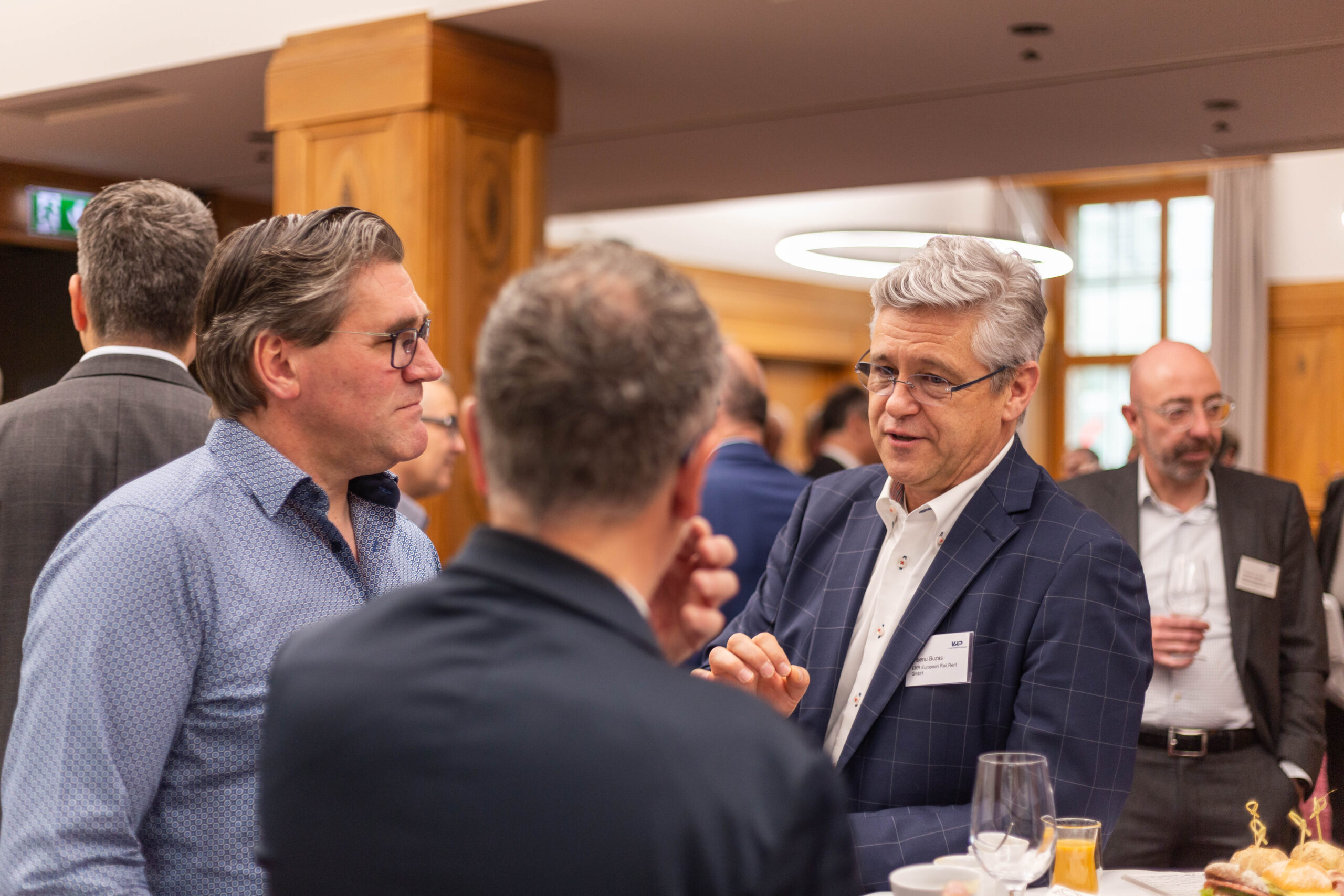
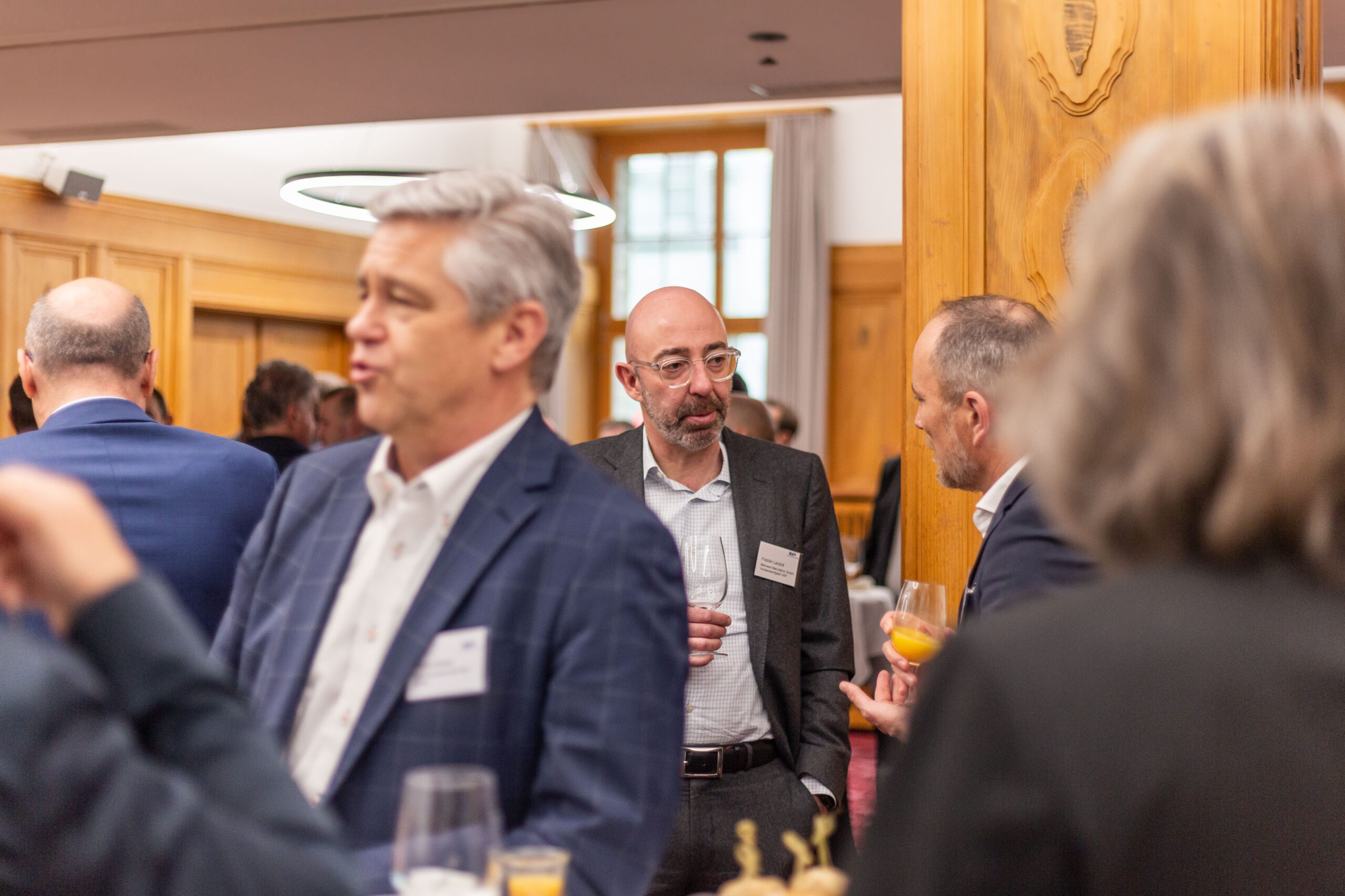
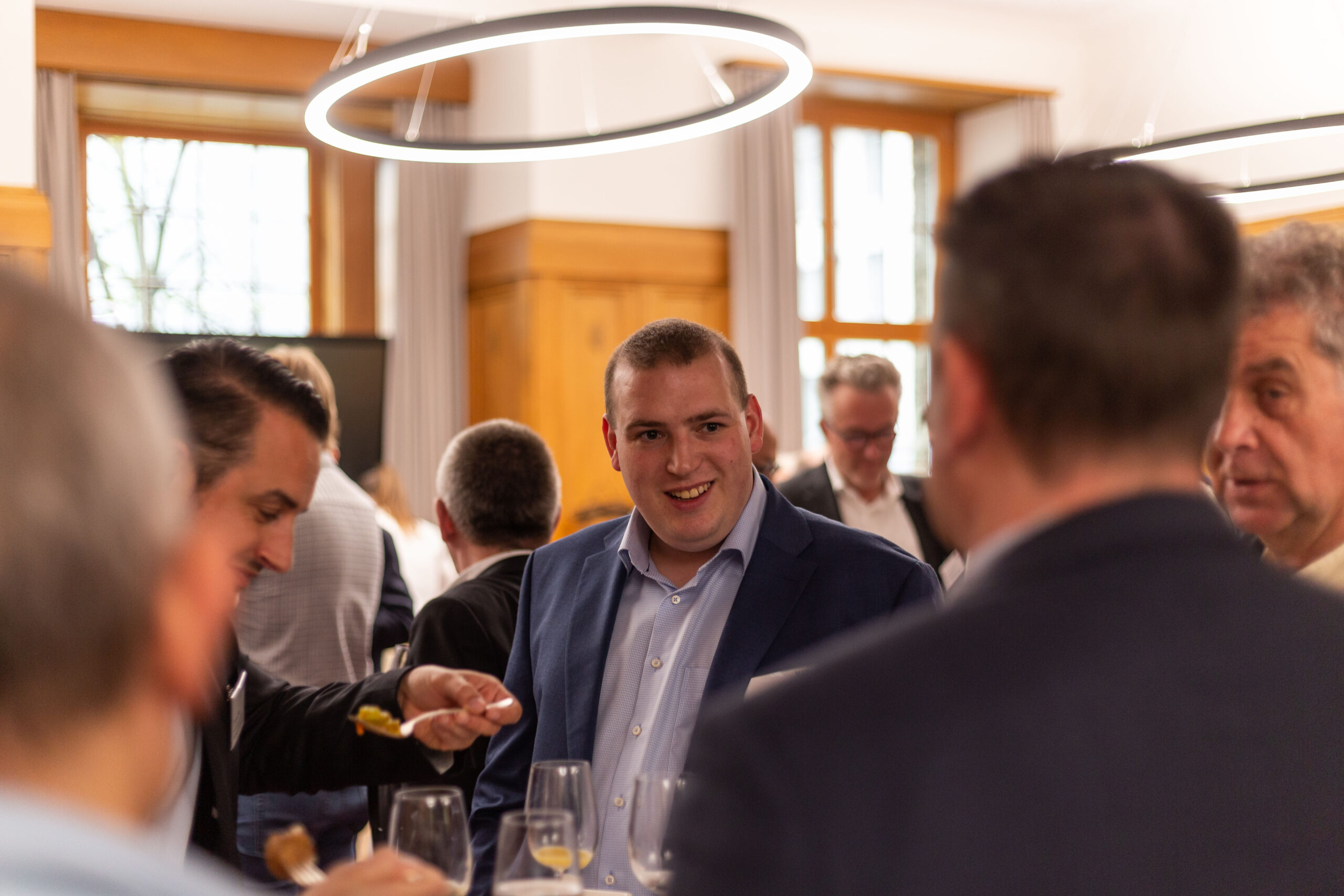
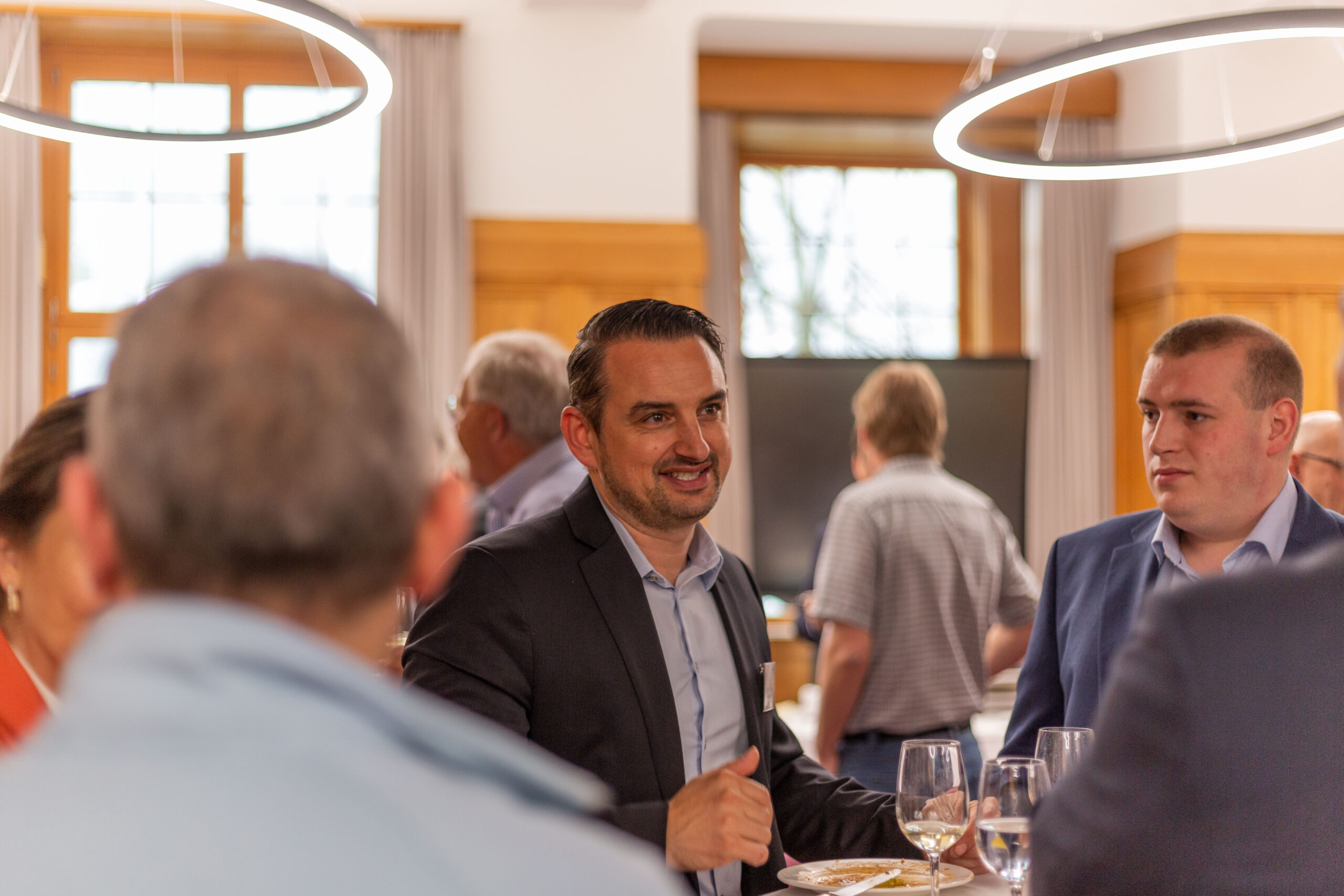
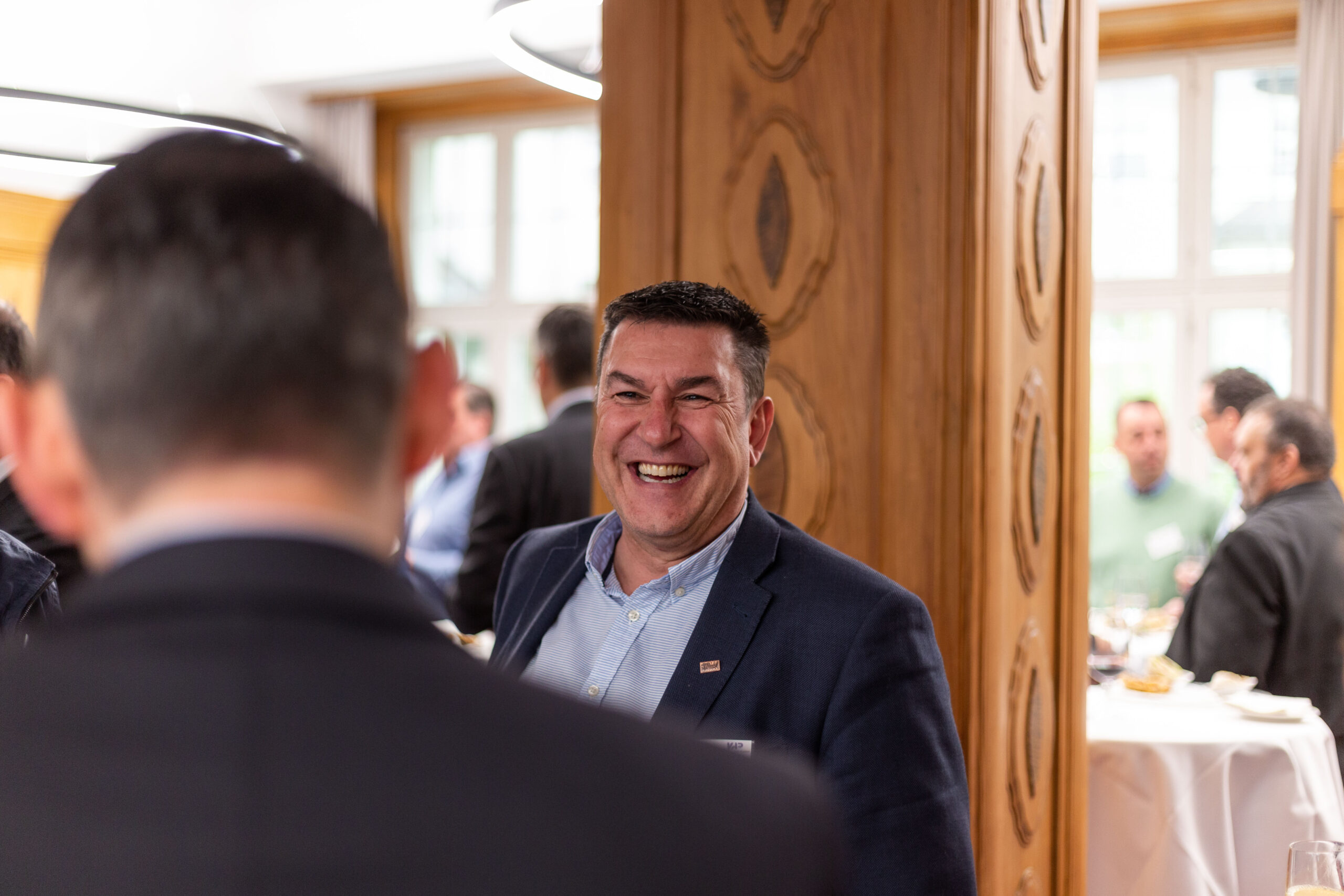

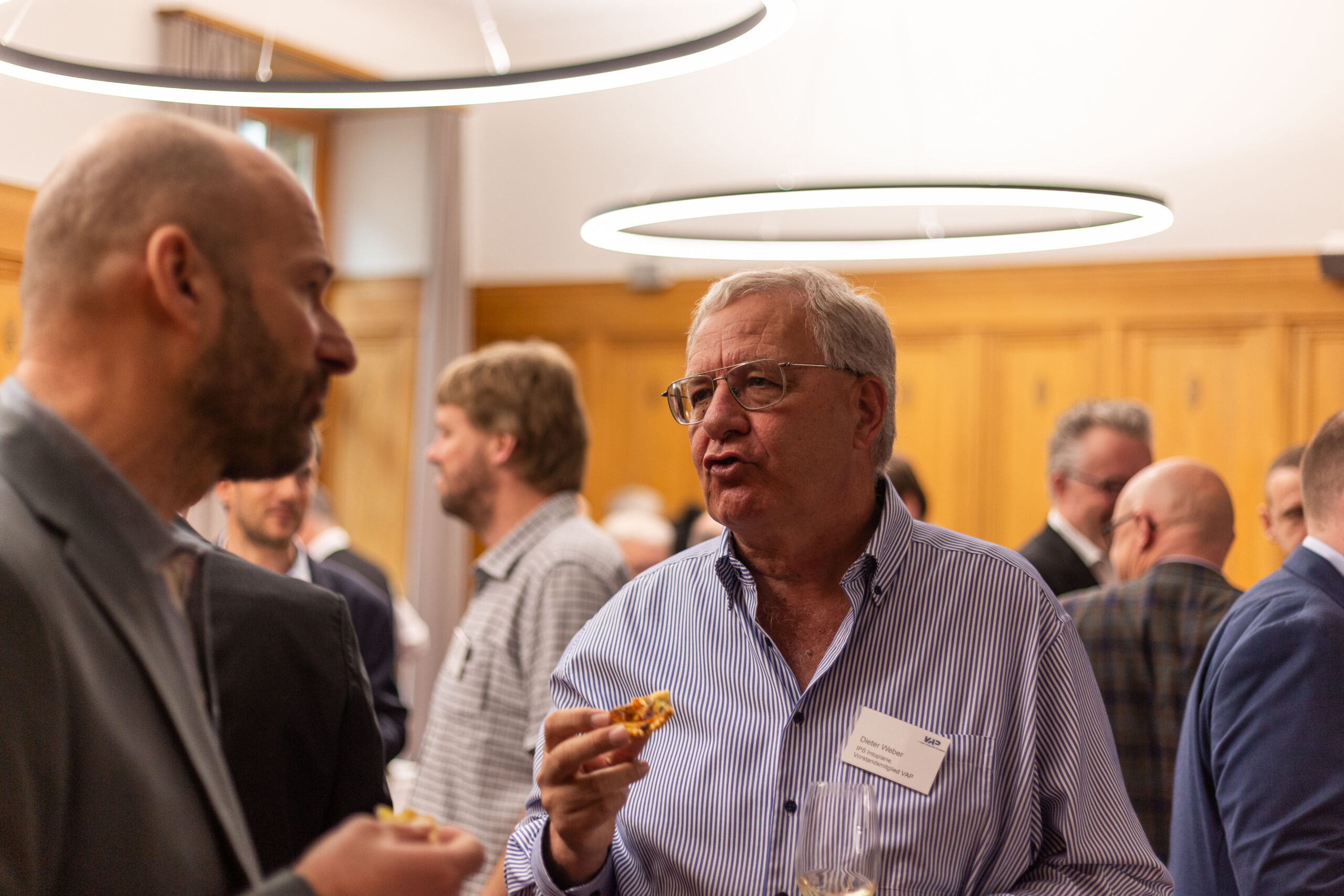
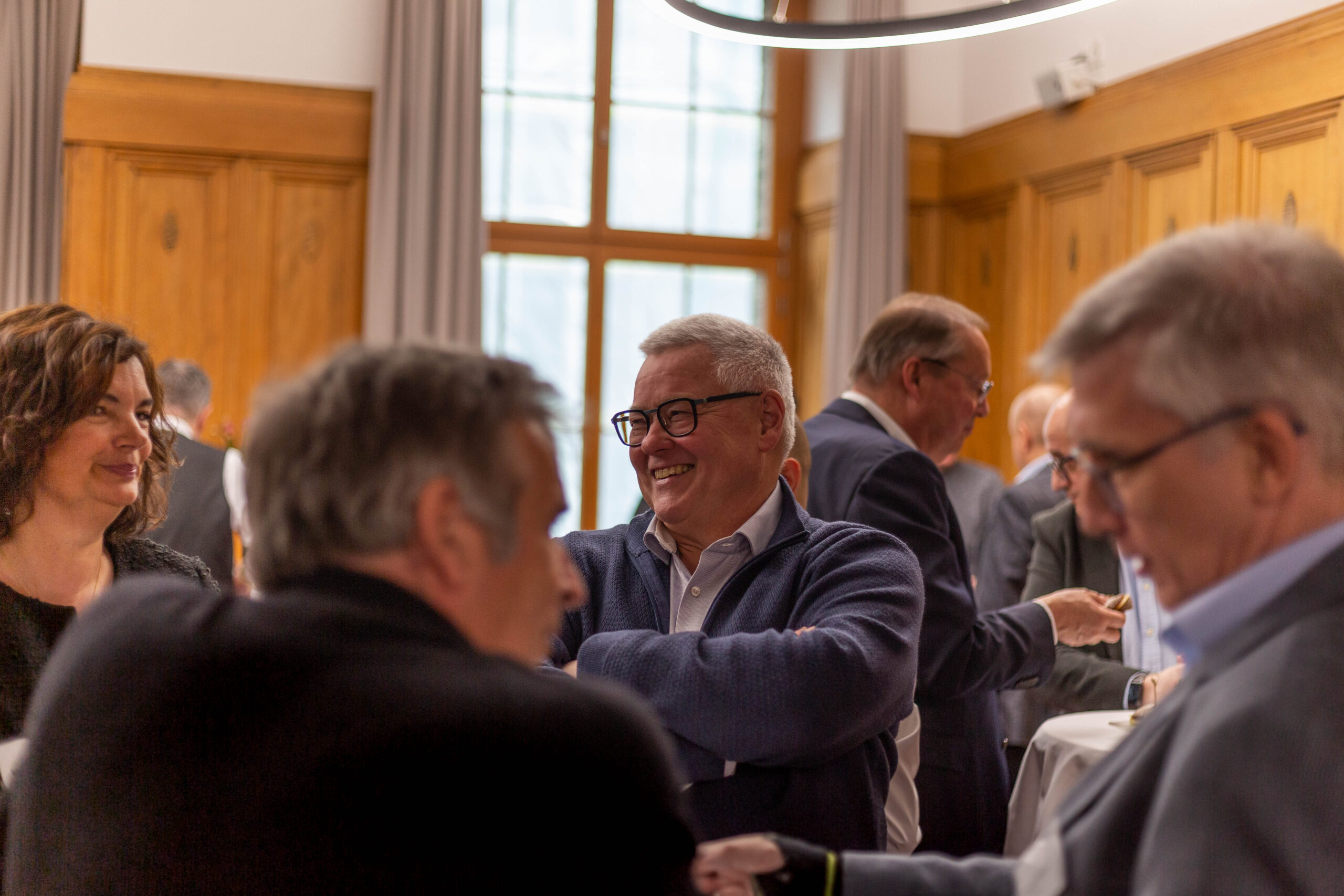

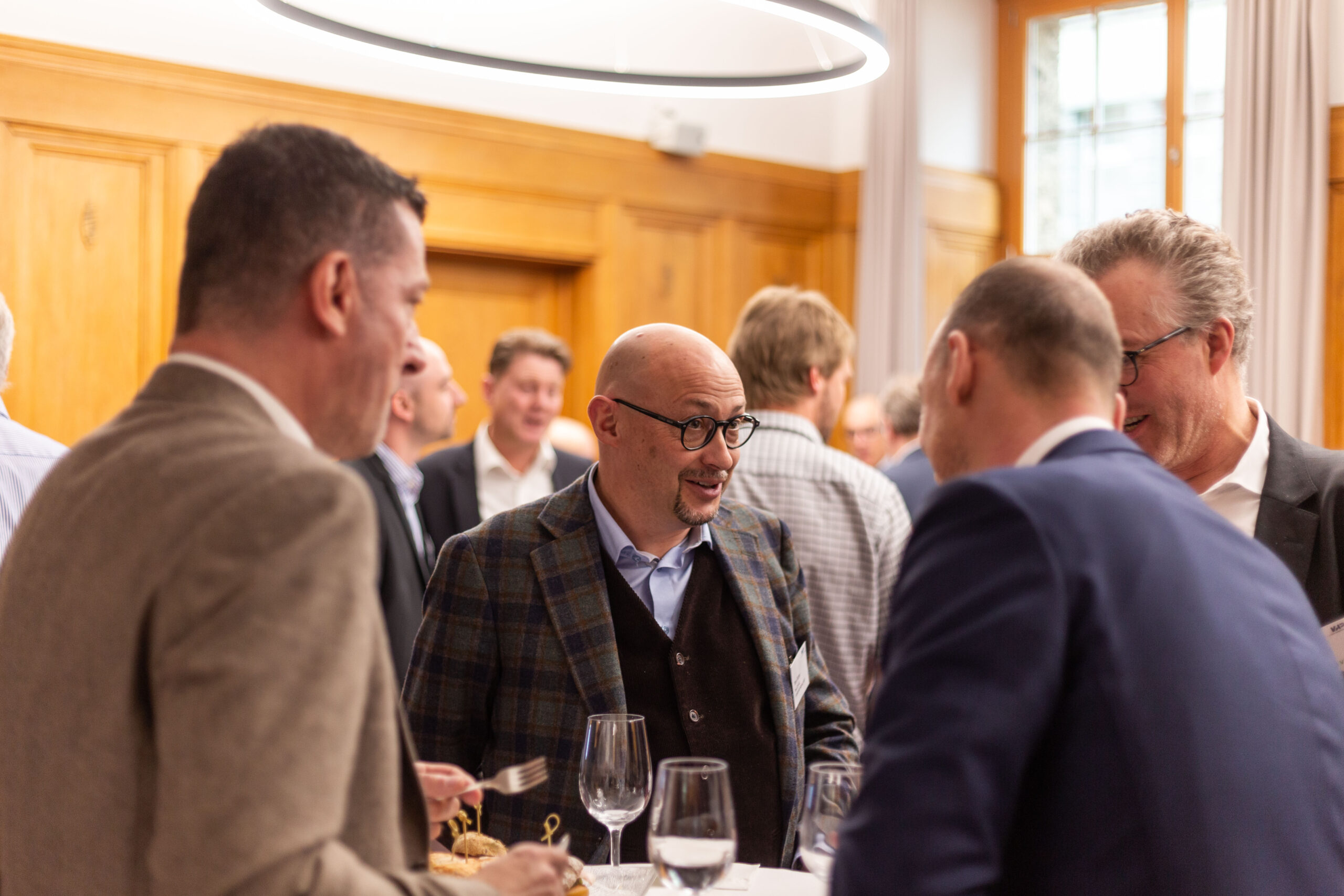

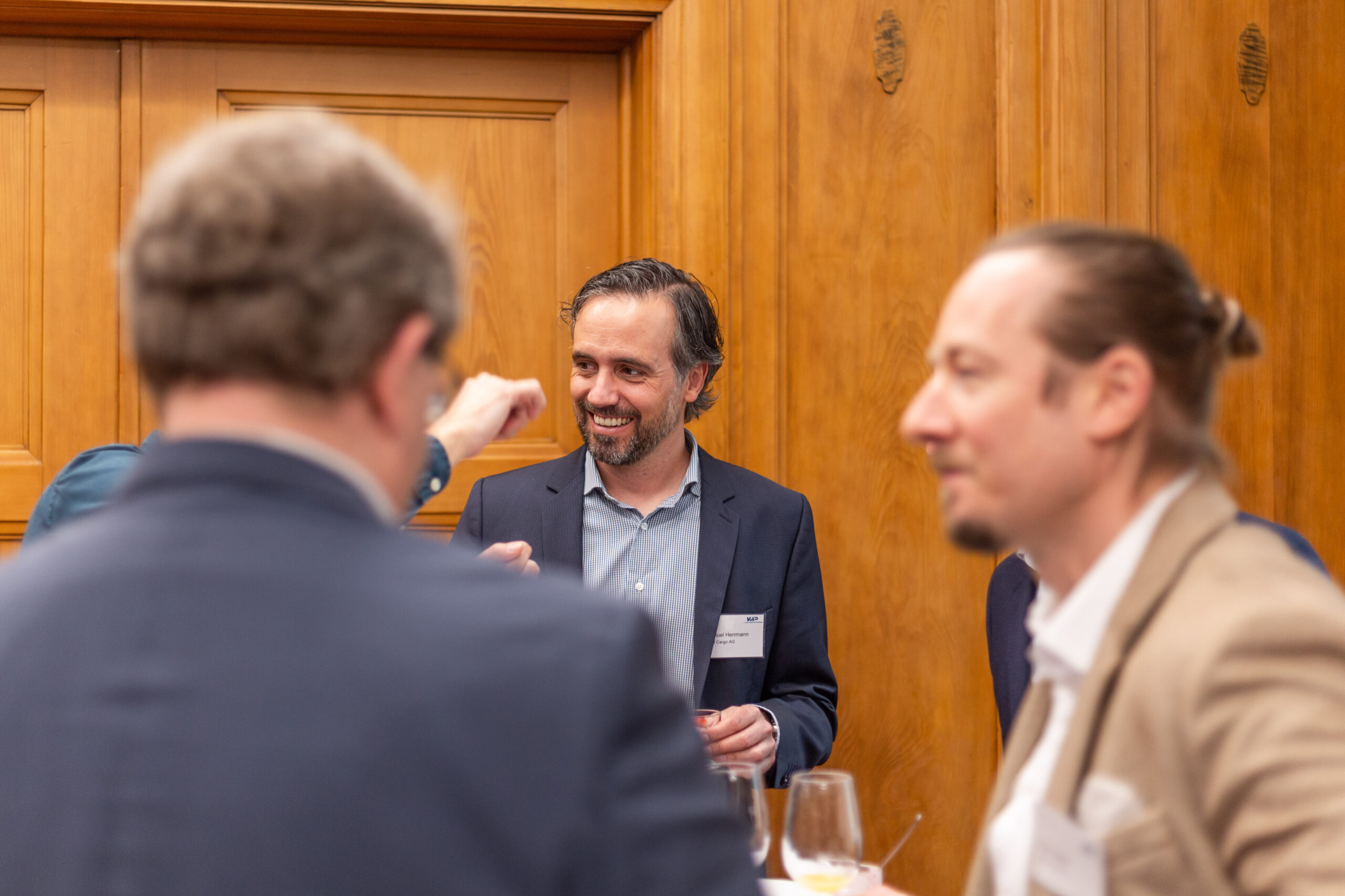

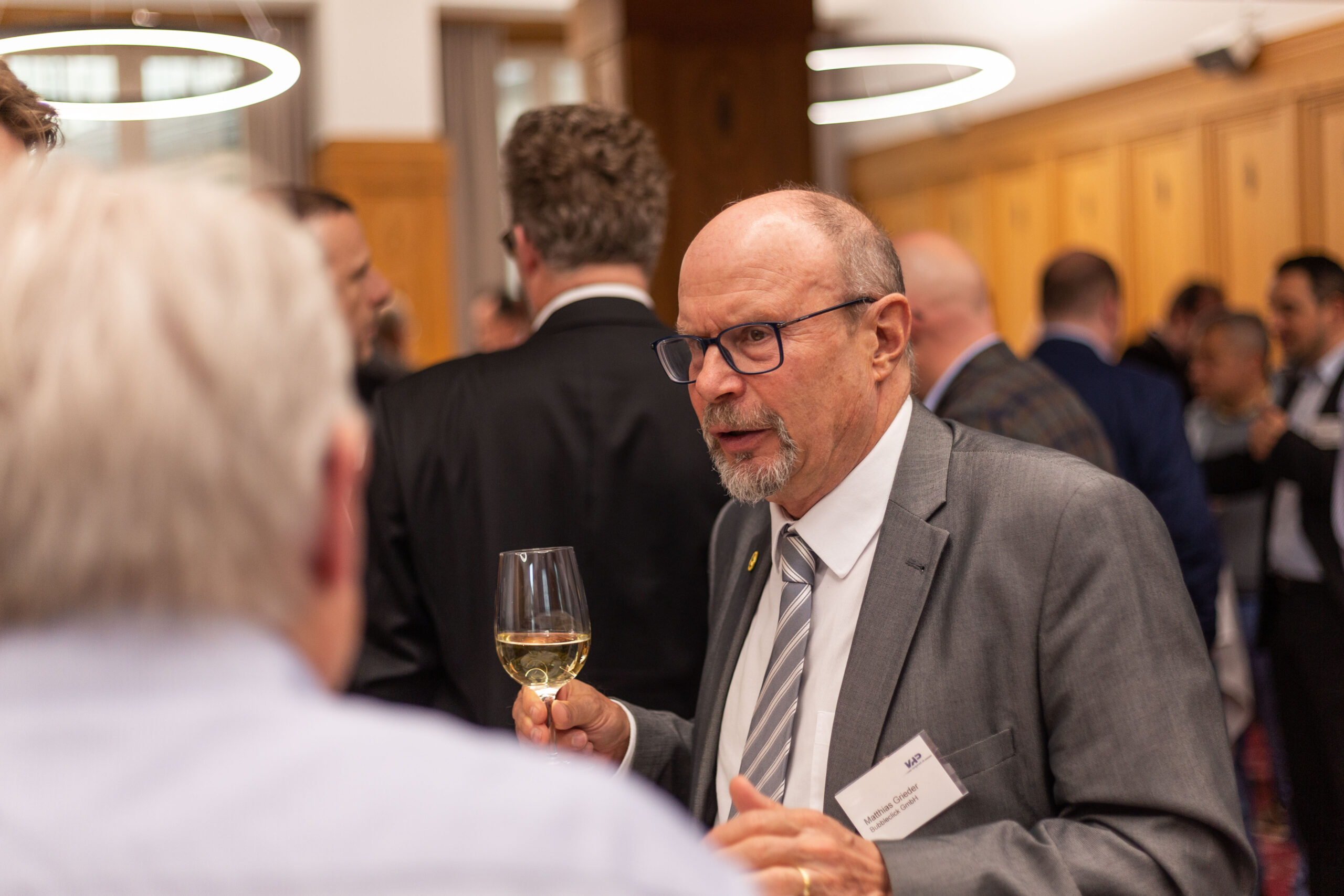
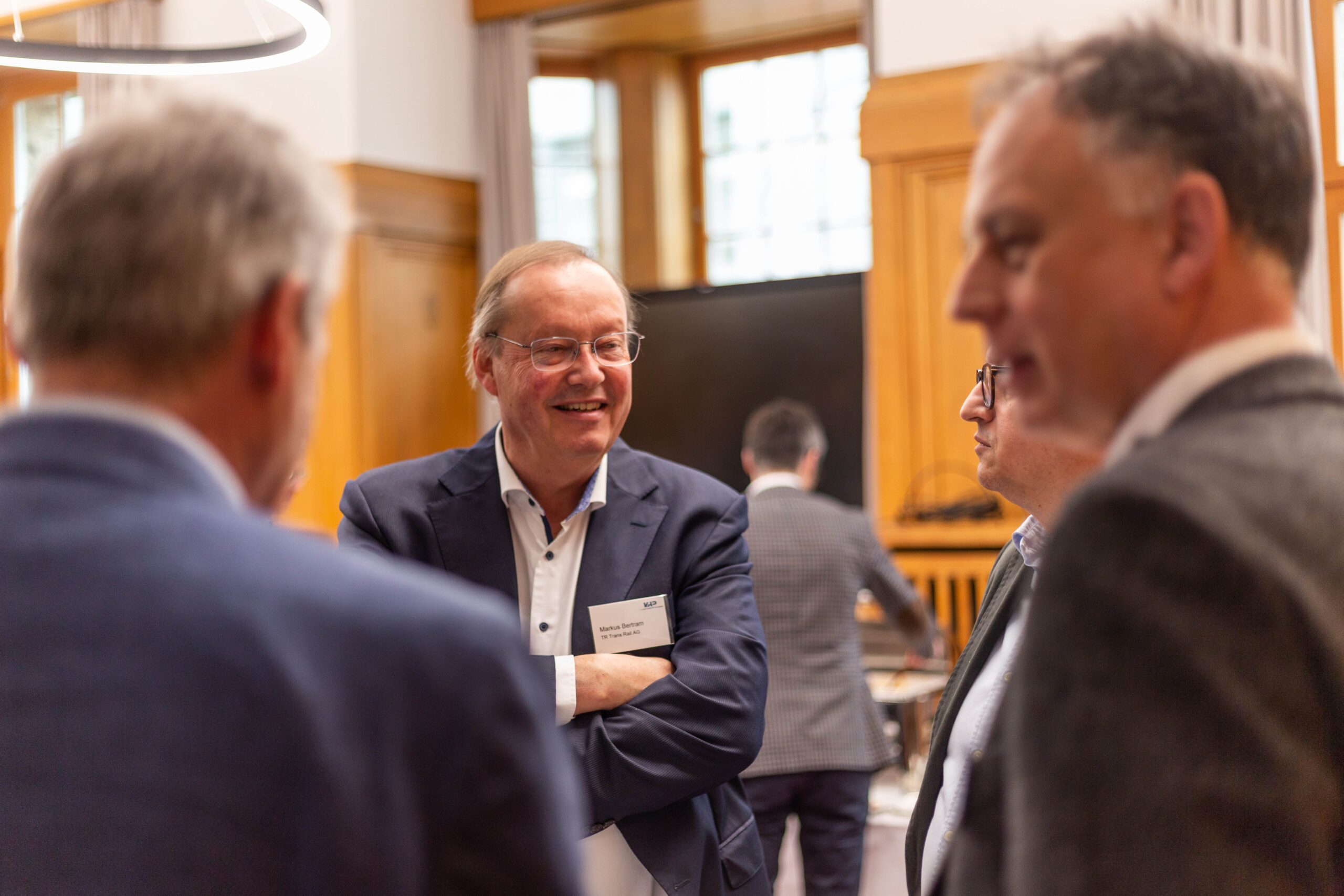
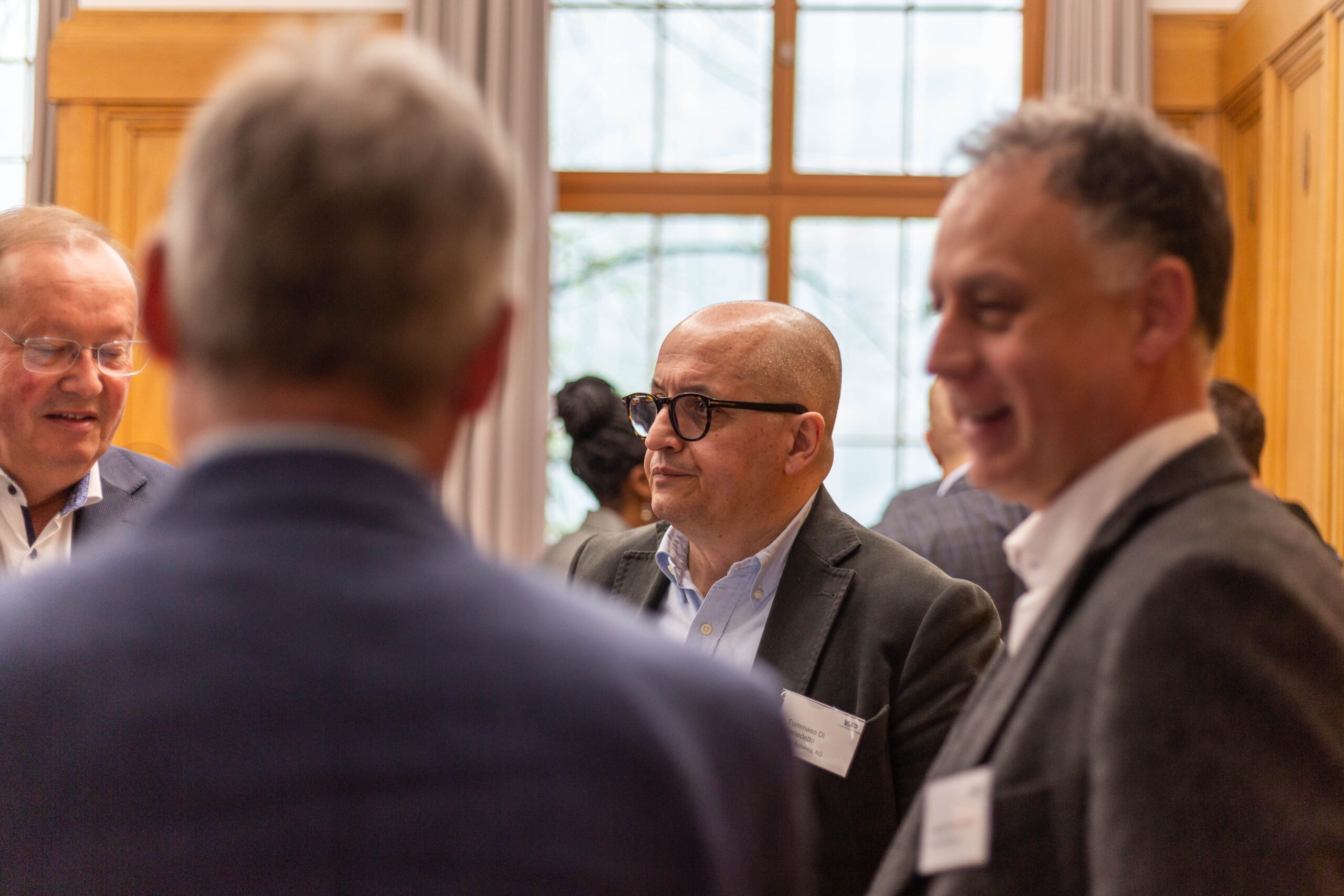

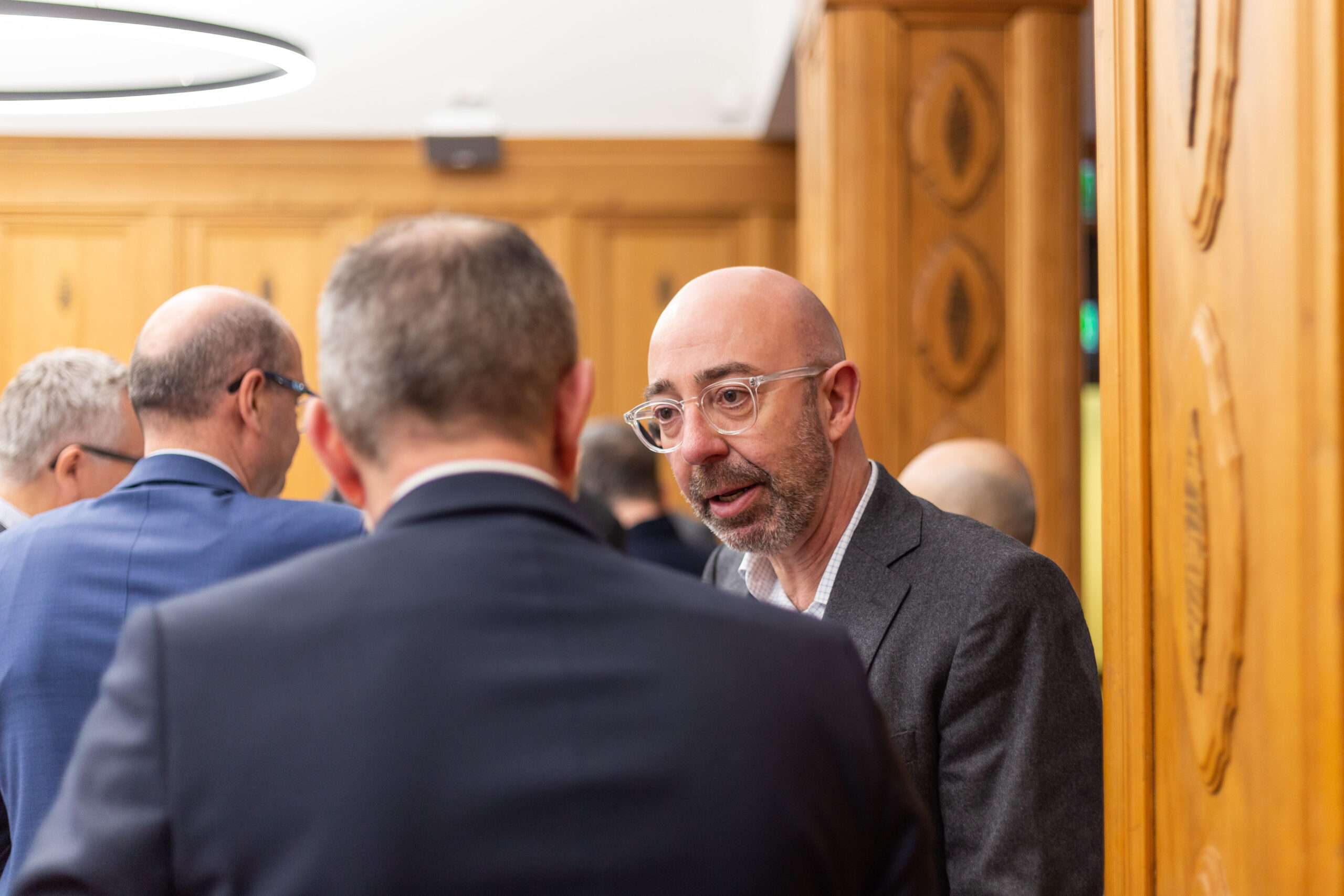
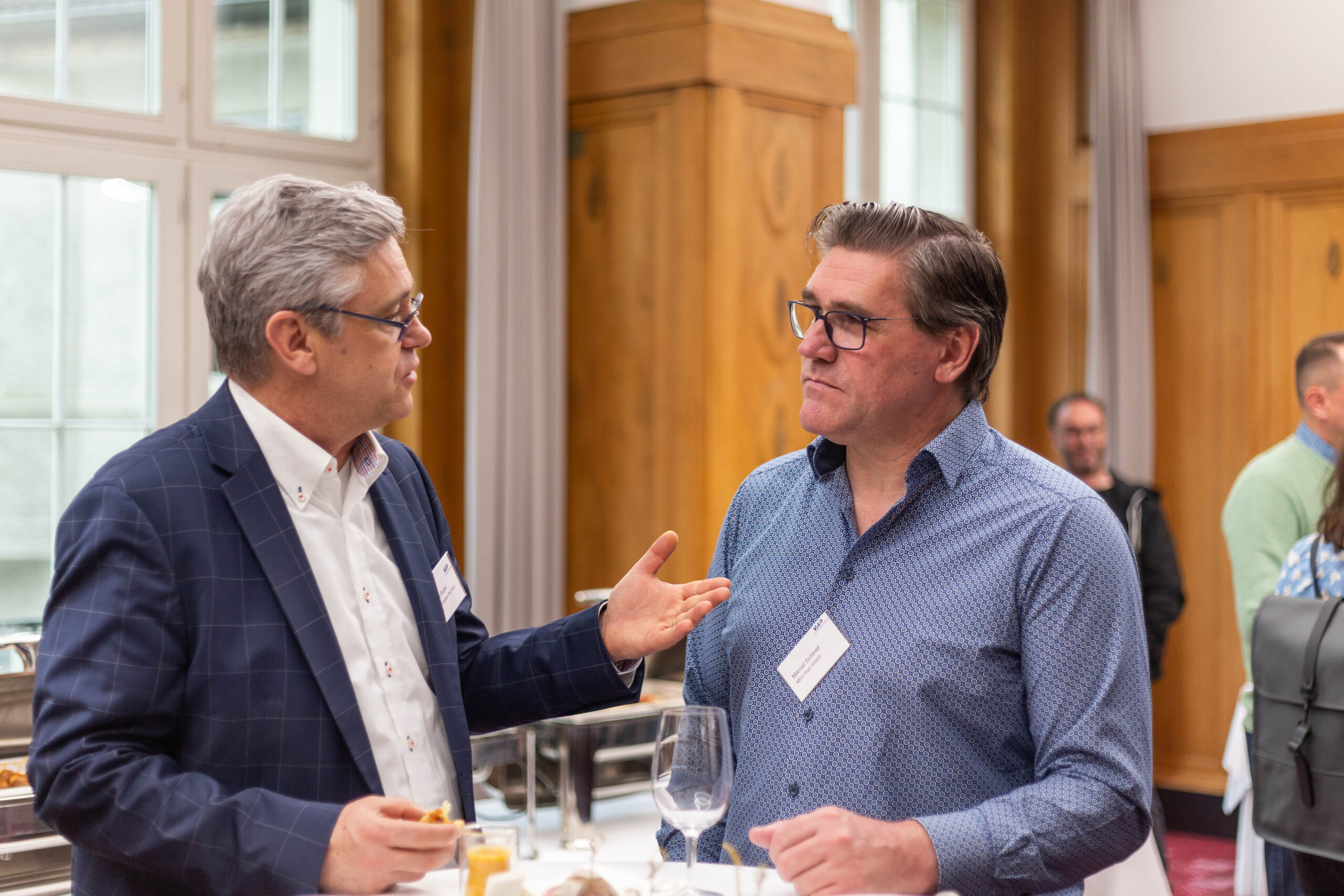
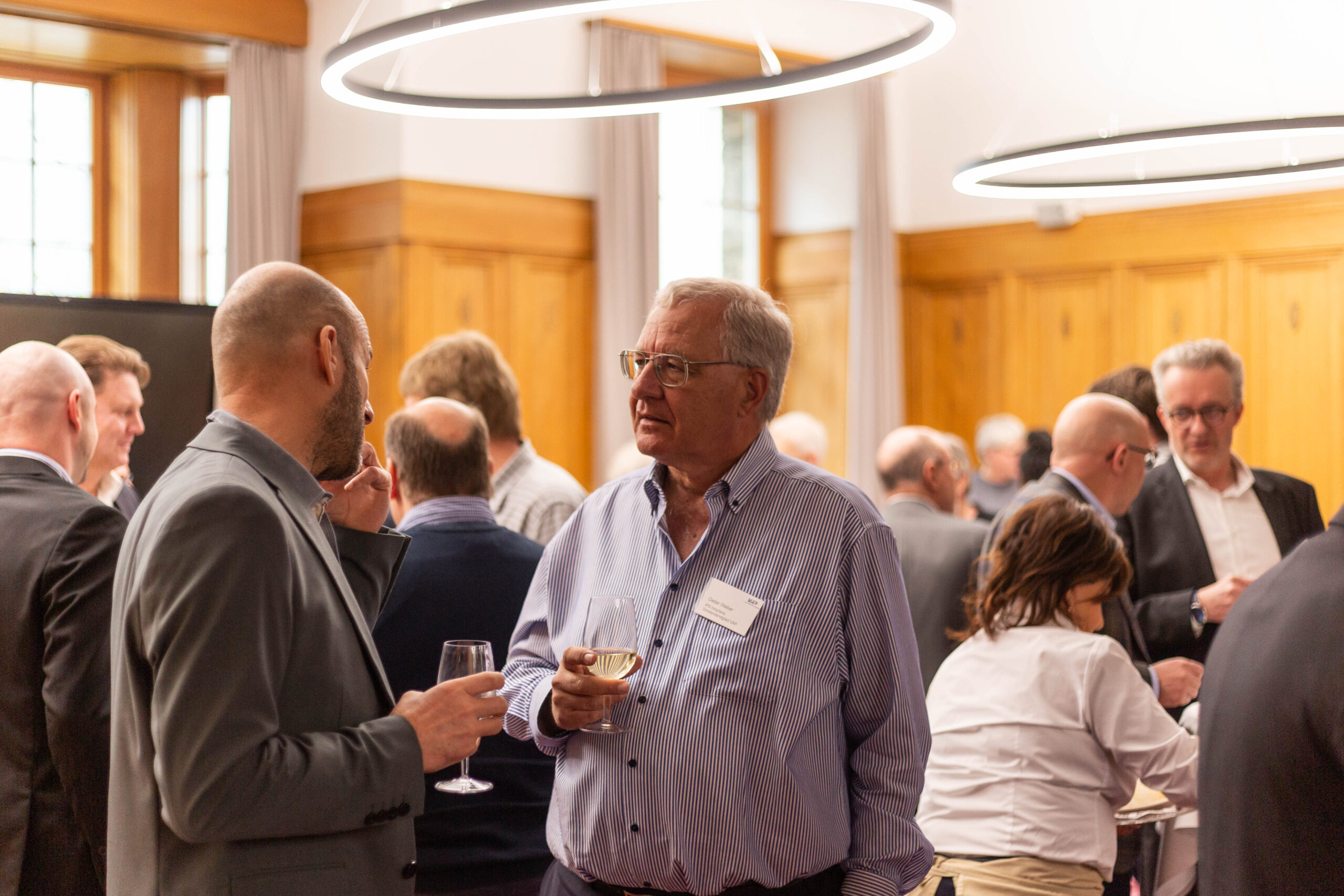

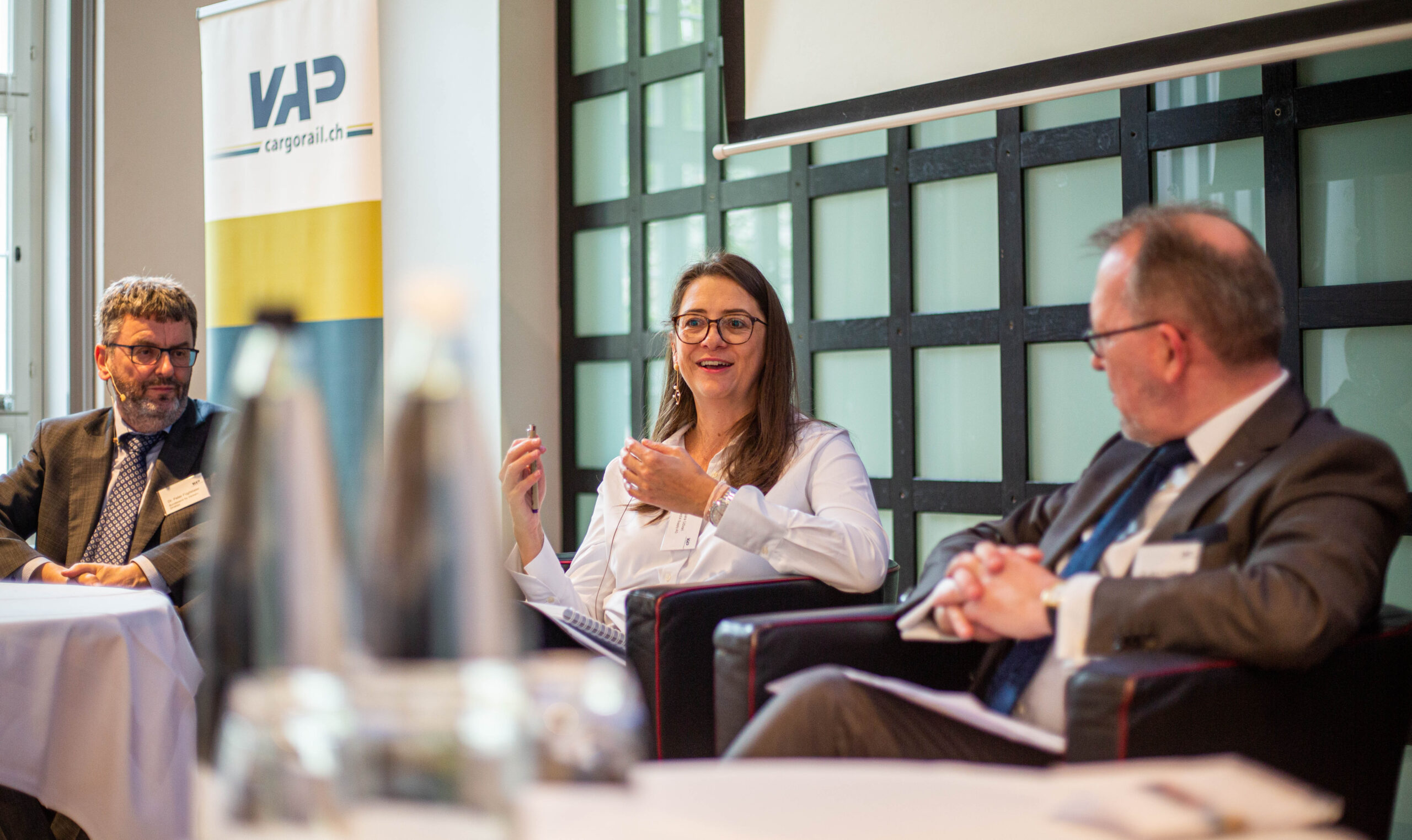
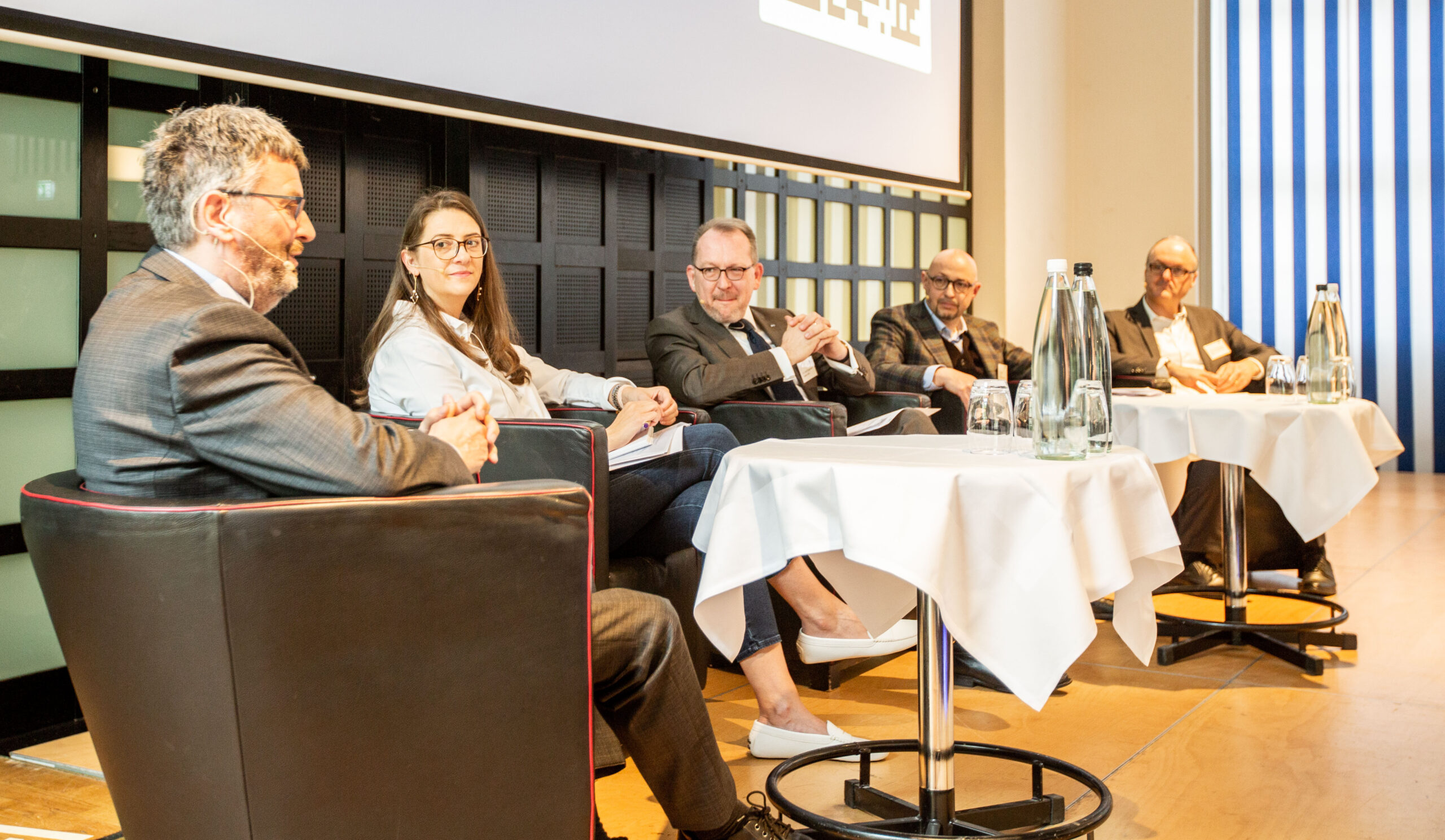
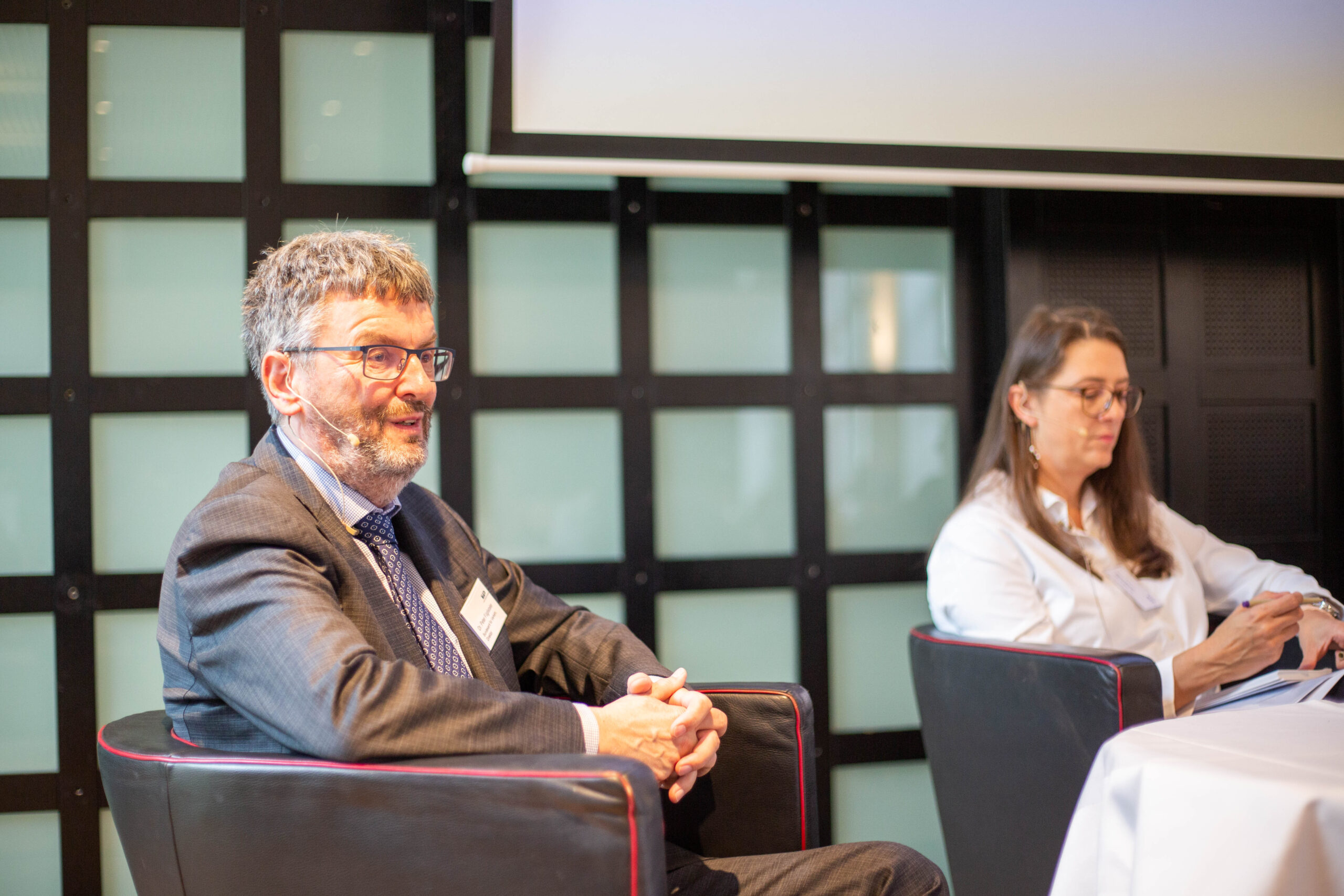
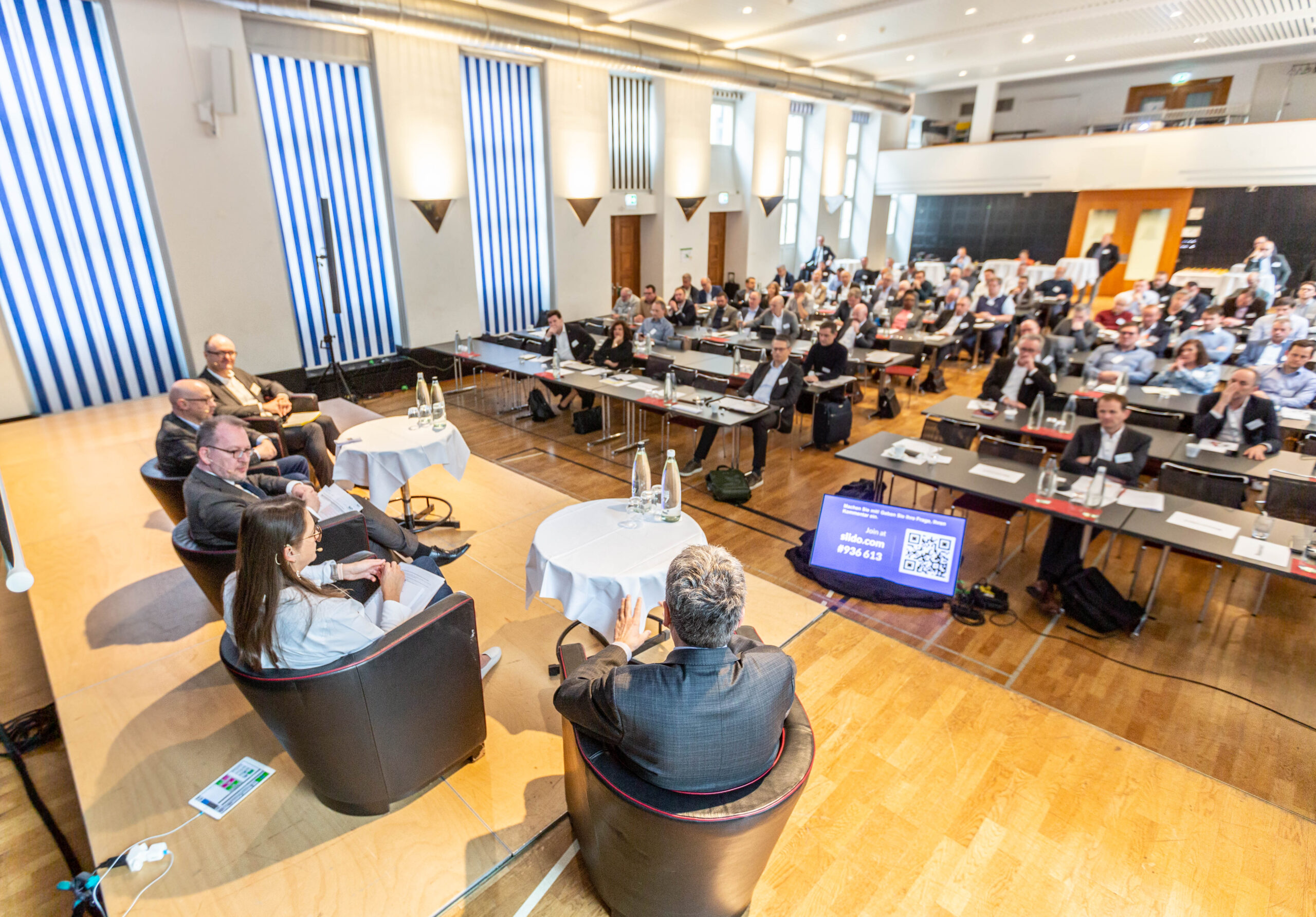
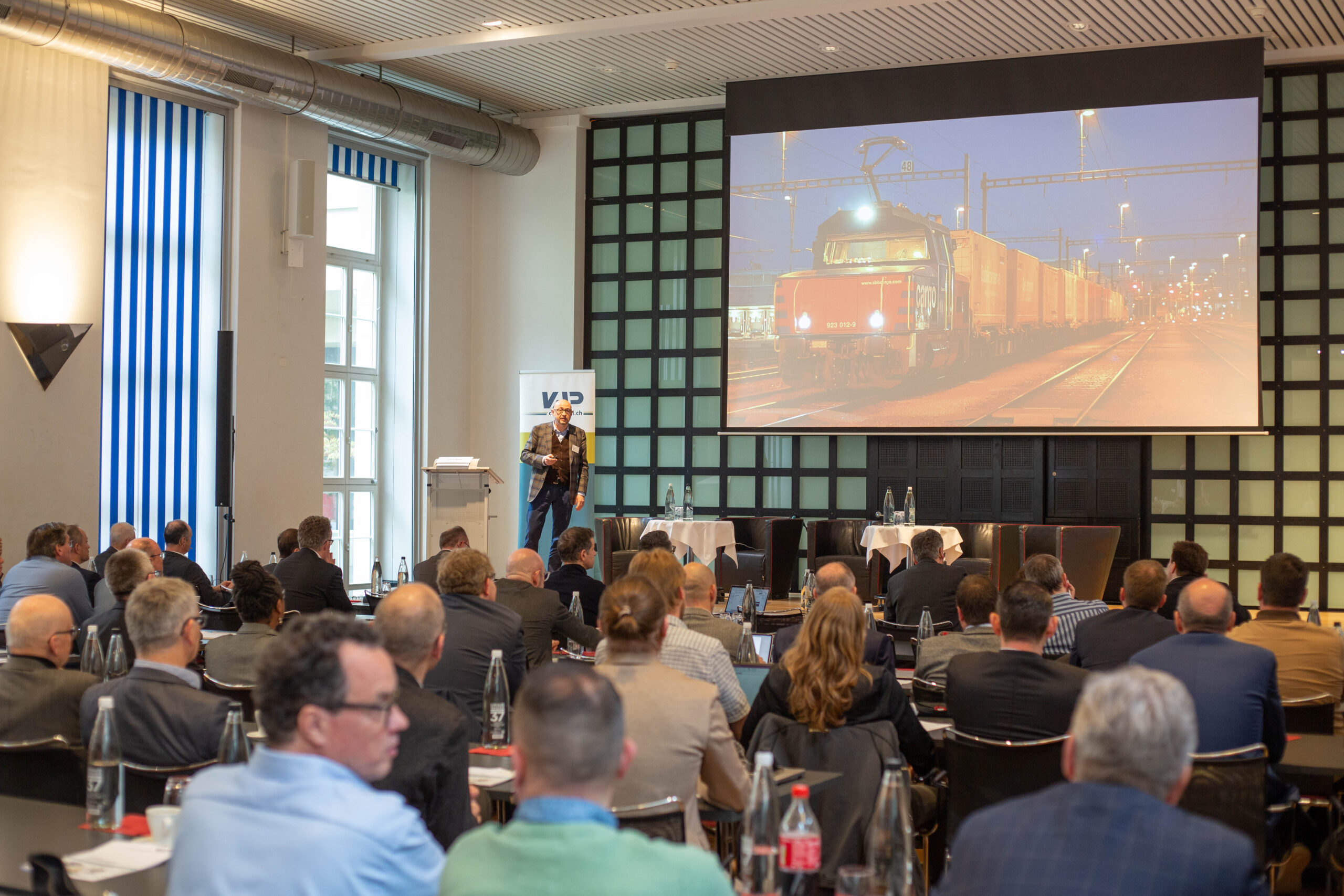
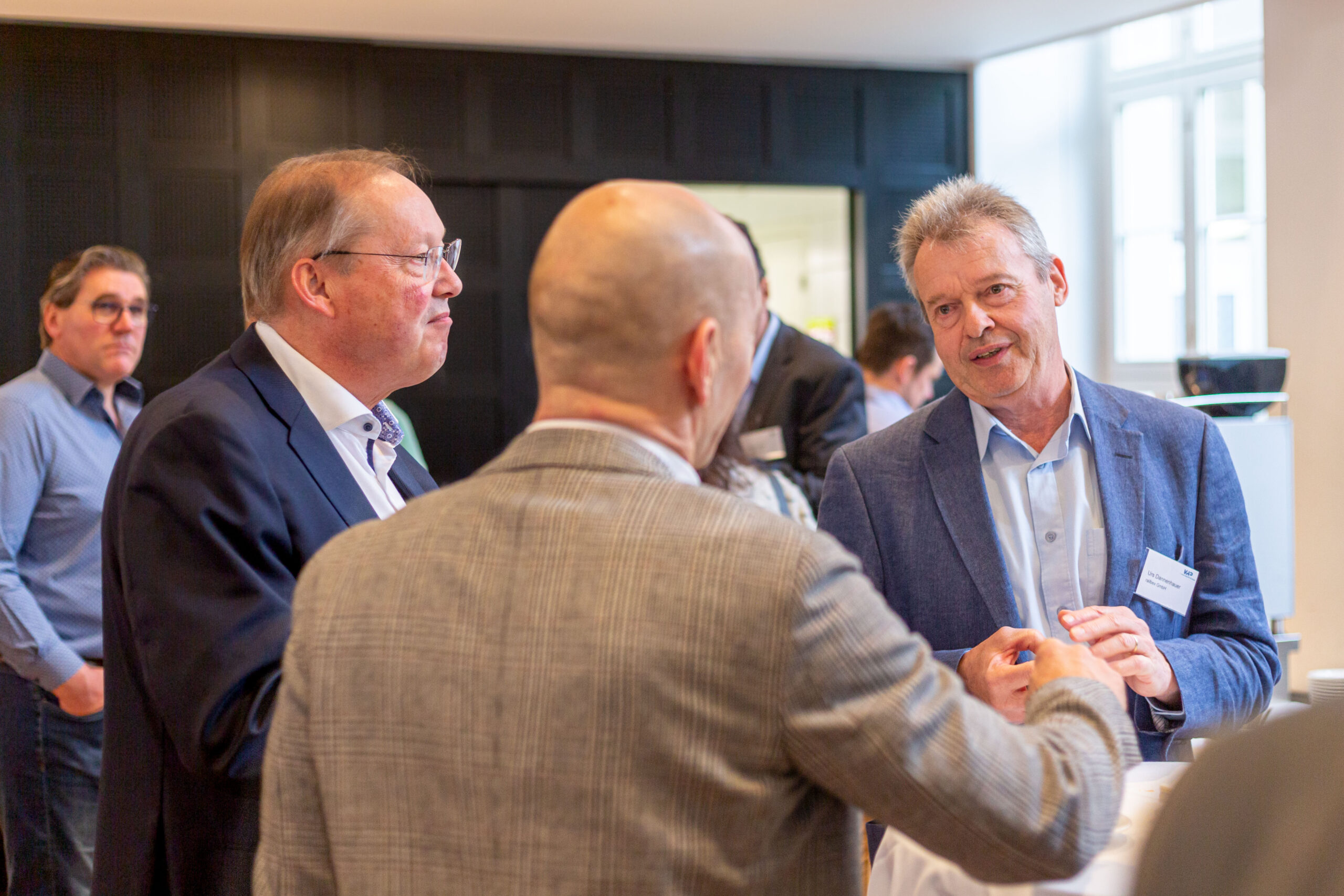
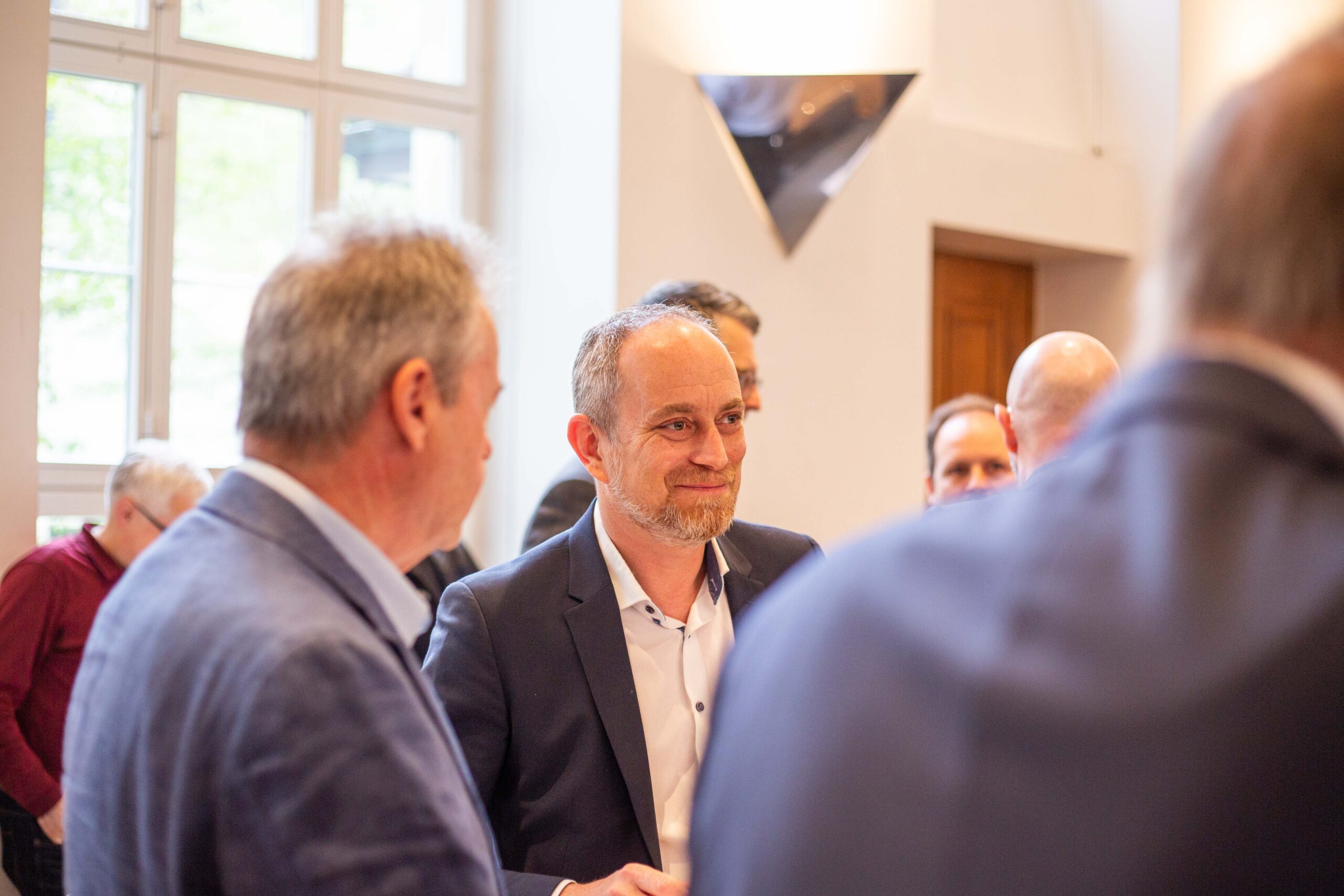
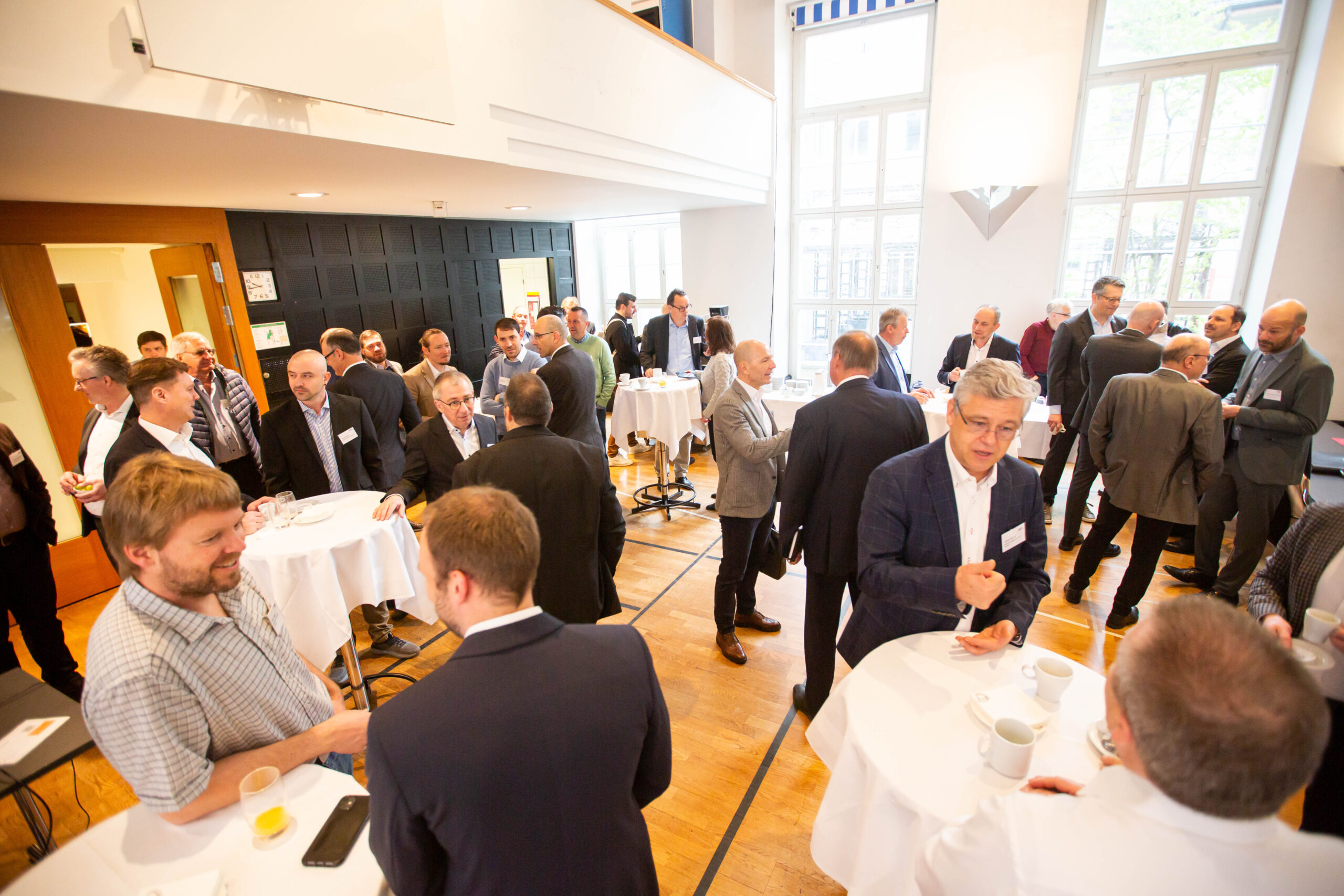
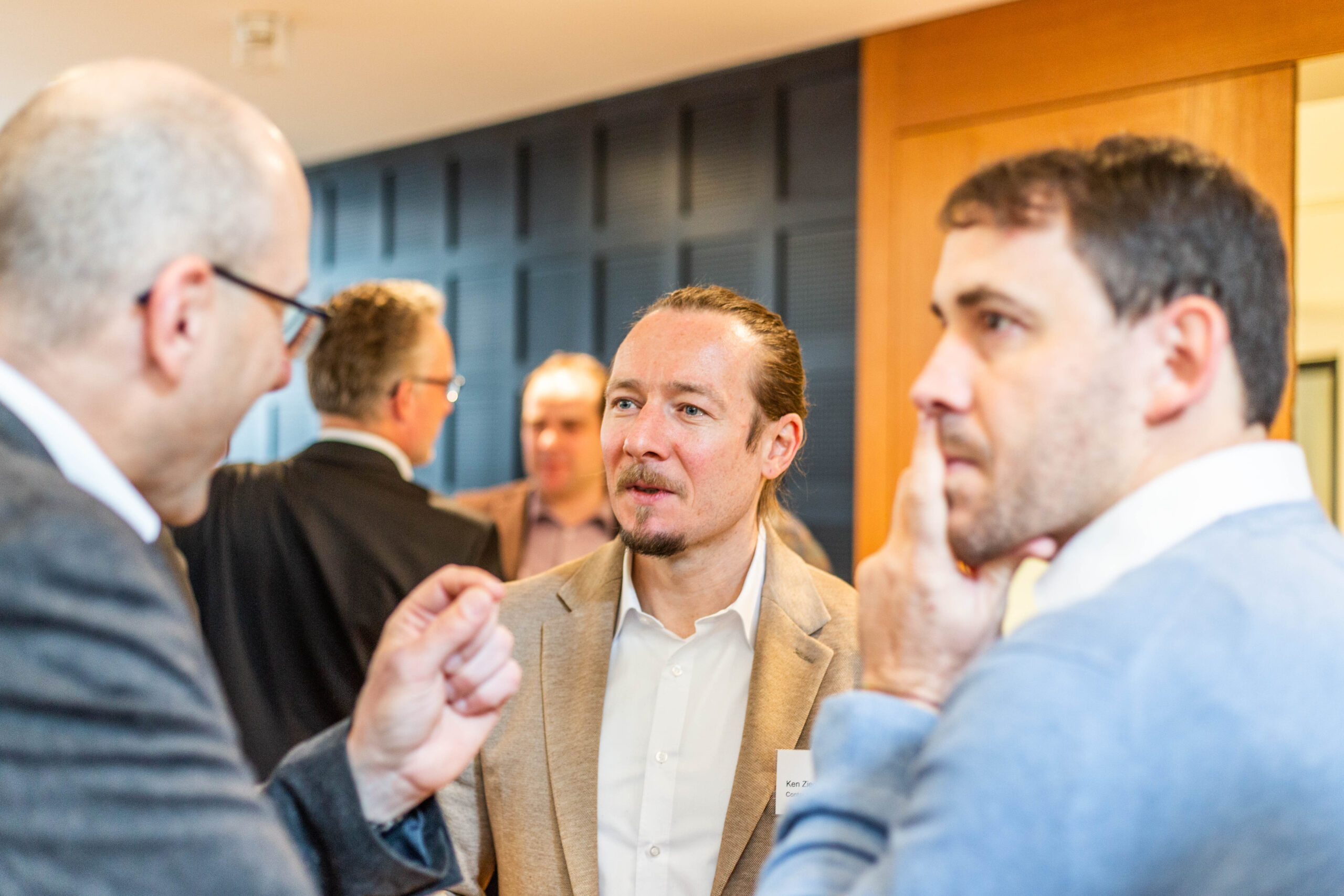
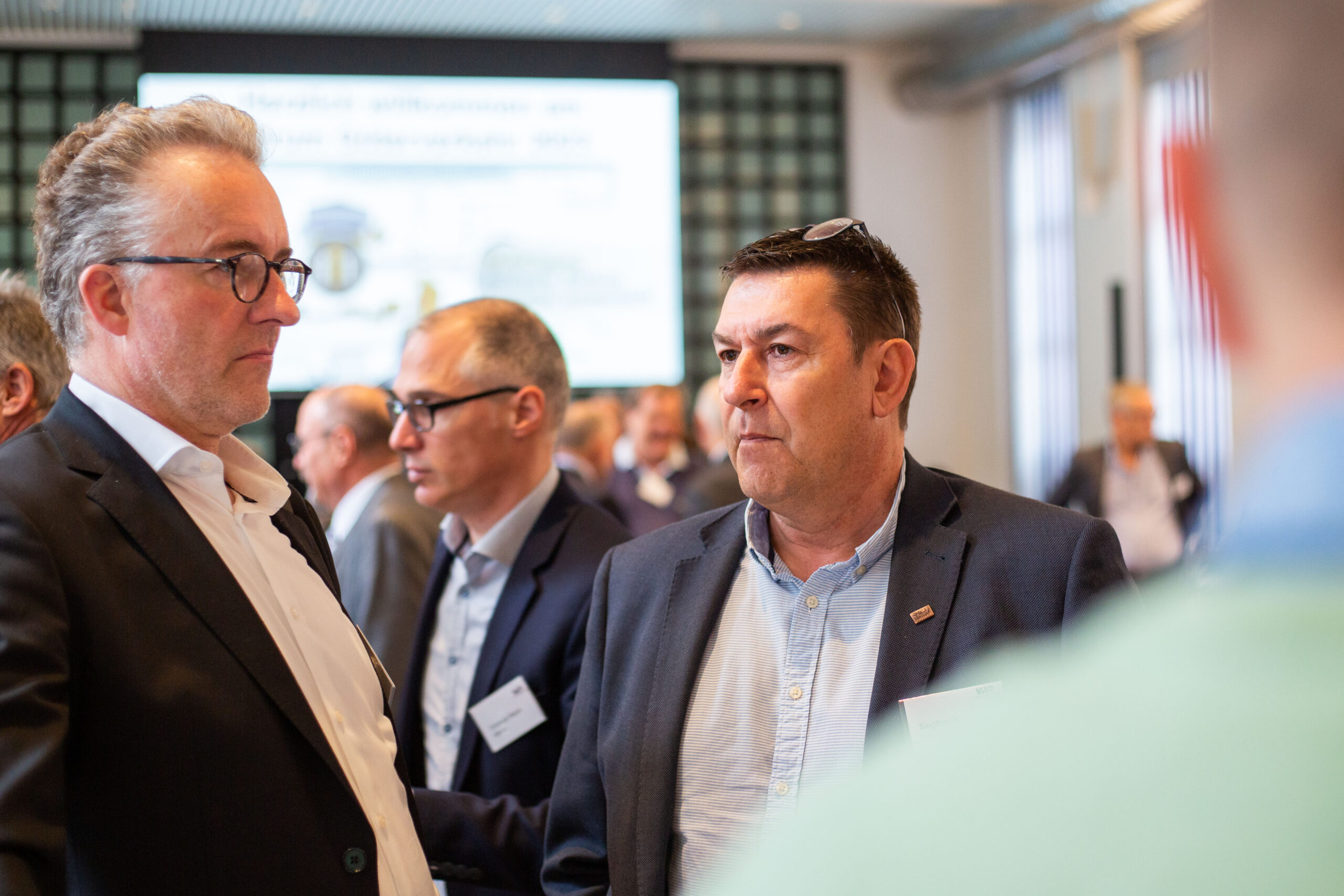
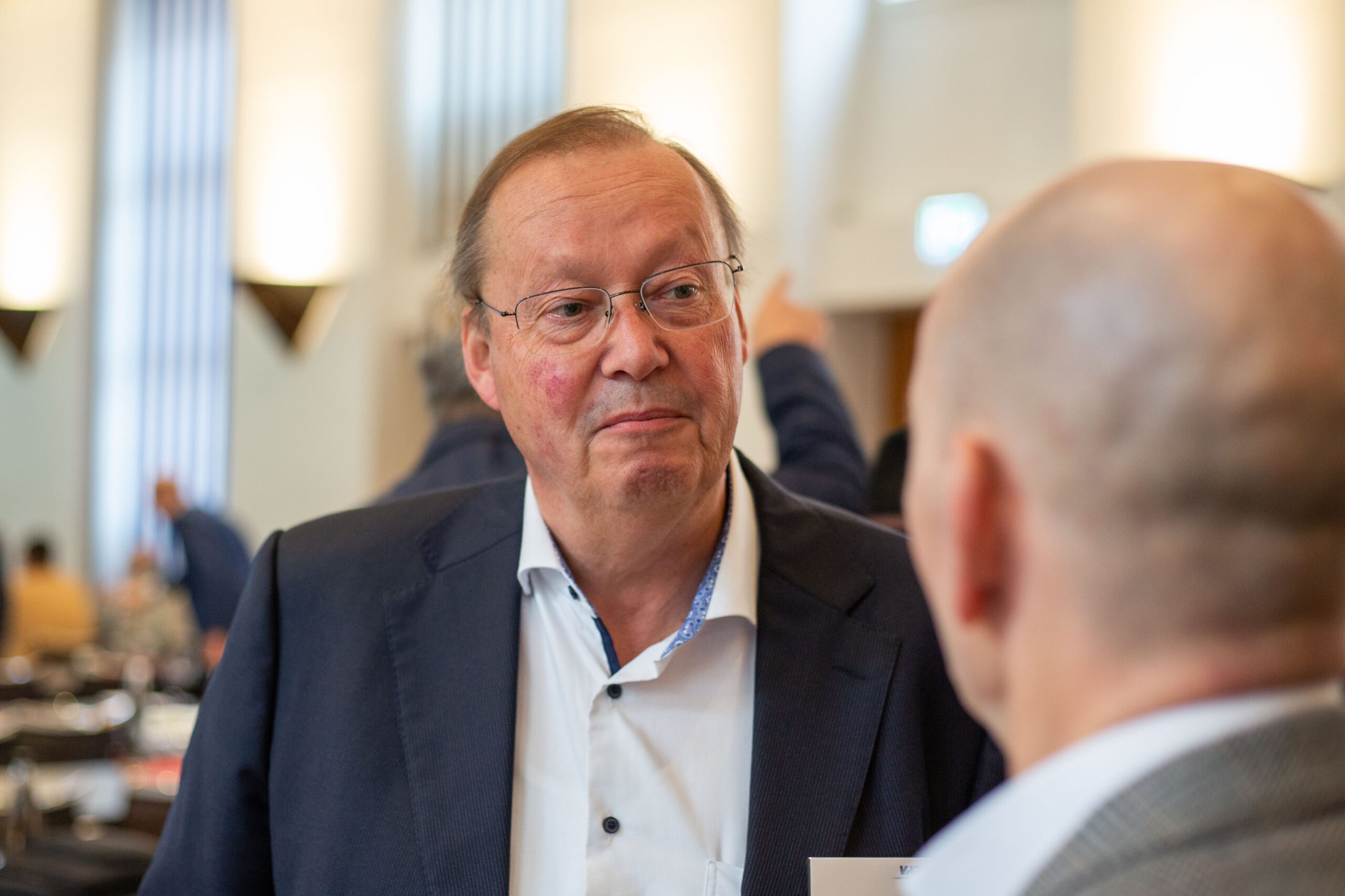
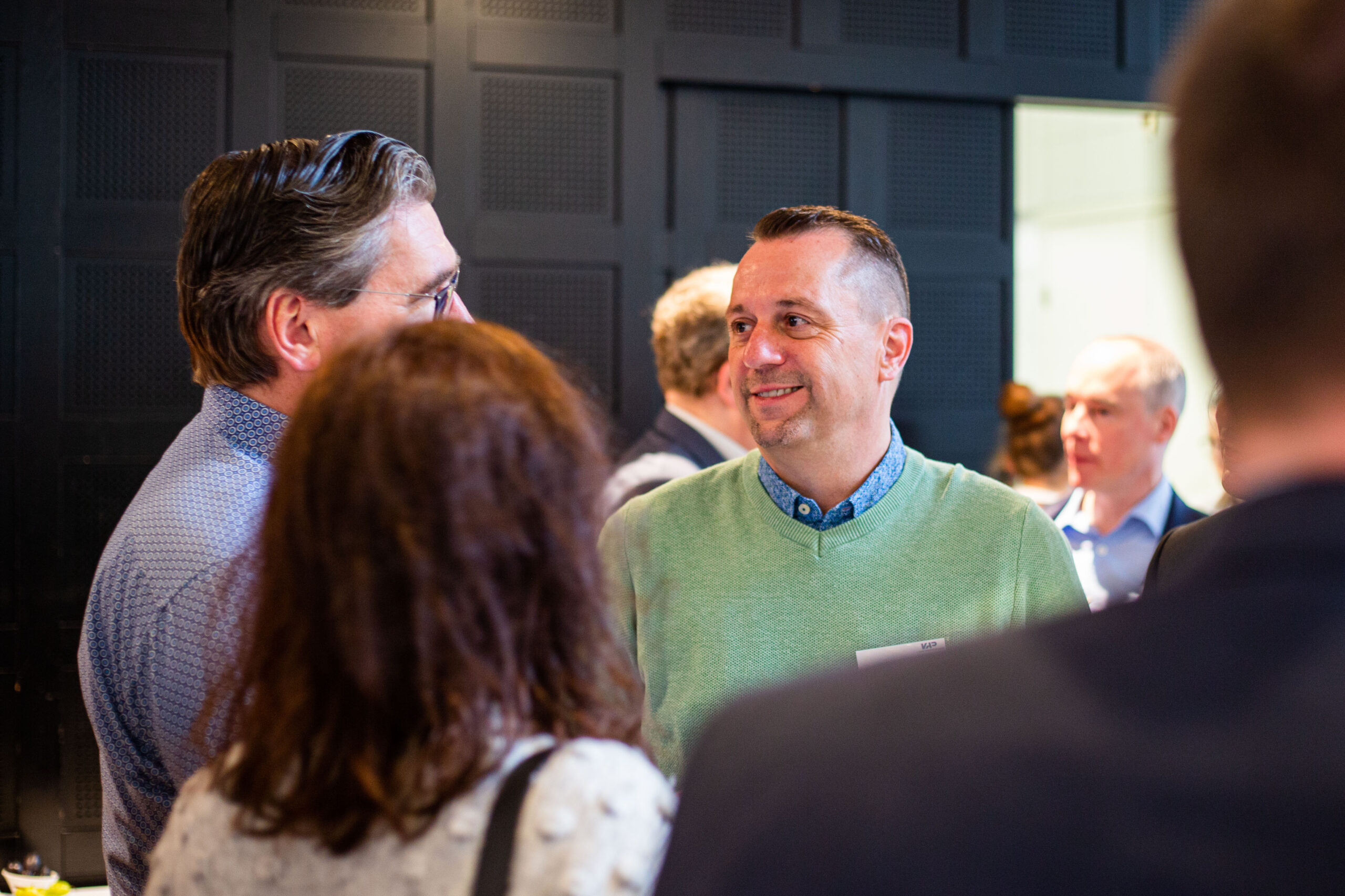
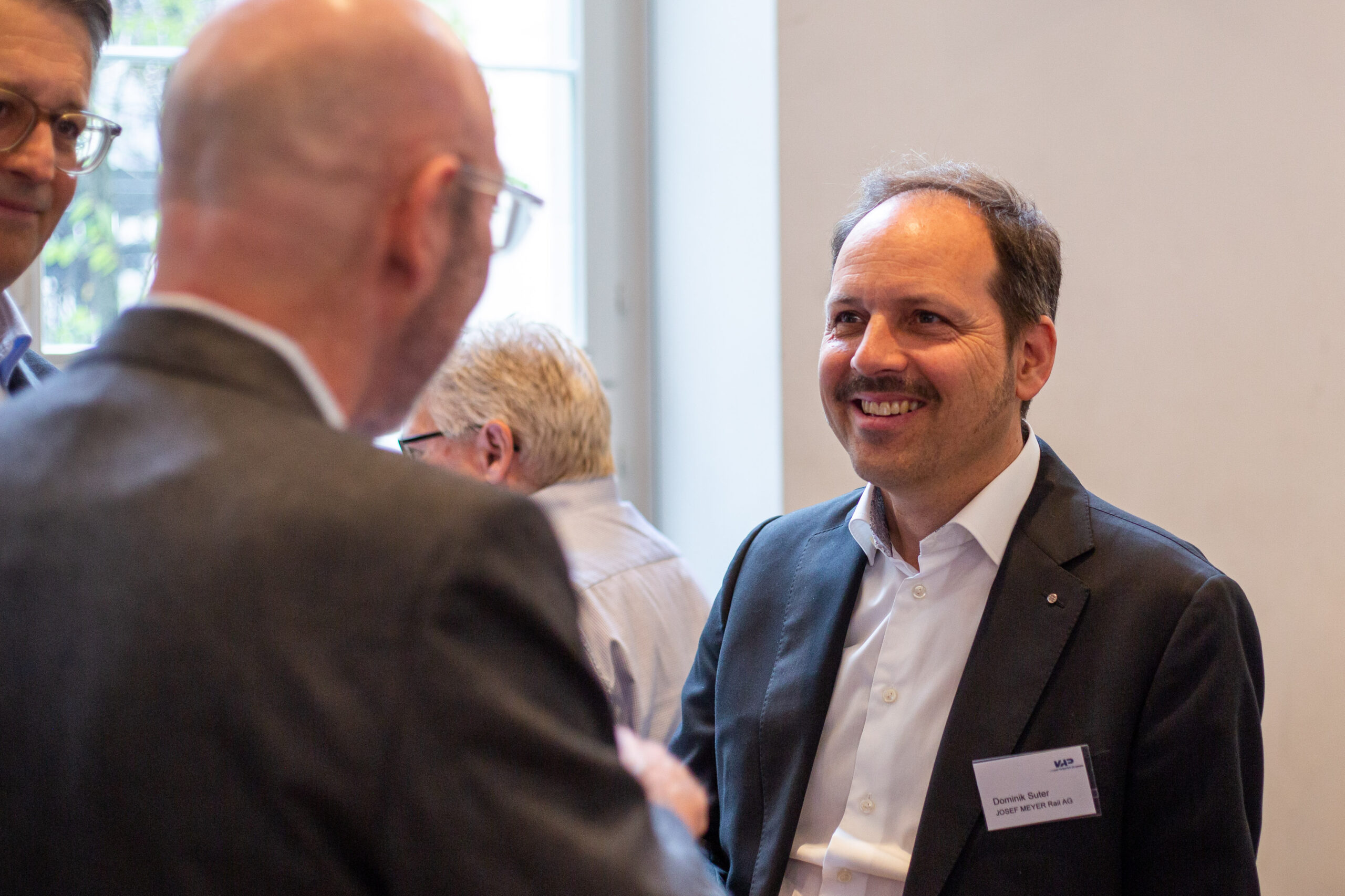
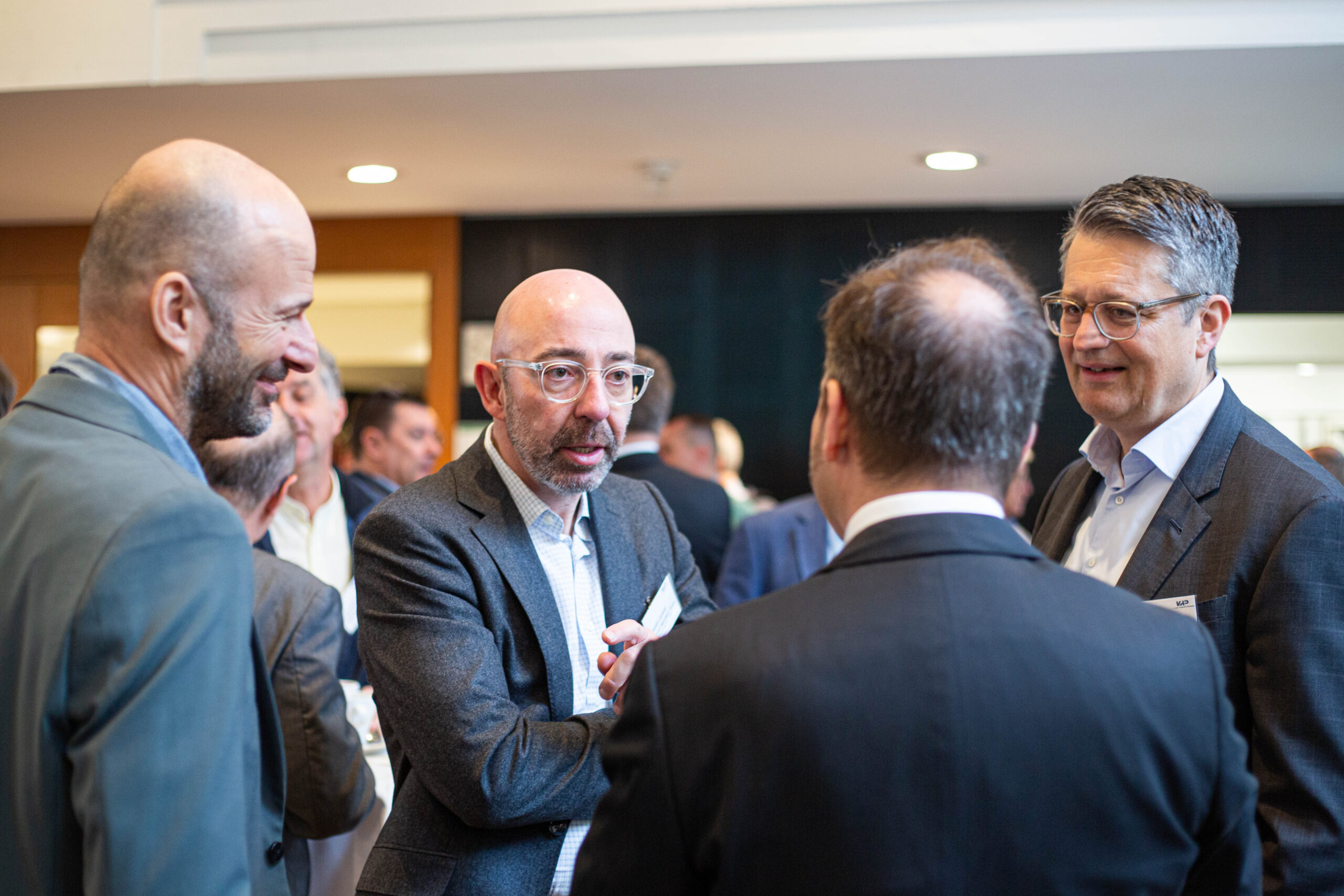
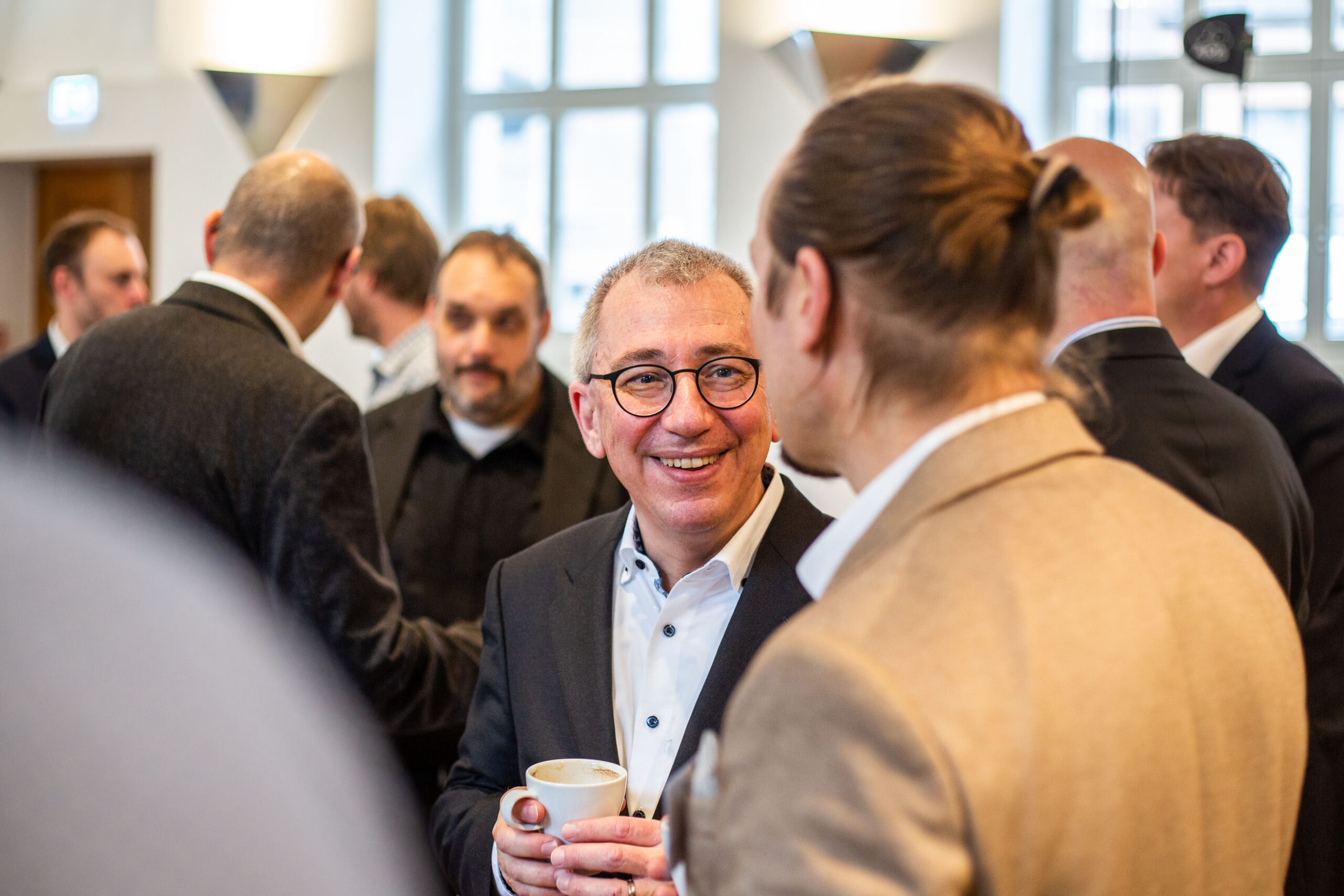
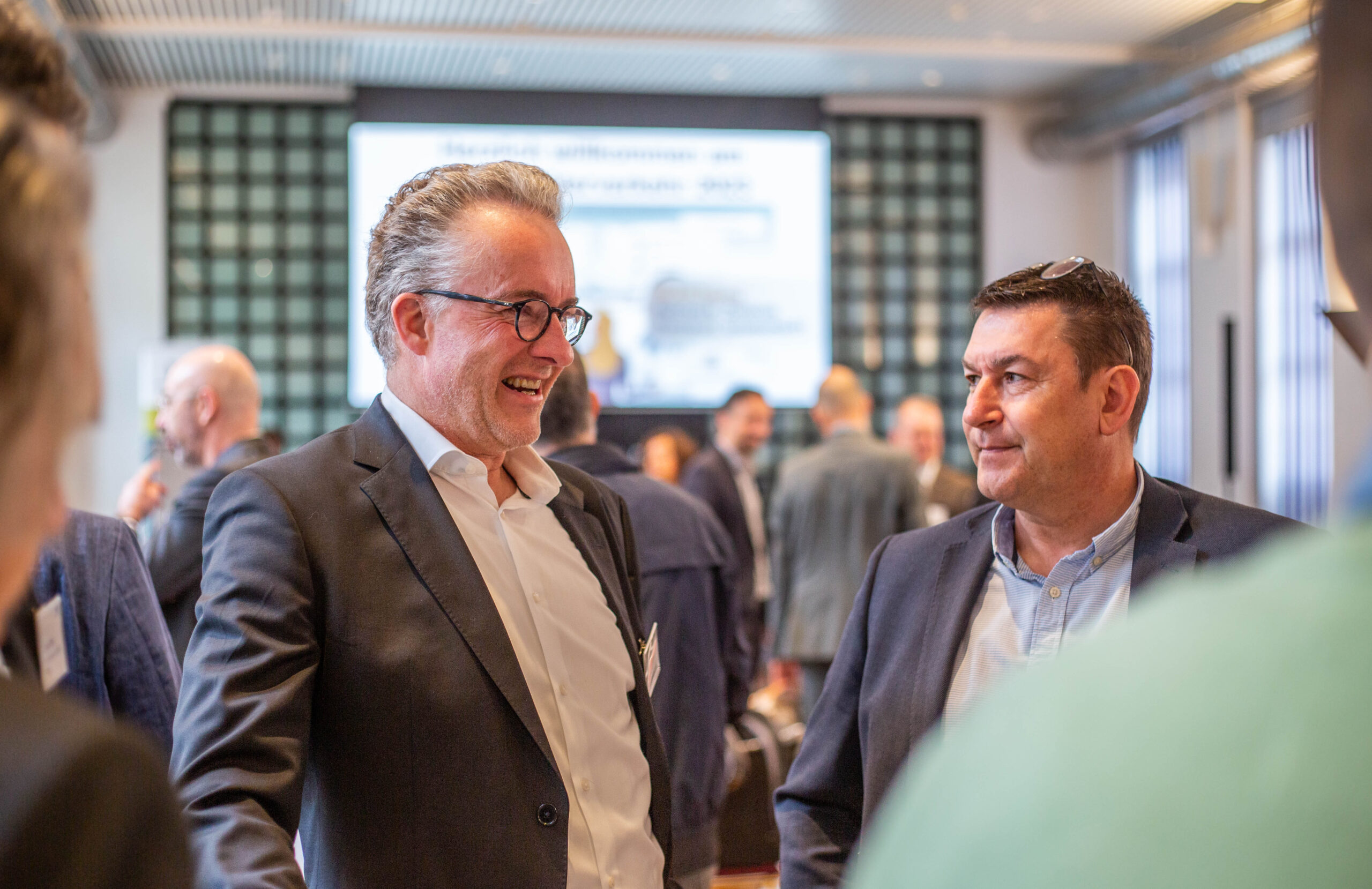
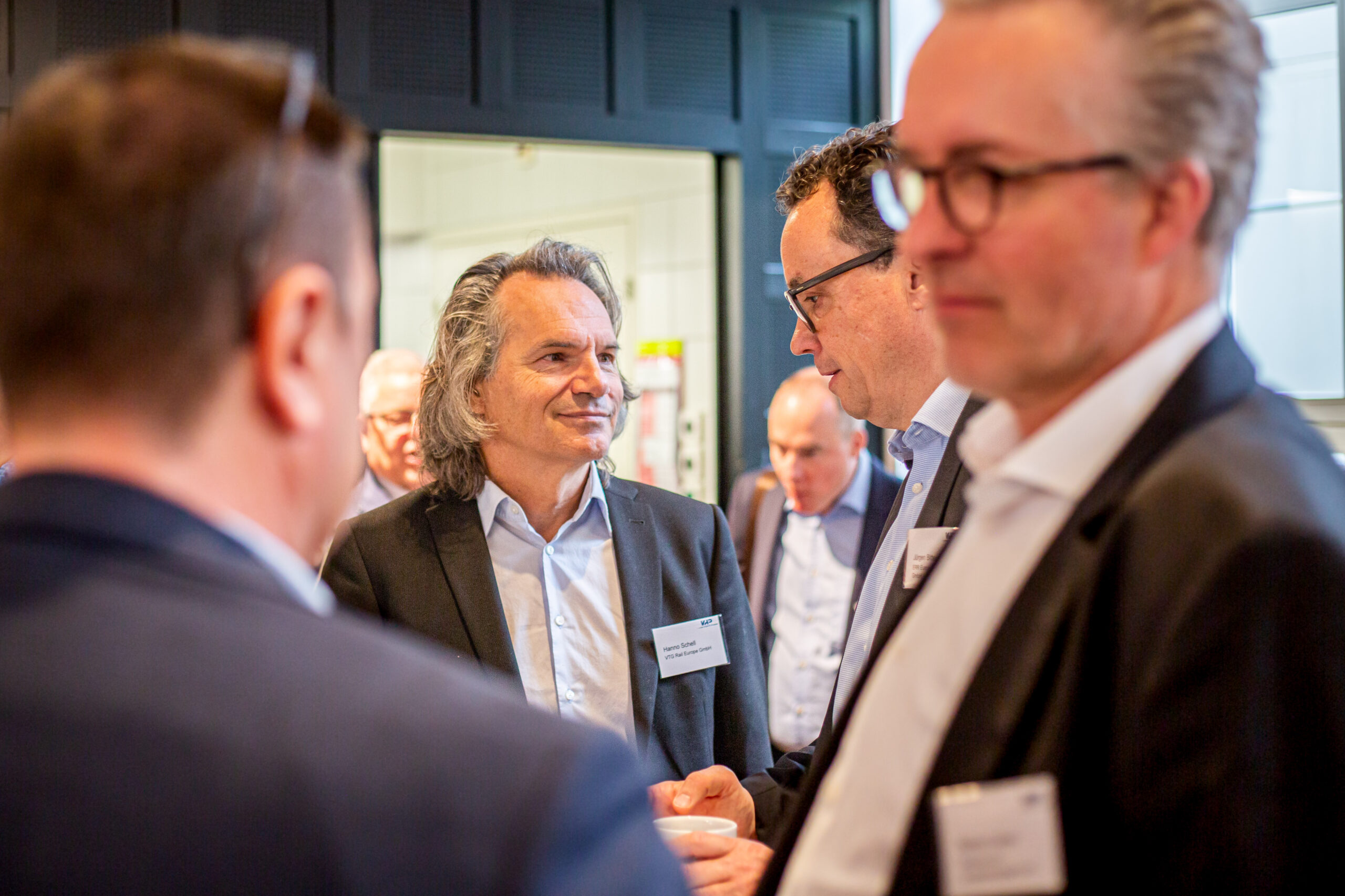
Review of the Freight Transport Forum: The most important points in detail
MULTIMODALITY – MODERNISING SWISS FREIGHT TRANSPORT
Against the backdrop of the current debate on the financing of rail freight transport by the federal government, the Freight Transport Forum dealt with the challenges of multimodality in logistics.
Welcome
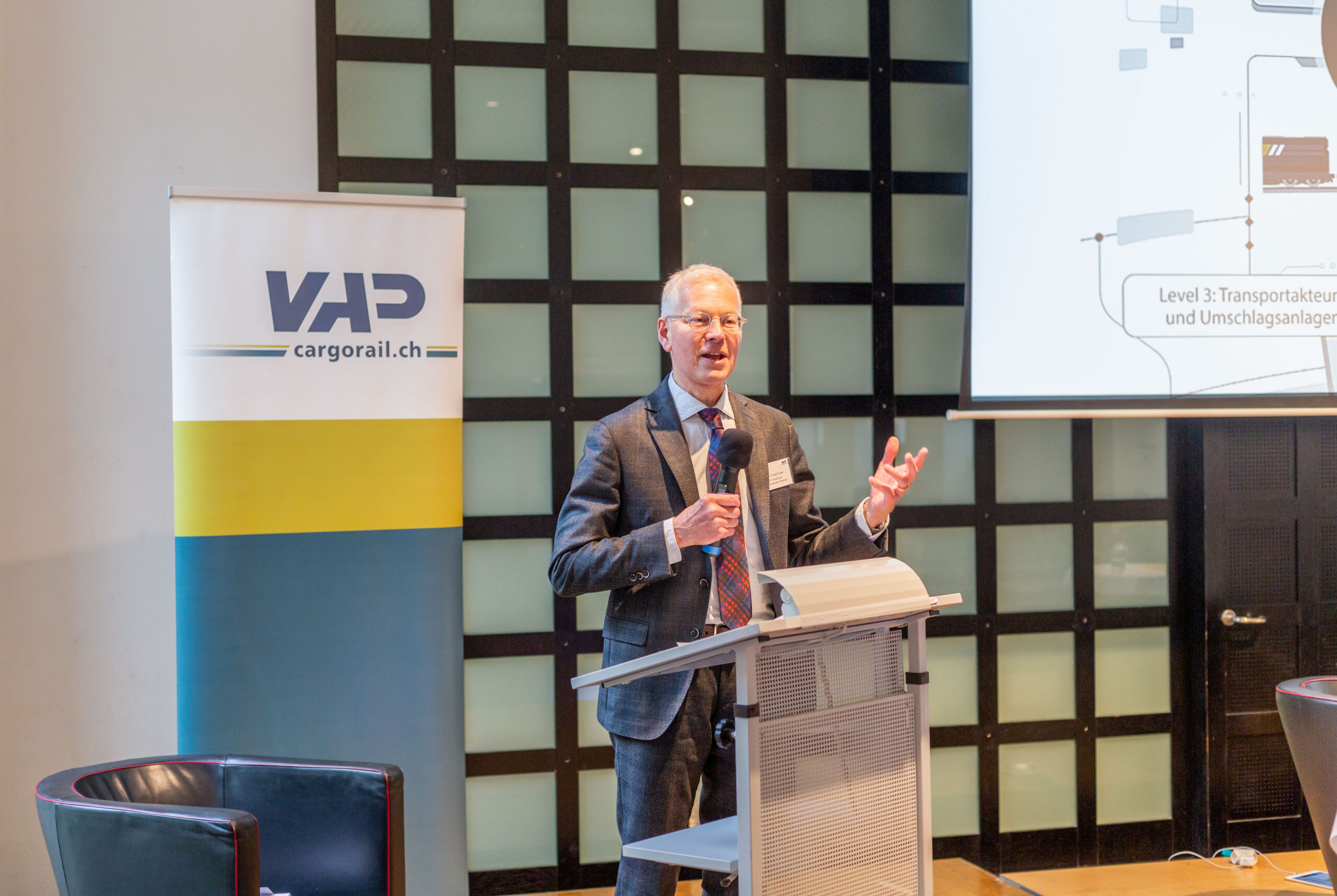
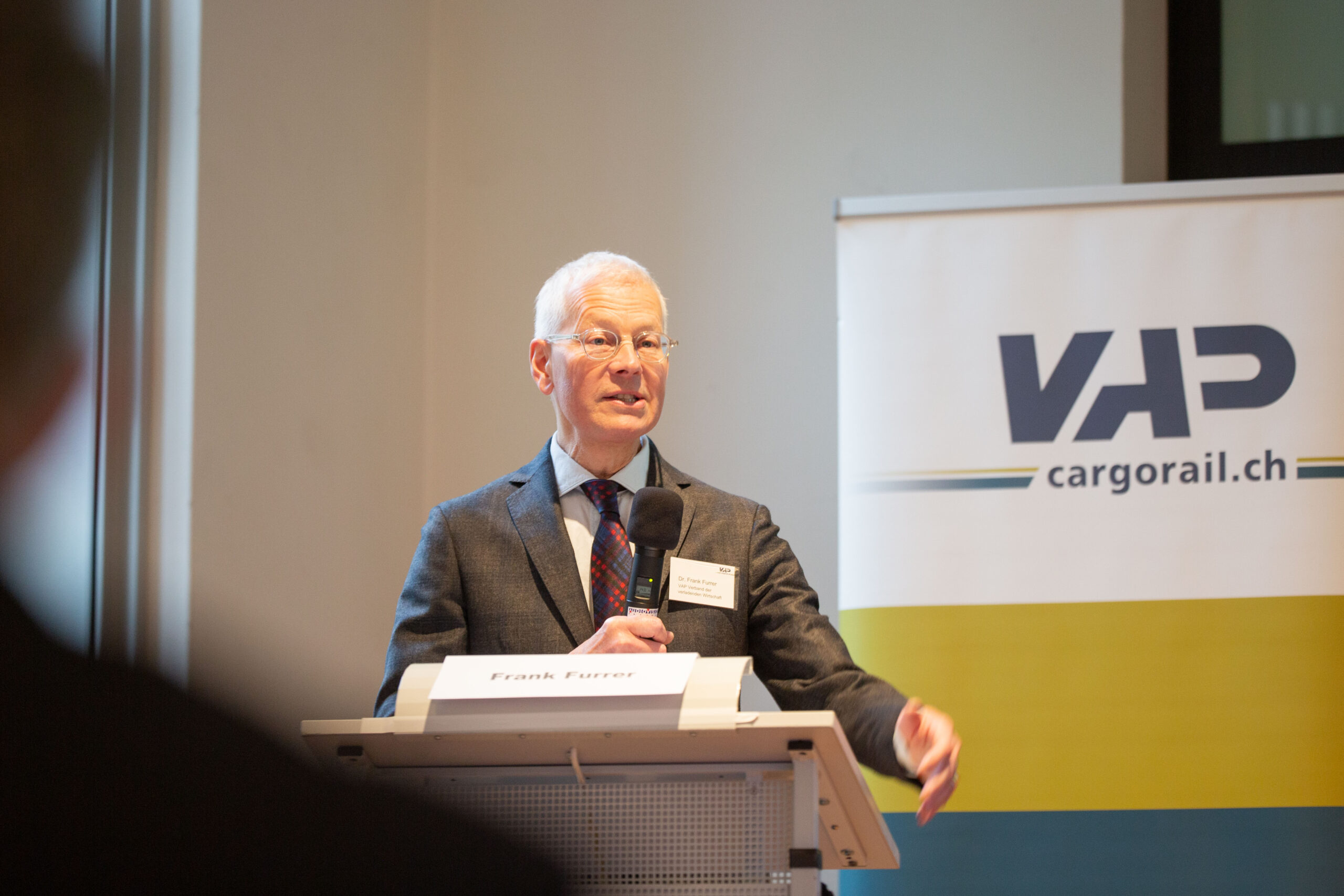
In his welcome address, Frank Furrer pointed out the thread running through the VAP’s forums, from safety in the area of conflict between costs and quality and new forms of cooperation in wagonload traffic in 2019, through politics in the green rush and the actual innovation potential of automation and digitalisation in 2022, to the current forum, which deals with the future of logistics and multimodality. The fundamental renewal of the rail system and the harmonious and powerful interplay of all modes of transport are necessary to make optimal use of the available capacities of the various infrastructures, to ensure a secure supply of Switzerland and also to create a place for rail in logistics. All this is in the interest of Switzerland as a place to live and do business. Since EU Directive 91/440, i.e. well over thirty years ago, the states in Europe have been trying to lead their own railway companies to success. Despite large subsidy programmes in UCT, a declining share of rail freight transport in the modal split can be observed and rapidly increasing subsidies to the state railways are necessary. There is no alternative to modernising and fundamentally restructuring the system. It will once again cost the states a great deal of money and demand a lot from the industry. What it could look like will be discussed together today.
Multimodality – On the Revision of the Freight Transport Act
Dr. Peter Füglistaler, Director of the Federal Office of Transport, presented the Federal Council’s proposal for the revision of the Freight Transport Act. This focuses quite strongly on measures to strengthen multimodality, as there are practically no monomodal transports by rail. A redefinition of the transhipment platforms, which are to enable more multimodality and bundling, especially as city hubs, and their financial and spatial planning support are an essential improvement of the framework conditions. A transhipment bonus is intended to provide incentives to shippers to increasingly combine different modes of transport in their logistics chains. For the director of the Federal Office of Transport, the Digital Automatic Coupling DAK is a key factor for success and less future than urgently needed reality. The state is happy to help on the way to this new reality, but the initiative must come from the economy.
Multimodality – On the needs of business – IKEA
Sara Udvari, Category Manager Logistics at IKEA Supply AG, emphasises the importance of sustainability in the company’s supply chain. The vision of creating a better everyday life for people includes responsibility for the environment. As IKEA’s products often make a long journey through the supply chain, it is important to find sustainable solutions. To be climate positive by 2030, IKEA focuses on reducing greenhouse gases, improving energy efficiency and supporting suppliers. In transport, the aim is to reduce greenhouse gas emissions by 70%, while in storage the target is to reduce CO2 emissions by 80%. To achieve these goals, IKEA is focusing on three key areas: increasing efficiency, replacing fossil fuels with intermodal solutions and electrification, and rethinking the way products are delivered. IKEA is already committed to intermodal transport and is currently at 46% intermodal solutions globally. Fact-based CO2 calculation is an important part of IKEA’s sustainability strategy. Preset calculations only give average values, so fact-based tools should be used to get a realistic calculation of the carbon footprint. IKEA aims to further develop multimodality in order to find even more sustainable solutions. A prerequisite for this is dynamic transport chains and a corresponding organised constant exchange of data. Cooperation with partners who share the same values is central to this.
Multimodality – On the needs of the economy – Migros
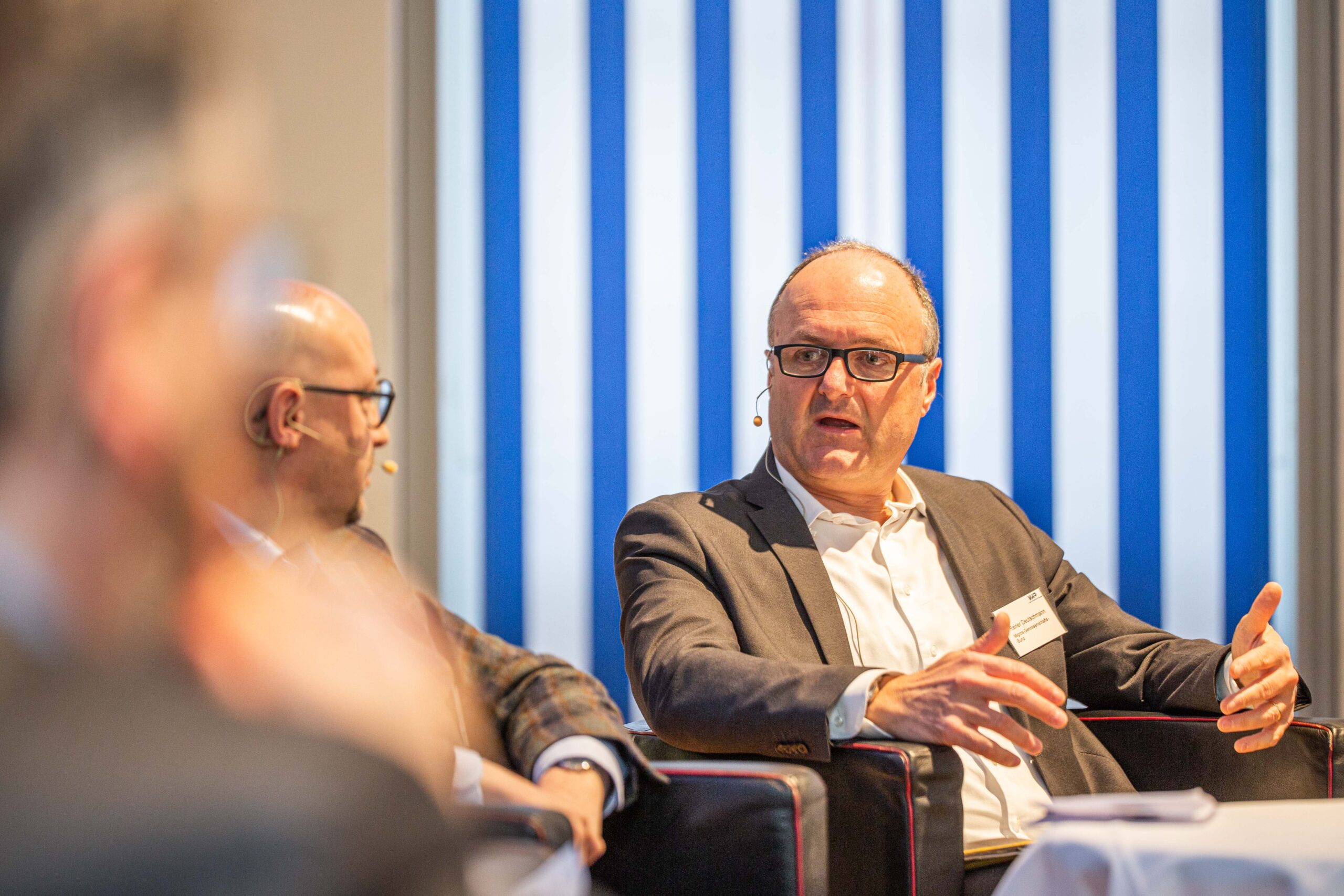
Rainer Deutschmann, Head of Safety & Transport, is committed to a sustainable supply chain at Migros. The focus is on multimodal goods logistics that combine different means of transport such as rail, truck, autonomous driving and Cargo Sous Terrain (CST). Together with economiesuisse, VAP, Astag and IG DH, the role that the various means of transport should play in sustainable freight logistics is being worked out. Although Migros is fundamentally opposed to subsidies, a limited subsidy in the area of technology transfer is advocated as long as it does not distort competition and the benefits reach the customer. In order to make goods logistics more sustainable, the focus is on reducing the number of kilometres driven and increasing automation. Good multimodality requires a complete redesign of the railway. CST is in the implementation phase and is already well advanced. Switzerland’s largest warehouse in Ebikon also serves as a test site for autonomous driving. For trucks, several drive technologies are still being investigated, such as biogas, electric or H2. In order to select the most efficient means of travel with the most suitable drive, Migros evaluates data from GPS tracks. Rainer Deutschmann’s commitment shows that companies can and must live up to their responsibility towards the environment. Cooperation with various partners and the use of new technologies are key success factors.
Multimodality – On the needs of business – Post Office
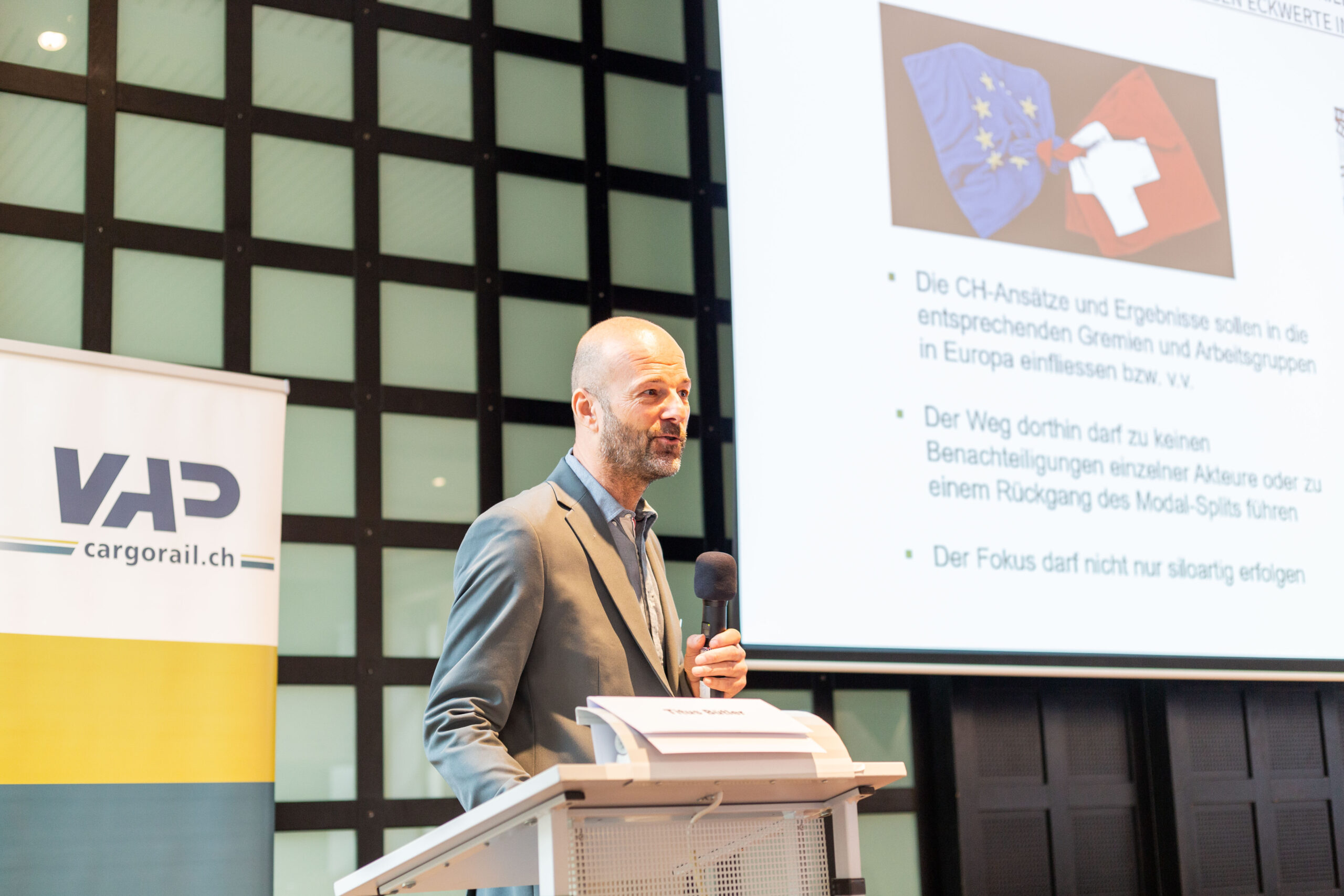
Titus Bütler shed light on multimodality in Swiss Post’s transports and the needs of its customers, who expect fast, reliable and affordable deliveries. Swiss Post strives to meet these needs by ensuring frequent and reliable transport, offering competitive prices and providing important data. There are 45 postal trains daily with a punctuality rate of 94.4%. However, the truck is about 25–40% faster from ramp to ramp compared to the train, even if the truck still has to pile up the goods. This has led to a decline in the rail share. Nevertheless, Swiss Post continues to rely on rail and is therefore trying to build infrastructure to speed up rail transport, such as letter centres with ramp tracks and its own rail terminals (kV) at the three large parcel centres. Since Swiss Post has to fulfil a basic service mandate, the acceleration of rail transports must also be supported in the framework conditions. Approaches for this are qualified express routes, prioritisation of time-critical freight traffic next to passenger trains (key words: priority departure of the fast goods train before the suburban train at the node), acceleration of shunting work including brake tests and the use of fixed bi-modal drive compositions.
Modernisation of freight transport in Switzerland and Europe through multimodality
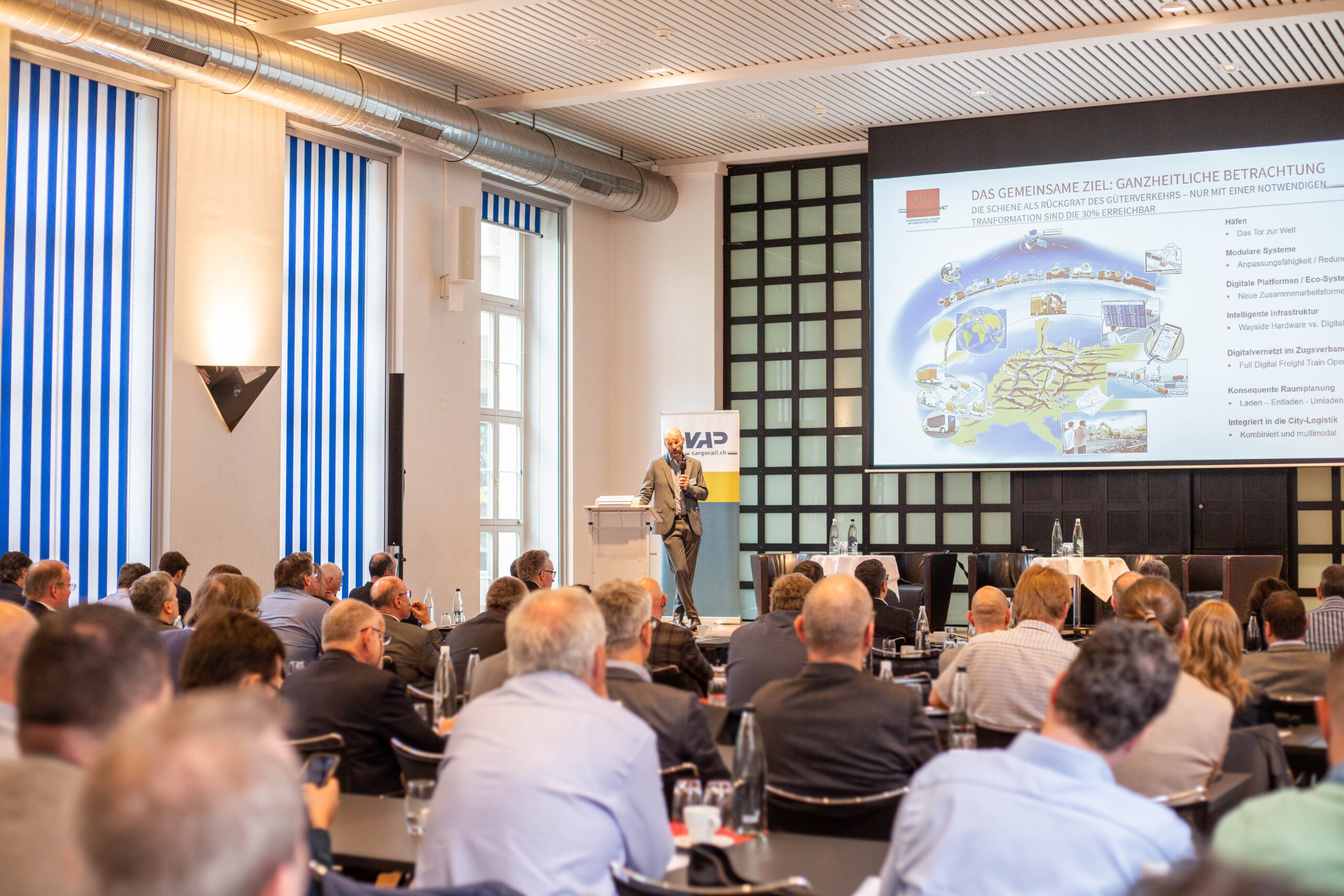
Jürgen Maier has summarised facts on the modernisation of freight transport in Switzerland and Europe through multimodality on the basis of information from the umbrella organisation UIP – INTERNATIONAL UNION OF WAGON KEEPERS. Surveys show that multimodal logistics are in demand and that rail is regarded by politicians as the backbone of multimodal freight transport. However, for rail to turn this opportunity into reality, a Europe-wide system change is necessary. Especially in WLV, the processes and organisation have remained unchanged for 100 years. A holistic view is required that includes ports, modular systems, digital platforms, intelligent infrastructure, digital networking in the train network, consistent spatial planning and integration into city logistics. The future is digital, and the technologically innovative Digital Automatic Coupler (DAC) project, which is currently being tested by wagon keepers and freight railways, is a key step in this direction.
Modernisierung des Güterverkehrs in der Schweiz und Europa durch Multimodalität
Jürgen Maier hat anhand von Informationen der Dachorganisation UIP – INTERNATIONAL UNION OF WAGON KEEPERS Fakten zur Modernisierung des Güterverkehrs in der Schweiz und Europa durch Multimodalität zusammengefasst. Umfragen zeigen, dass eine multimodale Logistik gefragt ist und die Schiene in der Politik als Rückgrat des multimodalen Güterverkehrs betrachtet wird. Damit die Bahn diese Chance in die Realität umsetzen kann, ist allerdings ein europaweiter Systemwechsel notwendig. Vor allem im WLV sind die Prozesse und die Organisation seit 100 Jahre unverändert. Eine ganzheitliche Betrachtung ist erforderlich, die Häfen, modulare Systeme, digitale Plattformen, intelligente Infrastruktur, digitale Vernetzung im Zugsverband, konsequente Raumplanung und Integration in die City-Logistik einschliesst. Die Zukunft ist digital, und das technologische innovative Projekt “Digital Automatic Coupler (DAC)”, das derzeit von Wagenhaltern und Güterbahnen getestet wird, ist wegweisend. The “C” in DAC can also stand for “connected”. Automated and networked systems are necessary for a thriving economy and society in the future. Jürgen Maier emphasises that cooperation at the political, strategic, operational and technical levels is important to achieve the goals.
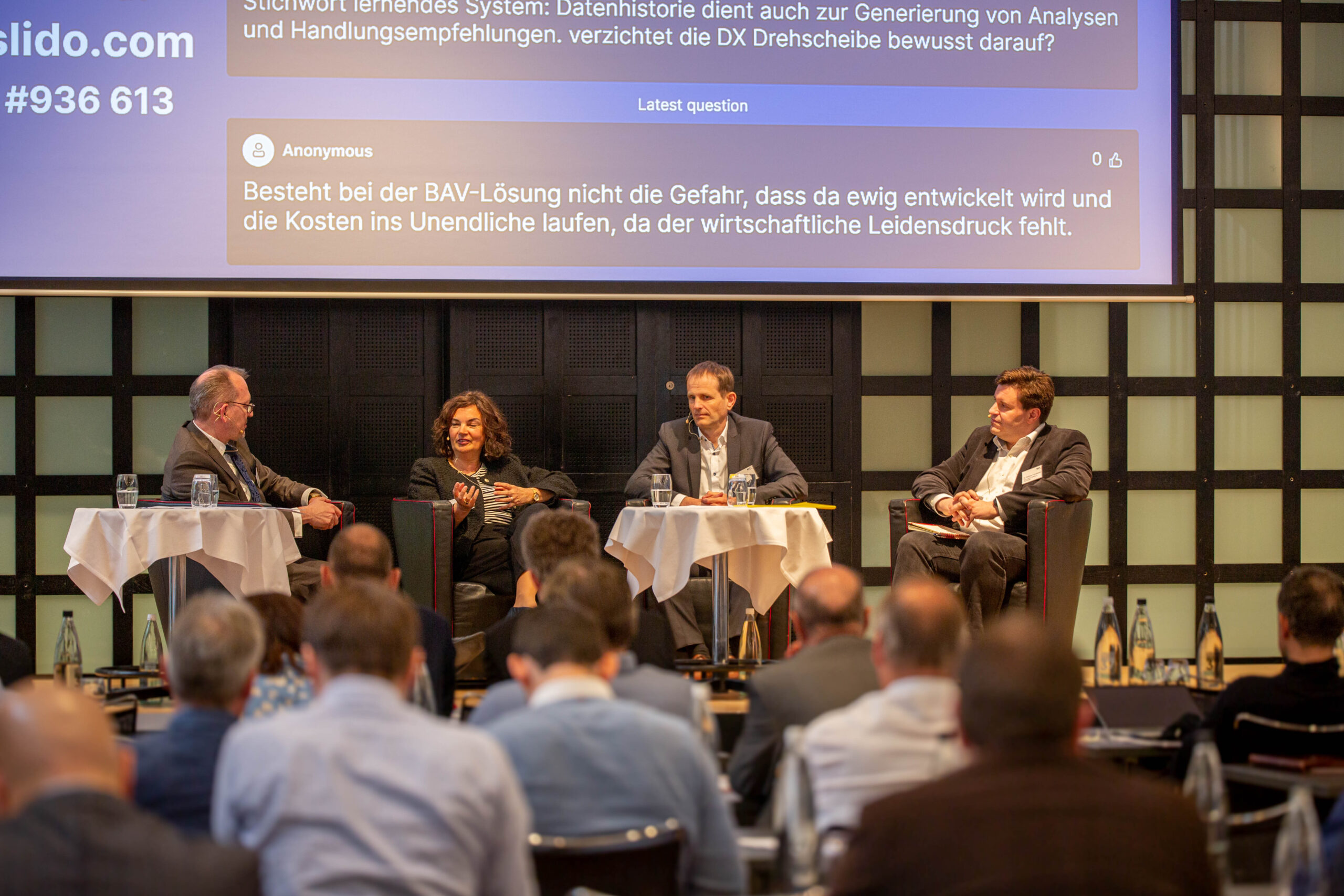
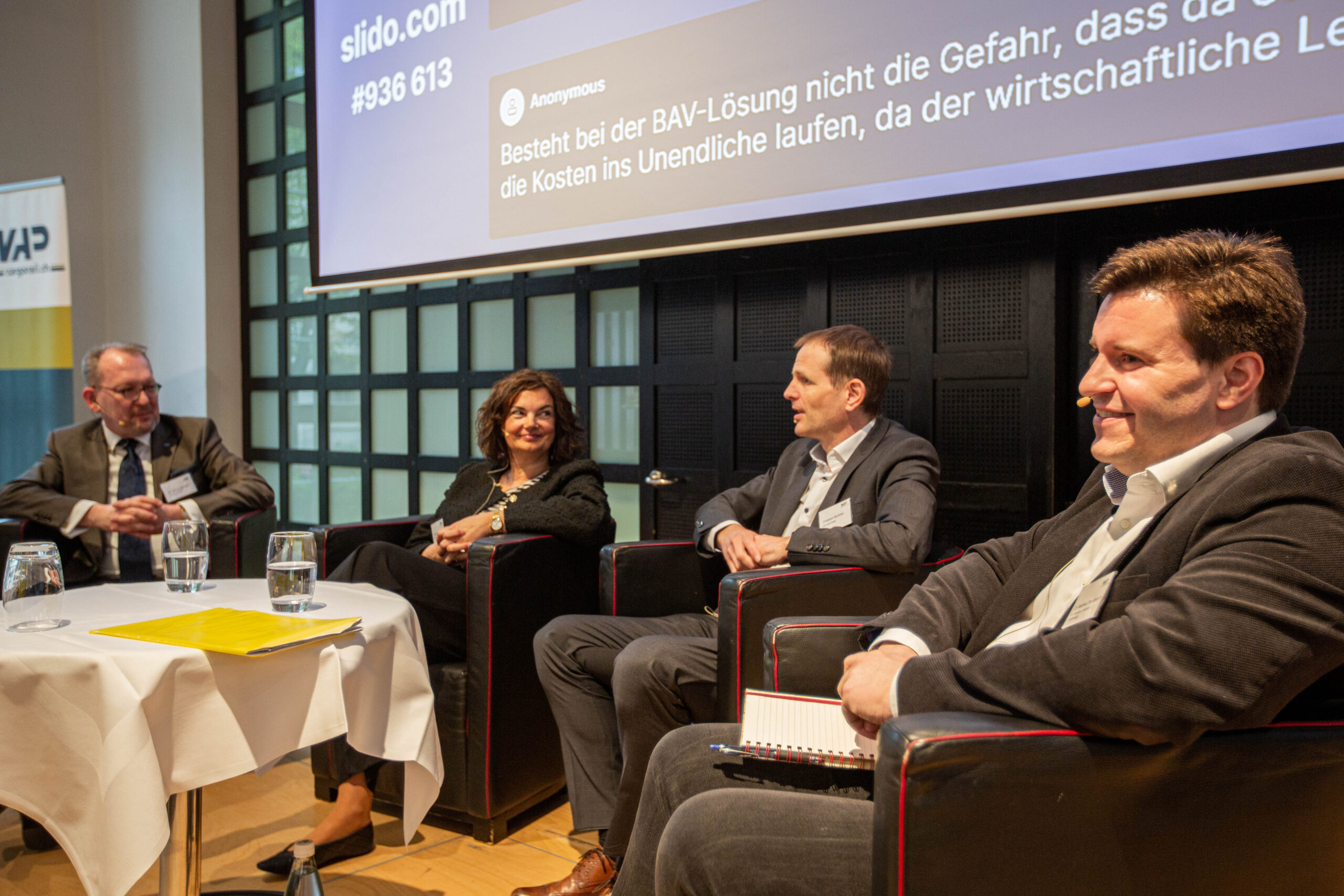
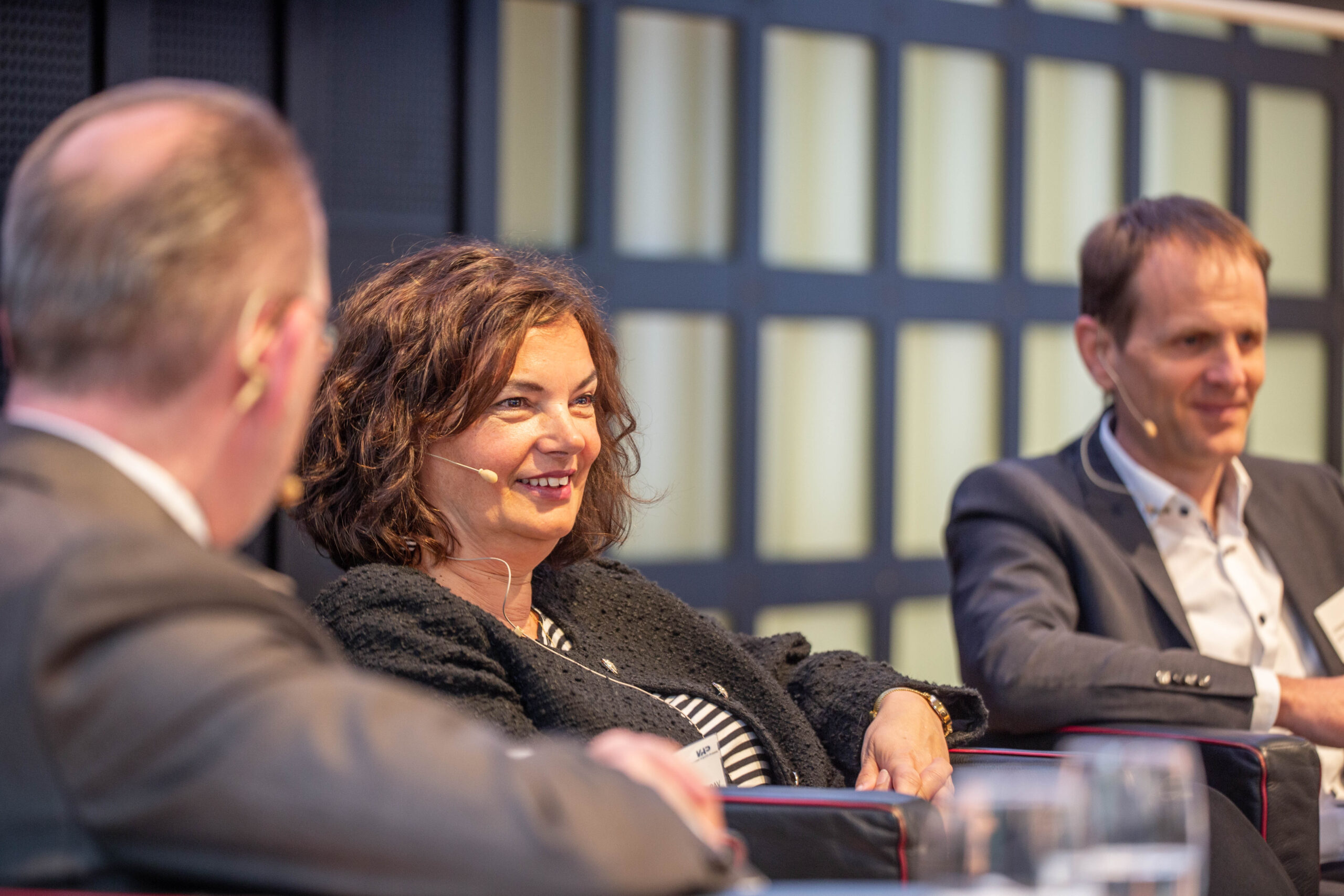
Panel discussion
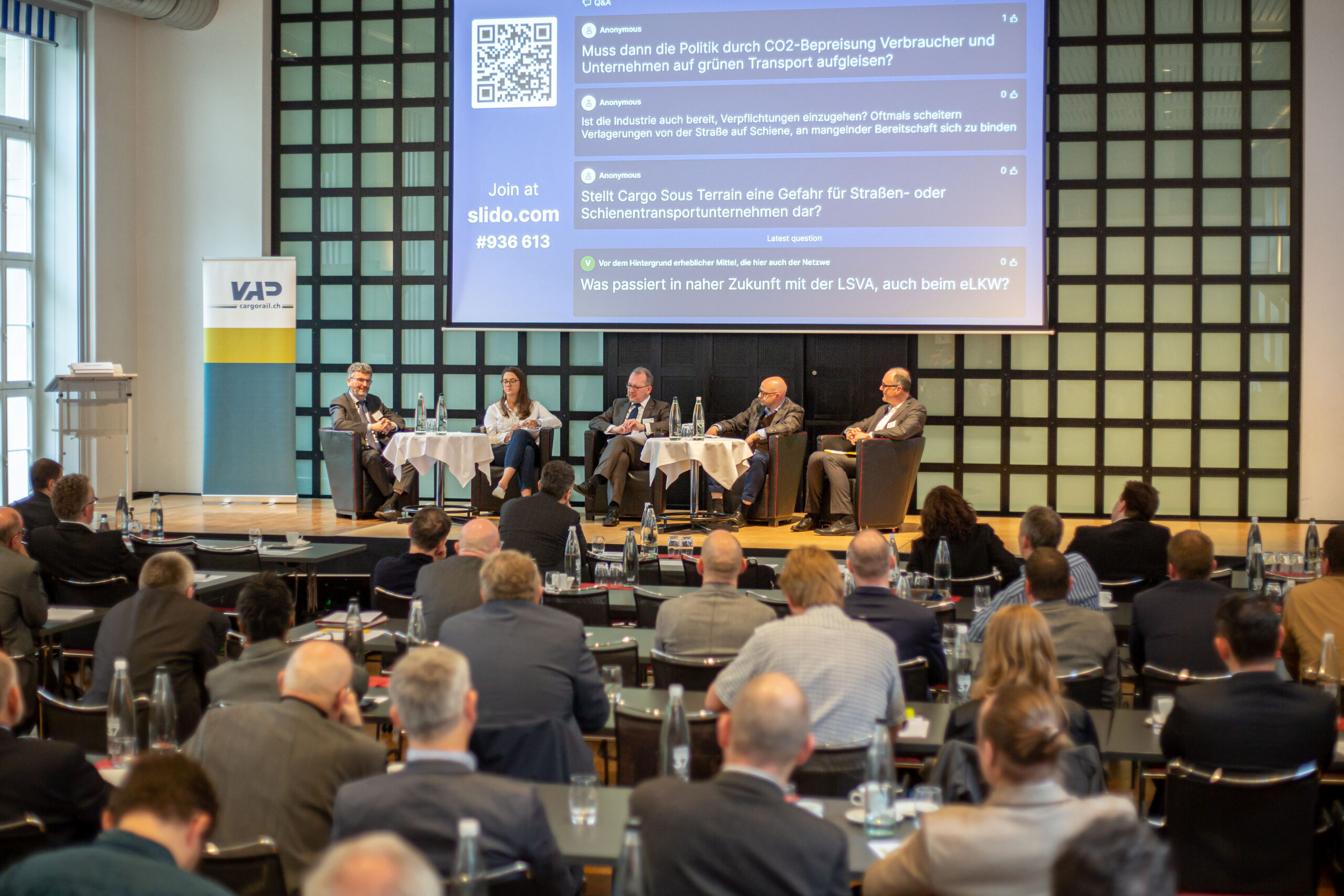
In the panel discussion that followed, there was agreement that for the WLV to exist, its comprehensive reorganisation is necessary, as was also made clear in the consultation responses on the further development of freight transport. It was mentioned in passing that this political debate was initiated by VAP President Josef Dittli with his motion and that the VAP has contributed a lot to the industry’s united stand on this issue. The aspect of an overall vision that includes the topics of energy and food policy was interesting. In surface freight transport there is no modal shift target, there is a free choice of transport mode. This makes it all the more important to make rail transport more attractive in order to develop a competitive alternative and supplement to road transport, because the road would not be able to absorb the loss of all WLV. The DAK offers a first step towards increasing efficiency and thus offers an inevitable prerequisite for the fundamental transformation of WLV.
There was also a debate on whether transport always has to be faster and how to reconcile the competitive advantage of fast transport with sustainable logistics and an aligned supply chain. The participants agreed that all stakeholders involved must participate in a networked redesign to find a sustainable solution for the future. The discussion ended with the conclusion that prioritisation, reduction of process inefficiencies and digital networking are the keys to on-time, low-cost and fast delivery.
The future of (rail) logistics
With the Federal Mobility Infrastructure Act, the federal government plans to create a public data platform to simplify multimodal solutions and network all the players involved. In the afternoon, speakers from the federal government, academia and business highlighted in their presentations how the federal government is approaching the topic and what requirements the shipping industry has for multimodality.
The future of logistics
The presentation by Dr. Matthias Prandtstetter dealt with the future of logistics and the need to act to achieve climate neutrality. It was stressed that just switching to e‑trucks is not enough and alternative logistics solutions must be used. Rail should be established as a real alternative to road, as it is more energy efficient and allows for strong bundling. Synchromodal transports were presented as the concept of the future, where ships and railways form the basic supply and trucks serve as feeders and back-up solutions. Transport decisions are made in real time and by the system, similar to the digital internet, which is called the physical internet. The importance for the railways lies in digitalisation, reliability and flexibility, as well as the equivalence of freight and passenger transport.
Federal law on the federal mobility data infrastructure
Monika Zosso holds the co-leadership of the Directorate Business Section as well as the project management “Data for an efficient mobility system” at the Federal Office of Transport. In her presentation, she introduced the Federal Mobility Data Infrastructure Act (MODIG). Mobility data is to be considered as a system-relevant infrastructure to make the mobility system more efficient, to satisfy individual mobility needs, to operate infrastructures more efficiently and to promote innovations. MODIG shall facilitate innovative solutions for all actors in the mobility ecosystem and enable the spatial data infrastructure for mobility. The National Data Networking Infrastructure Mobility (NADIM) supports the operation and further development of MODI and provides technical support, standardisation, expert support, consolidation and integration of data. This solution is provided by the state without any commercial benefit being sought. Possible use cases in the field of logistics are transport and route planning for all modes of transport, whereby an application for this should be provided by the industry. Exchange with the freight sector is necessary and desirable for this.
CT4.0 – Digital data hub for combined transport
Christoph Büchner, Co-Director at DX Intermodal in Frankfurt, was pleased to be able to show an innovation from Germany, as the EU normally looks rather enviously at Switzerland. His presentation on the topic of KV4.0 dealt with the goal of the Federal Ministry of Digital Affairs and Transport BMVD to create a common data hub for the exchange of data within the intermodal supply chain. The KV4.0 data hub is intended to enable an end-to-end information chain and transparency so that the data is understood by everyone in the same way, and to avoid digital isolated solutions. The data hub supports various message types and is marketed by DX Intermodal GmbH and is internationally positioned with project partners. Currently, 16 players are already connected to the platform and are testing it. It is a data hub, not a platform, and DXI has no access to the data. The KV4.0 project is a promising step towards the digitalisation of intermodal supply chains and can contribute to reducing the competitive disadvantages of combined transport compared to road haulage.
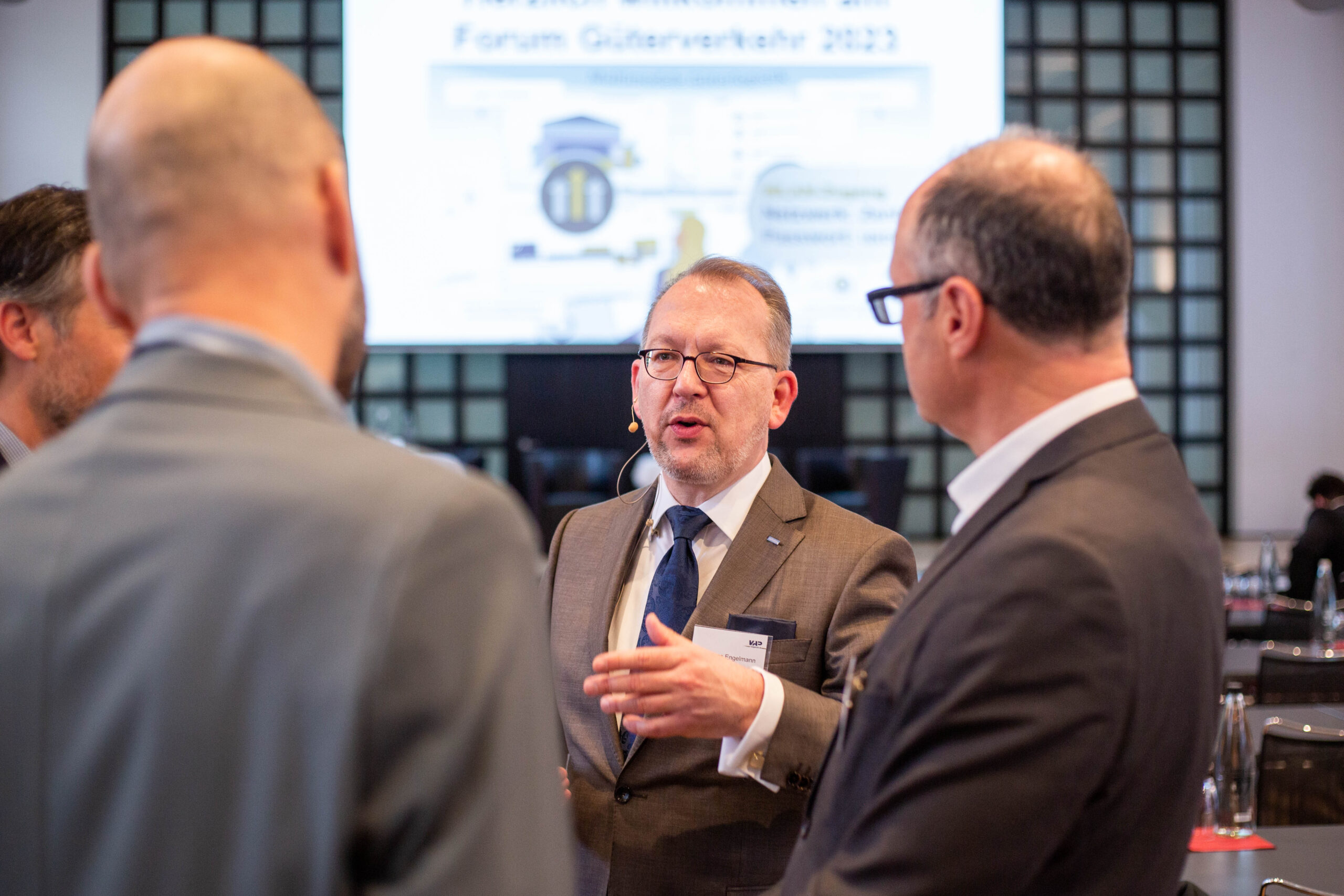
New innovation approaches from practice – unfortunately dropped out. Jens Engelmann made a spontaneous input on optimised transport options with artificial intelligence.
Panel discussion
In the concluding panel discussion, the afternoon’s topics were discussed in greater depth, in particular the importance of planning data and real-time data in the future as well as the concept of the physical internet. Here, goods independently find their way through an intermodal transport network, which reduces empty runs and enables better utilisation of capacities. Standardisation on an EU-wide level was also discussed to achieve harmonisation of language in data platforms and enable network optimisation with AI. One participant stressed that AI is not intelligent, but that the algorithm must have the right data and definitions to achieve good results. Data security was also an important aspect, with data sovereignty always remaining with the sender of the data in the models presented. The possibilities that arise with digitalisation, the correct handling of data and artificial intelligence are also very great for transport logistics.
Summary of the Forum and Farewell
At the end of the forum, Dr. Frank Furrer summarised the findings of the day. The customers have shown that rail is not folklore, but a possible instrument to achieve environmental and supply policy goals. The self-image of the members of the VAP is to promote the shift of industry to rail. The VAP advocates for better framework conditions in politics and for simplification of the often unnecessarily complicated regulated railway system in its expert advice to its members. A more dynamic world demands adaptable transport chains and redundant approaches to meet needs. For this, rail freight, which has remained unchanged for the last 100 years, needs a fundamental redesign. We need networking of all modes of transport, including underground and across borders. For the future, transport logistics needs a mobility ecosystem that enables data exchange and networking. The challenge here is harmonised interfaces. Two years ago, the VAP submitted a funding application for the SGV data platform, which was rejected, citing MODIG. However, it should not be overlooked that the project was developed for passenger transport and that, for example, no trucks are yet planned on MODIG. The VAP wants to bring goods onto the railway. To achieve this, the railway must perform well, satisfying all providers, customers and politicians, in cooperation and competition, using the capacities in a targeted way. It makes sense to start small but think big.
We look back on a successful Freight Transport Forum, where meeting and exchanging ideas was not neglected either.
Innovation in rail transport: DAC as a pioneer
In step with Europe and with substantial à fonds perdu financing, the migration to DAK will succeed. We at the VAP are joining forces with the BAV, VöV, partner companies and coordinated with European institutions to develop the project for the digitalisation and automation of Swiss rail freight transport. In this blog article we present a current overview.
This is what it’s all about:
- Why DAC migration is so important for Swiss rail freight.
- What realistic and fair financing must look like.
- How a smooth, cross-border migration of DAC can be achieved.
In Switzerland, the political discussion on the future of rail freight transport has been initiated. Until mid-February 2023, the federal government will consult on the question: how much freight transport by rail do we want in the future? A key element of this is the comprehensive modernisation of rail freight transport by means of a modern digital automatic coupling (DAC) – this is intended to comprehensively renew previous labour-intensive and time-consuming work processes in rail freight transport. Thanks to digitalisation and automation, rail freight transport should then become more efficient, more powerful and thus more competitive, and in future play a leading role in multimodal logistics. The innovation of rail freight transport is a European matter, as Switzerland is part of the interoperable European railway network. Transports should also continue to take place across borders without obstacles. This is why Swiss companies are actively involved in the EU’s Europe’s Rail innovation programme.
We would like to take this opportunity to give you an interim update on our current work and challenges.
General
The VAP is committed to very close coordination with the European project – European DAC Delivery Program (EDDP) of Europe’s Rail. Why?
European freight transport urgently needs comprehensive innovation to be able to survive in the highly competitive transport sector in the future or to be part of a modern supply chain – the DAC is the key project for this.
Most wagon fleets are used or rented out internationally and accordingly the migration must be coordinated across borders.
The technical specifications, which are defined at EU level, apply to all countries and must also be applied in Switzerland.
A common purchasing policy for the new couplings helps to reduce the unit price and one can fall back on uniform requirements.
The challenges – with a few exceptions – are identical in many countries. Regarding the migration timeline, there are major differences.
International coordination means optimal use / deployment of limited resources and experts.
In Switzerland, we are currently focusing on important preliminary work for the concretisation of the overall migration and also on the contents for the message, which will be the basis for the implementation of the migration.
Financing
VöV, VAP and SBB, as important representatives of the railway industry, agree that such a large investment for the DAC migration must be supported with appropriate financing tools and mechanisms.
There is agreement that a predominant “à fonds perdu” participation of the federal government and supplementary interest-free loans are necessary. Furthermore, the VAP in particular repeatedly pointed out the need for a clean cost-benefit balance. It ultimately found its way into the agreements on the DAC with the BAV. As is well known, the investments in the DAC migration are mainly incurred by the vehicle owners, while the benefits will only materialise much later after full implementation. On the one hand, it is therefore necessary to regulate the longer phase of pre-financing until the benefits begin to accrue. Above all, however, the benefits will be felt first and foremost by the railway undertakings (RUs) and the infrastructure managers (IMs). They will benefit from more efficient processes, whereas vehicle owners will see little benefit. The investment must be borne jointly by the actors in accordance with the potential benefits. In view of the market conditions, it will only be possible to a limited extent to generate this process through higher rental income. The financing concerns a time span of at least 15 years. Consequently, we suggested that the draft law should define appropriate mechanisms for joint financing according to the actual benefits that accrue, in a binding and fair manner for all parties involved, on the basis of “cost-benefit analyses”.
To this end, the VAP – together with the umbrella organisation of the UIP – will contribute data and facts on investment and cost/benefit planning and actively participate.
The concrete financing modalities within the EU are still open at present; solutions still have to be found in particular regarding the participation of the EU and the member states.
Engineering
For a successful and efficient implementation of the DAC migration, competent engineering is required, which defines the conversion measures for the specific fleet, provides the technical specifications for the orders and the conversion work, and defines the verification for quality assurance. In the coming months, the European EDDP programme will work together to develop the necessary foundations. On this basis, the prerequisites for the national DAC migration must be worked out.
Migration
Each country must carry out extensive preparatory work so that the information and basics are available at time X of effective implementation. Accordingly, the project deals with the following questions, among others:
Determination of workshop capacities
- Necessary “pop-up” workshops
- Necessary resources
Owner-specific planning of the conversion
- Vehicle type and fleet sizes
- Critical elements and possible solutions in cooperation with EDDP
- Owner-specific scheduling
Data and information pool
- Updating the vehicle register as a basis for funding
- Timely provision of information to individual actors / stakeholder groups
Material pool
- Procurement of components for DAC migration
- Planning of material quantities and delivery dates
- Coordination of material flows to the conversion workshops
- Ensuring support in operation (repair material)
Currently we see a focus on the locomotives to be converted, as these are primarily on national routes in the WLV and must be equipped with DAC trains at the start of operation.
In Switzerland, as is already the case with SBB-Cargo, further “pilot transports” will be planned as early as possible in order to be able to introduce the resulting findings and results at EU level and to be able to advance the project as a whole.
Organisation
On the one hand, the VAP has increased the resources in the General Secretariat, on the other hand it is represented with its members in various national and international meetings and working groups.
For the future or the effective implementation we see some challenges in the design and staffing of the overall organisation – be it in the international context (where is which aspect coordinated or also monitored) as well as in the cross-sectoral organisation of Swiss DAC migration.
Did you know that…
- …without DAC, no freight train – WLV, block train or Rola – will be able to run on fully equipped ETCS Level 3 (European Train Control System) lines in future, as the technical requirements, especially train integrity, are not met. The infrastructure upgrade to ETCS Level 3 will mainly take place on busy main lines and will enable an increase in capacity with the dynamic block. Allowing trains to continue to run without train integrity on sections of line operated in this way will involve a great deal of effort.
- …the DAC will be an important component for digital data exchange and sustainable logistics, in the sense of customers and the climate, can only be realised with the participation of all players. This is the reason why the VAP is in any case committed to the realisation of a data platform based on “MODIG”. With DAC we achieve an increase in efficiency of the entire “supply chain”.
- …DAC will allow the traditional WLV to be run more efficiently and will help to make it self-sustaining at the latest after the migration has been completed.
→ To learn more about the DAC programme, click on: https://rail-research.europa.eu/european-dac-delivery-programme/
Subsidising wagonload traffic: preventing distortion of competition and discrimination
We comment on the Federal Council’s consultation draft “Further development of the framework conditions for Swiss freight transport”. We critically assess the proposals from the point of view of freight rail customers and demonstrate the necessity of a legal independence of system transport.
Yes and but to variant 1
With variant 1, the Federal Council wants to digitalise rail freight transport with automatic digital coupling (DAK). In this way, it positions rail as part of multimodal logistics. Accompanying this, it provides for spatial planning measures, investment aid and transhipment and loading incentives that cushion the additional costs of the system break between rail and other modes of transport. Until automation is implemented, the Federal Council wants to compensate for the uncovered costs of system traffic. We welcome the thrust of variant 1 in essence, but have reservations and note a fundamental need for adjustment.
Making the subsidised first/last mile independent
We want to and must make system transport more sustainable. This requires a redesign of all processes, incentive instruments, market mechanisms and interfaces within multimodal freight logistics. The goal must be a self-sufficient and market-based system that does not discriminate against any freight railways and is reliably available to shippers.[1] Until this new concept is implemented, we agree to temporary financial aid for SBB Cargo’s network traffic. This financial aid is based on performance-related, competition-neutral and non-discriminatory incentives – and on making the first/last mile independent in a legally independent SBB company. This is the only way to guarantee Switzerland’s security of supply and the future viability of the railways.
Preventing distortion of competition and discrimination
By transferring responsibility for system traffic to SBB Cargo, the Federal Council is monopolising around 70% of the freight transport volume. At the same time, SBB Cargo is also the main provider of block train and combined transport services. This combination of interests can lead to discrimination against system and block train customers on the one hand, but also to distortions of competition vis-à-vis other providers of block train and combined transport services on the other – irrespective of the compensation paid to system transport. This consists of the nationwide service of transhipment and loading facilities and should therefore be legally independent. Since the corresponding services and resources are already combined in an independent organisational unit today, the transformation effort would remain low. However, the Federal Council would have to specify Art. 9a para. 7 of the Freight Transport Act (GüTG).
Consistently supervise new system operator
During the limited phase of public compensation, but also afterwards, the system operator should be consistently monitored in terms of performance, quality, productivity and costs. Care must be taken to ensure that the financial aid is quickly reduced and that SBB Cargo’s business model is modernised. This prevents disadvantages and ensures smooth, nationwide system traffic in the long term. Targeted monitoring of the development of volumes and customer structure should guarantee the latter in particular in the long term. Such monitoring requires an amendment to Art. 9a GüTG.
Additional background information and opinions can be found in our response to the consultation on the «Weiterentwicklung der Rahmenbedingungen für den Schweizer Gütertransport».
[1] Cf. video “Rail freight transport of the future”: www.cargorail.ch/#video
Consultation on surface rail freight transport: two variants, many question marks
The Federal Council’s report on the «Future orientation of rail freight transport in the area» was sent out for consultation. In it, the economic viability of single wagonload transport is presented as impossible without any evidence. As alternatives, the federal government envisages shifting rail freight transport to the road in the medium term or subsidising it permanently. We think: It’s more complicated than that.
That’s the point:
- Two variants and what they do not take into account
- Fundamental reorganisation of the network necessary
- Outsourcing of the last mile central to more competition
The further development of rail freight transport in the country is currently the subject of heated debate. On 2 November 2022, the Federal Council submitted its dispatch on the «Further development of the framework conditions for Swiss freight transport» for consultation. The report suggests that there will be no more single wagonload transport without financial support; block trains will not be subsidised anyway. The Federal Council proposes two options:
- The single wagonload transport in the area is further developed and modernised through digitalisation, automation and the creation of a data exchange platform. Locations that are necessary for successful area service will be better integrated into the spatial planning of the cantons and the federal government. Until the modernisation measures take effect, the single wagonload transportwill be financially supported by ordering the service in the form of investment and operating contributions.
- The single wagonload transport in the area will be discontinued. The rail system will be reduced to block trains, resulting in a massive downsizing of SBB Cargo.
Both variants are supported by the migration to digital automatic coupling (DAK), the promotion of multimodality and Rhine navigation, and the financing of climate-neutral drives on rail and Rhine.
Fundamental reorganisation instead of rhetoric
The single wagonload transport in the area comprises a good 70% of the traffic volume in inland transport by rail. The Federal Council’s question as to whether it should be preserved is therefore rather rhetorical. However, his conclusion that it can be successfully operated by SBB Cargo after modernisation with the help of DAK is not a realistic option either. Rather, the rail freight transport in the area must be fundamentally restructured and opened up to other market players. In this respect, the Federal Council’s report falls far short of the expectations of customers and its own announcements.
Digitalisation and automation will make rail freight transport more efficient and, above all, more interesting for the logistics industry: For the first time, rail freight transport can be integrated online into the logistics chains of the economy and into the train protection of the infrastructure managers. The DAK in conjunction with the state data exchange platform in accordance with the Federal Mobility Data Infrastructure Act (MODIG) is thus THE central lever for the competitiveness of the rail freight transportand success factor number one of this legislative proposal.
However, the single wagonload transport, which has been a monopoly of the SBB since the railway reform in 1999, must be fundamentally restructured. The roles and processes must be completely rethought. This internal renewal requires the involvement of other market players in order to design a service with lower fixed costs and correspondingly higher flexibility. In this respect, the Federal Council falls behind its report of 30 March 2022. While in its diagram there it showed a new interplay of the various players in the rail freight transport system (p. 50/75), in the draft message it merely proposes a continuation of the currently not very successful model of «all services from a single source» of SBB Cargo. Once again, the question of the future viability of a broad range of services in the single wagonload transport in Switzerland is equated with the further development of the state-owned company SBB Cargo.
In fact, customers want a variant 1+. In addition to the digitalisation of rail freight transport and promotional measures for more multimodality, this also includes the reorganisation of single wagonload transport. This includes the neutralisation and financial support of short-distance delivery (last mile), the creation of a neutral digital booking and data exchange platform and the possibility of integrating private wagonload services.
Industry united for big changes
The IG Wagonload Transport interest group calls for an efficient network offer (hub and spoke) with more competition and less discrimination. The Federal Council should take up our common vision of rail freight transport – which, by the way, was supported by the Federal Office of Transport FOT – in the definitive Federal Council message (cf. VAP blog post «Critical view of the federal government’s long-term perspective»). The same applies to the consolidated position of the freight railway managers of the VöV on how the rail freight transport can be operated successfully in the long term in the area (cf. blogpost «Industry develops joint solution»).
The Federal Council expects a common stance from the freight transport industry. It should take a more differentiated look at their joint assessment and the numerous nuances of the rail freight transport in the area when shaping its future and take greater account of them.