
INTEROPERABILITY
The VAP is committed to interoperability. This means harmonising the framework conditions so that trains can run freely on European rail networks.
Swiss freight transport knows no borders. Many of our members are internationally active and regularly serve the EU area. To ensure that we can continue to provide you with this access to an interesting market potential in the future, we are involved in the international arena.
- The «International Union of Wagonkeepers» – UIP for short – pursues European freight transport policy. We at the VAP founded the UIP in 1950 and have been incorporating the Swiss perspective in Europe ever since.
- The «European Rail Freight Association» sums up its goal: «We deliver competition!». We are also closely associated with this organisation and provide its Vice-President.
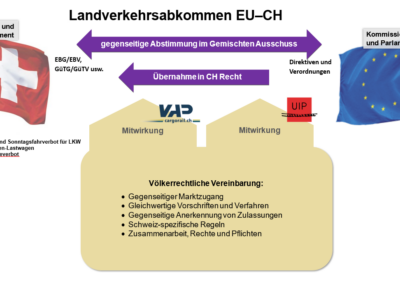
Ensure Switzerland-EU interoperability
On 24 June 2022, the Joint Committee on Land Transport acknowledged the importance of harmonised rules for Switzerland-EU land transport. We think: More is needed for sustainable interoperability. What is needed now is a coordinated transport policy.
In 1999, Switzerland concluded a land transport agreement with the European Union (EU). This guarantees mutual market access for transporters from both sides of the Swiss border. The regulations for cross-border goods transport by rail and road have been harmonised.
Switzerland partially left out
With the NRLA, Switzerland expanded the European rail corridor into a flat railway and successfully implemented its modal shift policy with the Distance-related Heavy Vehicle Fee (HVF) and a ban on cabotage, night and Sunday driving. The modal split in transalpine transit traffic is over 70% in favour of rail, which is considered an international benchmark. However, this pleasing performance record should not hide the fact that, compared to member states, Switzerland does not currently have full market access. The Swiss railway network is not yet an integrated part of the European Interop network.

Sticking to the Agreement on Land Transport
At its half-year meeting on 24 June 2022, the Joint Committee on Land Transport emphasised the importance of the agreement. However, unresolved political differences between Switzerland and the EU are blocking its further development. Such further development is urgently needed within the framework of the technical pillar of the 4th EU Railway Package.
Since 2019, Switzerland’s cooperation with the European Railway Agency (ERA) has been governed by a temporary transitional solution. The Joint Committee discussed a further extension of this transitional solution. This would facilitate Switzerland’s procedural involvement in simplified authorisations for cross-border traffic as well as its technical participation in innovation projects for the digitalisation and automation of the railways.
Federal Council in demand
We at the VAP are convinced that Swiss rail freight transport must expand its market access and not miss the boat on European innovation. With this credo, Josef Dittli, member of the Council of States, submitted interpellation 22.3566 on 9 June 2022. He is asking the Federal Council to answer the following questions:
- How does the Federal Council intend to ensure the necessary continuation of the rail packages within the framework of the EU-CH land transport agreement?
- How does the Federal Council intend to achieve the implementation of the technical pillar of the 4th EU railway package in Switzerland and secure free cross-border rail traffic in the long term?
- How does the Federal Council intend to achieve Switzerland’s early full membership in the European Railway Agency ERA?
- How does the Federal Council intend to secure and complete the Swiss seat in the EU RISC as an important management and decision-making body?
Ensure full interoperability
For the economy in general and for our members in particular, it is crucial that previous achievements are secured in the long term. We consider it absolutely necessary that Switzerland is represented as an equal partner in central European bodies as soon as possible and that transport policy in cross-border transport is coordinated.

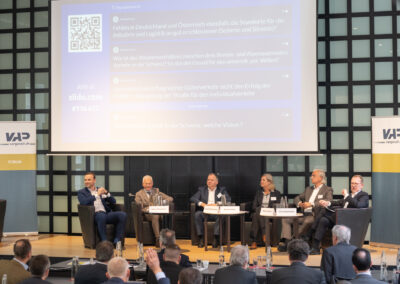
Freight Transport Forum: the industry stands together for progress in rail freight transport
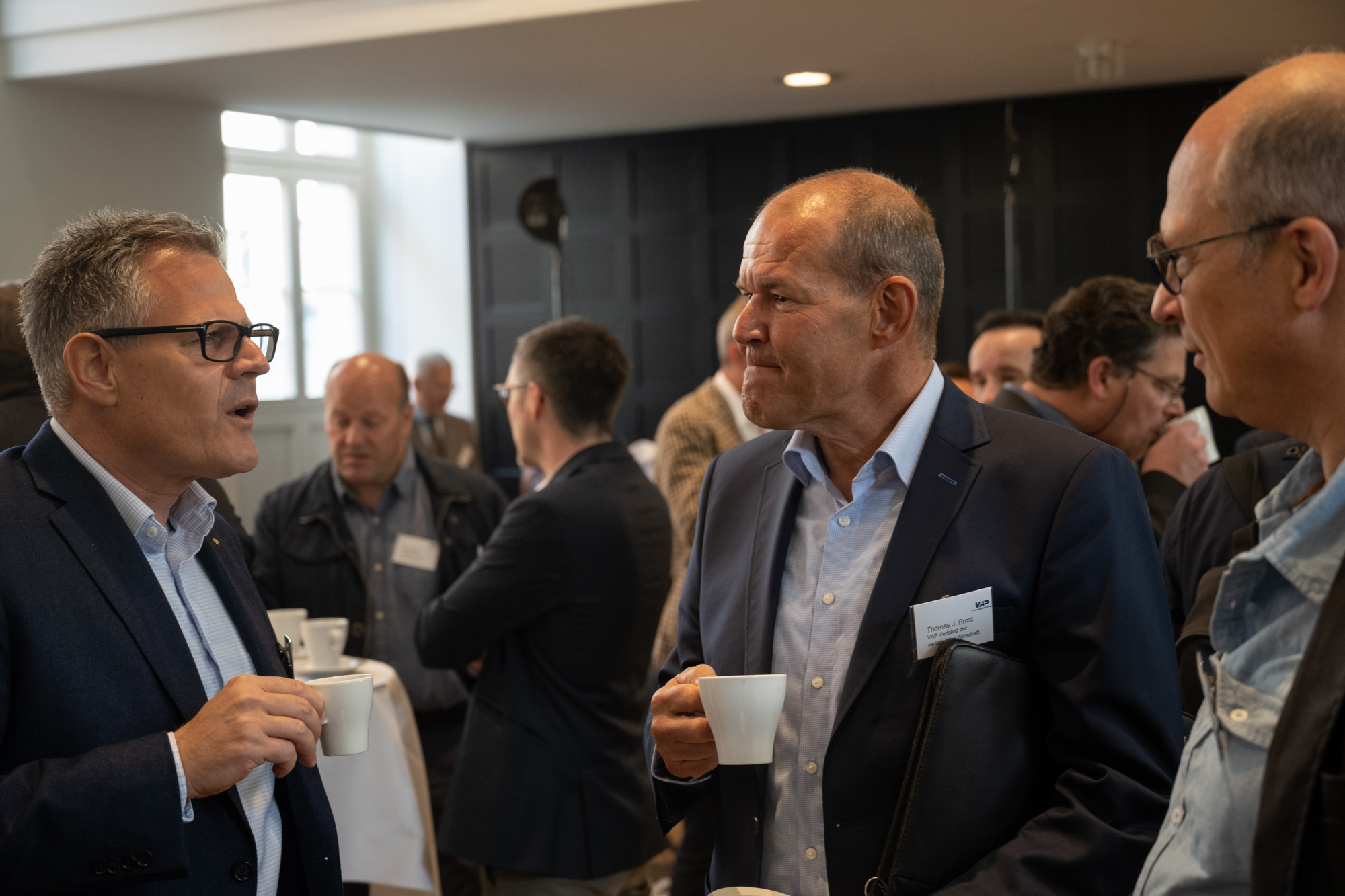
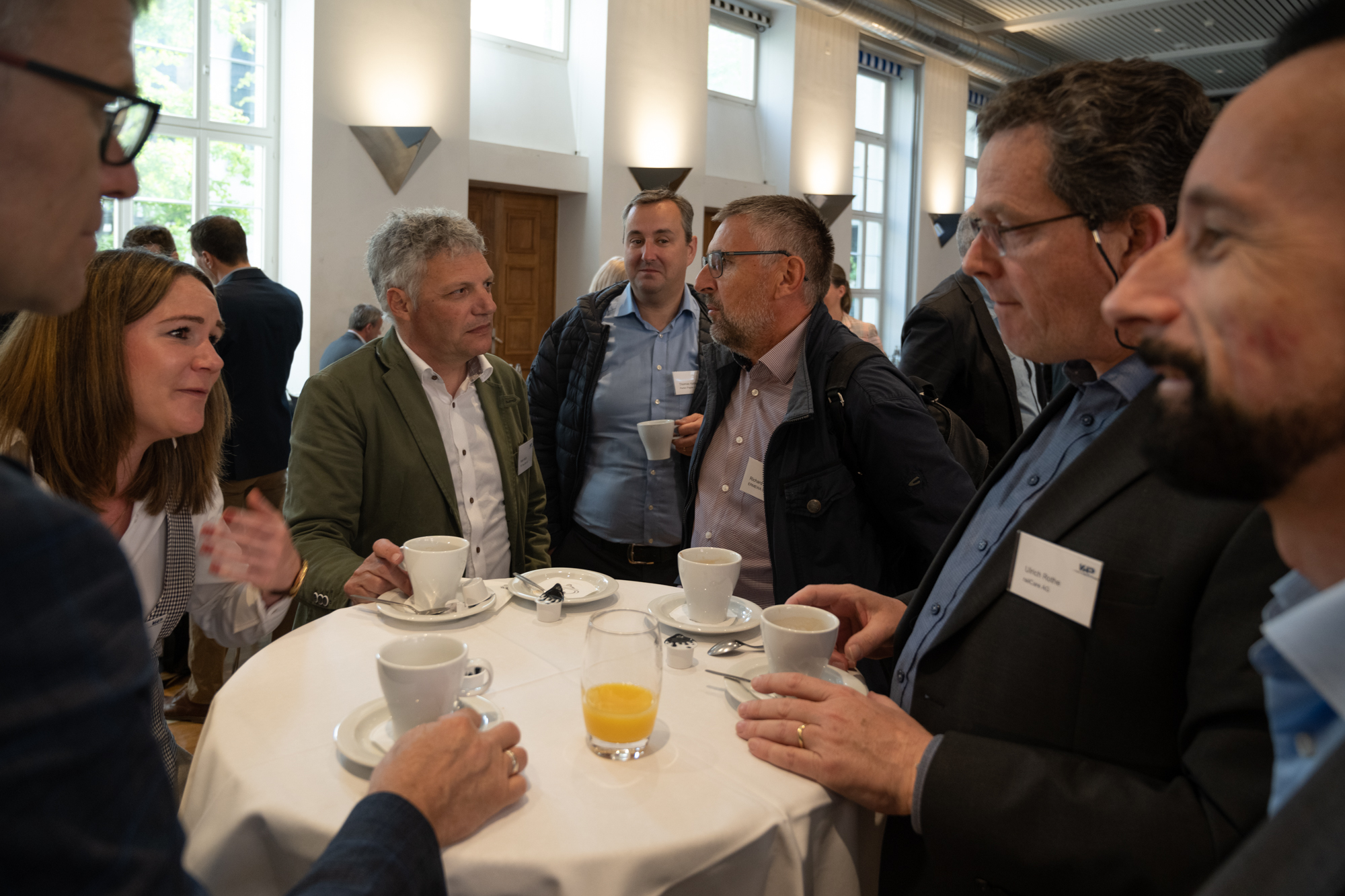
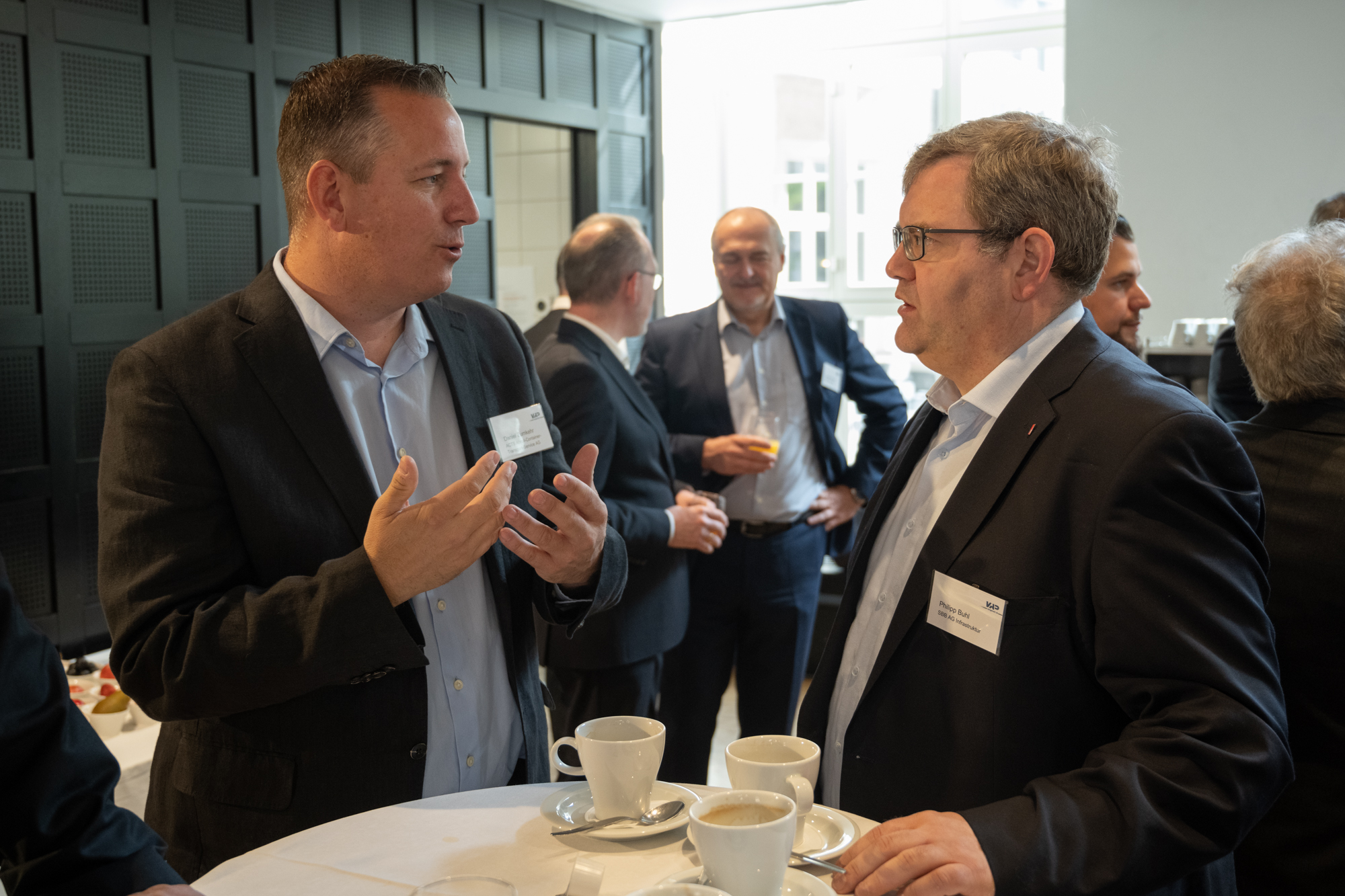
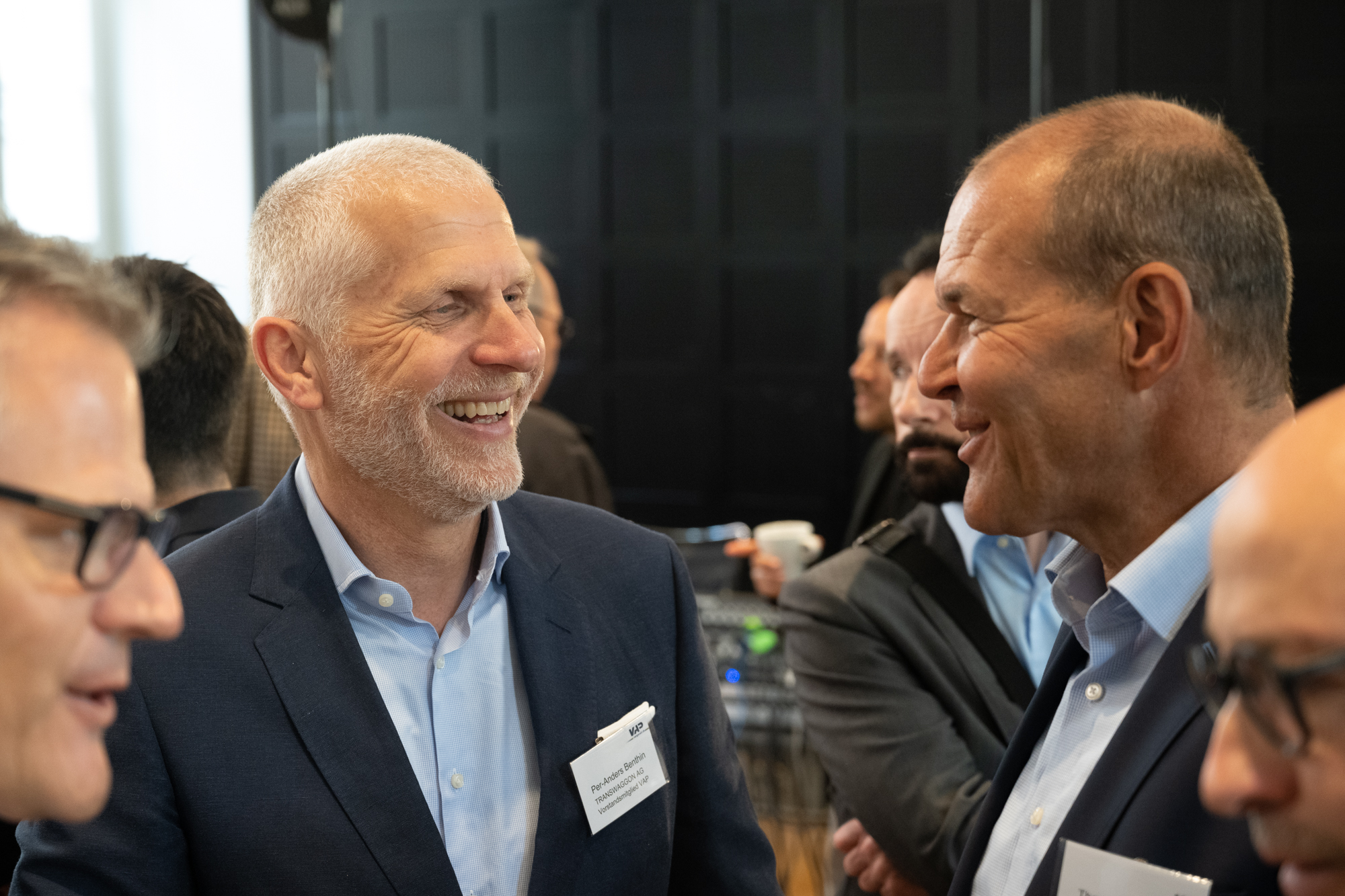
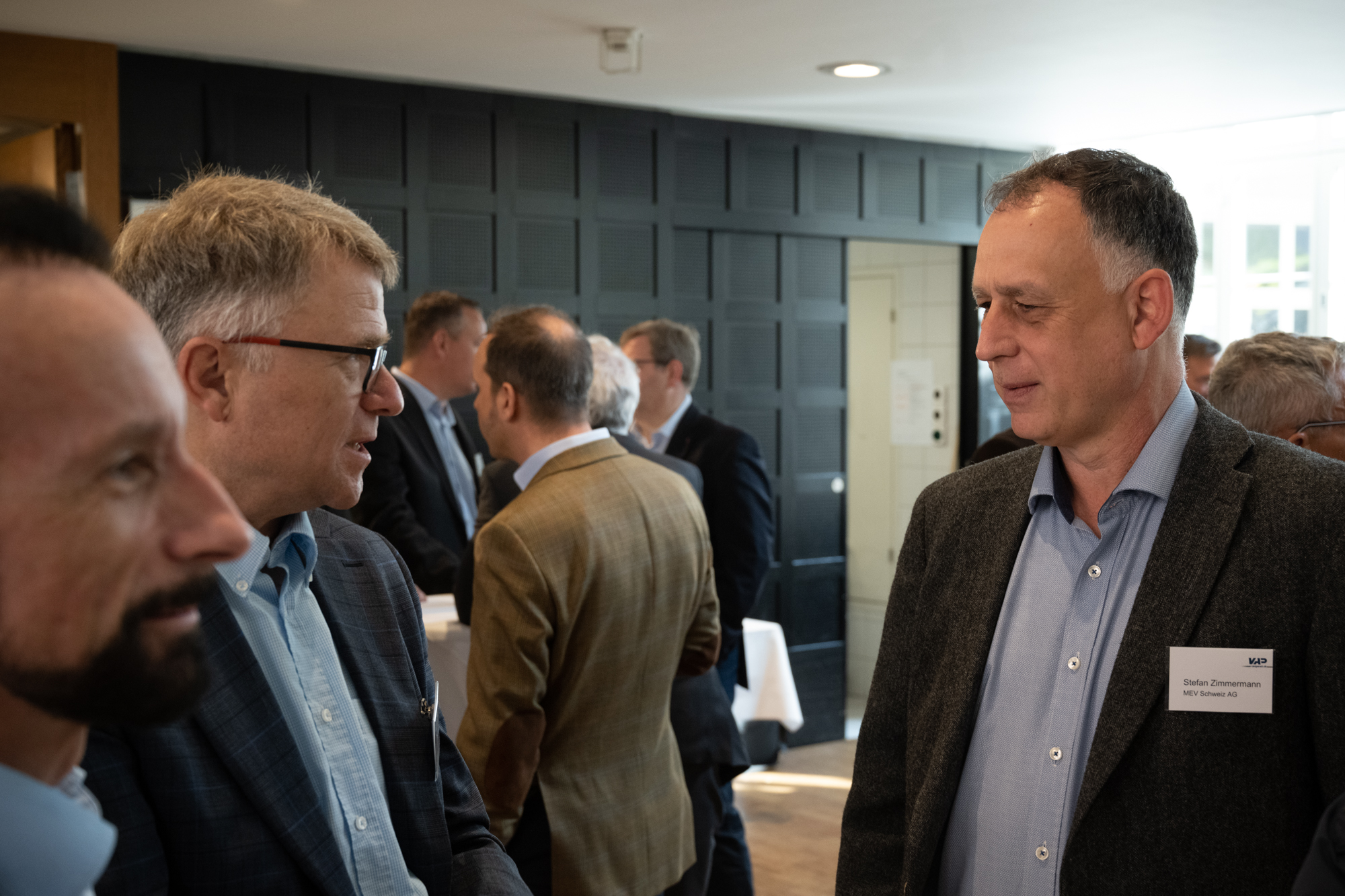
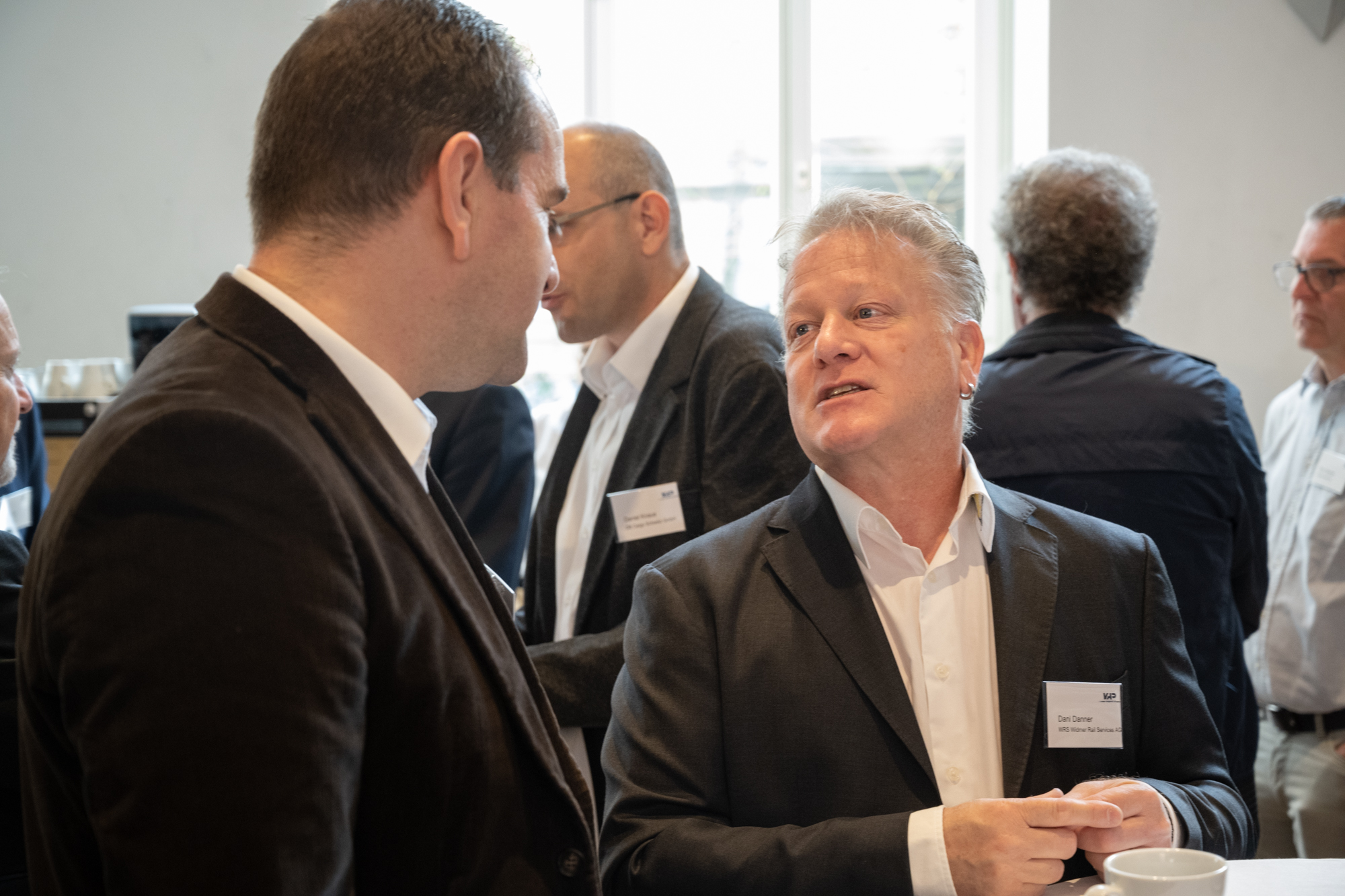
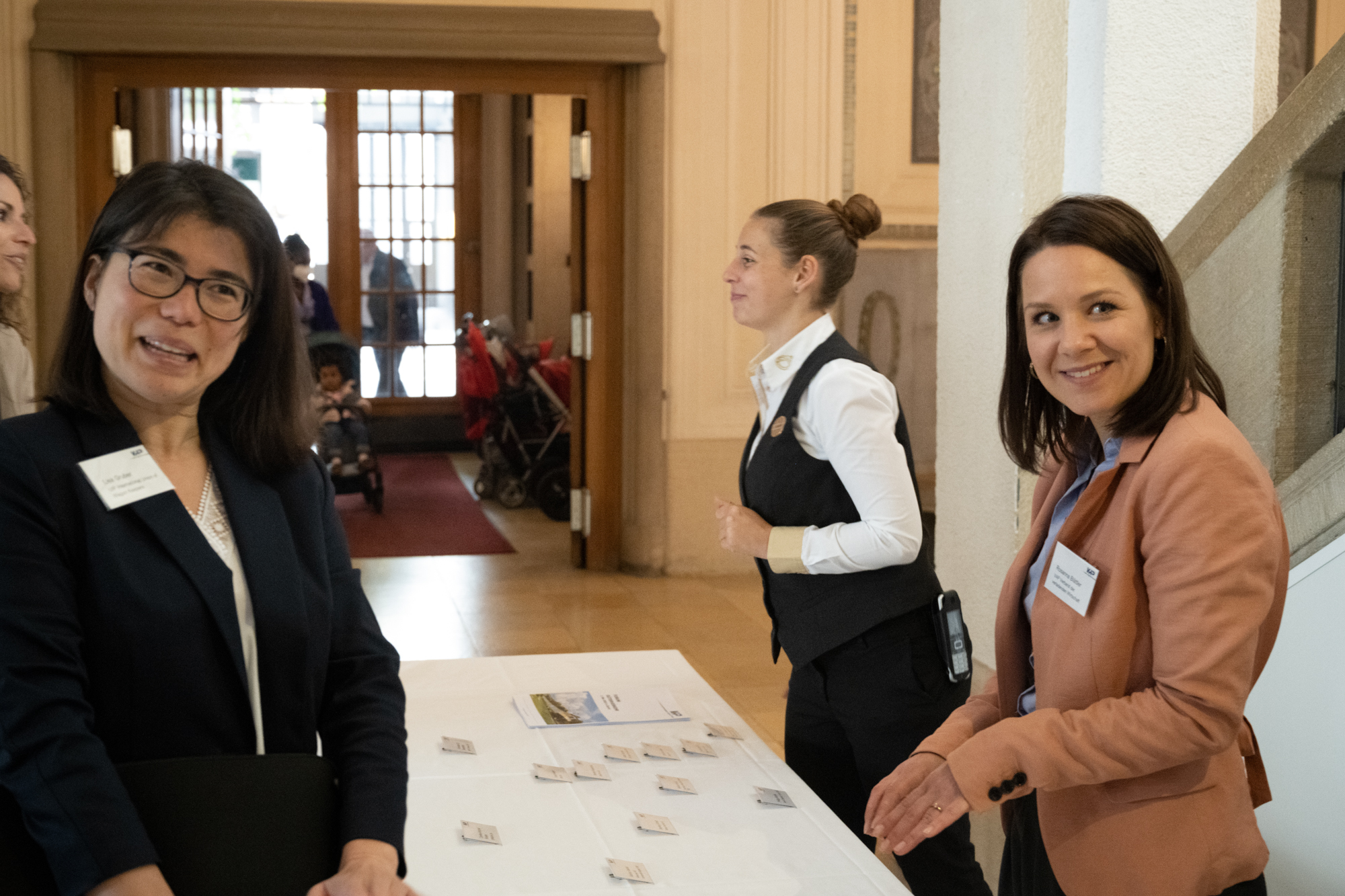
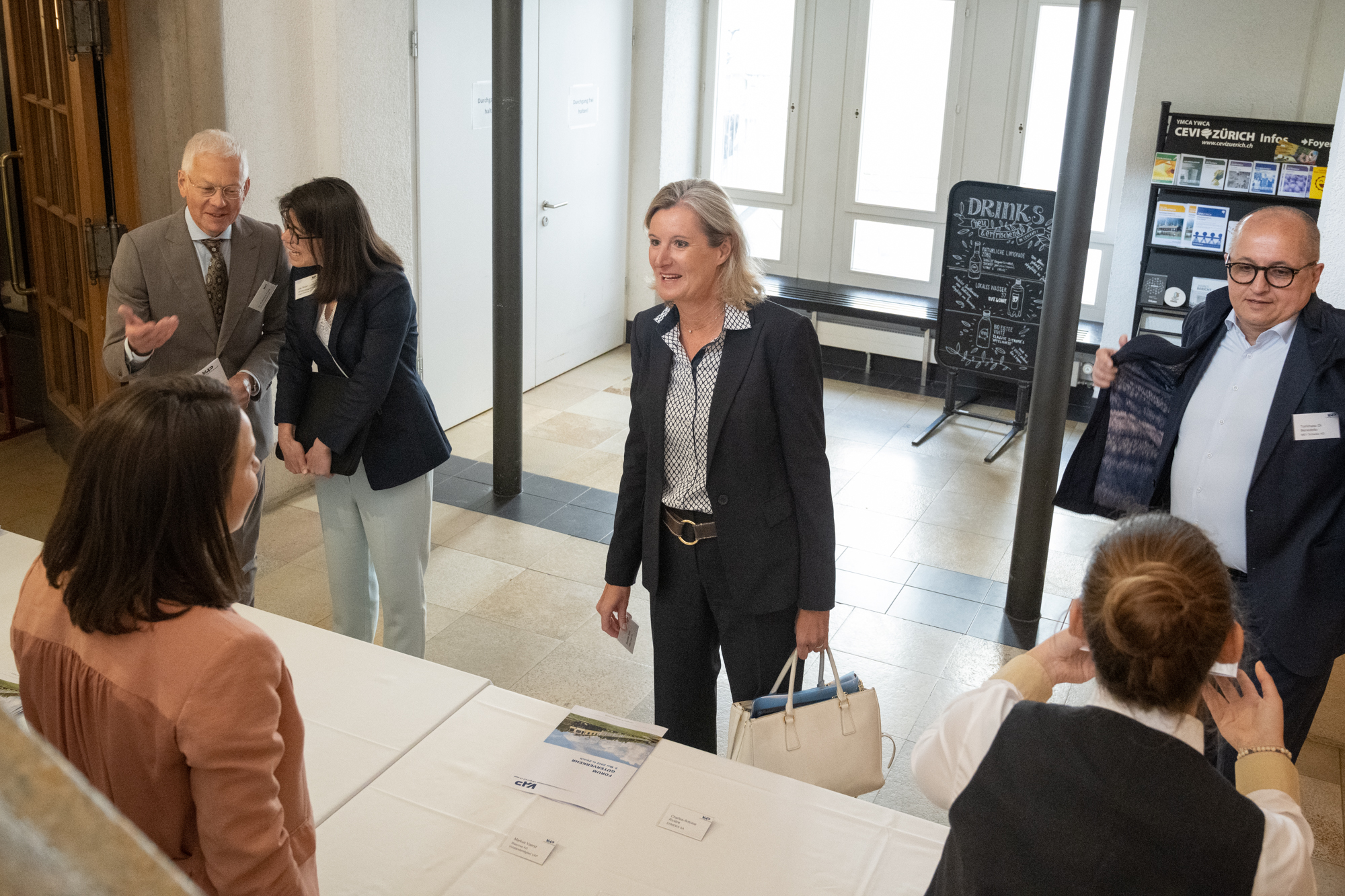
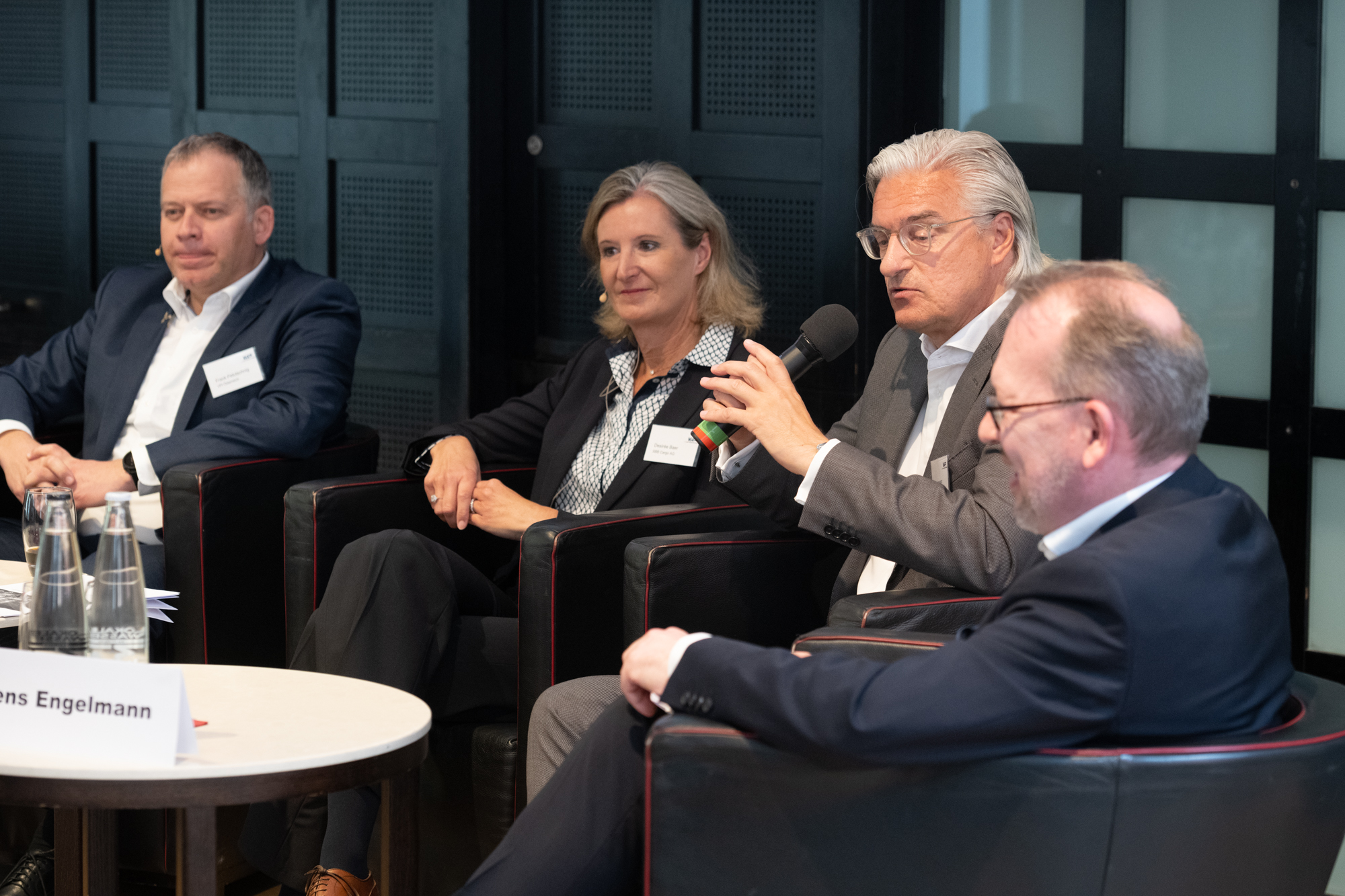
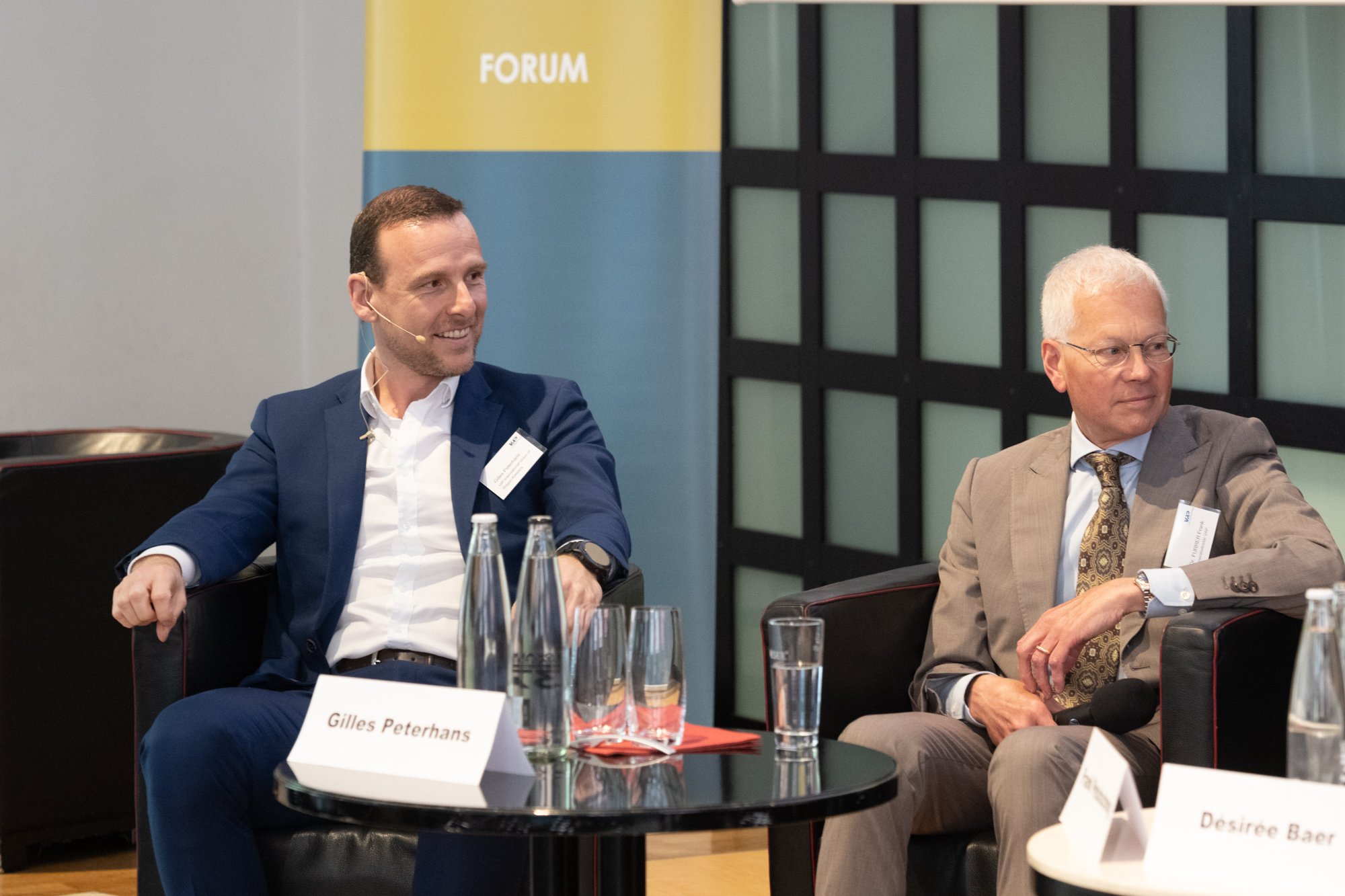
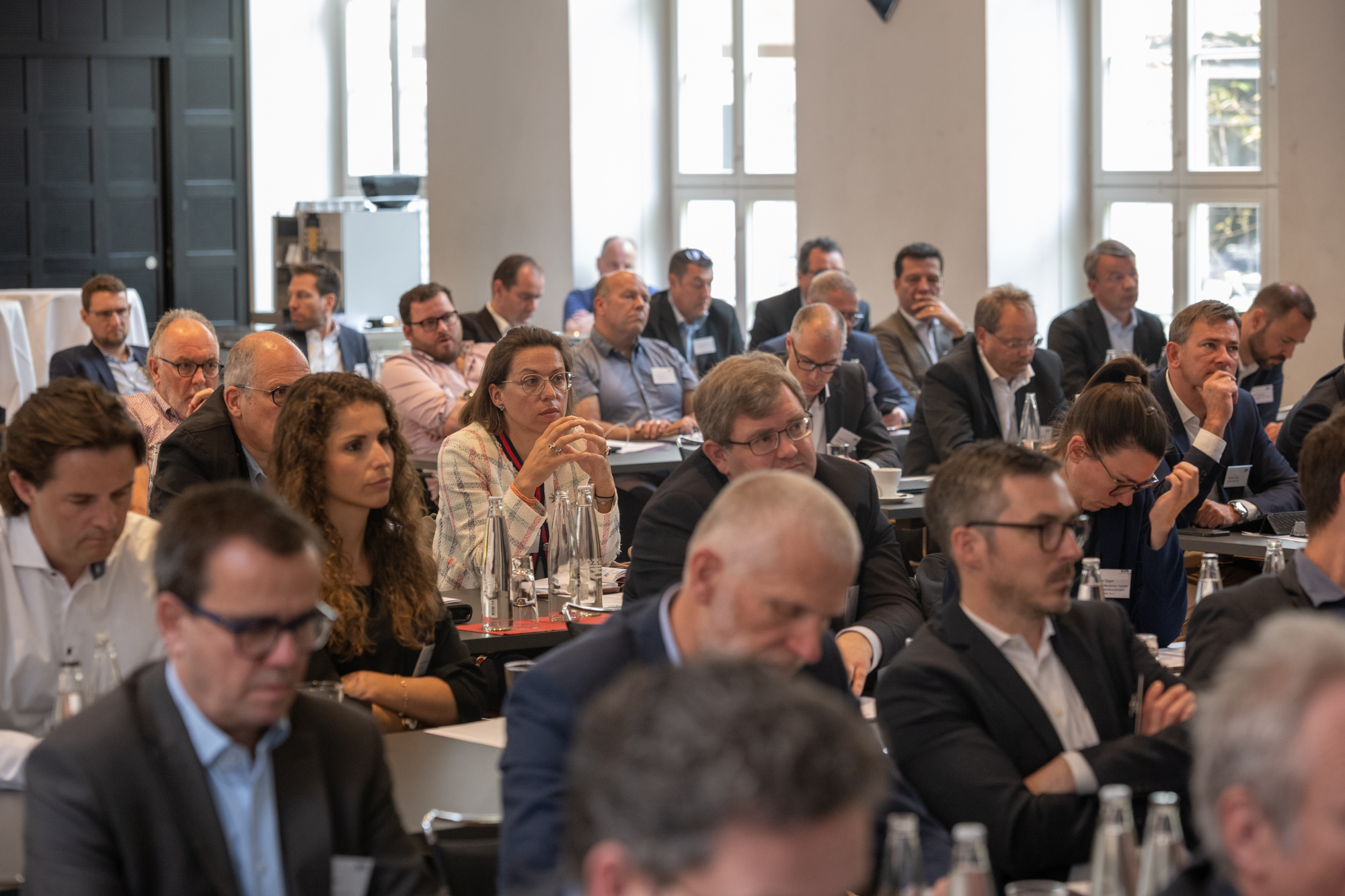
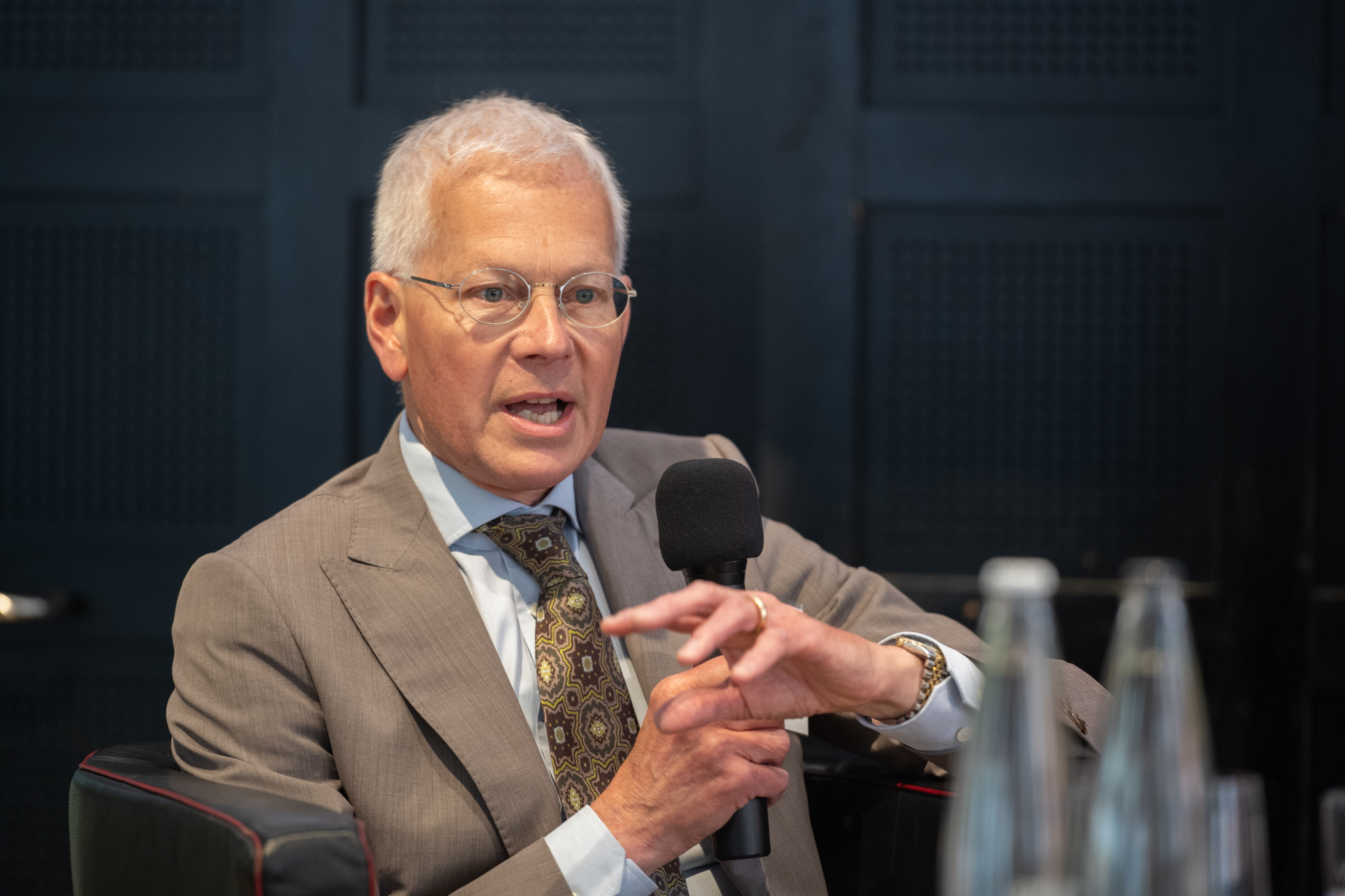
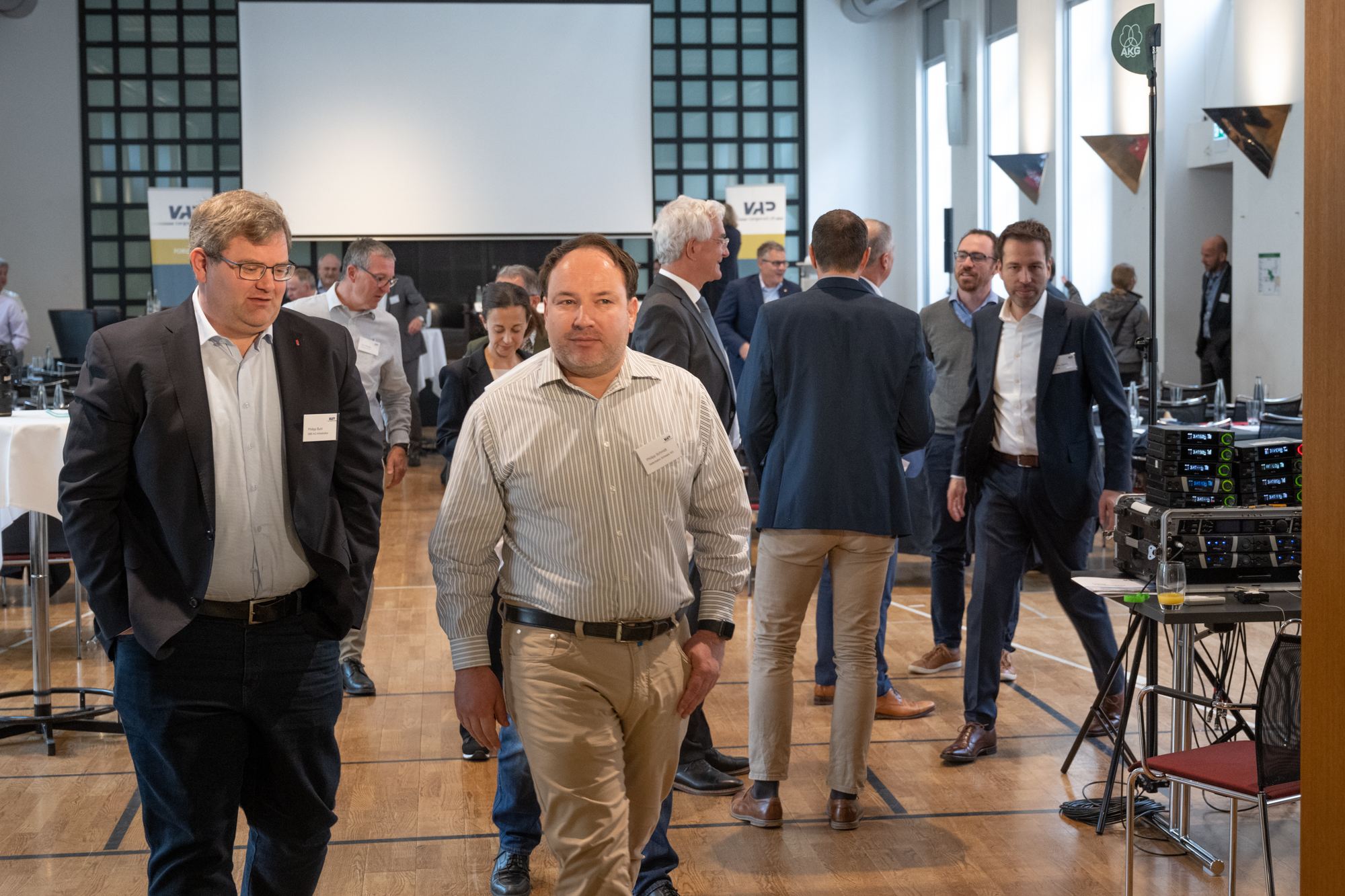
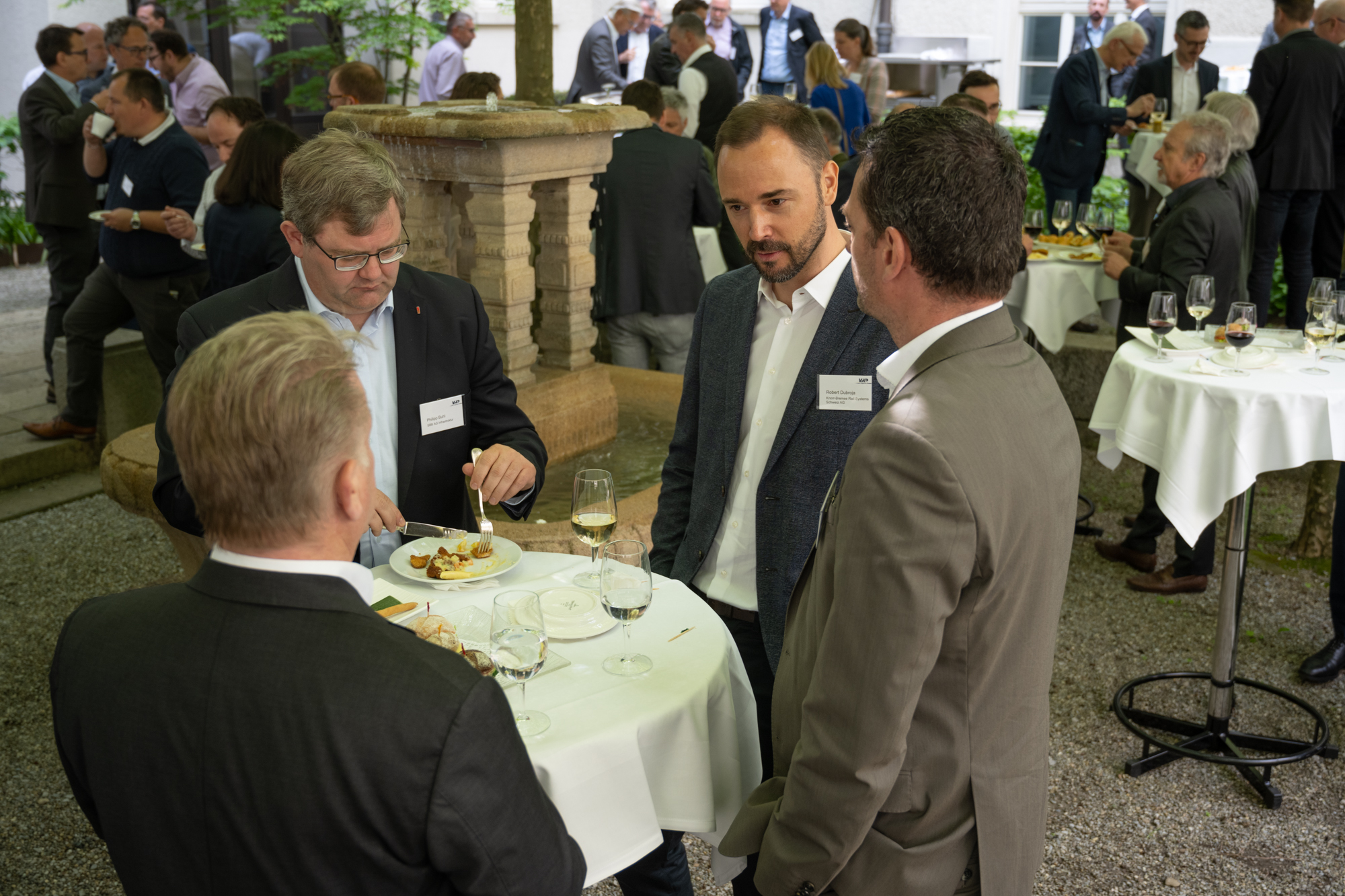
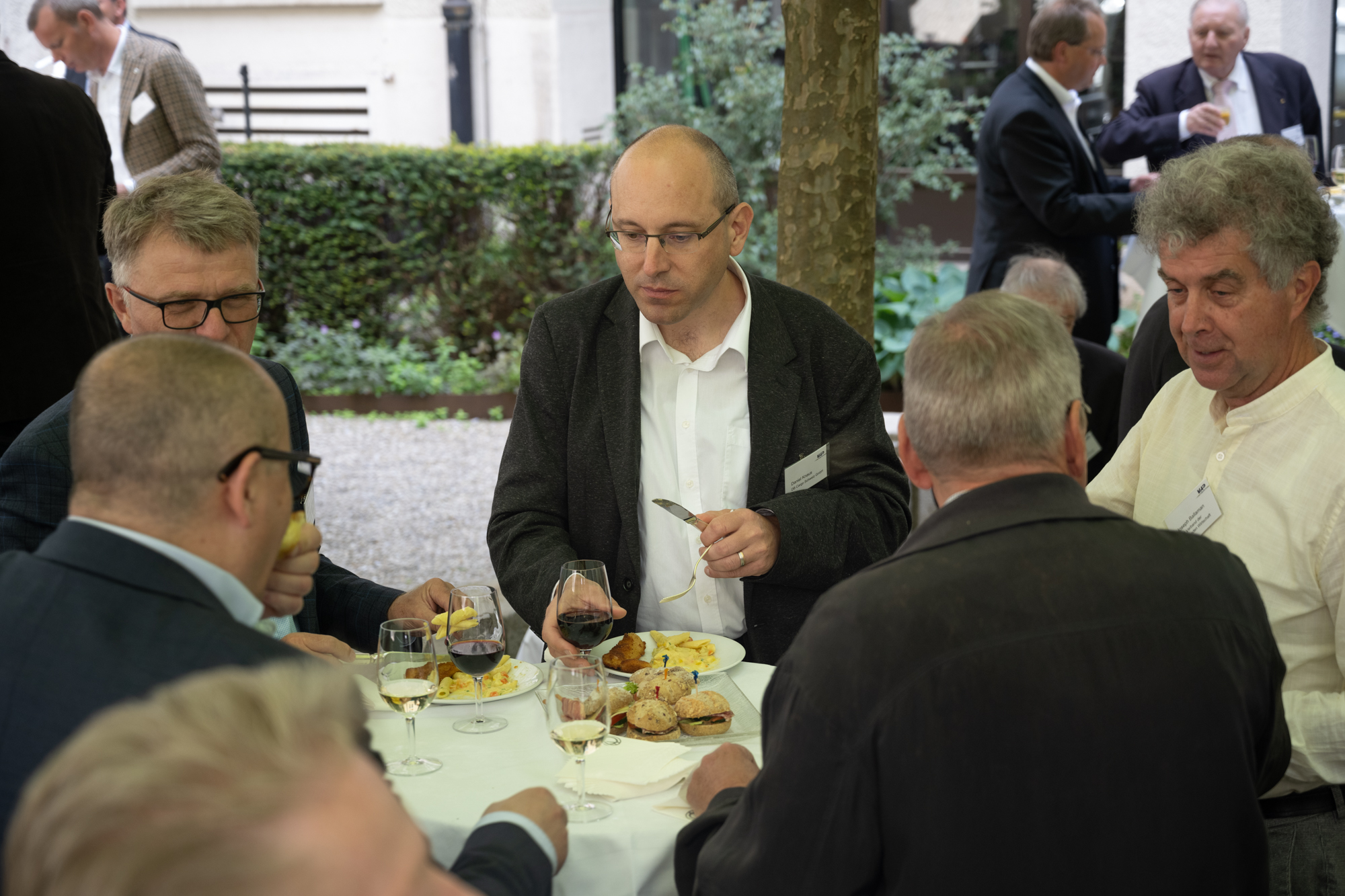
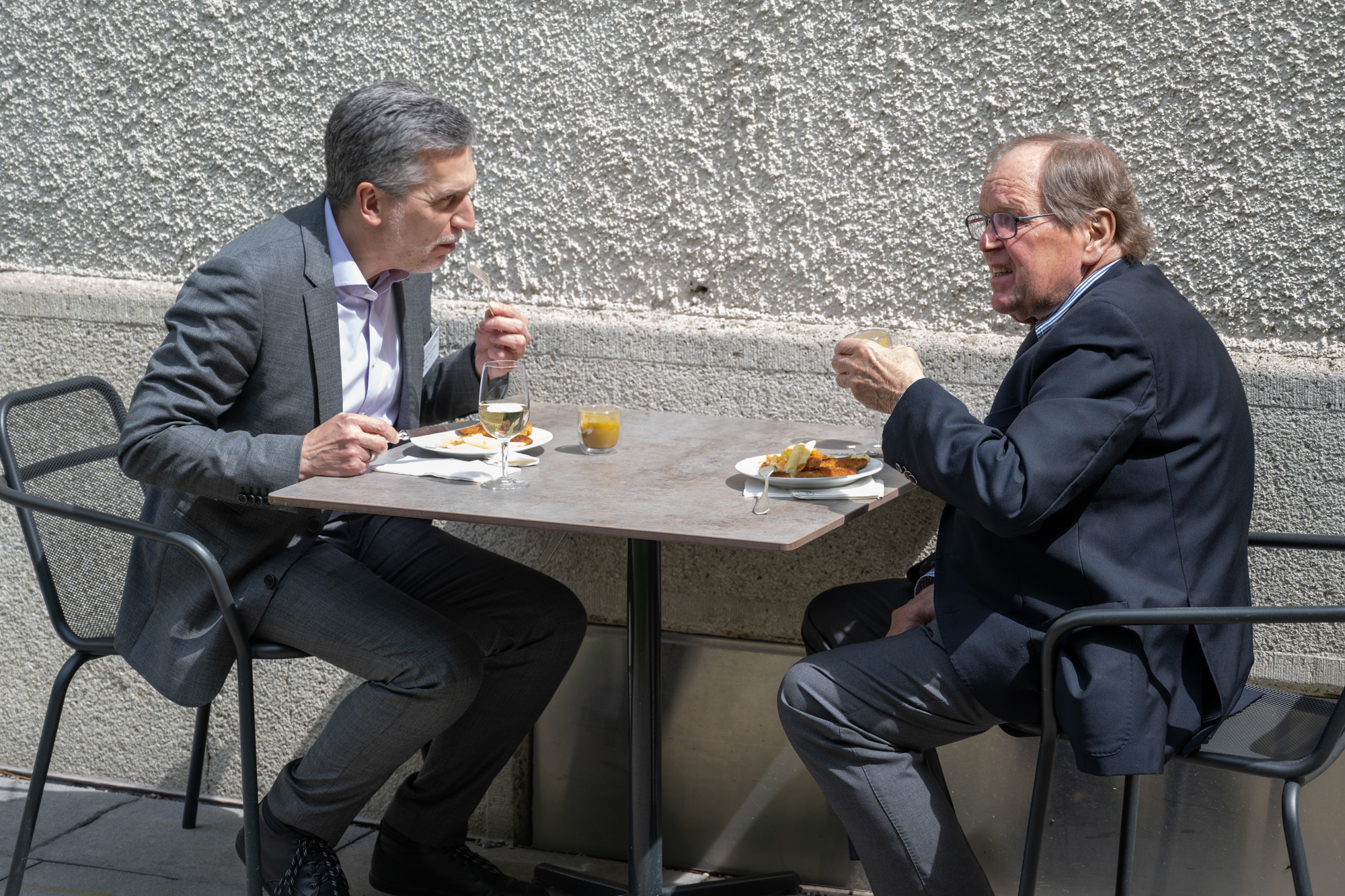
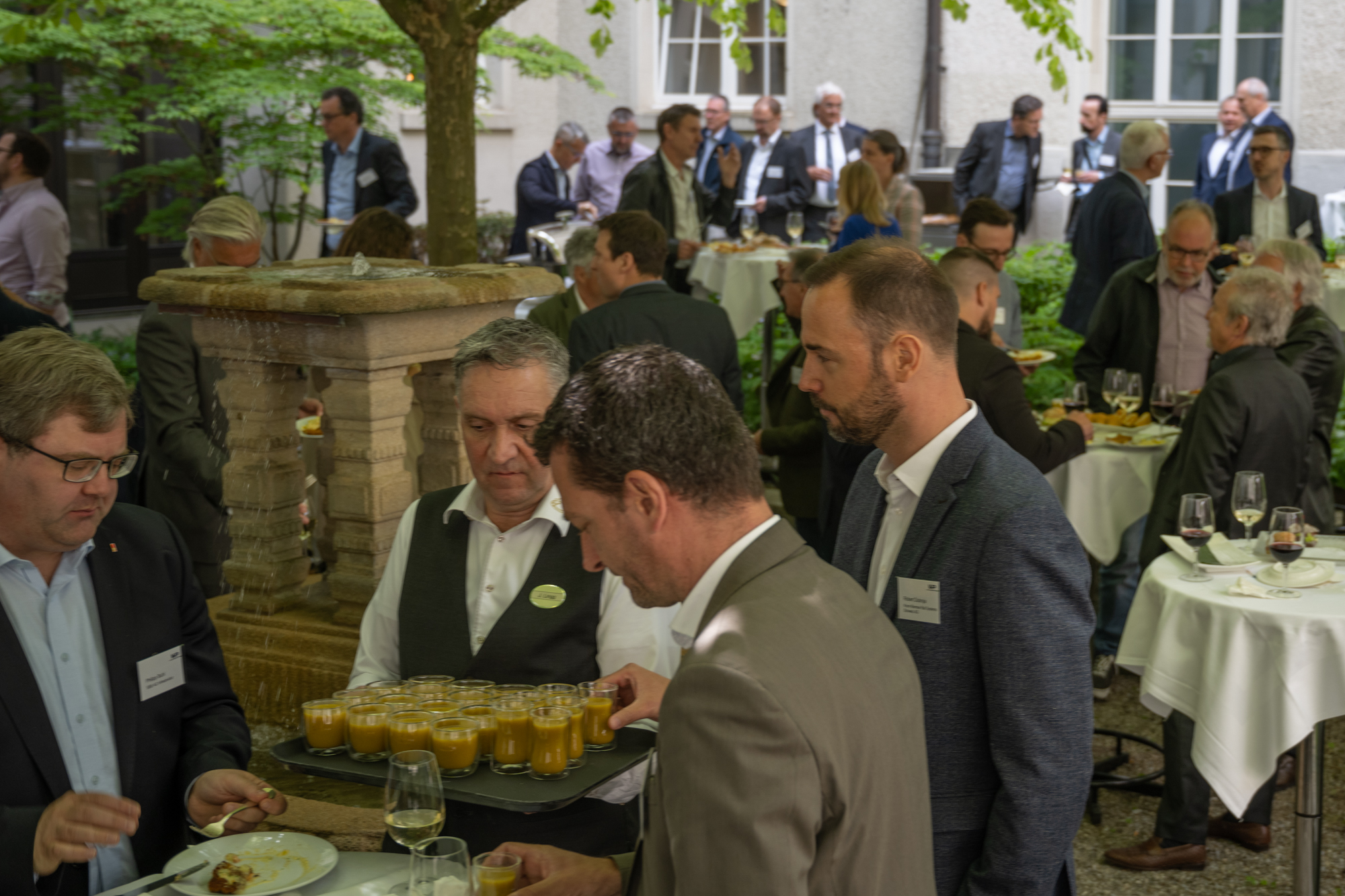
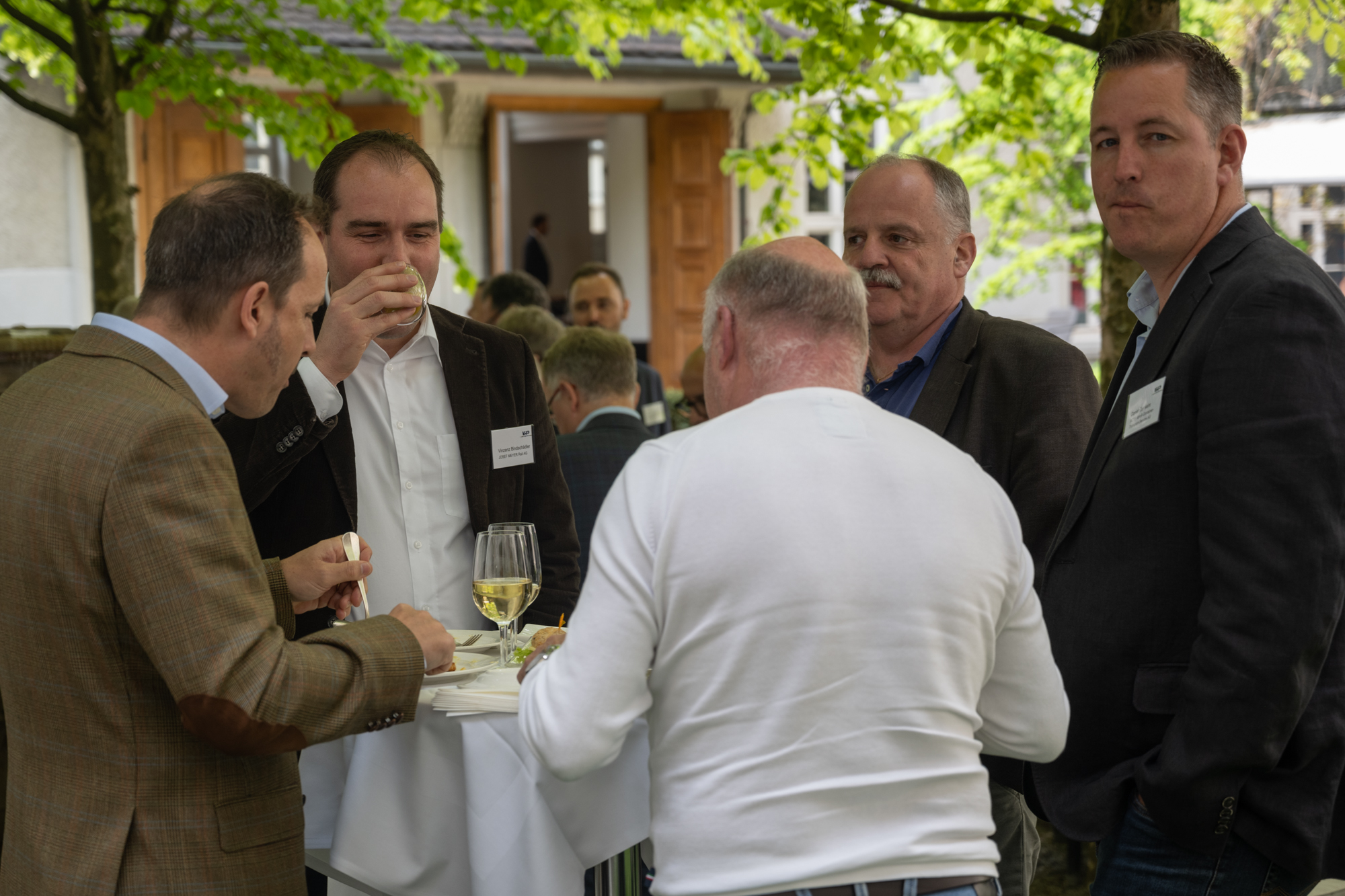
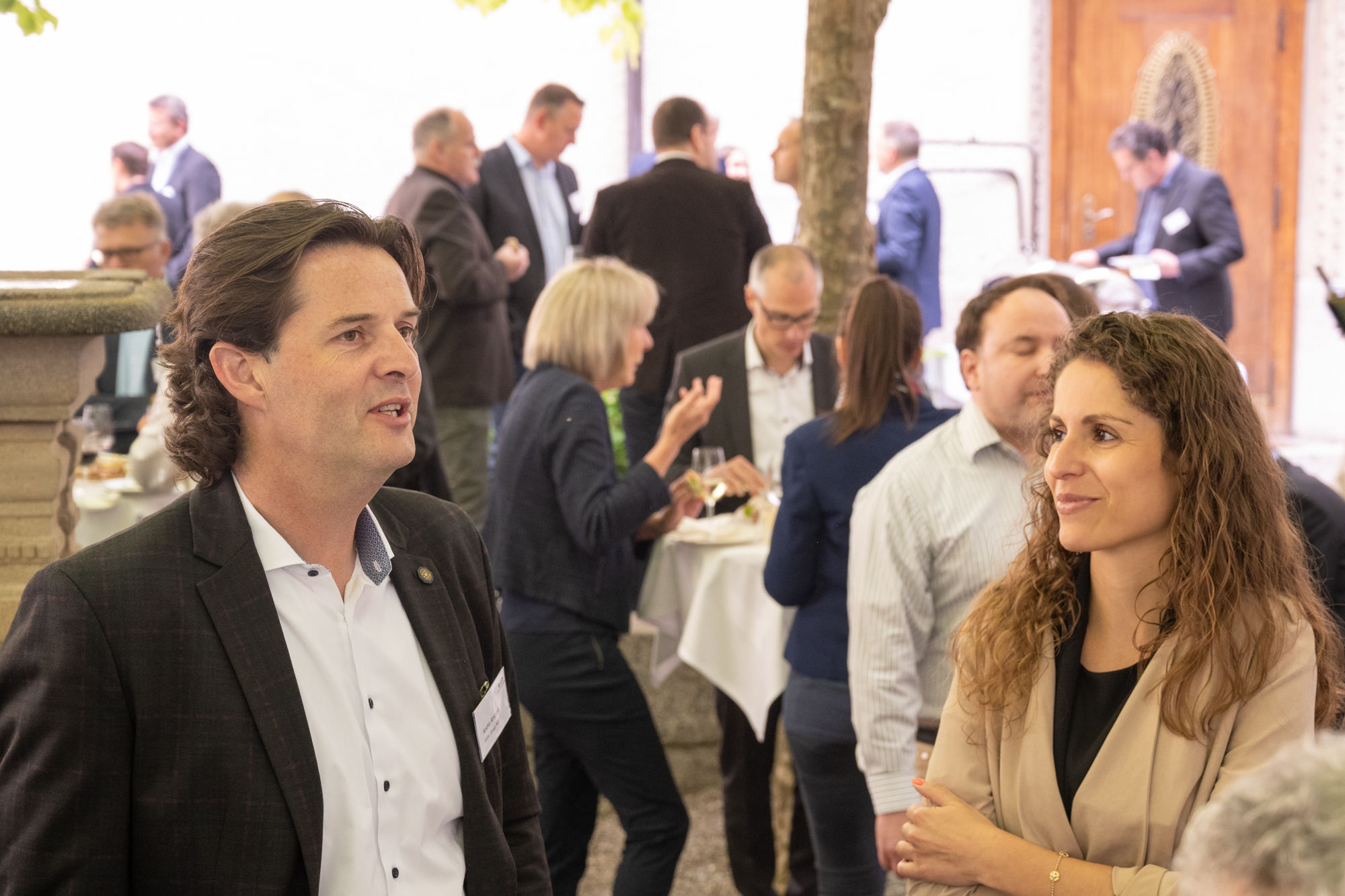
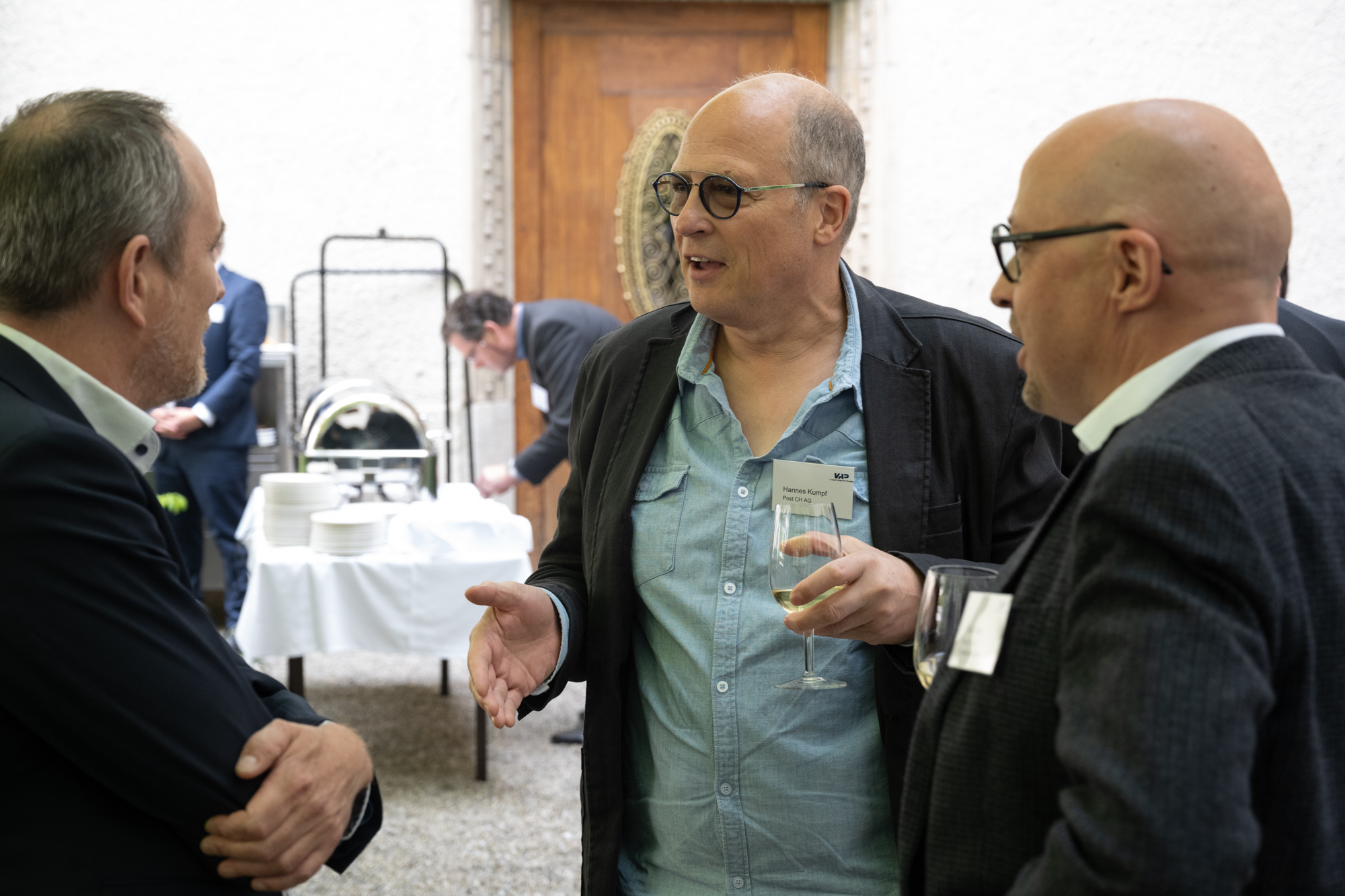
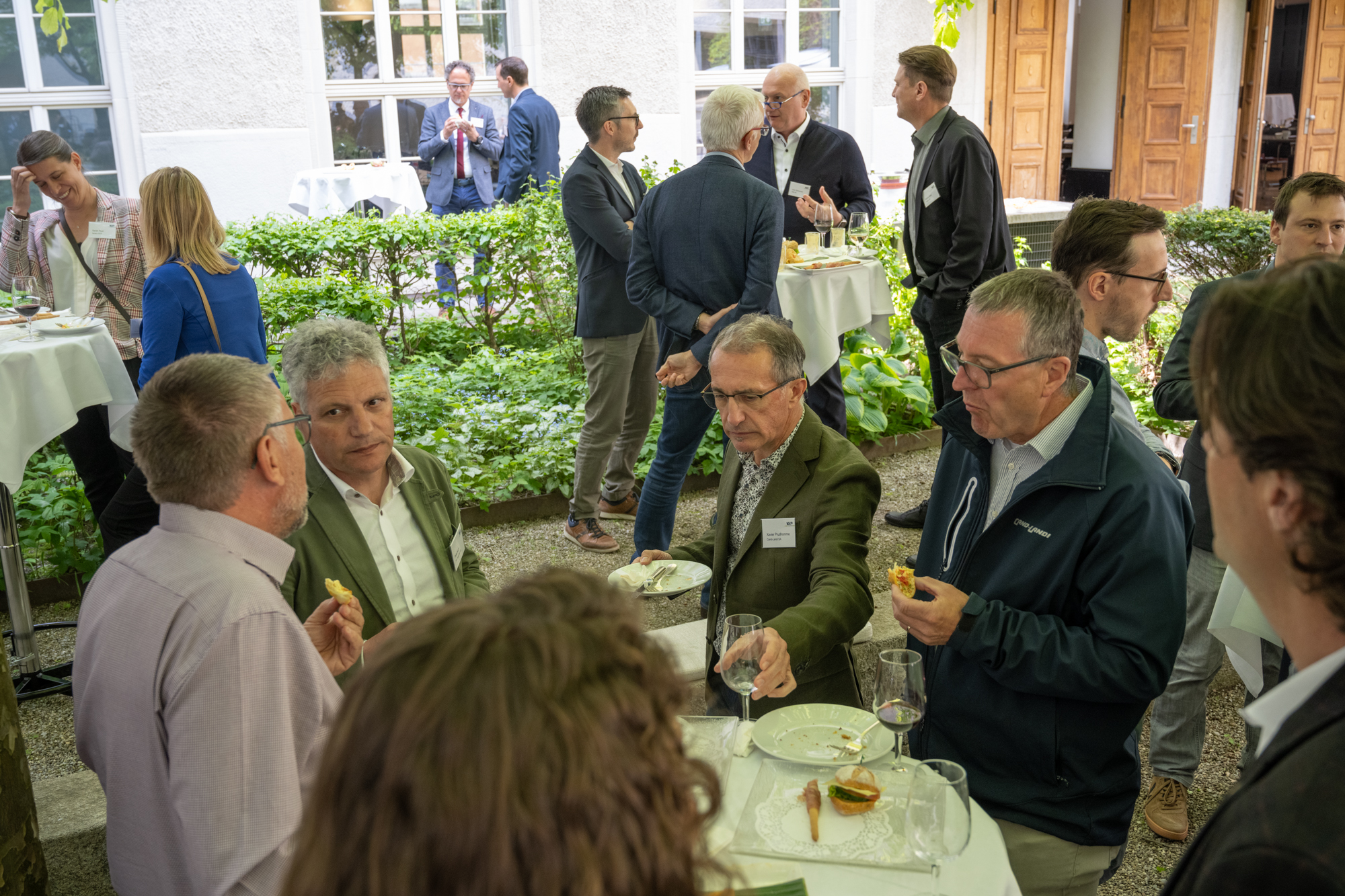
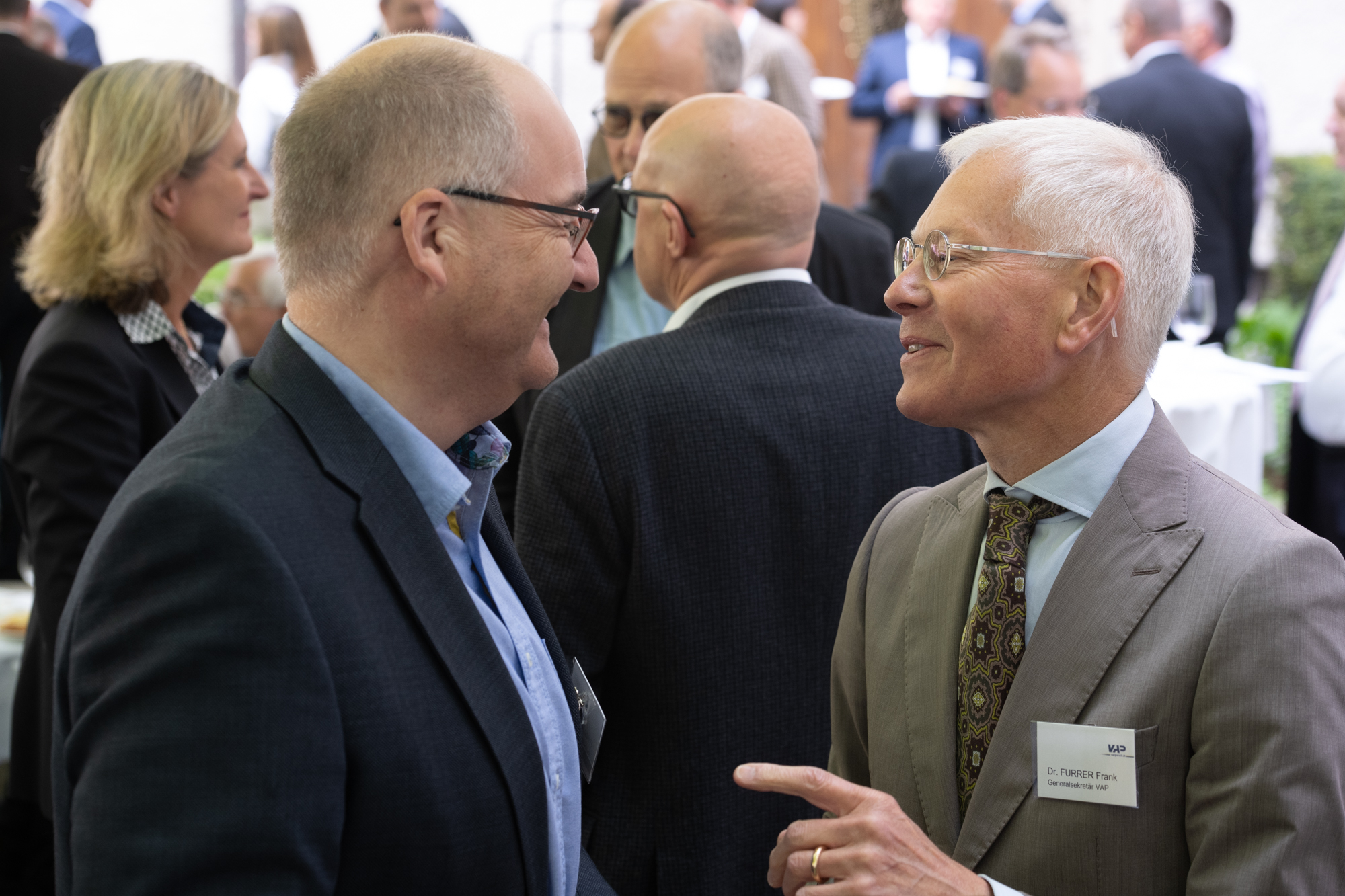
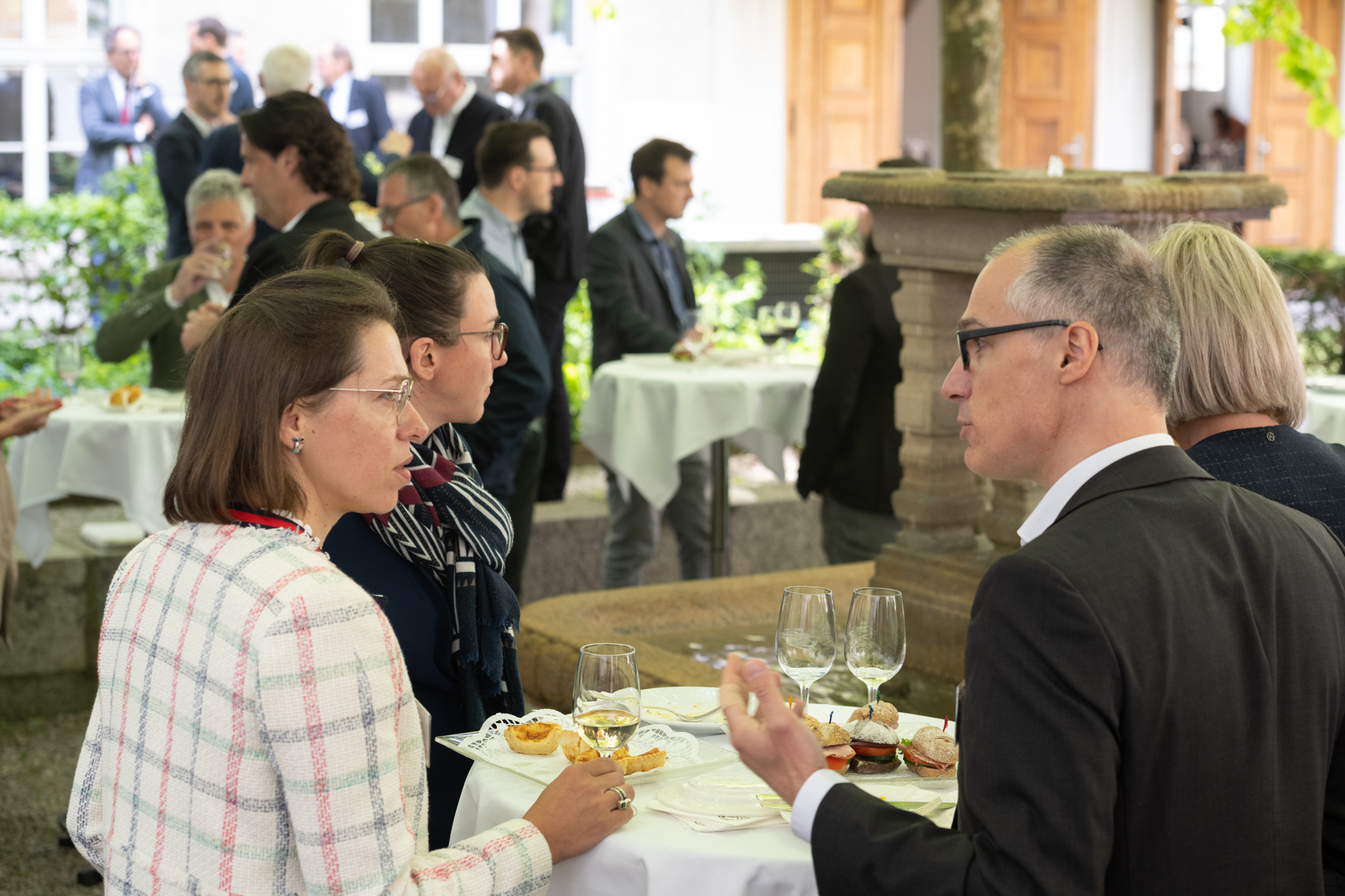
On 3 May 2022, the popular Freight Transport Forum finally took place again after three years. The most important players and representatives from the shipping industry from all over Europe met to refresh their expertise and exchange ideas with colleagues across companies. The chances of making rail freight transport fit for the future in a joint effort are good!
Interesting approaches
The freight transport master plans and rail freight transport in particular, which were launched in Germany and Austria, provide a comprehensive overview of the political strategies and measures. Something comparable is lacking in Switzerland; instead, there is still a strong focus on the individual modes of transport. The VAP therefore continues to pursue an overall view of freight transport and logistics, in close cooperation with economiesuisse and ASTAG. Austria presents an amendment to the Waste Management Act. This stipulates that transports of waste with a total weight of more than ten tonnes, starting from a defined transport distance (decreasing between 1.1.2023 and 1.1.2026 from 300, 200, 100 km), must in future be carried out by rail or by other means of transport with equivalent or lower pollutant or greenhouse gas potential (e.g. propulsion by fuel cell or electric motor). Similar developments can also be seen in the canton of Zurich, for example in the Ordinance on the Transport of Excavated Material and Aggregates by Rail of 3 February 2021, which requires that a significant proportion of excavated material must be transported by rail – or else a substitute levy is payable. In principle, we welcome such regulations to achieve the environmental goals, but we do not consider a specification of the choice of means of transport by means of gentle coercion to be very effective. Rather, the VAP strives to make the railways fit and attractive for shippers, so that paternalism is not necessary.
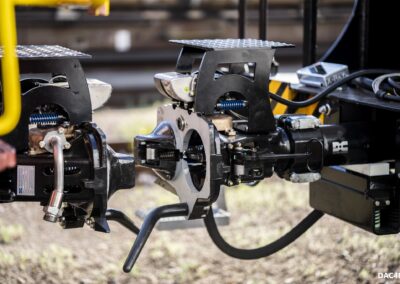
We therefore consider the common interest in promoting digitalisation to be very positive. As never before, the players in the shipping industry stand united for progress. It is impressive how the various players networked across Europe have decided in favour of digitalisation and want to use this lever together to make rail freight transport fit for the future. Various presentations showed that the Digital Automatic Coupling (DAC) not only brings considerable relief for mechanical work, but is above all a switch for the connectivity of an entire train. This is the prerequisite for digitalisation, which is so important for rail freight transport and which has long since taken place in other industries. With more efficient and transparent processes, rail can become competitive alongside other modes of transport. The motto is collaboration and coopetition, which we at the VAP Association of Shippers also support.
VAP members can download the speakers’ presentations here with their personal login.

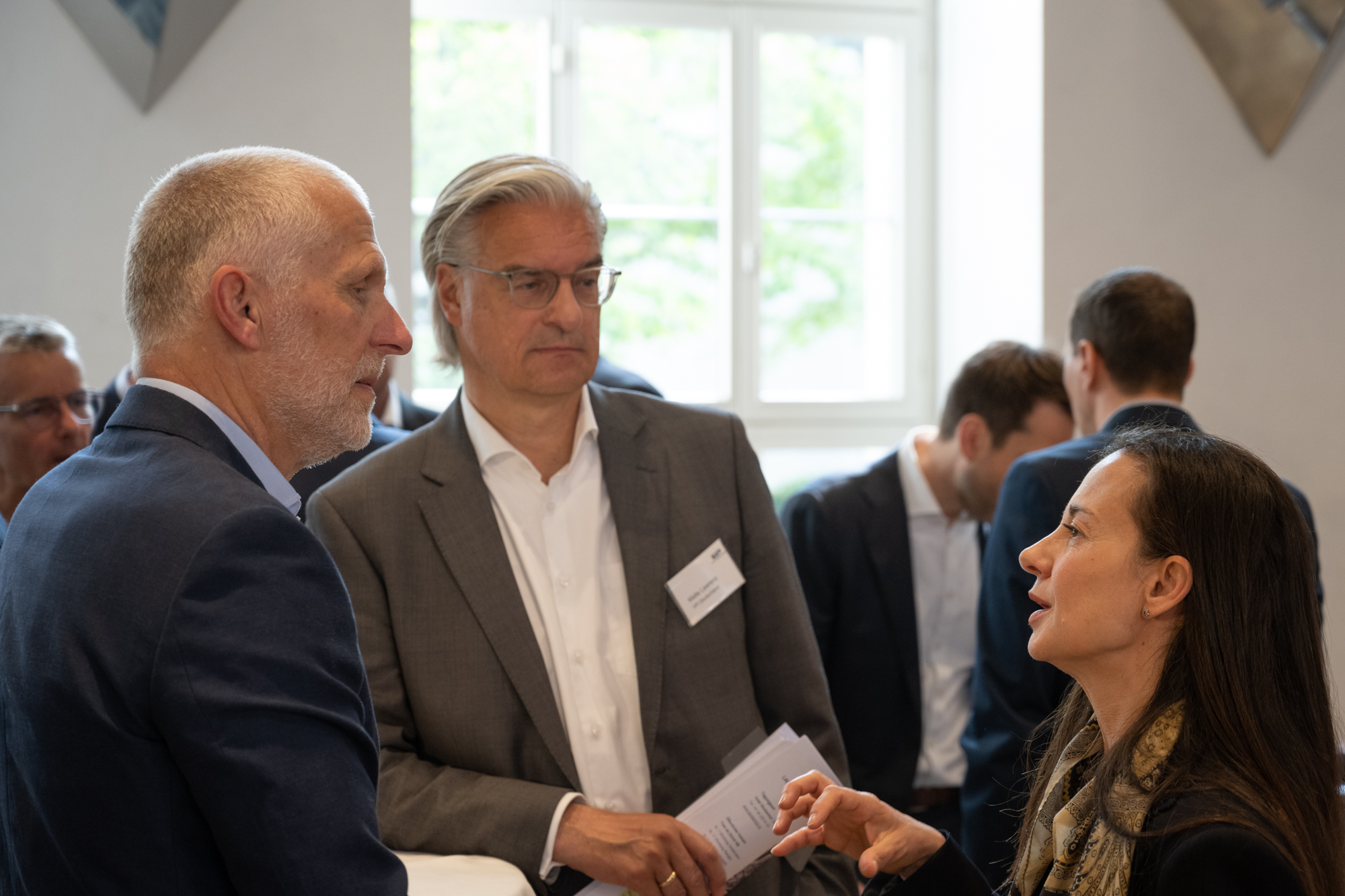


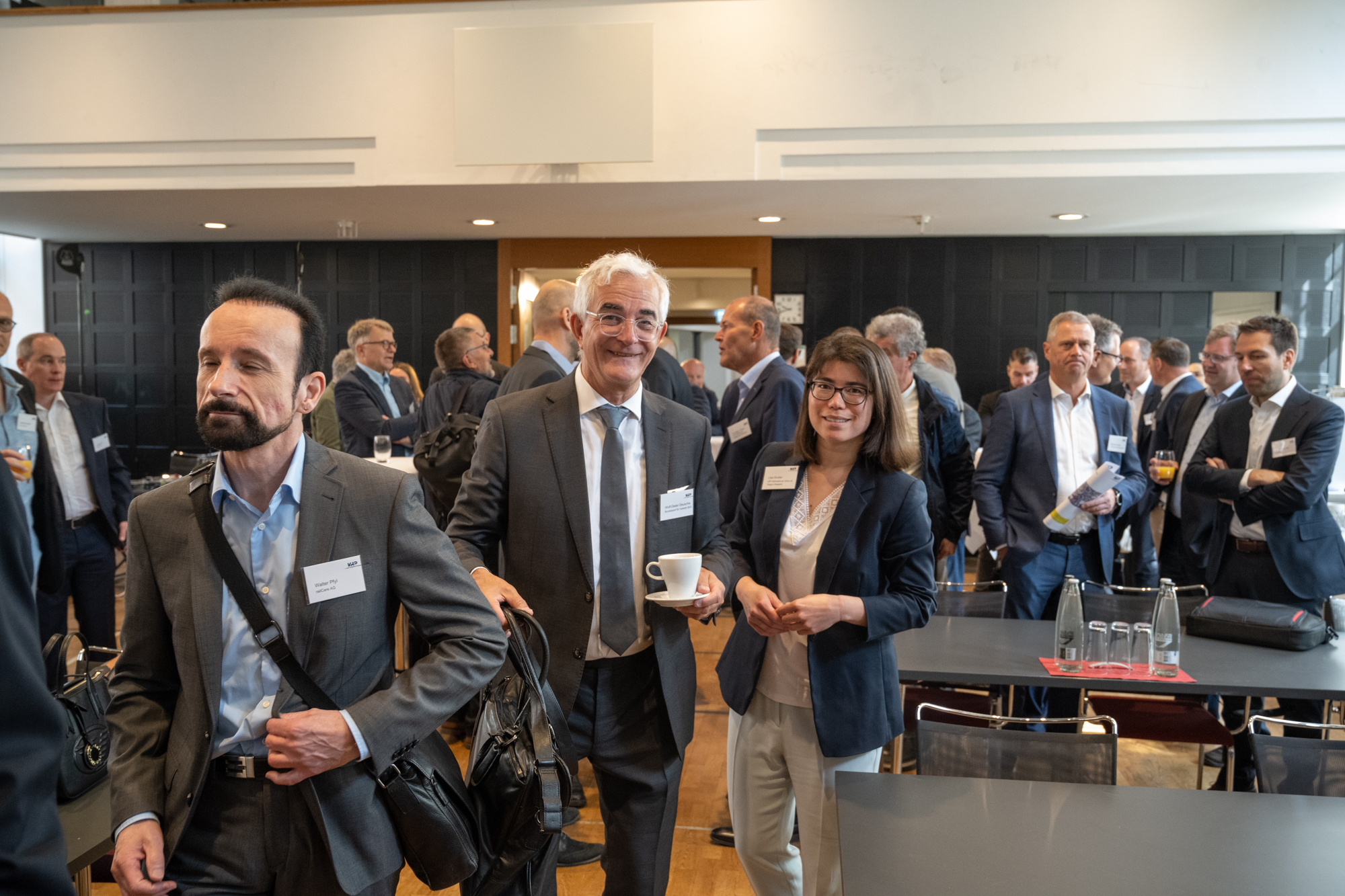
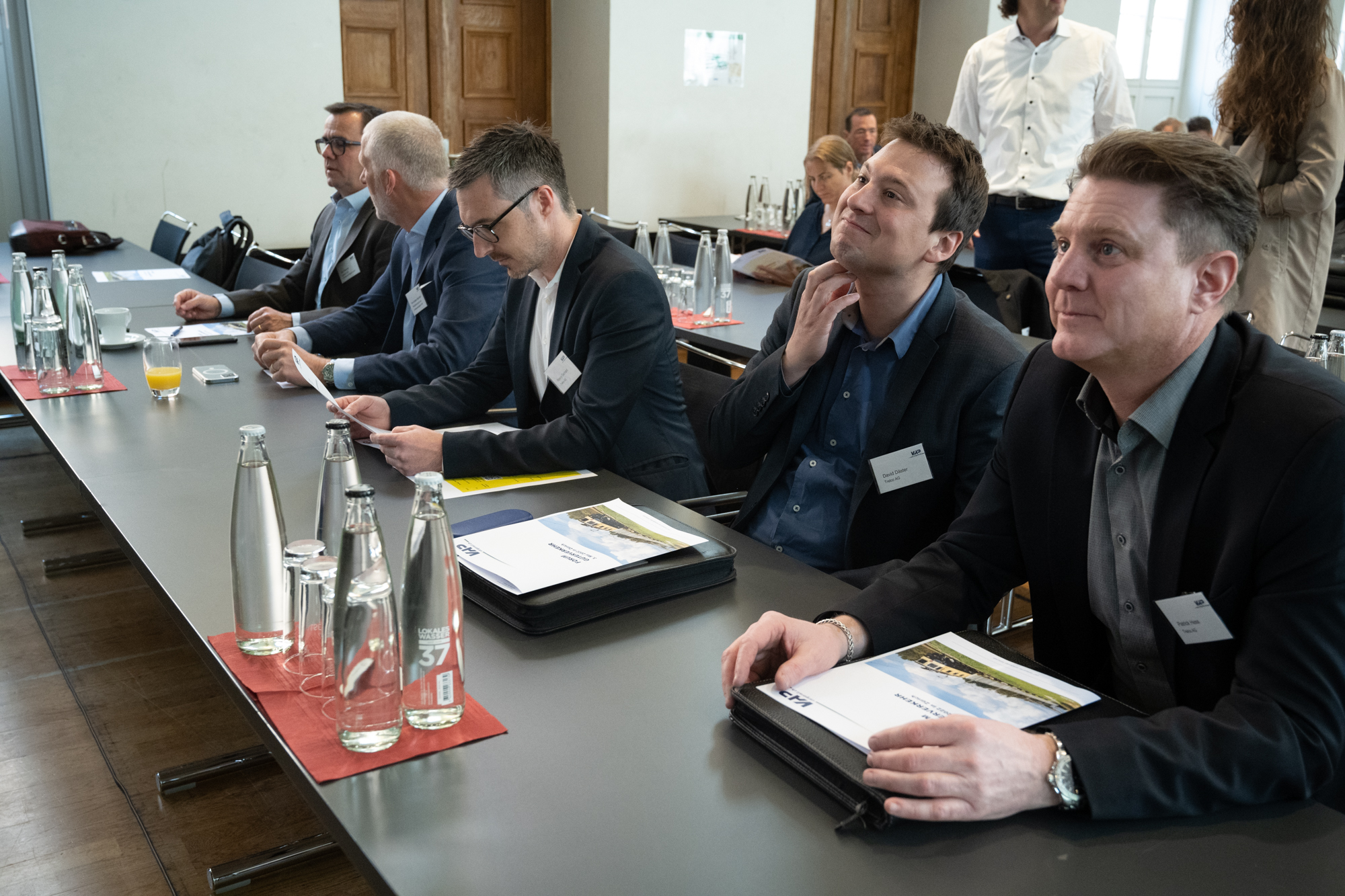
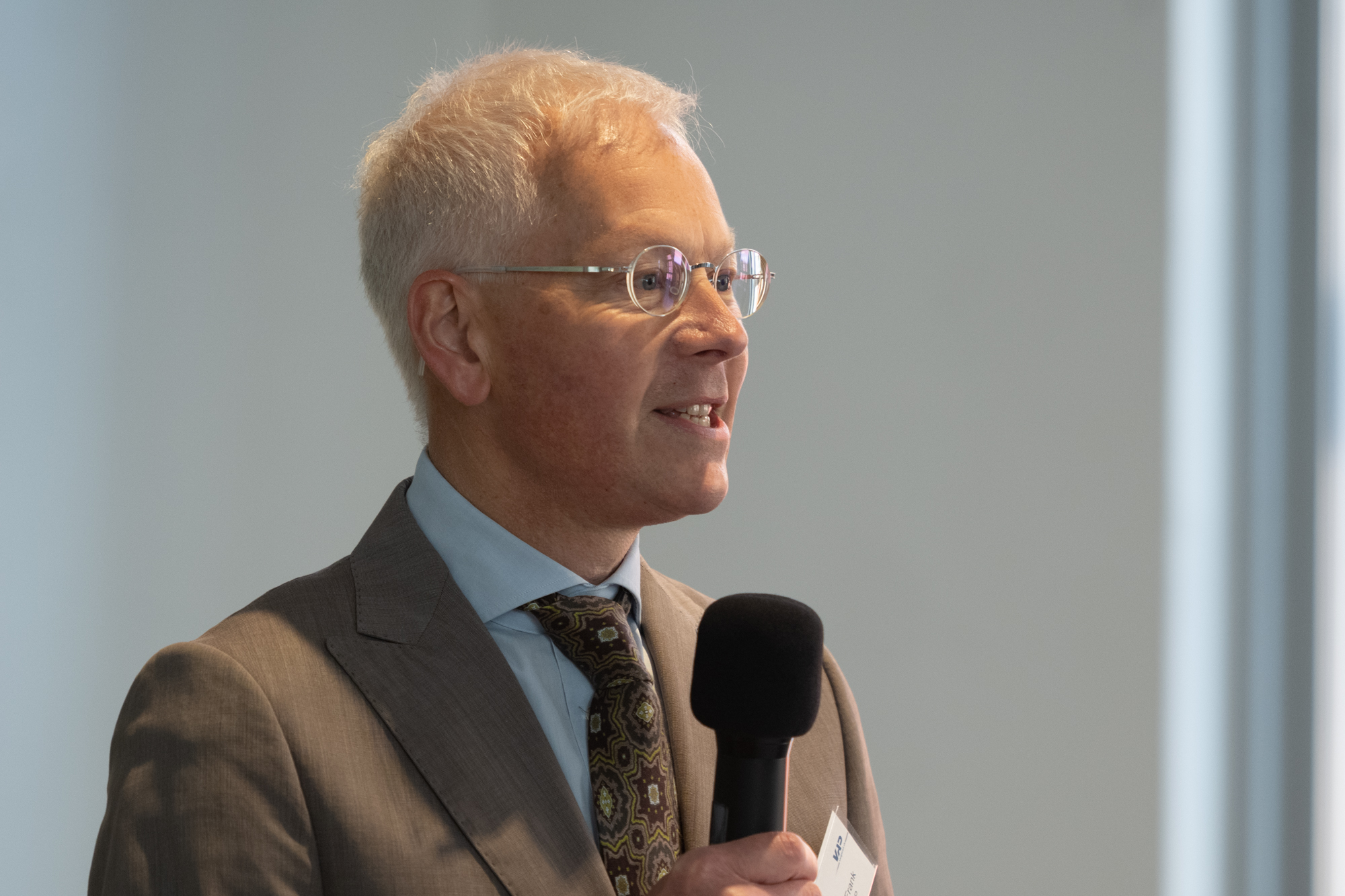
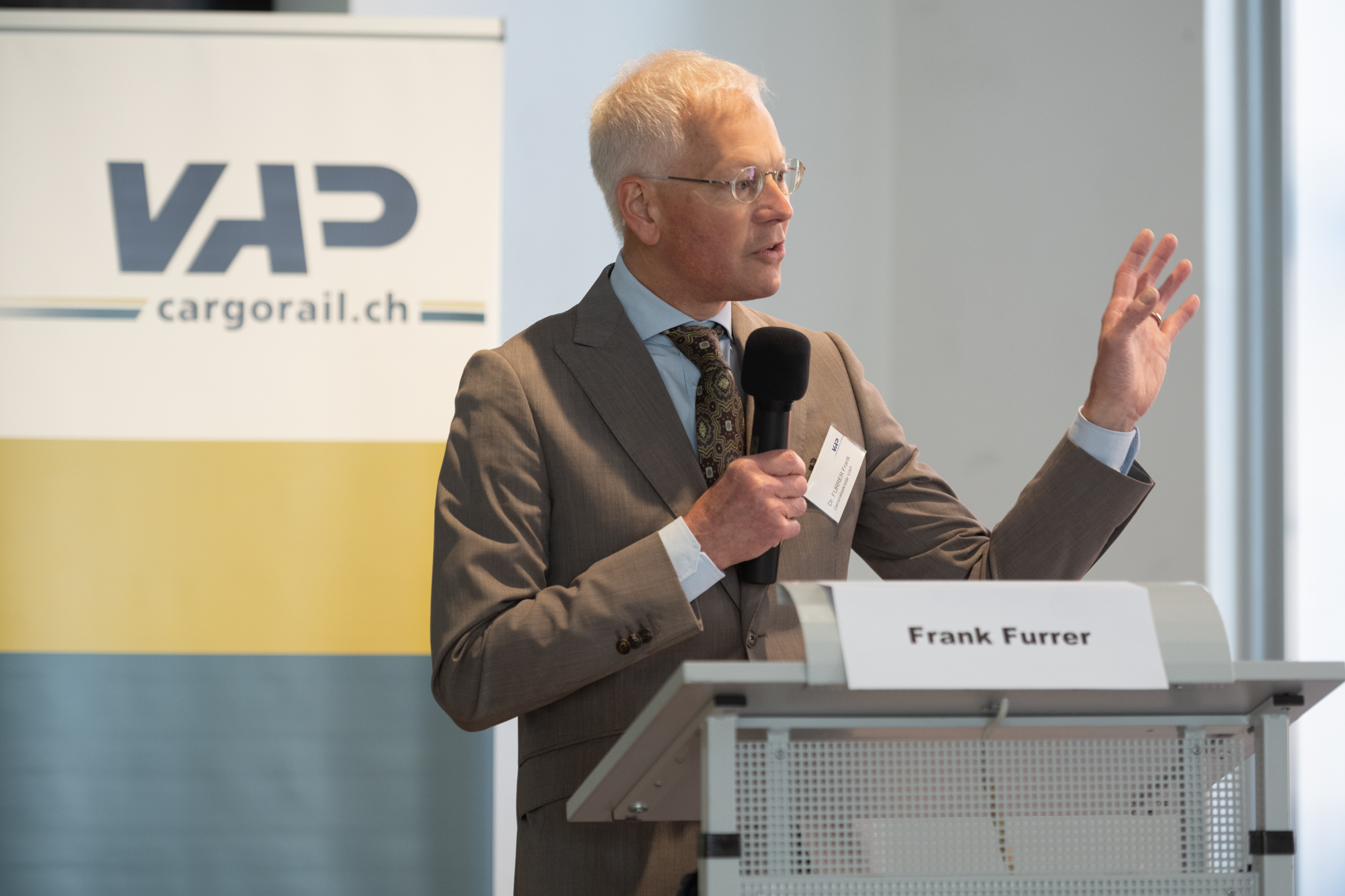
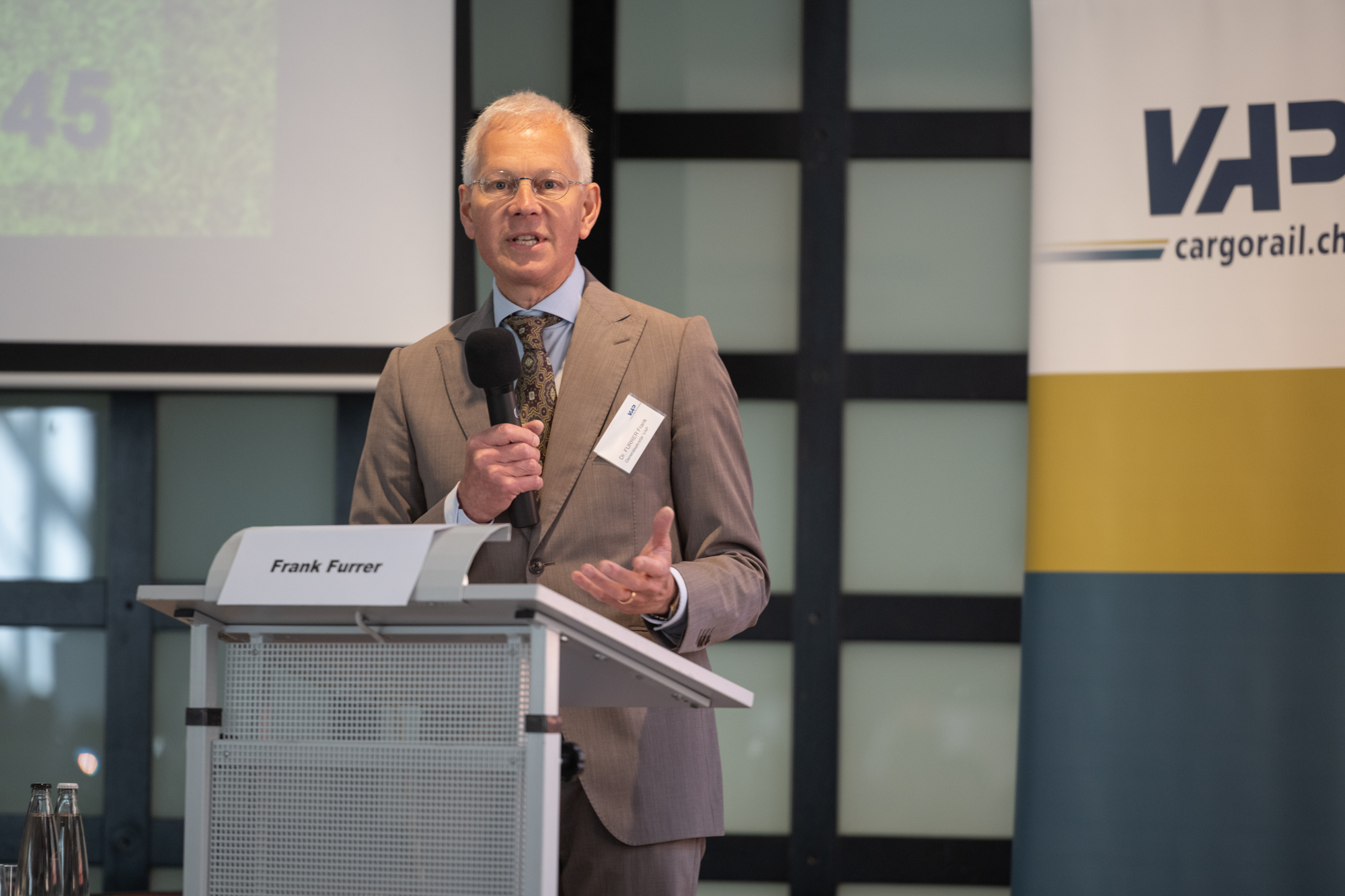
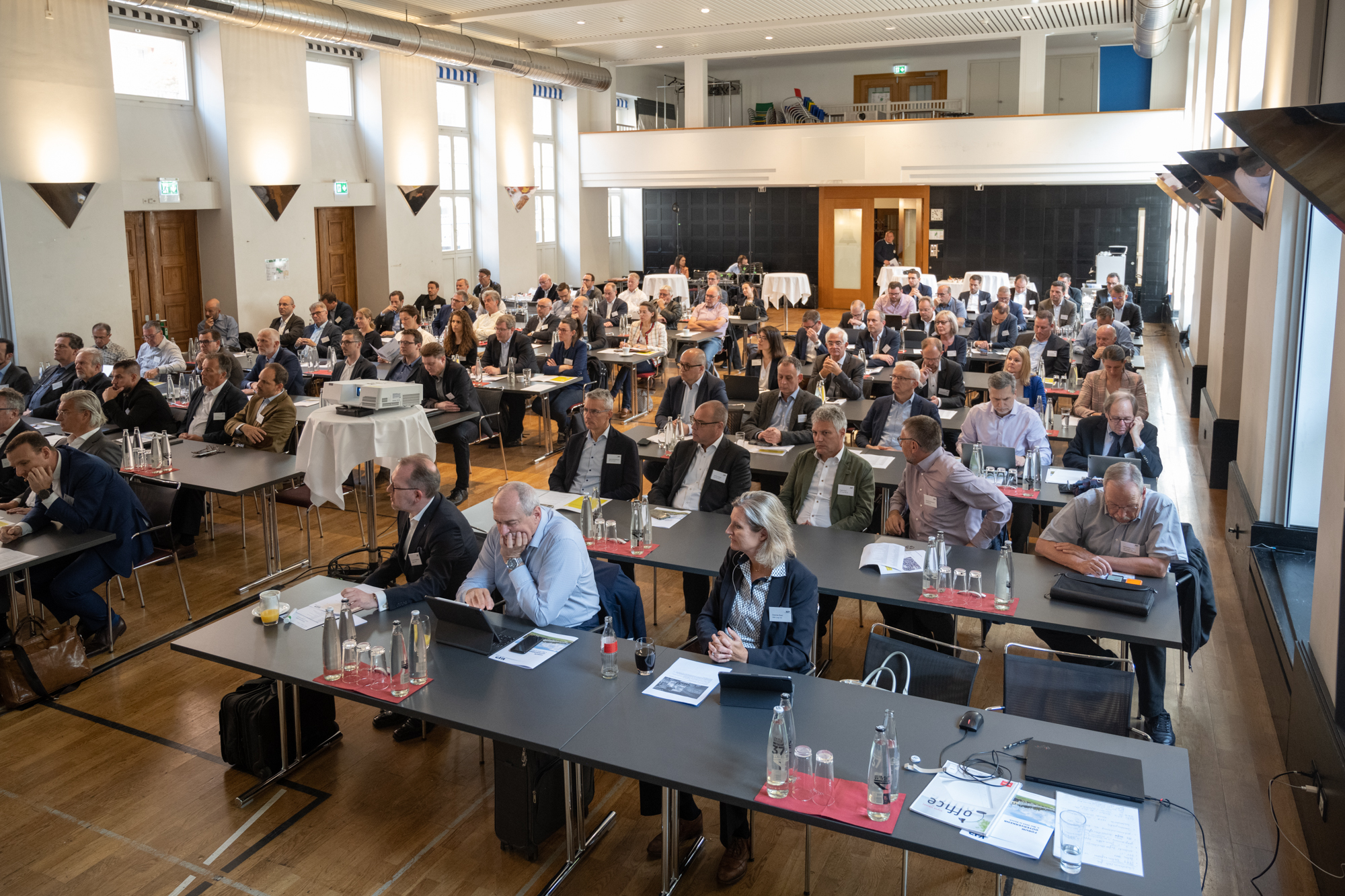
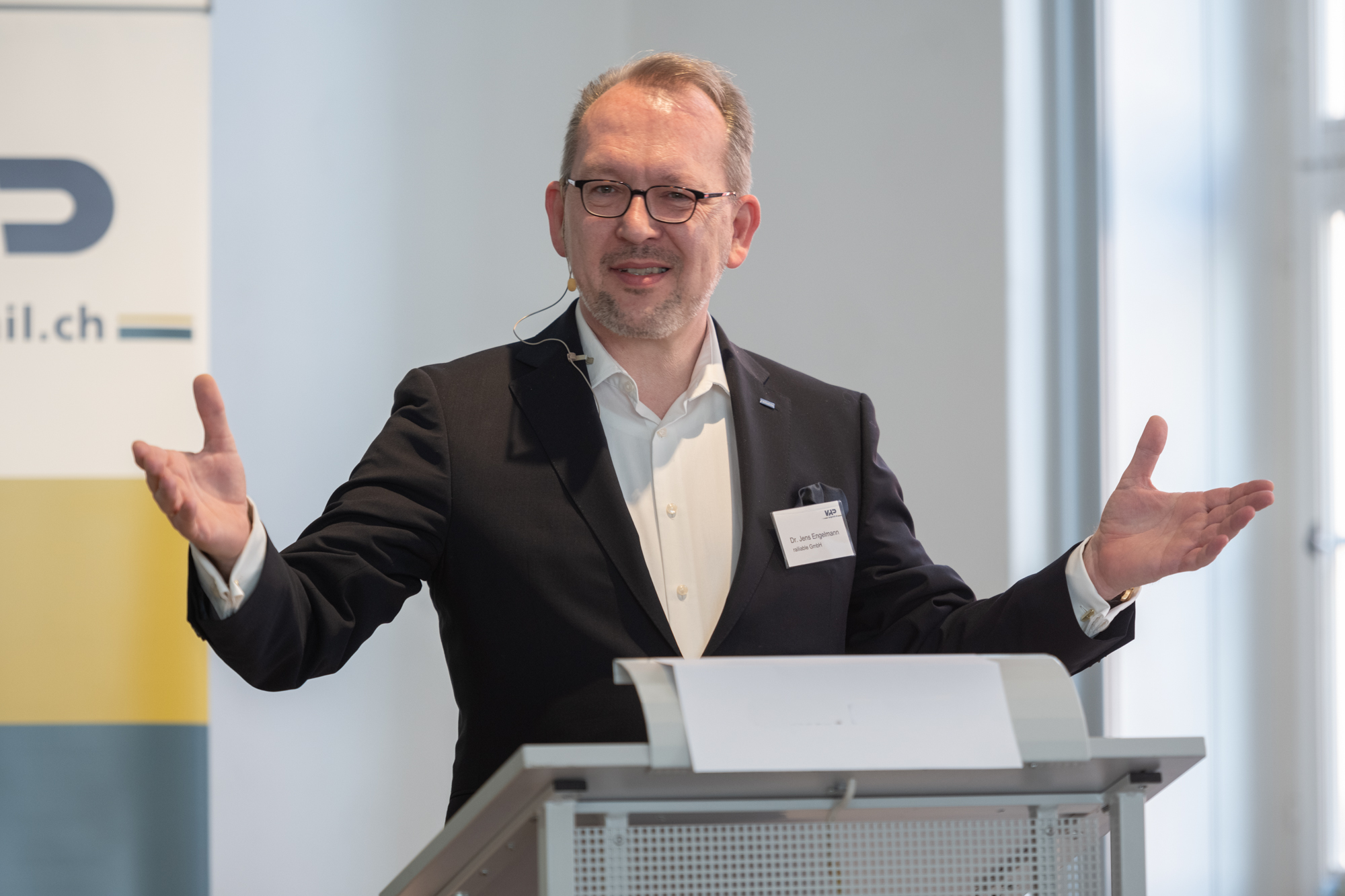
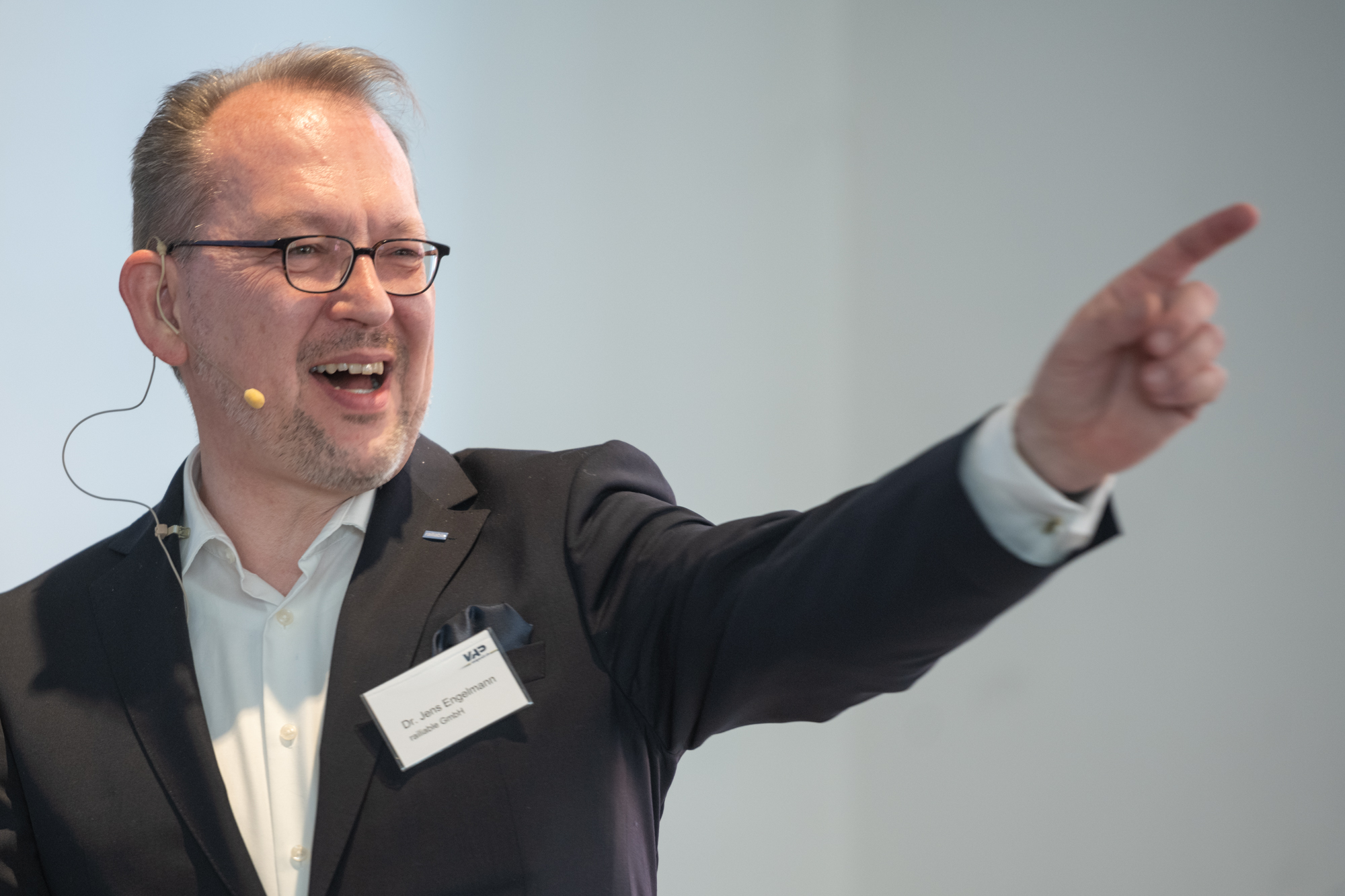
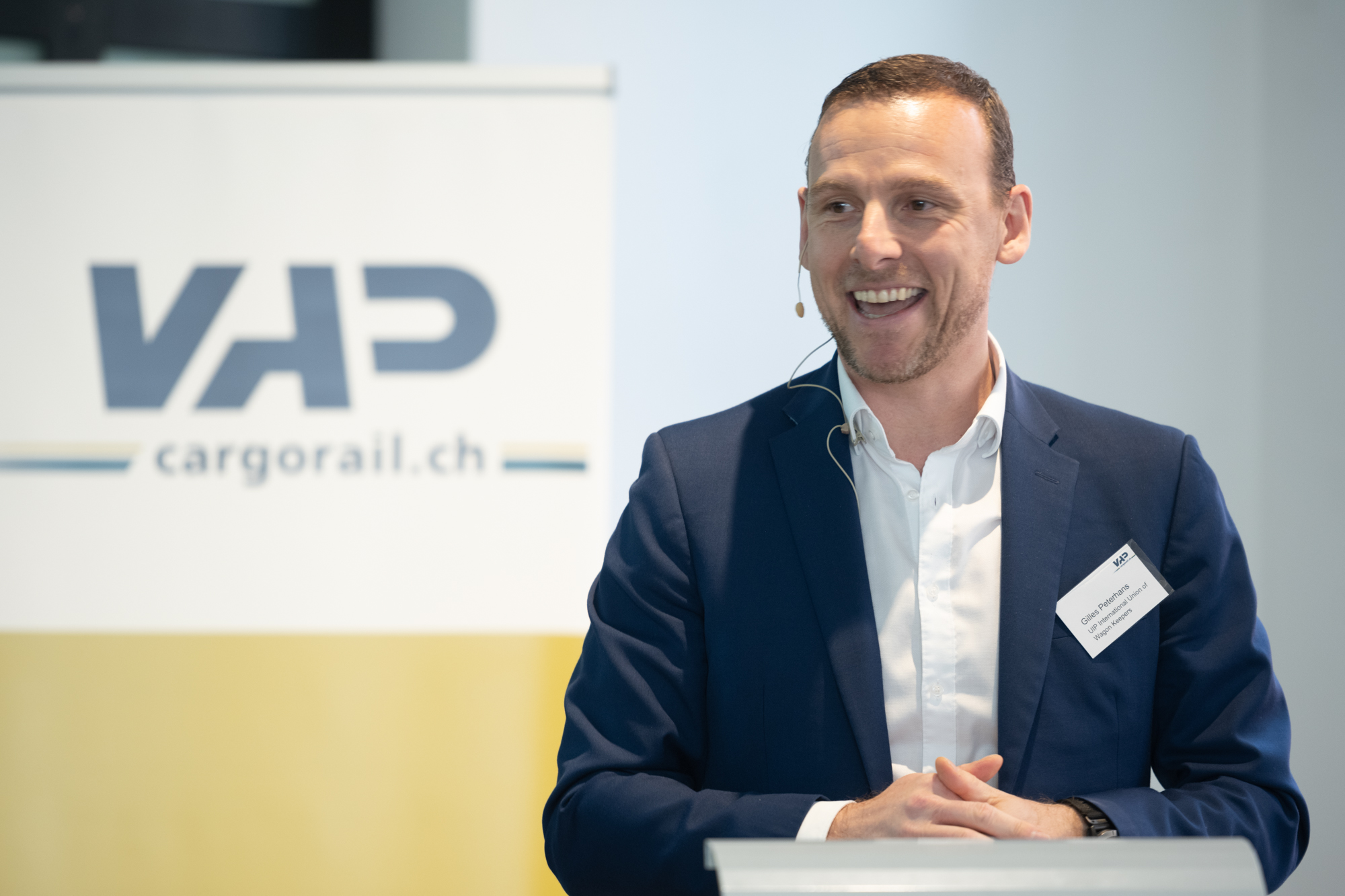
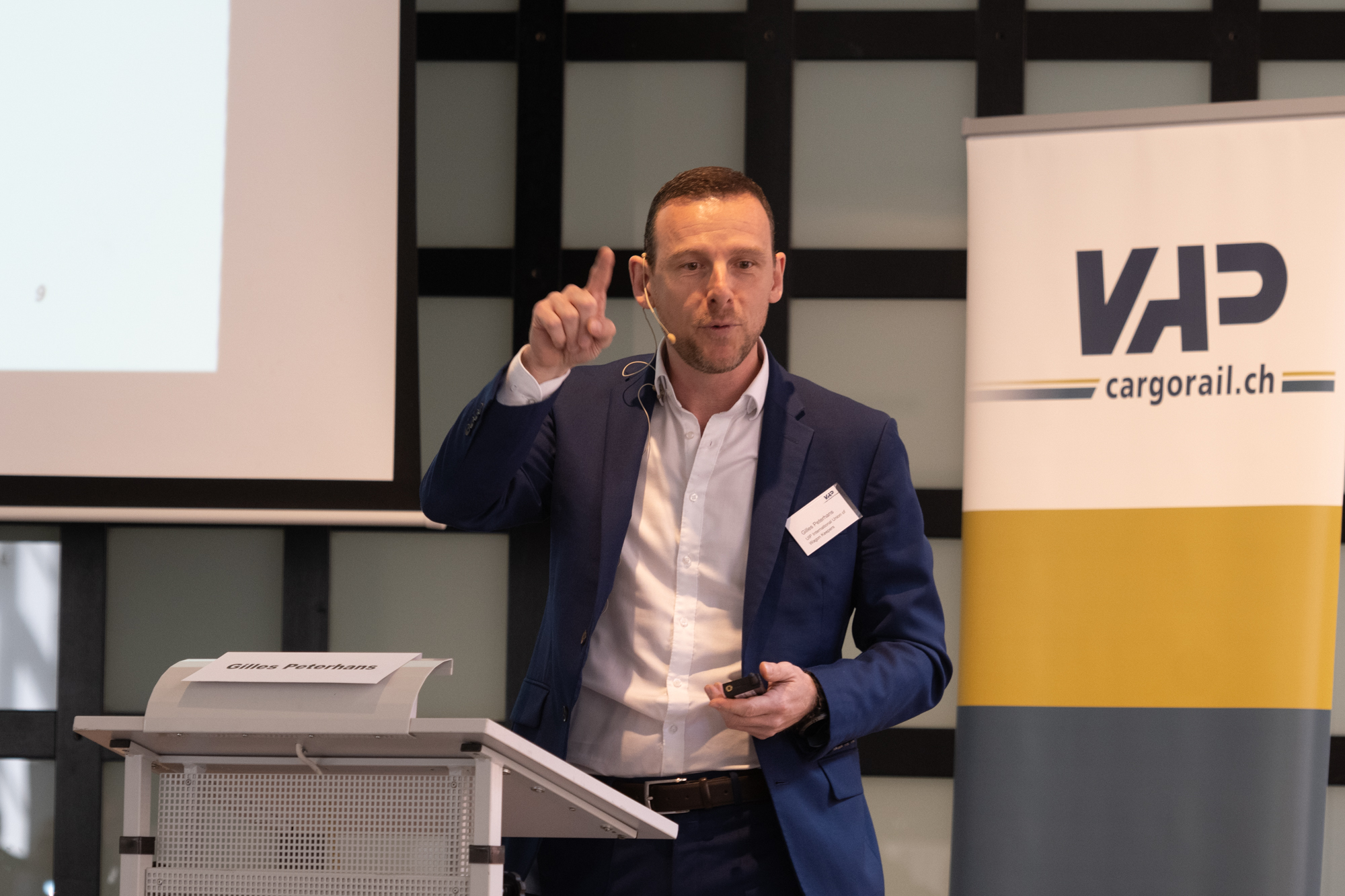
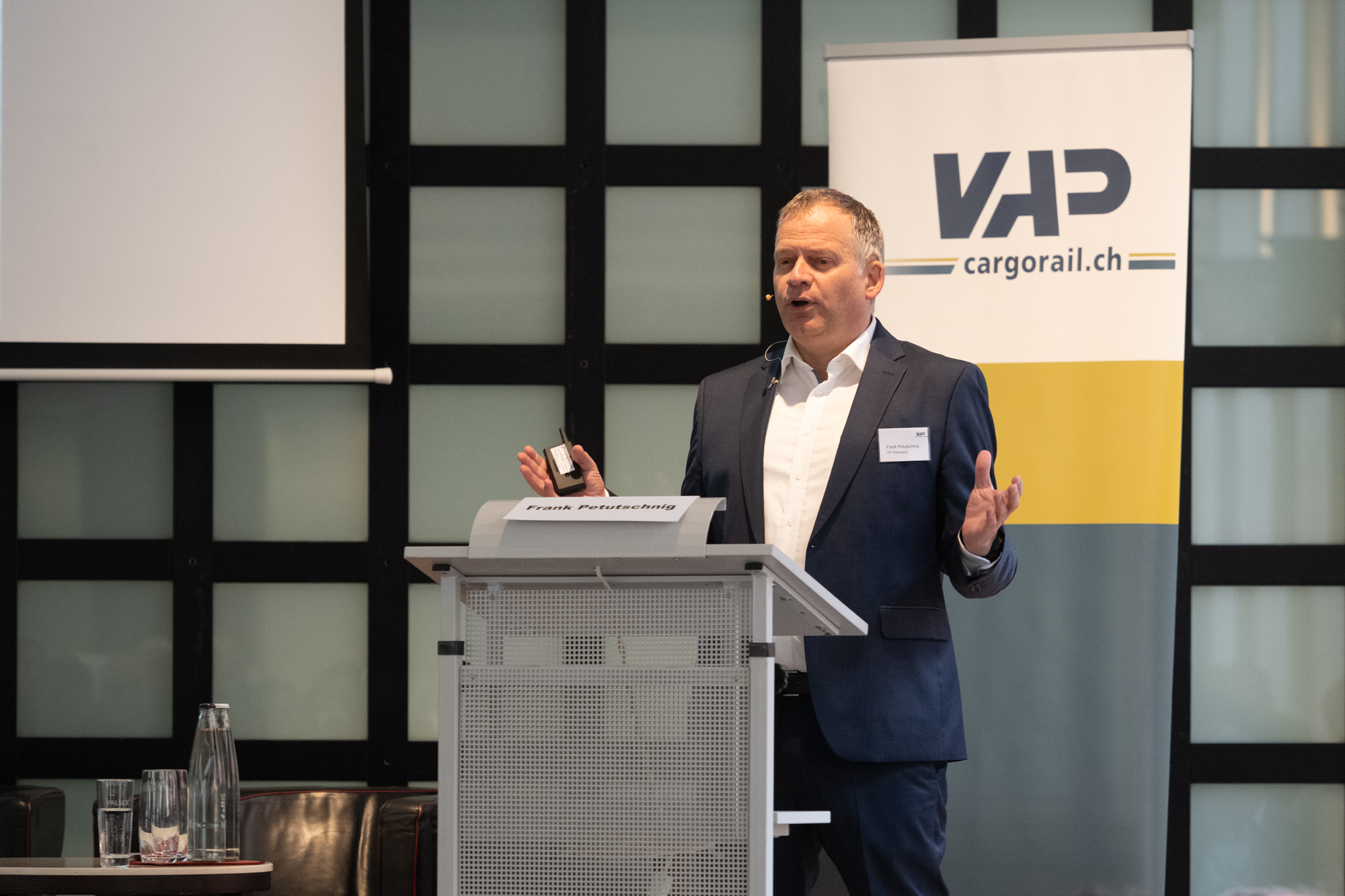
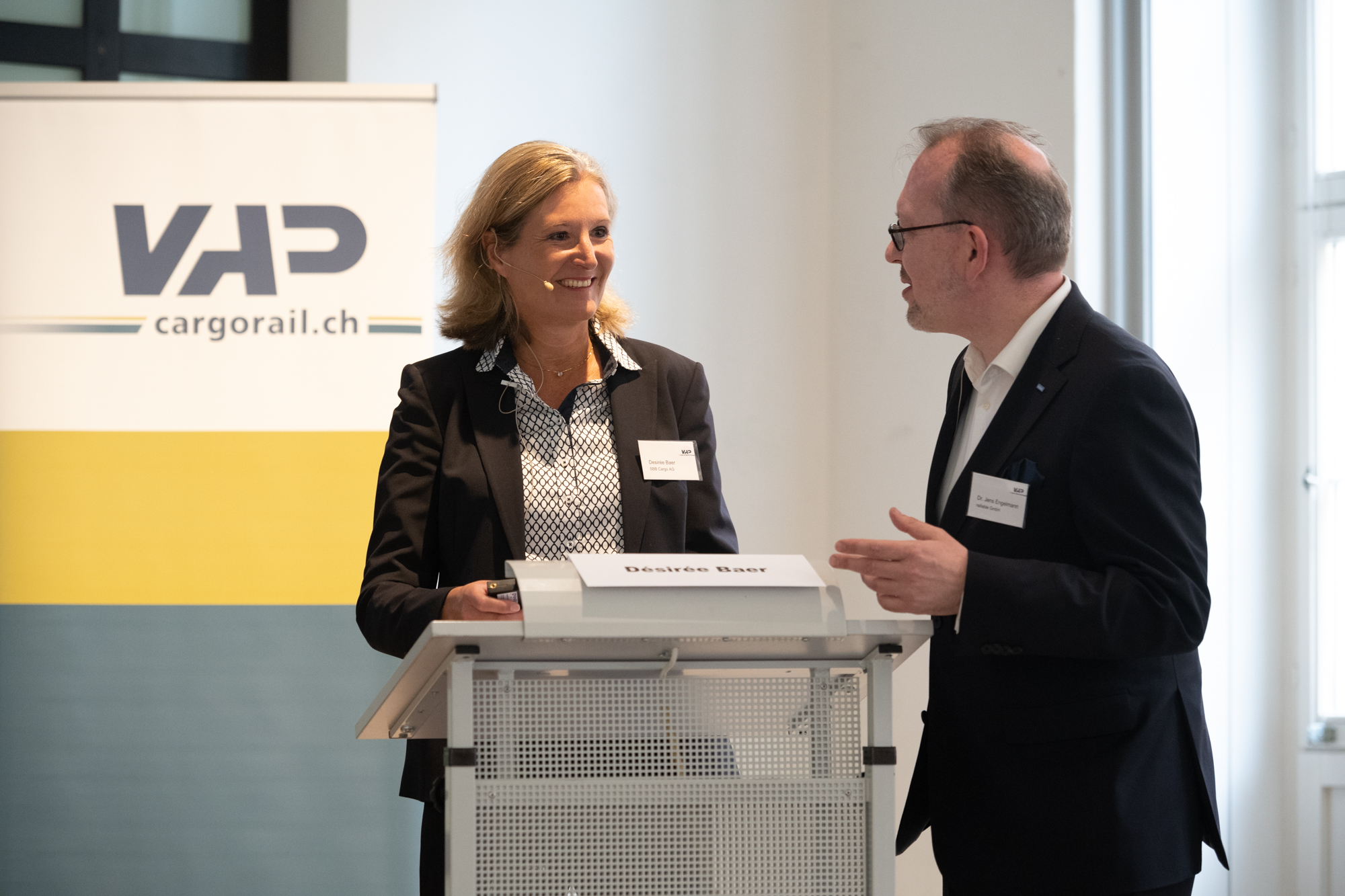
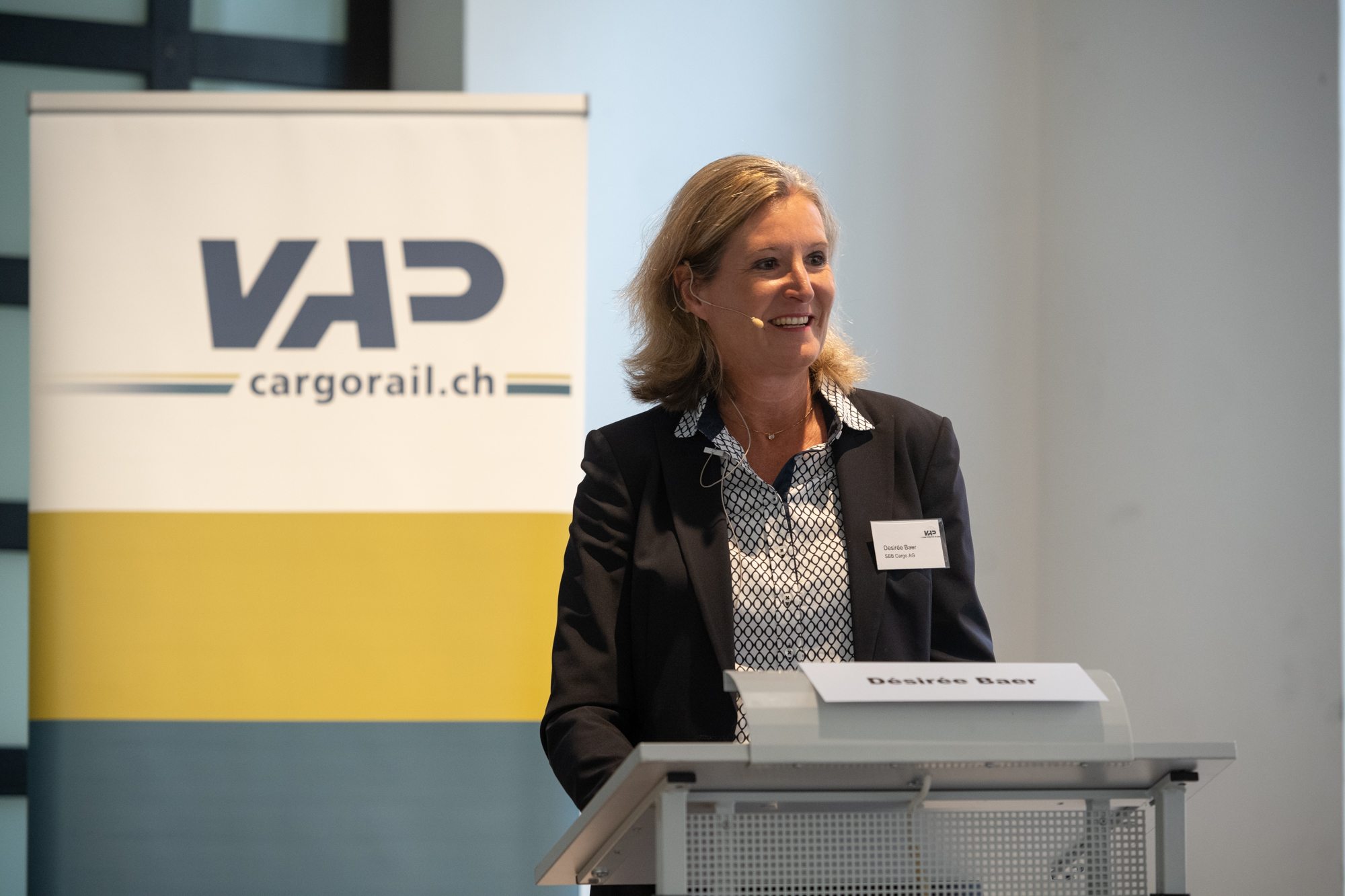
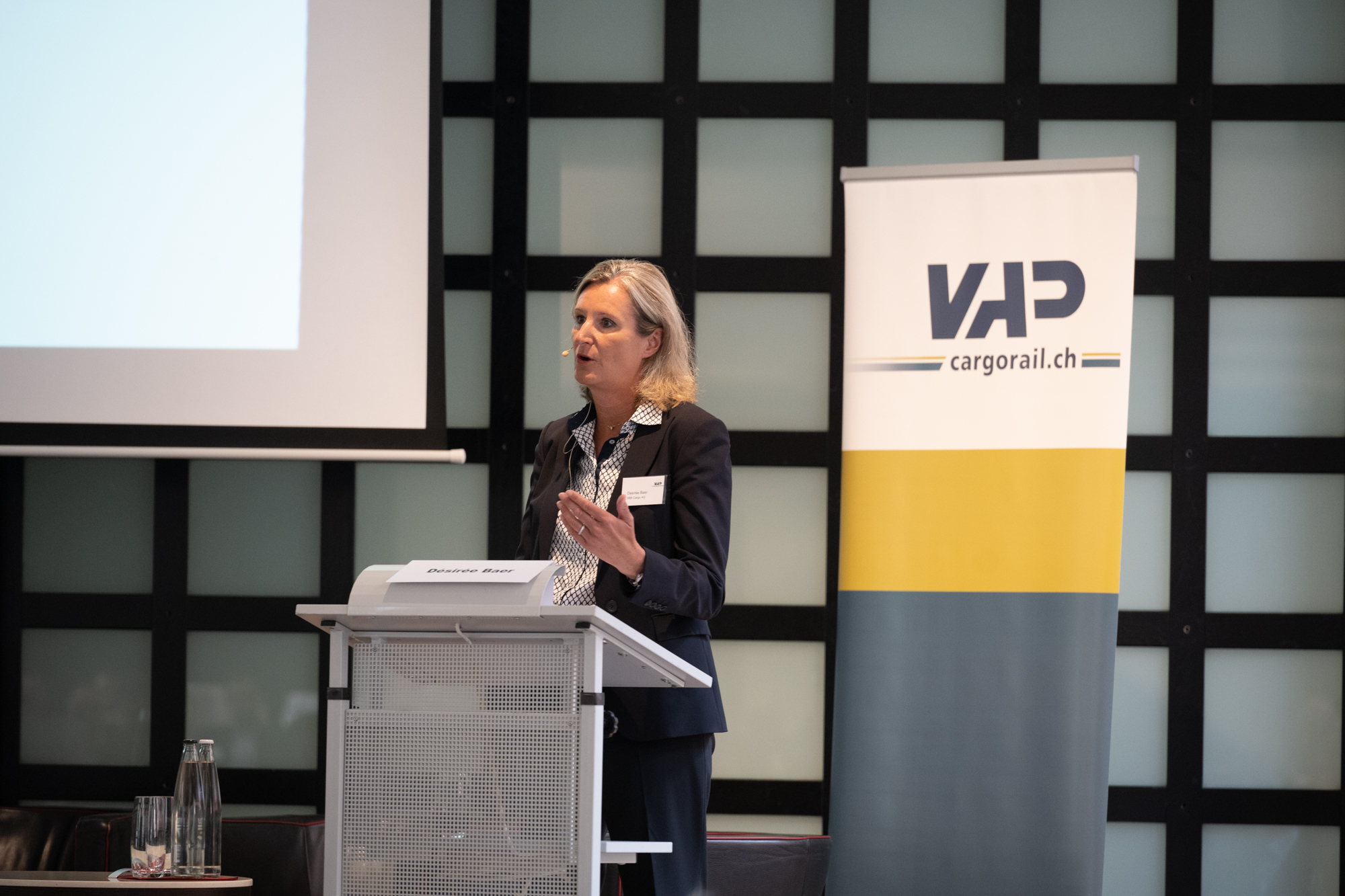
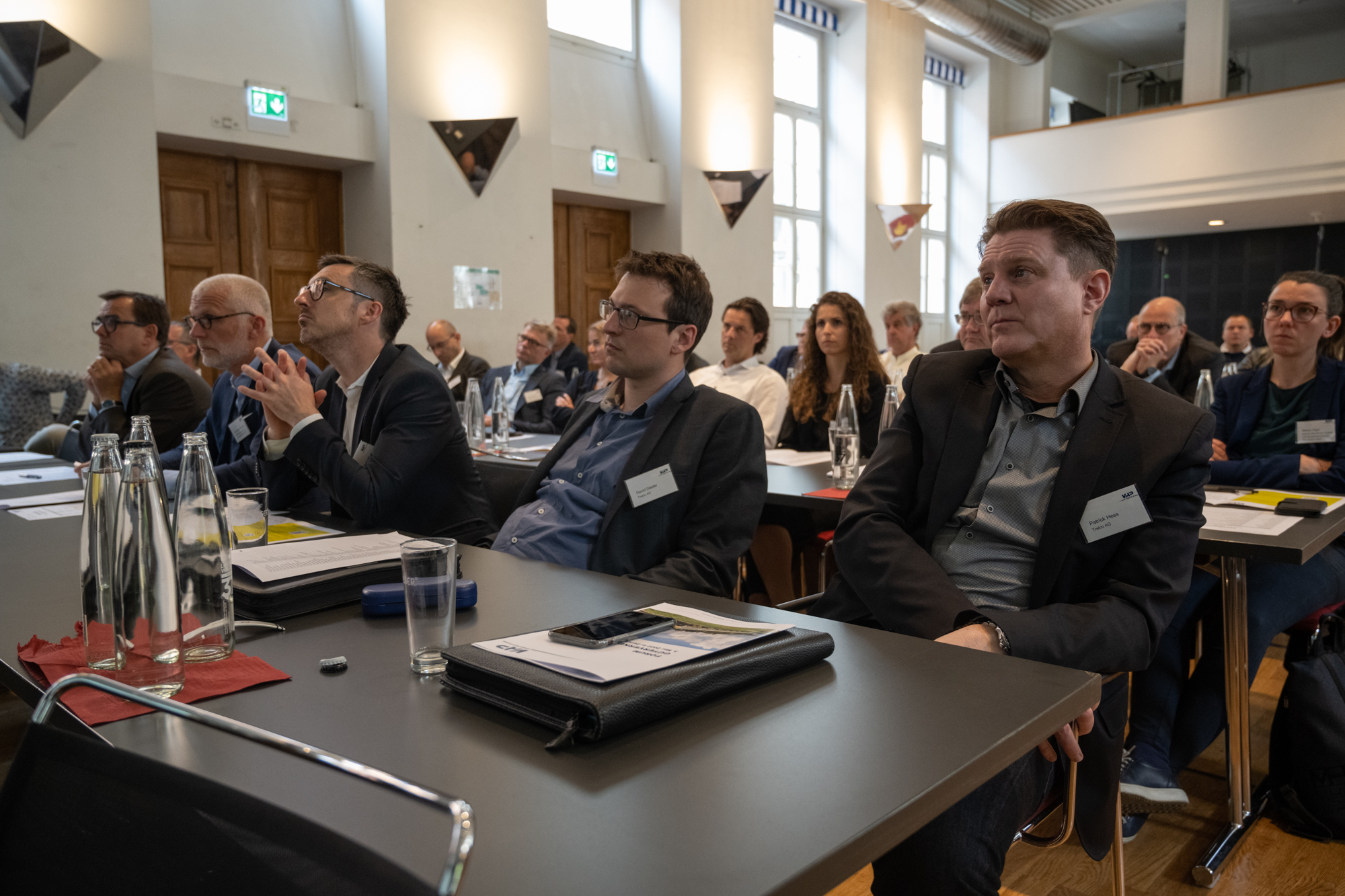
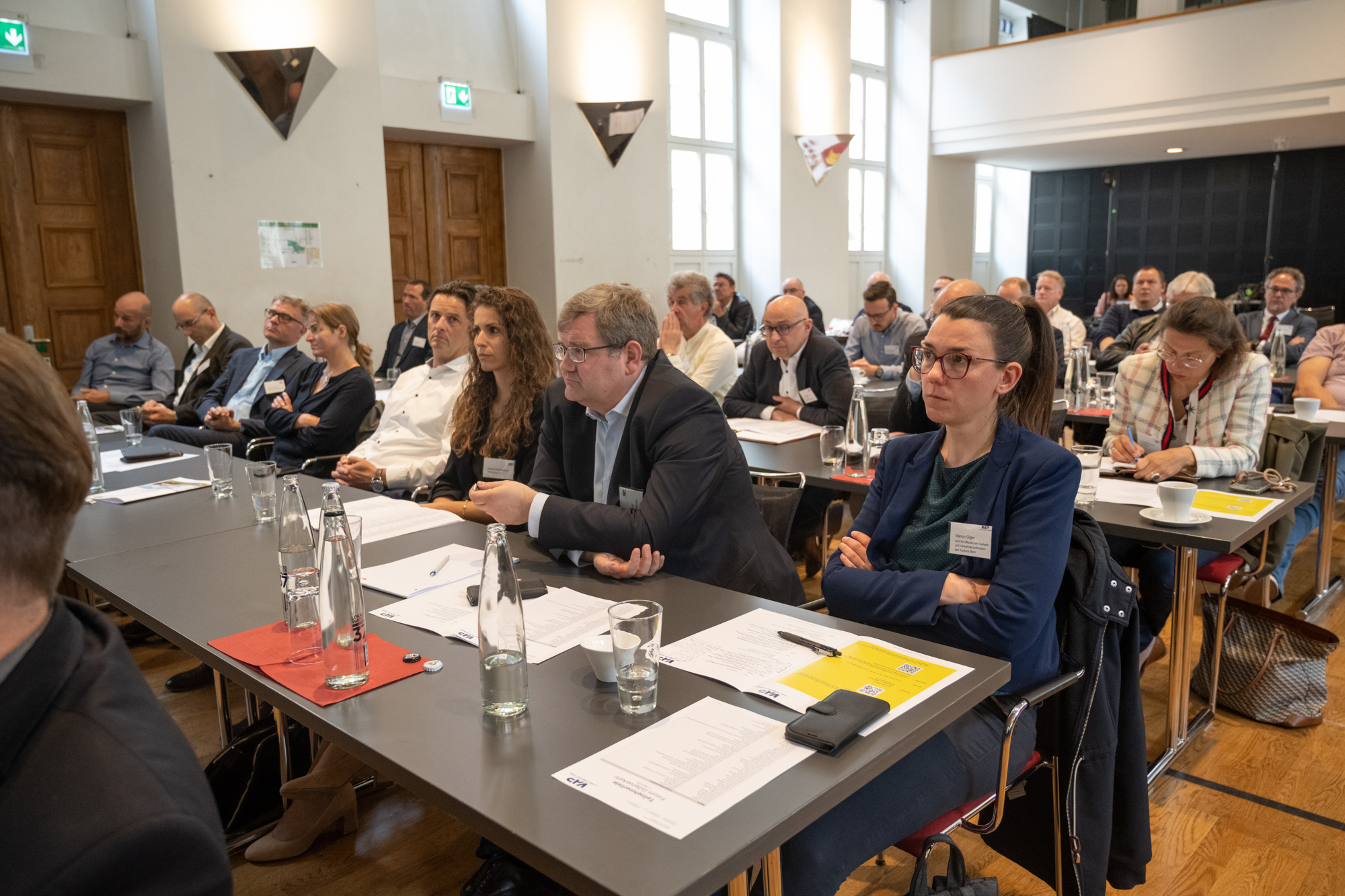
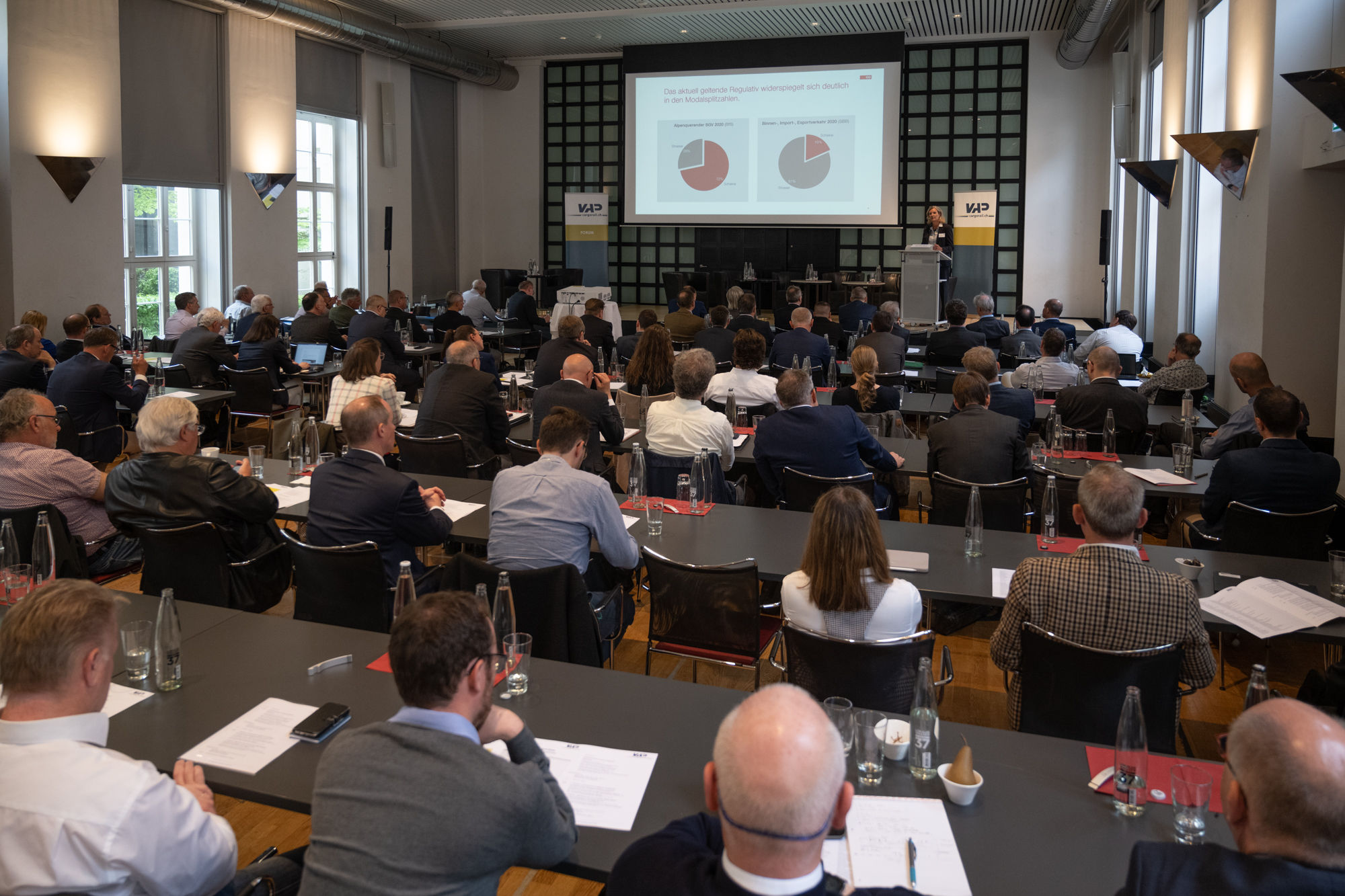
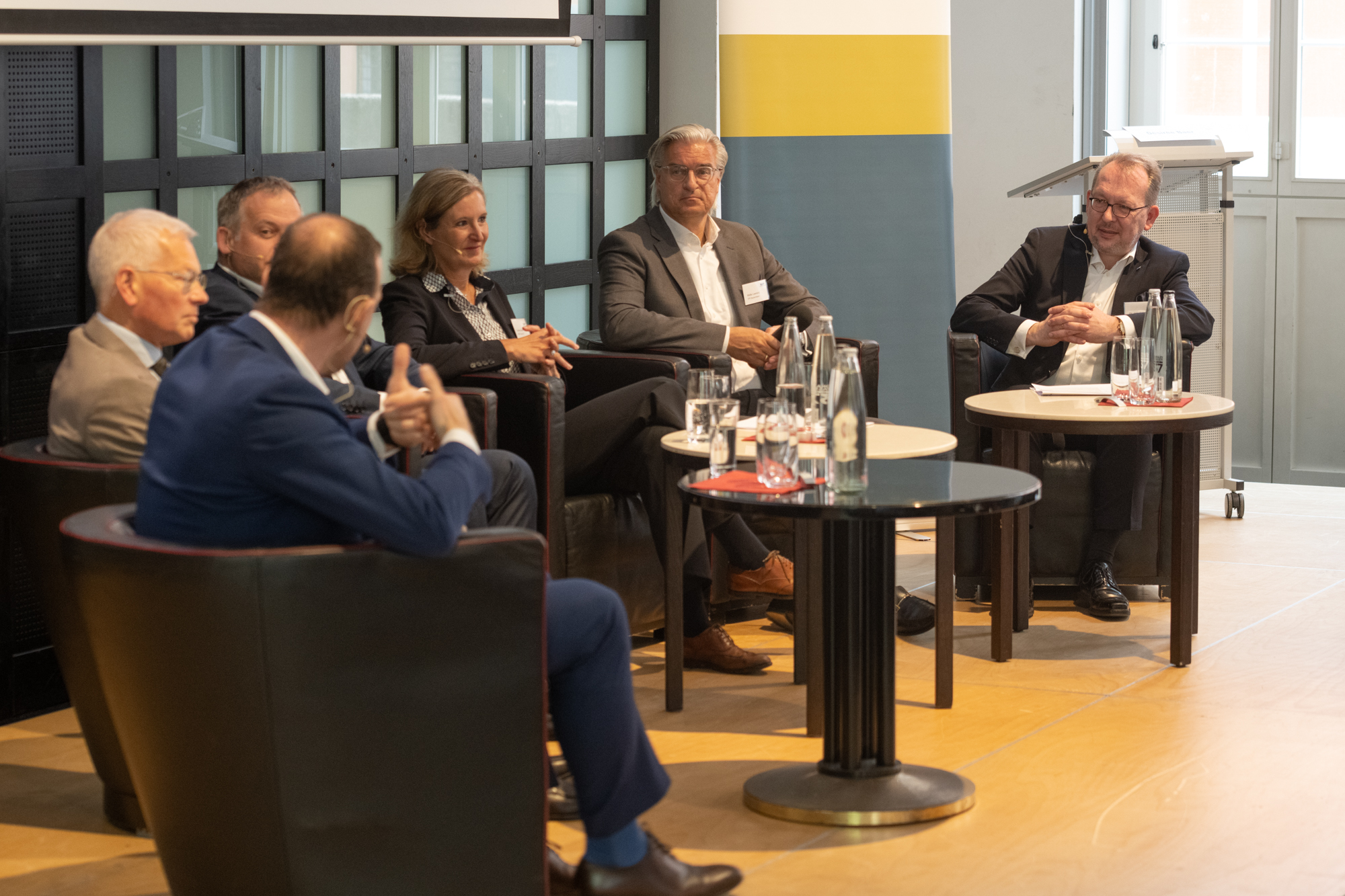

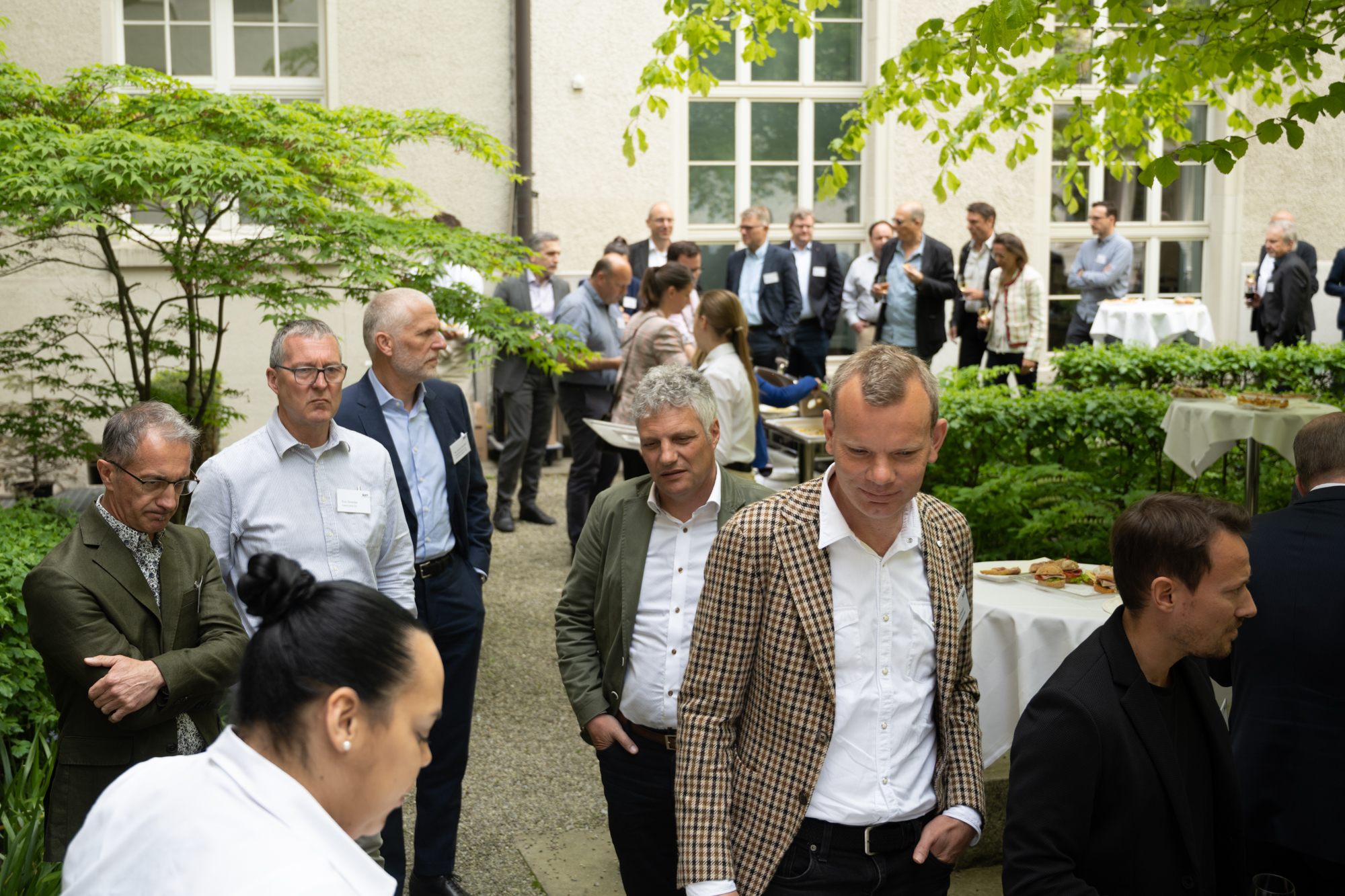


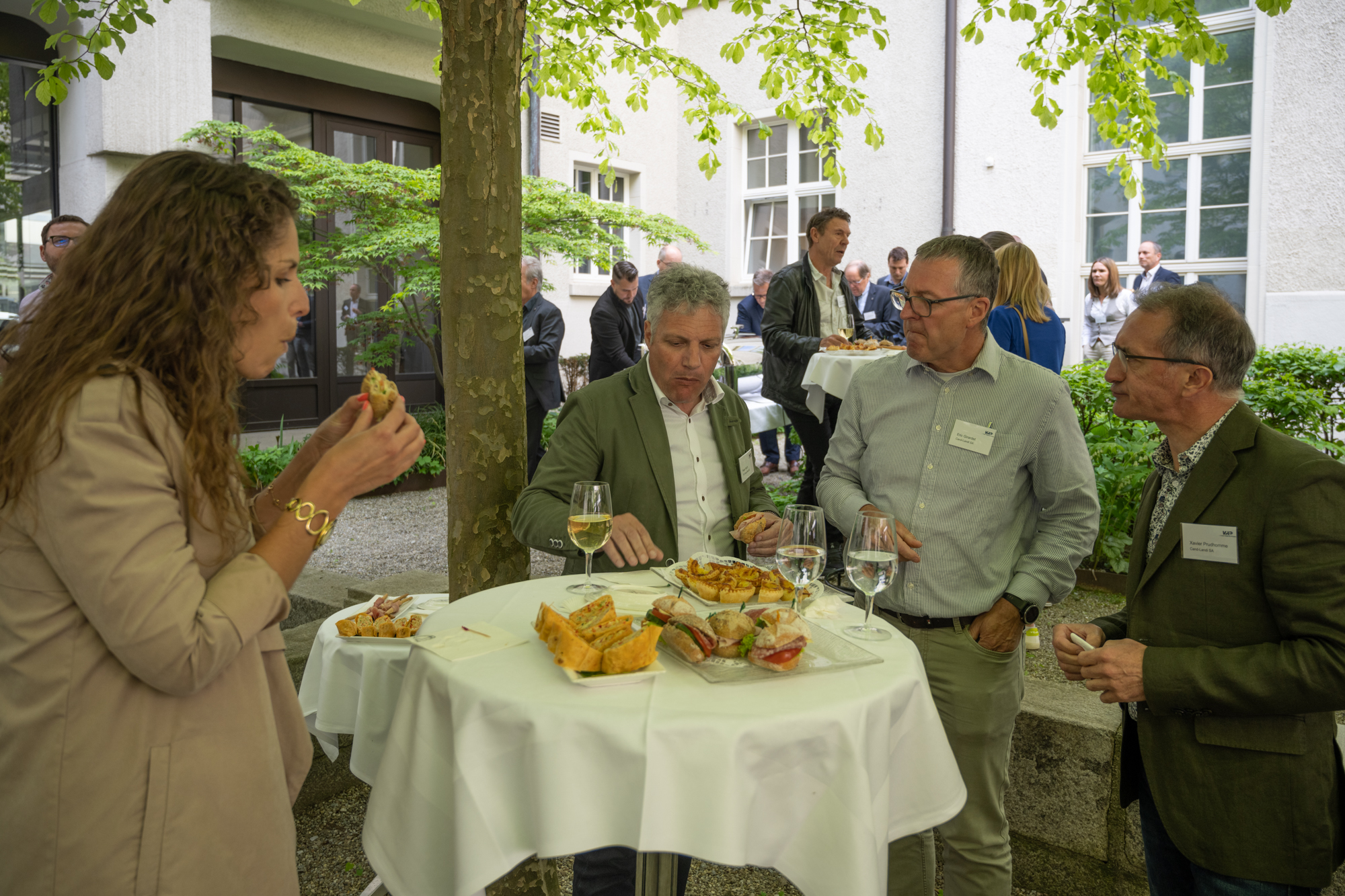


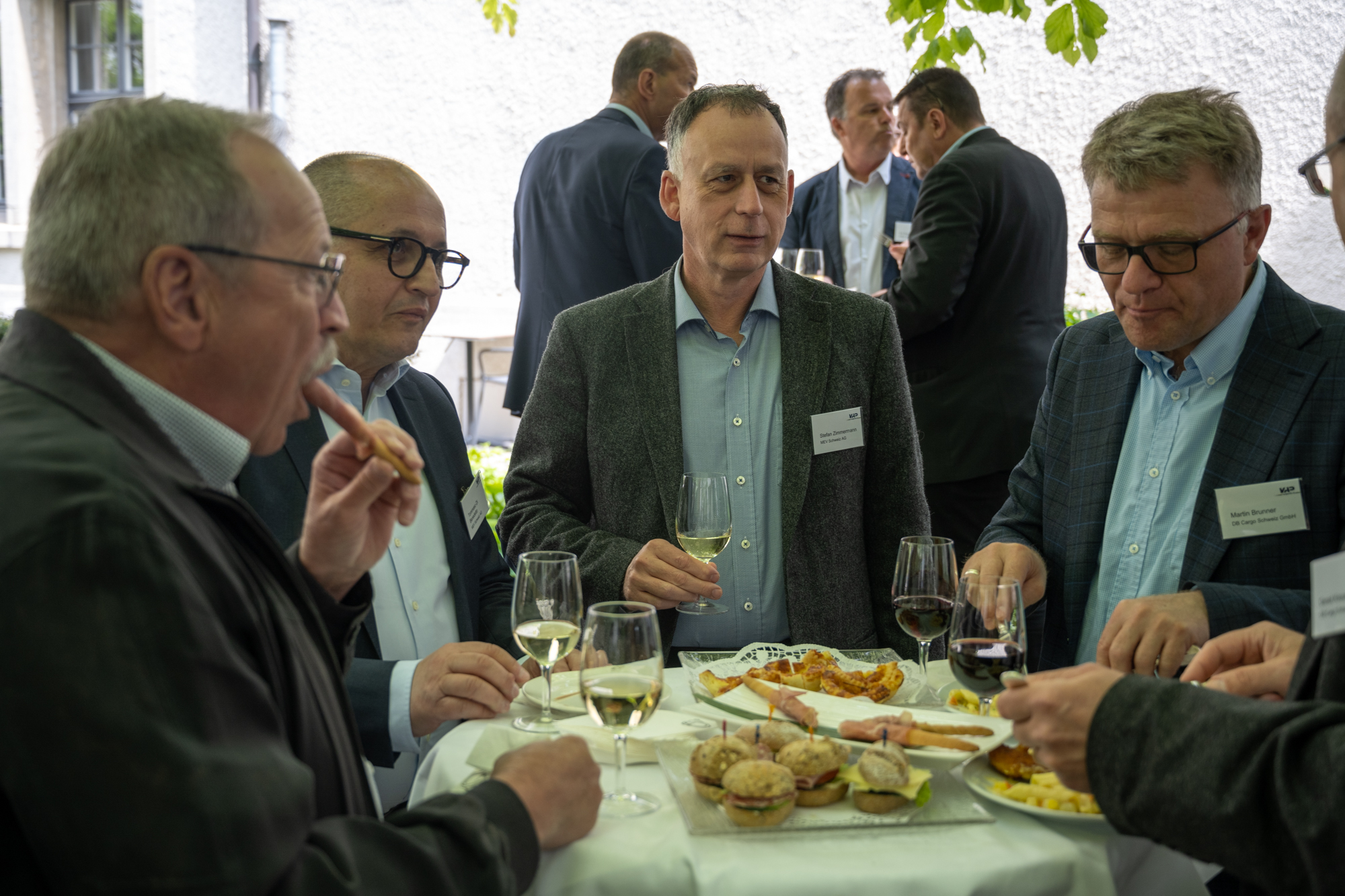
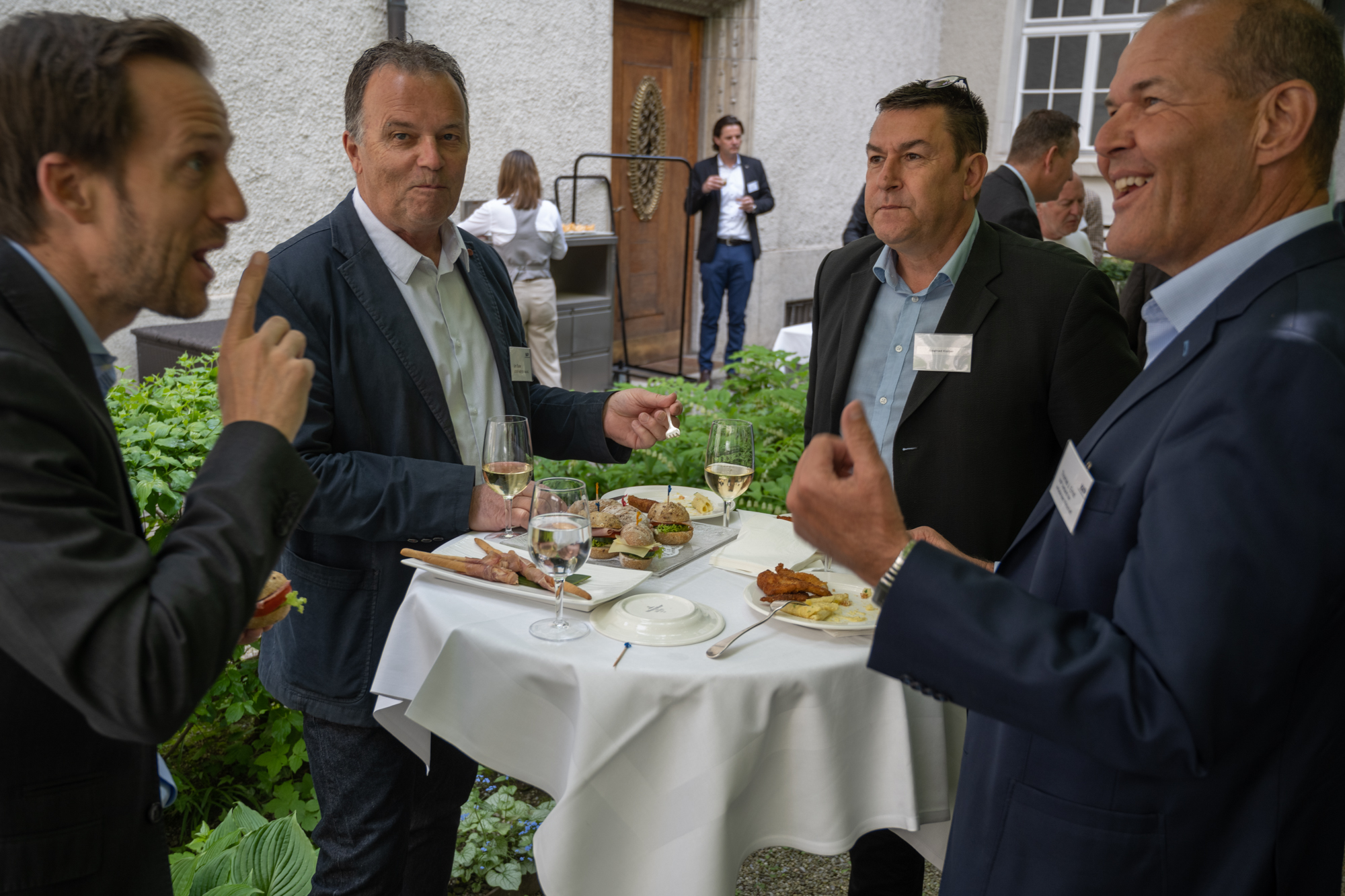

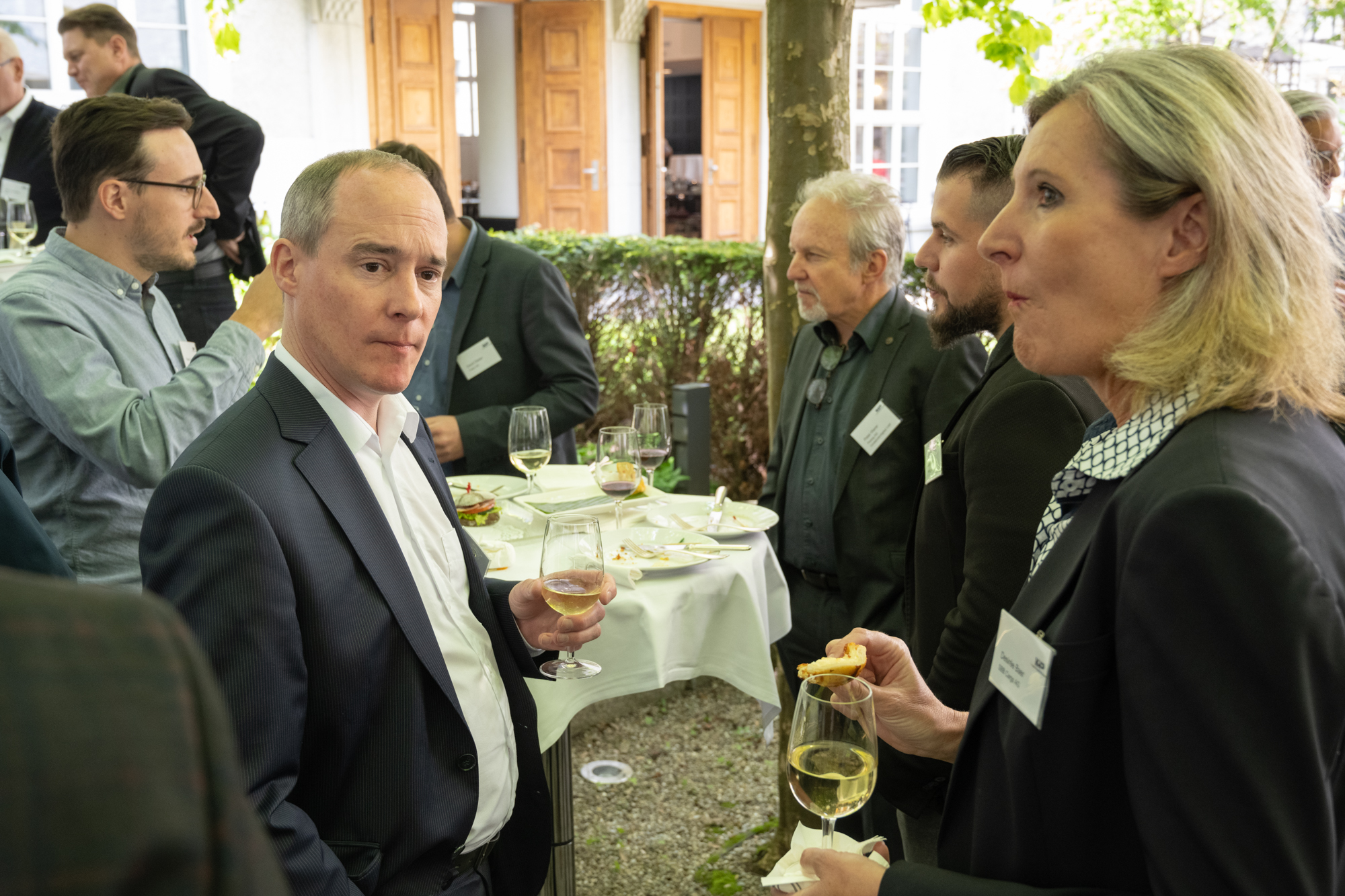

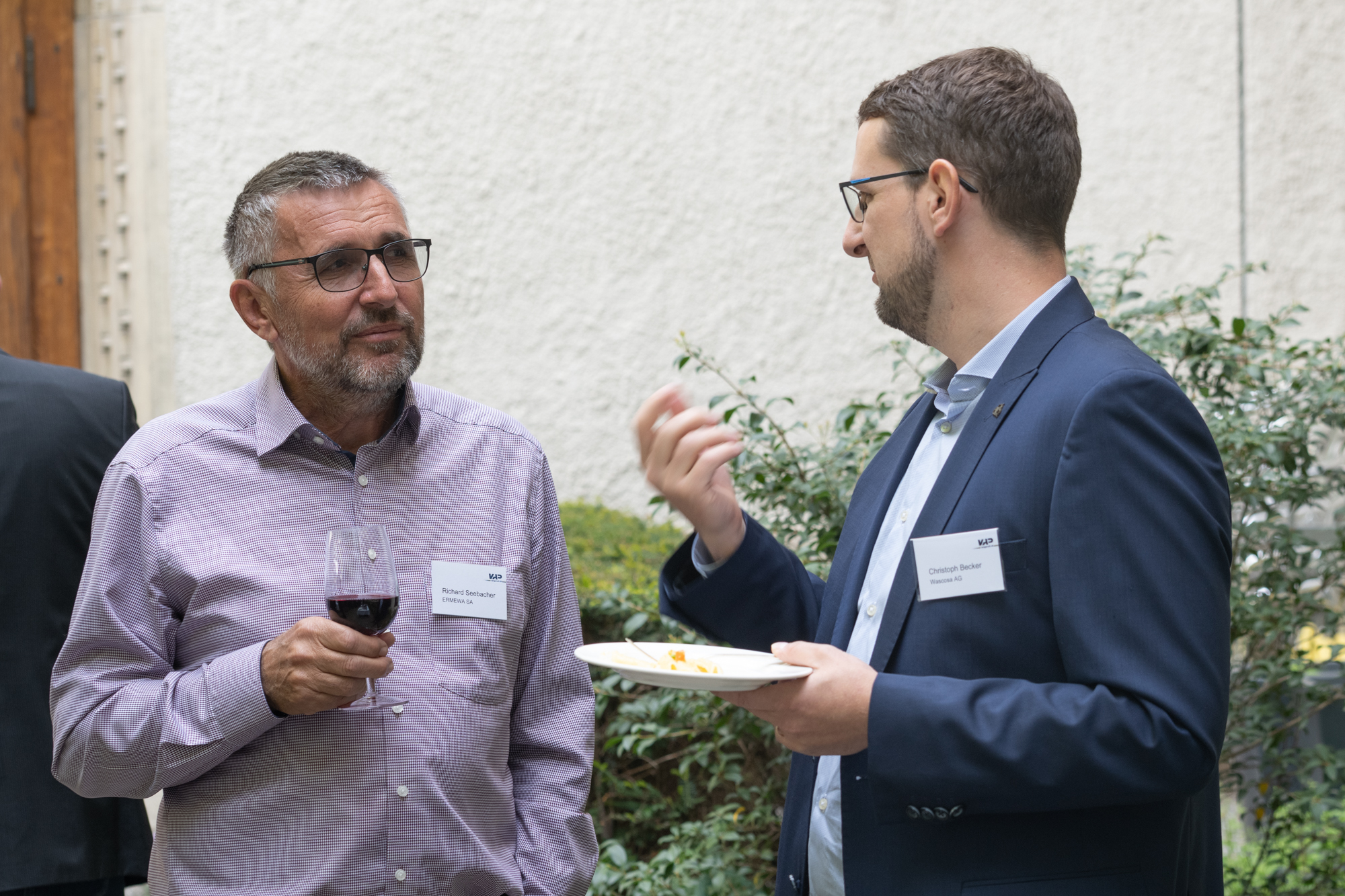
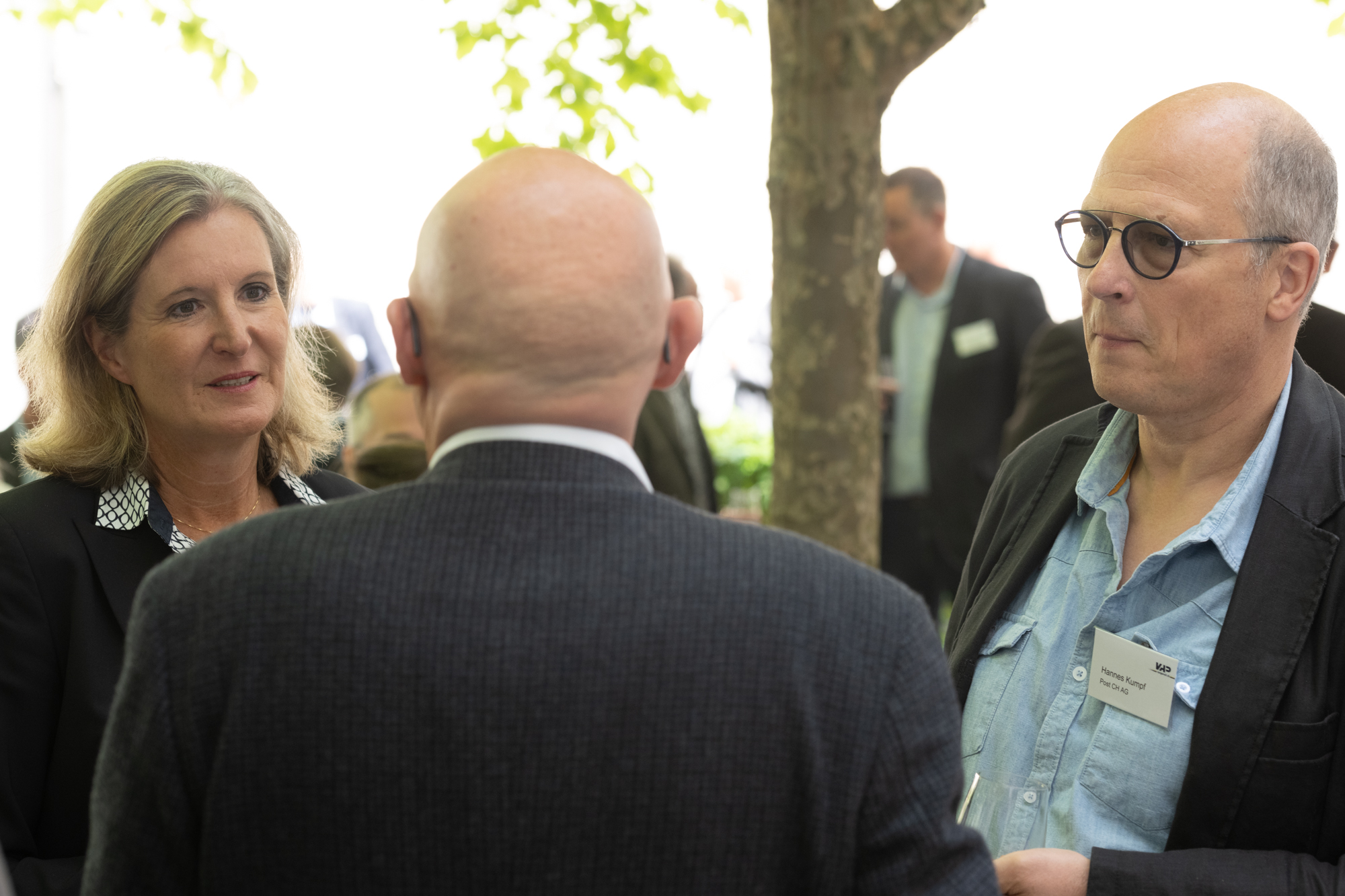

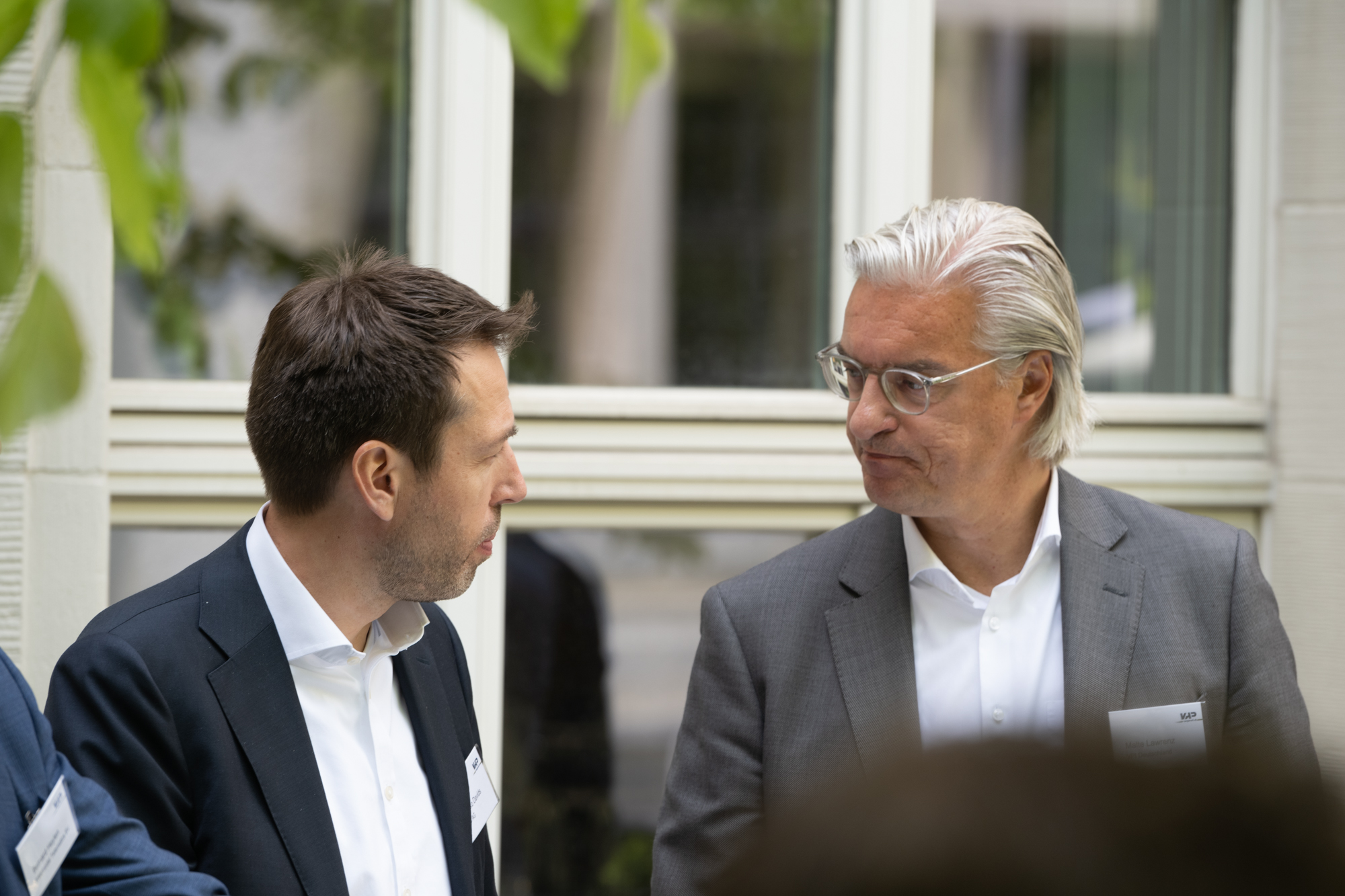





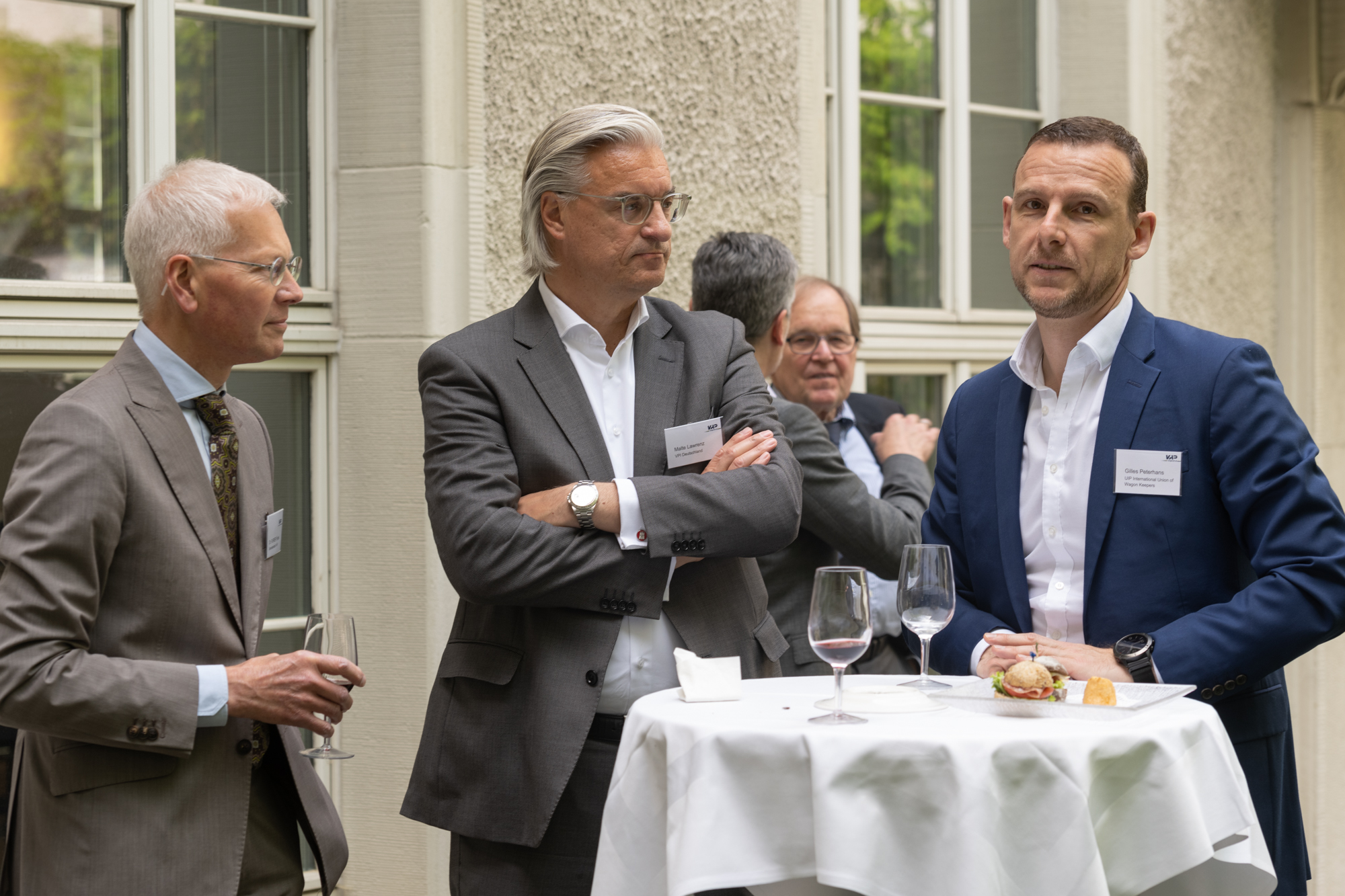

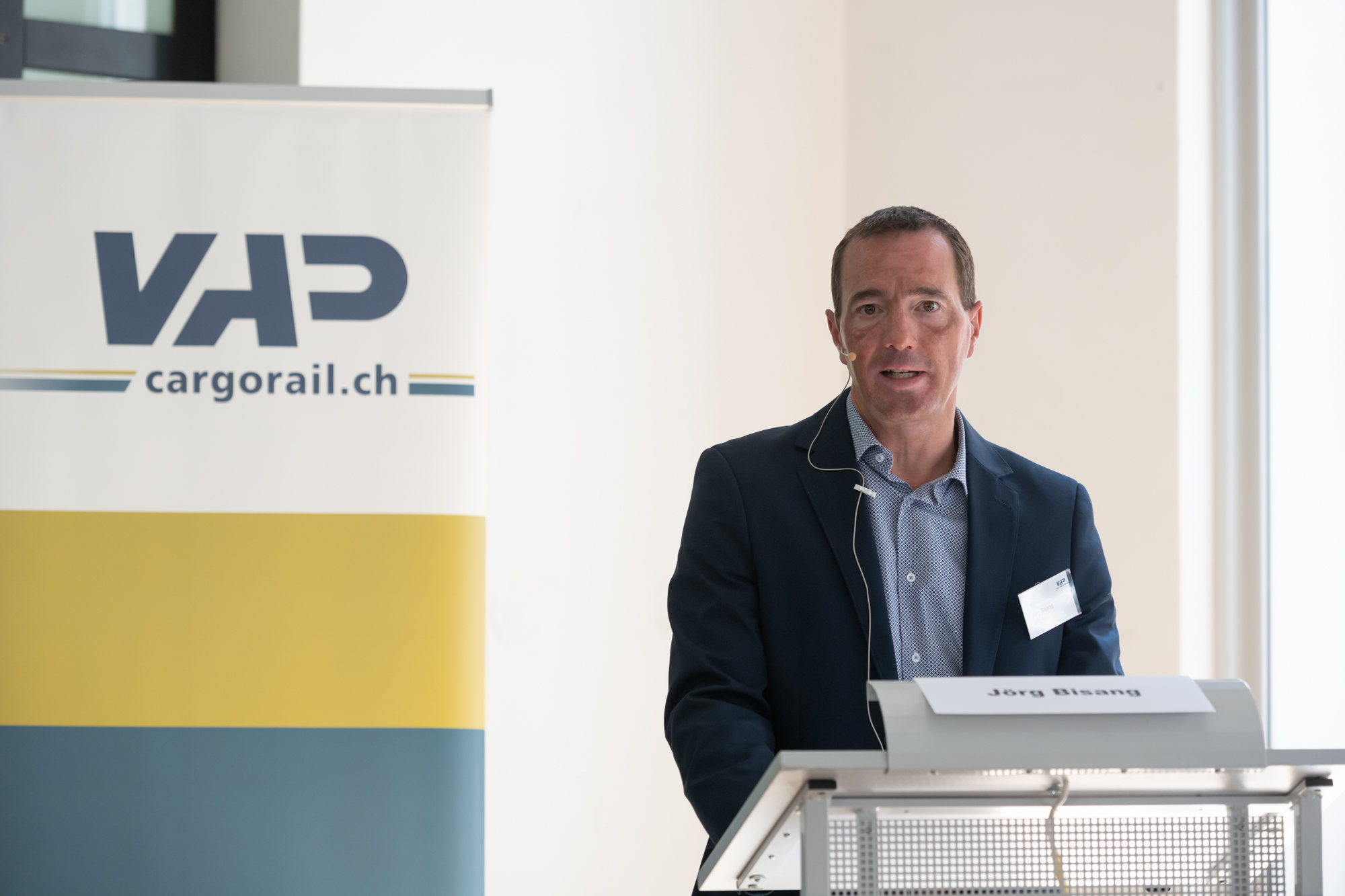
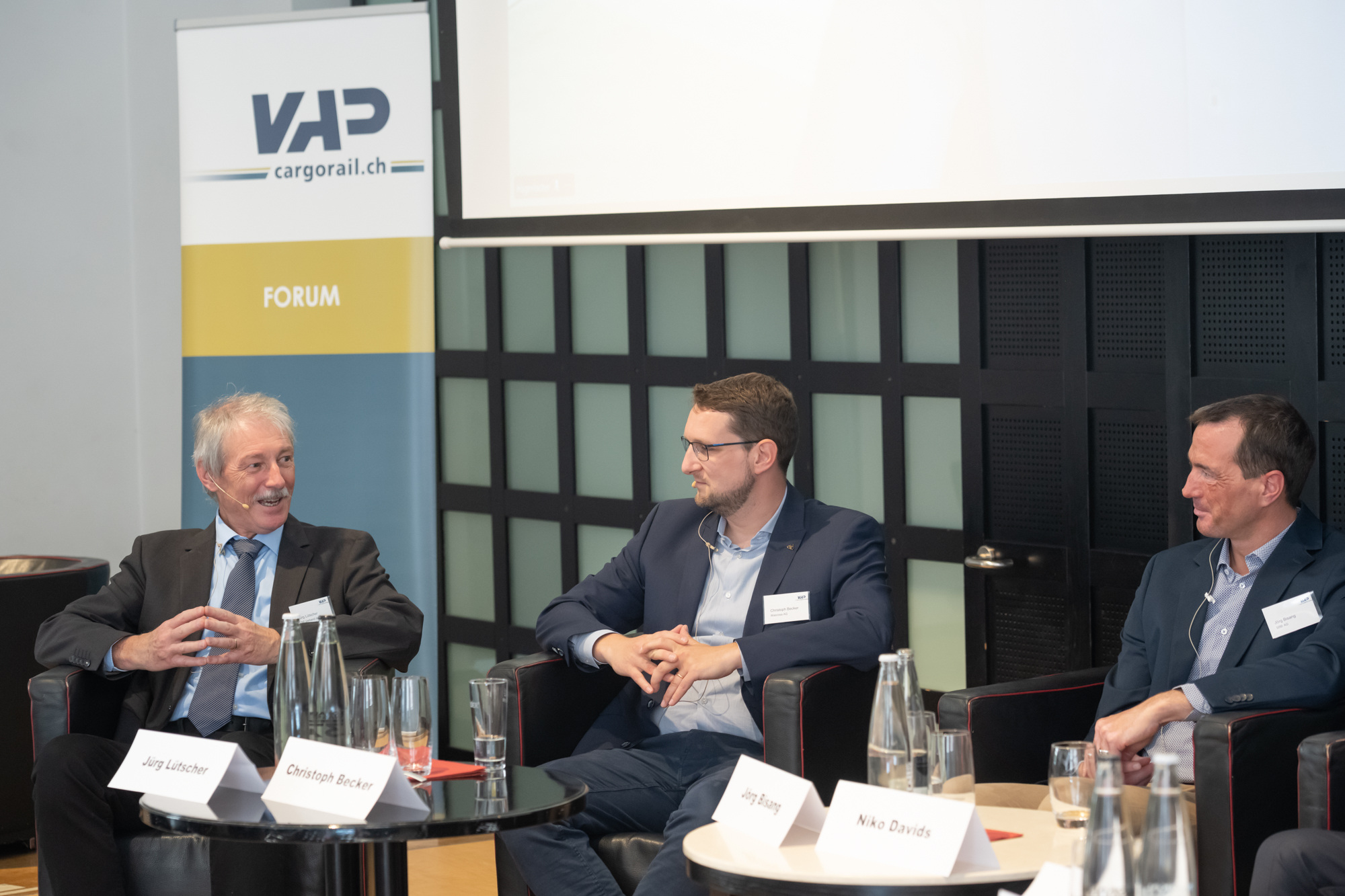
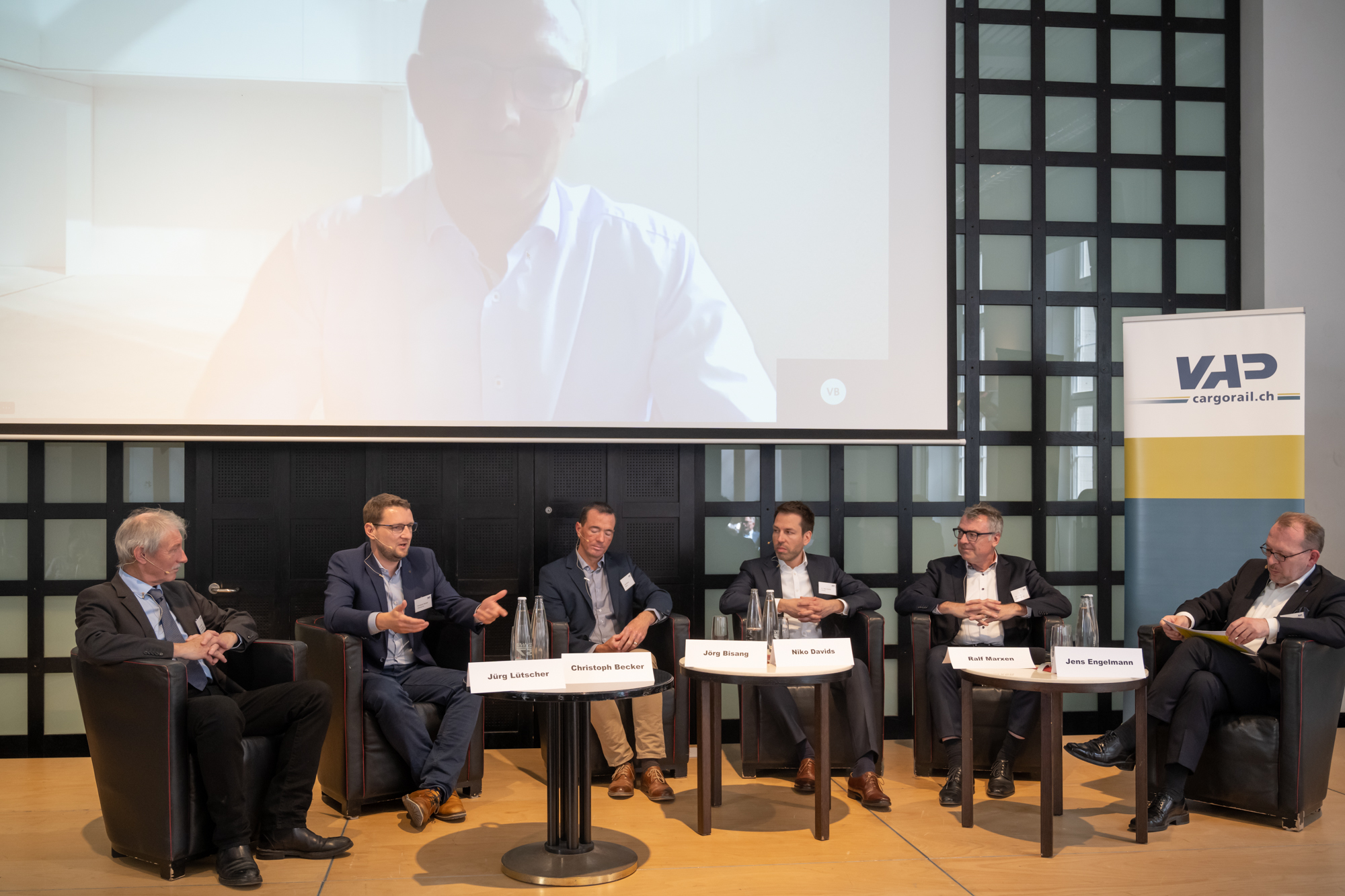
The course of the forum in detail
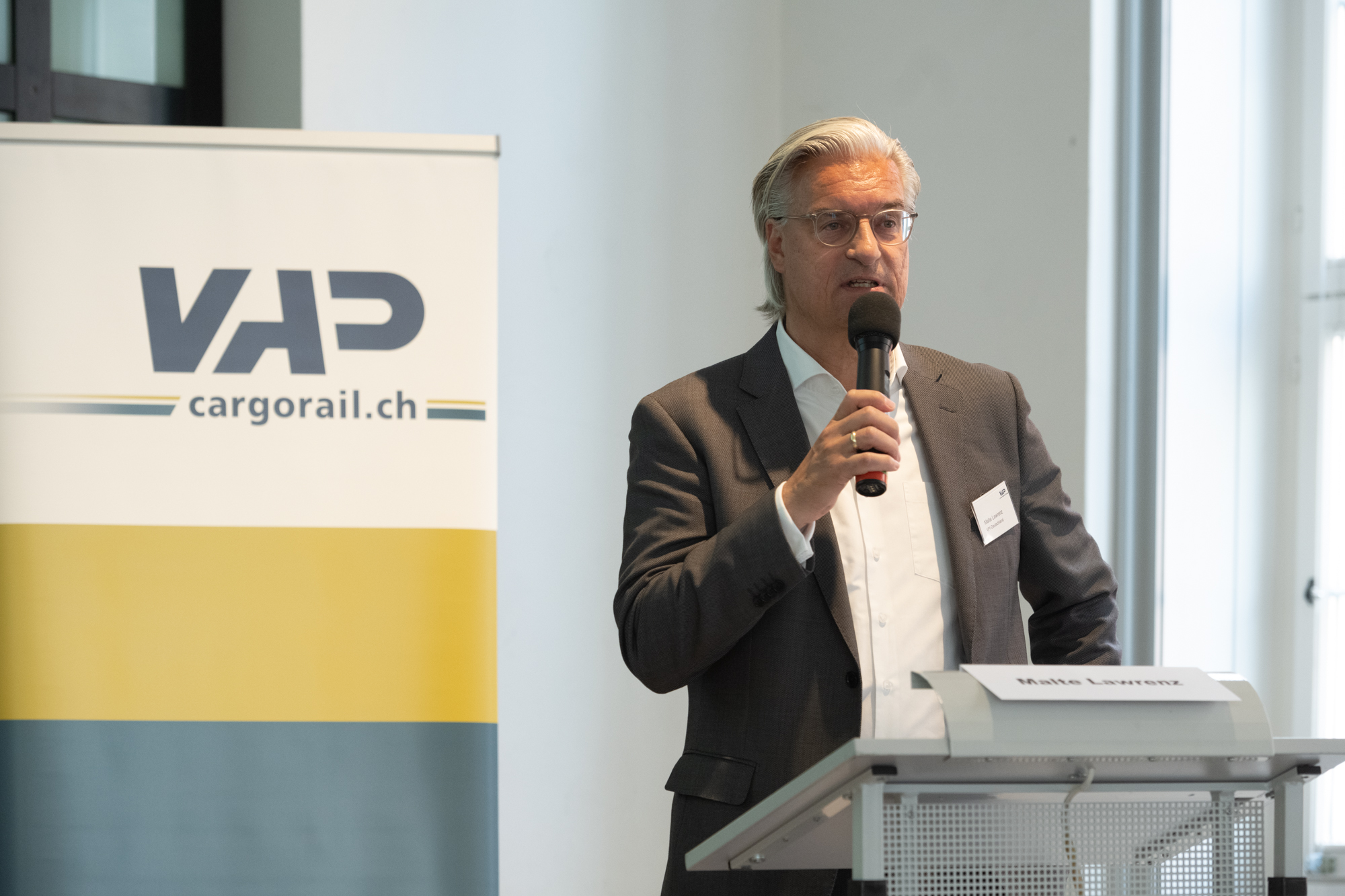
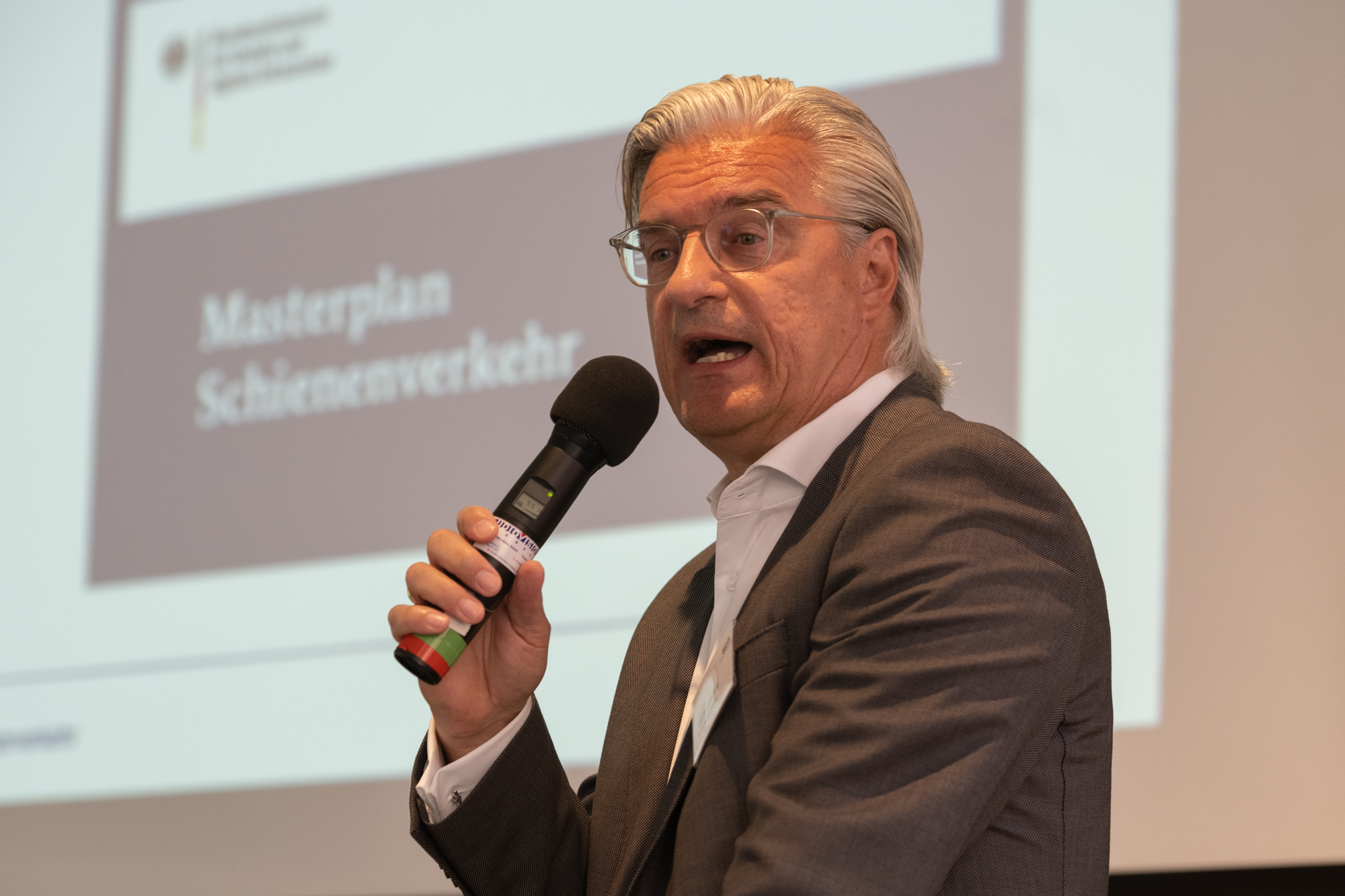
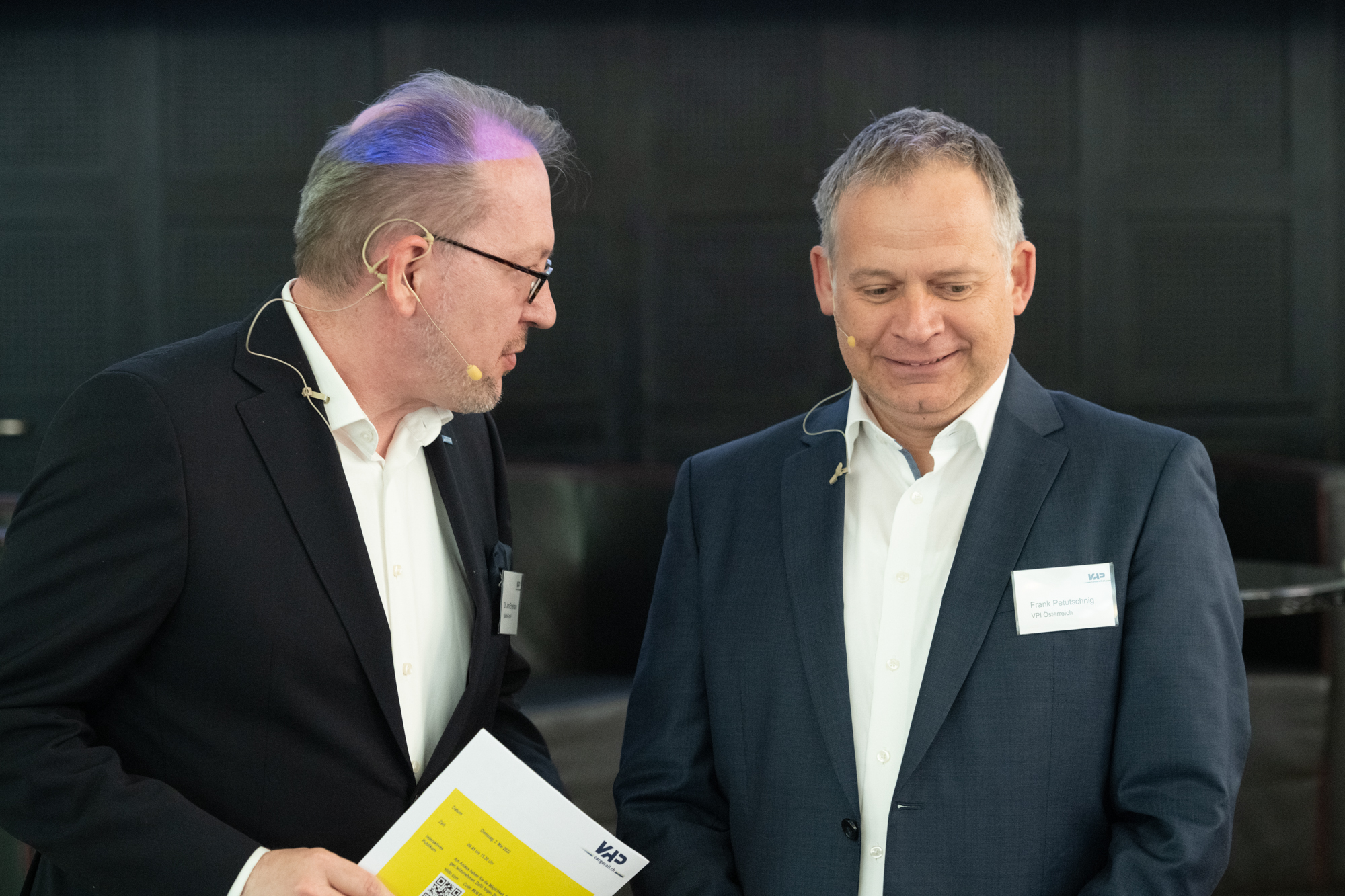
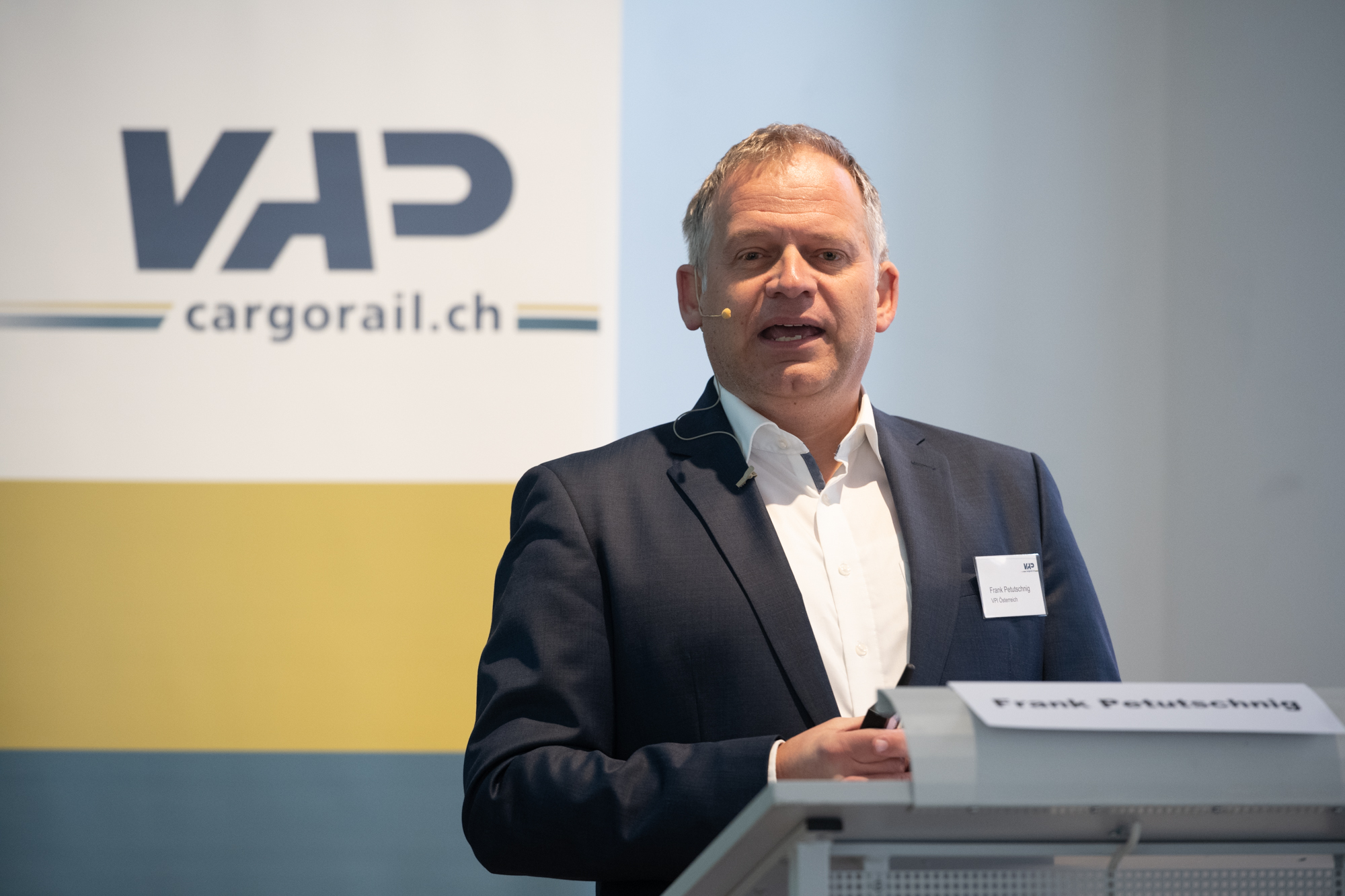
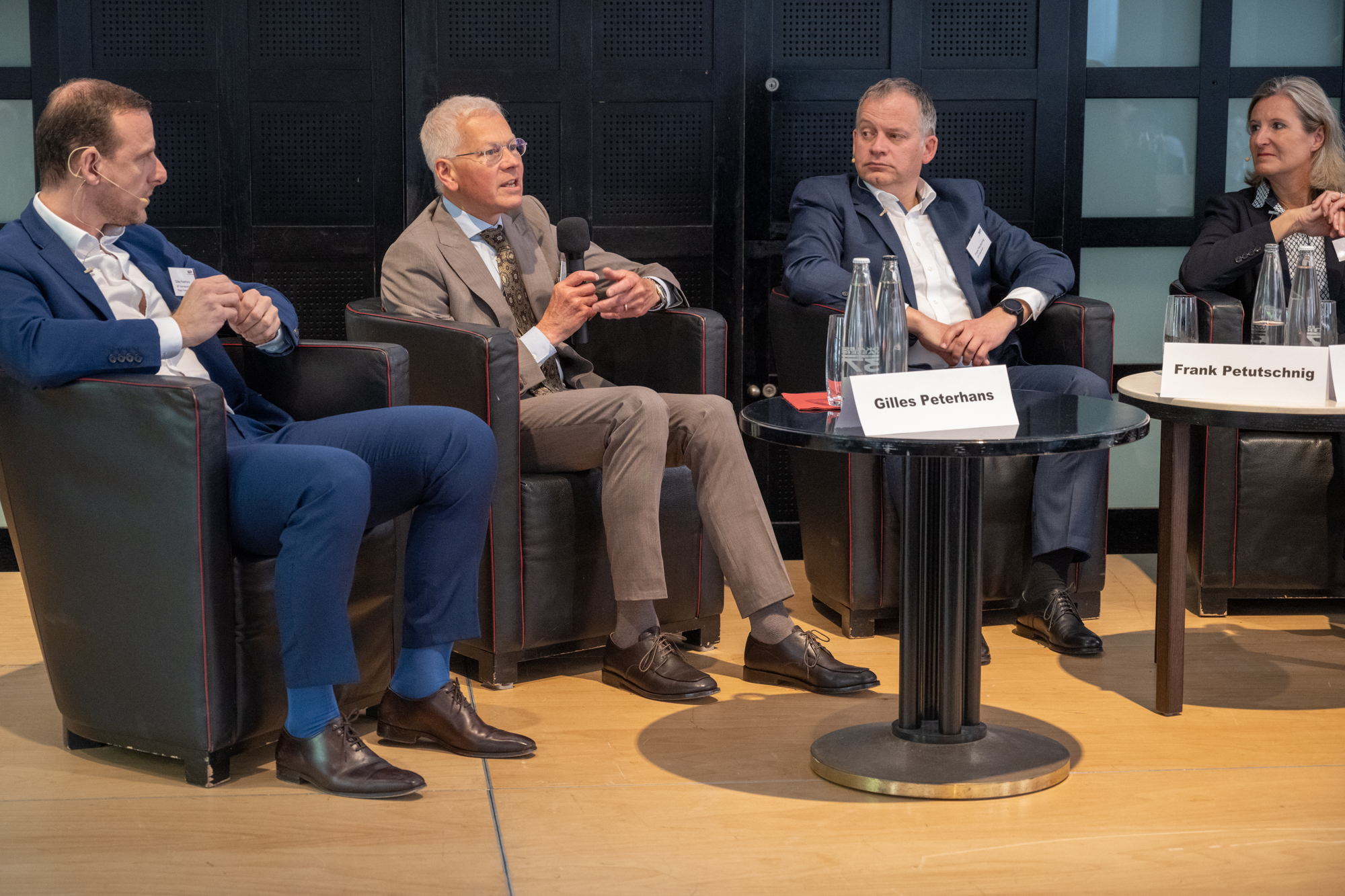
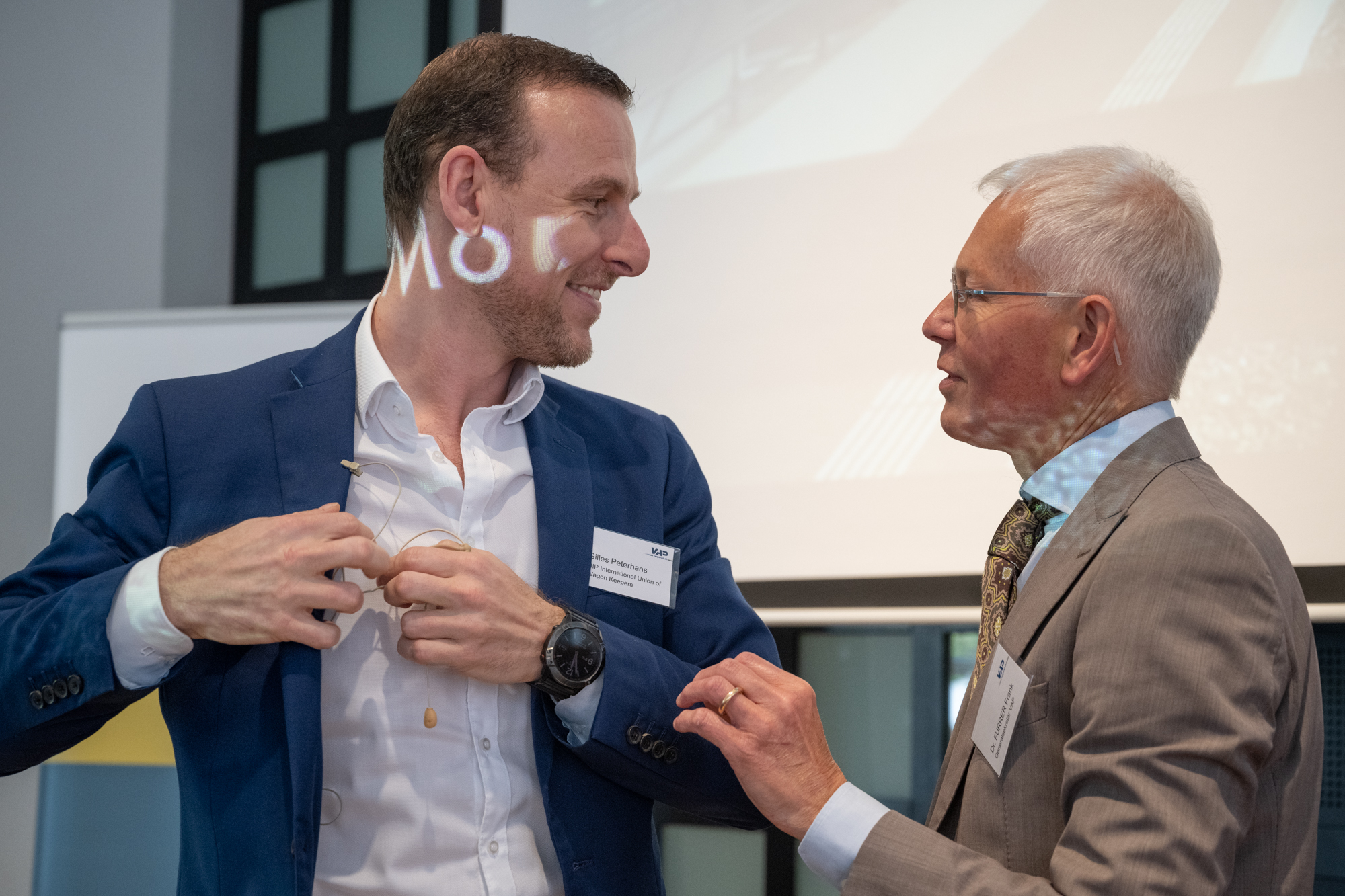
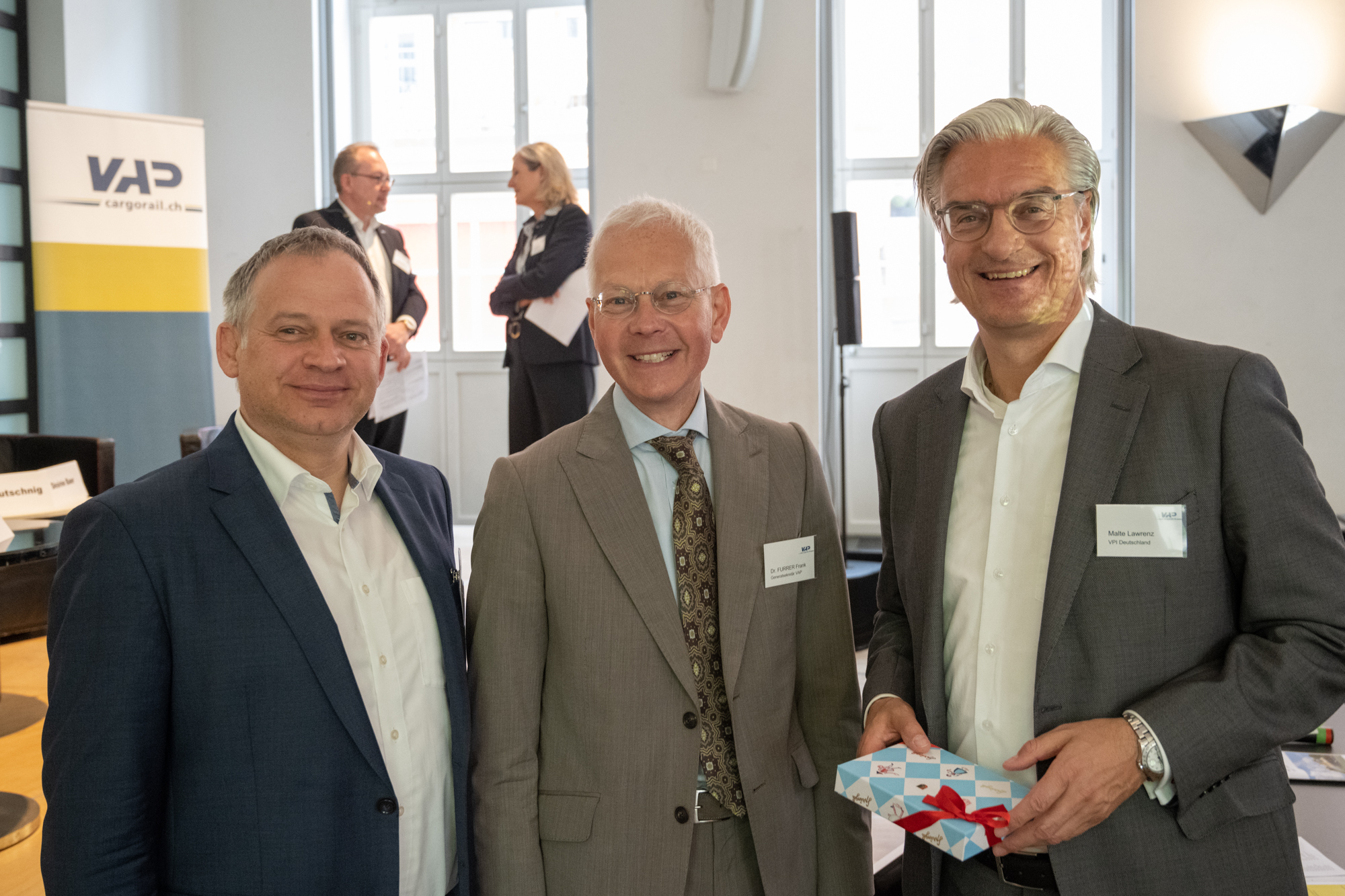
The morning revolved around the question «Transport policy in the green rush?». Gilles Peterhans, Secretary General of UIP explained the transport policy issues at European level. Malte Lawrenz, Chairman of VPI Germany, showed the transport policy framework for Germany, how priority should be given to rail and what funding is needed to be able to implement the master plan for rail freight transport. Frank Petutschnig, Secretary General VPI Austria, presented the situation in Austria on the same topic, where the focus is on the overall view of freight transport, namely the most efficient choice of transport mode in terms of energy demand per tonne. Désirée Baer, CEO of SBB Cargo, added to the situation of the transport policy framework in Switzerland with her presentation and introduced the Wagonload Transport Interest Group (IG WLV), the platform for cooperation between railways and shippers.
In the subsequent panel discussion it became clear that the course for the future of rail freight transport has been set for innovation and that the next step is to define how the investments will be financed. It became clear that the innovations affect all players and that a collaborative approach is therefore the right way forward. Cooperation and competition – or coopetition – are two other buzzwords that are not only desired by the rail actors, but also in the interaction between rail and road.
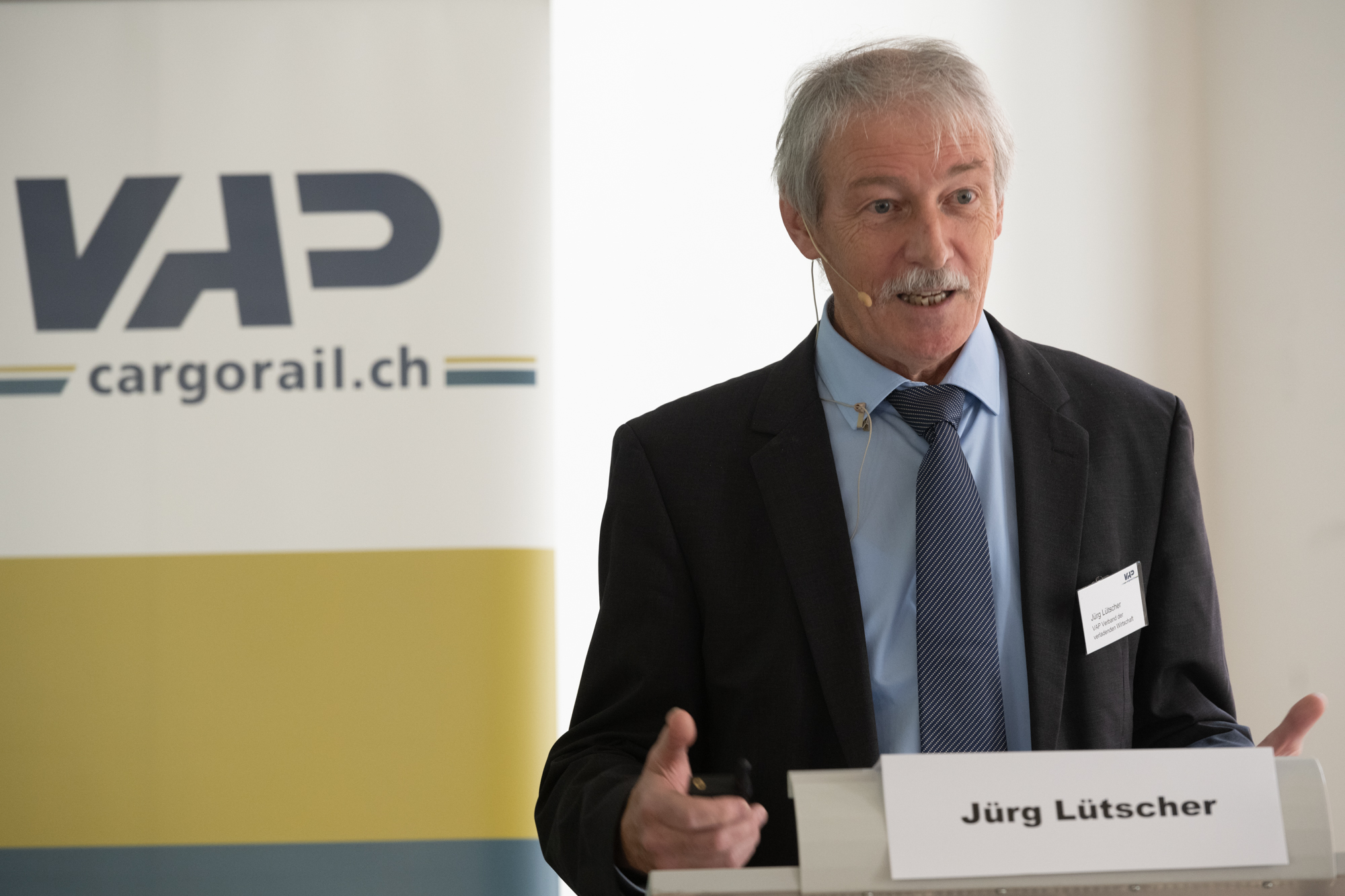
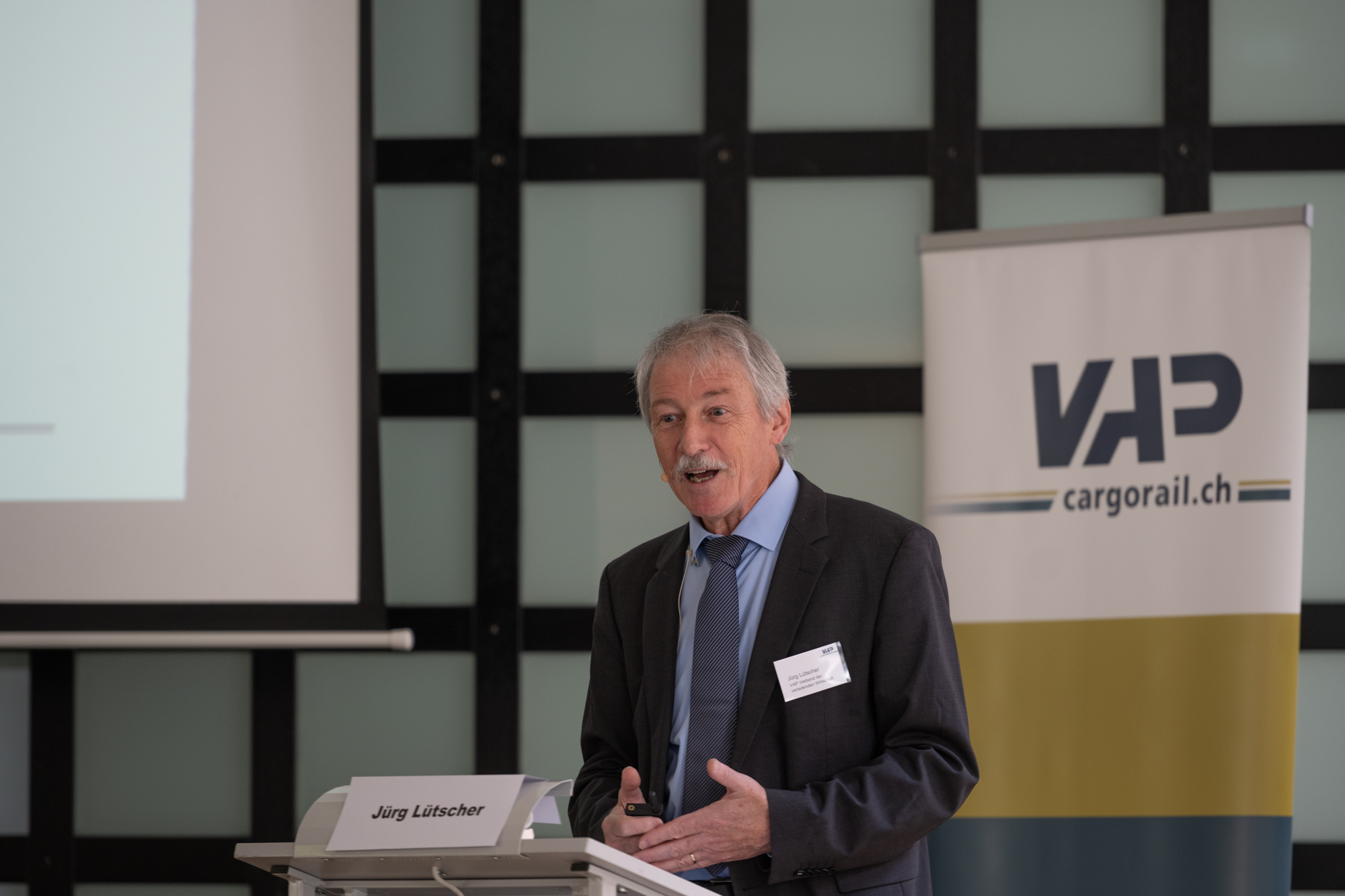
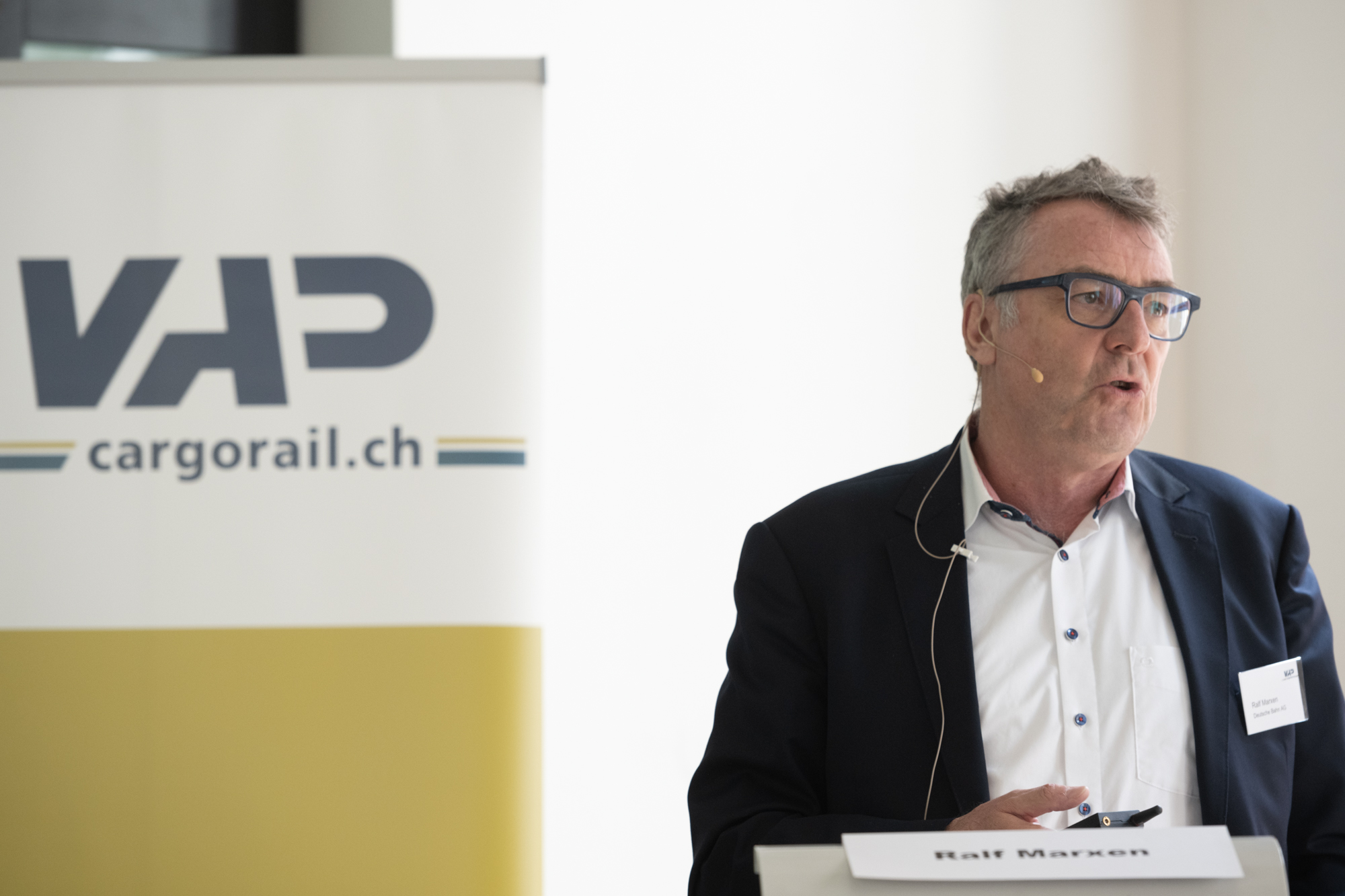
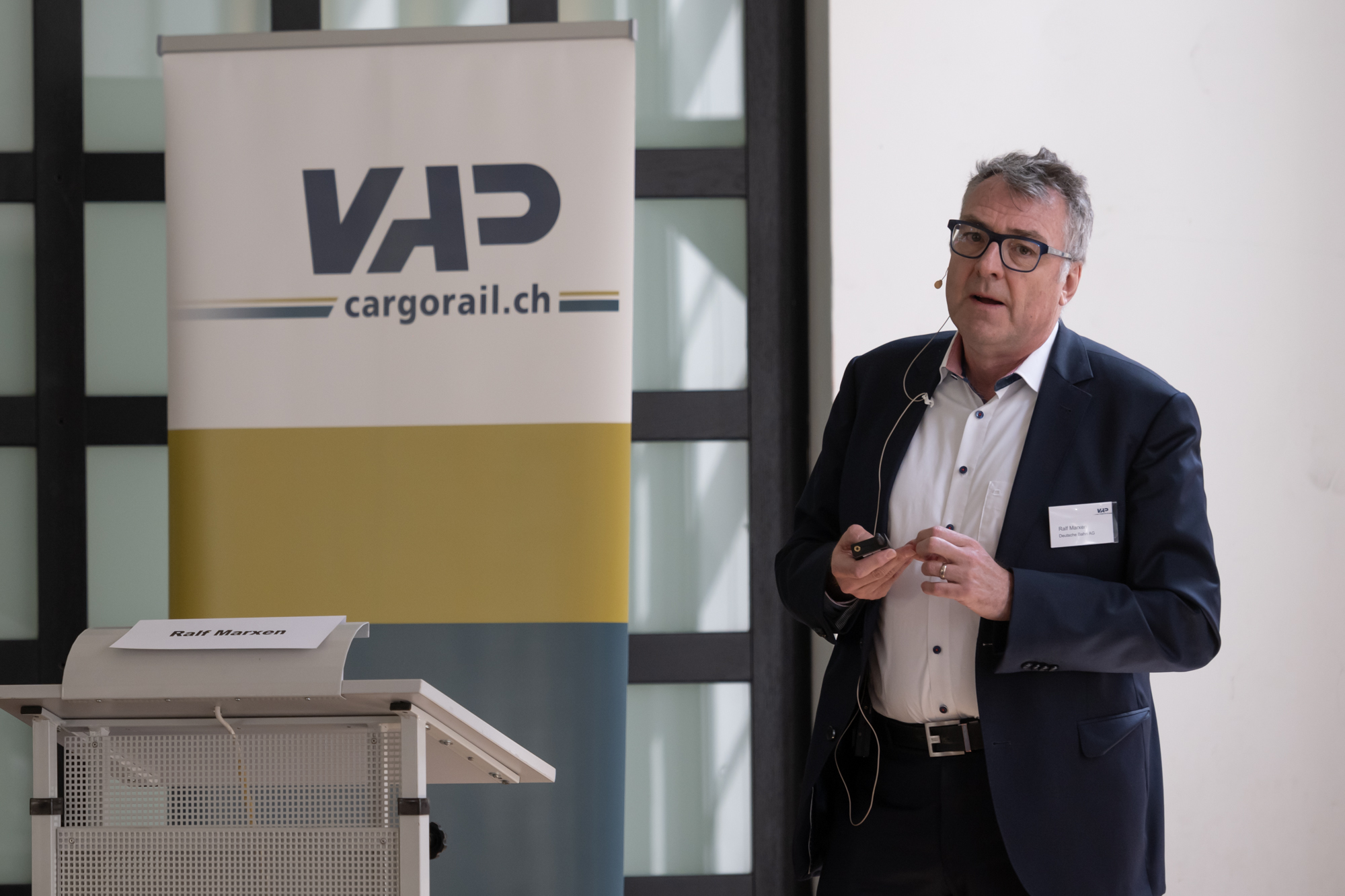
The afternoon was divided into the two exciting key topics «Innovations & possible implementation» and «Digitalisation with concrete measures». Jürg Lütscher, expert in innovation and regulation at the VAP, spoke about the automation of rail freight transport in Switzerland. He emphasised the importance of optimising processes and interfaces in the course of innovation, the so-called interoperability. Ralf Marxen, Head of External Technical Affairs at Deutsche Bahn AG, spoke about the path to the intelligent goods train: «From Shift2Rail to Europe’s Rail». He pointed out important milestones for innovation, with the Digital Automatic Coupling (DAC) taking on the key function for digitalisation and enabling, for example, automated processes and monitoring, as well as precise customer communication, thus raising the service level of the transport of goods by rail many times over. Stefan Hagenlocher, Managing Director of HWH and TIS Project Manager, who was connected live via video channel, showed what the Technical Innovation Circle for Rail Freight Transport (TIS) requires for digital and competitive rail freight transport. He clearly communicated that there will be no complete automation of rail freight transport without DAC and that standardisation of the technical aspects and a coordinated migration strategy are essential.
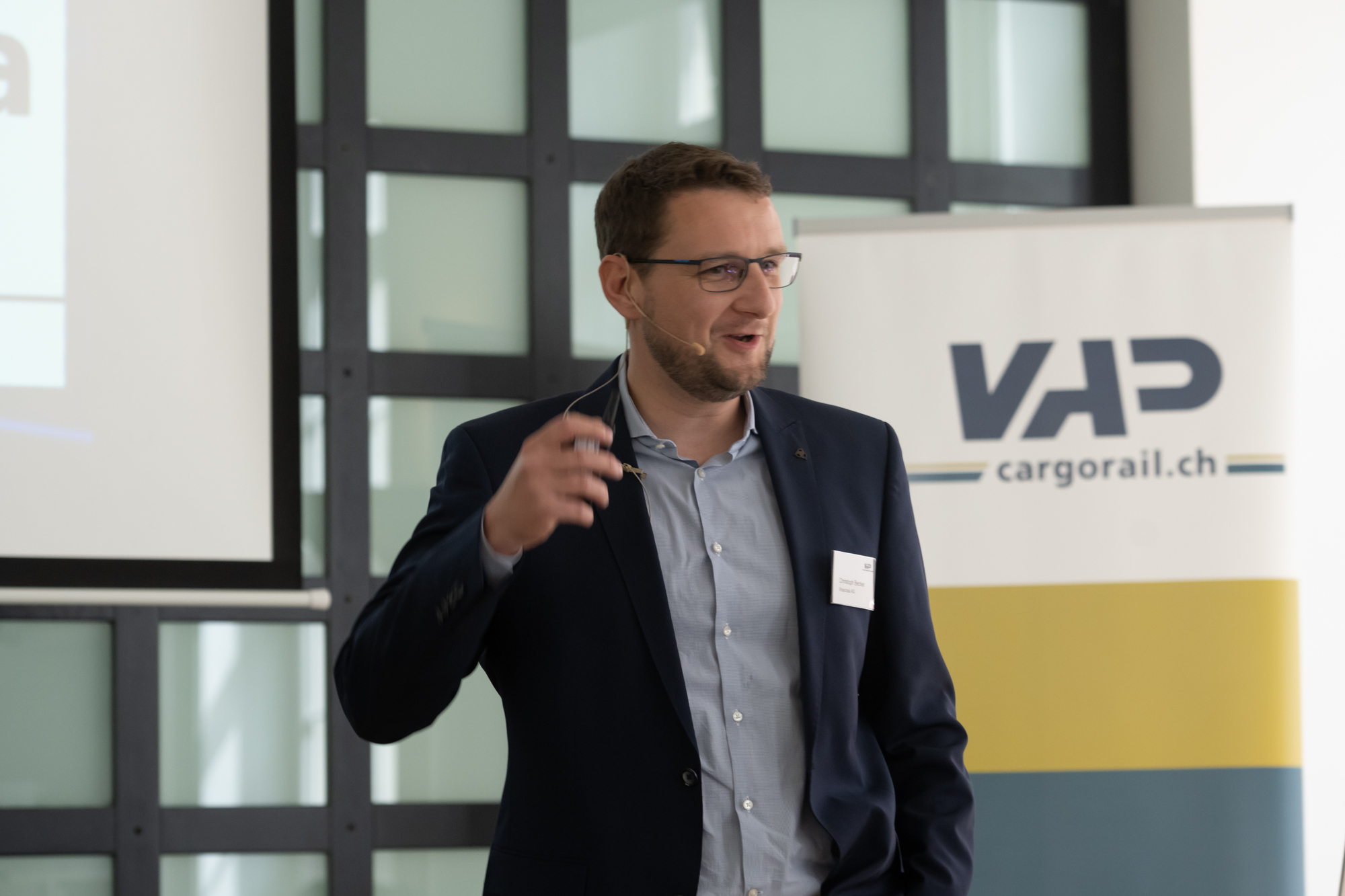
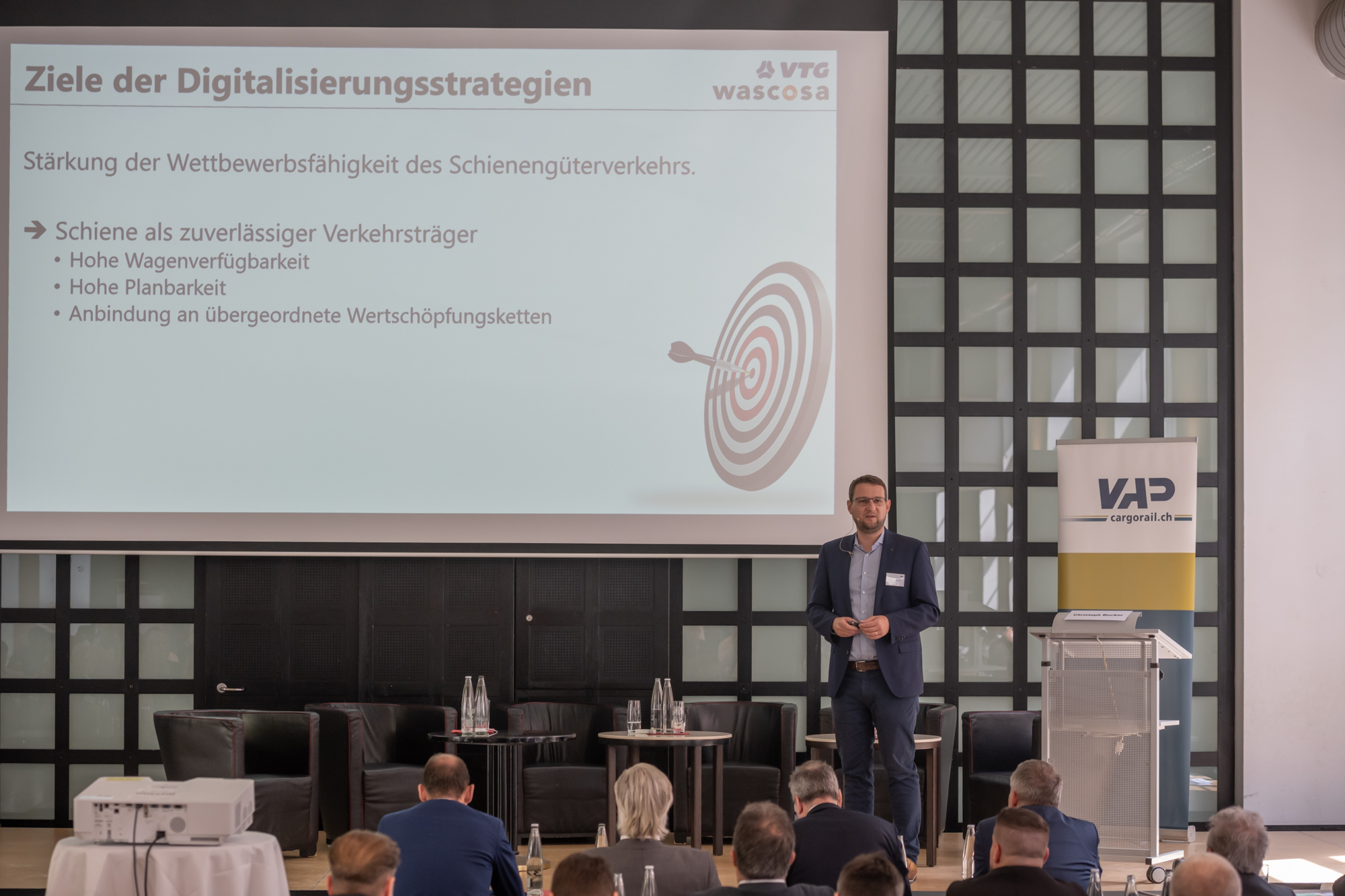
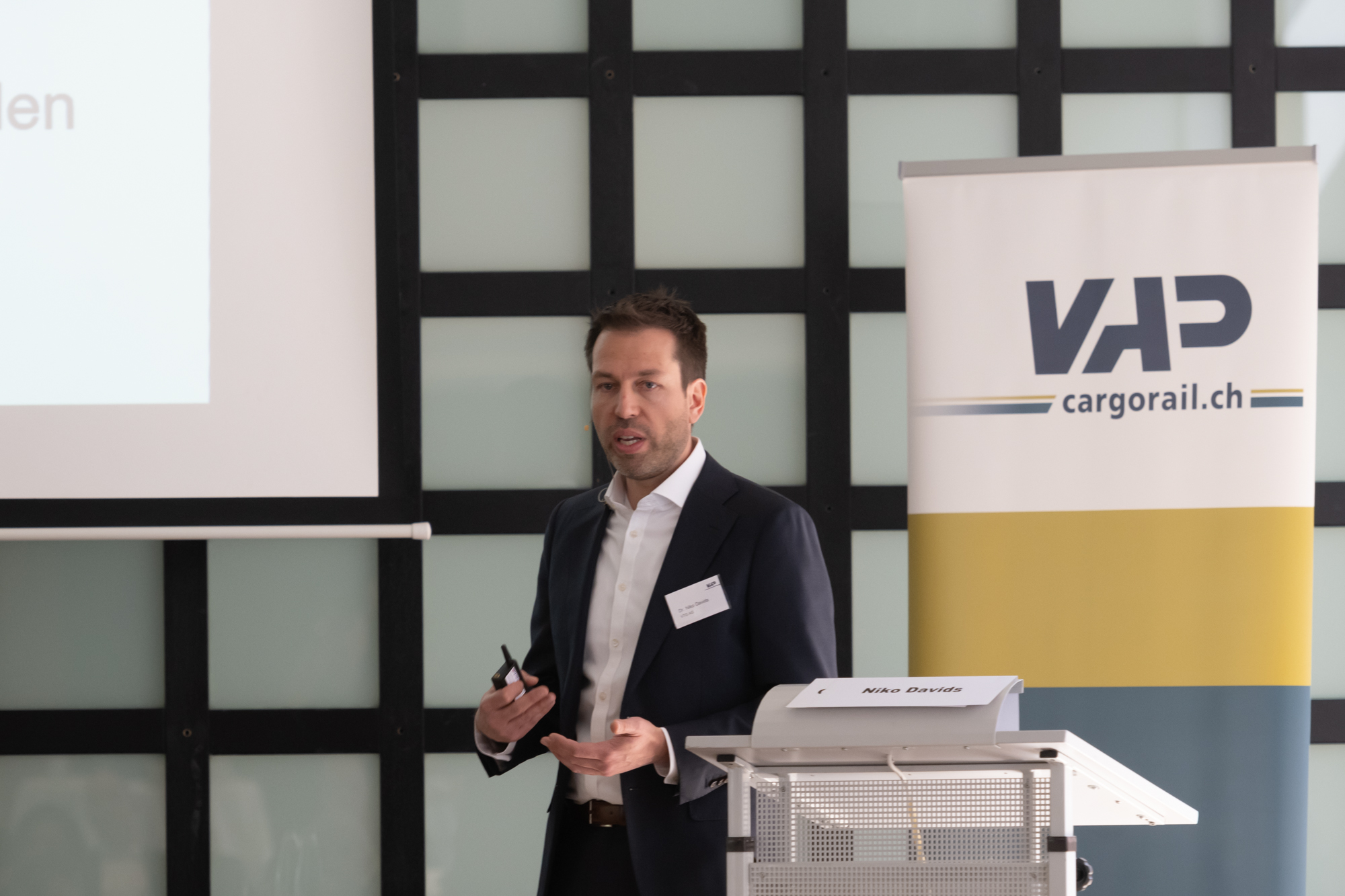
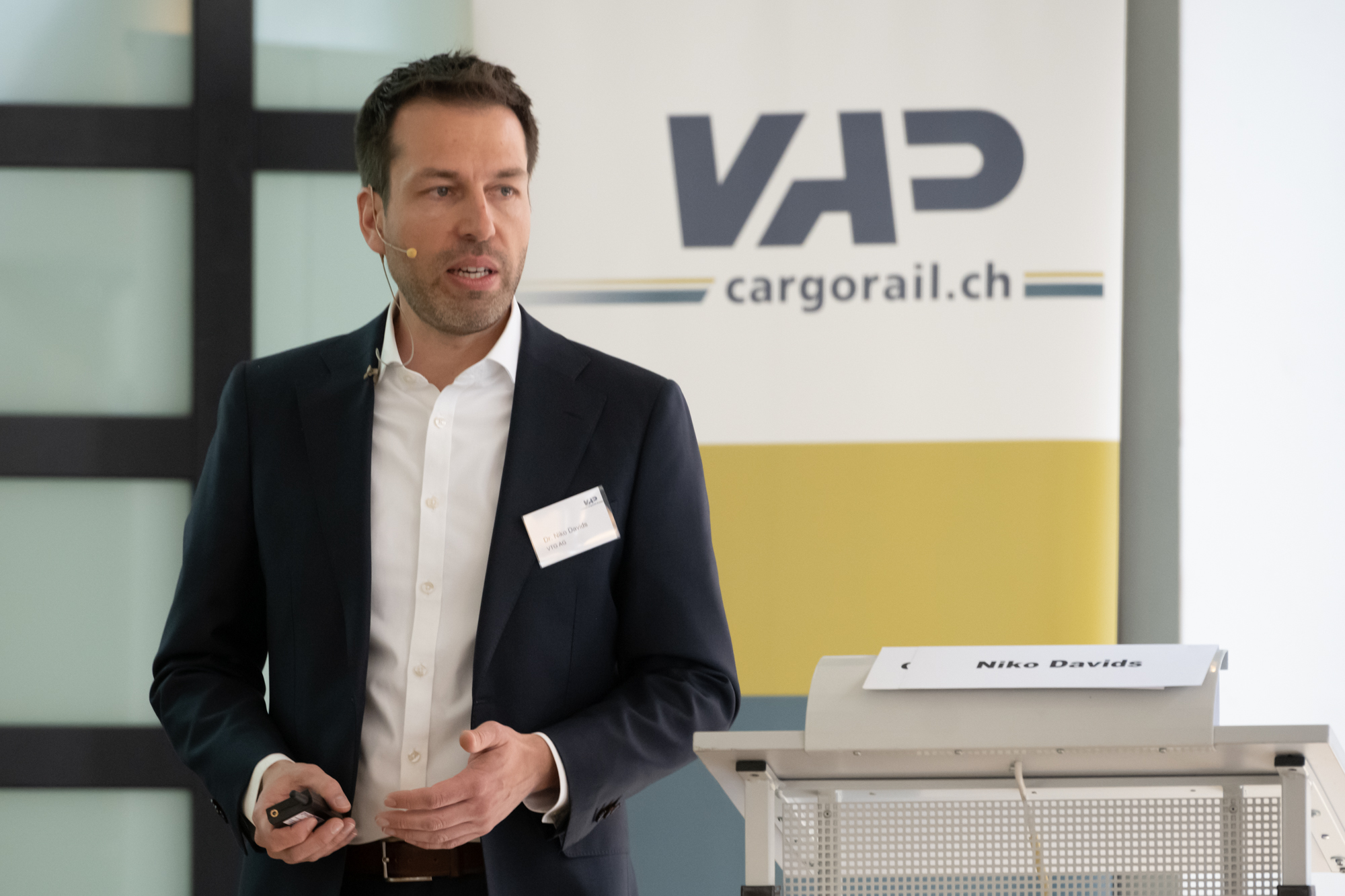
The two wagon hire companies Niko Davids, Chief Digital Officer, VTG AG, and Christoph Becker, Head of ECM II and Safety Management at Wascosa AG, demonstrated their digitalisation strategies to strengthen the competitiveness of rail freight transport. Their message too – especially as the two competitors were already sending out a signal with their joint appearance: «Collaboration and coopetition: digitalisation is not a project for one individual! Only through active and open cooperation will there be a benefit for the sector!»
Jörg Bisang, Head of Product Management ZKE, impressed with the possibilities that digitalisation of technical vehicle control with «Wayside Intelligence» already brings today, and called on RUs and wagon keepers to make use of these possibilities.
In the concluding panel discussion it then also became clear that everyone wants to focus together on the migration of the DAC, in the sense of interoperable innovation. This cooperation concerns the entire railway system, which is why it is important to work together on this not as competitors, but as an innovation team that exchanges ideas about their goals. Quick and courageous decisions can enable efficient implementation.
We look back on a successful Freight Transport Forum, where everyone enjoyed finally being able to meet and exchange ideas in the «real world» again.
4th EU railway package: Rail free for innovation
Barrier-free across borders
With the technical pillar of the 4th railway package, the European Union (EU) is striving for rapid and sustainable harmonisation in international standard-gauge traffic so that cross-border rail traffic can run without obstacles. The member states are to consistently apply the interoperability standards and adapt the corresponding approval procedures. The basis for this standardisation is the Directive on the interoperability of the rail system in the European Union and the Technical Specifications for Interoperability (TSI) for the subsystems (infrastructure, energy, control-command and signalling, operations and traffic management, maintenance and telematics applications). Switzerland is adopting the elements of the technical pillar of the 4th railway package in partial steps.
What has happened so far
For many years, the authorisation procedures were the responsibility of the national authorities. In 2015, the Directorate-General for Mobility and Transport (MOVE) of the EU Commission came to the conclusion that the thrust of the harmonisation measures already implemented was correct, but that the implementation of the uniform regulations in the member states was only progressing at different speeds and that the national authorisation procedures still differed greatly from authority to authority despite common rules. As a result, the EU adopted the 4th EU Railway Package. Since 16 June 2019, the EU Railway Agency (ERA) has been responsible for issuing uniform safety certificates and approvals for rolling stock for cross-border traffic. For this purpose, it operates the online vehicle approval portal “One Stop Shop”. It works closely with the national supervisory authorities in checking the approval dossiers. On 21.12.2021, the FOT announced that Switzerland’s cooperation with the European Agency, in connection with the technical pillar of the 4th railway package – 1st step – was extended by a further year until the end of 2022. To the media release.
Three core elements
With the technical pillar, the EU Commission wants to remedy the identified weaknesses and strengthen the market position of the railway sector in the highly competitive travel and transport business (cf. Figure 1). The 4th EU Railway Package contains three essential elements:
- The applicable regulations are to be systematically harmonised in all participating states. This is done through institutional entry-into-force procedures of the TSIs and their updates. This means that TSIs published by the EU Commission are now directly valid in all states; there is no longer any need for national implementation processes.
- The ERA will now monitor the timely and complete removal of obsolete national regulations by the competent national supervisory authorities.
- The ERA now coordinates the licensing procedures and centrally issues uniform operating licences that are valid across all countries.
From summer 2019 to autumn 2020, all EU member states adapted their national regulations to the 4th railway package. Today, an application for authorisation can be made in ERA’s “One Stop Shop” and the corresponding dossier can be submitted. ERA examines the dossier with the involvement of the national supervisory authorities concerned and issues an operating licence that is directly valid in all the countries applied for.
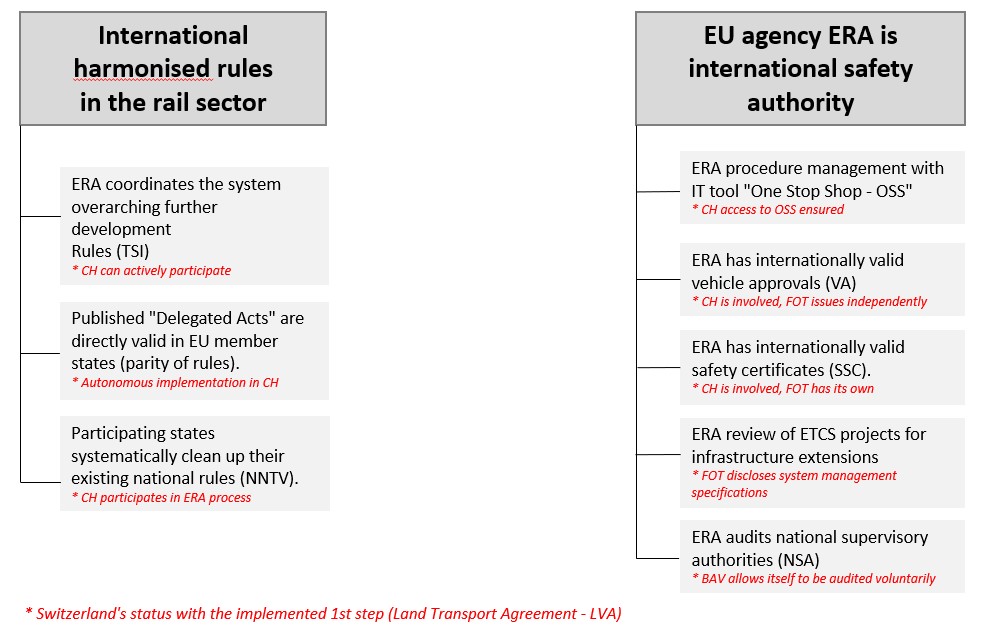
Figure 1: Elements of the technical pillar of the 4th EU railway package at a glance
Advantages outweigh disadvantages
The unification of standards and the centralisation of approval procedures bring significant advantages:
- Leaner and internationally uniform rules ensure more efficiency and clarity in the specification of subsystems and the provision of evidence for operating licences.
- The transparency of processing times and fees increases.
- An internationally valid ERA operating licence ensures faster and more predictable licensing procedures.
- There are no longer multiple procedures for multi-country approvals.
- For complex projects such as multi-system traction vehicles, the improvements are already clearly noticeable after a short introduction period.
There is still potential for optimisation in the approval procedures for standard freight wagons. This is because the scope of regulations here is enormous: numerous regulations are outdated and there are still many different additional national requirements.
Accelerated national streamlining
The streamlining of the still existing national regulations requires extensive adjustments in all Member States. It will soon lead to a significant reduction in the number of rules that need to be verified and in national differences. More uniform and up-to-date sovereign regulations in all European countries and a transnationally valid authorisation are a basic prerequisite for significantly strengthening European rail transport in the future and for establishing future-oriented innovations.
Switzerland follows suit
The Swiss standard gauge network is an integral part of the interoperable European railway system. We, too, are interested in obstacle-free rail transport across borders. For example, the Federal Office of Transport (FOT) has been striving for years within the framework of the overland transport agreement to ensure that the EU rules are appropriately implemented in Switzerland. In Switzerland, too, the TSIs now form the basis for the relevant railway subsystems in the standard gauge sector.
The central hub of EU-CH cooperation within the overland transport agreement is the joint committee. It meets every six months and its decisions are set out and published in the annexes to the Agreement on Land Transport.
In December 2019, Switzerland adopted a first part of the technical pillar of the 4th railway package. It includes the TSIs currently in force as well as access to the “One Stop Shop” of the ERA. The FOT already recognises the ERA examinations for the TSI proofs without any further examinations of its own. It only assesses compliance with the national regulations. This means that double checks are a thing of the past.
The EU recognises this first step of adoption only as a transitional solution and makes its continuation dependent on Switzerland’s progress in implementing the entire package. While the EU is satisfied with the progress of our adoption work, political tensions are increasingly jeopardising its continuation.
However, the power of disposal remains with the FOT and the legal process under Swiss law continues to apply. For legal reasons, ERA cannot currently issue an operating licence for Swiss territory. Nevertheless, the international harmonisation of licensing procedures is already leading to a noticeable simplification for applicants and, in most cases, to an acceleration of the licensing procedures.
Revision of railway legislation
If Switzerland were to comprehensively adopt the technical pillar of the 4th EU railway package, the players in the Swiss railway industry could benefit further. To this end, the FOT has initiated a systematic revision of the Railway Act (EBG) as well as the relevant ordinances (in particular the Railway Ordinance EBV); the consultation was opened on 17 December. The revision package brings the following advantages: On the one hand, state-of-the-art regulations are the prerequisite for plannable approval procedures. On the other hand, the FOT will be able to update the technical and operational rules more efficiently and promptly in future thanks to leaner entry into force procedures at the level of the implementing provisions.
In principle, the internationally harmonised EU requirements should also apply in the Swiss standard gauge sector. Where necessary, these will be supplemented by national rules.
Adaptation process underway
The FOT is consistently continuing the process of dismantling previous national rules and thereby streamlining the sovereign regulations. In future, the uniform ERA operating licences will be sufficient for the Swiss standard gauge network without an additional FOT decree.
After the consultation, the FOT evaluates the feedback from the industry, completes the dispatch on the amendment of the EBG and submits it to the Federal Council for consideration in parliament. The revision of the EBG and the adaptation of the EBV will continue the harmonisation of the rules between the EU and Switzerland. In addition, the Land Transport Agreement is to be adapted. To this end, Switzerland and the EU must reach agreement at the political level.
Innovation boost needed
The technical pillar of the 4th EU railway package will enable future innovations in the railway sector – which the sector urgently needs in order to remain a competitive partner in the highly competitive transport sector. Under the leadership of the EU Commission, specification work was initiated in the areas of system (System Pillar) and innovation (Innovation Pillar). The European Freight Digital Automatic Coupler Delivery Program (EDDP) has the mandate to develop operational solutions for the innovation of freight transport.
The path taken is crucial for the future-oriented further development of the rail sector – in the EU as well as in Switzerland. Only in this way will Europe and Switzerland have a real chance of meeting the high political expectations with regard to the desired energy transition within a reasonable timeframe.
25 years of the «Contract of Lugano» – a look into the future
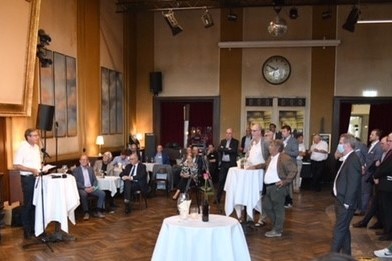
Exactly 25 years after the signing of the “Treaty of Lugano”, the German railway station in the Swiss border metropolis of Basel took stock. For the VAP, in addition to the expansion of the line on the right bank of the Rhine, that of the line on the left bank of the Rhine for freight traffic is also urgent. Automation, in particular through digital automatic coupling, must be implemented just as quickly. Finally, the VAP welcomes the proposed opening up of the EU Combined Transport Directive to multimodal transport with freight instead of container transhipment when changing modes of transport.
New agreement
Under the motto “Visiting Friends”, the contracting countries concluded a new agreement that complements the Treaty of Lugano and sets new priorities. It provides for the sustainable strengthening of rail freight transport, wants to optimise its intermodal competitiveness and intensify cooperation in innovation – especially the Digital Automatic Coupling (DAK) – as well as in the joint project Shift2Rail. After the speeches of the guests Winfried Hermann, Minister of Transport of Baden-Württemberg, and Adolf Ogi, former Federal Councillor of Switzerland, Josef Dittli, Member of the Council of States and President of the VAP Association of the Freight Industry, spoke about the core topics of this anniversary.
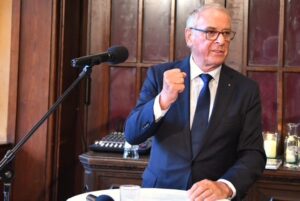
Adolf Ogi, former Federal Councillor of Switzerland
Securing the access route is necessary
Josef Dittli brought in the perspective of the VAP. On the Swiss side, the VAP contributes with various measures to the promotion of an efficient freight railway system. Dittli emphasised the necessity of extending the railway line to the left bank of the Rhine in France in order to secure the access routes. With the motion «State treaty for NEAT access route on the left bank of the Rhine», the NR Commission for Transport and Telecommunications had instructed the Federal Council in January 2020 to seek a state treaty with France and Belgium for an efficient alternative route on the left bank of the Rhine (flat railway) with the necessary infrastructure parameters for freight traffic. In addition, the expansion of the Rhine Valley railway in Germany should be pursued with vigour. With regard to the new agreement between Switzerland (DETEC) and the German Ministry of Transport, Josef Dittli noted that it was well-intentioned but more like a non-binding declaration of intent, and demanded: «The new agreement must not invalidate the Treaty of Lugano, but should complement it.» Josef Dittli welcomed the fact that France is now pushing ahead with plans to increase the clearance gauge in tunnels on the Réding-Saverne section of the Saarbrücken-Basel line via France, as announced by the French infrastructure operator SNCF Réseau.

Josef Dittli, Member of the Council of States and President of the VAP
The VAP promotes automation and digitalisation
The VAP also advocates a vote at European level on the issues of automation and digitalisation. With the motion «Using automation to transport goods by rail more efficiently», it has called for the necessary financial resources. And with the Wagonload Transport Interest Group (IG WLV), it is committed to the implementation of corresponding measures together with other players in the economy.
Multimodal transport points the way to the future
For the VAP, it is important to promote not only combined transport in the narrower sense, but also multimodal transport with transhipment of goods. The latter also combines different modes of transport and meets the requirements of the strongly growing general cargo business in particular. The VAP therefore welcomes the corresponding proposals of the EU Commission for the revision of the Combined Transport Directive. Such proposals can make a significant contribution to achieving the goals of the European Green Deal. In Switzerland, the volume of multimodal rail freight transport is five times higher than that of combined transport. It is no coincidence that the event was held in Basel; after all, the port of Basel is successfully on the move as a hub for loose goods for multimodal water/rail transport.
Progress for automation in rail freight transport
The Councils adopted the motion «Transporting more efficiently by rail through automation» by VAP President and Councillor of States Josef Dittli in the autumn or winter session 2020. The Europe-wide introduction of digital automatic coupling, automatic train preparation and other digital platforms is a main priority. By 2022, the member states want to agree on a pan-European implementation strategy.
Automation of the last mile
VAP President and Member of the Council of States Josef Dittli had submitted the motion 20.3221 «Transporting goods by rail more efficiently through automation» on 4 May 2025. It calls for a concept for the financing and coordinated implementation of technical innovations that in particular enable (partial) automation of the last mile in rail freight transport and simplify the management of the road/rail interface in multimodal logistics chains.
Based on Art. 10 of the Freight Transport Act (GüTG), the Confederation can promote investments in technical innovations. In order to ensure interoperability, the financing and coordination of a large-scale introduction of new technologies, coordinated with Europe, is indispensable, especially in system transport for the bundling of large quantities. However, this requires an industry-wide and internationally coordinated concept.
Digital Automatic Coupling (DAK)
At European level, a comparable initiative was taken with the «Digital Automatic Coupling Charter». On 29 June 2020, the final report for the creation of a concept for the migration of a digital automatic coupling system (DAK) for rail freight transport (SGV) was presented. The German Federal Ministry of Transport and Digital Infrastructure (BMVI) commissions and finances the creation of a concept for the migration of a DAK in rail freight transport.
The DAK in rail freight transport is seen as a central element to increase the competitiveness of rail freight transport compared to road freight transport. The biggest challenge in introducing a DAK is to develop and implement a migration strategy that is supported by all. The following key data were used for the study:
- Affected by the migration are: 432’000 to 485’000 existing freight wagons and 17’000 traction units
- Procurement costs of EUR 4’000 to 5’000 for a DAK
- Conversion costs of EUR 2,500 per freight wagon and EUR 5,300 per traction unit
- Procurement and installation of automation components per freight wagon: EUR 5’000
- Total costs of an EU-wide migration, including automation components: EUR 6.4 to 8.6 bn.
- Monetisation of the benefits for the EU-27, incl. Switzerland, Great Britain and Norway: annual benefit potential of approx. EUR 760 million.
- Payback period in the baseline scenario: 18 years
Currently, four coupler manufacturers (CAF, Wabtec, Voith, Dellner) are developing prototypes of a DAK. These will be installed in DB and GATX test wagons and tested throughout Europe by spring 2021. The aim is to agree on the coupler type in 2021 and to start with a migration of the DAK in 2023/2024 at the latest. It is assumed that a migration should take six to eight years and be completed by 2030.
Committed to technical innovation
The VAP has also signed the DAK Charter. It is committed to the rapid and comprehensive automation and digitalisation of rail freight transport as part of the 2017 «Memorandum of Understanding on the Promotion and Implementation of Technical Innovations in Swiss Rail Freight Transport» between the Confederation, VöV and Cargo Forum Switzerland. SBB’s pilot projects, which are made possible and supported within the framework of this agreement, should soon be brought to implementation maturity. In doing so, it is important to avoid half-hearted individual solutions and to trigger a coordinated nationwide automation initiative.